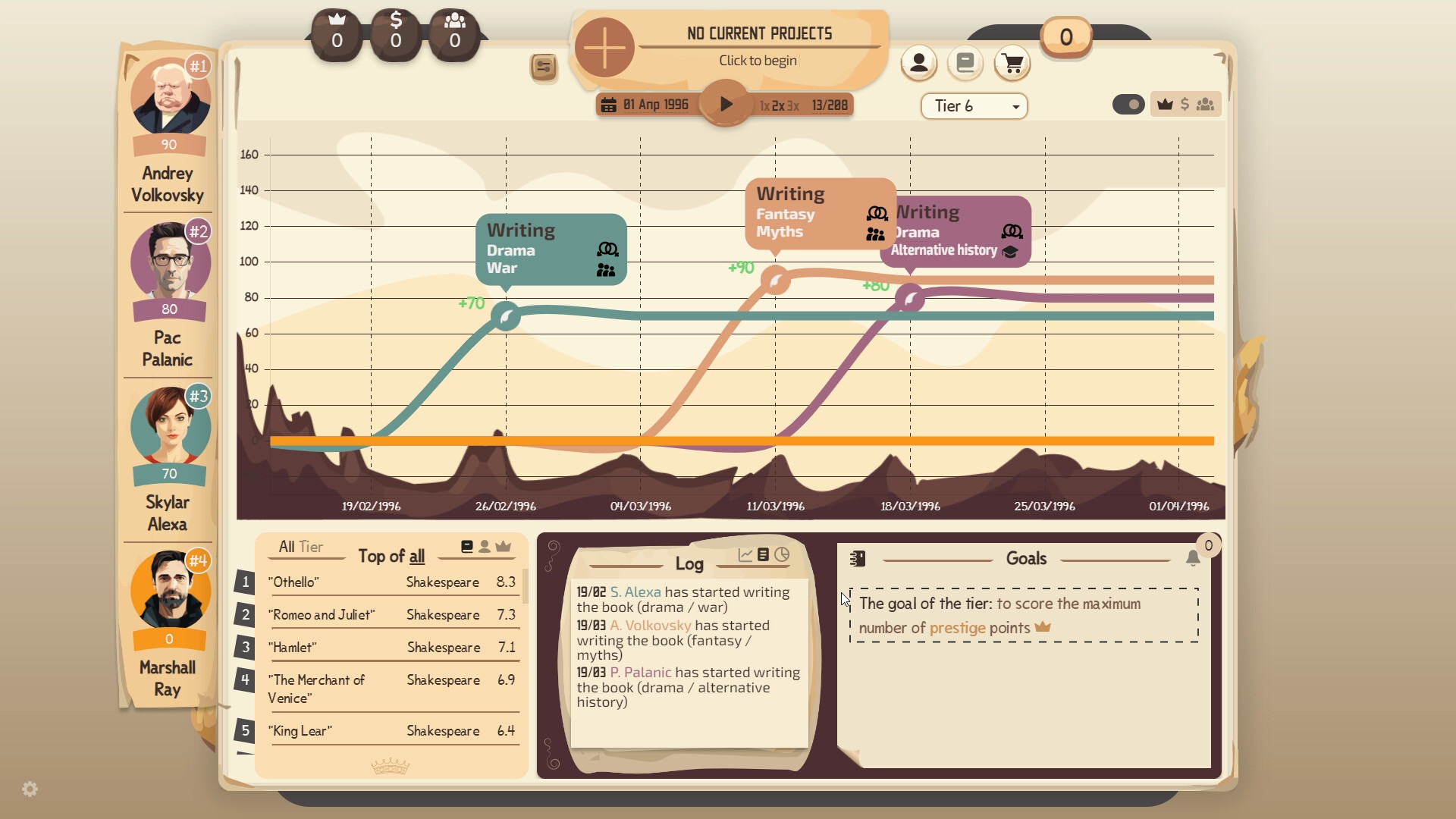
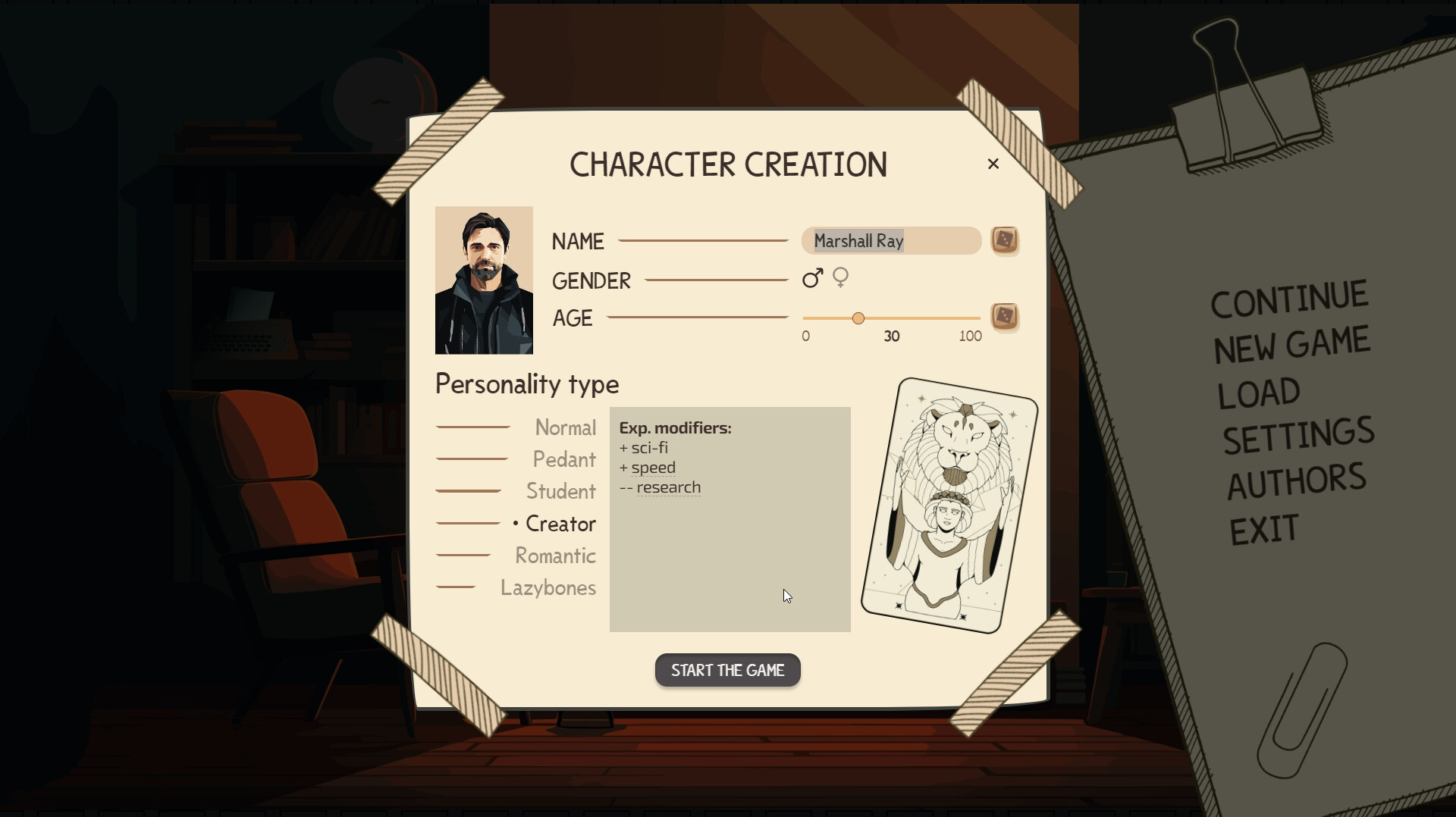
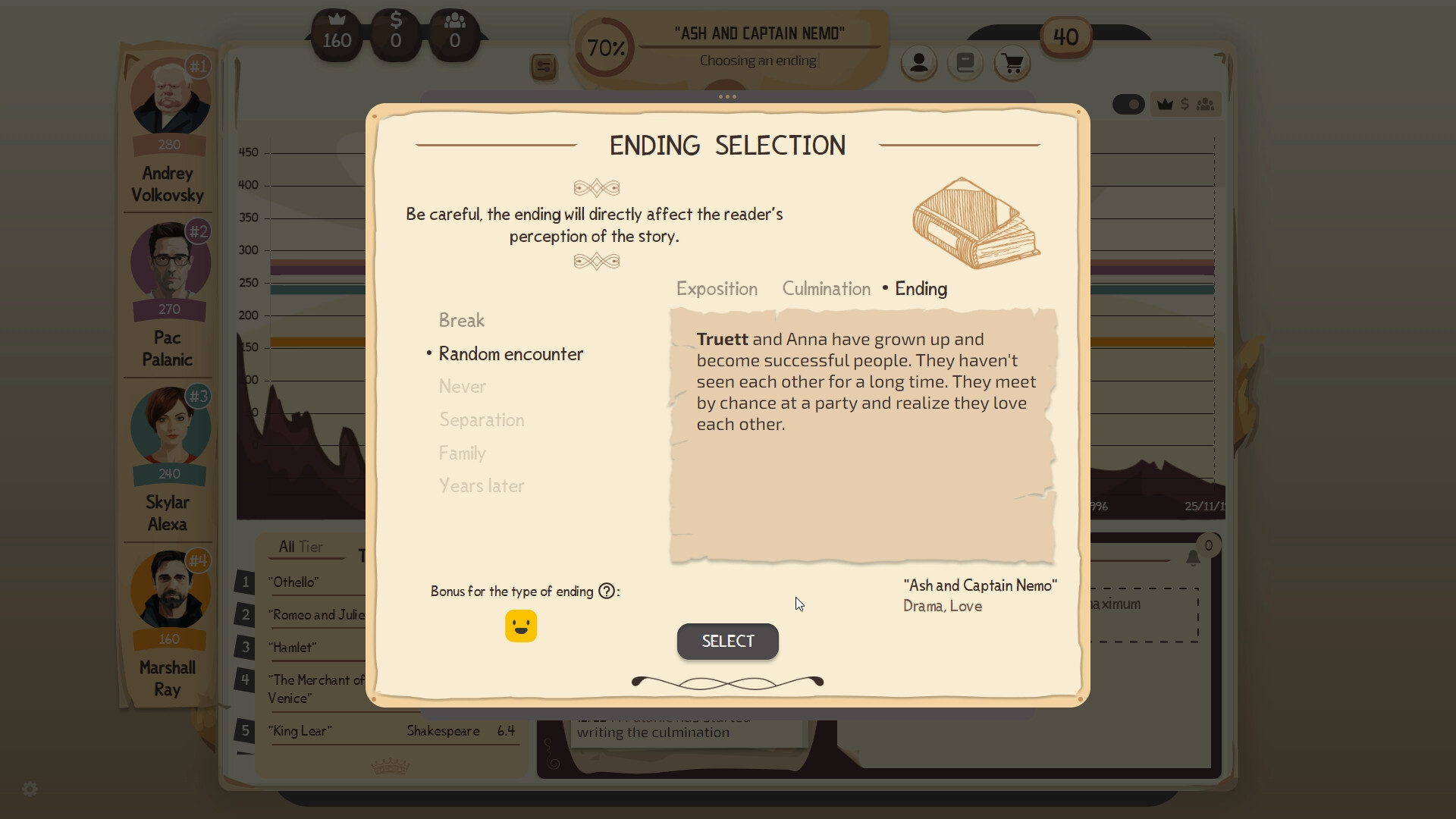
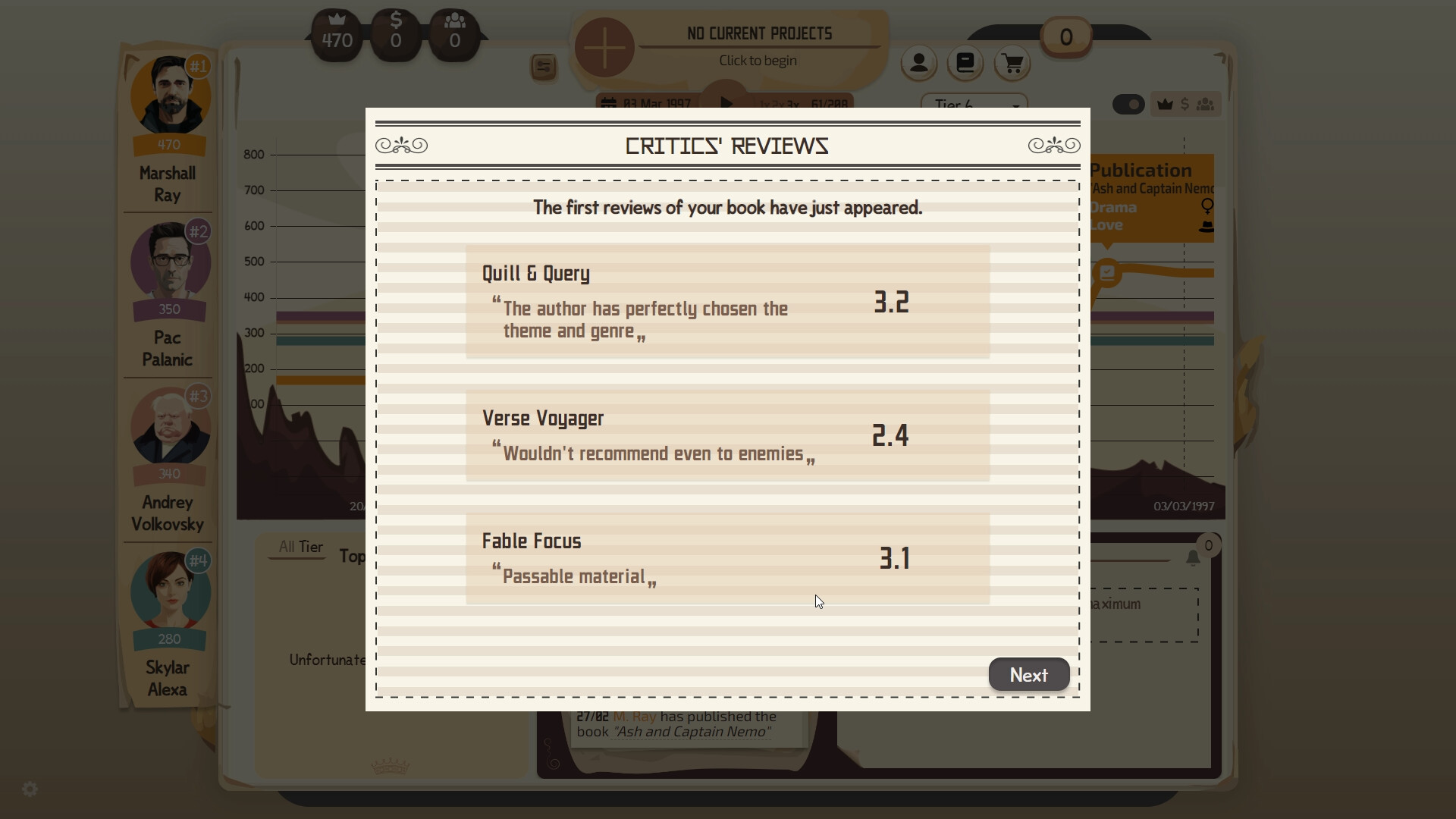
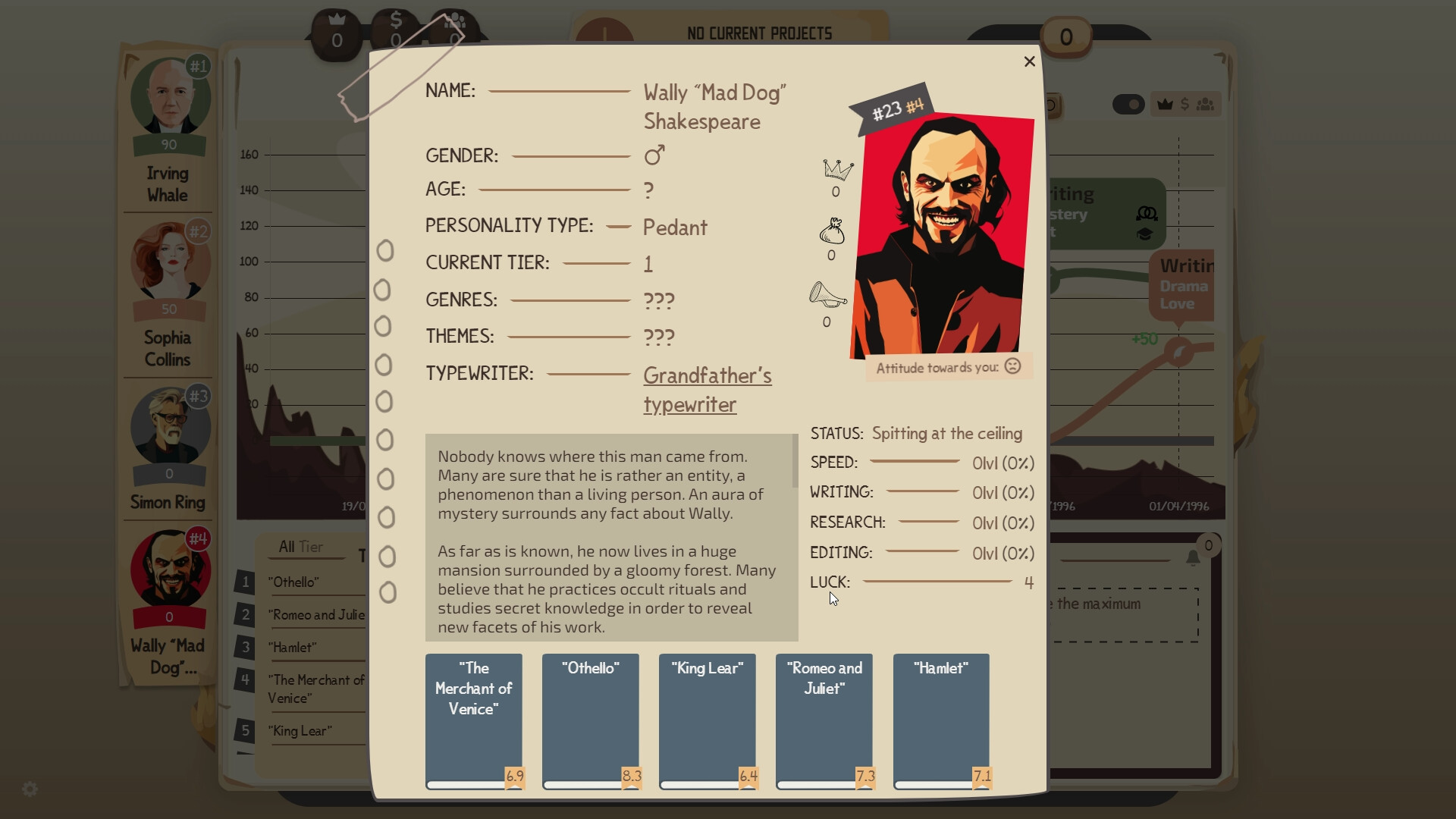
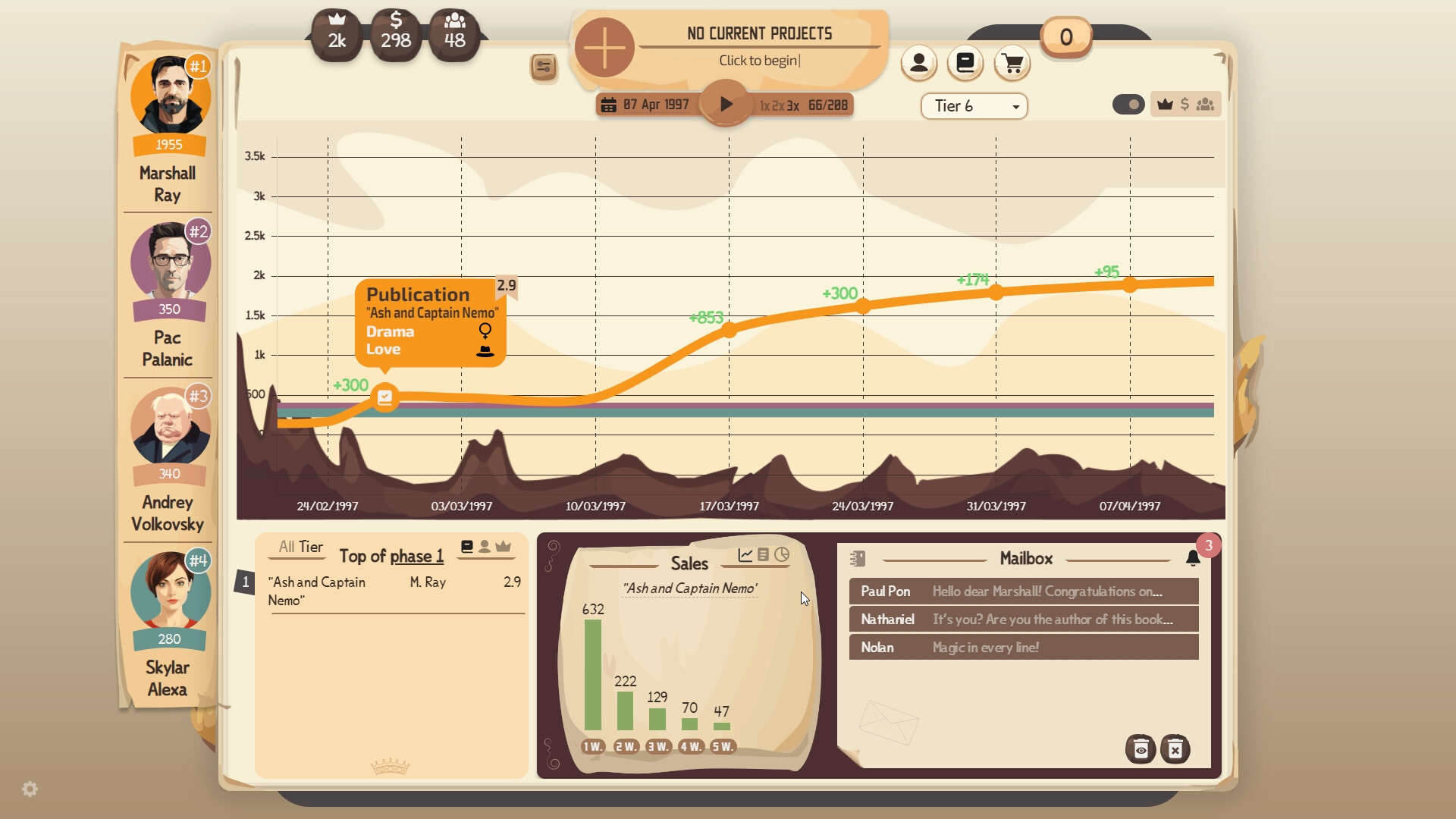
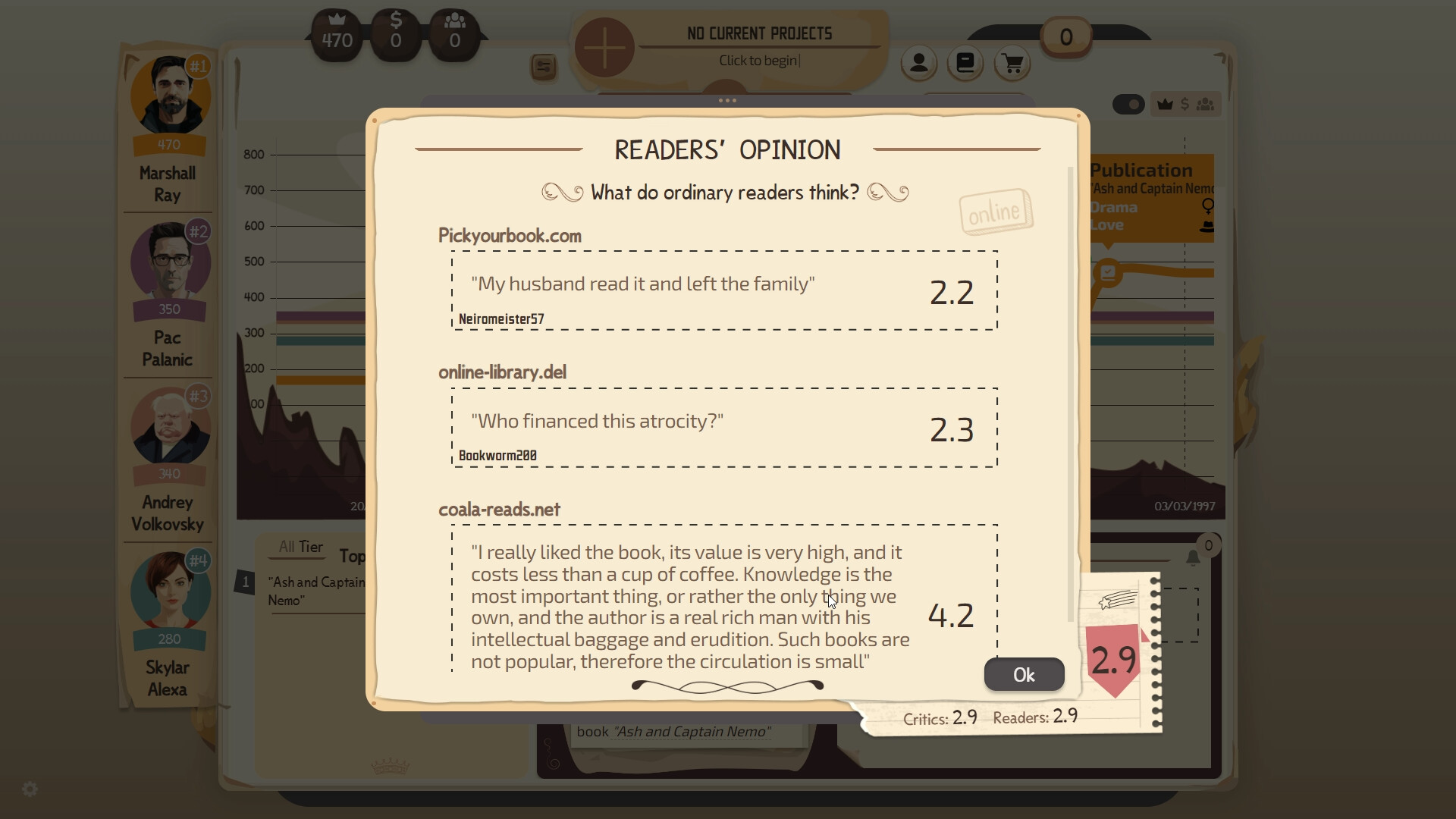
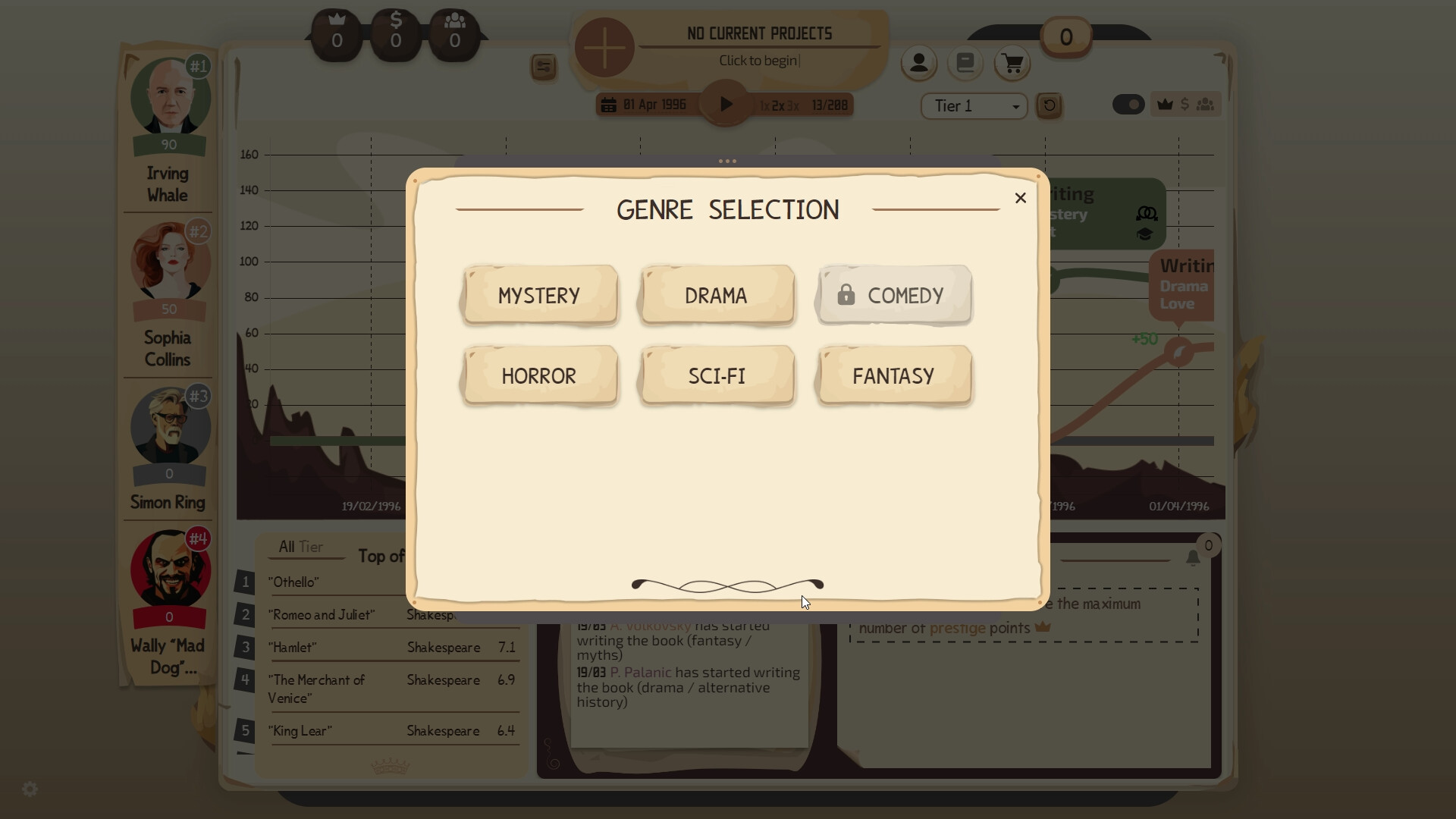
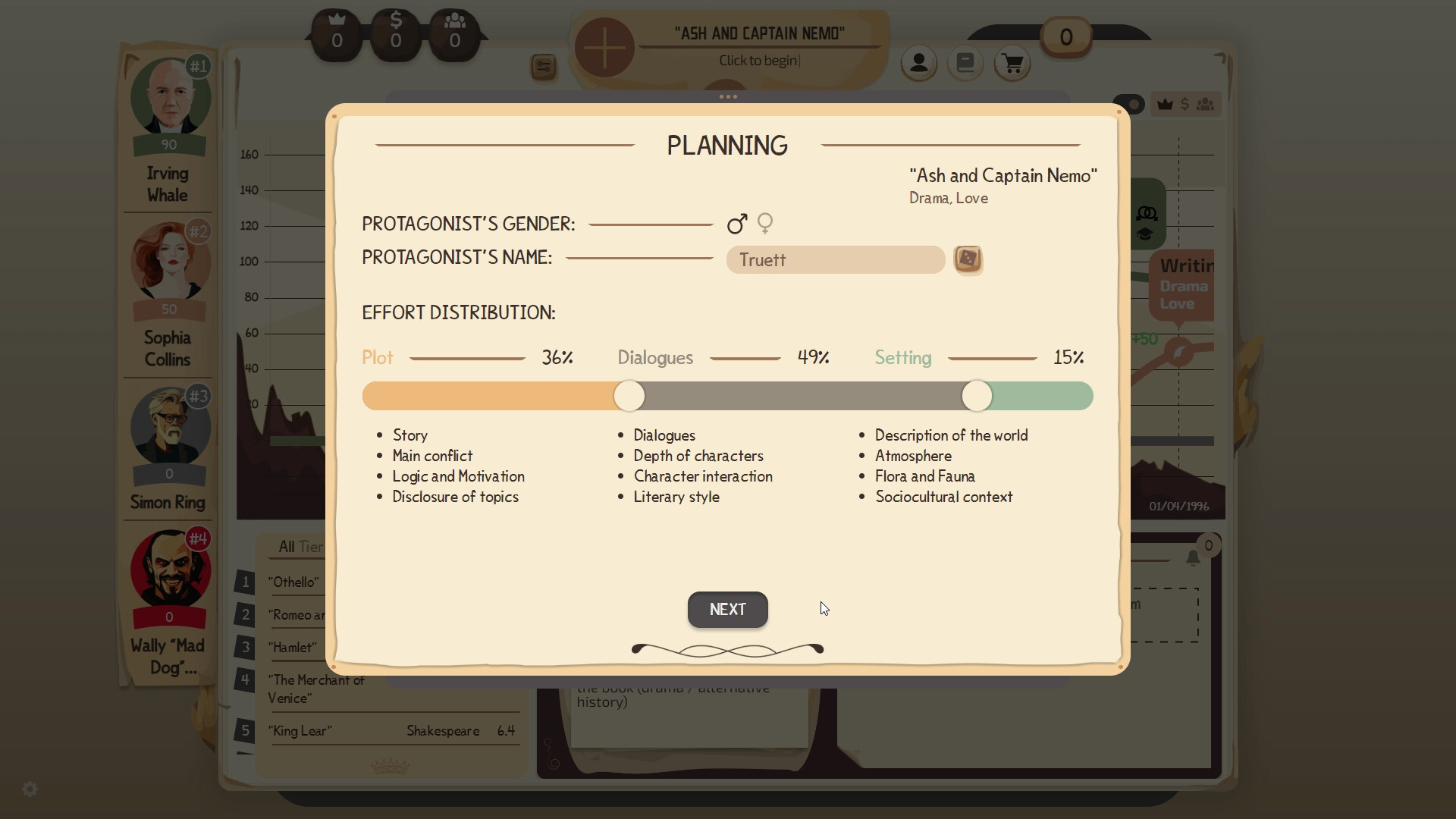
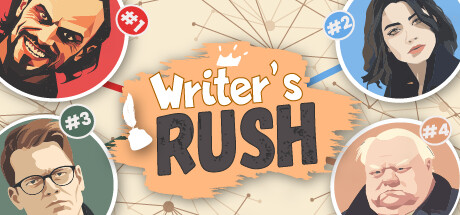
Writer’s Rush, developed and published by Frogstorm, is an indie writing simulation that turns the often solitary act of creative expression into a competitive, fast-paced race toward literary stardom. Rather than framing writing as a quiet, introspective process, the game gamifies the entire profession, presenting it as a high-energy climb up the ranks of a bustling creative scene filled with rival authors, demanding publishers, and an ever-shifting market of reader expectations. It embraces a playful, almost arcade-like interpretation of the writer’s journey, yet underneath its colorful presentation lies a surprisingly layered management and progression system that encourages experimentation and strategic thinking. At the heart of Writer’s Rush is the idea that writing is both art and hustle. Players take on the role of an aspiring author trying to build a reputation across multiple formats, from short articles and fanfiction to novels, screenplays, and even translations. Each type of writing is treated as a distinct activity with its own mechanics and thematic considerations, which helps prevent the experience from feeling repetitive. Instead of merely clicking through text prompts, players must consider genre alignment, audience preferences, and timing, all while balancing energy and productivity. The game offers a wide array of themes and genres, allowing you to tailor your creative identity—whether that means focusing on horror, romance, sci-fi, or more eclectic combinations. This freedom to define your specialty gives each playthrough a slightly different rhythm and strategic emphasis. Competition plays a central role in shaping the game’s tension. You are not writing in a vacuum; you are constantly measured against a roster of rival authors, each with their own personalities and strengths. These competitors add narrative flavor and a sense of ongoing pressure, transforming routine assignments into mini duels for recognition and prestige. Watching your ranking fluctuate based on the quality and reception of your work creates a satisfying feedback loop. The system rewards thoughtful planning—choosing the right genre at the right time, accepting contracts that align with your strengths, and investing in upgrades that enhance your output. As your reputation grows, so too do the expectations, forcing you to adapt rather than rely on a single formula. Progression in Writer’s Rush is handled through unlockable perks and skill improvements that gradually shape your creative persona. You might develop faster writing speeds, stronger affinity for certain themes, or bonuses when dealing with specific publishers. These upgrades feel meaningful because they directly influence how efficiently and effectively you can produce content. There is a light role-playing element in deciding what kind of writer you want to become: a prolific generalist who dabbles in everything, or a focused specialist who dominates a niche. The sense of growth is tangible, especially in longer sessions, as early struggles give way to more confident, streamlined production cycles. This arc mirrors the real-life journey of many creatives, albeit in a stylized and accelerated format. Visually, the game opts for a clean and minimalist 2D presentation. The interface is straightforward and readable, prioritizing clarity over elaborate effects. While it does not dazzle with cutting-edge graphics, its simplicity works in its favor by keeping attention on the mechanics and decisions rather than visual spectacle. The tone is lighthearted and self-aware, occasionally poking fun at the clichés of the writing world. This humor adds personality to what could otherwise be a purely statistical simulation. The soundtrack and sound design are understated but functional, supporting the gameplay loop without becoming distracting. Where Writer’s Rush truly stands out is in how it captures the push-and-pull between creativity and commercial demand. Accepting contracts means aligning your work with what publishers want, sometimes at the expense of personal preference. Chasing trends can bring quick rewards, but it may also lead to burnout or missed opportunities in other areas. This balancing act introduces a subtle layer of commentary about the realities of creative industries, even if it is presented through a playful, gamified lens. The constant decision-making—what to write next, which contract to accept, which skill to upgrade—keeps the experience engaging beyond its simple surface mechanics. That said, the game’s relatively modest scope may not satisfy players looking for deep narrative storytelling or highly complex management systems. Its mechanics, while varied, remain streamlined and accessible. For some, this accessibility is a strength, making it easy to jump into short sessions and see measurable progress. For others, it may feel like it stops just short of the depth found in more intricate life or business simulations. The replay value largely depends on how much you enjoy optimizing different builds and experimenting with alternative genre paths. Ultimately, Writer’s Rush succeeds as a charming and imaginative take on the writing profession. It transforms the solitary craft of putting words on a page into a lively strategic contest filled with growth, rivalry, and creative experimentation. While it may not be a sprawling, deeply technical simulator, it offers a focused and entertaining loop that captures the thrill of climbing the ranks through talent and smart decision-making. For players who appreciate unconventional simulation concepts and enjoy seeing creative industries reinterpreted through game mechanics, Writer’s Rush provides a distinctive and satisfying experience that punches above its modest indie presentation. Rating: 7/10
Expand the review