X-COM: UFO Defense
You are in control of X-COM: an organization formed by the world's governments to fight the ever-increasing alien menace.
Sync your Steam wishlist to track the lowest game prices instantly. No login required, just paste your Steam profile URL!
⚡ Try Wishlist Radar!
Sync your Steam wishlist to track the lowest game prices instantly. No login required!
⚡ Try Wishlist Radar!
Close

X-COM: Apocalypse on Steam - User reviews, Price & Information
Quick menu
There's something evil in the city tonight... Earth has been ravaged by human excess, petty conflict and alien invasion. The world's population has been herded into huge cities, the first of which was Mega Primus. 2084: A Utopia shattered, social collapse and civil unrest reigns in Mega Primus. Fiendish aliens terrorize the city.
X-COM: Apocalypse is a strategy, turn-based and tactical game
developed by MicroProse Software and Inc
and published by 2K.
Released on September 04th 2008 is available in English only on Windows.
It has received 897 reviews of which 792 were positive and 105 were negative resulting in a rating of 8.3 out of 10. 😎
The game is currently priced at 4.99€ on Steam, but you can find it for 0.42€ on Gamivo.
The Steam community has classified X-COM: Apocalypse into these genres:
Media & Screenshots
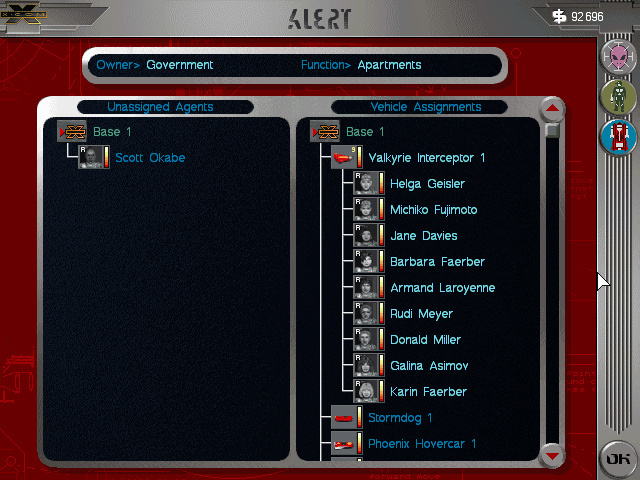
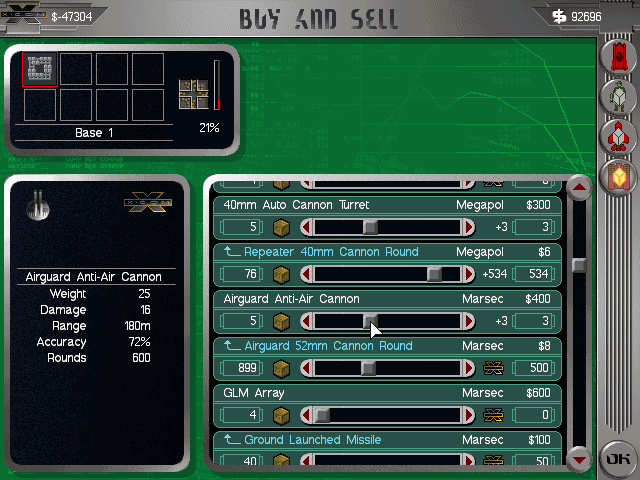
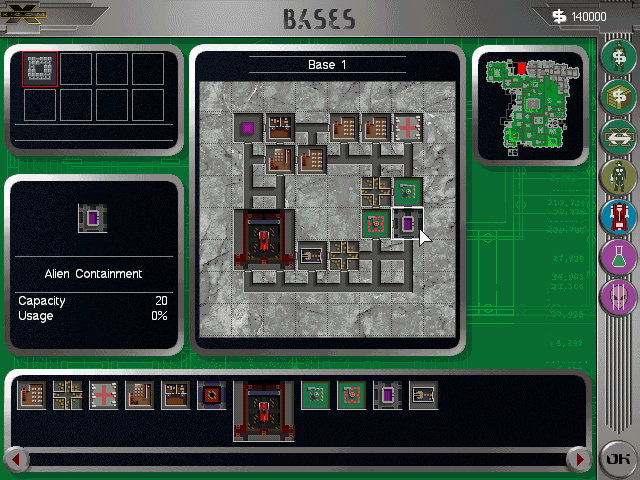
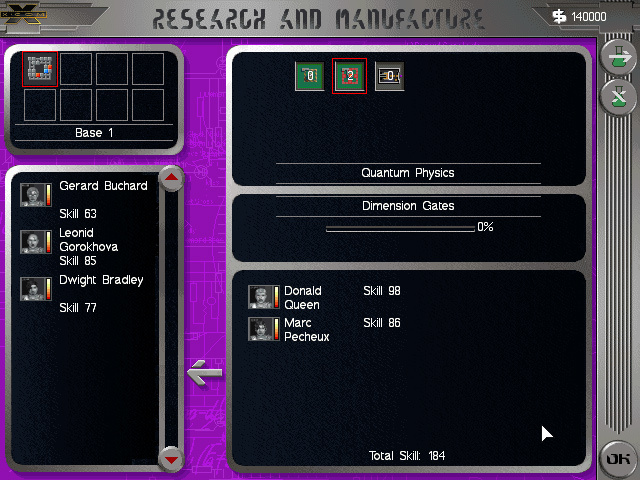
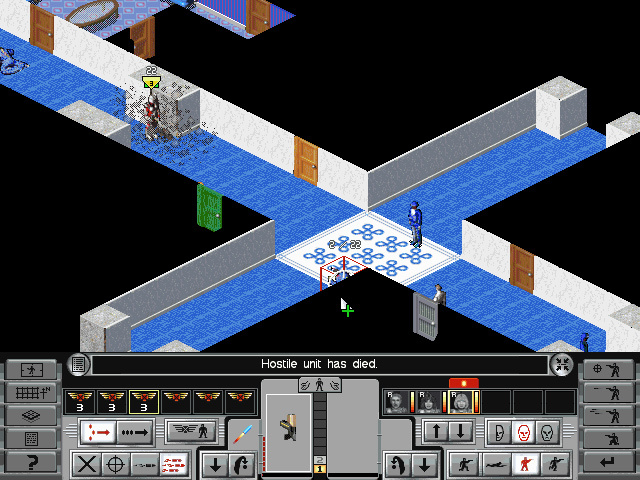
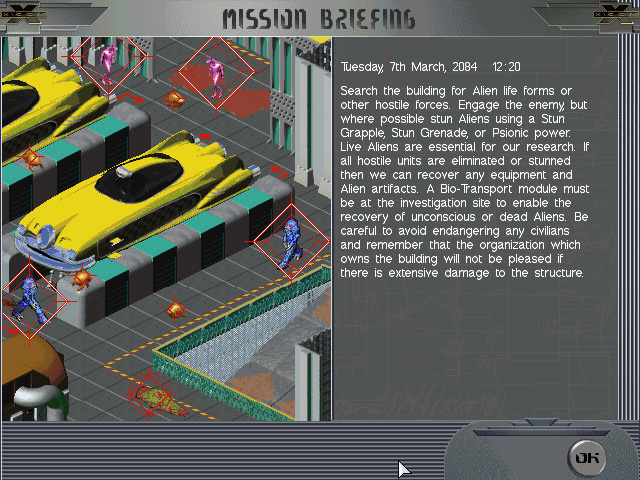
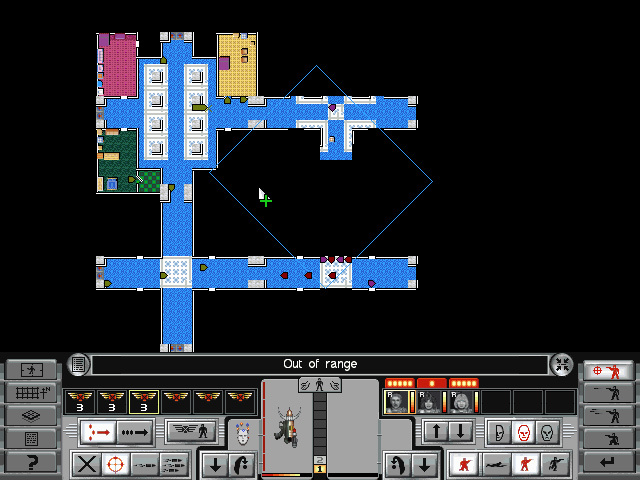
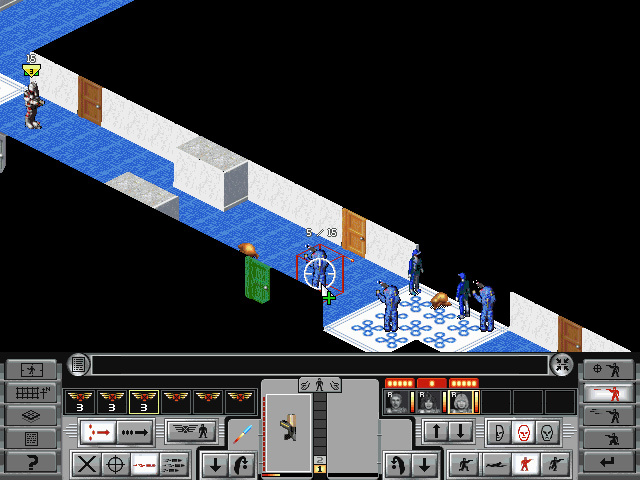
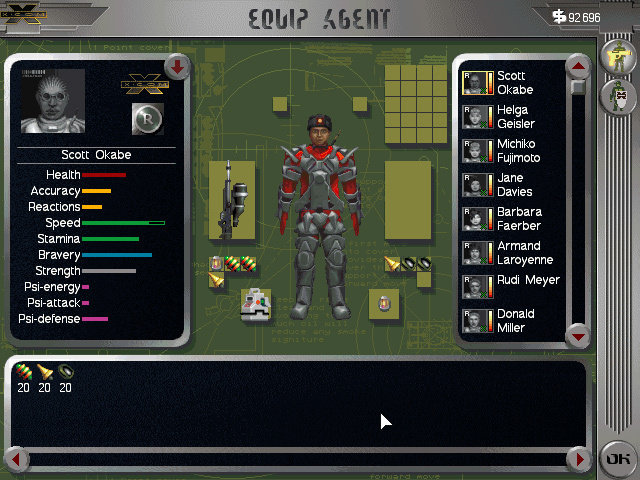
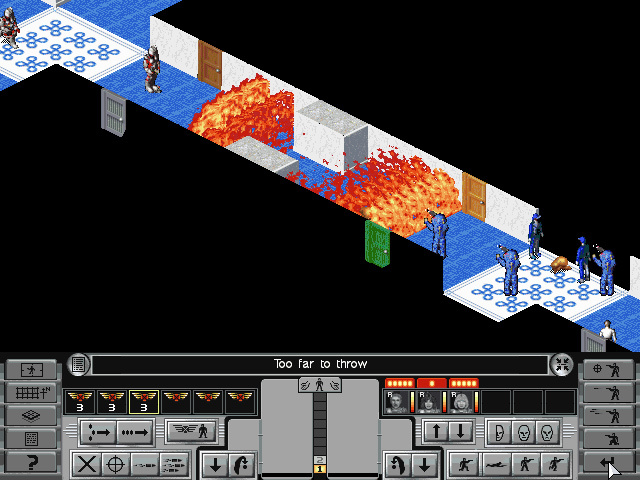
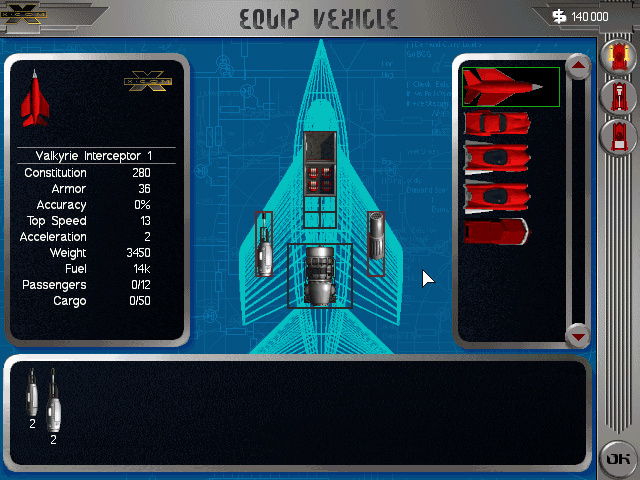
Get an in-depth look at X-COM: Apocalypse through various videos and screenshots.
Load More
System requirements
These are the minimum specifications needed to play the game. For the best experience, we recommend that you verify them.
Windows
- Supported OS: Microsoft® 2000/XP/Vista®
- Processor: Pentium 90MHz or better
- Memory: 16Mb RAM
- Graphics: Supported 32Mb Graphics Card
- Sound Cards Supported: Sound Blaster and 100% compatibles, Microsoft Sound System, ESS Audio Drive, ProAudio Spectrum, Ensoniq Soundscape and Gravis UltraSound
- Hard Drive: 60 MB Hard Disk Space
Steam Price & Best Deals
User reviews & Ratings
Explore reviews from Steam users sharing their experiences and what they love about the game.
One of the best games in the Xcom universe that they never tried to replicate. This game was so much fun and took up so much of my youth and continues to take up peoples times today. I wish the OpenApoc was easier to install but its github looks complicated. Maybe oneday 2k will remake X-com Apoc into X-com 3 or maybe phoenix Point 2 and Phoenix Point 3 will follow the amazing paths.
I'm giving a positive review out of my love for this series, and for some mild interest in playing again whenever OpenApoc is released. This one has good chaotic moments and interesting stuff thrown around, and many people seem to have had a better experience than me. Nonetheless, this game is disgustingly flawed. I played the three classic X-Com games around 2005, at the height of my patience for DosBox emulation and compatibility settings, and even back then I dropped this one. Today I have just finished this one for the first time, just to take it out of my backlog.
Still as good as I remember. A great compromise between live action and turn-based play. Brilliant elements of strategy and research, without being to involved or taxing - so, great for dipping in and out of. I'm by no means a dedicated gamer nowadays (as if I have the time), so this is just right for me. Clear goals and a level of difficulty pitched just right for me.
X-COM: Apocalypse, developed by MicroProse Software and published by 2K, stands as one of the most ambitious yet polarizing installments in the legendary X-COM series. Released in 1997, it marked a dramatic evolution from its predecessors, shifting the alien conflict from a global battlefield to the sprawling futuristic city of Mega Primus. Set decades after the events of the original games, humanity now lives in massive domed metropolises following the ecological collapse of Earth. It is within this dense, cyberpunk-inspired environment that a new wave of alien incursions begins, forcing the reformation of the X-COM organization. What unfolds is a hybrid of turn-based strategy, real-time tactical combat, and urban management—an experiment that pushes the boundaries of the franchise’s design philosophy. The result is a game that is as fascinating as it is flawed, a mixture of groundbreaking ideas and rough execution that continues to intrigue fans and historians of the genre. At its core, X-COM: Apocalypse retains the familiar structure of research, resource management, and tactical deployment that defined the series, but it expands each of these systems in scope and complexity. The strategic layer now revolves around the city of Mega Primus, a fully simulated urban ecosystem teeming with corporations, government agencies, gangs, and civilian infrastructure. Unlike the global geoscape of previous entries, Mega Primus functions as a living, breathing entity. Players must manage their relations with various factions, purchase bases hidden within city buildings, and deal with political and economic consequences of their actions. If an air battle between X-COM and alien craft destroys corporate property, for instance, the affected company may turn hostile, cutting off essential supplies or funding. This dynamic system creates a sense of political tension and consequence rarely seen in games of the era. It also adds a layer of realism, as X-COM must balance its war against the aliens with the complex web of human alliances and rivalries within the city. The tactical combat layer is where X-COM: Apocalypse attempts its boldest innovations. Players are given the option to choose between the series’ traditional turn-based combat or a newly introduced real-time system, an inclusion that was both experimental and controversial. The real-time mode allows for pausing and issuing commands, letting battles unfold dynamically, while turn-based gameplay retains the methodical pace fans were accustomed to. This dual system offers versatility and replayability but also highlights the game’s internal identity struggle. The real-time mode can feel chaotic and unwieldy, especially in larger skirmishes, while the turn-based option sometimes seems slower and less optimized for the game’s intricate environments. Despite these flaws, the battles remain tense and engaging, with destructible environments, morale effects, and an impressive variety of alien and human opponents. The urban maps—filled with skyscrapers, factories, and subterranean alien hives—are some of the most complex tactical arenas ever attempted in the 1990s, creating encounters that feel alive, unpredictable, and often overwhelming. The aliens in Apocalypse are more biologically complex and thematically disturbing than ever before. Rather than the traditional extraterrestrials of previous games, these invaders are extradimensional organisms whose technology blurs the line between flesh and machine. Their infiltration methods are subtler, relying on subversion, infection, and manipulation. This shift in design creates a more sinister tone that complements the oppressive industrial atmosphere of Mega Primus. The research system reflects this deeper complexity, as players must dissect alien anatomy, reverse-engineer bio-mechanical weapons, and understand how the alien dimension functions. The gradual uncovering of alien hierarchy and ecology is one of the game’s most rewarding elements, providing a sense of discovery and dread that harks back to the scientific horror that defined the original X-COM: UFO Defense. Where X-COM: Apocalypse truly diverges from its predecessors is in its ambitious simulation of an interconnected city. Mega Primus operates as a sandbox in constant motion—corporations manufacture vehicles and weapons, police enforce order, gangs fight turf wars, and alien incursions can strike anywhere at any time. This living environment means that every decision the player makes has a tangible impact on the world. Raiding a hostile faction’s facility can yield valuable resources but may destabilize political relationships. Allowing alien infiltration to go unchecked can result in major organizations falling under alien control. This dynamic worldbuilding was far ahead of its time, offering an early glimpse into what modern simulation-heavy strategy games would later attempt. However, the sheer complexity of these systems often overwhelms the interface, which struggles to present information cleanly. The steep learning curve and sometimes opaque mechanics have made Apocalypse both a challenging and intimidating experience for newcomers. Visually, the game represents a significant step up from its predecessors. The move to SVGA graphics allows for richly detailed environments, destructible buildings, and smoother animations. The art direction gives Mega Primus a distinct cyberpunk aesthetic, combining industrial sprawl with bright corporate advertising and alien corruption creeping beneath the surface. The isometric perspective still feels iconic, and the sense of scale—watching flying cars zip between skyscrapers as battles erupt below—creates a level of immersion that was unprecedented in the series. The soundtrack, composed by John Broomhall, underscores this atmosphere with eerie synths and mechanical rhythms that reinforce the game’s dystopian mood. Technically, however, the game was notorious for instability at release, with bugs and crashes frustrating many early players. Later patches and modern compatibility updates have improved performance, but the legacy of its technical issues remains a part of its reputation. In retrospect, X-COM: Apocalypse is a game that aimed far beyond what its technology and development conditions could comfortably support. The production was plagued by shifting design goals, corporate interference, and budgetary constraints, which led to many planned features being cut or simplified. Yet even with its imperfections, the final product remains an extraordinary achievement in vision and ambition. It presents an intricate world of interlocking systems, a wealth of tactical and strategic depth, and a tone that blends science fiction, horror, and political intrigue into something unique. The game’s divisive reception at launch reflected this complexity—some players found it an overwhelming labyrinth of micromanagement, while others hailed it as a masterstroke of emergent strategy. Ultimately, X-COM: Apocalypse endures as both a bold experiment and a testament to the creative ambition of the 1990s strategy genre. It is not as immediately accessible or elegantly designed as its predecessors, but its innovations laid groundwork for future games that would embrace dynamic worlds and player-driven consequences. Beneath its rough edges lies a deeply immersive experience that rewards patience and curiosity, offering a vision of humanity’s struggle not just against alien invaders, but against its own institutions and fragility. For those willing to navigate its dense systems and occasional chaos, Apocalypse provides one of the most distinctive and intellectually rich strategy experiences of its era—an imperfect masterpiece that continues to fascinate decades after its release. Rating: 8/10
Similar games
View all

X-COM: Terror From the Deep
The war continues... X-COM: UFO Defense brought you to a galactic battlefield. X-COM: Terror from the Deep brings the alien terror into a totally new dimension.Seeking to take advantage of a weakened Earth, X-COM's deep space foes unexpectedly change strategy and launch a powerful second front against planet Earth.

UFO: Aftermath
UFO: Aftermath is a 3D isometric, tactical strategy game with a rich and compelling sci fi story.
XCOM: Enemy Unknown
The XCOM: Enemy Unknown - Slingshot Pack is Now Available!
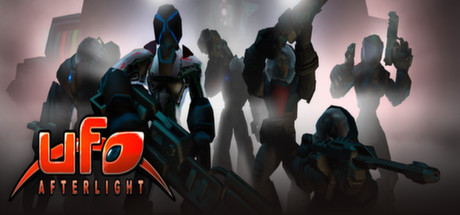
UFO: Afterlight
The story is situated on Mars. It starts where UFO: Aftermath left off and runs simultaneously with UFO: Aftershock. While the Laputans on Earth are fighting Wargots and Starghosts and finding out what caused the destruction of their home planet, a small colony on Mars is trying to survive and flourish.
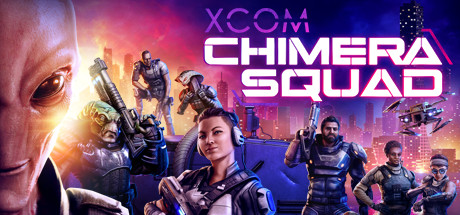
XCOM : Chimera Squad
XCOM: Chimera Squad delivers an all-new story and turn-based tactical combat experience in the XCOM universe.

Fallout Tactics: Brotherhood of Steel
Tactical Squad-Based Combat comes to the Fallout® Universe! You are the wretched refuse. You may be born from dirt, but we will forge you into steel. You will learn to bend; if not you, will you break. In these dark times, the Brotherhood - your Brotherhood - is all that stands between the rekindled flame of civilization and the howling,...
Jagged Alliance 1: Gold Edition
Experience a true classic! This Gold edition includes the original Jagged Alliance plus the add-on Jagged Alliance: Deadly Games. Take a trip into retro land and learn why this is considered to be one the best turn-based games of all times.

Breach & Clear
Breach & Clear brings deep tactical strategy simulation to PC, Mac and Linux! Build your Special Operations team, plan and execute advanced missions, and own every angle.Choose your real-world squad -- US Army Rangers, Germany's KSK, Canada’s JTF2, UK SAS, and more -- and take on a variety of foes with different skill-sets and...
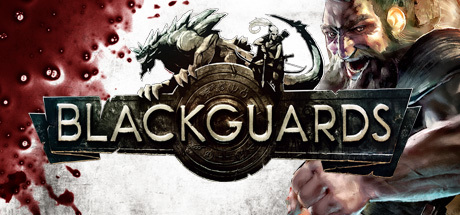
Blackguards
What happens when the only hope of a threatened world lies not with heroes in shining armor, but in the hands of a band of misfits and criminals? Blackguards, a new turn-based strategy RPG, explores this very question. You will discover over 180 unique hex-based battlegrounds within a dark and mature story of crime, drugs, and murder.

MENACE
Lead a strike force against an alien threat in this turn-based tactical RPG from the developers of Battle Brothers. Answer distress calls across different worlds, train and equip infantry, deploy tanks and mechs, and plan and execute missions in detailed turn-based battles.

The Red Solstice
2280 A.D. The last few survivors of a ruined Earth seek a new home: Mars, a planet whose inhabitants didn't take too kindly to outsiders. The Red Solstice is a tense, tactical, squad-based action game. Fight to survive with up to 8 players in co-op, or lead your own squad in single-player mode.
Frequently Asked Questions
X-COM: Apocalypse is currently priced at 4.99€ on Steam.
No, X-COM: Apocalypse is currently not on sale. You can purchase it for 4.99€ on Steam.
Yes, X-COM: Apocalypse received 792 positive votes out of a total of 897 achieving a rating of 8.33.
😎
X-COM: Apocalypse was developed by MicroProse Software and Inc and published by 2K.
Yes, X-COM: Apocalypse is playable and fully supported on Windows.
No, X-COM: Apocalypse is not playable on MacOS.
No, X-COM: Apocalypse is not playable on Linux.
This information about X-COM: Apocalypse is not available yet.
This information about X-COM: Apocalypse is not available yet.
No, X-COM: Apocalypse does not support VR.
X-COM: Apocalypse is a single-player game.
No, X-COM: Apocalypse does not currently offer any DLC.
No, X-COM: Apocalypse does not support mods via Steam Workshop.
No, X-COM: Apocalypse does not support Steam Remote Play.
Yes, X-COM: Apocalypse is enabled for Steam Family Sharing. This means you can share the game with authorized users from your Steam Library, allowing them to play it on their own accounts. For more details on how the feature works, you can read the original Steam Family Sharing announcement or visit the Steam Family Sharing user guide and FAQ page.
You can find solutions or submit a support ticket by visiting the Steam Support page for X-COM: Apocalypse.
Data sources
The information presented on this page is sourced from reliable APIs to ensure accuracy and relevance. We utilize the Steam API to gather data on game details, including titles, descriptions, prices, and user reviews. This allows us to provide you with the most up-to-date information directly from the Steam platform.
Additionally, we incorporate data from the SteamSpy API, which offers insights into game sales and player statistics. This helps us present a comprehensive view of each game's popularity and performance within the gaming community.
Last Updates| Steam data | 03 September 2026 21:16 UTC |
|---|---|
| SteamSpy data | 05 September 2026 15:44 UTC |
| Steam price | 12 September 2026 18:43 UTC |
| Steam reviews | 11 September 2026 13:54 UTC |
If you'd like to dive deeper into the details about X-COM: Apocalypse, we invite you to check out a few dedicated websites that offer extensive information and insights. These platforms provide valuable data, analysis, and user-generated reports to enhance your understanding of the game and its performance.
- SteamDB - A comprehensive database of everything on Steam about X-COM: Apocalypse
- SteamCharts - Analysis of X-COM: Apocalypse concurrent players on Steam
- ProtonDB - Crowdsourced reports on Linux and Steam Deck X-COM: Apocalypse compatibility

 4.99€
Visit Store
4.99€
Visit Store
 🔥 Deal
-92%
4.99€
0.42€
Buy Now
🔥 Deal
-92%
4.99€
0.42€
Buy Now
 -87%
4.99€
0.68€
Visit Store
-87%
4.99€
0.68€
Visit Store
 -81%
4.99€
0.98€
Visit Store
-81%
4.99€
0.98€
Visit Store
Game modes
Features
Online players
9
Developer
MicroProse Software, Inc
Publisher
2K
Release
04 Sep 2008
Platforms
Clicking and buying through these links helps us earn a commission to maintain our services.