Creaks
The ground starts shaking, light bulbs are breaking - and something rather unusual is happening right behind the walls of your very room. Equipped with nothing but wit and courage, you slowly descend into a world inhabited by avian folk and seemingly deadly furniture monsters.
Sync your Steam wishlist to find the lowest game prices instantly. No login required, just paste your Steam profile URL!
⚡ Try Wishlist Radar!
Sync your Steam wishlist to find the lowest game prices instantly. No login required!
⚡ Try Wishlist Radar!
Close

Ynglet on Steam
Quick menu
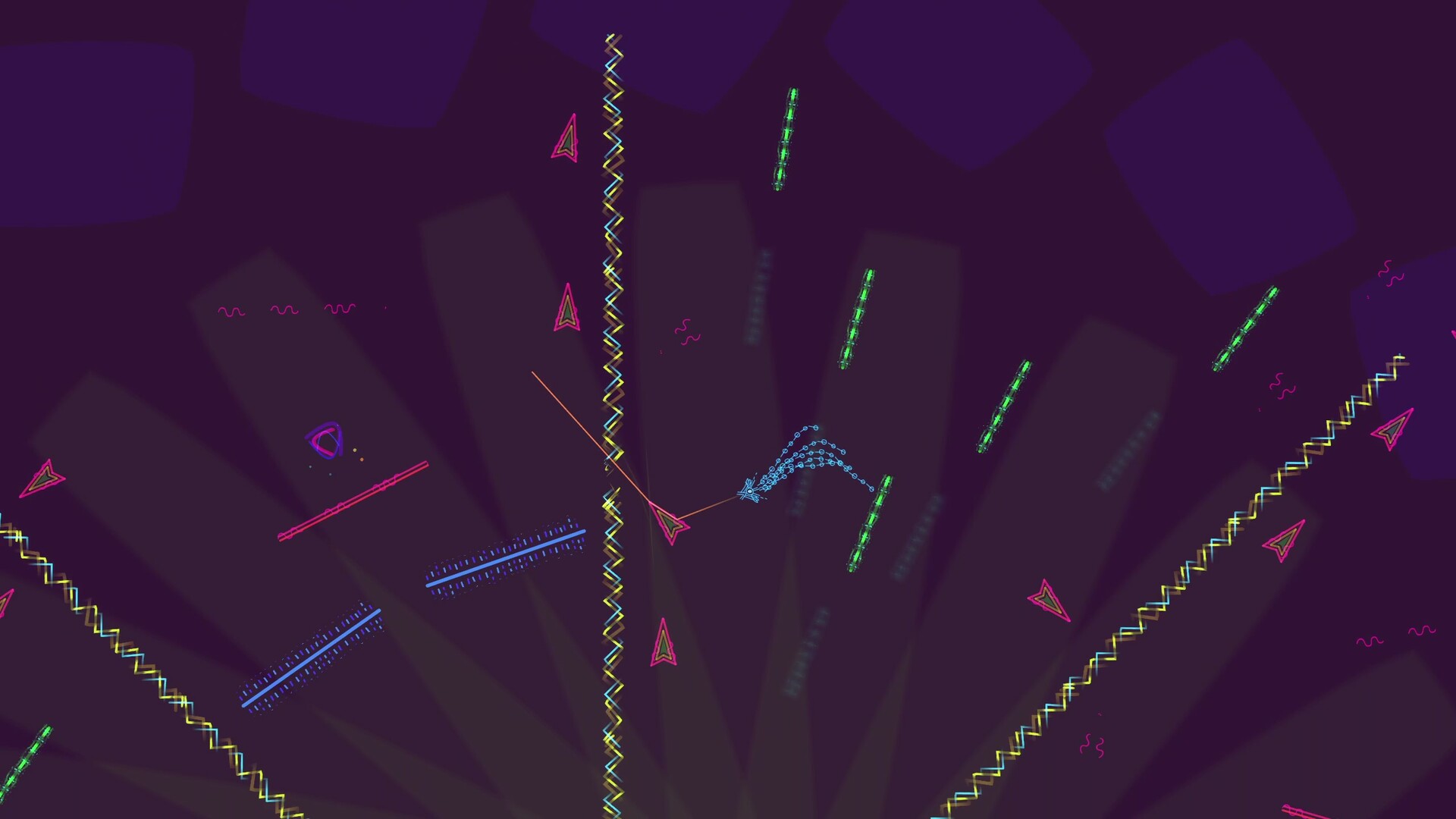
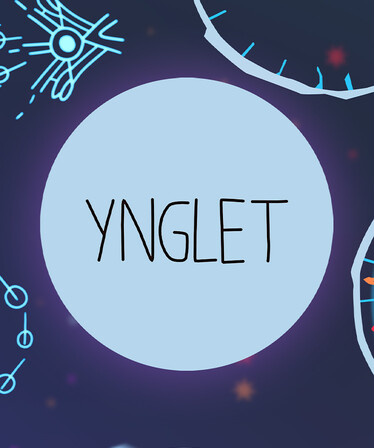
In Ynglet, you jump, dash, slide, bounce and float your way through an abstract, effervescent sky. Melt into the reactive, dynamic soundtrack, while beautiful colors make every moment a visual treat.
Ynglet is a puzzle-platformer, relaxing and atmospheric game
developed by Nifflas
and published by Akupara Games.
Released on June 05th 2021 is available on Windows, MacOS, Steam Deck and Steam Machine
in 15 languages: English, French, Italian, German, Spanish - Spain, Danish, Portuguese - Portugal, Portuguese - Brazil, Russian, Spanish - Latin America, Swedish, Japanese, Simplified Chinese, Traditional Chinese and Korean.
It has received 304 reviews of which 298 were positive and 6 were negative resulting in a rating of 8.9 out of 10. 😎
The game is currently priced at 3.74€ on Steam with a 50% discount, but you can find it for 0.74€ on Eneba.
The Steam community has classified Ynglet into these genres:
Puzzle-Platformer
Relaxing
Atmospheric
2D Platformer
Arcade
2D
Stylized
Music
Surreal
Colorful
Hand-drawn
Physics
Puzzle
Platformer
Action
Cute
Casual
Family Friendly
Adventure
Singleplayer
Here is the detailed breakdown of supported languages for Ynglet:
| UI | Subtitle | Audio | |
|---|---|---|---|
| English | |||
| German | |||
| French | |||
| Italian | |||
| Korean | |||
| Spanish - Spain | |||
| Simplified Chinese | |||
| Traditional Chinese | |||
| Russian | |||
| Japanese | |||
| Portuguese - Portugal | |||
| Danish | |||
| Swedish | |||
| Portuguese - Brazil | |||
| Spanish - Latin America |
Media & Screenshots
Get an in-depth look at Ynglet through various videos and screenshots.
Load More
System requirements
These are the minimum specifications needed to play the game. For the best experience, we recommend that you verify them.
Windows
- Requires a 64-bit processor and operating system
- OS *: Windows 7
- Processor: 64-bit supporting AVX instructions (CPUs newer than ~2012 should support this)
- Memory: 4 GB RAM
- DirectX: Version 10
- Storage: 1 GB available space
MacOS
- OS: Mac OS X 10.14
- Processor: Intel i5, 64-bit supporting AVX instructions (CPUs newer than ~2012 should support this)
- Memory: 4 GB RAM
- Graphics: Metal support (Intel HD 4000 or better)
- Storage: 1 GB available space
Steam Price & Best Deals
User reviews & Ratings
Explore reviews from Steam users sharing their experiences and what they love about the game.
I've played through Ynglet to 100% a few times because its one of the most enjoyable gaming experiences I've had in years. The game's difficulty is masterfully designed. There are three difficulty levels which range from relaxing to pretty dang hard, but you can take a checkpoint on any safe 'platform'. This way the player can tailor the challenge beyond just those three difficulty levels. The visuals are super simple but lovely. There are so many spots where you'll just pause for a moment to take a look around at the very interesting shapes and lines. The music design is incredible. The audio reacts to everything you do, so it feels like you're playing perfectly in-time with the game and makes every movement extremely satisfying. Do yourself a favor and play this game.
the perfect blend of simplicity with interesting, emergent mechanics that allow for lots of adaptability in gameplay, and the perfect blend of visuals, audio, and vibes that can't lead to anything but immediate flow state. very open 'puzzle' game that lets you solve most things however you want, while leaving room for fun skill expression, and the openness of the game is well balanced (more so on the higher difficulties. don't let the name of the highest difficulty, "too hard", scare you away from it (only available after fully beating a campaign)). reminds me a lot of mosa lina in how i feel playing it, which means this game, with just its 3 hour runtime (although i will probably be playing more soon), might be in my top 20 favorite games oat (which i swear means more than how it might sound. i play a lot of games i think maybe).
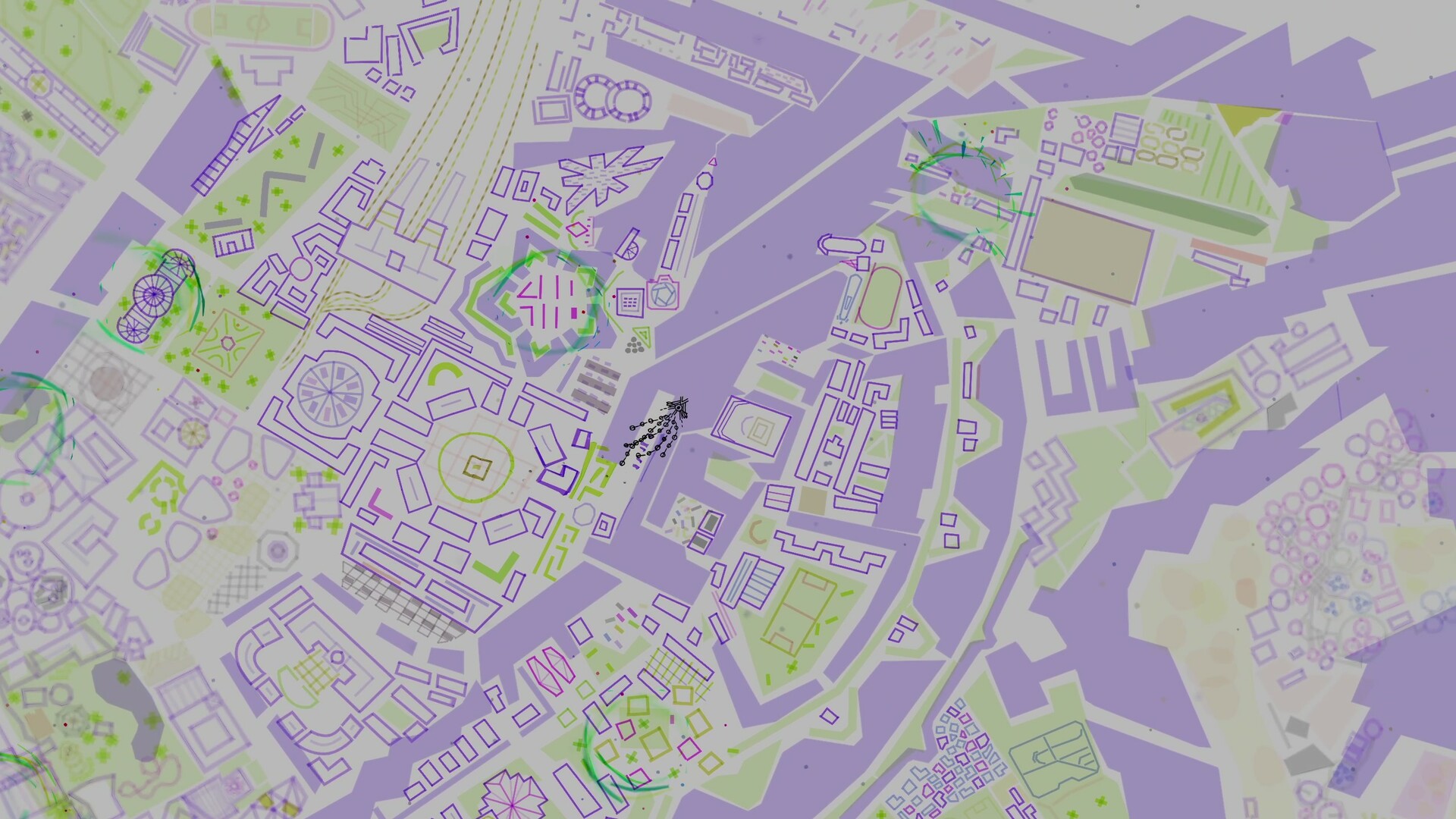
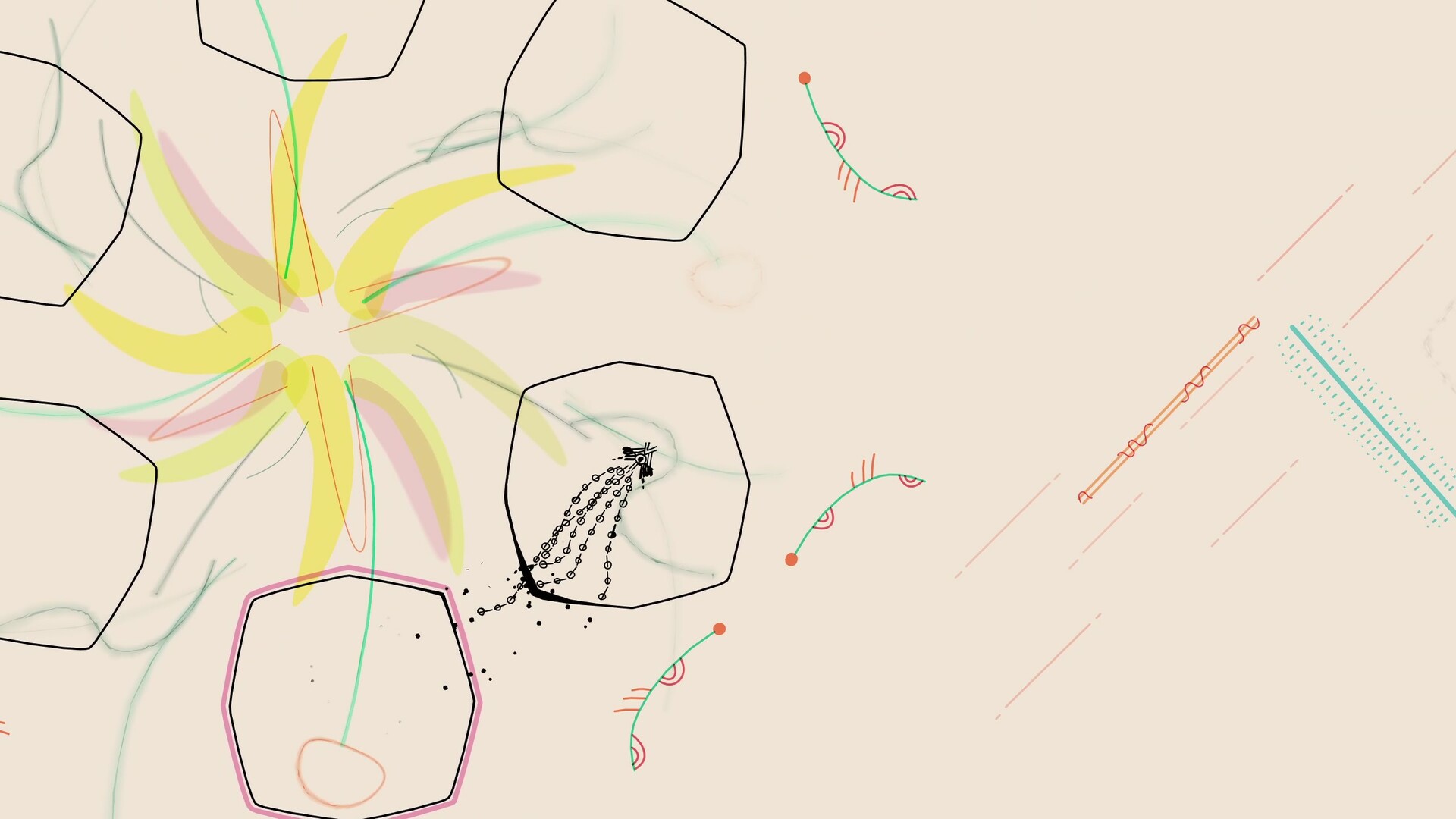
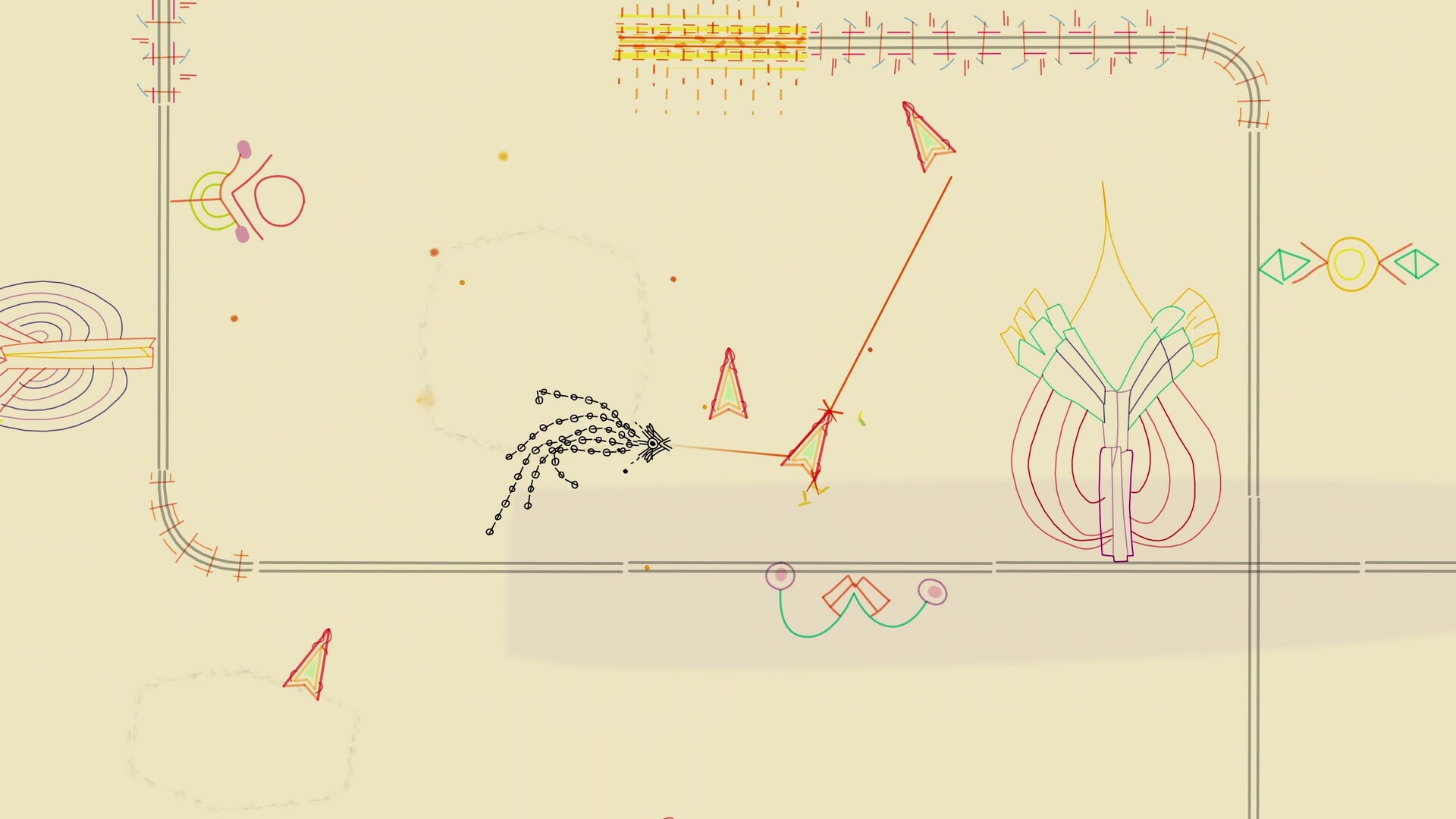
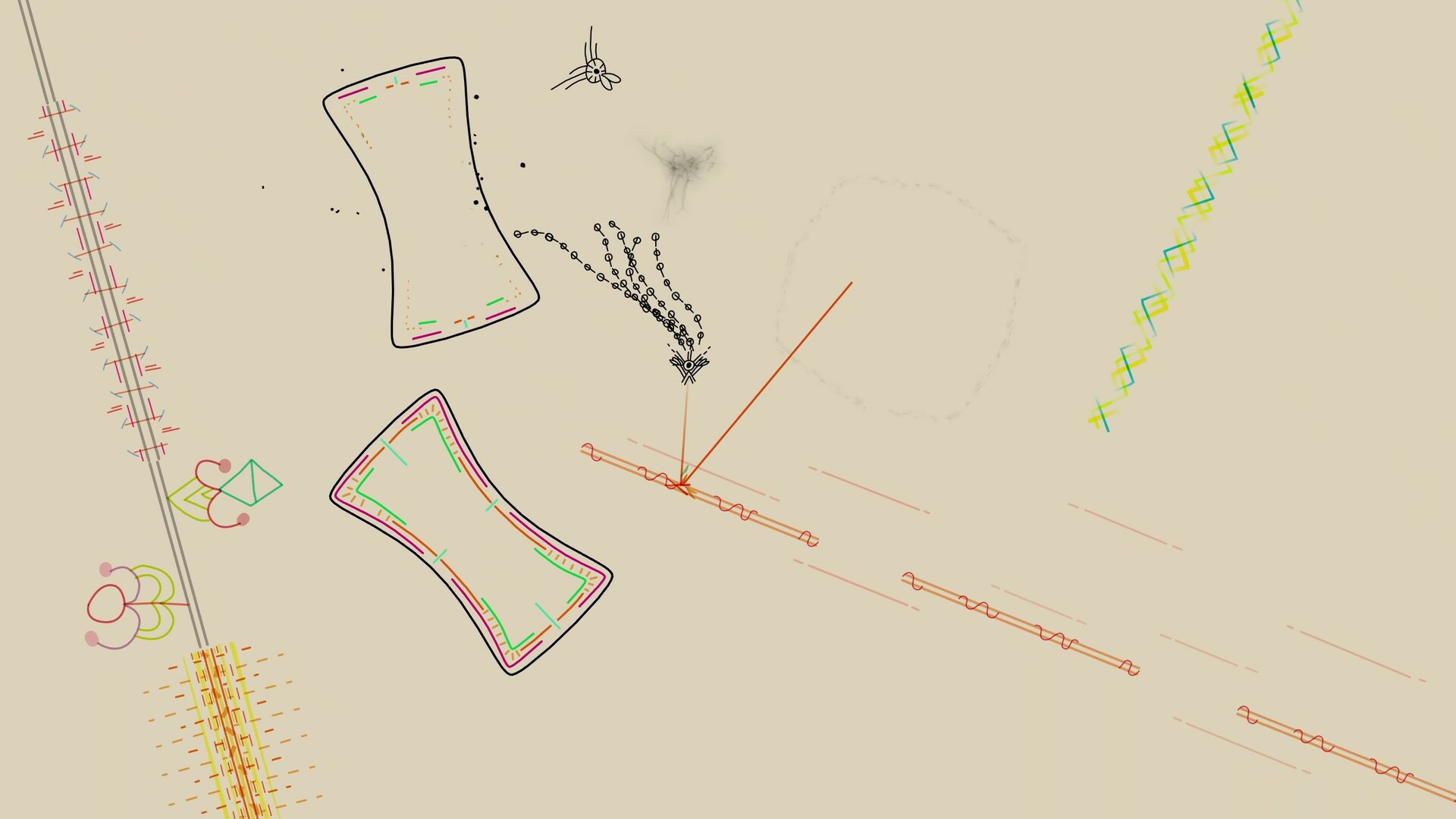
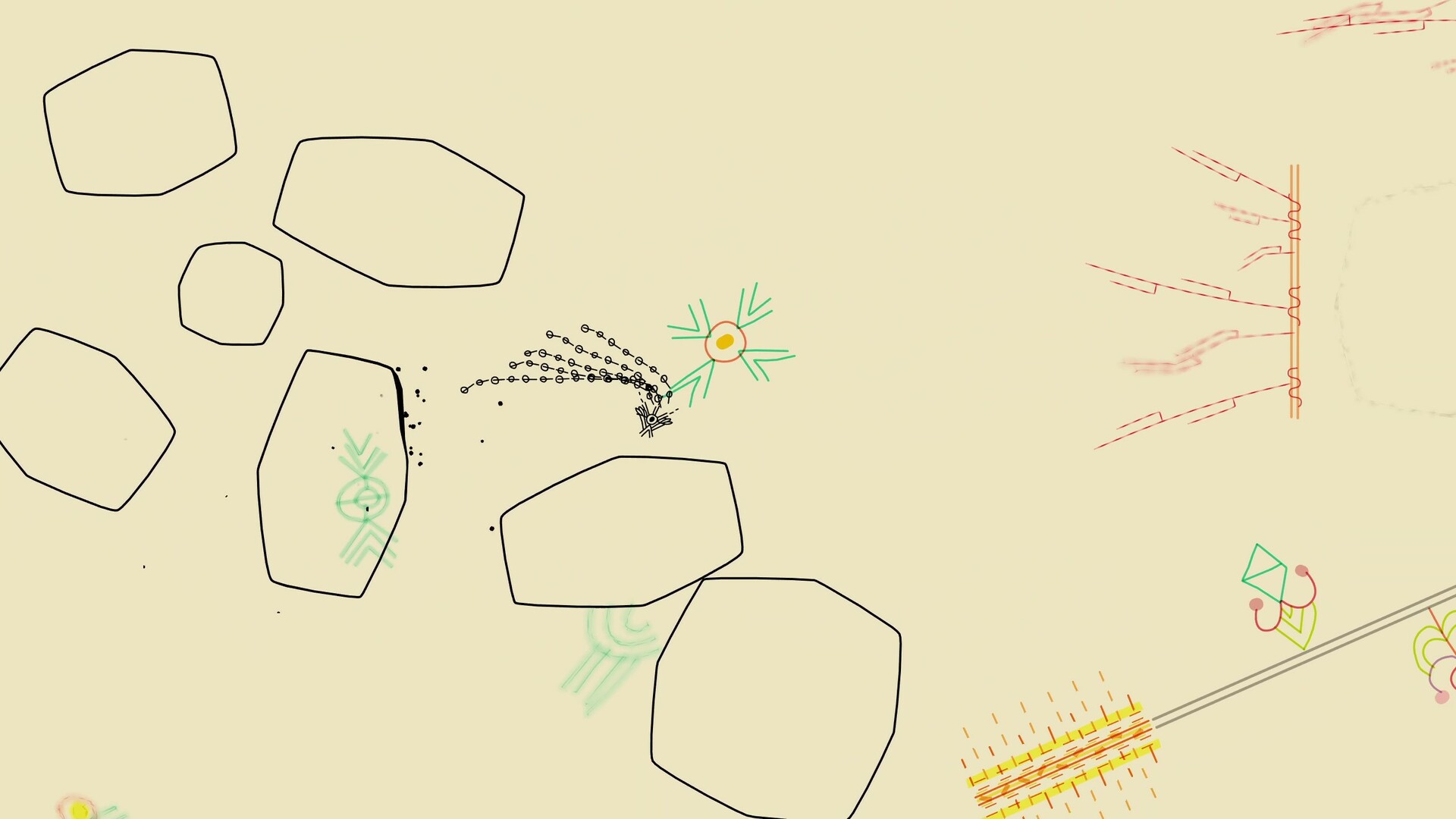
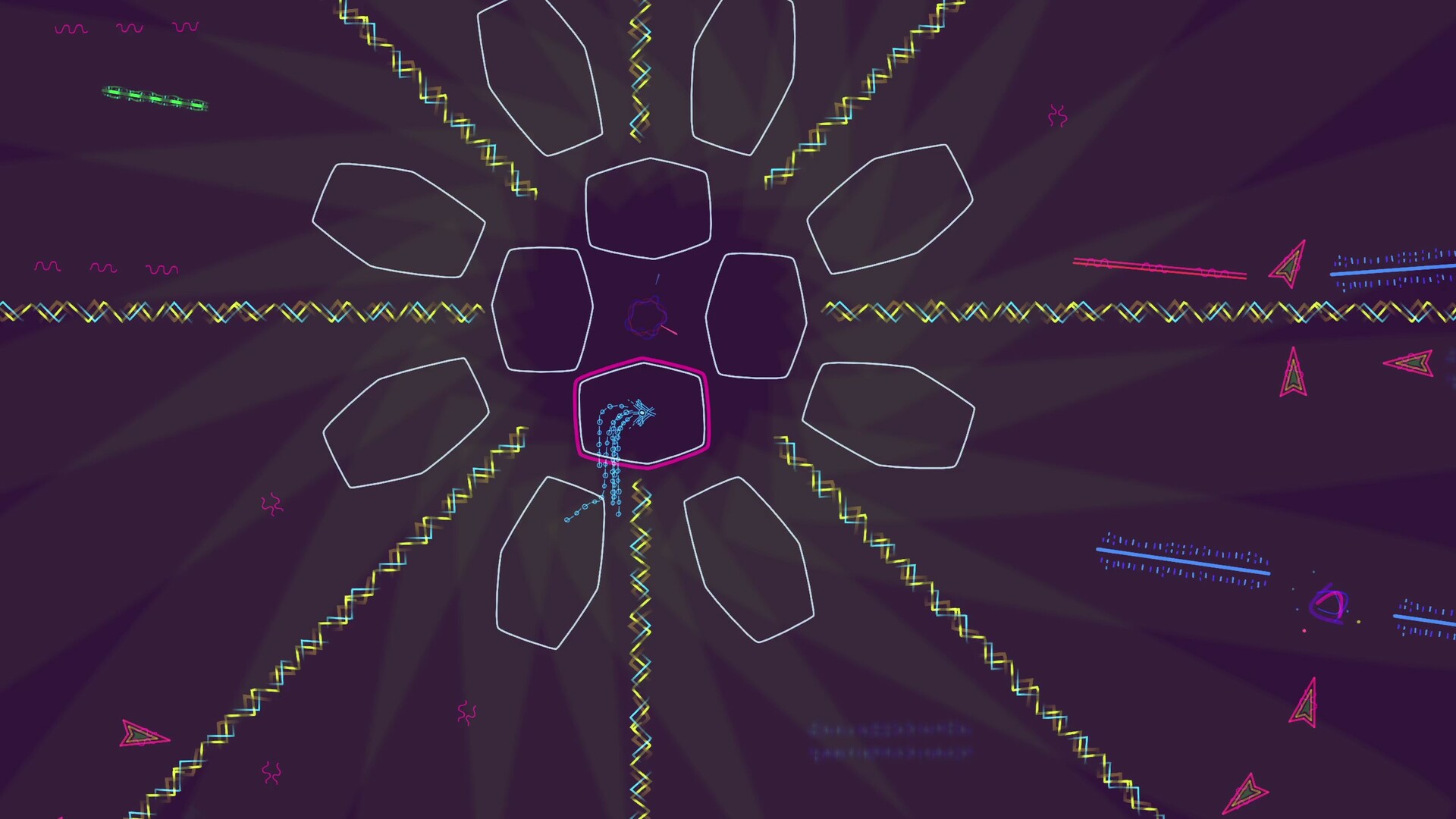
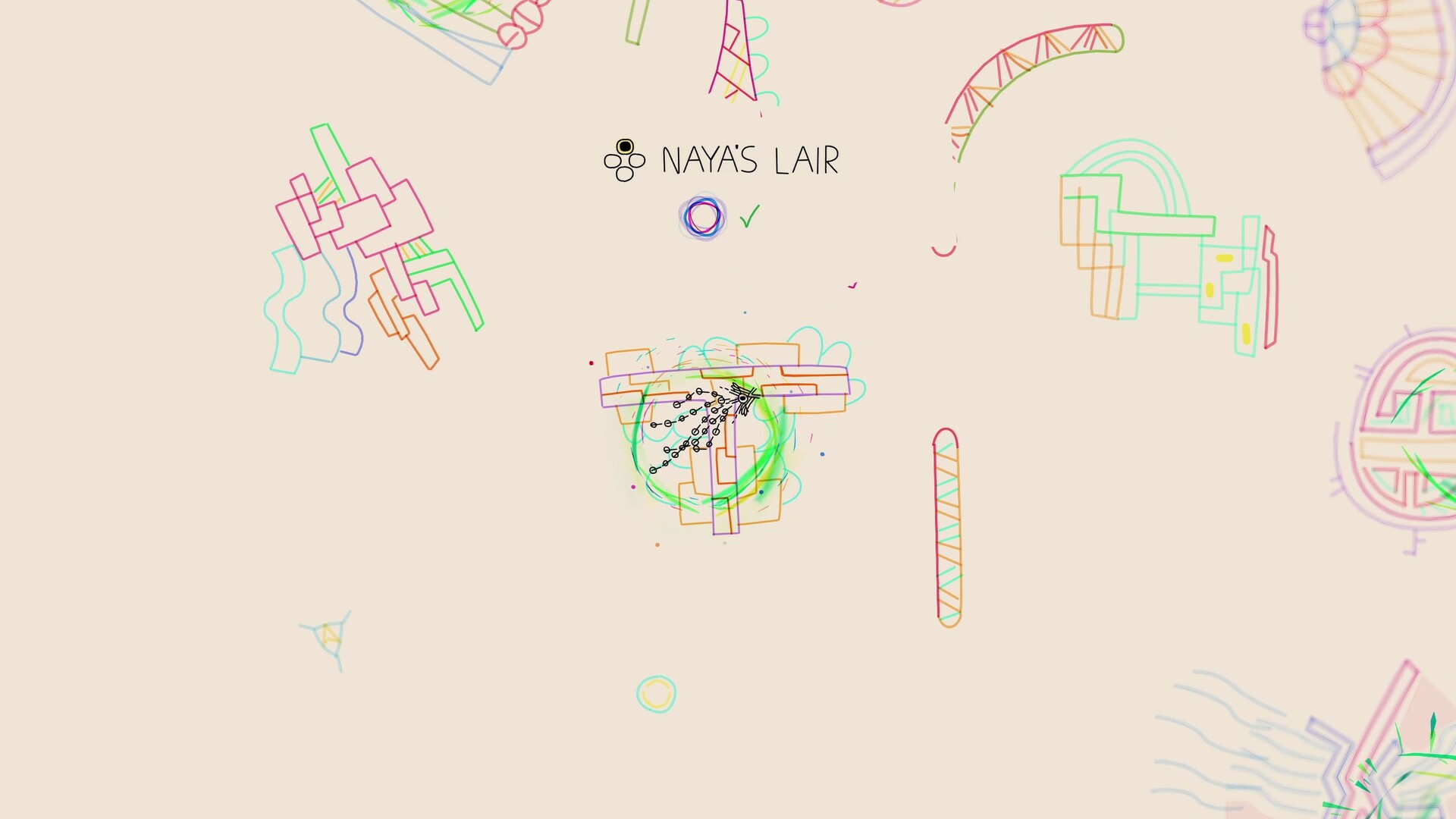
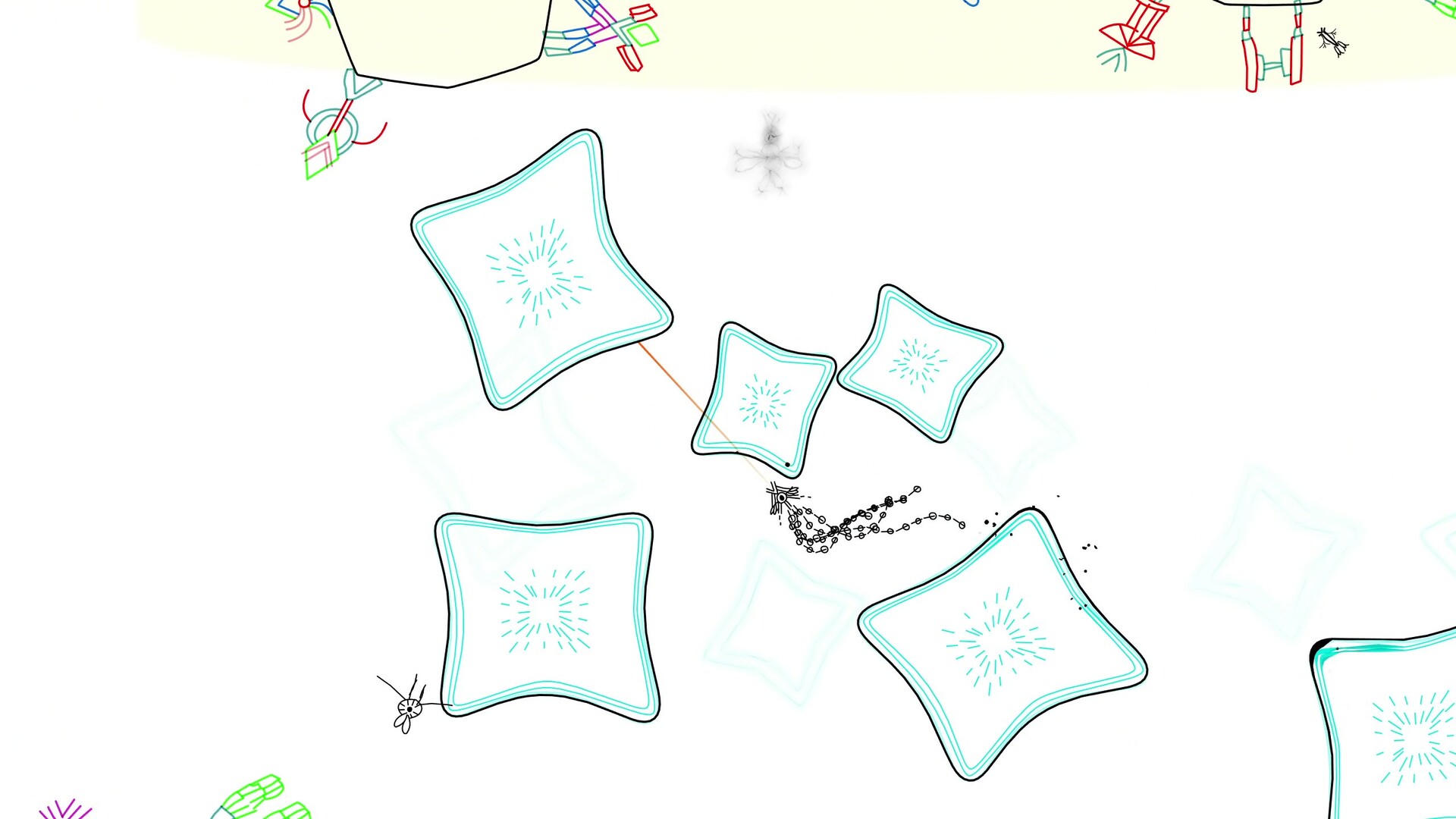
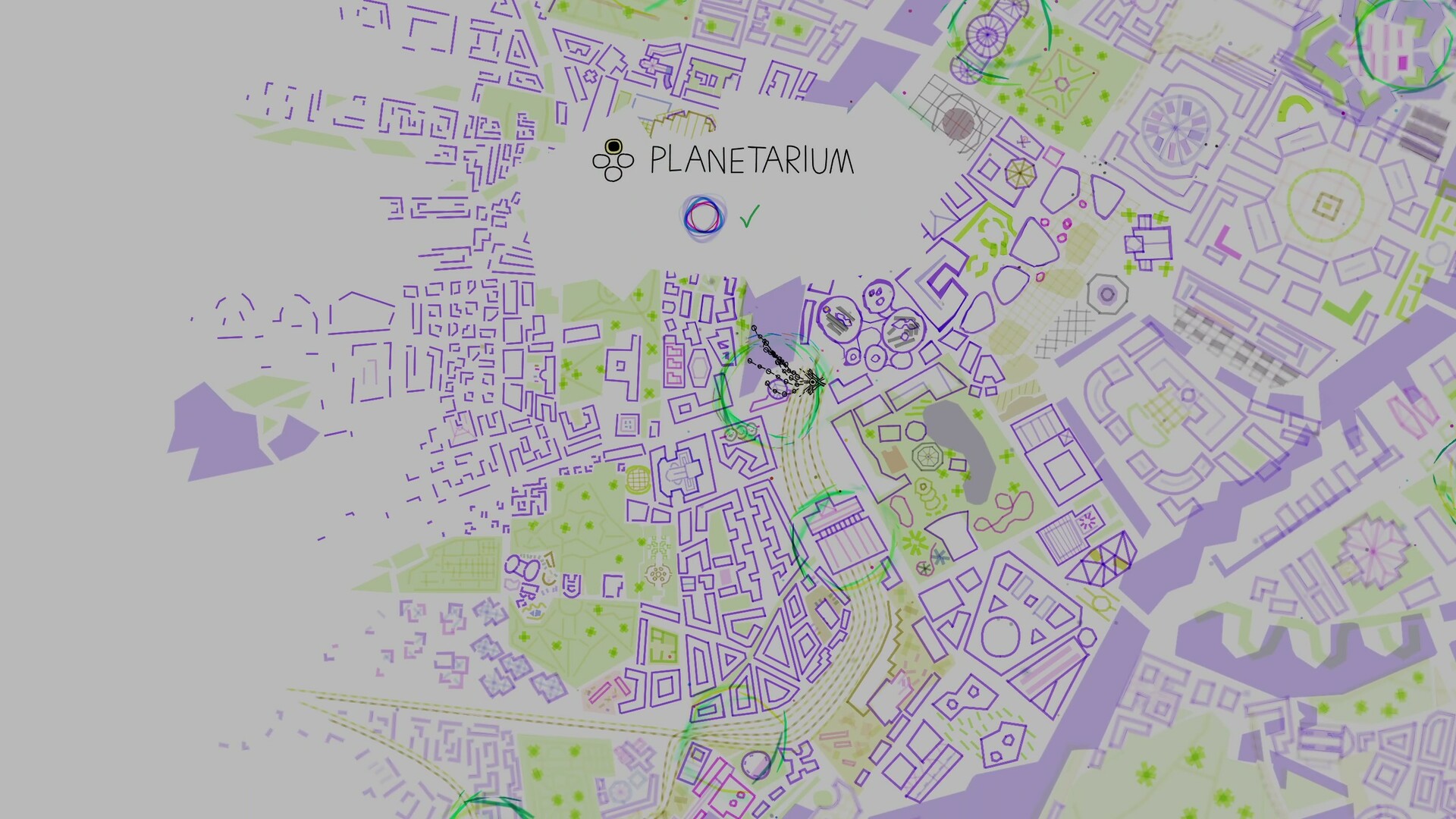
Nifflas (Nicklas Nygren), a Swedish game developer, created the initial prototype for Ynglet during the No More Sweden game jam on July, 19th 2013. This jam did not have a theme, allowing developers to openly explore their ideas. Ynglet ’s idea was about swimming and jumping between floating water bubbles, playing as a “space dolphin,” a “platformer without platforms,” and in general creating an abstract, joyful environment. The prototype consisted of five levels, all containing variously placed moving, rotating cube- and circle-shaped bubbles, and the player had to move between them and collect all the seeds in the level. Despite the simplicity, the game was already fun, with the final level being tricky due to the movement and rotation speed of the bubbles. The game was forgiving; the only way to die was to fall, and collected seeds didn’t reset on death. So, the game was all about atmosphere, and knew it was mostly about experiencing this strange, wonderful environment. Nifflas already knew the world in its prototype state: the hand-drawn bubble world was artistically flourished with fourfold symmetric mosaics in and around the bubbles, somehow giving the feeling of being a microorganism within it, with parallax space debris appearing like looking through a microscope. (This makes sense, as only on smaller scales would surface tension allow for water to glob together this way.) The design of the protagonist—a stylized jellyfish with long chainlike tentacles—and the water splashing sounds when going between bubbles, already made clear the water bubble concept. The nonsensical, cute story of the jellyfish creature was shown through incomprehensible and silly four-panel story comics between levels. The beginning of the game’s renowned dynamic music system was also there—audio changing depending on whether the player is inside a bubble, muffled as if underwater. So, the feeling was all there and defined, but the mechanics, with just jumping between bubbles, was limited. Was the sky-bubble dream too good to be true? It would take nearly 8 years for an answer for that question, with Ynglet fully releasing on June 5, 2021. The commercial release very much stayed true to the original vision, improving on all aspects of the jam prototype. It’s biggest changes, though, were adding to the mechanics with new level objects/elements. The water bubbles now come in any kind of shape. But, for better or worse, the jellyfish would spend less time in bubbles and more time dashing around in the air, only returning to bubbles as a temporary safe-haven. To allow for air movement, a dash mechanic was added, where the jellyfish could instantly propel in a certain direction, with time slowing to get the aiming right. Then all sorts of new game elements were added around this. A red dash line in the level allows the jellyfish to use its dash to reflect off of it, also instantly recharging the dash ability. A blue line allows dashing through, but if the jellyfish falls into it, it will bounce them off in the opposite direction. A gold line, when dashed through, recharges the dash ability. These line types—and dashing acrobatically through them—make up much of the final level composition. Certain types of bubbles swap between activated and deactivated with each dash, while other bubbles can only be stayed in for a limited amount of time before they explode, propelling the jellyfish out of them. An intense, fun pattern of gameplay was often utilized: certain types of seeds require for a set of other prerequisite seeds to be collected first, but these prerequisite seeds reset upon the jellyfish falling into a safe bubble, requiring dashing and staying airborne. It’s like Nifflas realized the bubbles in his original vision were too stagnant, too idealized and safe to give a game challenge, and moved the challenge outside of the bubbles, into the indifferent and uncaring air. Besides the added level elements, the rest of the improvements was simply expanding on the artistic elements. The visuals and sounds of the strange world have been further enhanced. The same jellyfish creature design remains, while small, swimming creatures similar to the jellyfish joined the world, coexisting alongside plant tendrils and living, pulsing mosaics as an ecosystem. An expanded dynamic music system deftly knits in musical elements with the art pulsing to the beat as the player moves around—when the player rides a train line, enters certain bubbles, sits still in a bubble creating a checkpoint, dashes, or bounces, the sound effects are woven in to make the actions a part of the music. The procedural beats of Ynglet are described by Nifflas himself as, “needlessly complicated music software.” This quality translates to the visuals as well; many of the vector graphics have a visual flourish where they trace themselves out, often drawing into impressive, visually pleasing patterns. The changing shades of colors are beautiful. And many other small details, like how when the jellyfish falls off the map, it seamlessly appears to land back in the starting bubble/checkpoint, add up to a highly polished experience. The game remains forgiving, and also allows for creating checkpoints in any regular bubble just by staying still in it for a second. This isn’t to say the game is easy—it just makes the player not have to replay long segments. Gameplay tends to be broken into intense spurts of flying and dashing through the air, followed by landing safely into regular bubbles. The game offers quality-of-life improvements with menu options for difficulty, accessibility, save slots, sound, etc. The four-panel comics between sections have been replaced with short cutscenes. The intro scene starts with the jellyfish in its home bubble with some other friend creatures, watching a television displaying an incoming meteor. The meteor crashes into the home—a perfect call to action—causing it to explode and fragment into a huge, abstract mosaic world, and this presumably makes up the world of the game, since it forms into the hub world. The hub world allows the player to enter the different levels, which have Swedish names like “Botanisk Have” and “Valby”—an interesting artistic choice, perhaps showing pride in the innovative game scene in Sweden. As the player completes levels, the jellyfish finds and rescues other jellyfish-looking creatures. In the end cutscene, all the creatures have assembled a small village of bubbles, and they huddle around a television, watching a final demonstration of Nifflas’s generative art systems: an evolving mosaic of shapes and lines shifting in time with the music. Overall, the jam prototype seemed to start as a fantasy: what would it be like to be a space dolphin? Then, by developing the system and playing it, Nifflas found that life as a space dolphin would be easy. He leaned into this calm and ease with developing beautiful abstract art and music systems. But he found that in order for there to be tension—and something to contrast and enhance that floating feeling of security—more difficulty was needed. For this, he looked outside the bubbles, placing challenge where the dolphin had no control—into space, where the dolphin helplessly couldn’t swim or even change its direction. It was there, he found, that the “game” took place—with its difficulty, strategy, and risk. The dolphin would return to its safe bubbles for brief respite, happy to swim around in its celestial space bubbles, only to leap back into the uncertain air. The development changes of Ynglet between prototype and release shows the balance between difficulty and ease, safety and danger, stress and calm, that games need to strike to give a feeling of flow—and to give players the feeling of flowing through water and space, flowing like a space dolphin.
Ynglet is an imaginative indie platformer that takes the familiar foundations of the genre and rebuilds them into something entirely unique. Developed by Nifflas and published by Akupara Games, the game abandons many of the conventions players normally associate with platforming adventures. Instead of running across solid ground and leaping between platforms, players guide a strange aquatic-like creature through a floating world composed of bubbles, currents, and abstract structures. The result is a highly creative experience that emphasizes movement, rhythm, and exploration while presenting one of the most distinctive gameplay concepts in modern indie gaming. The story is intentionally minimalist, allowing the gameplay and atmosphere to take center stage. Players assume the role of a small creature searching for lost companions who have become separated following a mysterious event. Rather than relying on dialogue-heavy storytelling or lengthy cutscenes, the narrative unfolds through visual cues and environmental interactions. This understated approach works remarkably well because it encourages players to interpret the world for themselves while maintaining a sense of wonder and curiosity throughout the journey. The most remarkable aspect of Ynglet is undoubtedly its movement system. Traditional platforms are almost entirely absent. Instead, players move between floating bubbles that act as temporary resting points. Outside these safe spaces, gravity exerts a constant pull, forcing players to carefully manage momentum and trajectory. Navigating the world becomes a fascinating exercise in timing and precision, requiring players to launch themselves between bubbles, adjust their movement in midair, and master the game's distinctive dash mechanic. What initially feels unfamiliar soon becomes second nature, transforming movement into one of the most satisfying aspects of the experience. As players progress, the game steadily introduces new mechanics that expand upon the core movement concepts. Certain bubbles propel the player in specific directions, while others react dynamically to movement or disappear after use. Environmental objects can redirect momentum, create shortcuts, or introduce entirely new navigation challenges. The game consistently builds upon previous ideas without overwhelming the player, ensuring that each new area feels fresh while maintaining a cohesive gameplay identity. One of Ynglet's greatest accomplishments is the sensation of flow it creates. Once the controls become familiar, traversing the world feels incredibly fluid. Players bounce between bubbles, chain together dashes, and glide through environments with an elegance that is difficult to describe but immensely satisfying to experience. The movement system rewards experimentation and encourages players to approach obstacles creatively. Simply traveling through the world becomes enjoyable enough to serve as its own reward. The visual design is equally impressive. The game embraces a hand-drawn artistic style that gives every area the appearance of a living illustration. Bright colors, abstract shapes, and unusual creatures populate the environments, creating a world that feels simultaneously alien and inviting. The visuals are constantly animated with subtle movement and energy, making the entire world appear alive. This artistic direction helps establish a unique identity that separates Ynglet from countless other indie platformers. The game's soundtrack deserves special recognition because it is deeply integrated into the gameplay itself. Rather than serving merely as background music, the audio reacts dynamically to player actions. Movement, dashing, and environmental interactions influence the evolving soundtrack, effectively allowing players to contribute to the music as they explore. This creates a powerful connection between gameplay and sound design, making every action feel meaningful. The result is an experience where visual presentation and audio work together seamlessly to reinforce the game's atmosphere. Level design is another area where Ynglet excels. Each area introduces new ideas and challenges without abandoning the mechanics that players have already learned. Exploration is encouraged through optional pathways, hidden collectibles, and alternate routes that reward curiosity. The game respects player intelligence by allowing experimentation and discovery rather than relying on excessive tutorials or handholding. This design philosophy helps maintain a strong sense of engagement from beginning to end. The difficulty curve strikes an effective balance between challenge and accessibility. Mistakes are rarely punished harshly thanks to quick recovery systems and generous checkpoints. This allows players to focus on learning and mastering movement rather than becoming frustrated by repeated failures. While some sections require precision and careful timing, the game consistently feels fair and encourages persistence through positive reinforcement rather than punishment. One of the few criticisms that can be directed at Ynglet is its relatively short length. The main adventure can be completed within a handful of hours, particularly by experienced players. However, the concise runtime ultimately works in the game's favor because it prevents the core mechanics from becoming repetitive. The experience remains consistently inventive throughout its duration and concludes before its ideas begin to lose their impact. Additional collectibles and optional challenges provide extra goals for players who wish to spend more time within the world. Ultimately, Ynglet is a shining example of creative game design. It takes a familiar genre and reimagines it through a completely different lens, resulting in an experience that feels fresh, elegant, and memorable. Its innovative movement system, reactive soundtrack, stunning hand-drawn visuals, and thoughtfully designed levels combine to create a platformer unlike almost anything else available. While its short length may leave players wishing for more, the quality of the journey more than compensates for its brevity. For anyone interested in inventive indie games and unconventional platforming experiences, Ynglet stands as a remarkable achievement and one of the most original titles in the genre. Rating: 9/10
Similar games
View all

Frequently Asked Questions
Ynglet is currently priced at 3.74€ on Steam.
Yes, Ynglet is currently available at a 50% discount. You can purchase it for 3.74€ on Steam.
Yes, Ynglet received 298 positive votes out of a total of 304 achieving a rating of 8.94.
😎
Ynglet was developed by Nifflas and published by Akupara Games.
Yes, Ynglet is playable and fully supported on Windows.
Yes, Ynglet is playable and fully supported on MacOS.
No, Ynglet is not playable on Linux.
Yes, Ynglet is playable and fully supported on Steam Deck.
Yes, Ynglet is playable and fully supported on Steam Machine.
No, Ynglet does not support VR.
Ynglet is a single-player game.
No, Ynglet does not currently offer any DLC.
No, Ynglet does not support mods via Steam Workshop.
No, Ynglet does not support Steam Remote Play.
Yes, Ynglet is enabled for Steam Family Sharing. This means you can share the game with authorized users from your Steam Library, allowing them to play it on their own accounts. For more details on how the feature works, you can read the original Steam Family Sharing announcement or visit the Steam Family Sharing user guide and FAQ page.
You can find solutions or submit a support ticket by visiting the Steam Support page for Ynglet.
Data sources
The information presented on this page is sourced from reliable APIs to ensure accuracy and relevance. We utilize the Steam API to gather data on game details, including titles, descriptions, prices, and user reviews. This allows us to provide you with the most up-to-date information directly from the Steam platform.
Additionally, we incorporate data from the SteamSpy API, which offers insights into game sales and player statistics. This helps us present a comprehensive view of each game's popularity and performance within the gaming community.
Last Updates| Steam data | 24 October 2026 09:00 UTC |
|---|---|
| SteamSpy data | 14 October 2026 09:39 UTC |
| Steam price | 26 October 2026 19:37 UTC |
| Steam reviews | 19 October 2026 10:08 UTC |
If you'd like to dive deeper into the details about Ynglet, we invite you to check out a few dedicated websites that offer extensive information and insights. These platforms provide valuable data, analysis, and user-generated reports to enhance your understanding of the game and its performance.
- SteamDB - A comprehensive database of everything on Steam about Ynglet
- SteamCharts - Analysis of Ynglet concurrent players on Steam
- ProtonDB - Crowdsourced reports on Linux and Steam Deck Ynglet compatibility
 -50%
7.49€
3.74€
Visit Store
-50%
7.49€
3.74€
Visit Store
 🔥 Deal
-91%
7.49€
0.74€
Buy Now
🔥 Deal
-91%
7.49€
0.74€
Buy Now
 -77%
7.49€
1.74€
Visit Store
-77%
7.49€
1.74€
Visit Store
 -58%
7.49€
3.22€
Visit Store
-58%
7.49€
3.22€
Visit Store
 -53%
7.49€
3.59€
Visit Store
-53%
7.49€
3.59€
Visit Store
Game modes
Features
Online players
1
Developer
Nifflas
Publisher
Akupara Games
Release
05 Jun 2021
Platforms
Clicking and buying through these links helps us earn a commission to maintain our services.