
ColdSide
ColdSide is a psychological horror first-person game. It takes place in an abandoned underground laboratory that studied anomalous phenomena.
Sync your Steam wishlist to find the lowest game prices instantly. No login required, just paste your Steam profile URL!
⚡ Try Wishlist Radar!
Sync your Steam wishlist to find the lowest game prices instantly. No login required!
⚡ Try Wishlist Radar!
Close

3rd eye on Steam
Quick menu
A 2D exploration/horror game starring the Touhou Project's Koishi Komeiji. Use her Third Eye to explore a mental world entirely unlike reality.
3rd eye is a adventure, faith and psychological horror game
developed by 3rd eye project
and published by PLAYISM.
Released on September 30th 2019 is available only on Windows.
It has received 318 reviews of which 277 were positive and 41 were negative resulting in a rating of 8.1 out of 10. 😎
The game is currently priced at 3.74€ on Steam with a 70% discount.
The Steam community has classified 3rd eye into these genres:
Media & Screenshots
Get an in-depth look at 3rd eye through various videos and screenshots.


Load More


System requirements
These are the minimum specifications needed to play the game. For the best experience, we recommend that you verify them.
Windows
- Requires a 64-bit processor and operating system
- OS: Vista/7/8/10 (64-bit only)
- Processor: CPU Core i5 2GHz
- Memory: 2 GB RAM
- Storage: 2 GB available space
Steam Price & Best Deals
User reviews & Ratings
Explore reviews from Steam users sharing their experiences and what they love about the game.
⠀⠀⠀⠀⠀⠀⠀⢀⣀⣠⠤⠤⠒⠚⠃⠒⢦⡀⠀⠀⠀⠀⠀⠀⠀⠀⠀⠀⠀⠀⠀⣠⠤⠤⣄⣀⠀⠀⠀⠀⠀⠀⠀⠀⠀⠀⠀⠀⠀⠀⠀⠀ ⠀⠀⠀⢀⣀⣠⠤⠴⠒⠋⠉⠉⠉⠀⠀⠀⠀⠀⠀⠀⠀⠀⢧⠀⠀⠀⠀⠀⠀⠀⠀⠀⠀⠀⠀⡞⠀⠀⠀⠀⠀⠉⠓⠦⠤⣀⣀⠀⠀⠀⠀⠀⠀⠀⠀⠀⠀ ⠀⡠⠚⠉⠀⠀⠀⠀⠀⠀⠀⠀⠀⠀⠀⠀⠀⠀⠀⢠⠀⠀⢸⡀⠀⠀⠀⠀⠀⠀⠀⠀⠀⠀⢸⡇⠀⠀⠀⠀⠀⠀⠀⠀⠀⠀⠈⠉⠒⠤⣄⡀⠀⠀⠀⠀⠀ ⠰⡅⠀⠀⠀⠀⠀⠀⠀⠀⠀⠀⠀⠀⠀⠀⠀⠀⠀⣼⠀⠀⢸⡇⠀⠀⠀⠀⠀⠀⠀⠀⠀⠀⠈⡇⠀⠀⠀⠀⠀⠀⠀⠀⠀⠀⠀⠀⠀⠀⠀⠈⠉⠓⠢⣄⠀ ⠀⢳⠀⠀⠀⠀⠀⠀⠀⠀⠀⠀⠀⠀⠀⠀⠀⠀⢠⠇⠀⠀⢸⠃⠀⠀⠀⠀⠀⠀⠀⠀⠀⠀⠀⡇⠀⠀⠀⠀⠀⠀⠀⠀⠀⠀⠀⠀⠀⠀⠀⠀⠀⠀⠀⣸⡆ ⠀⠈⢇⠀⠀⠀⠀⠀⠀⠀⠀⠀⠀⠀⠀⠀⠀⠀⡞⠀⠀⢀⡟⠀⠀⠀⠀⠀⠀⠀⠀⠀⠀⠀⠀⡗⠀⠀⠀⠀⠀⠀⠀⠀⠀⠀⠀⠀⠀⠀⠀⠀⠀⠀⣴⡿⠁ ⠀⠀⠘⣆⠀⠀⠀⠀⠀⠀⠀⠀⠀⠀⠀⠀⠀⣼⠁⠀⠀⣞⠀⠀⠀⠀⠀⠀⠀⠀⠀⠀⠀⠀⠀⡇⠀⠀⠀⠀⠀⠀⠀⠀⠀⠀⠀⠀⠀⠀⠀⠀⢀⣾⡿⠁⠀ ⠀⠀⠀⠘⣆⠀⠀⠀⠀⠀⠀⠀⠀⠀⠀⠀⣼⡇⠀⠀⠀⢿⠀⠀⠀⠀⠀⠀⠀⠀⠀⠀⠀⠀⢠⠇⠀⠀⠀⠀⠀⠀⠀⠀⠀⠀⠀⠀⠀⠀⢀⣴⣿⠟⠀⠀⠀ ⠀⠀⠀⠀⠈⢦⠀⠀⠀⠀⠀⠀⠀⠀⠀⣴⢿⣿⡀⠰⠿⠈⠉⠉⠉⠉⠉⠉⠉⠉⠉⠉⠛⠓⠛⠀⣤⣄⡀⠀⠀⠀⠀⠀⠀⠀⠀⠀⢀⣴⡿⠟⠁⠀⠀⠀⠀ ⠀⠀⠀⠀⠀⠈⢣⡀⠀⠀⠀⠀⠀⠀⣼⣿⡿⠛⠁⠀⠀⠀⠀⠀⠀⠀⠀⠀⠀⠀⠀⠀⠀⠀⠀⠀⠈⠉⢻⠀⠀⠀⠀⠀⠀⠀⠀⢀⡼⠋⠀⠀⠀⠀⠀⠀⠀ ⠀⠀⠀⠀⠀⠀⠀⠹⡄⠀⠀⠀⠀⡼⠋⠁⠀⠀⠀⠀⠀⠀⠀⠀⠀⠀⠀⠀⠀⠀⠀⠀⠀⠀⠀⠀⠀⠀⠀⢧⠀⠀⠀⠀⠀⠀⣠⠋⠀⠀⠀⠀⠀⠀⠀⠀⠀ ⠀⠀⠀⠀⠀⠀⠀⠀⠘⢦⠀⣠⠞⠀⠀⠀⠀⠀⠀⠀⠀⠀⠀⠀⠀⠀⠀⠀⠀⠀⠀⠀⠀⠀⠀⠀⠀⠀⠀⠈⢣⡀⠀⠀⠀⢺⡓⠀⠀⠀⠀⠀⠀⠀⠀⠀⠀ ⠀⠀⠀⠀⠀⠀⠀⠀⢠⠏⠀⠁⠀⠀⠀⠀⠀⠀⠀⠀⠀⠀⠀⠀⠀⠀⠀⠀⠀⠀⠀⠀⠀⠀⠀⠀⠀⠀⠀⠀⠀⠁⠀⠀⠀⠀⠹⣄⠀⠀⠀⠀⠀⠀⠀⠀⠀ ⠀⠀⠀⠀⠀⠀⠀⢠⠇⠀⠀⠀⠀⠀⠀⠀⠀⠀⠀⠀⠀⠀⠀⠀⠀⠀⠀⠀⠀⠀⠀⠀⠀⠀⠀⠀⠀⠀⠀⠀⠀⠀⠀⠀⠀⠀⠀⠙⡆⠀⠀⠀⠀⠀⠀⠀⠀ ⠀⠀⠀⠀⠀⠀⠀⡞⠀⠀⠀⠀⠀⠀⠀⠀⠀⠀⠀⠀⠀⠀⠀⠀⠀⠀⠀⠀⠀⠀⠀⠀⠀⠀⠀⠀⠀⠀⠀⠀⠀⠀⠀⠀⠀⠀⠀⠀⢸⡄⠀⠀⠀⠀⠀⠀⠀ ⠀⠀⠀⠀⠀⠀⢸⠁⠀⠀⠀⠀⠀⠀⠀⠀⠀⠀⠀⠀⠀⠀⠀⠀⠀⠀⠀⠀⠀⠀⠀⠀⠀⠀⠀⠀⠀⠀⠀⠀⠀⠀⠀⠀⠀⠀⠀⠀⠀⡇⠀⠀⠀⠀⠀⠀⠀ ⠀⠀⠀⠀⠀⠀⡜⠀⠀⠀⠀⠀⠀⠀⠀⠀⠀⠀⣼⠀⠀⠀⠀⠀⠀⠀⠀⠀⠀⠀⠀⠀⠀⠀⠀⠀⢀⣦⡀⠀⠀⠀⠀⠀⠀⠀⠀⠀⠀⡇⠀⠀⠀⠀⠀⠀⠀ ⠀⠀⠀⠀⠀⠀⡇⠀⠀⠀⠀⠀⠀⠀⠀⠀⠀⡼⠉⠀⠀⠀⠀⠀⠀⠀⠀⠀⠀⠀⠀⠀⠀⠀⠀⠀⠘⠁⠳⡀⠀⠀⠀⠀⠀⠀⠀⠀⠀⢸⠀⠀⠀⠀⠀⠀⠀ ⠀⠀⠀⠀⠀⠀⡇⠀⠀⠀⠀⠀⠀⠀⠀⠀⣸⠛⠓⠚⡆⠀⠀⠀⠀⠀⠀⠀⠀⠀⠀⠀⠀⠀⠀⣰⠒⠒⠒⢻⡀⠀⠀⠀⠀⠀⠀⠀⠀⢸⠀⠀⠀⠀⠀⠀⠀ ⠀⠀⠀⠀⠀⠀⡇⠀⠀⠀⠀⠀⠀⠀⠀⢀⡏⠀⠀⠀⠹⡄⠀⠀⠀⠀⠀⠀⠀⠀⠀⠀⠀⠀⠀⠁⠀⠀⠀⠈⣧⠀⠀⠀⠀⠀⠀⠀⠀⢸⠀⠀⠀⠀⠀⠀⠀ ⠀⠀⠀⠀⠀⠀⡇⠀⠀⠀⠀⠀⠀⠀⠀⢸⠀⠀⠀⠀⣀⣹⡀⠀⠀⠀⠀⠀⠀⠀⠀⠀⠀⢀⣀⣀⠀⠀⠀⠀⠸⡆⠀⠀⠀⠀⠀⠀⠀⣸⠀⠀⠀⠀⠀⠀⠀ ⠀⠀⠀⠀⠀⠀⢧⠀⠀⢸⡄⠀⠀⠀⢀⣿⠶⣶⣶⣶⣶⣶⣥⡀⠀⠀⠀⠀⠀⠀⠀⠀⢀⣾⣴⣶⣶⣦⣤⣤⣴⡇⠀⠀⠀⢀⠀⠀⠀⡇⠀⠀⠀⠀⠀⠀⠀ ⠀⠀⠀⠀⠀⠀⢸⠀⠀⠀⣷⡀⠀⠀⢸⣿⣤⣽⣿⣿⣿⣿⣿⣿⢀⡀⠀⠀⠀⠀⠀⢀⣿⣀⣸⣿⣿⣿⣿⣿⣿⡇⠀⠀⠀⢸⡀⠀⠀⡇⠀⠀⠀⠀⠀⠀⠀ ⠀⠀⠀⠀⠀⠀⢸⠀⠀⠀⠟⠀⠀⢀⡟⣿⣿⣿⣿⣿⣿⣿⣿⡿⠀⠑⣄⠀⠀⠀⠀⠀⣿⣿⣿⣿⣿⣿⣿⣿⣿⢳⠀⠀⠀⠀⡇⠀⠀⡇⠀⠀⠀⠀⠀⠀⠀ ⠀⠀⠀⠀⠀⠀⢈⠀⠀⠀⠀⠀⠀⠈⡇⠘⢿⣿⣿⣿⣿⣿⣿⠃⠀⠀⠀⠑⠀⠀⠀⠀⠹⣿⣿⣿⣿⣿⣿⣿⠃⡜⠀⠀⠀⠀⠇⠀⠀⡇⠀⠀⠀⠀⠀⠀⠀ ⠀⠀⠀⠀⠀⠀⡼⠀⠀⠀⠀⠀⠀⠀⢻⠀⠀⠙⠛⠛⠛⠛⠁⠀⠀⠀⠀⠀⠀⠀⠀⠀⠀⠈⠛⠿⠿⠿⠛⠁⢰⠇⠀⠀⠀⠀⠀⠀⢸⠃⠀⠀⠀⠀⠀⠀⠀ ⠀⠀⠀⠀⠀⠀⡇⠀⠀⠀⠀⠀⠀⠀⢸⡀⠀⠀⠀⠀⠀⠀⠀⠀⠀⠀⠀⠀⠀⠀⠀⠀⠀⠀⠀⠀⠀⠀⠀⠀⡞⠀⠀⠀⠀⠀⠀⠀⢸⠀⠀⠀⠀⠀⠀⠀⠀ ⠀⠀⠀⠀⠀⢠⡇⠀⠀⠀⠀⠀⠀⠀⠘⣧⣀⠀⠀⠀⠀⠀⠀⠀⠀⠀⠀⡀⣀⠀⠀⠀⠀⠀⠀⠀⠀⠀⠀⣸⠇⠀⠀⠀⠀⠀⠀⠀⢸⠀⠀⠀⠀⠀⠀⠀⠀ ⠀⠀⠀⠀⠀⢸⢷⠀⠀⠀⠀⠀⠀⠀⠀⢿⣿⣷⣦⣄⡀⠀⠀⠀⠀⠀⠀⠈⠁⠀⠀⠀⠀⠀⠀⠀⣀⣠⣴⡏⠀⠀⠀⠀⠀⠀⠀⠀⢸⡀⠀⠀⠀⠀⠀⠀⠀ ⠀⠀⠀⠀⠀⢸⠛⠀⠀⢀⠀⠀⠀⠀⠀⠘⣿⣿⣿⣿⣿⣿⣷⣀⠀⠤⢄⣤⣀⠠⠤⢀⣠⣤⣾⣿⣿⣿⣿⠀⠀⠀⠀⠀⠀⠀⠀⠀⠈⢣⠀⠀⠀⠀⠀⠀⠀ ⠀⠀⠀⠀⢀⡏⡀⠀⠀⢘⣧⠀⠀⠀⠀⠀⢿⣿⣿⣿⣿⣿⣿⣿⡙⠳⣿⣿⣿⠓⠚⠛⢋⣿⡿⣿⣿⣿⠇⠀⠀⠀⠀⠀⡄⠀⠀⠀⡆⠈⢧⠀⠀⠀⠀⠀⠀ ⠀⠀⠀⠀⡼⠀⠁⠀⠀⢸⣏⣧⡀⠀⠀⠀⠘⣿⣿⣿⣿⣿⣿⣿⣿⣦⣹⣿⣿⣇⣠⣶⡿⠿⠇⣹⣿⡟⠀⠀⠀⠀⢀⣼⡇⠀⠀⠀⡇⠀⠘⡄⠀⠀⠀⠀⠀ ⠀⠀⠀⢰⠃⠀⢸⡀⠀⢸⣿⣿⣷⡄⠀⠀⠀⢻⣿⣿⣿⣿⣿⣿⣿⣿⣿⣿⣿⣿⣿⣿⣿⣶⣾⣿⡟⠀⠀⠀⢀⣴⣿⣿⣿⠀⠀⢀⡇⠀⠀⢳⠀⠀⠀⠀⠀ ⠀⠀⢀⡎⠀⣰⣻⣧⠀⣼⣿⣿⣿⣿⣦⡀⠀⠘⣿⣿⣿⣿⣿⣿⣿⣿⣿⣿⠿⣿⣿⣿⣿⣿⣿⠟⠀⠀⣠⣶⣿⣿⣿⣿⣿⡇⠀⢸⣯⡃⠀⠘⡇⠀⠀⠀⠀ ⠀⠀⢸⠁⠀⣿⣿⣿⣦⣿⣿⣿⣿⣿⣿⣿⣦⡀⢹⣿⣿⣿⣿⣿⣿⣿⣿⣿⣤⣾⣿⣿⣿⣿⠟⣀⣴⣾⣿⣿⣿⣿⣿⣿⣿⣷⣠⣿⣿⣿⣷⡦⢇⠀⠀⠀⠀ ⠀⠀⡏⠀⠀⣿⠹⣿⣿⣿⣿⣿⣿⣿⣿⠟⣼⣿⣿⣿⣿⣿⣿⣿⣿⣿⣿⣿⣿⣿⣿⣿⣿⣿⣿⣿⣿⣿⣿⣿⣿⣿⣿⣿⣿⣿⣿⣿⣿⣿⡟⣱⢸⡄⠀⠀⠀ ⠀⢠⡇⠃⠀⣸⡦⣜⣿⣿⣿⣿⣿⡿⣇⣰⣿⣿⣿⣿⣿⣿⣿⣿⣿⣿⣿⣿⣿⣿⣿⣿⣿⣿⣿⣿⣿⣿⣿⢿⣾⣿⣿⣿⣿⣿⣿⣿⡿⢋⡴⠃⠸⡇⠀⠀⠀ ⠀⢸⠀⠀⢰⣿⢳⡀⠀⠉⠛⣋⣽⢇⡽⢿⡟⠛⠛⠉⠛⠻⠿⣿⣿⣿⣿⣿⣿⣿⣿⣿⠿⠿⢿⠟⠋⠁⠀⠀⠛⠃⠿⣿⣿⣿⣿⢟⣿⡉⠀⠀⠀⢷⠀⠀⠀ ⠀⢸⡄⠀⢸⠁⠈⣧⠀⠴⠛⠁⠀⠀⢀⡞⠀⠀⠀⠀⠀⠀⠀⠈⠁⠉⠉⠉⠀⠉⠁⠀⠀⠀⠁⠀⠀⠀⠀⠀⠀⠀⠀⠈⠻⣟⢁⡞⠁⠹⣄⠀⠀⢸⠀⠀⠀ ⠀⠀⢇⠀⢸⠀⠀⡏⠀⠀⠀⠀⠀⢀⡞⠀⢀⣀⣀⡀⠀⠀⠀⠀⠀⠀⠀⠀⠀⠀⠀⠀⠀⠀⠀⠀⠀⠀⠀⢀⣠⣴⣶⣶⣦⣌⣞⠀⠀⠀⠘⣆⠀⠨⣧⠀⠀ ⠀⠀⠈⢦⣈⣷⠀⣇⠀⠀⠀⠀⣠⠋⣴⣾⣿⣿⣿⣿⣷⣖⠦⣄⡀⠀⠀⠀⠀⠀⠀⠀⠀⠀⠀⠀⠀⣠⢞⣿⣿⣿⣿⣿⣿⣿⣿⡷⡄⠀⠀⠘⣆⠀⢿⠀⠀ ⠀⠀⠀⠀⠀⠀⠀⠘⢆⡀⠀⠀⠀⣼⣿⣿⣿⣿⣿⣿⣿⣿⣧⠀⠙⠒⢤⣄⡀⠀⠀⠀⠀⠀⢀⣤⠊⠁⣼⣿⣿⣿⣿⣿⣿⣿⣿⣿⣽⠀⠀⠀⠈⠢⠾⠀⠀ ⠀⠀⠀⠀⠀⠀⠀⠀⠀⠉⠒⠒⠲⣿⣿⣿⣿⣿⣿⣿⣿⣿⣟⡟⠒⠢⠤⠴⠛⠛⠒⠒⠒⠉⠉⠈⠳⢄⣻⣿⣿⣿⣿⣿⣿⣿⣿⣿⣿⠀⠀⠀⠀⠀⠀⠀⠀ ⠀⠀⠀⠀⠀⠀⠀⠀⠀⠀⠀⠀⠀⠻⣿⣿⣿⣿⣿⣿⣿⣟⡟⠀⠀⠀⠀⠀⠀⠀⠀⠀⠀⠀⠀⠀⠀⠀⠙⢿⣿⣿⣿⣿⣿⣿⡿⣿⠏⠀⠀⠀⠀⠀⠀⠀⠀ ⠀⠀⠀⠀⠀⠀⠀⠀⠀⠀⠀⠀⠀⠀⠙⠻⠿⠿⠿⠿⠟⠋⠀⠀⠀⠀⠀⠀⠀⠀⠀⠀⠀⠀⠀⠀⠀⠀⠀⠀⠈⠙⠛⠛⠛⠛⠋⠁
The art and music are excellent, the translation is not the best, like I remember playing this game years ago and thinking the same, but I thought that maybe after a couple of years the devs would fix it, but nope, it is still the same. I still recommend buying it, as the story is easy to understand even with the weird translation.
3rd eye is a psychological horror adventure that relies far more on emotional unease and surreal atmosphere than traditional horror mechanics. Developed by 3rd eye project and connected to the Touhou universe, the game follows Koishi Komeiji, a girl possessing a mysterious Third Eye that allows her to perceive hidden truths and read the minds of others. After awakening in a strange and unfamiliar place, Koishi begins wandering through bizarre locations filled with unsettling imagery, fragmented memories, and emotionally damaged individuals. The game slowly unravels its story through symbolism and psychological themes, creating an experience that feels dreamlike, melancholic, and increasingly disturbing as it progresses. What immediately makes the game stand out is its atmosphere. From the beginning, the world feels detached from reality in subtle but effective ways. Ordinary locations are twisted into surreal environments filled with strange visual details and cryptic dialogue that constantly create uncertainty. Players travel through abandoned spaces, eerie forests, quiet villages, and distorted dreamlike areas that seem to reflect fragments of Koishi’s emotional state. The game rarely explains its mysteries directly, instead encouraging players to interpret events through observation and symbolism. This ambiguity becomes one of its greatest strengths because it keeps the entire experience emotionally unpredictable. The Third Eye mechanic is central to both gameplay and storytelling. Koishi can activate her eye to reveal hidden objects, invisible pathways, and secrets concealed within the environment. Exploration and puzzle solving depend heavily on this ability, making players constantly search for clues hidden beneath the surface of the world. However, using the Third Eye excessively comes with consequences. The eye gradually becomes strained and bloodshot, eventually forcing Koishi to rest or use eyedrops to recover. This mechanic creates tension during exploration because curiosity must be balanced carefully against survival and resource management. Rather than relying heavily on direct combat or constant enemy encounters, the game builds horror through discomfort and psychological pressure. Many scenes are unsettling simply because of their presentation and emotional context. Characters often behave strangely, conversations shift unpredictably between innocence and despair, and environments slowly become more distorted as the narrative progresses. The horror feels deeply personal instead of purely external, with many frightening moments emerging from emotional vulnerability rather than physical danger. The visual design contributes significantly to this unsettling tone. Character artwork appears cute and colorful at first glance, but the contrast between the adorable anime-inspired style and the game’s darker themes creates a uniquely uncomfortable atmosphere. Koishi herself often appears emotionally detached despite her cheerful appearance, reinforcing the loneliness that defines much of the story. Backgrounds shift constantly between peaceful scenery and disturbing imagery, creating environments that feel simultaneously beautiful and threatening. Sound design is another major strength. The soundtrack alternates between soft melancholy, eerie ambient music, and distorted audio tracks that intensify the psychological tension. Silence is used just as effectively as music, allowing quiet moments to feel unnervingly empty. Certain scenes become deeply unsettling largely because of how the audio supports the surreal visual presentation. The game understands how to create emotional discomfort without relying on excessive noise or predictable jump scares. The narrative itself is intentionally abstract. Instead of presenting a straightforward horror story, the game explores themes involving loneliness, memory, repression, emotional trauma, and identity. Koishi’s ability to read minds becomes symbolic of emotional exposure and isolation, as she constantly experiences the hidden thoughts and suffering of others. Many scenes appear designed more to communicate emotional states than literal events, giving the game a dreamlike structure that rewards interpretation rather than simple explanation. Supporting characters further strengthen the emotional atmosphere. Encounters with figures connected to Koishi’s past often feel fragmented and unstable, as though players are exploring damaged memories rather than objective reality. Some conversations are humorous or strangely comforting, while others become deeply uncomfortable with little warning. The unpredictability of these interactions contributes heavily to the game’s psychological tension because players are never fully certain how scenes will evolve emotionally. The branching narrative and multiple endings also add replay value. Choices made throughout the game subtly shape the direction of the story and influence how Koishi’s journey concludes. Different endings reveal alternate interpretations of the game’s themes and emotional conflicts, encouraging players to revisit earlier scenes with new understanding. Some conclusions are particularly bleak, reinforcing the game’s focus on psychological suffering and emotional isolation. Despite its originality and strong atmosphere, the game does have some flaws. The pacing can occasionally feel slow, especially during sections where players wander through surreal environments with minimal direction. Some puzzles are intentionally obscure, which may frustrate players unsure how to properly use the Third Eye mechanic. The abstract storytelling style also means that certain plot points remain difficult to fully understand, even after completing the game. The localization can sometimes feel inconsistent as well. Certain lines of dialogue appear awkwardly translated, slightly weakening the emotional impact of important scenes. Technical issues and occasional performance problems have also been noted by some players. While these flaws do not ruin the experience, they can interrupt immersion during key moments. Even with those issues, 3rd eye succeeds because of how committed it is to its atmosphere and emotional storytelling. The game feels deeply personal and intentionally uncomfortable in ways that many horror titles never attempt. It is less concerned with creating immediate fear and more focused on exploring emotional fragility, repression, and psychological instability through surreal imagery and symbolic narrative design. What makes the experience memorable is how effectively it blends quiet emotional sadness with unsettling horror. The game constantly leaves players uncertain about what is real, what is symbolic, and what exists only within Koishi’s fractured emotional perception. This ambiguity gives the story a lingering impact that remains effective even after the credits roll. 3rd eye is not designed for players seeking fast-paced horror or constant action. Instead, it offers a slow and emotionally heavy psychological journey built around atmosphere, symbolism, and interpretation. Its surreal environments, haunting soundtrack, and emotionally vulnerable storytelling create an experience that feels unique among indie horror games. For players who appreciate narrative-driven psychological horror with strong thematic depth, it delivers an unforgettable and deeply unsettling adventure. Rating: 8/10
Similar games
View all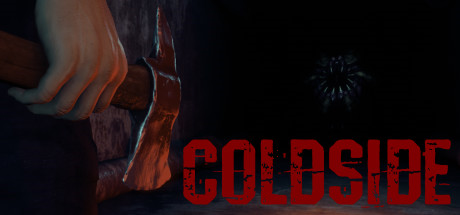
hololive ERROR
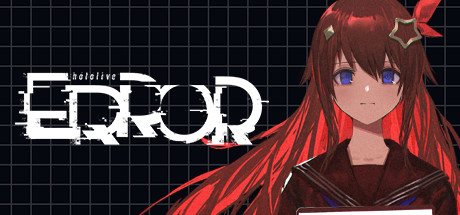
The main character is a journalist for an occult magazine. Inspired by his grandfather, he has come to the town of Aogami to investigate the strange happenings there. One moment, he's in his hotel room, but the next, he finds himself entangled in a terrifying paranormal phenomenon.


Higurashi When They Cry Hou - Ch.8 Matsuribayashi
Higurashi When They Cry is a sound novel. The music, backgrounds and characters work together to create a world that is the stage of a novel for the user to read. They laugh and cry and get angry. The user takes the point of view of the protagonist to experience the story.

Transference
Imagine an escape room set in a deranged mind. Experience a first-person exploration game in a chilling new dimension. Shift between three perspectives of a family and unravel the mystery hiding in this mind-bending psychological thriller.

A Wolf in Autumn
A one-armed young girl finds herself locked in a shed in the middle of an idyllic autumn forest, with threats both physical and immaterial drawing closer.
The Medium
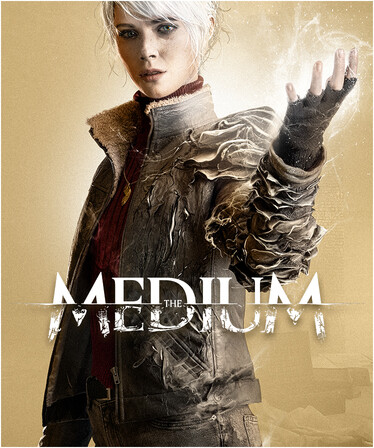
A third‑person psychological horror game where you explore both the real world and the spirit realm. As a medium drawn to a deserted resort, you’ll uncover dark secrets, confront echoes of trauma, and face the consequences of seeing more than one truth.

Silence of the Sleep
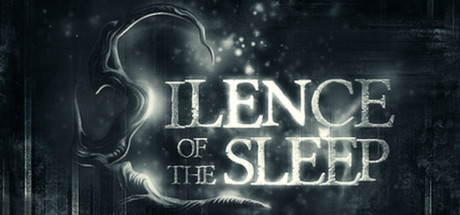
You play as a man called Jacob Reeves. A man who has lost his reason to live. He throws himself into a blackness to end his misery, but instead of it being the end he wakes up without a memory of his life before.

The Lost Crown
Embark on an eerie ghost-hunting adventure, featuring real evidence of paranormal activity, to solve the mystery of the Lost Crown. Be warned, to seek advice from the dead can have bitter consequences.

Nevermind
Nevermind ushers you into dark and surreal worlds within the minds of trauma patients. When played with supported biofeedback technology, Nevermind picks up on indications of fear—lashing out if you allow your feelings of anxiety to get the better of you.

Blair Witch
A first-person, story-driven psychological horror game based on the cinematic lore of the Blair Witch. Explore the haunted grounds of the Black Hills Forest in a harrowing investigation that forces you to confront the evil that resides deep in the woods.
Frequently Asked Questions
3rd eye is currently priced at 3.74€ on Steam.
Yes, 3rd eye is currently available at a 70% discount. You can purchase it for 3.74€ on Steam.
Yes, 3rd eye received 277 positive votes out of a total of 318 achieving a rating of 8.06.
😎
3rd eye was developed by 3rd eye project and published by PLAYISM.
Yes, 3rd eye is playable and fully supported on Windows.
No, 3rd eye is not playable on MacOS.
No, 3rd eye is not playable on Linux.
This information about 3rd eye is not available yet.
This information about 3rd eye is not available yet.
No, 3rd eye does not support VR.
3rd eye is a single-player game.
No, 3rd eye does not currently offer any DLC.
No, 3rd eye does not support mods via Steam Workshop.
No, 3rd eye does not support Steam Remote Play.
Yes, 3rd eye is enabled for Steam Family Sharing. This means you can share the game with authorized users from your Steam Library, allowing them to play it on their own accounts. For more details on how the feature works, you can read the original Steam Family Sharing announcement or visit the Steam Family Sharing user guide and FAQ page.
You can find solutions or submit a support ticket by visiting the Steam Support page for 3rd eye.
Data sources
The information presented on this page is sourced from reliable APIs to ensure accuracy and relevance. We utilize the Steam API to gather data on game details, including titles, descriptions, prices, and user reviews. This allows us to provide you with the most up-to-date information directly from the Steam platform.
Additionally, we incorporate data from the SteamSpy API, which offers insights into game sales and player statistics. This helps us present a comprehensive view of each game's popularity and performance within the gaming community.
Last Updates| Steam data | 22 September 2026 22:16 UTC |
|---|---|
| SteamSpy data | 26 October 2026 06:35 UTC |
| Steam price | 26 October 2026 19:34 UTC |
| Steam reviews | 19 October 2026 08:06 UTC |
If you'd like to dive deeper into the details about 3rd eye, we invite you to check out a few dedicated websites that offer extensive information and insights. These platforms provide valuable data, analysis, and user-generated reports to enhance your understanding of the game and its performance.
- SteamDB - A comprehensive database of everything on Steam about 3rd eye
- SteamCharts - Analysis of 3rd eye concurrent players on Steam
- ProtonDB - Crowdsourced reports on Linux and Steam Deck 3rd eye compatibility

Game modes
Features
Online players
0
Developer
3rd eye project
Publisher
PLAYISM
Release
30 Sep 2019
Platforms