
Yunyun Syndrome!? Rhythm Psychosis
“Yunyun Syndrome!? Rhythm Psychosis” is a rhythm adventure game about a psychotic hikikomori girl - also an avid anonymous poster - who corrupts the world with her severe brain rot from listening to too many denpa songs. Yunyun all over this ♡♡♡♡ world with your degen otaku-posting.
Sync your Steam wishlist to find the lowest game prices instantly. No login required, just paste your Steam profile URL!
⚡ Try Wishlist Radar!
Sync your Steam wishlist to find the lowest game prices instantly. No login required!
⚡ Try Wishlist Radar!
Close

ADEN on Steam
Quick menu
Dance, dance, and dance some more! A kawaii side-scrolling dance battle for the new age! Control the mysterious girl Toaka and save the world from destruction!
ADEN is a cute, psychological horror and surreal game
developed and published by takayakata.
Released on December 11th 2024 is available on Windows, Steam Deck and Steam Machine
in 4 languages: Japanese, English, Simplified Chinese and Traditional Chinese.
It has received 673 reviews of which 646 were positive and 27 were negative resulting in a rating of 9.0 out of 10. 😎
The game is currently priced at 8.79€ on Steam.
The Steam community has classified ADEN into these genres:
Cute
Psychological Horror
Surreal
Anime
Sci-fi
Pixel Graphics
Beat 'em up
Retro
Indie
Rhythm
Dark Humor
Spectacle fighter
Side Scroller
Music
2D
Colorful
Comic Book
Singleplayer
Action
Logic
Here is the detailed breakdown of supported languages for ADEN:
| UI | Subtitle | Audio | |
|---|---|---|---|
| English | |||
| Simplified Chinese | |||
| Traditional Chinese | |||
| Japanese |
Media & Screenshots
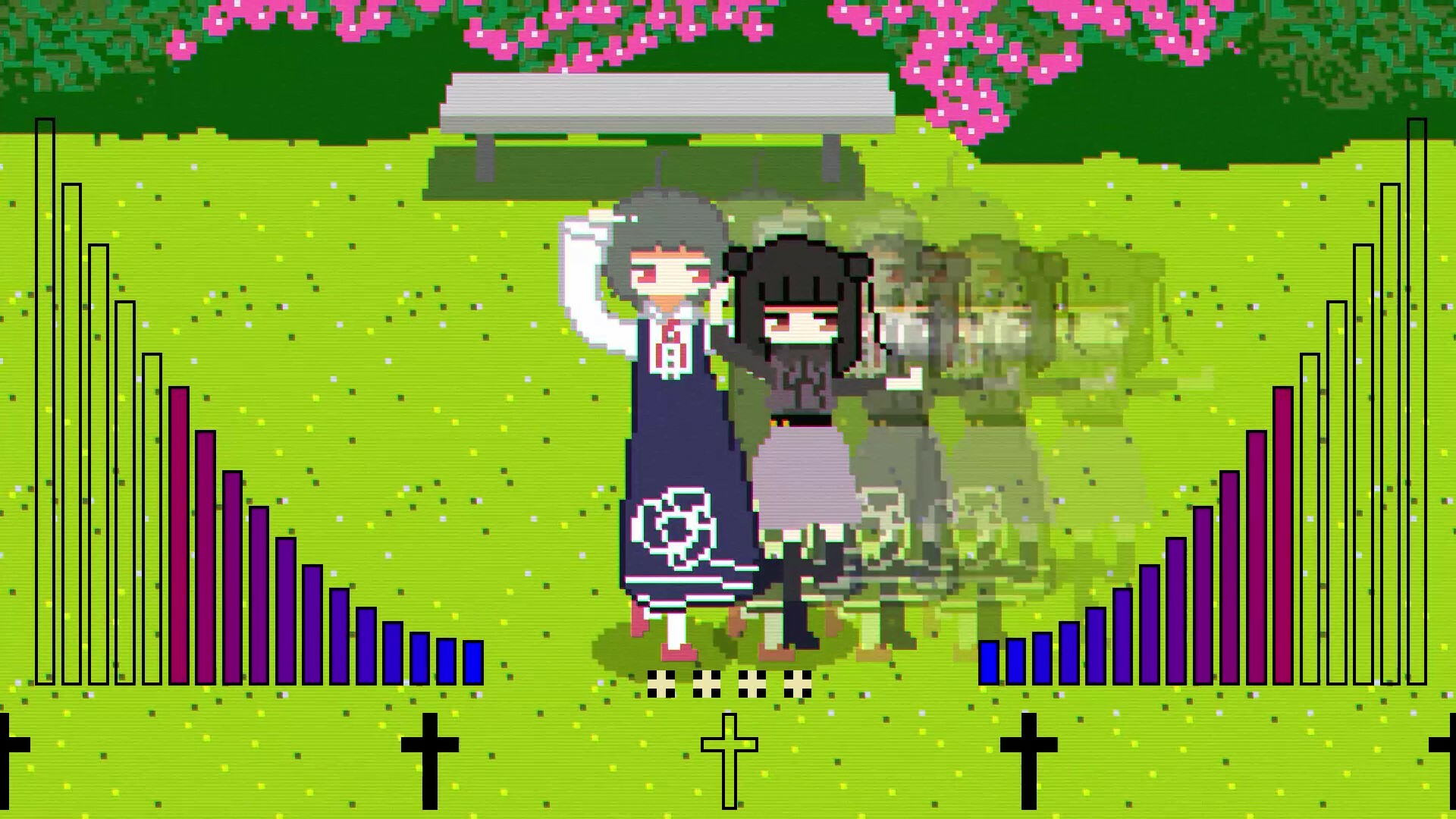
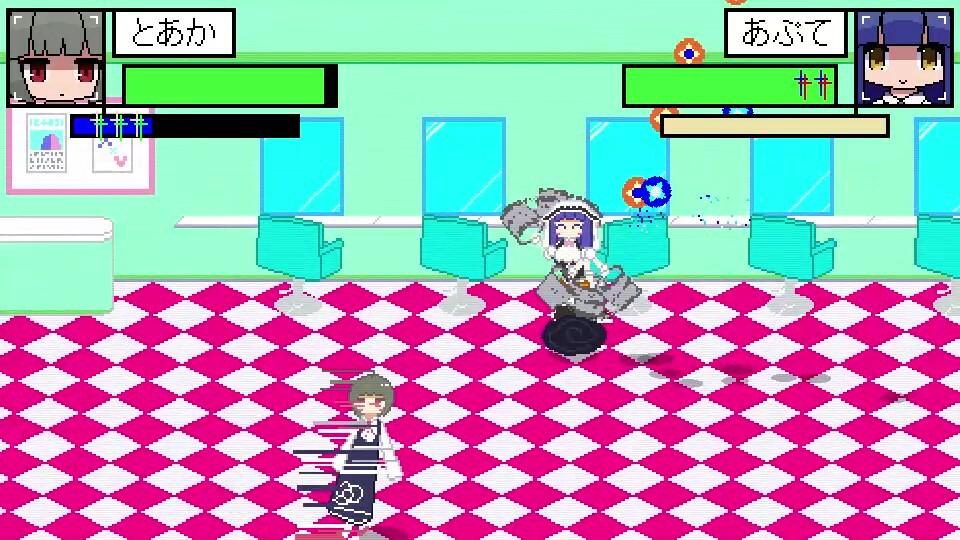
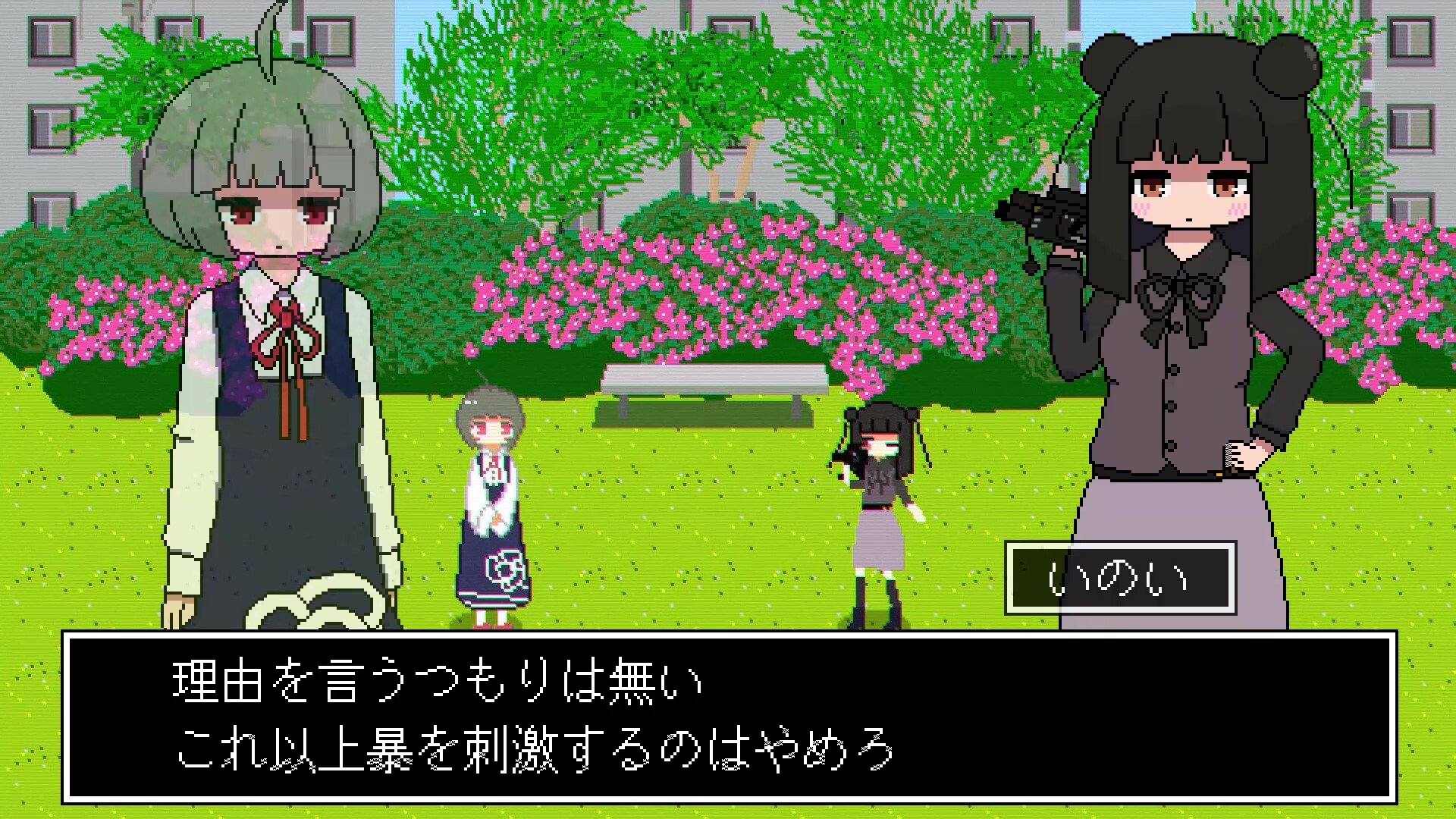
Get an in-depth look at ADEN through various videos and screenshots.

System requirements
These are the minimum specifications needed to play the game. For the best experience, we recommend that you verify them.
Windows
- OS: Windows 10
- Memory: 4 GB RAM
- Storage: 1 GB available space
Steam Price & Best Deals
User reviews & Ratings
Explore reviews from Steam users sharing their experiences and what they love about the game.
The last bosses will force you to master this movement system. You can dash many times in a row, but the recovery lag will get you. This game is art. You can unlock both routes in the same save data, so don't try resetting it!. Also, much of the music is very good! Unfortunately, neither ending is happy for Mui. :'(
Very good game overall, with the highlights for me being the cool boss battles and surprisingly engaging story. I personally recommend playing on hard, since even there the difficulty isn't that high. Also probably only a problem perfectionists like me would run into so I'll put this advice into spoilers for the rest of the world but be sure not to accidentally do the secret route first because it's really meant to be second
Similar games
View all

The seven days i spent with you
With the enigmatic girl who imprisoned you――seven days in an unfamiliar room.

NEEDY STREAMER OVERLOAD
NEEDY STREAMER OVERLOAD is a “multi-ending ADV” depicting daily life with “OMGkawaiiAngel”, a young girl with a rather extreme need for approval attempting to become the #1 “Internet Angel” (streamer).

Menherarium: Deadly Dice
"Let's play together… forever, okay?" Menherarium is a deck-building roguelite where you survive 7 days of blood-staked Chinchiro against a clingy menhera girl. Trapped and forced to gamble your blood daily in twisted dice games, use cheat items and overcome her changing rules to survive.

Phantom Breaker: Battle Grounds Classic
Phantom Breaker: Battle Grounds! Enjoy fast and frantic arcade-style beat 'em up gameplay with cute characters. Beat up hordes of weird enemies with awesome special attacks. Local co-op and PVP supported for up to 4 players!

outside the door
Outside the door is a mystic visual novel set within one office. You are about to figure out the stories of a few visitors without having a single memory of yourself.

Sister Other Paranoia
A dark visual novel by acclaimed creator nyalra. Overly sensitive to other people's emotions, the protagonist—a light novel writer—develops the ability to read minds, only to be driven even deeper into isolation. His sole remaining comfort is his younger sister, gifted yet lonely.

Psychopomp GOLD
Psychopomp is BACK. The catacombs stretch down farther than ever before. Your entire life has been a lie. Delve into the depths, and discover the horrors that lie below. More realms, more modes, more secrets. An ancient voice calls to you from the center of the earth. Will you answer it?

Cooking Companions: Appetizer Edition
Cabbage and the Chompettes want to play hide and seek! Can you find all five of them?
Frequently Asked Questions
ADEN is currently priced at 8.79€ on Steam.
No, ADEN is currently not on sale. You can purchase it for 8.79€ on Steam.
Yes, ADEN received 646 positive votes out of a total of 673 achieving a rating of 8.95.
😎
ADEN was developed and published by takayakata.
Yes, ADEN is playable and fully supported on Windows.
No, ADEN is not playable on MacOS.
No, ADEN is not playable on Linux.
Yes, ADEN is playable and fully supported on Steam Deck.
Yes, ADEN is playable and fully supported on Steam Machine.
No, ADEN does not support VR.
ADEN is a single-player game.
Yes, there is a DLC available for ADEN. Explore additional content available for ADEN on Steam.
No, ADEN does not support mods via Steam Workshop.
No, ADEN does not support Steam Remote Play.
Yes, ADEN is enabled for Steam Family Sharing. This means you can share the game with authorized users from your Steam Library, allowing them to play it on their own accounts. For more details on how the feature works, you can read the original Steam Family Sharing announcement or visit the Steam Family Sharing user guide and FAQ page.
You can find solutions or submit a support ticket by visiting the Steam Support page for ADEN.
Data sources
The information presented on this page is sourced from reliable APIs to ensure accuracy and relevance. We utilize the Steam API to gather data on game details, including titles, descriptions, prices, and user reviews. This allows us to provide you with the most up-to-date information directly from the Steam platform.
Additionally, we incorporate data from the SteamSpy API, which offers insights into game sales and player statistics. This helps us present a comprehensive view of each game's popularity and performance within the gaming community.
Last Updates| Steam data | 11 October 2026 20:59 UTC |
|---|---|
| SteamSpy data | 17 October 2026 01:11 UTC |
| Steam price | 26 October 2026 19:45 UTC |
| Steam reviews | 21 October 2026 15:51 UTC |
If you'd like to dive deeper into the details about ADEN, we invite you to check out a few dedicated websites that offer extensive information and insights. These platforms provide valuable data, analysis, and user-generated reports to enhance your understanding of the game and its performance.
- SteamDB - A comprehensive database of everything on Steam about ADEN
- SteamCharts - Analysis of ADEN concurrent players on Steam
- ProtonDB - Crowdsourced reports on Linux and Steam Deck ADEN compatibility

Game modes
Features
Online players
0
Developer
takayakata
Publisher
takayakata
Release
11 Dec 2024
Platforms