


LIMBO
Uncertain of his sister's fate, a boy enters LIMBO
Sync your Steam wishlist to find the lowest game prices instantly. No login required, just paste your Steam profile URL!
⚡ Try Wishlist Radar!
Sync your Steam wishlist to find the lowest game prices instantly. No login required!
⚡ Try Wishlist Radar!
Close

Anoxemia on Steam
Quick menu
Anoxemia is a story-driven exploration game that puts you in control of the scientist Dr. Bailey and his operations drone, ATMA. Search the ocean floor as you discover and extract samples from the bowels of the underwater caves. Danger lurks in each passageway.
Anoxemia is a physics, puzzle-platformer and dark game
developed by BSK Games
and published by Mandragora.
Released on January 16th 2015 is available on Windows, MacOS and Linux.
It has received 429 reviews of which 272 were positive and 157 were negative resulting in a rating of 6.1 out of 10. 😐
The game is currently priced at 7.39€ on Steam, but you can find it for 1.33€ on Eneba.
The Steam community has classified Anoxemia into these genres:
Media & Screenshots
Get an in-depth look at Anoxemia through various videos and screenshots.


System requirements
These are the minimum specifications needed to play the game. For the best experience, we recommend that you verify them.
Windows
- OS *: Windows XP, Vista, 7, 8
- Processor: 2 GHz
- Memory: 512 MB RAM
- Graphics: 5 years old or younger. Integrated graphics and very low budget cards may not work. Shader Model 3.0 required
- DirectX: Version 9.0c
- Storage: 4 GB available space
MacOS
- OS: OS X version Snow Leopard 10.6.3 or later.
- Processor: Intel Mac
- Memory: 1 GB RAM
- Graphics: OpenGL 2.0 compatible video card with 256 MB shared or dedicated RAM (ATI or NVIDIA)
- Storage: 4 GB available space
Linux
- OS: SteamOS, Ubuntu 12.04 or later, or otherwise compatible Linux distribution.
- Processor: 2GHz
- Memory: 1 GB RAM
- Graphics: OpenGL 2.0 compatible video card with 256 MB shared or dedicated RAM
- Storage: 4 GB available space
Steam Price & Best Deals
User reviews & Ratings
Explore reviews from Steam users sharing their experiences and what they love about the game.
Anoxemia is an atmospheric underwater adventure that turns the deep ocean into a place of isolation, uncertainty, and persistent danger. Developed by BSK Games and published by Mandragora, it follows scientist Dr. Bailey after a routine expedition to collect samples from a contaminated region goes disastrously wrong. His submarine crashes, communication is lost, and he becomes stranded beneath the surface with only an operations drone named ATMA to assist him. From this simple setup, the game builds a science-fiction mystery focused on exploration, environmental puzzles, limited resources, and the uncomfortable feeling that Bailey may not fully understand what is happening around him. The strongest aspect of the experience is its atmosphere. Anoxemia presents the ocean floor as a bleak and unnatural place rather than a beautiful underwater playground. Darkness surrounds almost every journey, visibility is deliberately restricted, and abandoned equipment scattered throughout the environment suggests that something went seriously wrong before Bailey arrived. Machinery, mines, contaminated areas, dangerous currents, and other environmental hazards make exploration feel hazardous even when there is no obvious enemy nearby. The visual presentation is relatively simple, but the restrained 2D artwork suits the oppressive setting and allows lighting and silhouettes to carry much of the tension. Players travel through 38 levels while searching for samples, equipment, and a way out of the increasingly suspicious situation. Exploration involves directing Bailey and using ATMA's capabilities to interact with the environment. The drone is central to both gameplay and storytelling, providing assistance while gradually gaining additional functionality. This makes the relationship between scientist and machine more interesting than a standard companion system. Bailey needs ATMA, yet the story increasingly encourages the player to question whether the drone's behavior can actually be trusted. Oxygen management provides much of the immediate survival pressure. Bailey cannot simply wander around indefinitely, so every detour has potential consequences. Exploring an optional section might reveal equipment or something connected to the mystery, but spending too long searching can leave the player desperately trying to reach safety. This mechanic gives otherwise quiet environments a sense of urgency and complements the game's broader theme of vulnerability. There is rarely a feeling of complete security when the character's ability to survive is constantly limited by the surrounding environment. Environmental challenges provide additional variety. Underwater mines, poisonous areas, machinery, currents, obstacles, and other dangers require observation as well as careful movement. Puzzle elements are generally integrated into exploration rather than separated into elaborate puzzle rooms. Some situations involve understanding the environment, while others demand reasonably precise execution under pressure. The combination works best when the player has enough information to recognize the solution but must still carefully carry it out while managing oxygen and nearby hazards. Difficulty can occasionally work against the experience. Anoxemia deliberately aims to be challenging, but certain sections can become frustrating because underwater movement does not always provide the precision players may expect. The physics create an appropriate feeling of resistance and weight, yet navigating tight spaces or reacting quickly to hazards can sometimes feel cumbersome. This will probably be the most divisive element of the game. Players willing to adapt to slower and more deliberate movement are likely to enjoy the tension it creates, whereas those expecting highly responsive platforming controls may find some sequences unnecessarily demanding. The narrative benefits greatly from keeping Bailey isolated. His thoughts and dialogue provide context without overwhelming exploration with lengthy interruptions. More interesting is the gradual uncertainty surrounding ATMA. Having the player's most important companion also become a source of suspicion is an effective idea because Bailey cannot simply abandon the drone without losing a crucial survival tool. This creates psychological tension alongside the environmental danger and gives the adventure more personality than its relatively straightforward premise initially suggests. Sound design also plays an important role. Mechanical noises, environmental effects, distant disturbances, and quieter stretches help emphasize just how far Bailey is from ordinary civilization. The game often generates tension by allowing the player to hear or sense danger without immediately revealing its source. This restrained approach fits the underwater setting particularly well. Instead of constantly relying on dramatic confrontations, Anoxemia uses emptiness and uncertainty to make the player uncomfortable. Progression includes equipment and upgrades that expand the possibilities available during the expedition. Discovering useful items provides an additional incentive to investigate areas despite the risks involved. Steam achievements also provide optional goals for players interested in completion. The overall structure remains relatively linear, however, so this should not be mistaken for a large open-world underwater survival game. Its focus is much narrower: move through dangerous locations, overcome environmental problems, uncover the mystery, and survive long enough to understand what is happening. On Steam Deck, Anoxemia is rated Playable rather than Verified. Its functionality is accessible with the default controller configuration, controller icons are available, and the game's graphical demands are modest enough for the handheld. There are some compromises, particularly text that may be difficult to read on the smaller display, while the native Steam Deck resolution may require manual selection. These issues do not prevent the game from being played portably, but they keep it from providing a completely seamless handheld experience. Anoxemia is ultimately more successful as an atmospheric science-fiction journey than as a mechanically polished action experience. Its dark ocean environments, limited oxygen, environmental dangers, mysterious narrative, and uneasy relationship between Bailey and ATMA establish a distinctive identity. The occasional frustration caused by movement and demanding hazards prevents it from being consistently satisfying, while its linear structure may feel restrictive to players expecting extensive exploration. For players who enjoy compact indie adventures built around mood, mystery, environmental puzzles, and vulnerability, there is still considerable appeal here. Anoxemia understands that the ocean does not need enormous monsters around every corner to feel terrifying. Sometimes darkness, dwindling oxygen, abandoned machinery, and uncertainty about your only companion are enough to make the next few meters feel dangerous. Rating: 7/10
⣿⣿⡻⠿⣳⠸⢿⡇⢇⣿⡧⢹⠿⣿⣿⣿⣿⣾⣿⡇⣿⣿⣿⣿⡿⡐⣯⠁ ⠄⠄ ⠟⣛⣽⡳⠼⠄⠈⣷⡾⣥⣱⠃⠣⣿⣿⣿⣯⣭⠽⡇⣿⣿⣿⣿⣟⢢⠏⠄ ⠄ ⢠⡿⠶⣮⣝⣿⠄⠄⠈⡥⢭⣥⠅⢌⣽⣿⣻⢶⣭⡿⠿⠜⢿⣿⣿⡿⠁⠄⠄ ⠄⣼⣧⠤⢌⣭⡇⠄⠄⠄⠭⠭⠭⠯⠴⣚⣉⣛⡢⠭⠵⢶⣾⣦⡍⠁⠄⠄⠄⠄ ⠄⣿⣷⣯⣭⡷⠄⠄⢀⣀⠩⠍⢉⣛⣛⠫⢏⣈⣭⣥⣶⣶⣦⣭⣛⠄⠄⠄⠄⠄ ⢀⣿⣿⣿⡿⠃⢀⣴⣿⣿⣿⣎⢩⠌⣡⣶⣿⣿⣿⣿⣿⣿⣿⣿⣿⣿⣆⠄⠄⠄ ⢸⡿⢟⣽⠎⣰⣿⣿⣿⣿⣿⣿⢀⣾⣿⣿⣿⣿⣿⣿⣿⣿⣿⣿⣿⣿⣿⣦⠄⠄ ⣰⠯⣾⢅⣼⣿⣿⣿⣿⣿⣿⡇⣾⣿⣿⣿⣿⣿⣿⣿⣿⣿⣿⣿⣿⣿⣿⣿⡄⠄ ⢰⣄⡉⣼⣿⣿⣿⣿⣿⣿⣿⢸⣿⣿⣿⣿⣿⣿⣿⣿⣿⣿⣿⣿⣿⣿⣿⣿⣧⠄ ⢯⣌⢹⣿⣿⣿⣿⣿⣿⣿⣿⢸⣿⣿⣿⣿⣿⣿⣿⣿⣿⣿⣿⣿⣿⣿⣿⣿⣿⠄ ⢸⣇⣽⣿⣿⣿⣿⣿⣿⣿⣿⠸⣿⣿⣿⣿⣿⣿⣿⣿⣿⣿⣿⣿⣿⣿⣿⣿⣿⠄ ⢸⣟⣧⡻⣿⣿⣿⣿⣿⣿⣿⣧⡻⣿⣿⣿⣿⣿⣿⣿⣿⣿⣿⣿⣿⣿⣿⣿⣿⠄ ⠈⢹⡧⣿⣸⠿⢿⣿⣿⣿⣿⡿⠗⣈⠻⣿⣿⣿⣿⣿⣿⣿⣿⣿⣿⣿⣿⣿⡇⠄ ⠄⠘⢷⡳⣾⣷⣶⣶⣶⣶⣶⣾⣿⣿⢀⣶⣶⣶⣾⣿⣿⣿⣿⣿⣿⣿⣿⣿⠇⠄ ⠄⠄⠈⣵⣿⣿⣿⣿⣿⣿⣿⣿⣿⣿⢸⣿⣿⣿⣿⣿⣿⣿⣿⣿⣿⣿⣿⣿⠄⠄ ⠄⠄⠄⠸⣿⣿⣿⣿⣿⣿⣿⣿⣿⣿⠘⣿⣿⣿⣿⣿⣿⣿⣿⣿⣿⣿⣿⠇⠄⠄
I am 32 years old. My ex-wife and I have a daughter together, and we adopted our son together. Both are now 4 years old. When we were going through our separation, I felt lost and unhappy. I was self-destructive. One day, I was so angry with everything spiraling out of control that I punched a concrete wall in a moment of overwhelming emotion. This resulted in breaking my fifth metacarpal in my right hand—the hand I worked with, played games with, and used to carry my children to bed—the hand I desperately needed to ensure I could continue providing. Upon learning the severity of the self-inflicted damage, I became almost suicidal. Keep in mind that just a few months before this, I was the happiest man, with no history of depression or anxiety. I had never experienced anger outbursts, nor was I the type to break down and cry, but I was in a tough situation that truly prevented me from seeing the light on the other side. With nothing better to do, I looked for a game I could play WITH ONE HAND while recovering. Somehow, I stumbled upon this game and read some of the comments. I decided it was worth a try... I must admit I didn't beat the game, nor did I play as much as some of you. In fact, I may have played this game for only a day or two. That being said, after doing so, I had a new joy and hope for life. I managed to leave behind the pain and suffering that had been thrust upon me. I could experience the joy and happiness of other people. I relaxed for 5 ♥♥♥♥ minutes listening to this music, long enough to realize that I would be okay. After realizing this, I turned off the game and went back to work. My hand hurt a lot, but I was motivated. I stopped feeling so sorry for myself and became the father I needed to be at that moment, not the weak boy I was behaving like. Today, I am close friends with the mother of my children. We don't fight, argue, or say hurtful things to each other. We are parents and friends. Now I have 3 children. My third child is, wait, ALSO 4 YEARS OLD. The woman I am with was going through a very similar situation at the time of my separation, and we just unexpectedly stumbled into each other's lives. We have been dating for a year and are very happy together. Moral of the story: you never know what life has in store for you, and if I had given up when all odds were against me, I wouldn't be where I am today. This silly little game helped me realize that. Thank you.
This game was kinda meh to me, but it had some redeeming factors. Pros : - The price of admission is cheap - The game has some pretty unique mechanics - It has a sombre and eerie atmosphere, if you're into that kind of thing - A few scary moments - You play as a little robot helping a diver survive, which is cute - Lack of weaponery creates a sense of vulnerability when faced with enemies Cons : - Takes a while to understand what things are and how things work (no tutorial) - Confusing, unhelpful U.I (User Interface). - The game is one big escort mission. Your guy can easily get stuck/killed which is frustrating. - No checkpoints. Especially frustrating when the level is long and tedious and you die to something stupid. - Essentially boring. The game has a very slow pace and lacks excitement of any kind. - Suffers from Missing Key Syndrome (MKS). Progress can be blocked because you couldn't make out a black item next to a black wall and black background... - Hacking system does not have a mini-game. You simply wait and you have a % success rate. Kinda lame. So basically, get this game if is on sale for super-cheap for and interesting experience.
Similar games
View all

DARQ: Complete Edition
DARQ tells the story of Lloyd, a boy who finds himself in the middle of a lucid nightmare. Unable to wake up, Lloyd has to face his fears and decipher the meaning of the dream.


Leo’s Fortune - HD Edition
An award-winning platform adventure game where you hunt down the cunning thief who stole his gold. Beautifully hand-crafted levels bring the story of Leo to life, offering a journey full of challenges. Revisit this classic adventure as it celebrates its tenth anniversary.

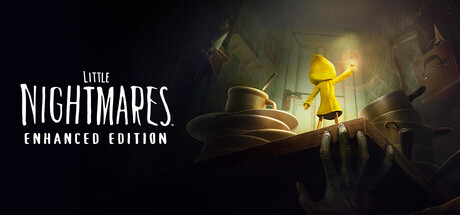
Little Nightmares
Take on the role of Six, a lone child lost in a massive metal vessel known as the Maw, surrounded by dangerous, distorted versions of adults. You’ll need to do your best to escape in one piece or your fate will be worse than you ever dared dream.
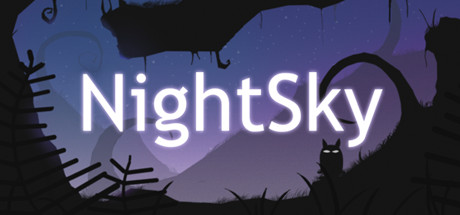
NightSky
Nominated as a IGF Seamus McNally Finalist, NightSky is an ambient action-puzzle game that offers a gameplay experience unlike any other—cerebral challenges fill uniquely designed picturesque worlds. The player must maneuver a sphere by using realistic physics to advance; each of these worlds is broken into different areas.
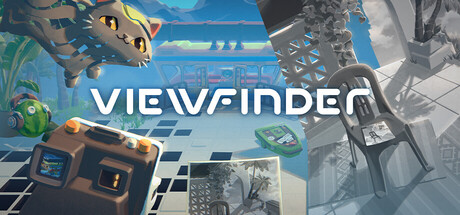
Viewfinder
Challenge perception, redefine reality, and reshape the world around you with an instant camera. Viewfinder is a new single player game offering gamers hours of interesting and fun experiences while uncovering the mysteries left behind.
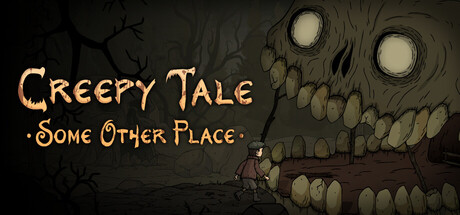
Creepy Tale: Some Other Place
Creepy Tale is a mysterious adventure rich in riddles and eerie atmosphere. An autumn morning promised a quiet fishing trip, but events took Martin to "some other place." Find the way home, uncover loads of secrets, and save everyone that you can.

LostWinds 2: Winter of the Melodias
With amazing new abilities, re-visit a land full of wonder on a new adventure in LostWinds 2: Winter of the Melodias - sequel to the award-winning ‘LostWinds’.

Frequently Asked Questions
Anoxemia is currently priced at 7.39€ on Steam.
No, Anoxemia is currently not on sale. You can purchase it for 7.39€ on Steam.
Yes, Anoxemia received 272 positive votes out of a total of 429 achieving a rating of 6.12.
😐
Anoxemia was developed by BSK Games and published by Mandragora.
Yes, Anoxemia is playable and fully supported on Windows.
Yes, Anoxemia is playable and fully supported on MacOS.
Yes, Anoxemia is playable and fully supported on Linux.
This information about Anoxemia is not available yet.
This information about Anoxemia is not available yet.
No, Anoxemia does not support VR.
Anoxemia is a single-player game.
Yes, there is a DLC available for Anoxemia. Explore additional content available for Anoxemia on Steam.
No, Anoxemia does not support mods via Steam Workshop.
No, Anoxemia does not support Steam Remote Play.
Yes, Anoxemia is enabled for Steam Family Sharing. This means you can share the game with authorized users from your Steam Library, allowing them to play it on their own accounts. For more details on how the feature works, you can read the original Steam Family Sharing announcement or visit the Steam Family Sharing user guide and FAQ page.
You can find solutions or submit a support ticket by visiting the Steam Support page for Anoxemia.
Data sources
The information presented on this page is sourced from reliable APIs to ensure accuracy and relevance. We utilize the Steam API to gather data on game details, including titles, descriptions, prices, and user reviews. This allows us to provide you with the most up-to-date information directly from the Steam platform.
Additionally, we incorporate data from the SteamSpy API, which offers insights into game sales and player statistics. This helps us present a comprehensive view of each game's popularity and performance within the gaming community.
Last Updates| Steam data | 23 September 2026 02:05 UTC |
|---|---|
| SteamSpy data | 15 October 2026 06:32 UTC |
| Steam price | 27 October 2026 20:06 UTC |
| Steam reviews | 22 October 2026 10:12 UTC |
If you'd like to dive deeper into the details about Anoxemia, we invite you to check out a few dedicated websites that offer extensive information and insights. These platforms provide valuable data, analysis, and user-generated reports to enhance your understanding of the game and its performance.
- SteamDB - A comprehensive database of everything on Steam about Anoxemia
- SteamCharts - Analysis of Anoxemia concurrent players on Steam
- ProtonDB - Crowdsourced reports on Linux and Steam Deck Anoxemia compatibility

Game modes
Features
Online players
0
Developer
BSK Games
Publisher
Mandragora
Release
16 Jan 2015
Platforms
Clicking and buying through these links helps us earn a commission to maintain our services.