Aporia: Beyond The Valley on Steam - User reviews, Price & Information

Quick menu

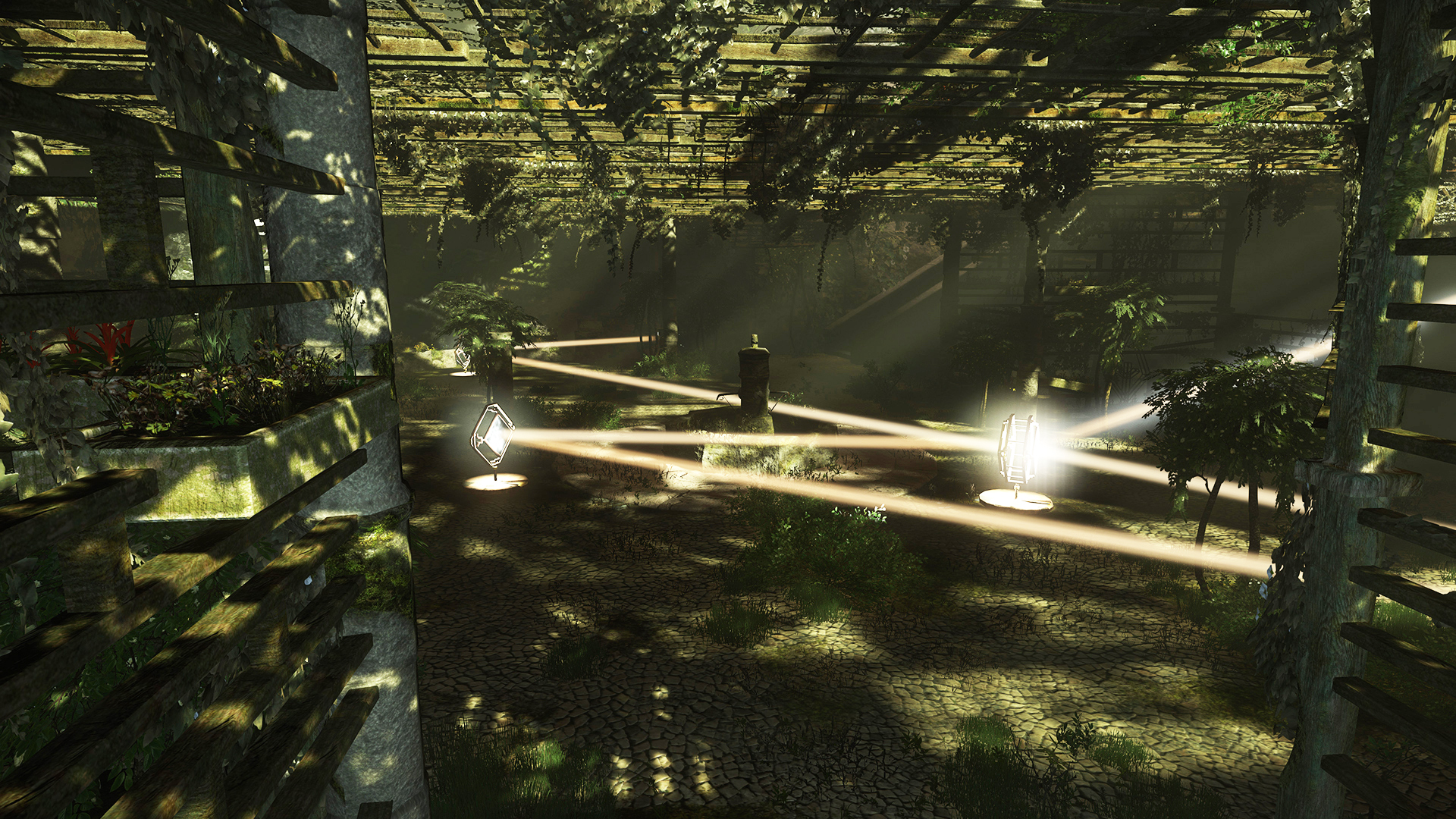
CRYNEGINE Indie Game of 2017. Featuring an incredibly detailed ancient world and a breathtaking soundtrack, Aporia: Beyond the Valley takes open world storytelling to new heights of adventure.

Aporia: Beyond The Valley is a adventure, indie and puzzle game developed and published by Invisible Walls.
Released on July 19th 2017 is available in English only on Windows.

It has received 729 reviews of which 609 were positive and 120 were negative resulting in a rating of 7.9 out of 10. 😊

The game is currently priced at 16.99€ on Steam, but you can find it for less on Gamivo.


The Steam community has classified Aporia: Beyond The Valley into these genres:

Media & Screenshots

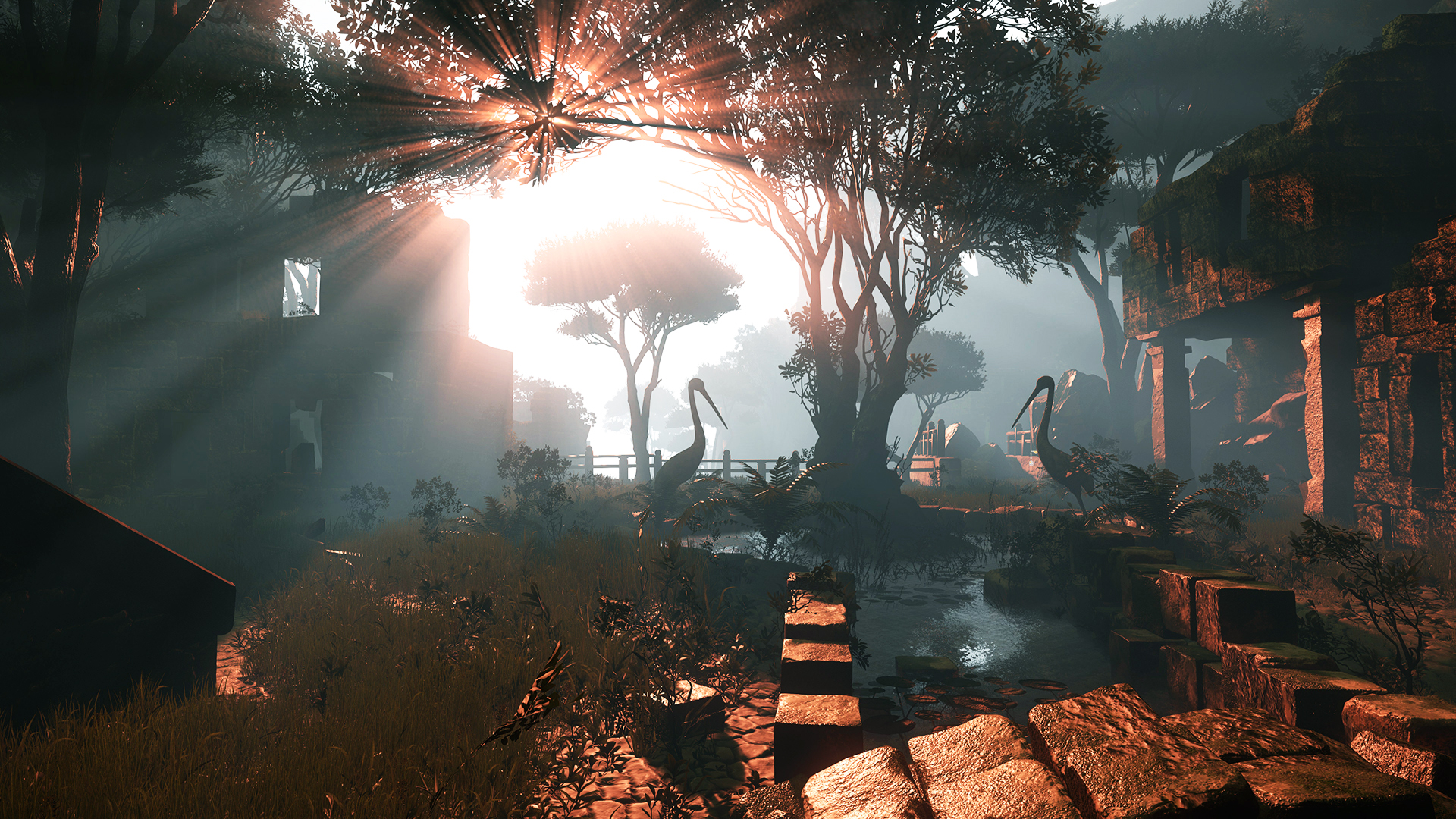
Get an in-depth look at Aporia: Beyond The Valley through various videos and screenshots.
Load More

System requirements

These are the minimum specifications needed to play the game. For the best experience, we recommend that you verify them.

Windows
  • Requires a 64-bit processor and operating system
  • OS *: Windows 7 or above (64bit OS)
  • Processor: Dual Core 3Ghz Processor
  • Memory: 4 GB RAM
  • Graphics: Nvidia GeForce GTX 660 or similar
  • Storage: 20 GB available space

User reviews & Ratings

Explore reviews from Steam users sharing their experiences and what they love about the game.

Oct. 2025
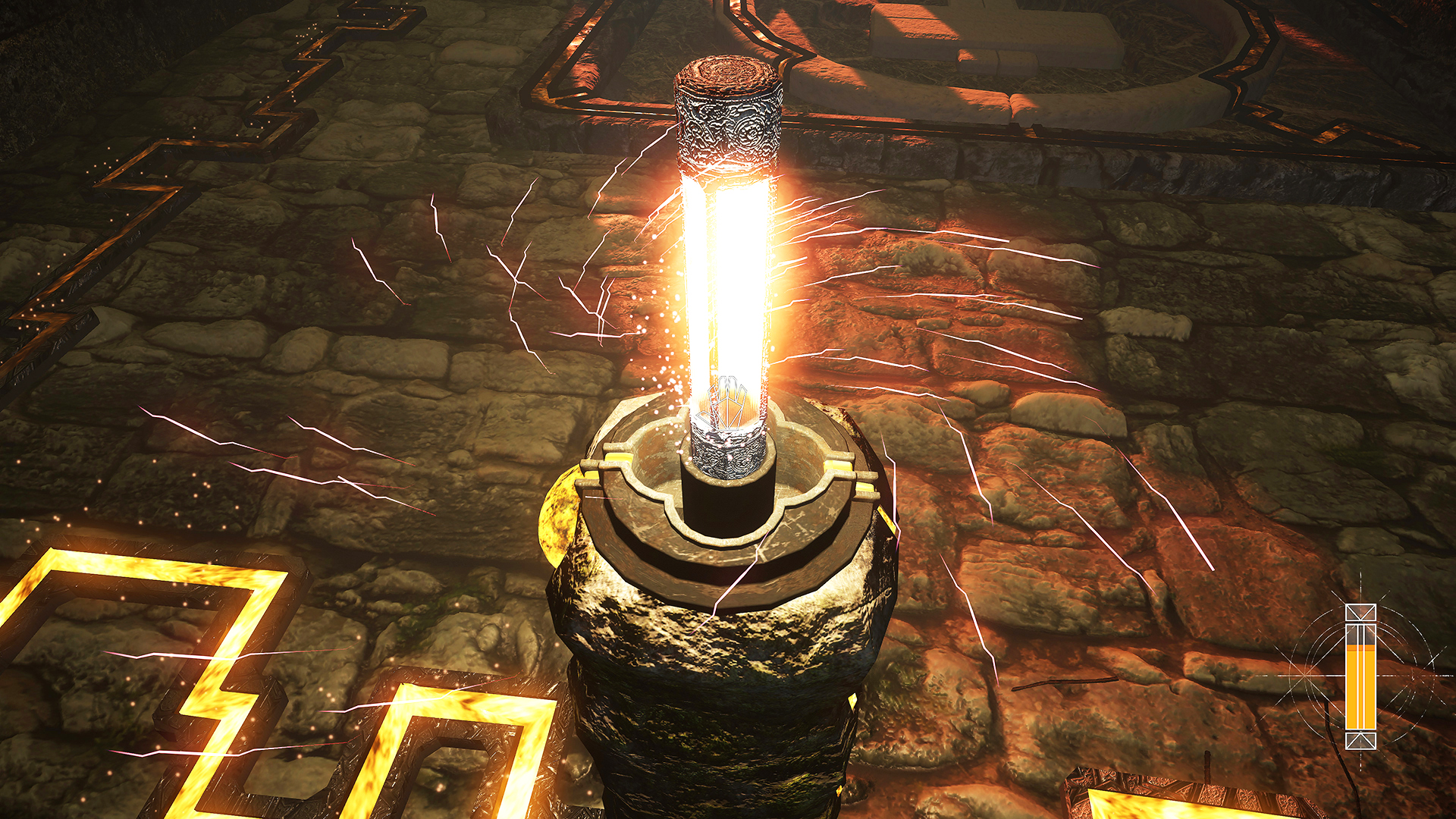
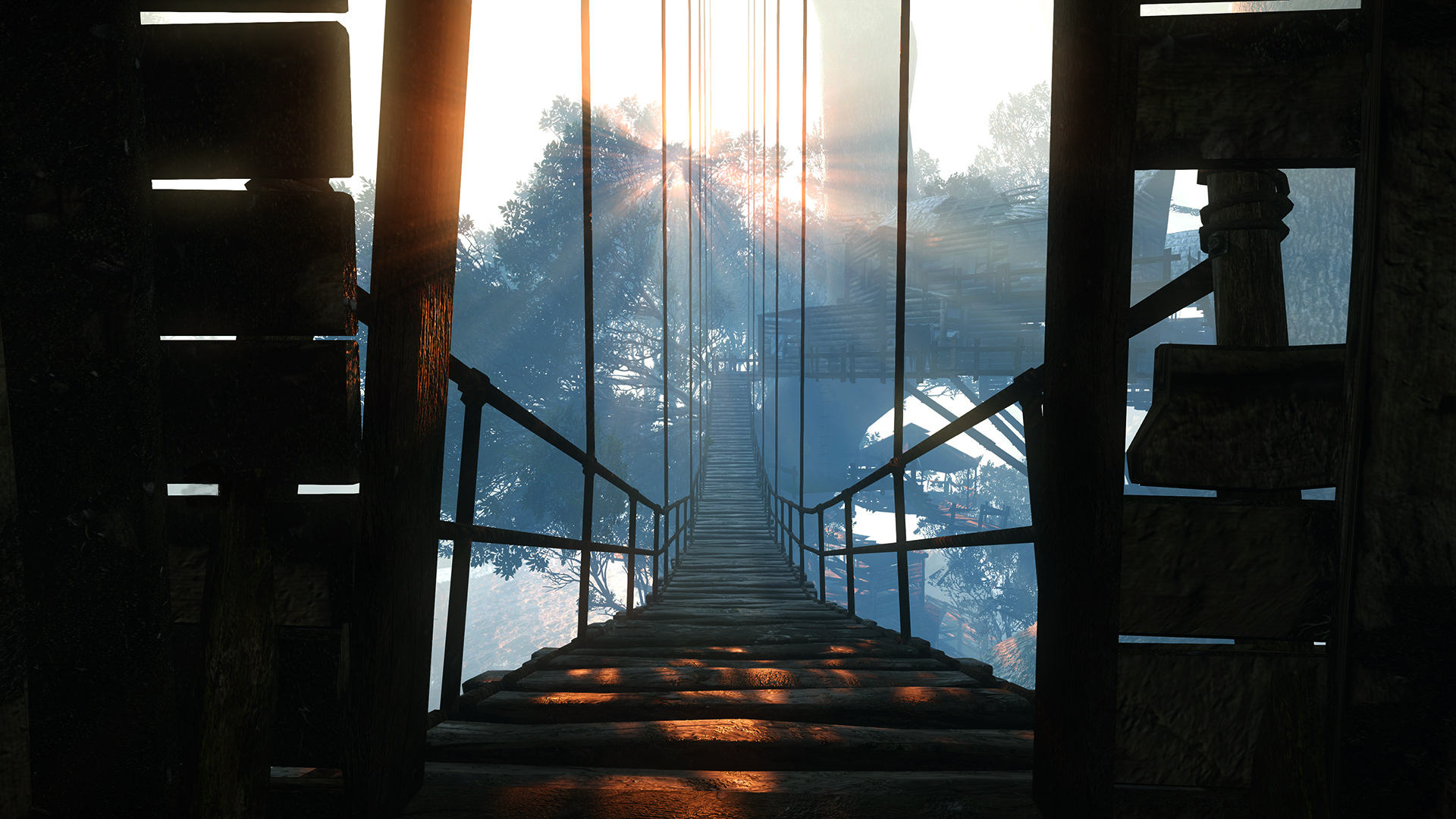
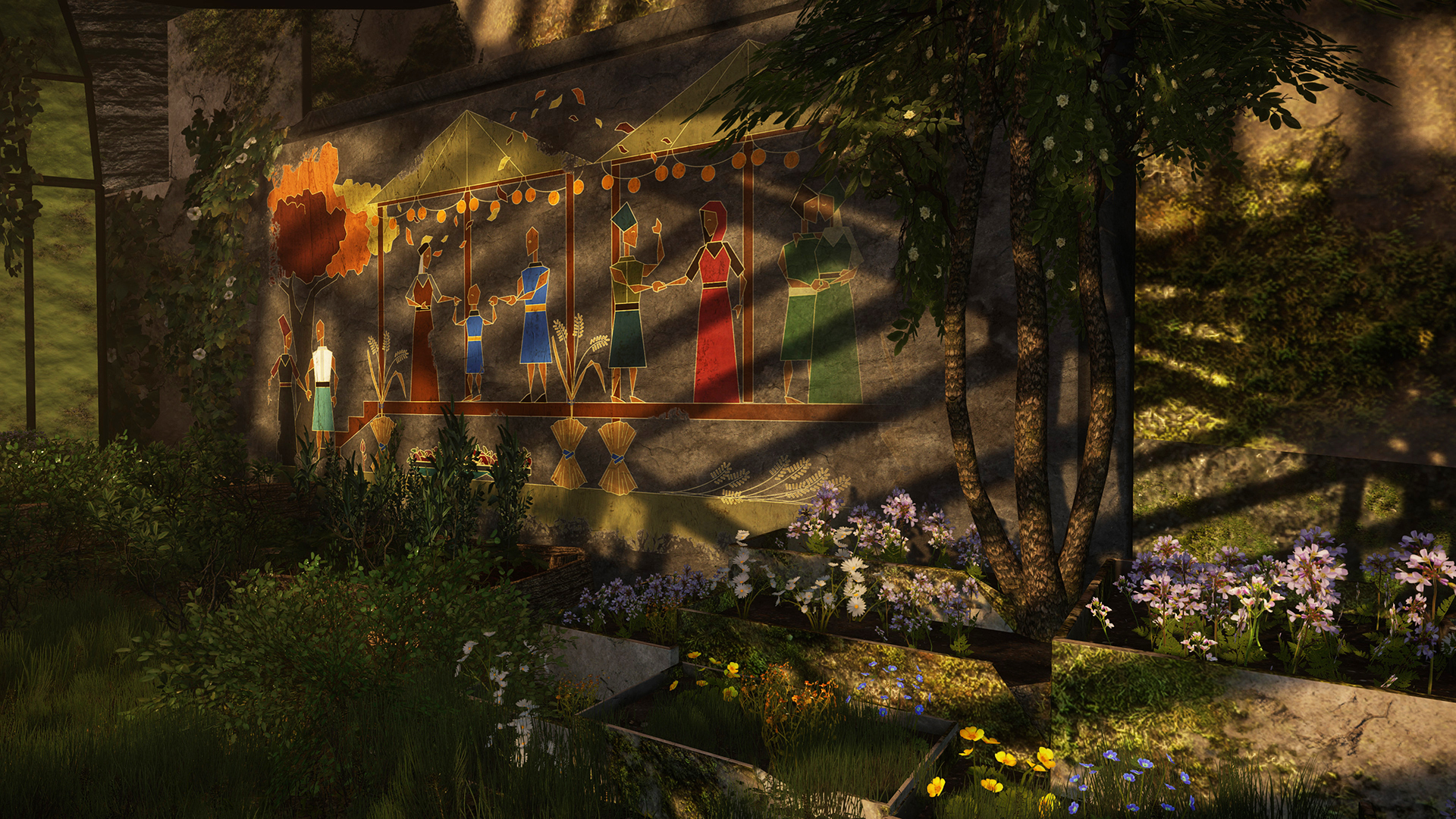
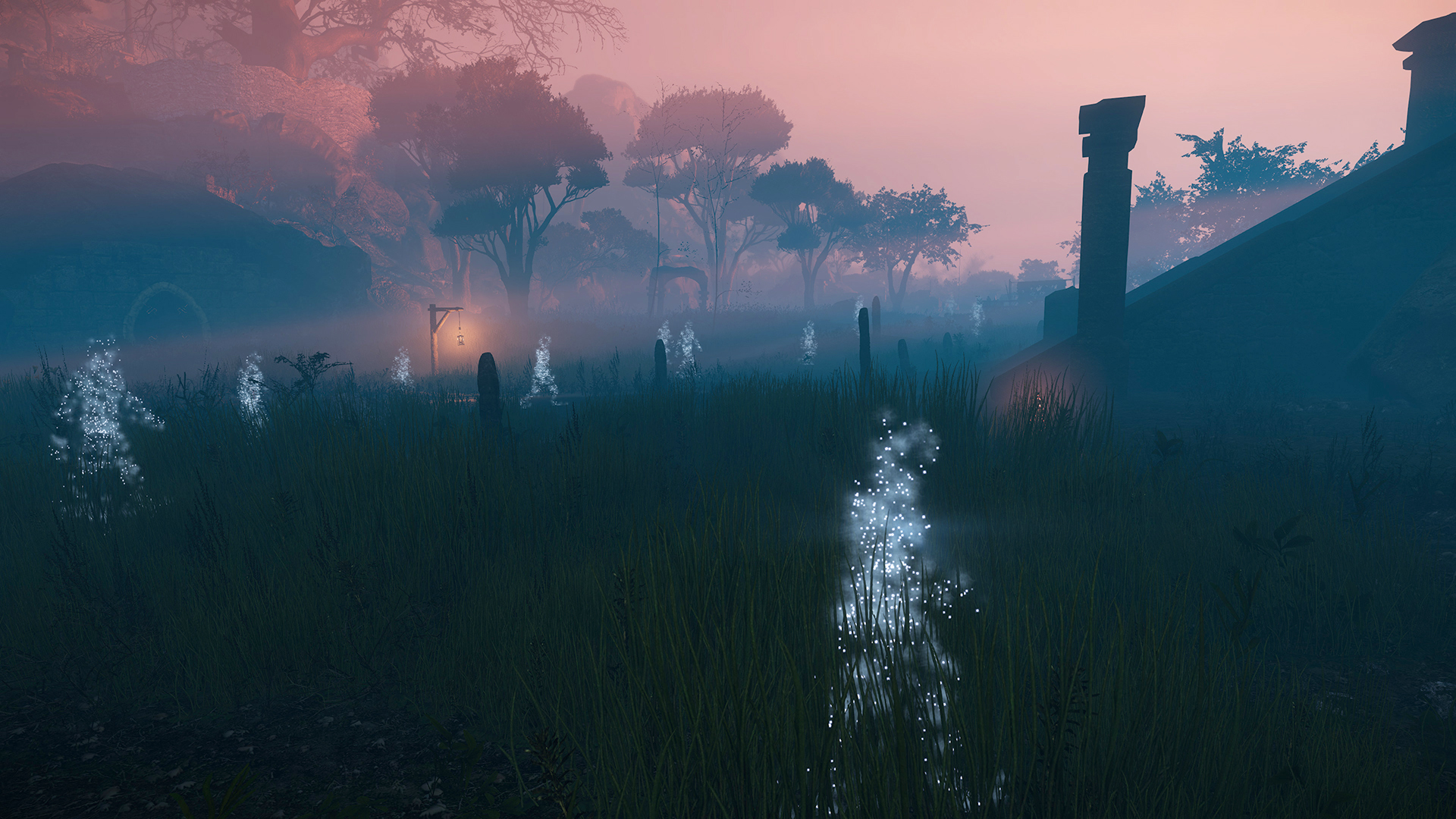
Aporia: Beyond The Valley, developed and published by Invisible Walls, is a hauntingly beautiful first-person adventure that blends exploration, environmental storytelling, and light puzzle-solving into an atmospheric experience about memory, civilization, and loss. Built on CryEngine, it uses its technology to craft a world both ancient and alive—a once-thriving valley now overtaken by nature and silence, filled with forgotten structures and the ghosts of a culture long gone. Rather than guiding players through text or dialogue, the game relies entirely on visual cues and environmental details to communicate its narrative, encouraging players to uncover the story through observation and discovery rather than exposition. It is a journey that values contemplation over urgency, and its slow, deliberate pace allows its world to breathe in a way few modern games attempt. The story begins with the player awakening alone in the ruins of a temple, surrounded by remnants of a mysterious civilization that has vanished. There is no introduction, no tutorial, and no immediate explanation—only the quiet hum of wind, the soft rustle of trees, and the faint echo of the world’s forgotten history. As you step into the valley, your only guide is a strange glowing vessel, a vial of energy that can activate ancient mechanisms and illuminate paths forward. This tool becomes the centerpiece of both gameplay and symbolism, serving as a bridge between the living and the long-dead technology of the valley. Every door, machine, and puzzle is powered by this energy, creating a tactile connection between the player and the world’s hidden systems. The puzzles themselves are not designed to stump but to engage the player’s curiosity, inviting experimentation with logic and light rather than presenting arbitrary obstacles. Visually, Aporia is breathtaking. The valley’s forests, temples, and caverns are rendered with astonishing attention to detail. Shafts of light pierce through cracked ceilings, vines crawl across stone relics, and vast open vistas invite a sense of scale and wonder. The world feels tangible yet mysterious, as if every corner hides a story waiting to be uncovered. The environmental design itself functions as a kind of visual narrative: murals painted on walls depict fragments of history, ancient artifacts hint at ritualistic practices, and decaying machinery reminds you of the civilization’s once-great technological prowess. The lack of spoken language amplifies the game’s visual storytelling—players must interpret scenes and symbols on their own, forming personal theories about what transpired in this lost world. This silent storytelling lends Aporia a meditative quality, allowing each player’s interpretation to feel uniquely their own. The game’s soundtrack and sound design further enhance the immersion. The ambient score is understated yet evocative, weaving through moments of serenity and melancholy with grace. Subtle environmental sounds—the crackling of torches, the distant murmur of waterfalls, the echo of footsteps—immerse you in the rhythm of the valley. The absence of dialogue means every sound carries emotional weight; even the smallest auditory cues take on importance, signaling shifts in mood or discovery. Together, these elements create an atmosphere that feels almost sacred, as if you are not merely exploring ruins but trespassing in a forgotten temple of time itself. Aporia’s puzzle design is intentionally restrained. Most challenges involve using your energy vial to power devices, reroute energy streams, or manipulate objects in the environment. The puzzles are more about understanding than difficulty—they rarely frustrate, but they require patience and careful attention to environmental hints. Occasionally, the pacing slows to a crawl, with extended stretches of exploration punctuated by brief puzzle sequences. For some players, this rhythm may feel too slow, especially since the game offers little handholding or direct guidance. Yet, for others, this quiet pacing is precisely what gives Aporia its charm—it invites mindfulness and reflection, encouraging you to absorb the sights and atmosphere rather than rush from task to task. The game’s narrative unfolds through imagery and discovery, building a story of human ambition and inevitable downfall. You piece together the events of a civilization that grew powerful through technology, only to destroy itself through hubris and misuse of its energy source. This story mirrors the player’s own journey, as you awaken to rediscover not just what happened to the world but who you are within it. The ambiguity of this storytelling approach adds to its emotional resonance; there are no explicit answers, only clues and implications that force players to draw their own conclusions. It’s a world that feels lived-in yet empty, haunted not by ghosts but by memories and echoes of choices long past. When the ending finally arrives, it is more contemplative than conclusive, leaving you with a lingering sense of melancholy rather than closure. Despite its many strengths, Aporia: Beyond The Valley is not without flaws. Some puzzles feel underdeveloped, more like interruptions in the flow of exploration than meaningful challenges. A few sequences suffer from uneven pacing, with long stretches of walking through beautiful but static environments. The game also introduces a few light stealth or chase moments involving a mysterious shadowy figure, but these encounters feel out of place in an otherwise peaceful experience. Performance-wise, while CryEngine delivers stunning visuals, it can occasionally cause frame drops or minor technical glitches. These are small distractions, but in a game that relies so heavily on immersion, they stand out. Even with its imperfections, Aporia succeeds in creating something that few games manage to achieve—a sense of place so tangible that it feels almost real. It is less about solving puzzles and more about uncovering meaning, about connecting with a world that tells its story through the traces it left behind. Every mural, every broken artifact, every gust of wind feels purposeful. The silence of the game becomes its greatest strength, allowing players to project their own emotions onto the experience. It’s a game that doesn’t demand attention but earns it through beauty and restraint. In the end, Aporia: Beyond The Valley stands as a testament to the power of atmosphere and environmental storytelling in games. It may not appeal to those seeking fast-paced gameplay or intricate mechanics, but for players who appreciate introspective journeys and quiet discovery, it offers a deeply rewarding experience. It captures the feeling of solitude without loneliness, of mystery without fear, and of beauty tinged with sadness. It is both a love letter to exploration and a meditation on the fragility of human achievement. Aporia invites you not to conquer its world, but to listen to it—to walk through its ruins, feel its history, and find peace in its silence. Rating: 8/10
Expand the review
Sept. 2025
A wonderful game, with an excellent plot, excellent graphics and pleasant puzzles.
Expand the review
May 2025
Wonderful world to explore. Puzzles to figure out and the world is full of mystery. The scenes are breath taking and it is easy to navigate. I recommend using a XBox controller. Very happy with this purchase. Thank you
Expand the review
May 2025
Aporia is unusual in that the main store tags say Adventure, Horror, Puzzle, while some people will go straight to saying it's a Walking Simulator. While not strictly untrue, I find the latter judgement a bit on the harsh side. Aporia is defined as an 'irresolvable internal contradiction' or more simply, 'puzzlement'. As I played the game (exploring, solving puzzles), I came to learn bits of the backstory through animated tapestries. The thing about these tapestries is they are all jumbled up, so you might not necessarily see them in the right order. By watching these, and using a bit of logic, you come to find that there is a strange 'aporia' to the civilisation that makes little sense. One of the great things about this game is the graphics. There is a sense of time with day shifting into night and vice versa, allowing for some spectacular vistas, especially at dawn and dusk where light filters through vegetation. Music is on the minimal side, being quite unintrusive, while sound effects such as birds in the trees, or the sound of running water or waterfalls really give it the sense of coming to life. Gameplay is a mixed bag, but mostly fun. There are puzzle elements, but it isn't consistent - this can be broken up by exploration, or learning about the backstory via the tapestries... there are even boats you can use to make water exploration a bit easier. The main goal of the story is related to the characters presented in the tapestries, and so to finish the game you need to acquire key pieces and hologram fragments in order to progress. My first play through, I actually completely missed the leaf key, so not all of them are necessary. So it all sounds a bit Talos Principle, but why the Horror tag? In chapter 3 and 4 we have a malevolent spirit wandering around, and while there are moments it can inexplicably vanish in a puff of smoke, mostly if it sees you, it will give chase. I think in chapter 4 it can even teleport to you. The thing is, you have a health bar in this game, and you can die, so you really don't want this thing to see you. It's not as bad as all that, as getting caught only robs of of a portion of health, but if you want all achievements you'll have to not get caught at all in a full game. There are loads of other things to do - collectables take the form of drinking potions, lighting torches and eating herbs - but these are only tracked from a steam achievement perspective. Torches have no effect, herbs heal you, and potions charge your vial. So depending on whether you like hunting down achievements or not, the game can be big or small. I think as it is, Aporia stands on its own feet as a solid game, and has enough activities and gameplay to make it worth the experience. No way is it a Walking Sim - if it was, it'd be WASD only. Best thing to do - if you like the idea of trying to do some puzzles while avoiding a black spirit, then this might be what you're after. And as you play, you can work out the backstory for me.
Expand the review
Feb. 2025
🌿 A Mystical Journey Worth Taking! 🌿 Aporia: Beyond The Valley is a visually stunning and atmospheric adventure that pulls you into a beautifully crafted world filled with mystery. From the moment you step into the valley, the breathtaking environments and hauntingly beautiful soundtrack immerse you in a story told without words—relying solely on environmental storytelling and cryptic pictographs. The puzzle mechanics are intuitive yet rewarding, striking a perfect balance between challenge and accessibility. The way the game seamlessly integrates exploration, storytelling, and puzzles makes it feel truly unique. There's no hand-holding, which adds to the sense of discovery as you uncover the secrets of the valley. If you enjoy atmospheric, story-driven experiences with a strong sense of immersion, Aporia: Beyond The Valley is a hidden gem you shouldn't miss. Recommended! ⭐⭐⭐⭐
Expand the review

Similar games

View all
Ether One Ether One is a first person adventure that deals with the fragility of the human mind. There are two paths in the world you can choose from. At its core is a story exploration path free from puzzles where you can unfold the story at your own pace.

Similarity 91%
Price 19.99€
Rating 6.9
Release 25 Mar 2014
Homesick Explore an abandoned building, encountering puzzles and clues to discover what happened, as you try to escape in both your nightmares and the waking world. Be immersed in the hauntingly beautiful 3D atmosphere in this puzzle exploration mystery game.

Similarity 90%
Price 14.99€
Rating 7.5
Release 28 May 2015
The Guest 'The Guest' is a gloomy adventure full of enigmas where the exploration of your surroundings comes to prominence; puzzles, secrets and riddles will help you discover who has locked you in this somber hotel room and most importantly, why.

Similarity 90%
Price -90% 1.09€
Rating 7.2
Release 10 Mar 2016
House of Caravan Taking place in a single mansion in Candlewood, northeast USA, in the early 20th Century, House of Caravan is a sinister adventure filled with dark secrets and vexing puzzles.

Similarity 87%
Price -72% 0.55€
Rating 6.5
Release 16 Apr 2015
MIND: Path to Thalamus Enhanced Edition MIND: Path to Thalamus is a First Person Puzzler that throws you into a fantastic and surreal environment. You will bend the natural elements to your will in order to progress in this emotive, mindbending tale. Now also in Virtual Reality!

Similarity 86%
Price 12.49€
Rating 6.4
Release 05 Aug 2014
INFRA INFRA puts you into the boots of a structural analyst on a routine mission. Quickly though, your task turns into a fight for survival, all caused by deep-rooted schemes of the past. Your tools are simple: your camera and the wits to navigate a labyrinth of debris.

Similarity 85%
Price -80% 5.79€
Rating 8.5
Release 15 Jan 2016
REVEIL REVEIL is a narrative first-person psycho-thriller game that focuses on story, puzzles and exploration. Find out what’s going on inside Walter Thompson and what his dark past at the Nelson Bros Circus has to do with it.

Similarity 84%
Price -90% 2.13€
Rating 8.4
Release 06 Mar 2024
Obduction A new sci-fi adventure from Cyan, the creators of Myst. Abducted far across the universe, you find yourself on a broken alien landscape with odd pieces of Earth. Explore, uncover, solve, and find a way to make it home.

Similarity 83%
Price -87% 4.03€
Rating 7.7
Release 24 Aug 2016
The Music Machine A teenage girl and the vengeful ghost possessing her stumble onto horrors of cosmic proportions as the latter searches for a way to murder the former.

Similarity 81%
Price -61% 1.95€
Rating 8.3
Release 06 May 2015
Among the Sleep - Enhanced Edition Among the Sleep: Enhanced Edition is a new and improved version of the award winning first person horror adventure. In the game you play as a small child trapped in a weird nightmare where you go looking for your mom.

Similarity 80%
Price 16.99€
Rating 8.6
Release 29 May 2014
Nephise Nephise is a short and atmospheric puzzle game with narration. It is a relaxing and mysterious experience especially with the help of its music.

Similarity 80%
Price 0.99€
Rating 6.7
Release 14 Mar 2017
The Old City: Leviathan The Old City: Leviathan is an experiment in first person exploration that focuses entirely on story. All that exists is you and the world. Set in a decaying city from a civilization long past, The Old City: Leviathan puts the player in the shoes of a sewer dwelling isolationist.

Similarity 80%
Price -90% 0.62€
Rating 6.9
Release 03 Dec 2014

Frequently Asked Questions

Aporia: Beyond The Valley is currently priced at 16.99€ on Steam.

Aporia: Beyond The Valley is currently not on sale. You can purchase it for 16.99€ on Steam.

Aporia: Beyond The Valley received 609 positive votes out of a total of 729 achieving a rating of 7.89.
😊

Aporia: Beyond The Valley was developed and published by Invisible Walls.

Aporia: Beyond The Valley is playable and fully supported on Windows.

Aporia: Beyond The Valley is not playable on MacOS.

Aporia: Beyond The Valley is not playable on Linux.

Aporia: Beyond The Valley is a single-player game.

There is a DLC available for Aporia: Beyond The Valley. Explore additional content available for Aporia: Beyond The Valley on Steam.

Aporia: Beyond The Valley does not support mods via Steam Workshop.

Aporia: Beyond The Valley does not support Steam Remote Play.

Aporia: Beyond The Valley is enabled for Steam Family Sharing. This means you can share the game with authorized users from your Steam Library, allowing them to play it on their own accounts. For more details on how the feature works, you can read the original Steam Family Sharing announcement or visit the Steam Family Sharing user guide and FAQ page.

You can find solutions or submit a support ticket by visiting the Steam Support page for Aporia: Beyond The Valley.

Data sources

The information presented on this page is sourced from reliable APIs to ensure accuracy and relevance. We utilize the Steam API to gather data on game details, including titles, descriptions, prices, and user reviews. This allows us to provide you with the most up-to-date information directly from the Steam platform.

Additionally, we incorporate data from the SteamSpy API, which offers insights into game sales and player statistics. This helps us present a comprehensive view of each game's popularity and performance within the gaming community.

Last Updates
Steam data 19 January 2026 19:24
SteamSpy data 24 January 2026 21:38
Steam price 29 January 2026 20:43
Steam reviews 29 January 2026 16:07

If you'd like to dive deeper into the details about Aporia: Beyond The Valley, we invite you to check out a few dedicated websites that offer extensive information and insights. These platforms provide valuable data, analysis, and user-generated reports to enhance your understanding of the game and its performance.

  • SteamDB - A comprehensive database of everything on Steam about Aporia: Beyond The Valley
  • SteamCharts - Analysis of Aporia: Beyond The Valley concurrent players on Steam
  • ProtonDB - Crowdsourced reports on Linux and Steam Deck Aporia: Beyond The Valley compatibility
Aporia: Beyond The Valley
Rating
7.9
609
120
Game modes
Features
Online players
0
Developer
Invisible Walls
Publisher
Invisible Walls
Release 19 Jul 2017
Platforms
Clicking and buying through these links helps us earn a commission to maintain our services.