

Winion Virus
Winion Virus is a pixel-art visual novel horror game. It features adorable and charming graphics paired with a dark fairy-tale story full of unexpected twists. As a point-and-click adventure, your task is to fix the errors occurring within the computer.
Sync your Steam wishlist to find the lowest game prices instantly. No login required, just paste your Steam profile URL!
⚡ Try Wishlist Radar!
Sync your Steam wishlist to find the lowest game prices instantly. No login required!
⚡ Try Wishlist Radar!
Close

Athanasy on Steam
Quick menu
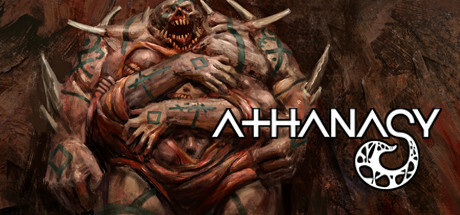
Deep beneath the surface of the dead Earth, the City, the last refuge of humanity, hides. Engineering genius and efforts of all mankind; a giant structure of steel, concrete, and biopolymers. It keeps the remnants of civilization one step away from total extinction.
Athanasy is a visual novel, text-based and horror game
developed by Wirion
and published by ST Sinovar.
Released on April 13th 2022 is available on Windows, MacOS and Linux.
It has received 467 reviews of which 456 were positive and 11 were negative resulting in an impressive rating of 9.0 out of 10. 😍
The game is currently priced at 2.86€ on Steam with a 65% discount, but you can find it for 0.62€ on Eneba.
The Steam community has classified Athanasy into these genres:
Media & Screenshots
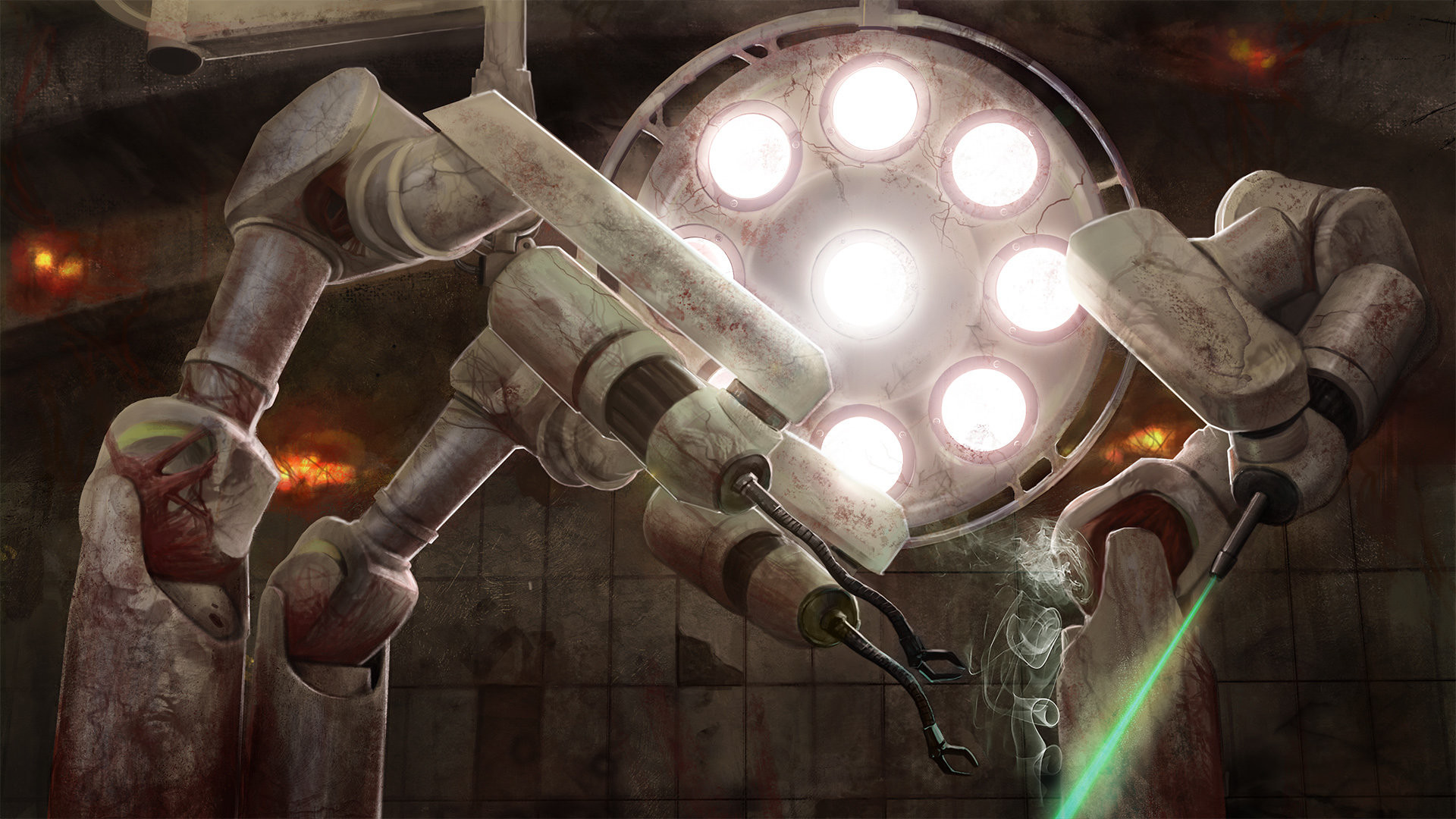
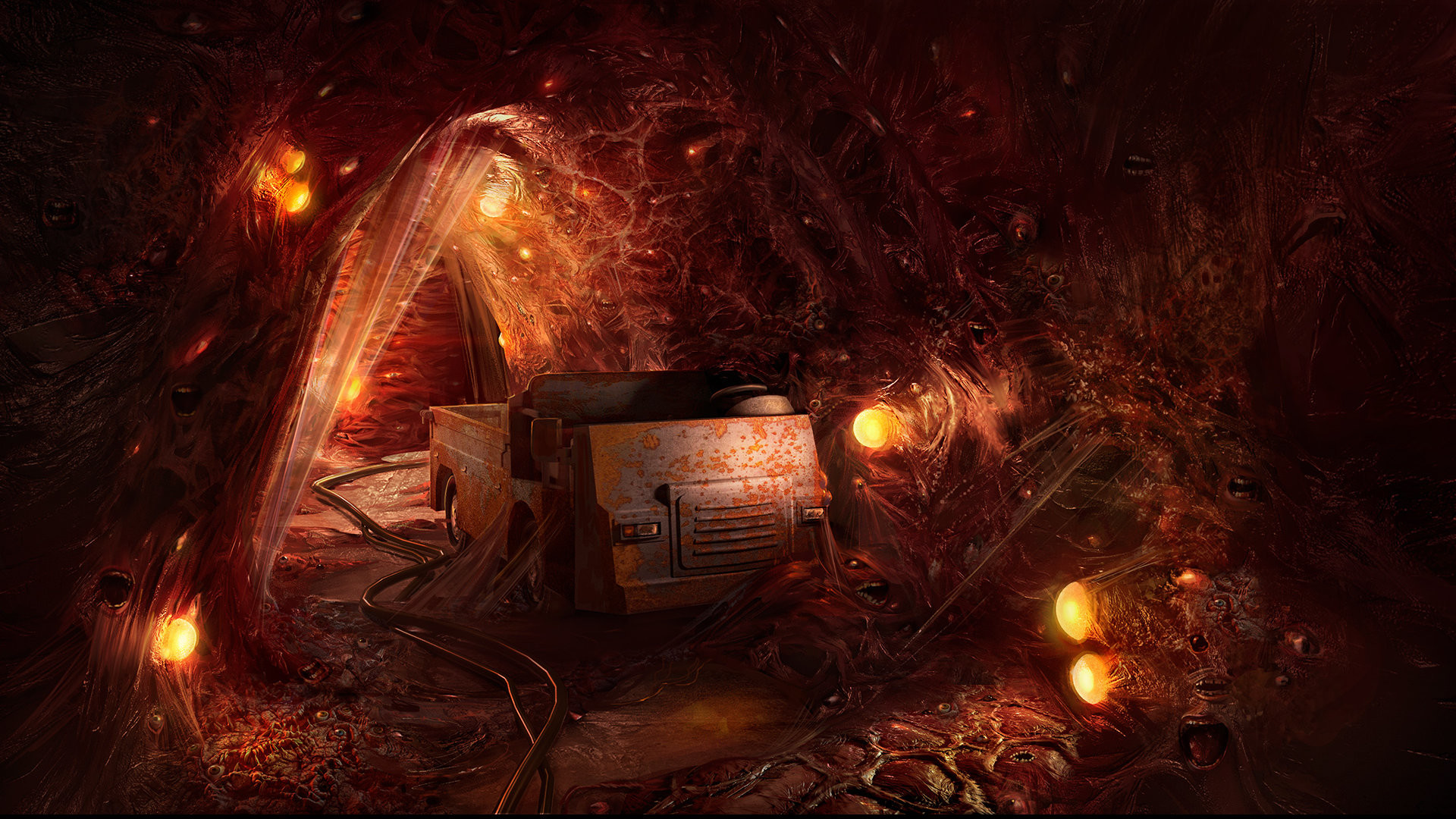
Get an in-depth look at Athanasy through various videos and screenshots.


Load More

System requirements
These are the minimum specifications needed to play the game. For the best experience, we recommend that you verify them.
Windows
- OS *: Microsoft Windows 7
- Processor: Intel Pentium IV or higher
- Memory: 2 GB RAM
- Graphics: with 512 MB VRAM compatible with DirectX 9
- DirectX: Version 9.0
- Storage: 810 MB available space
- Sound Card: DirectX Compatible
MacOS
- Processor: 2.0 GHz
- Memory: 2 GB RAM
- Graphics: with 512 MB VRAM
- Storage: 810 MB available space
Linux
- OS: 10
- Processor: 2.0 GHz
- Memory: 2 GB RAM
- Graphics: with 512 MB VRAM
- Storage: 810 MB available space
Steam Price & Best Deals
User reviews & Ratings
Explore reviews from Steam users sharing their experiences and what they love about the game.
I don't know what I expected, but it certainly wasn't that. I was as interested in the mystery as our protagonist and, by design, fell into the route of the bad ending. Now not only was I invested in the initial mystery, but I had to know what the heck I'd just witnessed. This visual novel really isn't complete without seeing multiple endings, and I'm so glad I didn't stop after the first two I got. Most of the routes had something interesting to say, and I'm left with a lot to chew on. Coming to understand the world and what it meant is something that will stick with me for a while. There isn't much in the way of strong characters, but as a sucker for sci-fi and horror, the story doesn't feel lacking without it. Kind of feels like a slightly less depressing Song of Saya.
Very cool dystopian body horror VN. The plot is very good, as is the art, and there are a good number of endings to sample. A lot of the story paths overlap with each other and intersect at several plot points, so I didn't care to go for every ending. The story kind of jumps right into the universe and does a bit of worldbuilding before the real narrative begins, but the lore is very well thought out.
Athanasy is a visual novel taking place in a depressing dystopian society, existing within a city that's entirely separated from the rest of the world. The game's world hits us with two obstacles at once - a deeply totalitarian system, where a minor mistake leads you to a catastrophic fate, and horrific biopunk elements and body horror, where disfigurement and mutilation are a normal part of the system. This VN features choices, and they do begin to branch out from early on, leading to entirely different story paths. However, some of those story paths can be accessed again, and your first-time playthrough might vary differently. For example, one of the story paths could be accessed very early in the game, but that same story path can then happen much later into the game too. In the former case, you could end up missing a good 50% of the game's content. For this reason, I recommend to save your game just before each choice, and then try them all out. It's hard to predict which choice will "work out" in particular situations without you being taken in by the authorities. It helps to try out different paths in order to really get a grasp of what's going on and what happened in the past that brought the society in this city to where it is now. So as a result of the choices, there are multiple endings, and the fate of our character is drastically different in each. Art and visuals are generally good, especially the more grotesque images, and the music most times fits the atmosphere well enough. Despite the overall length of this VN is fairly short, at times some scenes can drag on, particularly in some dialogues or occasional monologues of the main character. But the VN kept my attention because of its responsiveness to choices and the overall world-building and disturbing concepts that were a part of it. The more I uncovered about this society, the more it unsettled me. This is the kind of dystopia that really gets under your skin, a dystopia done right.
This is a very interesting story. The endings are all pretty unique, your choices definitely matter to the final outcome. Creepy dystopian setting with a lot of mysteries to uncover. My playtime was on the shorter side, because I did not play every ending all the way through. The endings are mostly kind of dark, on my first playthrough I got an ending that was "reasonably good" and did not want to explore every worse ending. But I will say that every ending has a lot of unique story parts, and you can really only get the full picture by playing through a few of them. There's 9 endings, I played 6 of them. I would say it takes 3-4 playthroughs to get the full picture of what is really going on in the city.
Wow! What the actual f*** just happened?! First of all, the plot. I'm not gonna say too much, other than it is like if John Carpenter's "Thing" invaded the body of John Carpenter, who then went back in time and held Aldous Huxley at gunpoint inside of the Flesh that Hates gas fields, and told him to write the movie Equilibrium from memory. I'm pretty sure I got a bad, if not the worst ending. But I do know two key points where I went wrong. Save your progress after each decision is all I can say. There aren't that many, so it's not a big ask. The aesthetic is very cool. Very dystopian, biomechanical, yet somehow with a slightly retro feel. Everything in the world, as far as the illustrations, is just different enough to be unique to this story's universe, but recognizable enough to be understood for what it is. As just one of many examples, the attention to detail in the gym scene in phenomenal. The workout machines look very different, but barrel shaped under-knee pads are left in to give your brain something justrecognizable enough to grab on to. Even cooler, the landscape outside of the windows, being a digital rendition, shows signs of artifacting and screen tearing. And the pillar in the center at first glance just looks like a column of cement, but stop to focus on it for even a second, and you will see that is it some weird combination of synthetic and biological, melded together. Other than that, it was just a fun ride that I blasted through in one sitting. The characters are likeable and believable, the story is pretty crazy but nothing is out of place in world. From my playthrough, there was minimal plot contrivance or dead end sub plots. Normally, I play the fastest games imaginable, muscle memory twitch-fests that require a 20oz redbull and an addeall prescription. But occasionally I like to just sit back and chill, and not cause my eyes to bleed for a single place up on a leaderboard. This is definitely a good choice if you are looking for something like that. 8.4/10
Similar games
View all

The Thief, the Witch, the Toad, and the Mushroom.
A fable from your childhood. Don't you remember it?
Monsters of Little Haven
At the heart of the action are a twelve-year-old Kenneth and his younger sister Esme, children of the Murphy family, who hit the trail of a mysterious monster following series of entangled events.

Higurashi When They Cry Hou - Ch.8 Matsuribayashi
Higurashi When They Cry is a sound novel. The music, backgrounds and characters work together to create a world that is the stage of a novel for the user to read. They laugh and cry and get angry. The user takes the point of view of the protagonist to experience the story.
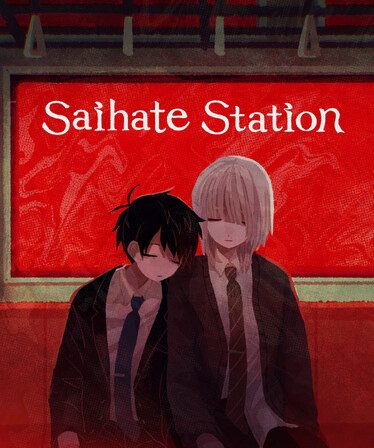
Saihate Station
An exploration/horror/adventure game about the codependent, love-hate relationship between two men.

Vampire: The Masquerade - Reckoning of New York
Vampire: The Masquerade - Reckoning of New York is a narrative game set in the World of Darkness Universe. Play as one of the members of the Vampire Clans in a shifting political landscape between the Camarilla and the Anarchs while trying your best to survive.

Trapped with Jester
An unusual horror-themed Visual Novel about waking up in a carriage with a stranger… Whatever could go wrong?

ghostpia Season One
"In my dreams, I can get out. In my dreams, I can fit in." 'ghostpia' mixes the adorable art style of an illustrated book with glitches-and-noise effects. There are no choices to be made. There's only a lonely girl in a ghost town and her story full of mystery, friendhood...and a bit of violence.
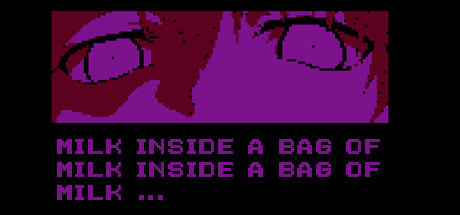
Milk inside a bag of milk inside a bag of milk
A short story about what sort of challenges everyday little things can be. Help the girl buy milk, be the first not to disappoint her.
Frequently Asked Questions
Athanasy is currently priced at 2.86€ on Steam.
Yes, Athanasy is currently available at a 65% discount. You can purchase it for 2.86€ on Steam.
Yes, Athanasy received 456 positive votes out of a total of 467 achieving an impressive rating of 9.02.
😍
Athanasy was developed by Wirion and published by ST Sinovar.
Yes, Athanasy is playable and fully supported on Windows.
Yes, Athanasy is playable and fully supported on MacOS.
Yes, Athanasy is playable and fully supported on Linux.
This information about Athanasy is not available yet.
This information about Athanasy is not available yet.
No, Athanasy does not support VR.
Athanasy is a single-player game.
Yes, there are 2 DLCs available for Athanasy. Explore additional content available for Athanasy on Steam.
No, Athanasy does not support mods via Steam Workshop.
No, Athanasy does not support Steam Remote Play.
Yes, Athanasy is enabled for Steam Family Sharing. This means you can share the game with authorized users from your Steam Library, allowing them to play it on their own accounts. For more details on how the feature works, you can read the original Steam Family Sharing announcement or visit the Steam Family Sharing user guide and FAQ page.
You can find solutions or submit a support ticket by visiting the Steam Support page for Athanasy.
Data sources
The information presented on this page is sourced from reliable APIs to ensure accuracy and relevance. We utilize the Steam API to gather data on game details, including titles, descriptions, prices, and user reviews. This allows us to provide you with the most up-to-date information directly from the Steam platform.
Additionally, we incorporate data from the SteamSpy API, which offers insights into game sales and player statistics. This helps us present a comprehensive view of each game's popularity and performance within the gaming community.
Last Updates| Steam data | 19 September 2026 05:23 UTC |
|---|---|
| SteamSpy data | 20 October 2026 03:12 UTC |
| Steam price | 26 October 2026 19:28 UTC |
| Steam reviews | 18 October 2026 22:05 UTC |
If you'd like to dive deeper into the details about Athanasy, we invite you to check out a few dedicated websites that offer extensive information and insights. These platforms provide valuable data, analysis, and user-generated reports to enhance your understanding of the game and its performance.
- SteamDB - A comprehensive database of everything on Steam about Athanasy
- SteamCharts - Analysis of Athanasy concurrent players on Steam
- ProtonDB - Crowdsourced reports on Linux and Steam Deck Athanasy compatibility
Game modes
Features
Online players
0
Developer
Wirion
Publisher
ST Sinovar
Release
13 Apr 2022
Platforms
Clicking and buying through these links helps us earn a commission to maintain our services.