
Acan's Call: Act 1
Sword and Shield in hand, fight your way along this sword-fighting experience, exclusively for VR.
Sync your Steam wishlist to find the lowest game prices instantly. No login required, just paste your Steam profile URL!
⚡ Try Wishlist Radar!
Sync your Steam wishlist to find the lowest game prices instantly. No login required!
⚡ Try Wishlist Radar!
Close

Banquet for Fools on Steam
Quick menu
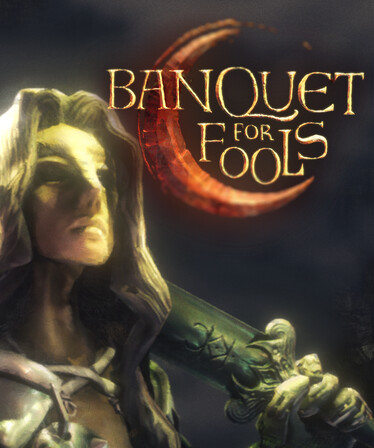
The Pavura needs four volunteers to solve the mystery of an abandoned village. Answer the call to adventure in this party-based beat ‘em up RPG!
Banquet for Fools is a adventure, rpg and action game
developed and published by Hannah and Joseph Games.
Released on March 05th 2026 is available on Windows, MacOS, Steam Deck and Steam Machine.
It has received 962 reviews of which 856 were positive and 106 were negative resulting in a rating of 8.4 out of 10. 😎
The game is currently priced at 19.50€ on Steam.
The Steam community has classified Banquet for Fools into these genres:
Adventure
RPG
Action
CRPG
Party-Based RPG
Action-Adventure
Isometric
Atmospheric
3D
Fantasy
Medieval
Character Customization
Gore
Combat
Open World
Story Rich
Singleplayer
Real-Time with Pause
Dark Fantasy
Here is the detailed breakdown of supported languages for Banquet for Fools:
| UI | Subtitle | Audio | |
|---|---|---|---|
| English |
Media & Screenshots
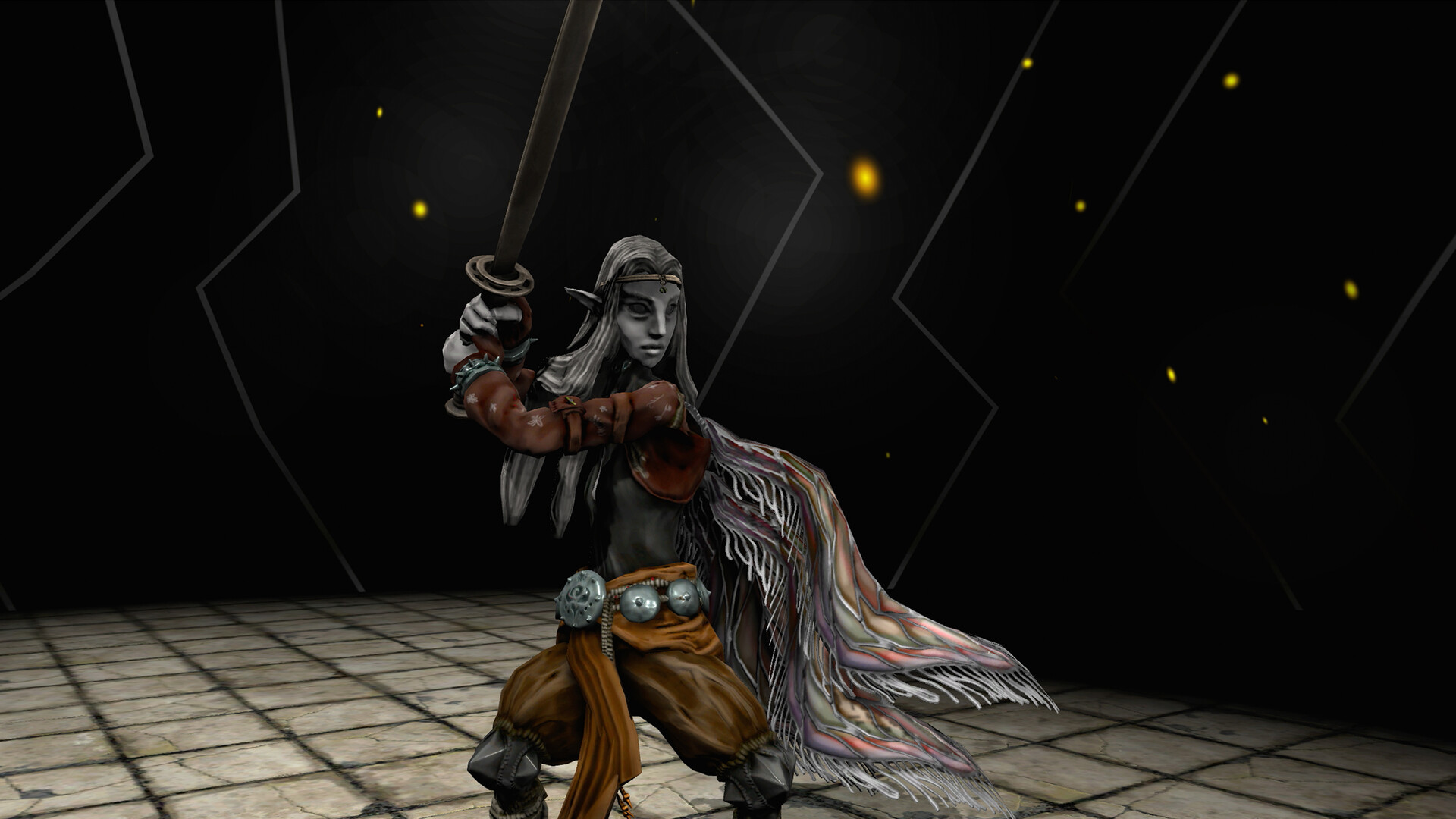
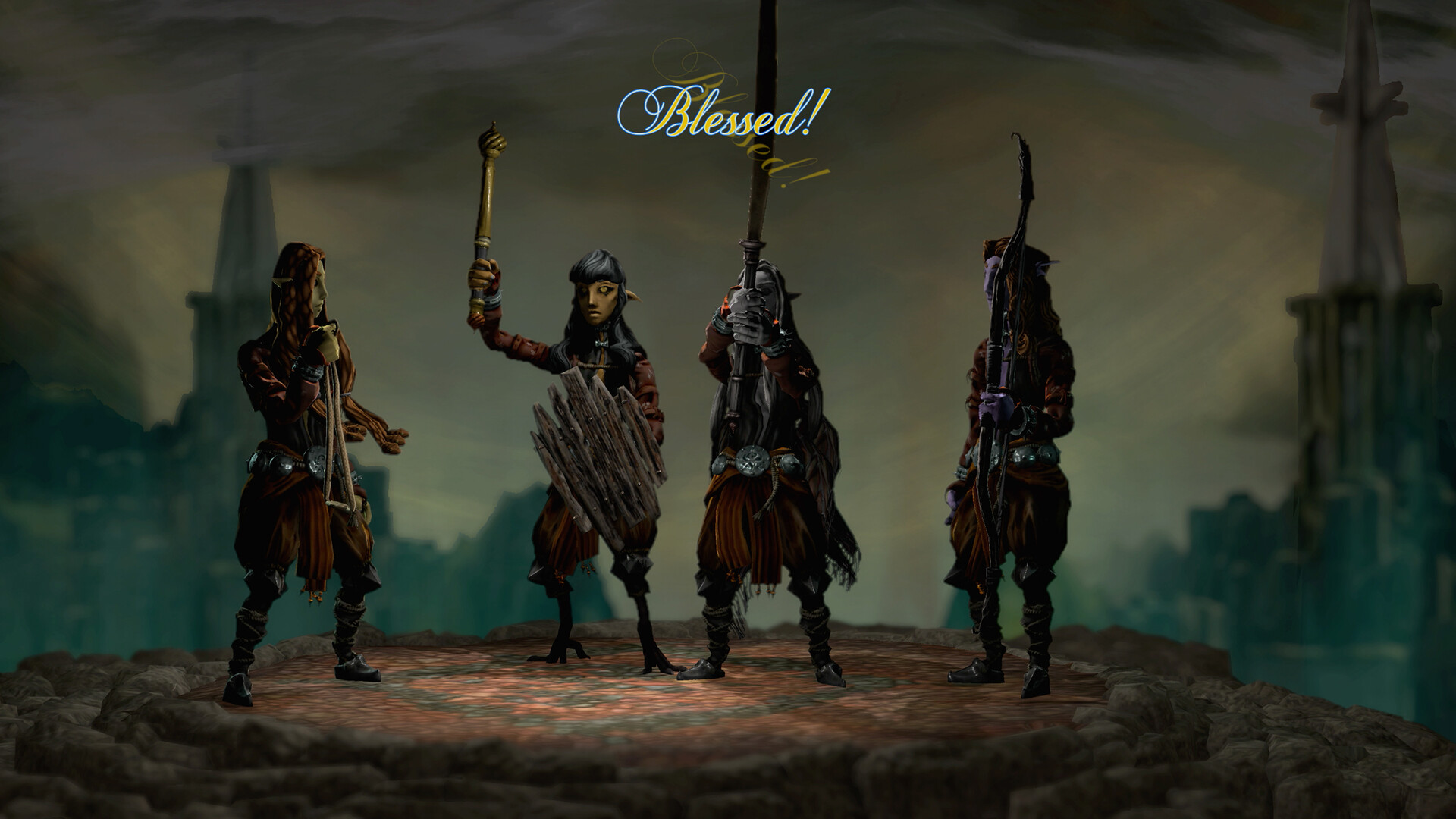
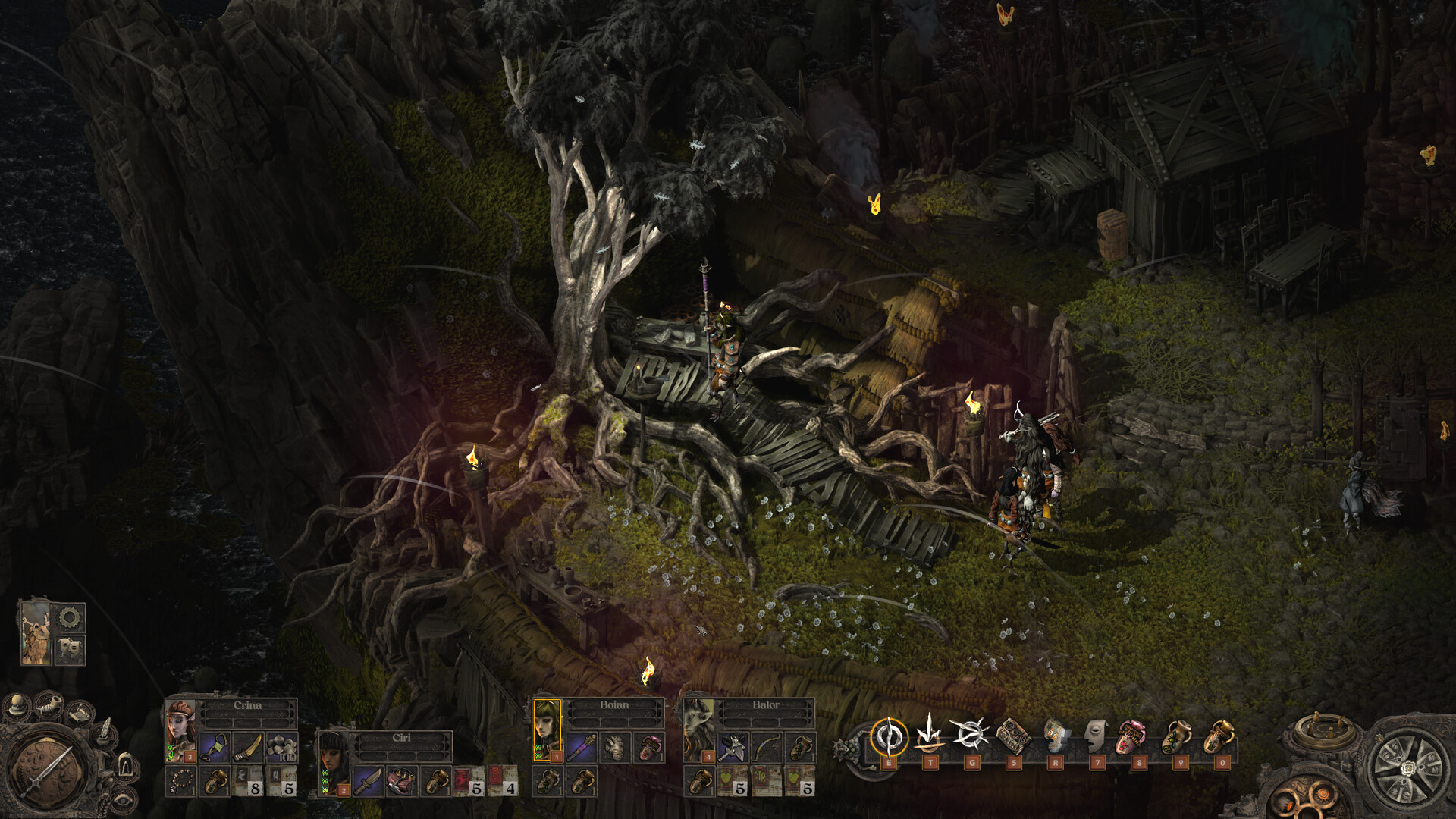
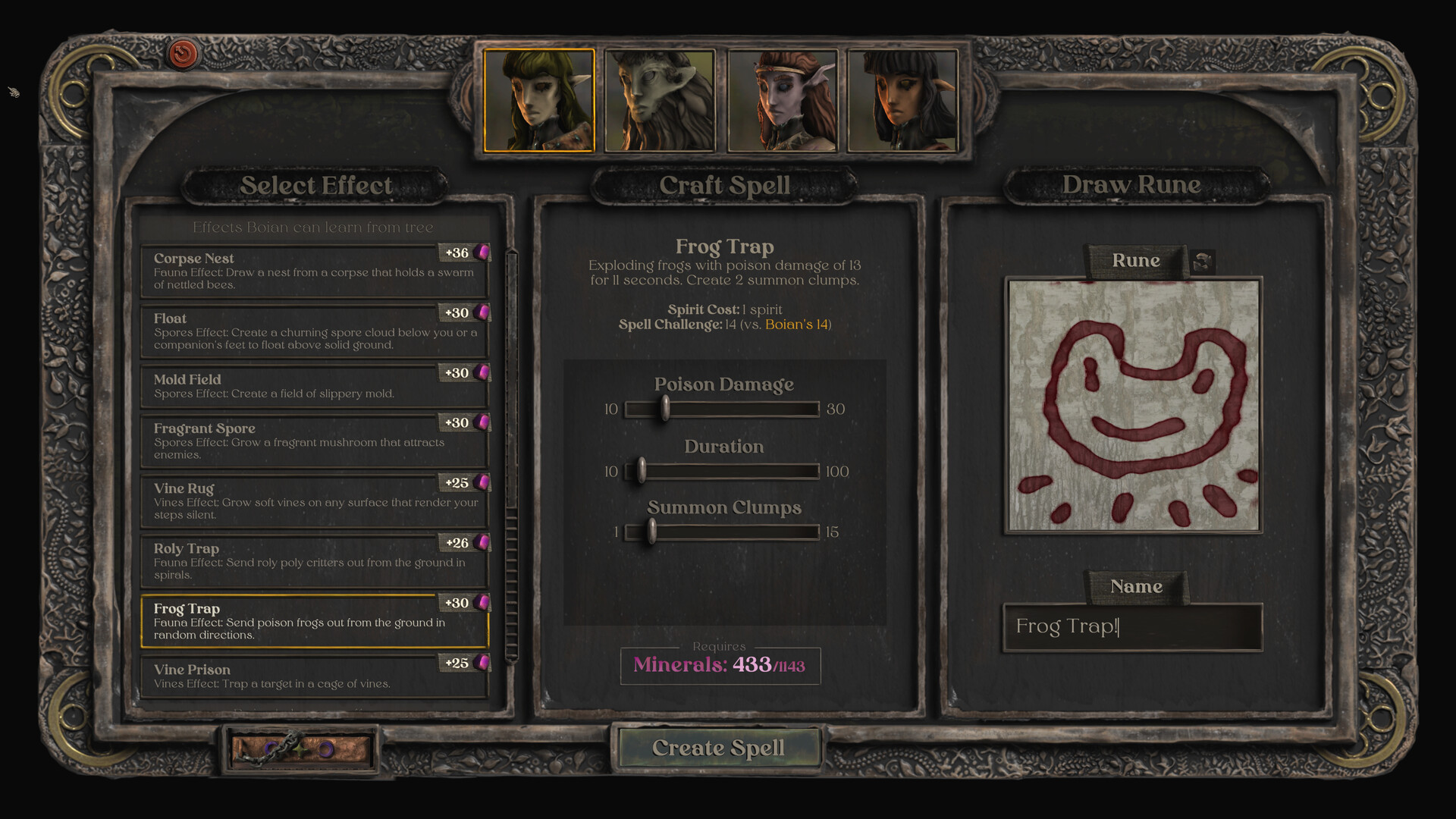
Get an in-depth look at Banquet for Fools through various videos and screenshots.
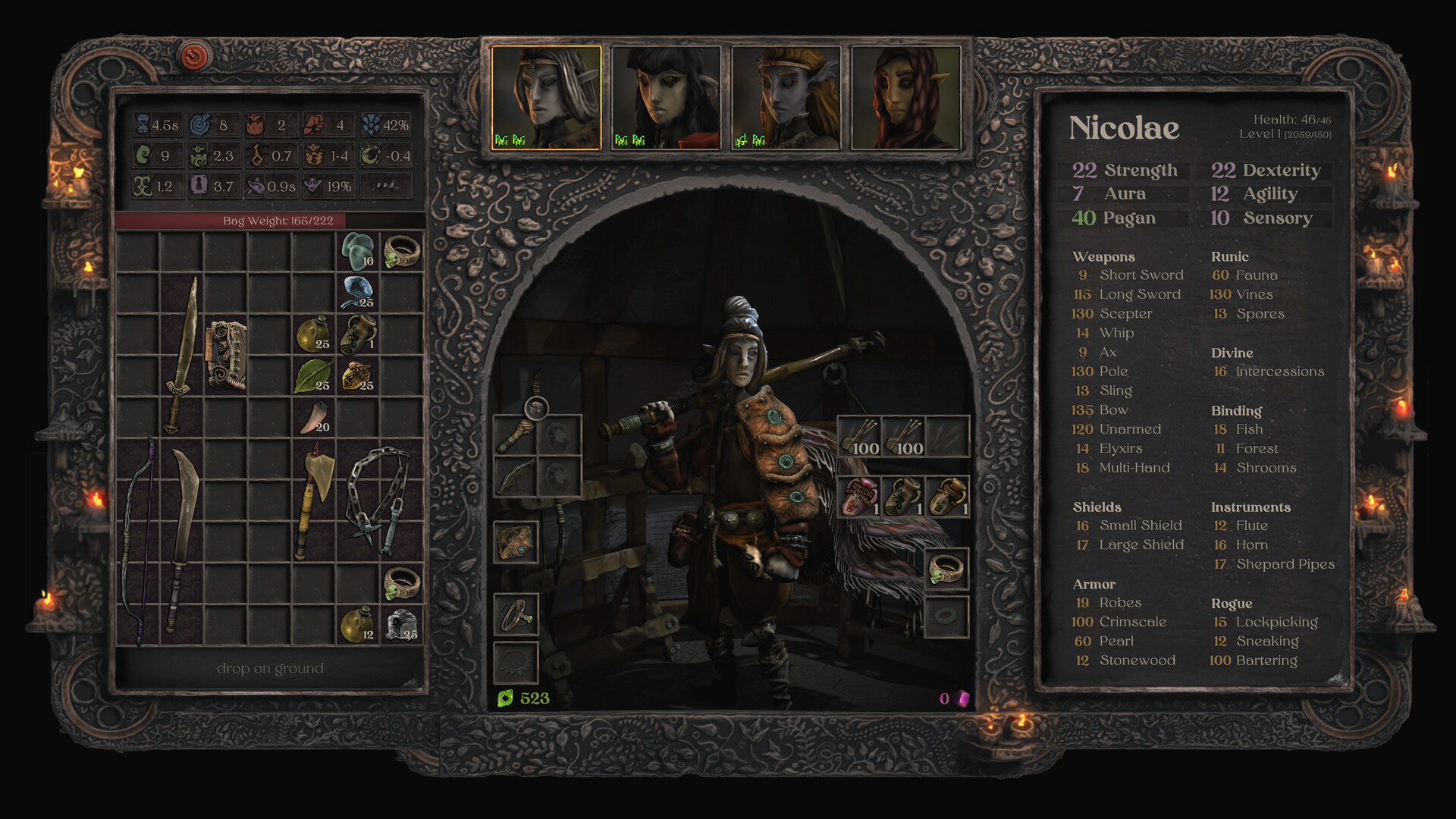
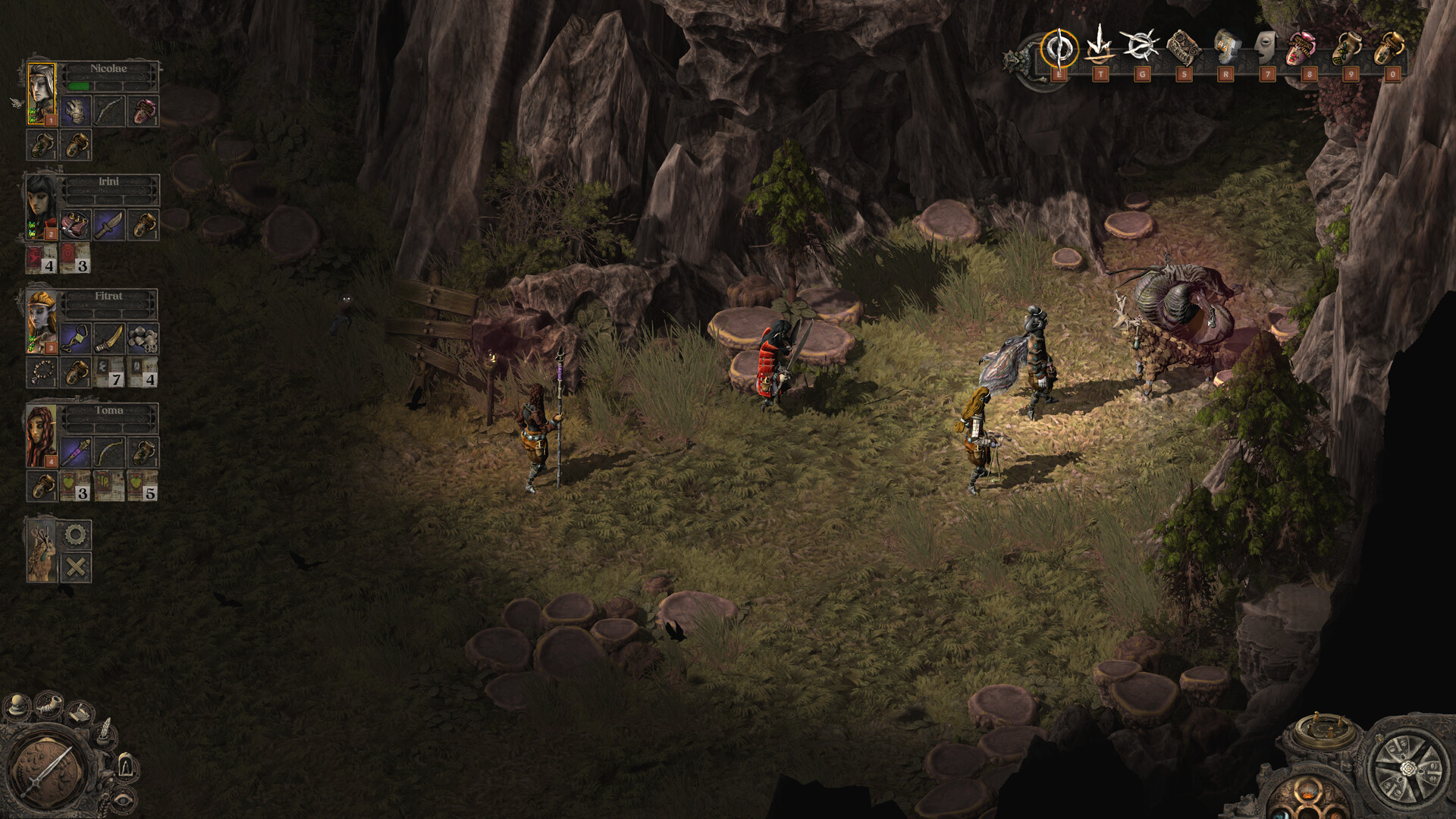
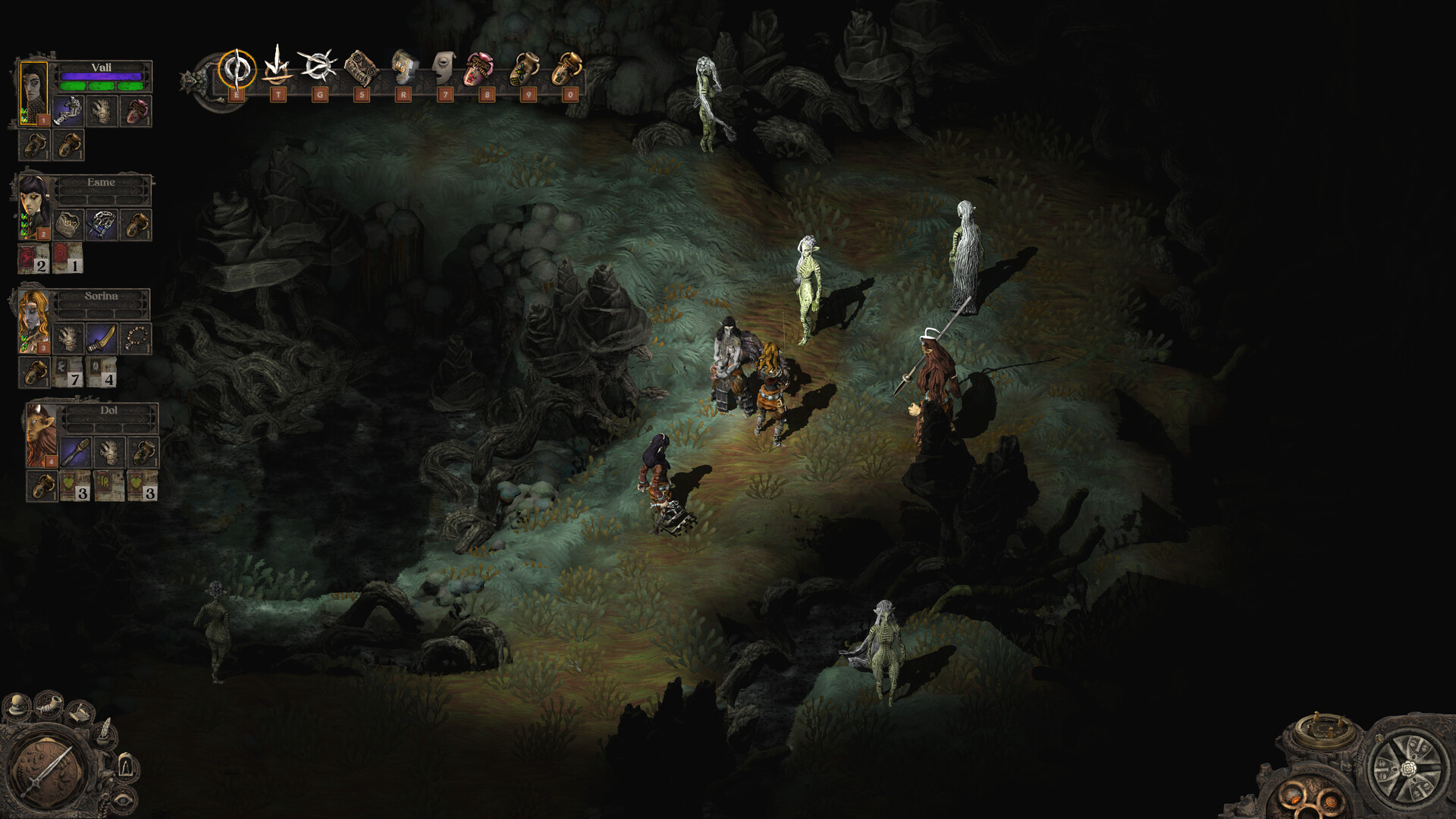
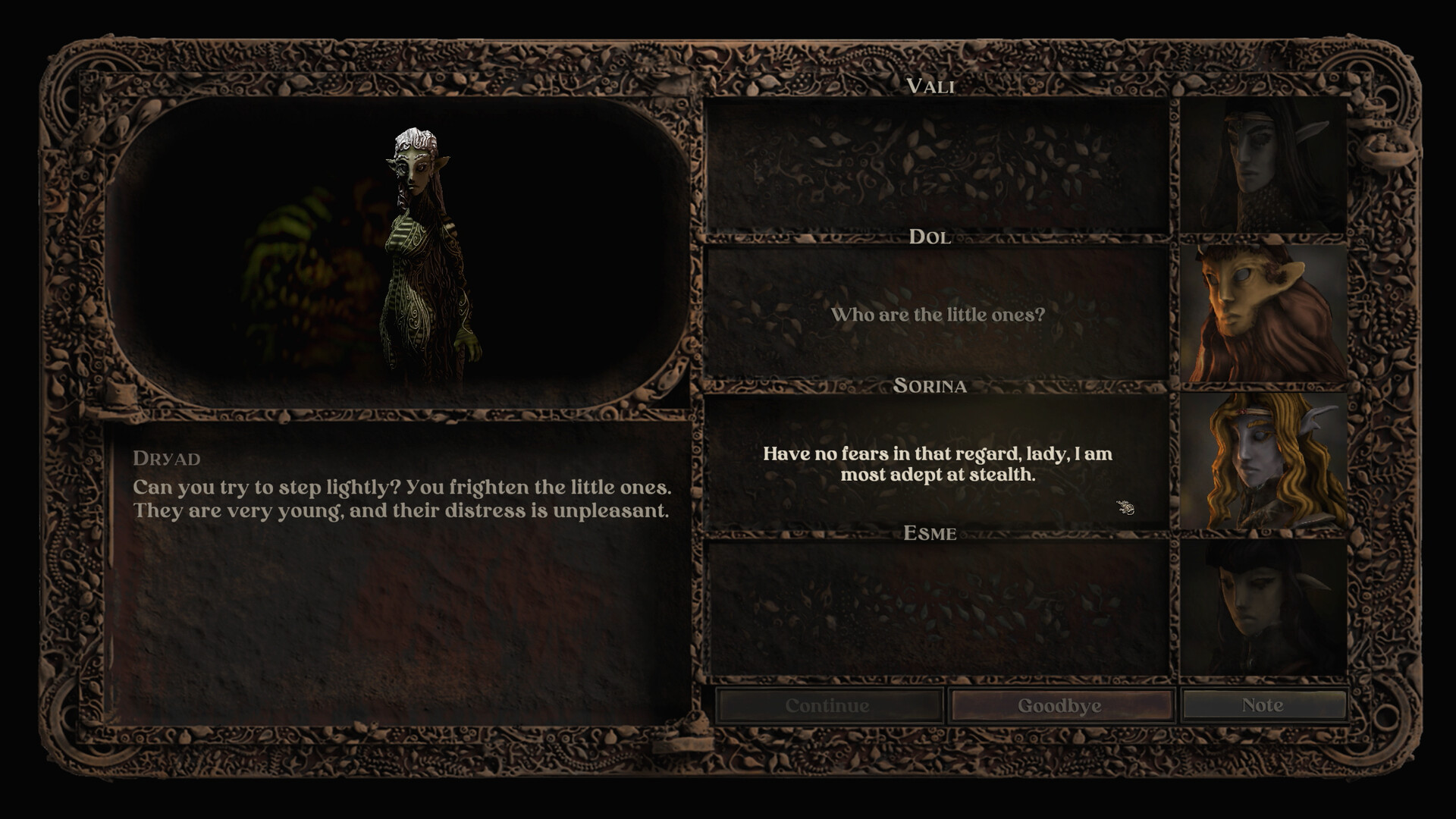
Load More
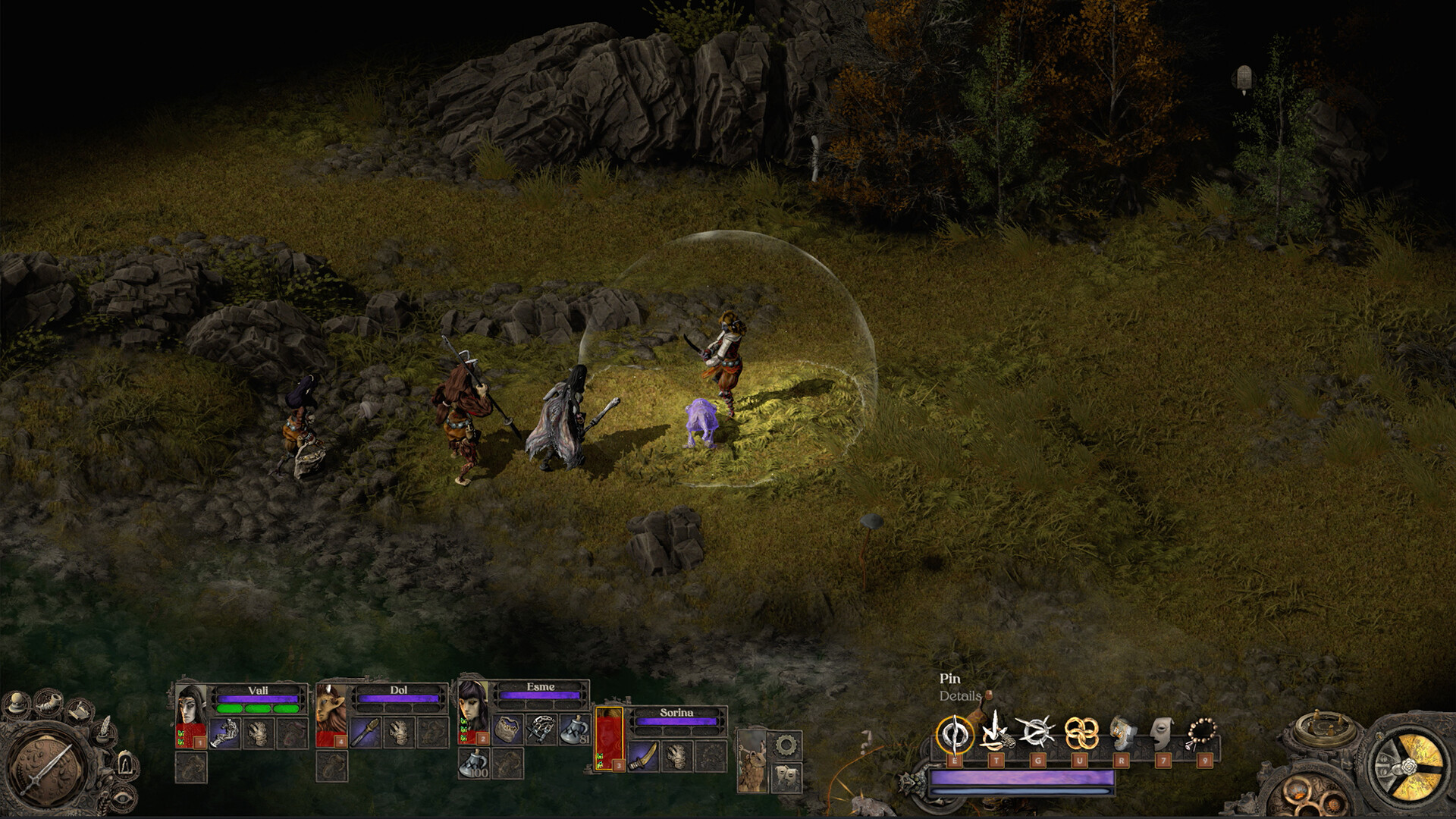
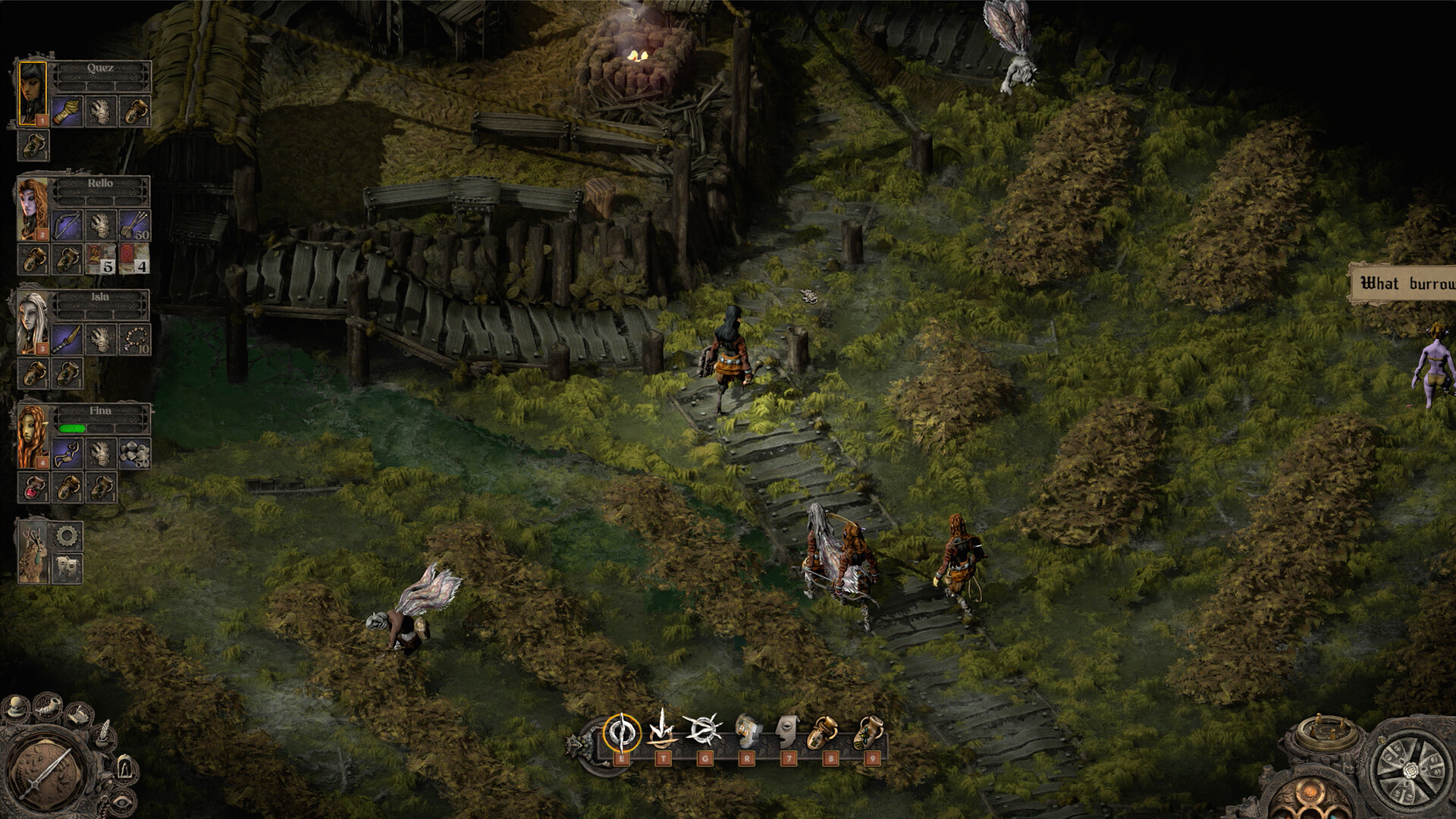
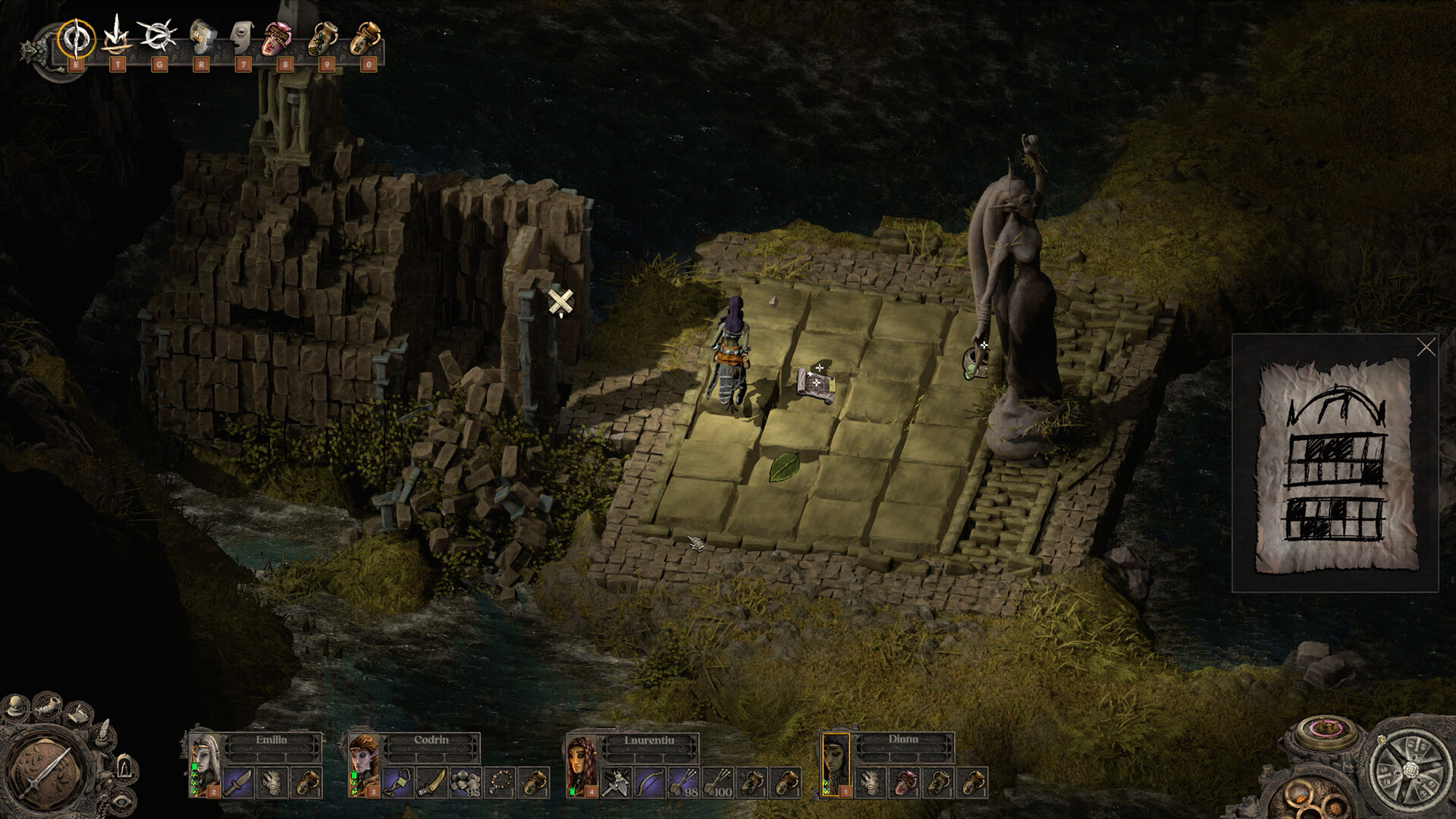
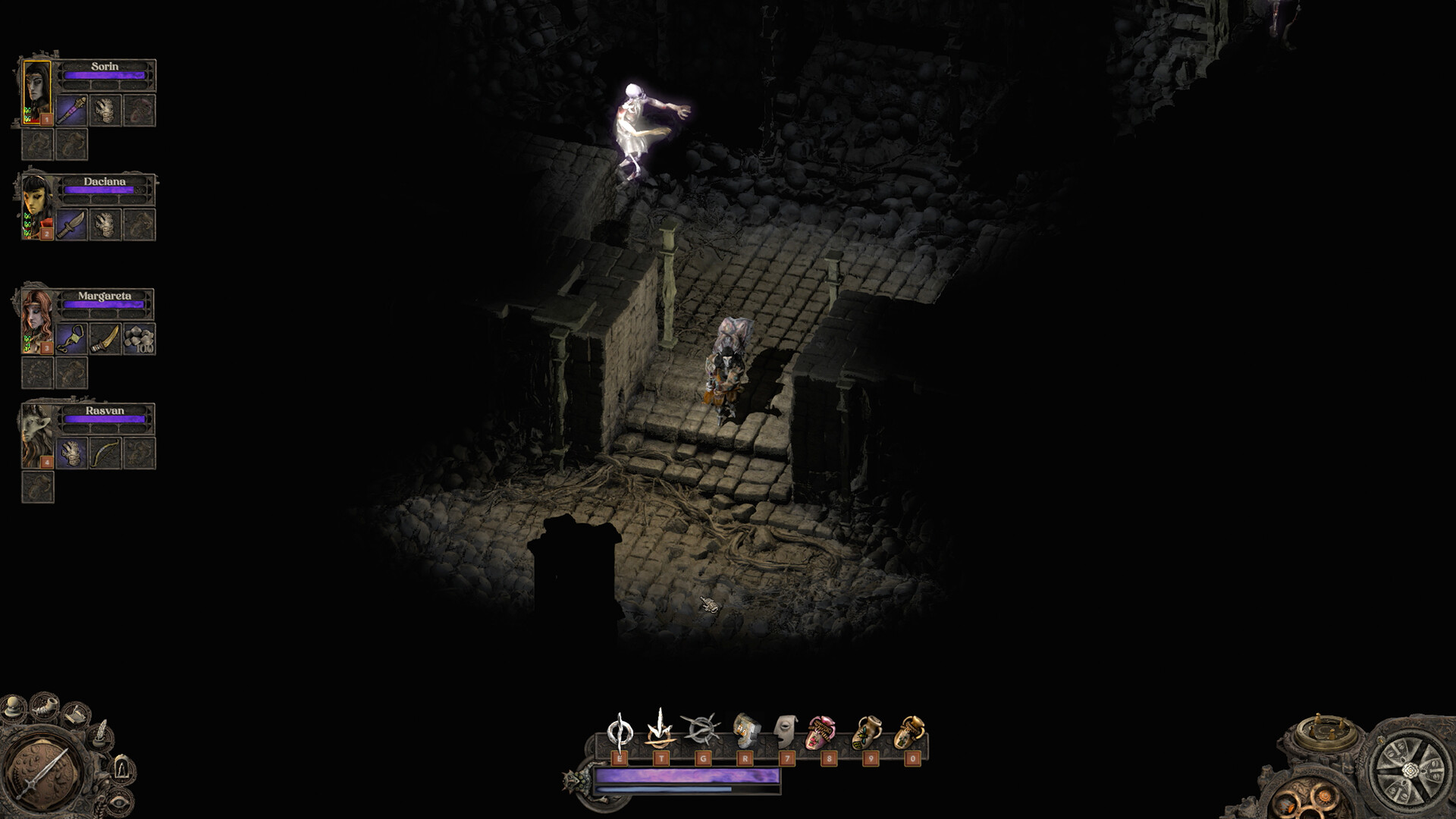
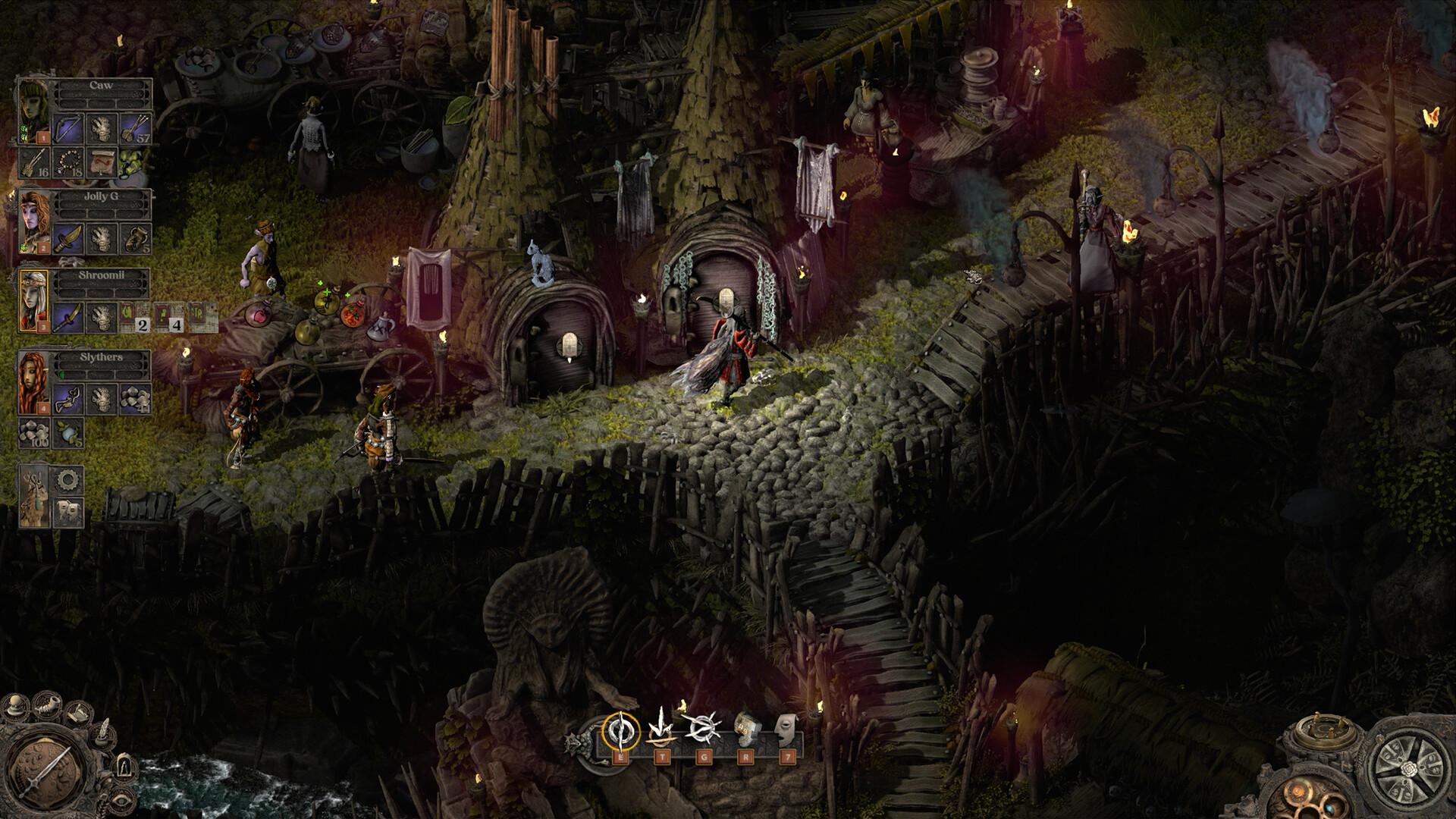
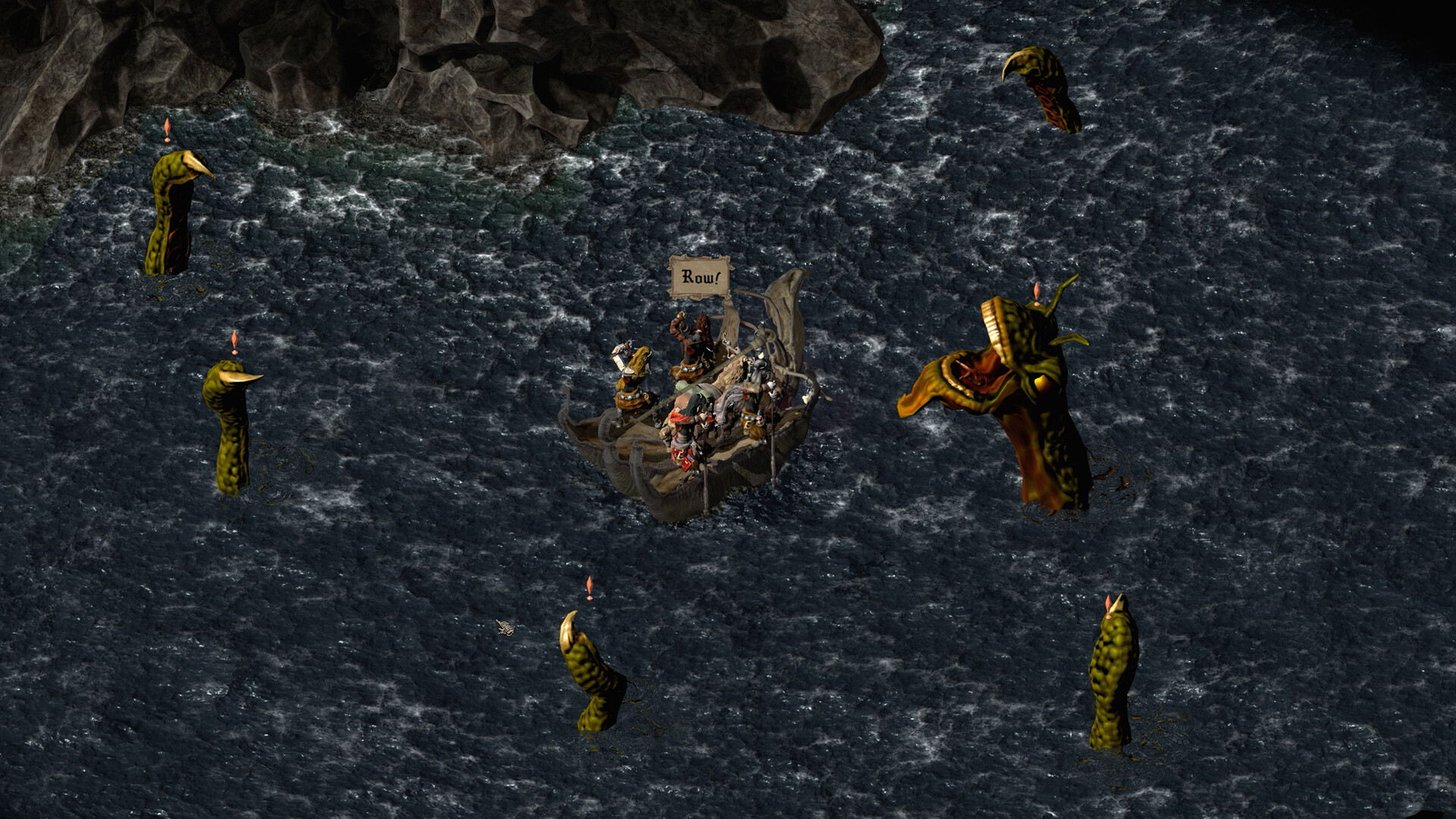
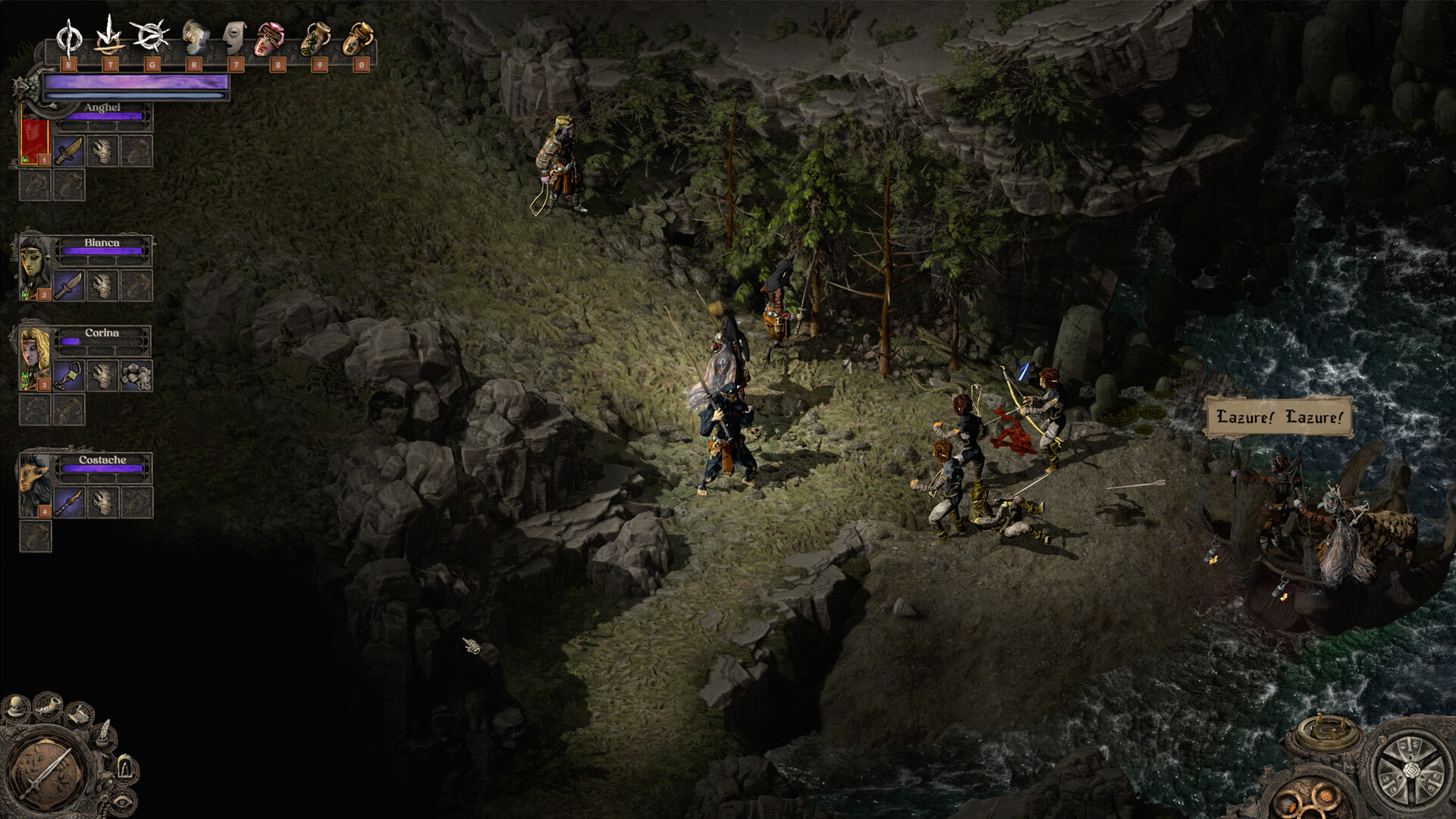
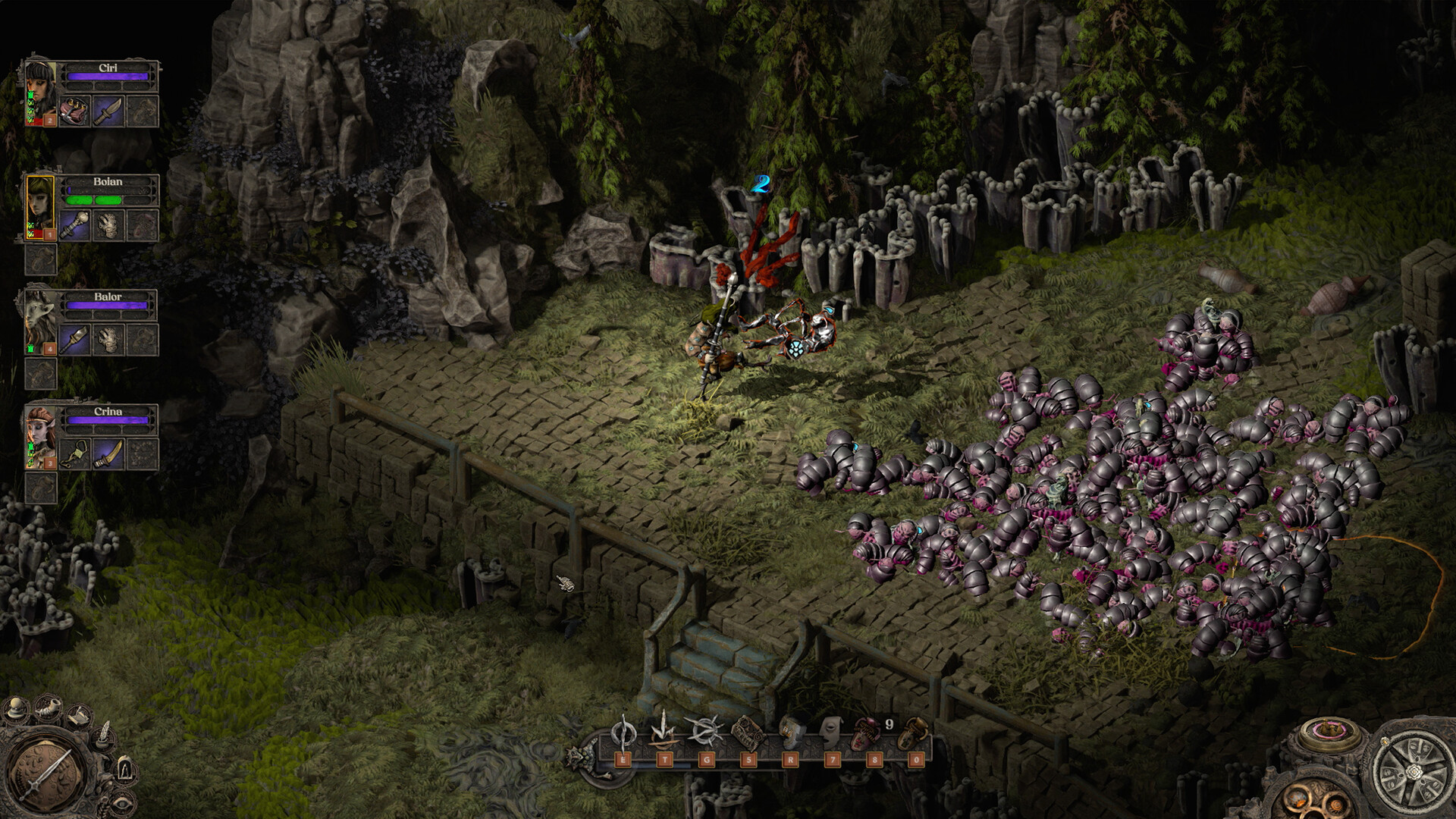
System requirements
These are the minimum specifications needed to play the game. For the best experience, we recommend that you verify them.
Windows
- OS: Windows 10 32-bit or newer
- Processor: Intel Core i3-2100T @ 2.50 GHz
- Memory: 8 GB RAM
- Graphics: DirectX 11 Compatible, 8 GB VRAM
- Storage: 35 GB available space
- Sound Card: DirectX Compatible Sound Card
- Additional Notes: The demo will always be available to check out if you want to test it with your system!
MacOS
- OS: OS X 10.12.6 Sierra 64-bit (or newer)
- Processor: Intel Core i5-4570S @ 2.9GHz or Apple M1
- Memory: 8 GB RAM
- Graphics: 8 GB VRAM
- Storage: 35 GB available space
- Additional Notes: The demo will always be available to check out if you want to test it with your system!
Steam Price & Best Deals
User reviews & Ratings
Explore reviews from Steam users sharing their experiences and what they love about the game.
An absolute gem for the niche community! Isometric party combat-heavy FULL OF STRANGE LORE and delightfully written, drawn, animated. I don't know how I missed it's existence, but I am so happy now. Spent 60+ hours on the 1st playthrough, the world had really drawn me in. All the strange things! Why I do have bird legs? Why this guy has moth wings? What do you mean we are vegetarian cause all meat is cursed? Why is my boat breathing?.. It was such a pleasure to discover answers to those questions. Thank you authors, thank you so much. This game been the best media thing that happened to me in a year or more, and I am in love. The haunting music (you played it yourself? whoa), the animation style, design, all the small things scattered around the world, character interactions... first time in years I actually felt I am looking at another world, not just traveling through a commercial story.
I believe I am close to finishing the game now, while I have 100+ hours on record, my current playthrough started around the 50 hours mark. The first 50 hours was just me learning and doing trial and errors with different parties. My feelings are mixed, but overall more positive than negative. What initially drew me in was the art style and worldbuilding, and after more than 100 hours, they remain superb and outlandish just as my initial impression. The basic premise is that the Vollings, a sentient species which the player's party will be composed of, were shunned by gods hundreds of years ago and turned to paganism for survival. Nature and druidic themes are not uncommon in video games, but none that I have played offered the similar mysticism that Banquet for Fools does. Its portrayal of nature and wilderness is often hostile and almost alien, yet a delicate harmony exists between the Volling and their dwelling. This is reflected through stories, conversations, creatures designs, customs, food, etc. I would have not pictured a "Shroomer" would look like a bipedal insect, nor the practice of veganism is due to meat being cursed. The worldbuilding is absolutely incredible and is something you usually only see in niche artbooks on kickstarters or one-off posts on the r/worldbuilding subreddit. The art style, in retrospect, is a perfect choice that complements the worldbuilding. Often referred to as "claymation", Banquet for Fools' art style maintains the right amount of uncanniness that blends into the alienish environment the game takes place in. The Vollings look similar to us humans but not quite, some of them have horns, some have bird legs. Their facial features don't exactly radiate kindness, but overtime I grew fond of them. They can be quite the goobers in conversations. The entire party is assembled at character creation, there are no predefined party members with unique quests or backstories to recruit later on like most traditional crpgs. Its combat also differentiates itself from other party based games, not entirely RtwP (Real Time With Pause) nor turned based. The closest comparison I heard from others is Parasite Eve, which uses a similar action economy. My personnal approach to combat was to play this game as an RTS-lite, where you control an army of four. It is way more flexible than crpg with RtwP as you can perform additional actions such as dodge, parry and evade while waiting for next available action. The game sometimes throws at you tons of enemies which may overwhelm players treating this like a crpg, but with smart positioning, group tactics and some micro you can stay in combat form for much longer than you think. There are many quests but the game does not have a quest log that automatically tracks them. Instead the player is given a notebook they can write stuff on. This may feel intimidating but pay attention to dialogue and clues, one can easily solve most quests on their own. The game is full of secrets and exploration feels truly adventurous. But that adventurousness eventually turned into frustration. Enemies respawn way too fast, sometimes within the same day. If you forgot something and are revisiting an area, there is a good chance you will get jumped on and have to repeat the battle. Combat is dynamic and flexible, but this is still not an arpg, you aren't insta-killing the whole screen with a click. Running past them is an option but your movement speed is reduced in combat and sometimes it takes a long time for the game to register you as out-of-combat after enemies stop chasing you. The joy of exploration took a hit as a result. Despite the aforementioned issues, I still recommend Banquet for Fools. It genuinely feels unique, not a-coaglamation-of-different-games kind of unique, but uniquely unique. ----- Update ----- I have finished the game, truly a special treat for rpg fans.
Somehow made by two people, Banquet for Fools is a dark fantasy RPG hybrid dancing to its own drum. I'm uncertain what it evokes. Nox? Dungeon Siege? Morrowind? "We don't follow a canon, manifesting like it's the first game ever made" - is how I imagine the thought process behind its defiant design. You complete a quest, suddenly, a switch to a glamorous shot of your party posing under a fancy inscription: Aura increased. This one farms hard. A JoJo-style cinematic plays when you perform a rally attack, sending a bomb with a roundhouse kick. Ask for a coffee - and watch a painstaking animation of a woman brewing it for you, then find yourself playing a reverse-Frogger mini-game or rocking out with a music band. It all feels harmonious, bound by solid mechanics and one dummy thick atmosphere. Drenched in sexy thick lighting and electronic music upheld by the lyre, the world is spirited. Sparkling springs flow, critters skitter in the swaying grass near an ancient tomb chock-full of the howling dead. Down to the smallest detail like the cursor or fonts, Banquet has class. Kindly Oldschool Hannah and Joseph went above and beyond, endowing their child of clay with a beating heart, portraying a grimy, deceptively expansive world, lived-in yet so alien in its customs and shapes, confusing to an unacclimated onlooker. Being a dark fairy tale at its core, the setting consorts cuteness and grisliness. You shall be struck by its stone cold cruelty, then thaw in melodious whimsy the next minute. A classic interplay I associate with the hardcore PG13 of the 80s. Hey kid, look at the fluttering fairies! Wait, why is the meadow covered in gnawed bones? That said, Banquet is only hard in a sense that it forces you to use all of the tools it provides or lose the plot. You get to make deductions, think. It's something that trips a sense of discovery in those curious of us. I was enjoying the game before I started, taking my time creating a party while trying to make sense of everything. The mechanics are well-explained, just peculiar. What really sets people on edge is the fact Banquet possesses sensibilities a modern mind perceives as hostile. Say, you must mark places on your map yourself, but the self-reliance trend doesn't end there! You should use handy built-in notes to write the important stuff down, the journal won't be kept for you. It's kindly oldschool. Although inventive, often obtuse, quests and puzzles are dispensed gradually. It's a feasible task to track them manually. The record-keeping process is a great teacher, through it I've learned names, geography, social hierarchy - and saw the world's charm, gaining sympathy for its struggling inhabitants. Between wars and otherworldly horrors, the common folk lead a hard life on the island of Invimona. I was eager to aid them and see my mission through. About that. You control a party of Vollings, not elves, sent by the leader of your House to investigate the disappearance of a whole town's population. That's it. You didn't suppose I'd tell you where's the banquet and who are the fools? Be ready for a wild cross-country Indiana featuring cool puzzles left by a lost civilization, abundant combat, and branching conversations. Mildly so, the role-play is limited, for your dutiful Guards aren't yappers, but there are paths to take and dilemmas to ponder. Ending cards included. Thick and Thin Sometimes Banquet throws ultra-powerful foes at you off-curve. I enjoy it when a game shows teeth, it's satisfying to come back later and kick them out. And it's an organic way to direct your otherwise free roaming around the world map segregated into self-contained chunks of lush biomes. The labyrinths of rugged terrain hide many secrets, underground passages rife with imaginative monsters and beasts to fight. The RTWP combat works. The devs wanted Diablo-sized hordes to smash with an oomph, so a turn-based system would grind things to a halt. You can swap characters at will and move freely while their action bars fill up, then pause to issue one order at a time. I see the plan here, however, the inability to queue orders made combat chaotic other than tactical. It's hard to focus one guy and the squad positioning tool is limited. Hence, forget efficient micro, the party can fend for itself, chaining co-op techniques automatically. Treat it as an autobattler where you can pitch in when needed. You get to set the thresholds: when to use consumables or cast spells, how often to perform special moves, etc. Save minmaxing for boss fights. If you play the progression right, it would carry the party through thick and thin. Despite some unorthodox names, the system is intuitive, I'll touch it briefly. Combat and utility skills benefit from corresponding stats, like bartering scales off Sensory, magic off Pagan and Aura, melee off Strength... it's self-explanatory. While the technique tree adds serious weight to your pain train, providing the party with spectacular auto-combos and wrestling moves like pinning or body-slamming, level-ups are incremental. Upon levelling, you get points to distribute between skills and stats. Skills rise faster if they were actively used. Regardless, it will take forever before you feel the power creep and see double digits on regular attacks. If ever. Paid skill training exists, albeit, at unreasonable cost. Such is the price of balance, I take it. I was amazed by a sturdy difficulty curve in a genre famous for broken lategame experiences. The economy also stood strong, featuring solid money sinks in the form of expensive gear and diegetic instant travel. It's a good incentive to stay mindful, therefore invested. For another quirk, you're rewarded for choosing not to kill enemies, it's an on/off switch. Not just out of the kindness of your heart. There's only one downside: your mages restore mana on kills. Other than that, it's beneficial. Stunned foes get up after 24 hours, so you can theoretically grind exp (why?), and some people have bounties on their heads if brought in alive. To boot, it prevents the necromancers from turning corpses into waves of ghosts. Sounds annoying? Just use incense globes to wave those away. Likewise, Banquet has a counter-measure for everything. Have a hard time storming a fort? Find a backdoor, sneak in at night, some of them are deep sleepers. Still hard? Signal your allies for help before attacking! It extrapolates. Take hints, use your brain - and you'll find the game forgiving. For one, resource and health management isn't an issue. Unless everyone gets downed, your guys get up after combat instead of dying. Despite that society operates on a schedule, the lack of time constraints lets you sleep your ass off. You'll be fine as long as you have some mead, bedrolls, or don't mind hauling ass over the hills and far away for a free rest. Grip Banquet isn't unapproachable or weird just for the sake of it. On the contrary, it's welcoming, polished, thought-out. It's nostalgic and novel in equal measure, experimental for the purposes of immersion. I hope I could decipher some of its codes to intrigue you without vivisecting it. Some things are better left to be discovered in person. The game takes time to set in, give it that. When you get the hang of it, it gets a grip on you, and the deeper you dive, the stronger the feeling of longing. Speaking of longing, I have no idea what people do here for 100+ hours. I got lost for 5-10, wandering aimlessly, and I explored almost everything. Only realised I could ask companions for a hint by saying "help" or "quest" ~40 hours in. Sure, I could've done a few more quests, could've solved a couple more puzzles, but that's +10 hours max. People probably leave their games on while they sleep, it's not a juggernaut. I know some of you love a juggernaut, but don't be intimidated if you don't. It's a tight 50+ hour adventure. My curator Big Bad Mutuh: https://store.steampowered.com/curator/35305390/
If you enjoy fetch quests, box checking, and navpoints, steer clear. This is not the game for you. But. If you like exploring without compass, questing without a journal, lore without a codex, this game is for you. If the idea of getting lost in a bizarre, alien yet familiar world, with its own customs, rules and dangers, sounds thrilling and not terrifying, then this game is ABSOLUTELY for you. So grab your sword, don your armor, and join the feast.
Similar games
View all

Spell Fighter VR
[Old archival game] An FPP fantasy VR demo made in 2016 to test Vive's motion controllers. Works only with HTC Vive and was never upgraded to work with other VR controllers after they eventually released. It was always a free, hobby project.
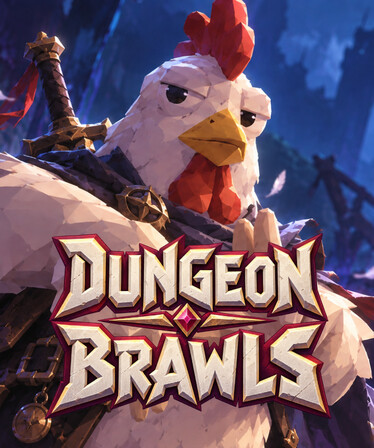
Dungeon Brawls
Dungeon Brawls is a 1–4 player action roguelike. Choose from dozens of heroes, combine hundreds of skills and relics, and create powerful builds as you fight through waves of enemies and bosses—solo or with friends.
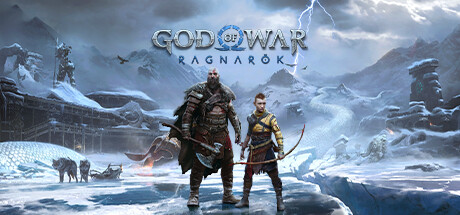
God of War Ragnarök
Kratos and Atreus embark on a mythic journey for answers before Ragnarök arrives – now on PC.

CRISIS CORE FINAL FANTASY VII REUNION
CRISIS CORE -FINAL FANTASY VII- REUNION is a remaster of CRISIS CORE featuring updated graphics, combat systems and soundtrack. Follow the tale of SOLDIER operative Zack Fair, as he discovers the secrets of Shinra's dark experiments.

Crystal of Atlan
Crystal of Atlan is a Magicpunk MMO Action RPG where you can immerse yourself in a Magicpunk world. Build your skills, fight and uncover the secrets of this world with your allies! Time to embark on a wondrous journey of Magic and Machinery!

Chronos: Before the Ashes
Chronos: Before the Ashes is an atmospheric RPG that chronicles a hero’s lifelong quest to save their homeland from a great evil.
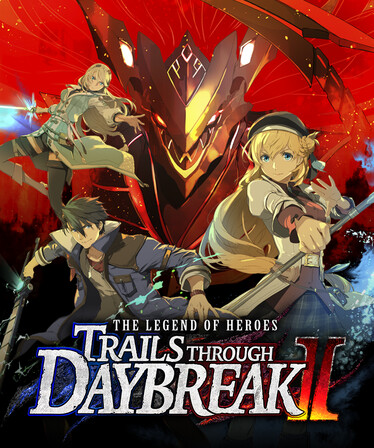
The Legend of Heroes: Trails through Daybreak II
Return to the Calvard Republic and unravel the mystery of the crimson beast! One day, a shocking series of murders set the wheels of fate into motion once again. Chaos looming on the horizon, the spriggan Van Arkride receives an unexpected visitor. Who is behind the murders, and what is their goal?
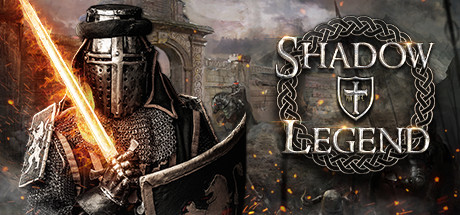
Shadow Legend VR
Shadow Legend is an exploration-RPG exclusively designed for VR where you play as the Grand Master of the Knights Templar in a story-driven medieval crusade. Freely explore densely filled worlds and use your sword, bow, and magic skills to save your kingdom from the destruction of Lord Adaroth.

KINGDOM HEARTS III + Re Mind (DLC)
KINGDOM HEARTS III + Re Mind (DLC) brings one chapter of the series to a close. Travel to exciting new Disney and Pixar worlds, and prepare for the final showdown.

The Legend of Heroes: Trails beyond the Horizon
The future of an entire continent is at stake in this milestone entry in the Trails series! Explore the vast Calvard Republic with three different protagonists, nurture connections, and master powerful skills in both real-time and turn-based battles as you uncover the secrets at the core of Zemuria!
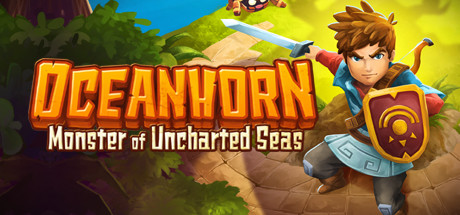
Oceanhorn: Monster of Uncharted Seas
Oceanhorn: Monster of Uncharted Seas combines captivating storytelling, breathtaking 3D visuals and exciting gameplay into one epic action-adventure experience. In the game you explore the islands of Uncharted Seas, a world filled with many dangers, puzzles and secrets.
Frequently Asked Questions
Banquet for Fools is currently priced at 19.50€ on Steam.
No, Banquet for Fools is currently not on sale. You can purchase it for 19.50€ on Steam.
Yes, Banquet for Fools received 856 positive votes out of a total of 962 achieving a rating of 8.41.
😎
Banquet for Fools was developed and published by Hannah and Joseph Games.
Yes, Banquet for Fools is playable and fully supported on Windows.
Yes, Banquet for Fools is playable and fully supported on MacOS.
No, Banquet for Fools is not playable on Linux.
Yes, Banquet for Fools is playable on Steam Deck, though it might require a few minor tweaks. Make sure to check the Steam store page and community feedback on ProtonDB for exact compatibility details.
Yes, Banquet for Fools is playable on Steam Machine, though it might require a few minor tweaks. Make sure to check the Steam store page and community feedback on ProtonDB for exact compatibility details.
No, Banquet for Fools does not support VR.
Banquet for Fools is a single-player game.
Yes, there is a DLC available for Banquet for Fools. Explore additional content available for Banquet for Fools on Steam.
No, Banquet for Fools does not support mods via Steam Workshop.
No, Banquet for Fools does not support Steam Remote Play.
Yes, Banquet for Fools is enabled for Steam Family Sharing. This means you can share the game with authorized users from your Steam Library, allowing them to play it on their own accounts. For more details on how the feature works, you can read the original Steam Family Sharing announcement or visit the Steam Family Sharing user guide and FAQ page.
You can find solutions or submit a support ticket by visiting the Steam Support page for Banquet for Fools.
Data sources
The information presented on this page is sourced from reliable APIs to ensure accuracy and relevance. We utilize the Steam API to gather data on game details, including titles, descriptions, prices, and user reviews. This allows us to provide you with the most up-to-date information directly from the Steam platform.
Additionally, we incorporate data from the SteamSpy API, which offers insights into game sales and player statistics. This helps us present a comprehensive view of each game's popularity and performance within the gaming community.
Last Updates| Steam data | 16 October 2026 08:58 UTC |
|---|---|
| SteamSpy data | 08 October 2026 02:39 UTC |
| Steam price | 17 October 2026 14:18 UTC |
| Steam reviews | 16 October 2026 15:54 UTC |
If you'd like to dive deeper into the details about Banquet for Fools, we invite you to check out a few dedicated websites that offer extensive information and insights. These platforms provide valuable data, analysis, and user-generated reports to enhance your understanding of the game and its performance.
- SteamDB - A comprehensive database of everything on Steam about Banquet for Fools
- SteamCharts - Analysis of Banquet for Fools concurrent players on Steam
- ProtonDB - Crowdsourced reports on Linux and Steam Deck Banquet for Fools compatibility
Game modes
Features
Online players
16
Developer
Hannah and Joseph Games
Publisher
Hannah and Joseph Games
Release
05 Mar 2026
Platforms