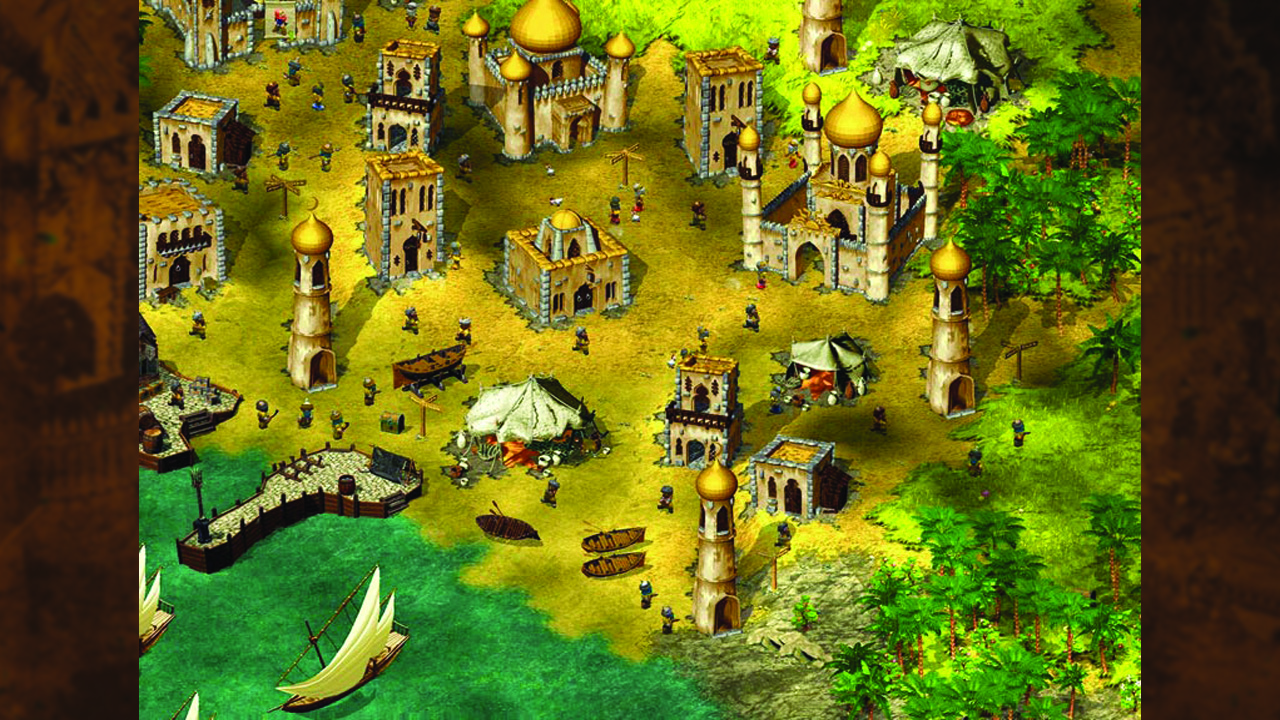
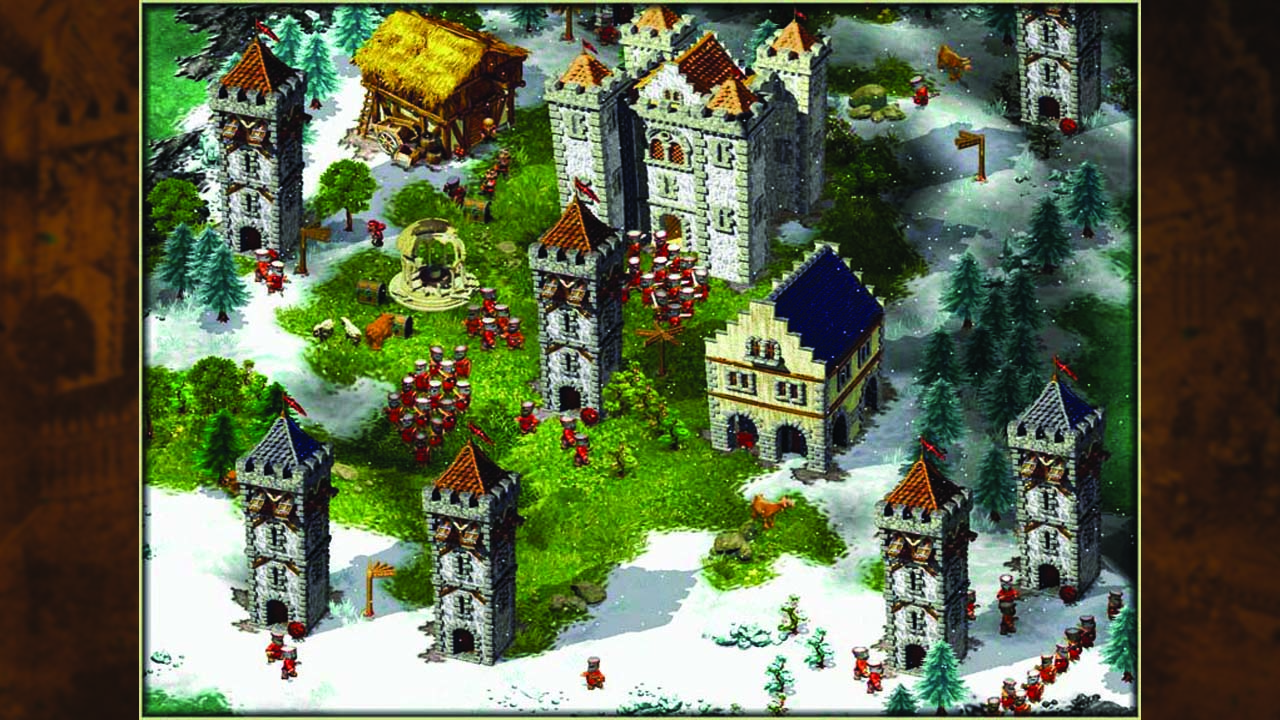
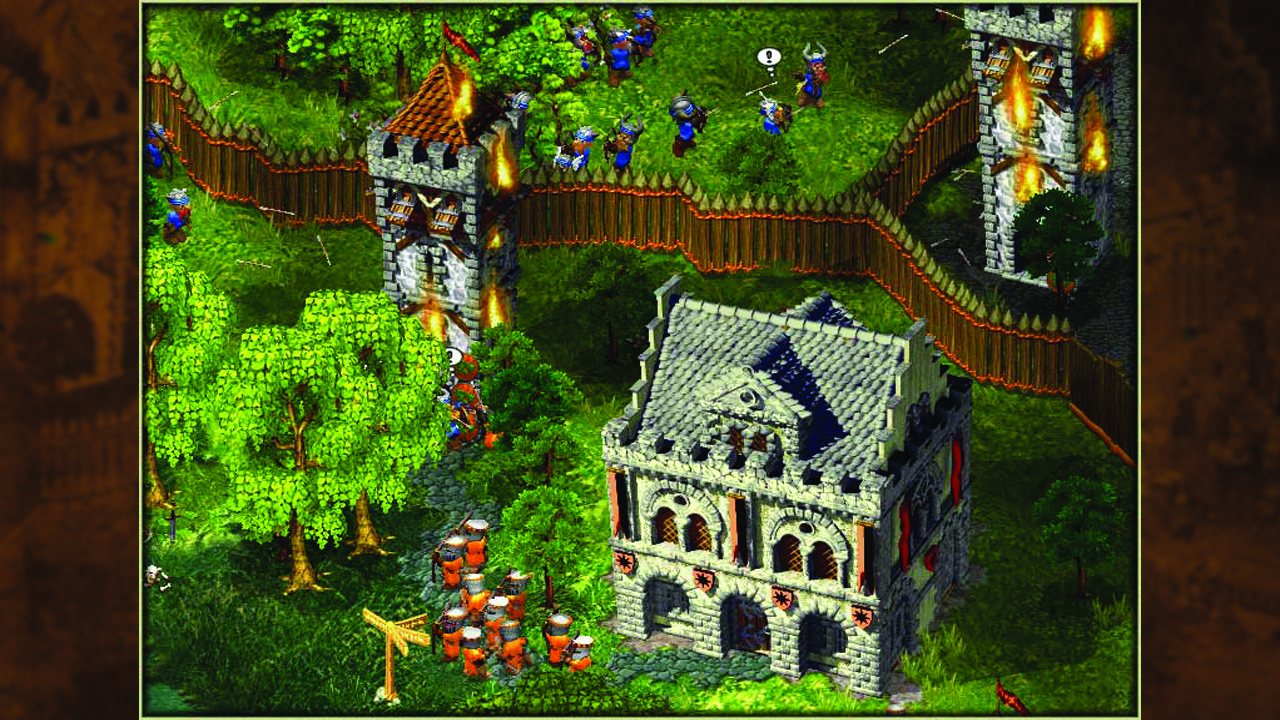
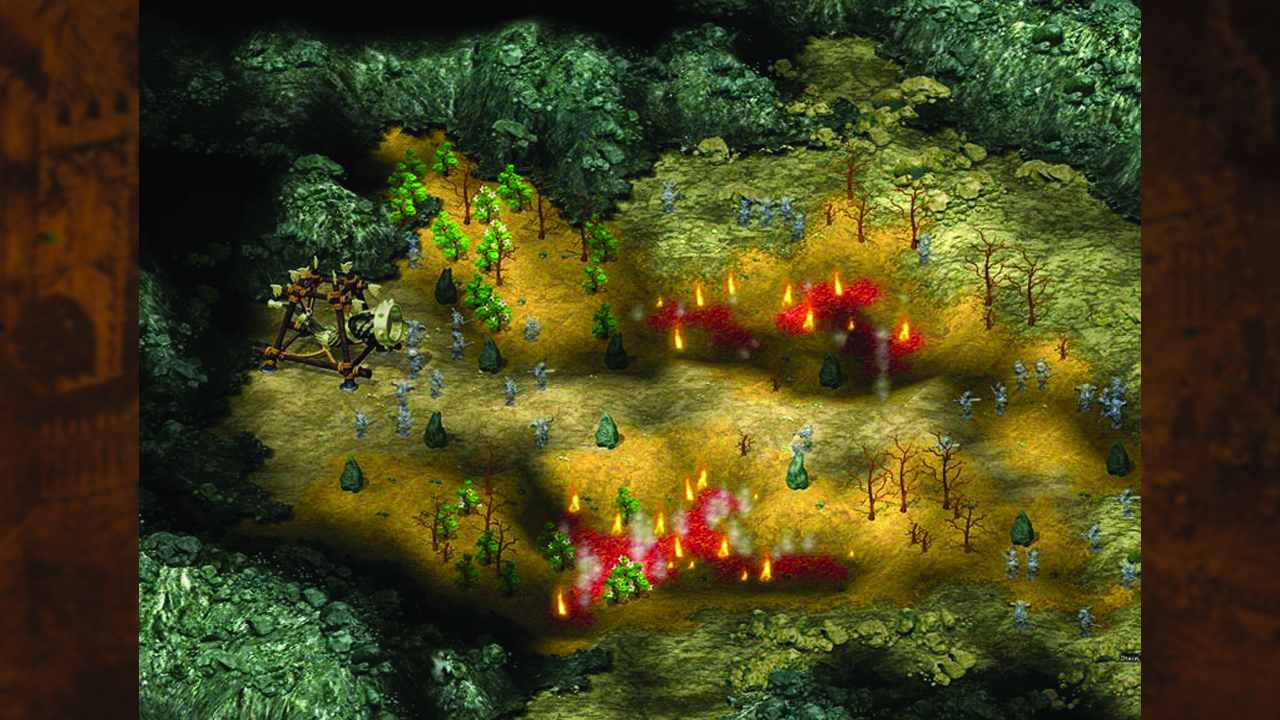
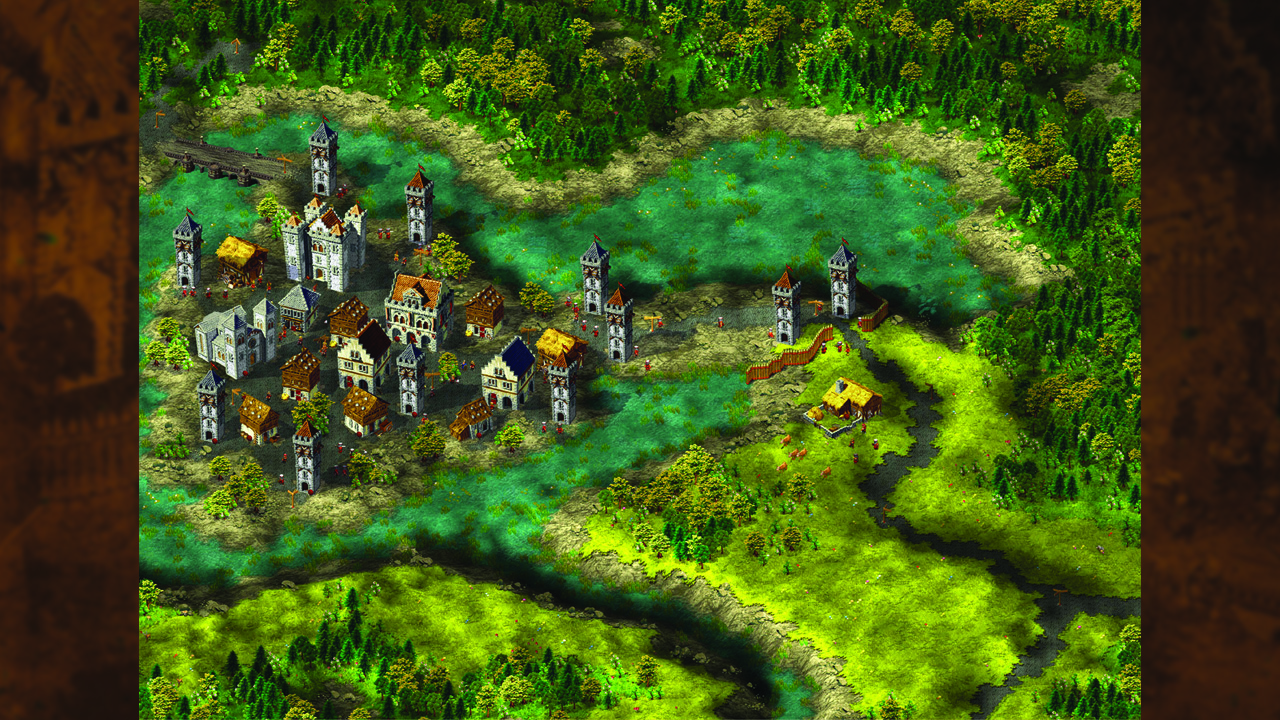
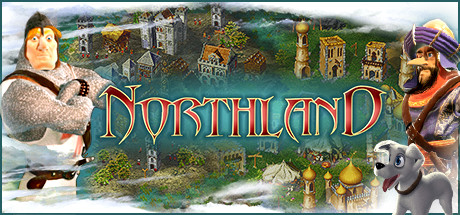
Cultures – Northland, developed by Funatics Software and published by Daedalic Entertainment, is a deep and methodical strategy and city-building game that places players in the role of a Norse leader guiding a small community through settlement, expansion, and survival. It builds on the mechanics of its predecessors, combining detailed economic simulation with elements of exploration and role-playing. Set in a mythological Viking world touched by the presence of gods like Loki and Thor, the game merges historical charm with light fantasy, creating a unique experience that’s as much about managing individual lives as it is about constructing a thriving society. At its heart, Northland is a game about systems and patience—where every log, loaf of bread, and tool matters in the broader tapestry of your village’s development. The gameplay revolves around the delicate balance of production chains and social harmony. Unlike traditional city builders where citizens are mostly anonymous workers, every individual in Northland has a name, a home, skills, and personal needs. You don’t just construct buildings; you assign people to specific professions—farmers, carpenters, soldiers, traders—and monitor their progress as they gain experience. This gives the world a remarkable sense of life and individuality. Watching your settlement grow from a few huts into a bustling village filled with movement and purpose is immensely satisfying. Every structure connects to a web of dependencies: a bakery needs flour, flour needs grain, and grain requires a functioning farm supported by tools and water. The result is a living ecosystem that rewards careful planning and foresight. Managing it all can be daunting, but the payoff is seeing your self-sustaining economy come to life. The narrative framework adds another layer of purpose to this complex simulation. The story follows Bjarni and his companions after the events of previous Cultures titles, now tasked with confronting the trickster god Loki and restoring balance to the world. The campaign introduces structured missions with specific objectives, such as establishing trade, rescuing allies, or building defenses against rival tribes. While the story itself isn’t particularly intricate, it provides context for your actions and gives each mission a sense of progression. Between the mythological undertones and the grounded realism of daily life, the game strikes an interesting tonal balance—one that feels both whimsical and grounded in its depiction of work, faith, and community. Visually, Northland is bright, detailed, and full of character. The art style leans toward a clean, hand-drawn aesthetic rather than strict realism, which makes the world approachable despite its mechanical complexity. Villagers can be seen hauling goods, tending animals, or training in the barracks, and the sight of your entire settlement in motion is one of the game’s greatest pleasures. The animations and sound design lend warmth to the experience, with the distant hammering of blacksmiths, birds calling in the background, and the rhythmic chopping of wood blending into a soothing atmosphere. This level of detail gives the game a personality that feels distinctly European—less about spectacle and more about the satisfaction of watching a tiny world come alive through your guidance. However, the same depth that gives Cultures – Northland its charm can also make it intimidating. The interface and pacing reflect an era when strategy games expected players to micromanage almost everything. Each villager must be assigned a home, fed, equipped, and trained manually. The chain of production can become fragile, with small shortages quickly cascading into larger crises. While this realism is rewarding for players who enjoy detailed management, it can feel overwhelming for newcomers. The game’s pathfinding also shows its age, as workers often choose inefficient routes or get stuck, requiring frequent manual adjustments. The slow speed of progress and the need for constant attention mean that success feels earned, but it demands significant investment of time and patience. Despite its complexity, Northland rewards those who embrace its deliberate pace. The satisfaction comes not from quick victories but from incremental achievements—stabilizing your food supply, establishing a trading post, or training a capable army. The sense of control and mastery over such an intricate system is rare in modern strategy games, which tend to streamline these details for accessibility. Here, everything is interconnected, and even the smallest decisions ripple through the settlement’s economy. The RPG-like progression of heroes and workers adds a sense of continuity between missions, giving your people a tangible identity beyond their function in the grand machine. It is this combination of personal attachment and strategic thinking that makes the game memorable even decades after its release. Cultures – Northland is a title that demands patience but rewards attentiveness. It doesn’t cater to players seeking instant gratification; instead, it invites you to slow down, to observe, and to understand the rhythm of a living world. The micromanagement, while at times overwhelming, is also what makes the experience feel intimate and alive. There’s something undeniably compelling about watching your villagers thrive under your careful guidance, each of them contributing to a society that exists entirely because of your planning and persistence. Though its mechanics and interface feel dated compared to modern city-builders, its depth and personality remain impressive. For players who value rich systems, steady progression, and the satisfaction of building a civilization from the ground up, Cultures – Northland stands as one of the most charming and intricate simulations of its kind—a game that captures not just the logistics of leadership, but the spirit of community itself. Rating: 8/10
Expand the review