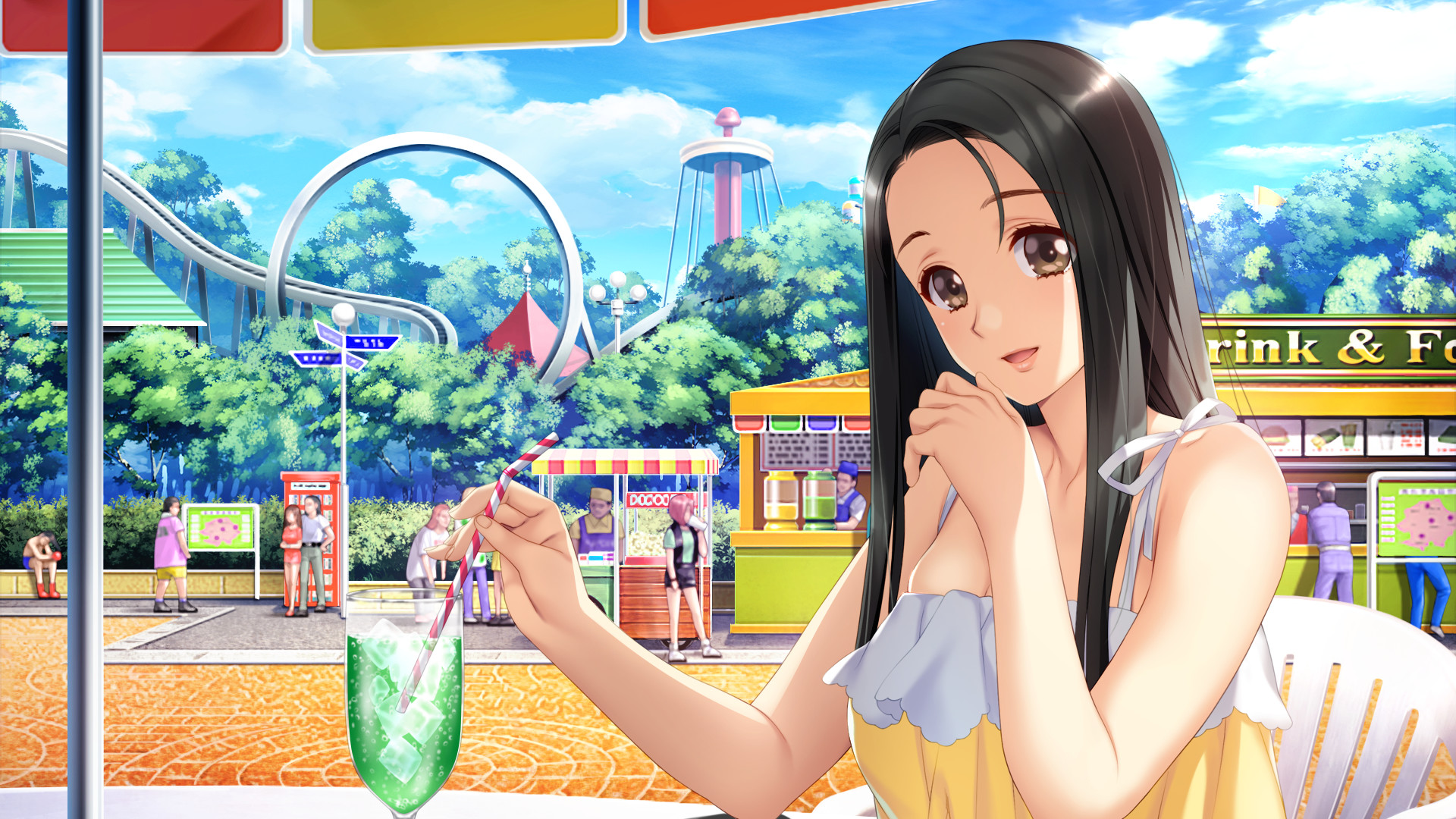
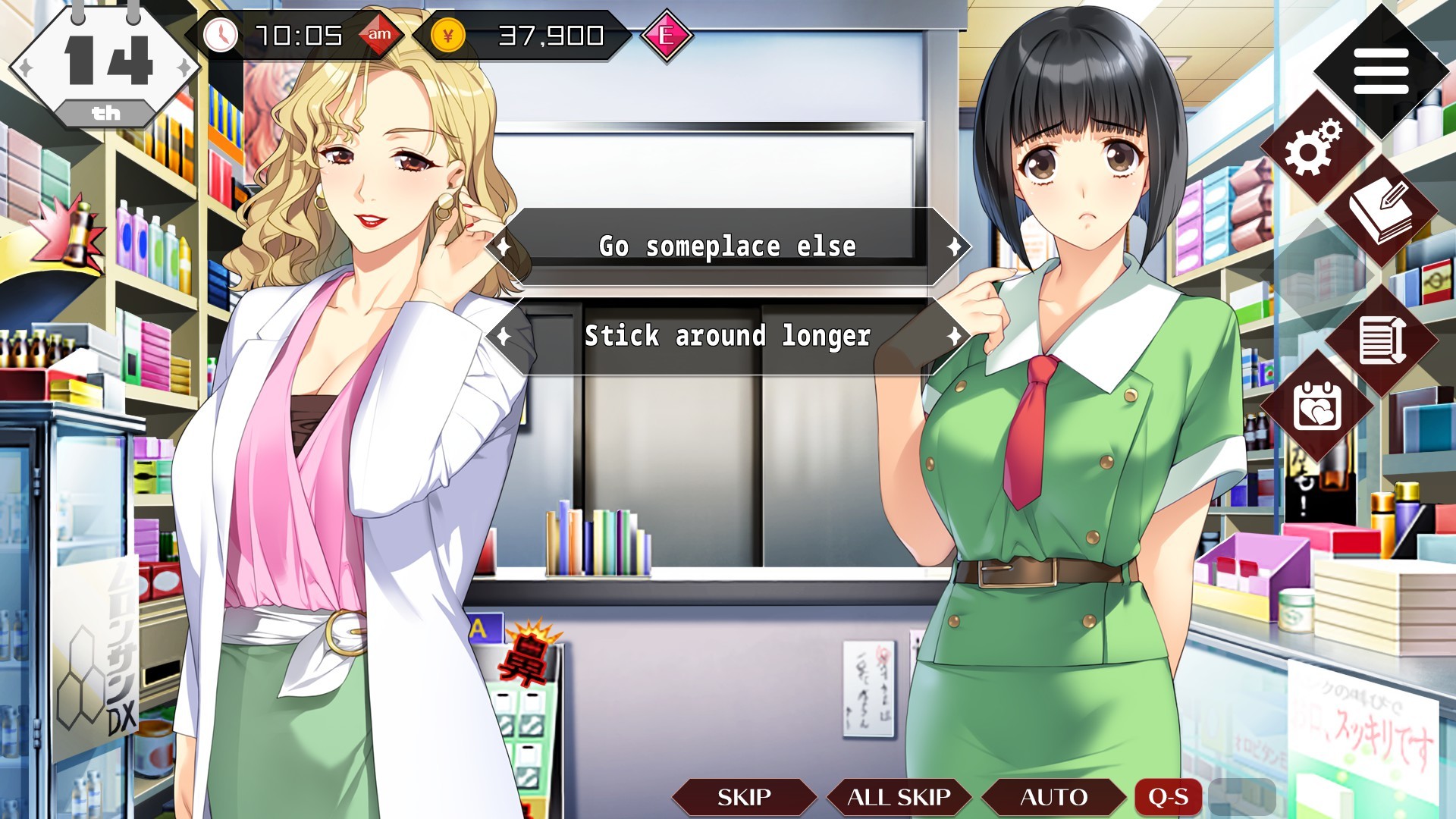
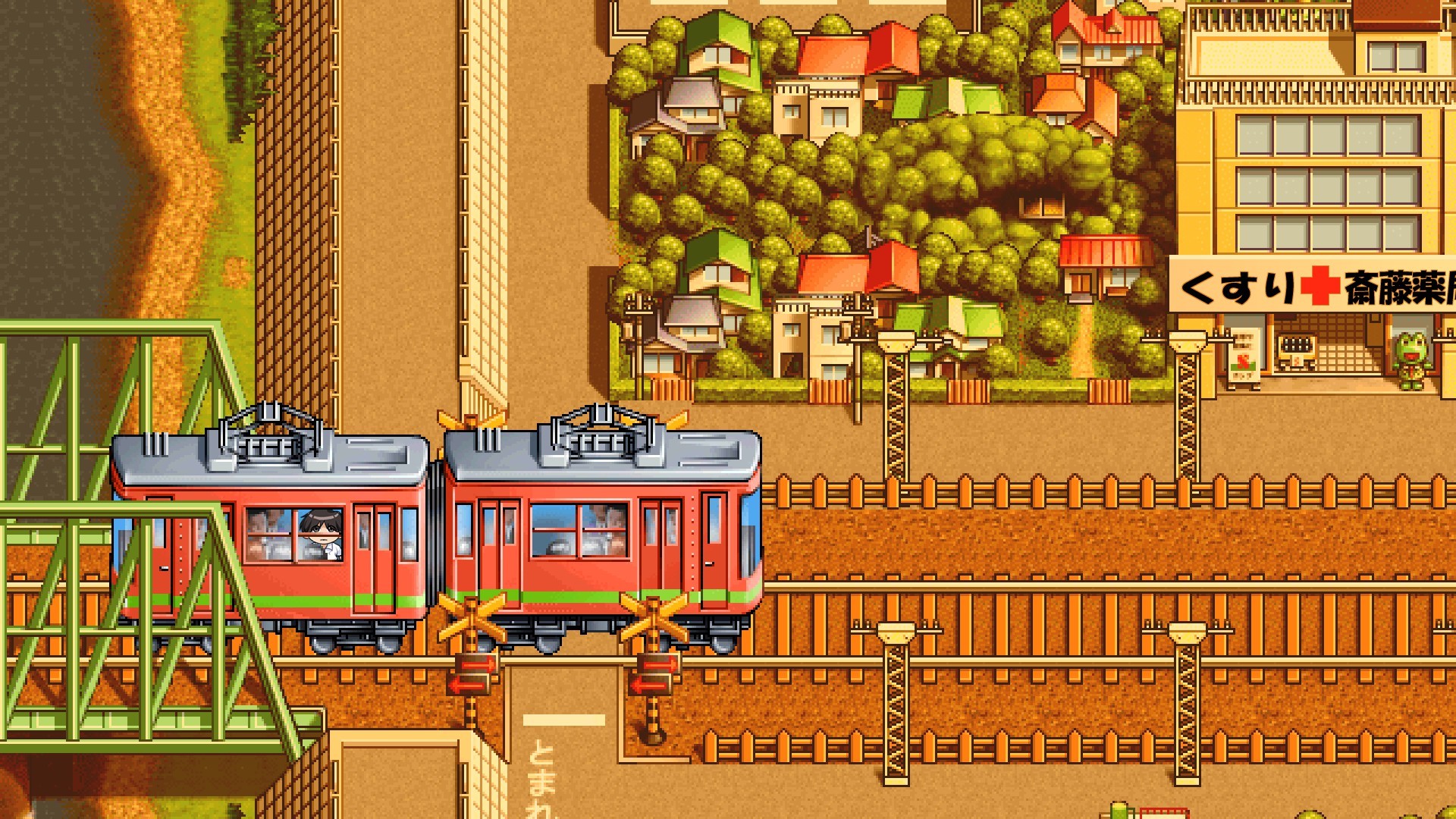
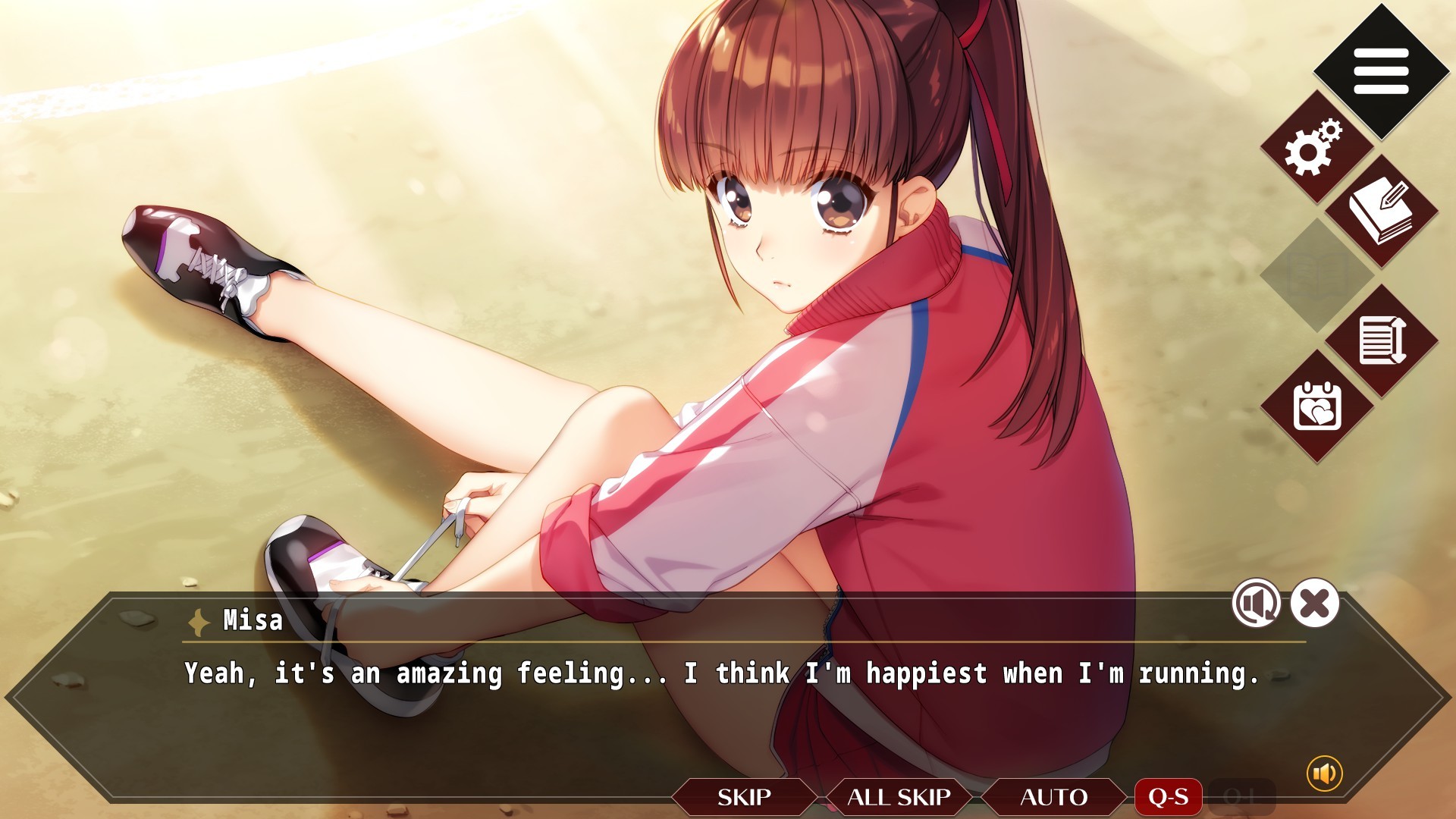
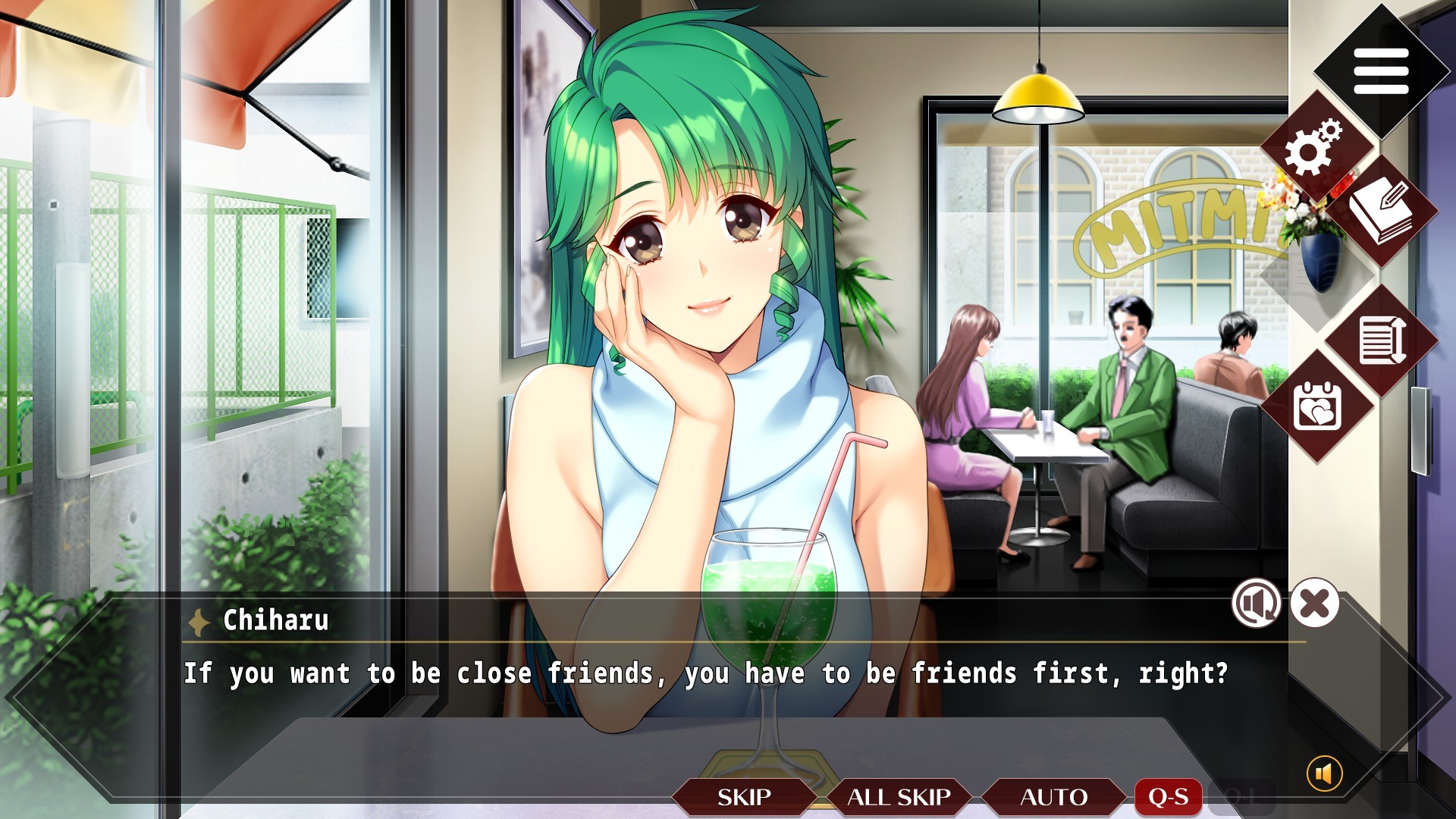
Doukyuusei: Bangin’ Summer is a remake of one of the most influential dating sims in the visual novel genre, originally released by Elf in the early 1990s. Now modernized and localized by Shiravune, this version updates the visuals and interface while remaining largely faithful to the original structure and spirit. The premise is simple yet effective: you play as a high school student, Takurou, who has just wrapped up a part-time job and is about to spend the remaining 21 days of summer vacation however he sees fit. Those three weeks form the entire framework of the game, with each day divided into time slots in which you can move freely around town, encounter various characters, and gradually build romantic connections that could lead to different endings depending on your choices and timing. What sets Doukyuusei apart from most contemporary visual novels is its emphasis on time management and open exploration. Unlike linear narratives, this game encourages players to navigate a semi-open world where characters appear at specific locations at specific times, and key events only occur under certain conditions. The experience is less about being led through a story and more about discovering it through interaction. It’s easy to miss events or characters entirely on a first playthrough, which adds to the replay value and a feeling of realism—after all, you can’t be everywhere at once. The remake offers a “casual mode” with additional tools like event tracking, fast travel, and a better interface, which makes it more accessible to newcomers. Still, much of the charm of the original remains in choosing to explore blindly, stumble upon events, and let each playthrough feel a little bit different. The game features fourteen different heroines, each with unique personalities, backstories, and character arcs. From the sweet girl-next-door type to more mature women, classmates, and even individuals with more complicated or mysterious lives, the range of characters is surprisingly broad. While some heroines are more fleshed out than others, and a few fall into predictable archetypes, many of the routes carry emotional weight that transcends the game’s lighthearted and sometimes overtly sexual tone. Some characters have personal struggles or nuanced motivations that unfold gradually over multiple encounters, while others exist primarily for comic relief or flirtation. The writing leans into humor frequently—sometimes in absurd or risqué ways—but it’s also capable of delivering touching, even bittersweet moments, especially as summer comes to an end and choices have to be made. Visually, the remake gives the game a much-needed facelift. The character designs have been redrawn with modern resolution and smoother line work while maintaining the distinct aesthetic of the original. Backgrounds have been updated to reflect a more vibrant seaside town atmosphere, adding warmth and personality to every location. The game features full voice acting in Japanese for all major characters, enhancing the immersion and giving each heroine a unique presence. Music is minimal but effective, with light, summery tracks that capture the mood without overstaying their welcome. The remake’s interface is sleek, clean, and user-friendly, especially compared to older versions of the game, with features like fast saving, location maps, and dialogue logs all present to streamline the experience. Where Doukyuusei stumbles slightly is in its tone, particularly when viewed through a modern lens. The protagonist, while fitting the mold of an early-90s dating sim lead, can come off as overly flirtatious or casually crude by today’s standards. Some jokes or character interactions may strike contemporary audiences as dated or even uncomfortable, especially when certain characters are presented through a male-gazey lens. Additionally, the original game featured explicit adult content, and while this remake allows players to apply a patch to restore that content, the base Steam version is all-ages and includes some altered dialogue and censored scenes. These changes may dilute the original tone for purists, though for new players they help make the experience more palatable. Pacing can be another potential issue, depending on your play style. Some players will love the slow-burn discovery process, where you carefully plan your days and slowly piece together how to win a character’s affection. Others may find the pace sluggish, especially if they’re used to more narrative-driven visual novels that progress automatically. It’s also possible to reach the end of the game without forming a strong connection with any of the heroines, which might feel anticlimactic after investing several hours. That said, the sense of freedom and multiple possibilities is part of the game’s core identity. Each failed run or missed opportunity can become motivation to try again, dig deeper into another character’s story, or explore a different area of town at a different time of day. Despite its flaws, Doukyuusei: Bangin’ Summer succeeds at delivering a nostalgic yet still engaging dating sim experience. It captures the essence of youthful summer days—the sense of endless possibility, fleeting time, and emotional highs and lows that come with adolescence. It doesn’t force you into any one story; instead, it invites you to explore, to take chances, and to accept that you won’t see everything in one playthrough. For fans of classic visual novels or those interested in the roots of the genre, this remake is a worthy revival that respects its legacy while making just enough modern improvements to stand on its own. For players willing to engage with it on its own terms—embracing both its dated quirks and its surprisingly poignant moments—it offers a rewarding and occasionally heartfelt journey through one unforgettable summer. Rating: 9/10
Expand the review