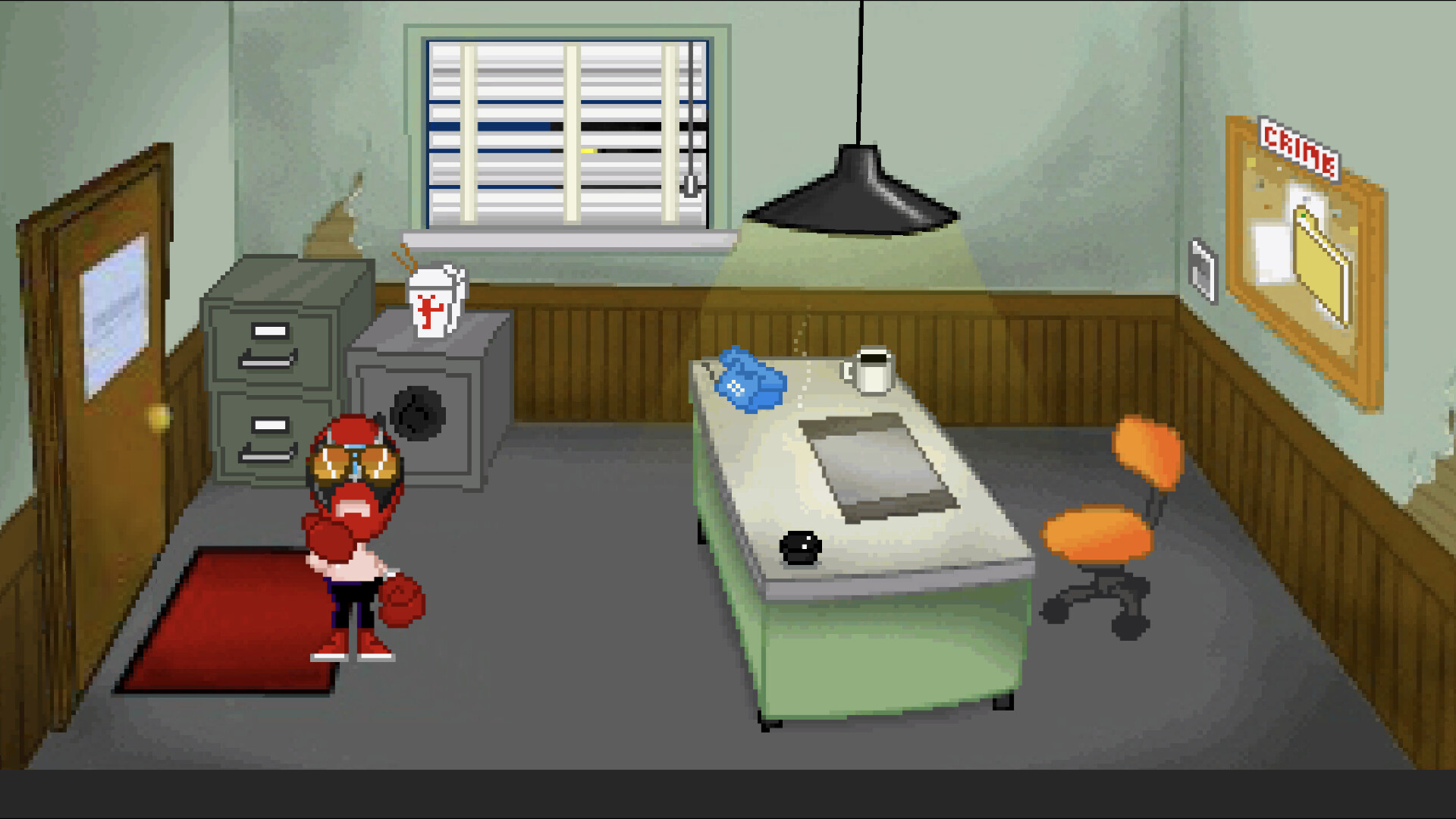
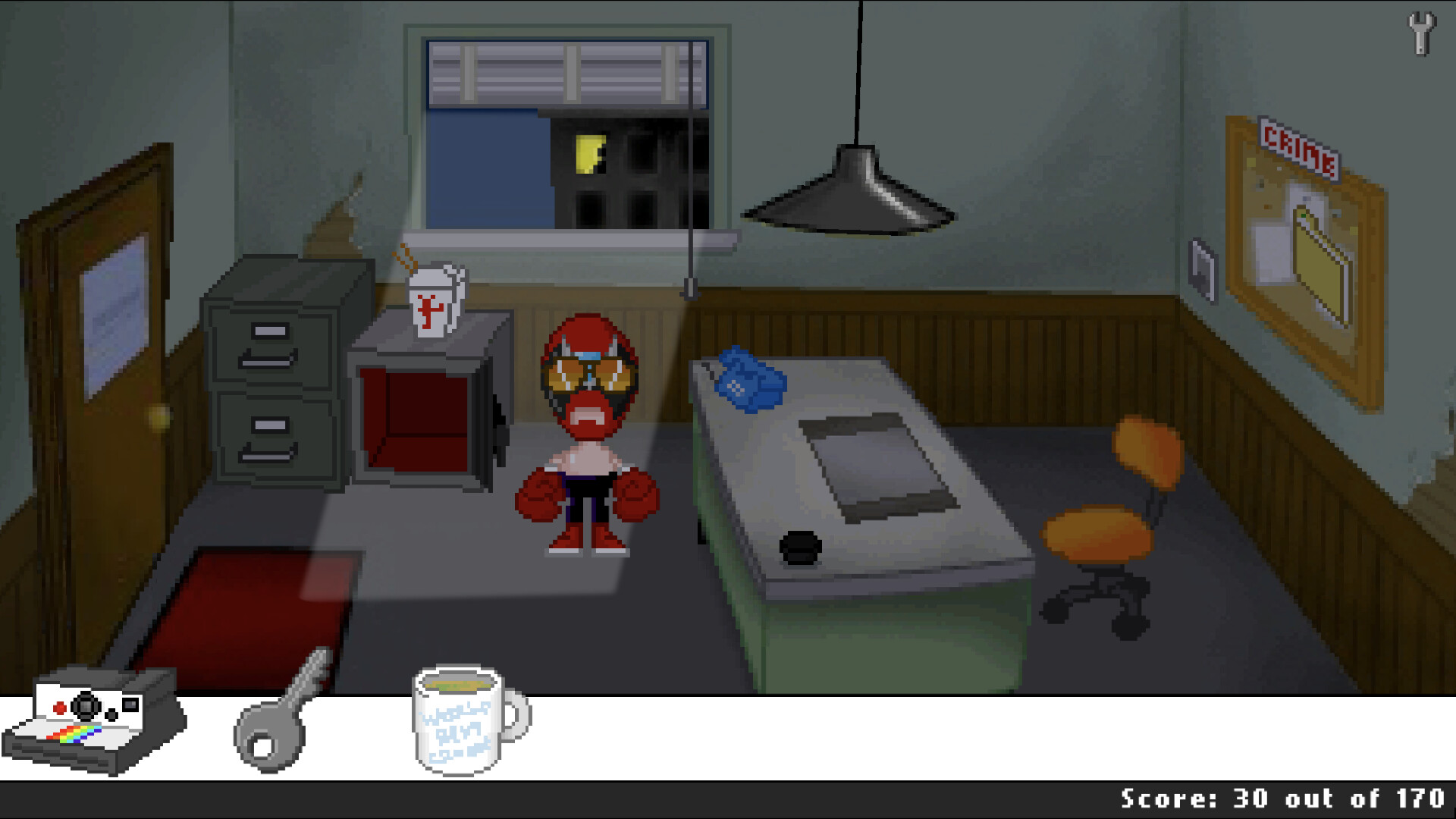
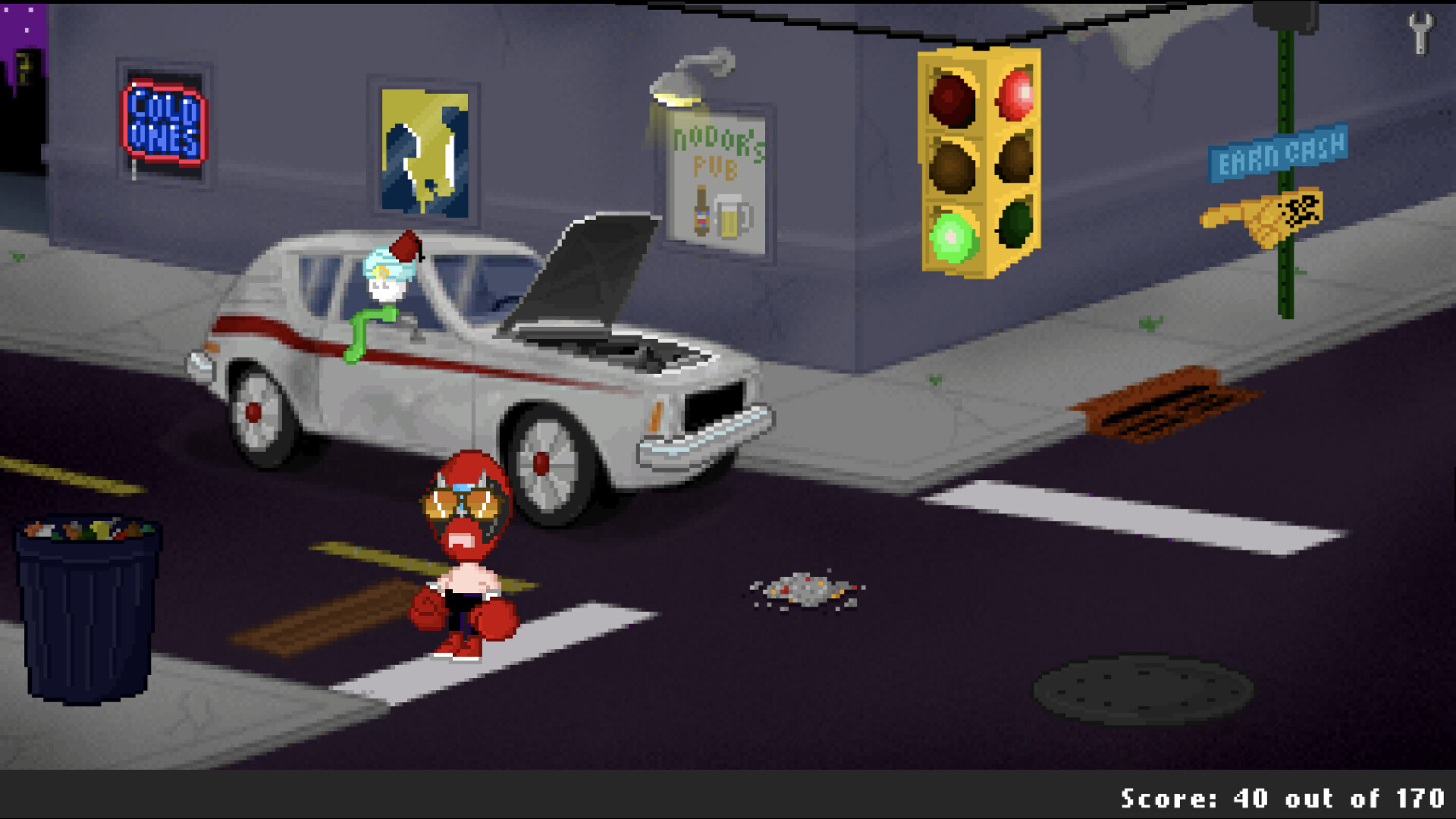
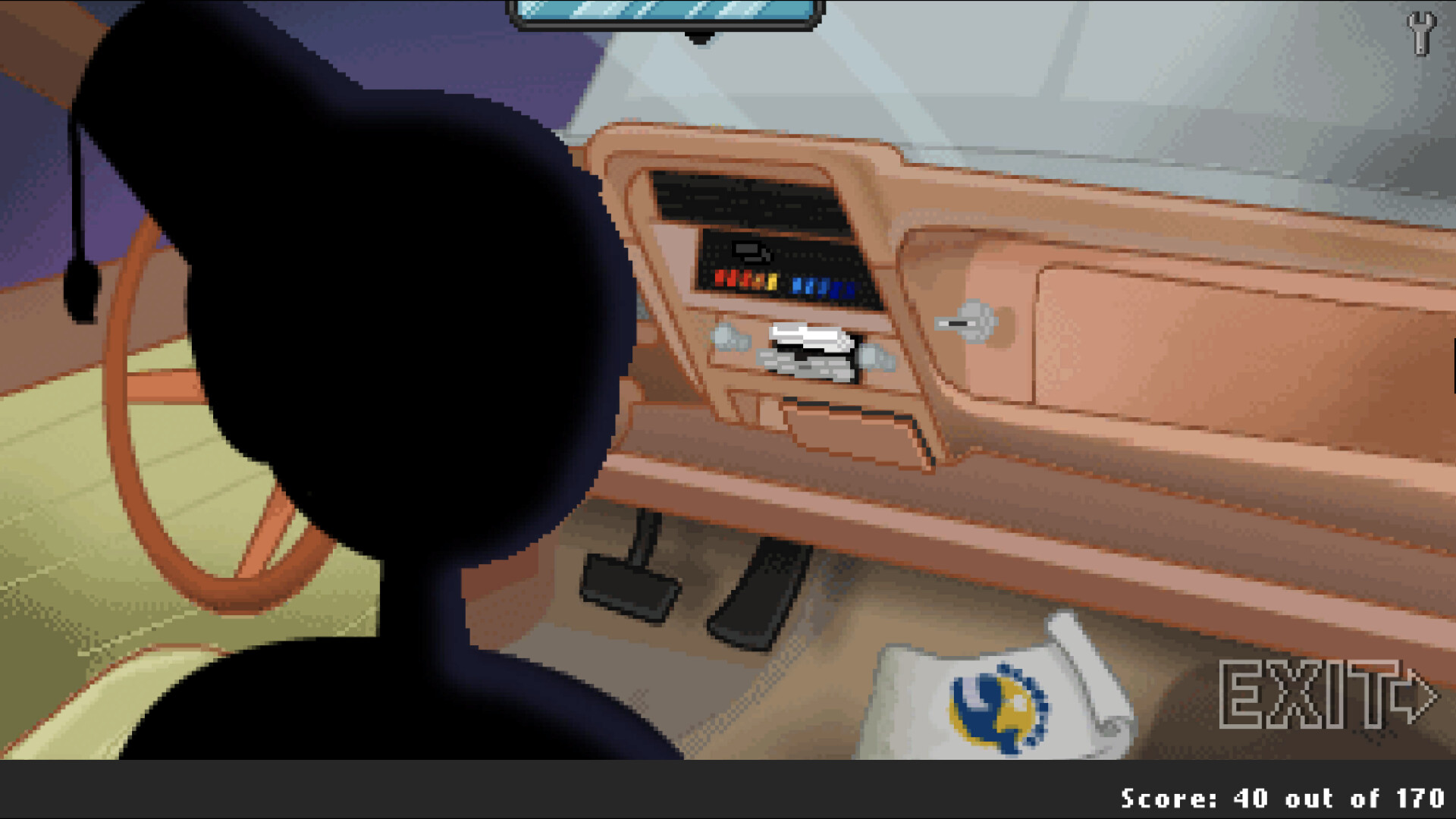
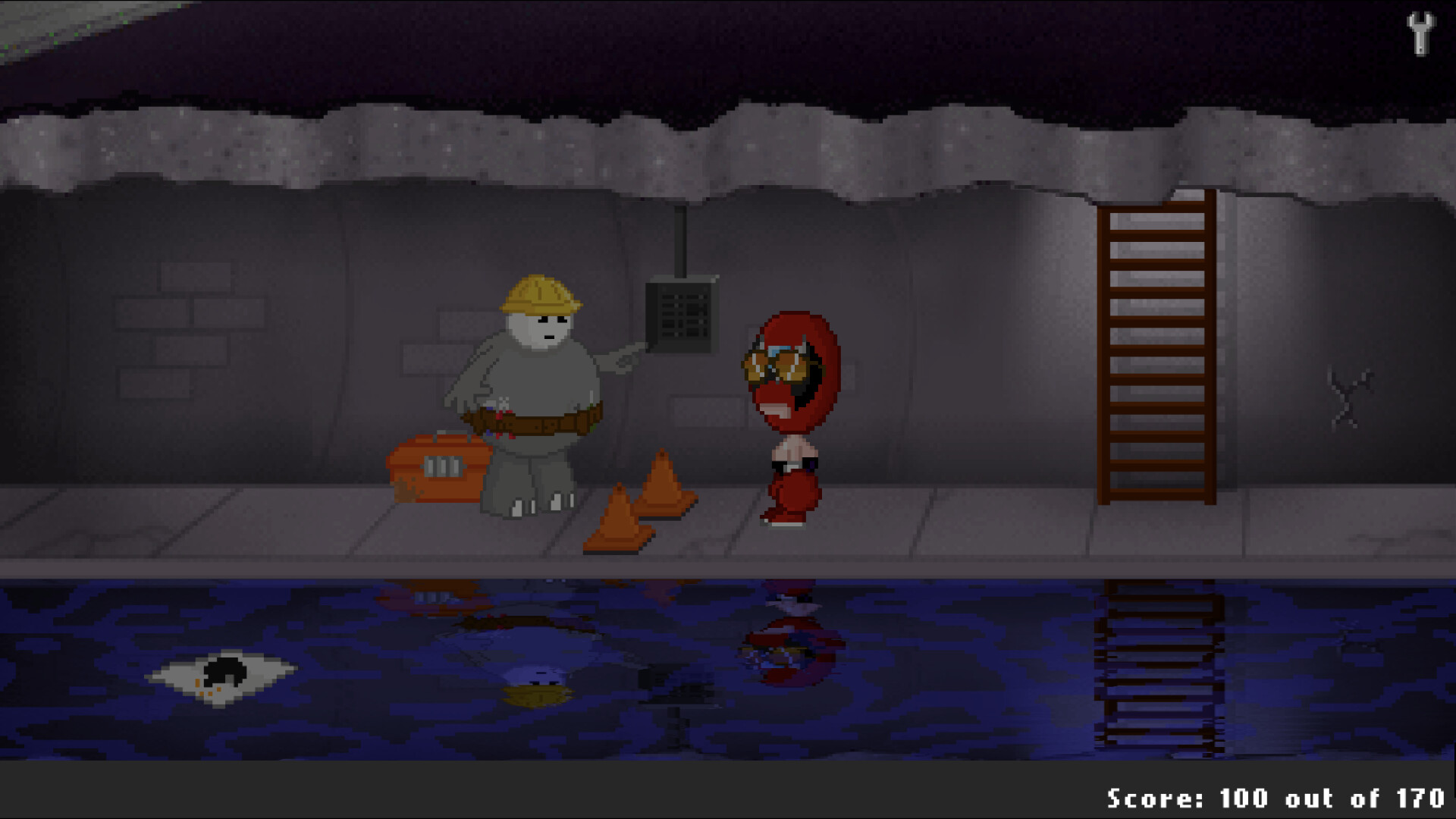
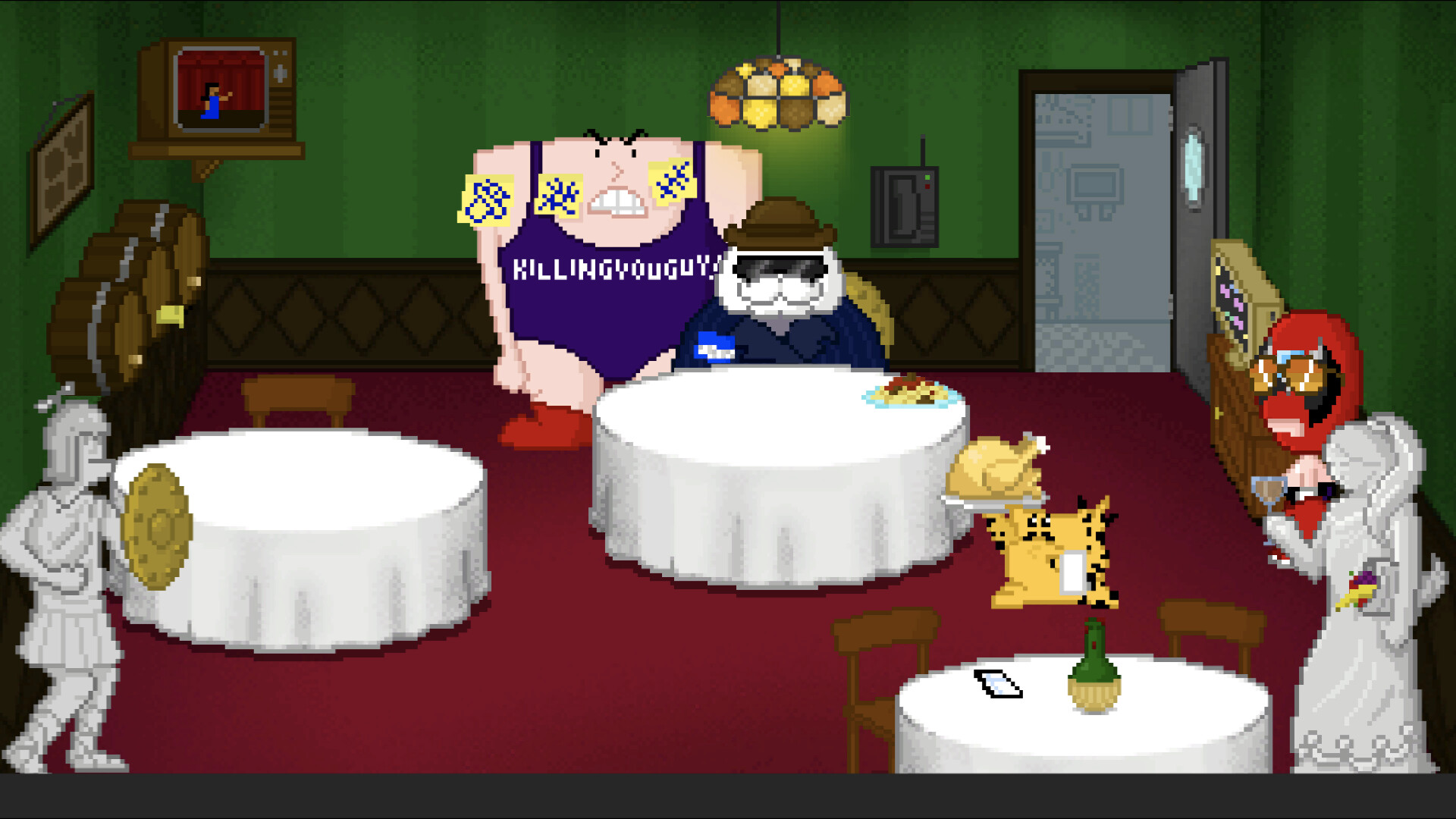
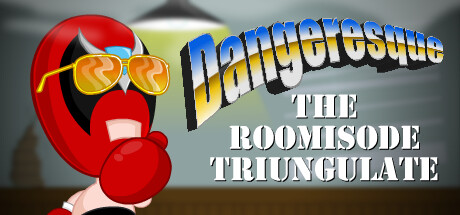
Dangeresque: The Roomisode Triungulate, developed and published by Videlectrix, is a delightfully self-aware revival of the classic Flash-era point-and-click adventure format, serving as both a nostalgic homage to 1990s adventure games and a loving continuation of the Homestar Runner universe. Featuring Strong Bad’s infamous detective alter-ego, Dangeresque, this three-part collection transforms the cult “Roomisode” concept into a full-fledged release, combining upgraded visuals, new voice acting, and expanded content with the quirky humor and inventive absurdity that made the original series such a fan favorite. Though it’s compact in scale, the game’s attention to detail, clever writing, and deep appreciation for the genre’s legacy make it far more substantial than its simple premise suggests. At its core, Dangeresque: The Roomisode Triungulate presents three distinct “roomisodes”—miniature mysteries that each take place within a single confined location but manage to pack in layers of puzzles, jokes, and narrative beats. In true point-and-click fashion, players guide the overconfident and perpetually clueless Dangeresque through bizarre scenarios involving sabotage, hostage situations, crime bosses, and ridiculous detective antics. Every room feels like a self-contained playground of interactive chaos, filled with clickable objects, deadpan humor, and ridiculous solutions that often defy logic but always make perfect comedic sense within the game’s world. The puzzles range from clever to comically convoluted, echoing the style of classic Sierra and LucasArts titles, rewarding curiosity and experimentation more than pure reasoning. Much of the fun lies in exploring every possible interaction—clicking on every item, using the wrong objects on purpose, and listening to the witty commentary that results. The humor is unmistakably in the Homestar Runner tradition: a mixture of meta-commentary, wordplay, slapstick, and affectionate parody of genre clichés. Dangeresque himself, with his exaggerated noir persona and melodramatic one-liners, is the perfect anchor for the chaos around him. The writing strikes a balance between appealing to longtime fans of the Homestar Runner series and remaining accessible to newcomers. The dialogue is consistently sharp, full of subtle callbacks for dedicated fans while still landing fresh for anyone unfamiliar with the source material. Each room brims with absurd logic, hidden jokes, and unexpected outcomes that make even the smallest discoveries feel rewarding. The tone never strays from the franchise’s trademark goofiness—yet beneath the comedy lies a genuine appreciation for adventure game structure, demonstrating how humor and puzzle design can coexist harmoniously. From a design standpoint, the game feels meticulously handcrafted despite its small scale. Each room is densely packed with interactable objects and unique responses, ensuring that players are rarely met with generic feedback or dead ends. The interface is streamlined, using a simple cursor-based system reminiscent of 1990s adventure titles, while modernizing just enough to feel fluid and responsive. The puzzles are logical within their own absurd framework, requiring players to think creatively without ever feeling completely unfair. The inclusion of a “Hinttron” feature, which offers subtle nudges for stuck players, helps maintain pacing without spoiling the joy of discovery. It’s clear that Videlectrix understands what made those older adventure games special—the sense of agency and curiosity—and reinterprets it in a form that feels both nostalgic and fresh. Visually, the game captures the exaggerated, cartoonish aesthetic that defined Homestar Runner’s art style while giving it a noticeable upgrade. The hand-drawn animations are crisp and expressive, bringing every exaggerated pose and dramatic gesture to life. Each room has its own personality: the cluttered office full of gumshoe paraphernalia, the tense roadside standoff bathed in lurid lighting, and the lavish hideout of a villainous mastermind. Despite the limited settings, the variety in tone and design keeps the experience engaging from start to finish. The music and sound design complete the picture with jazzy noir riffs, comedic stingers, and energetic performances from the original voice cast, grounding the absurdity in a layer of professional polish that elevates the humor even further. While the overall experience is brief—clocking in at roughly two hours for most players—its replay value lies in its density. Nearly every interaction is packed with bespoke dialogue or visual gags, encouraging multiple playthroughs just to catch everything. Some players might find the short length disappointing, but the game’s compact structure feels deliberate. It’s designed to evoke the charm of bite-sized adventure games rather than sprawling narratives, and in that respect, it succeeds completely. The puzzles sometimes veer into the nonsensical, reflecting the legacy of classic adventure logic where the solution is funny precisely because it makes no rational sense. For fans of that era’s humor-driven design, this feels like a welcome return rather than a flaw. Ultimately, Dangeresque: The Roomisode Triungulate is more than a simple nostalgia trip—it’s a celebration of absurdity, creativity, and the joy of interactive storytelling. Videlectrix has taken a niche corner of the Homestar Runner mythos and elevated it into a full-fledged game that honors both its roots and the point-and-click genre as a whole. The result is an experience that’s funny, charming, and lovingly crafted, filled with clever puzzles and endless personality. It’s not meant to be grand or epic; instead, it thrives on its compact, eccentric energy. For longtime fans, it’s a triumphant return to the world of Strong Bad and his chaotic alter ego. For newcomers, it’s a hilarious introduction to one of internet animation’s most enduring cult creations. Either way, Dangeresque: The Roomisode Triungulate proves that even the smallest, strangest games can shine brightly when made with creativity, humor, and heart. Rating: 9/10
Expand the review