

Dead Rising 2
The sequel to the million-plus selling Dead Rising, Dead Rising 2 takes the zombie survival horror to Fortune City, America’s latest and greatest entertainment playground.
Sync your Steam wishlist to find the lowest game prices instantly. No login required, just paste your Steam profile URL!
⚡ Try Wishlist Radar!
Sync your Steam wishlist to find the lowest game prices instantly. No login required!
⚡ Try Wishlist Radar!
Close

Dead Rising 2: Off the Record on Steam
Quick menu
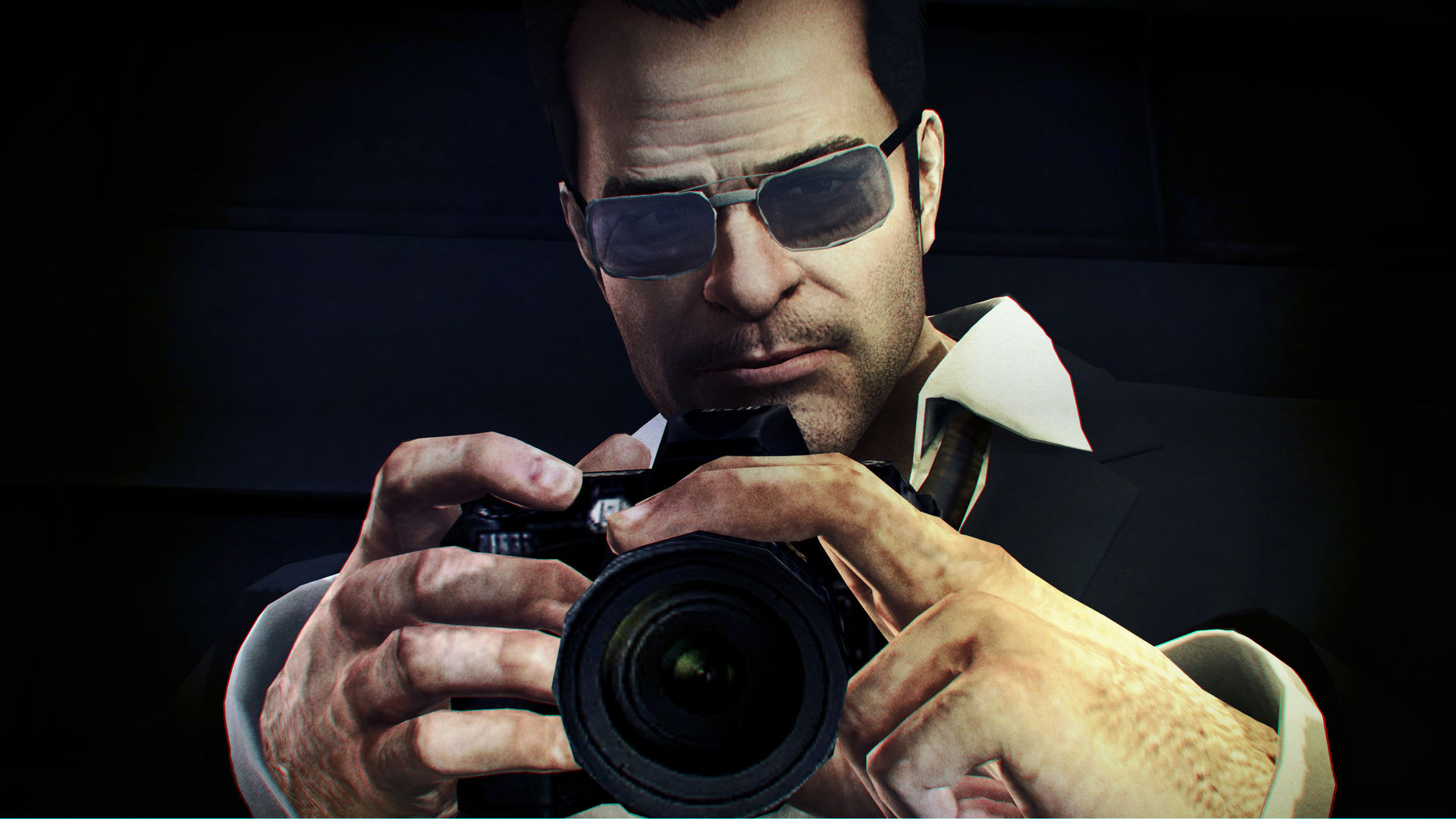
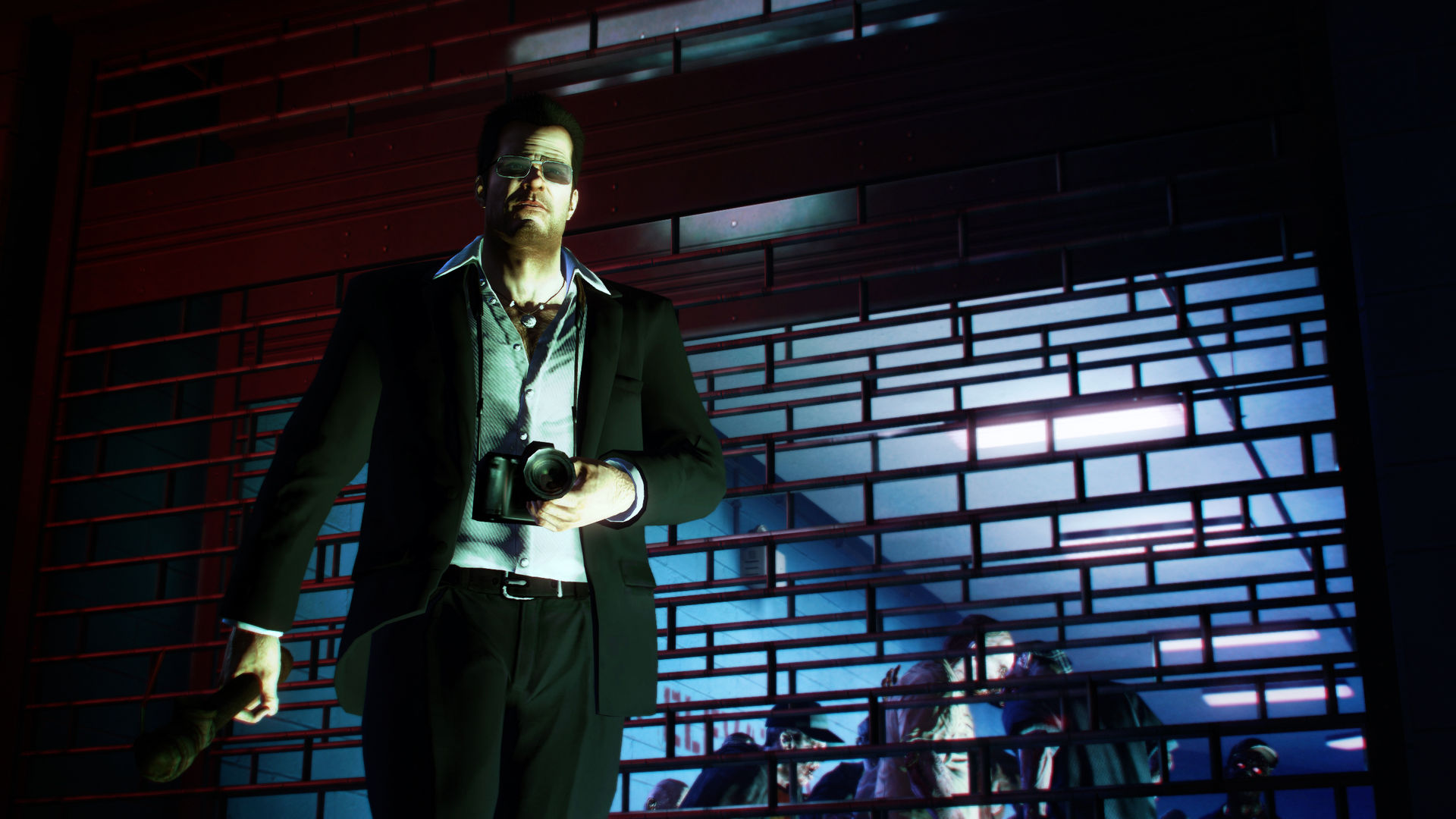
You are Frank West – photojournalist and original hero of the Dead Rising Willamette incident – taking center stage experiencing the re-imagined Fortune City outbreak.
Dead Rising 2: Off the Record is a action, zombies and open world game
developed by Capcom Vancouver
and published by Capcom.
Released on October 11th 2011 is available on Windows, Steam Deck and Steam Machine.
It has received 3,908 reviews of which 3,024 were positive and 884 were negative resulting in a rating of 7.5 out of 10. 😊
The game is currently priced at 4.99€ on Steam with a 75% discount, but you can find it for 3.97€ on G2A.
The Steam community has classified Dead Rising 2: Off the Record into these genres:
Media & Screenshots
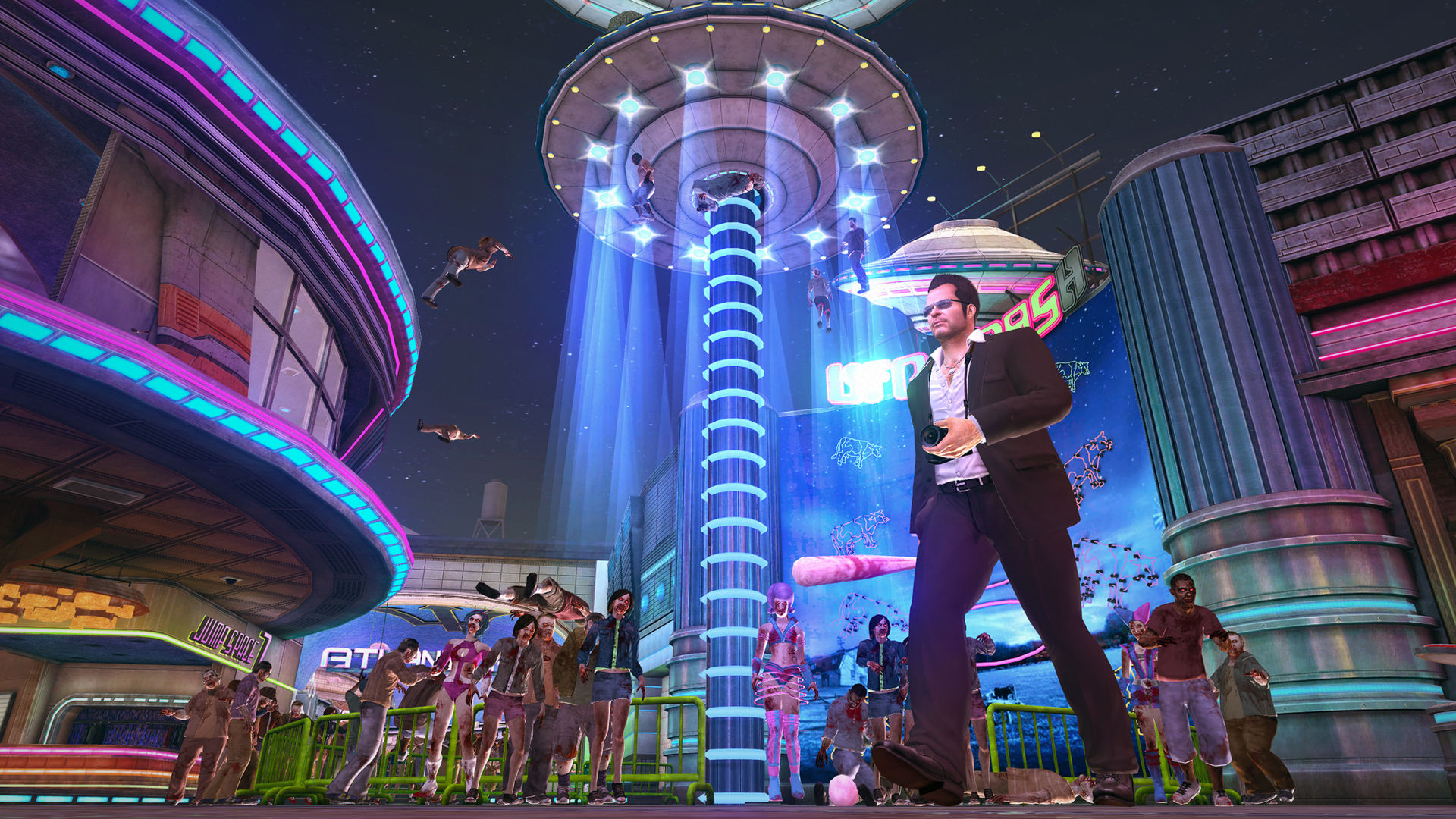
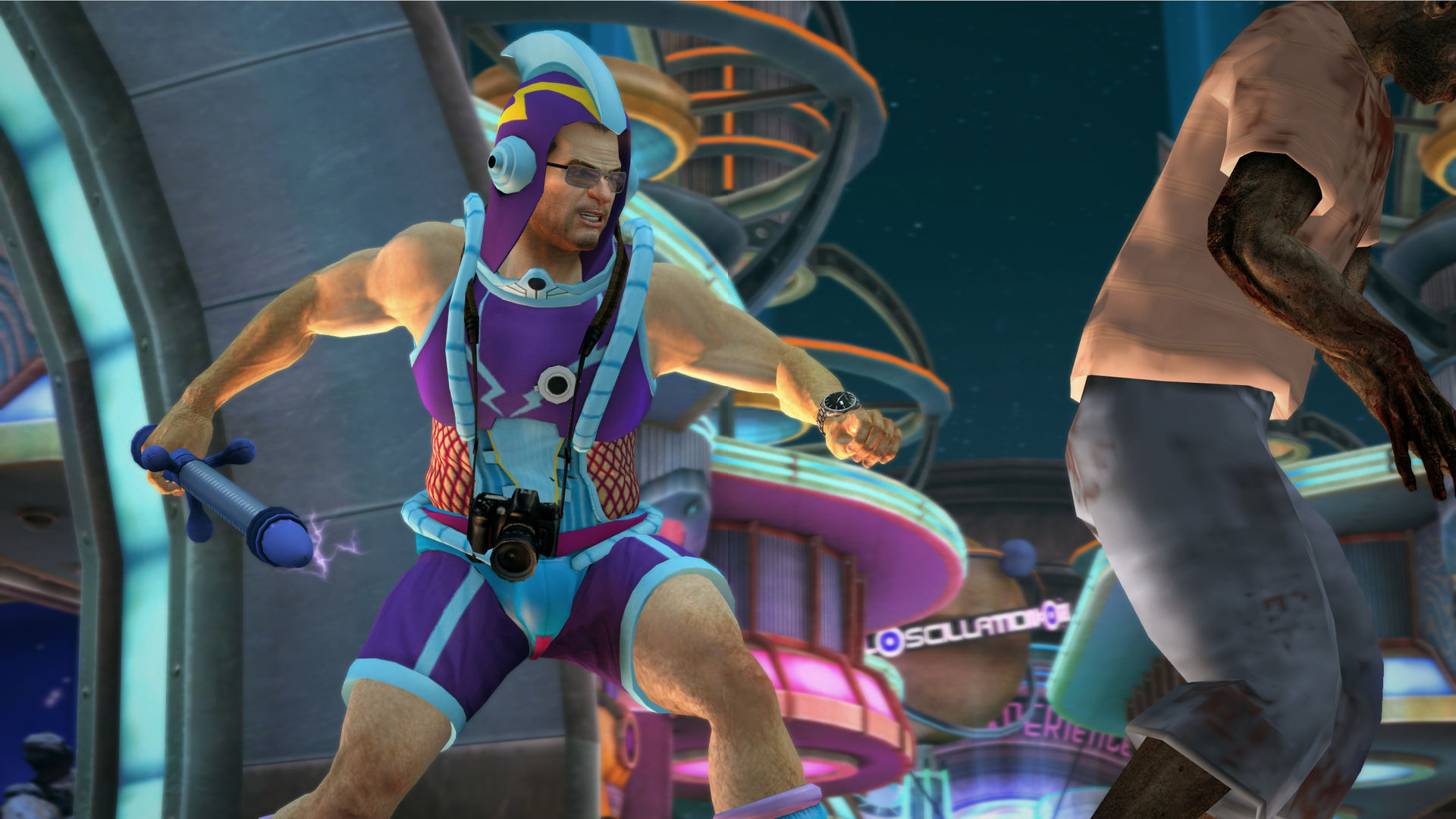
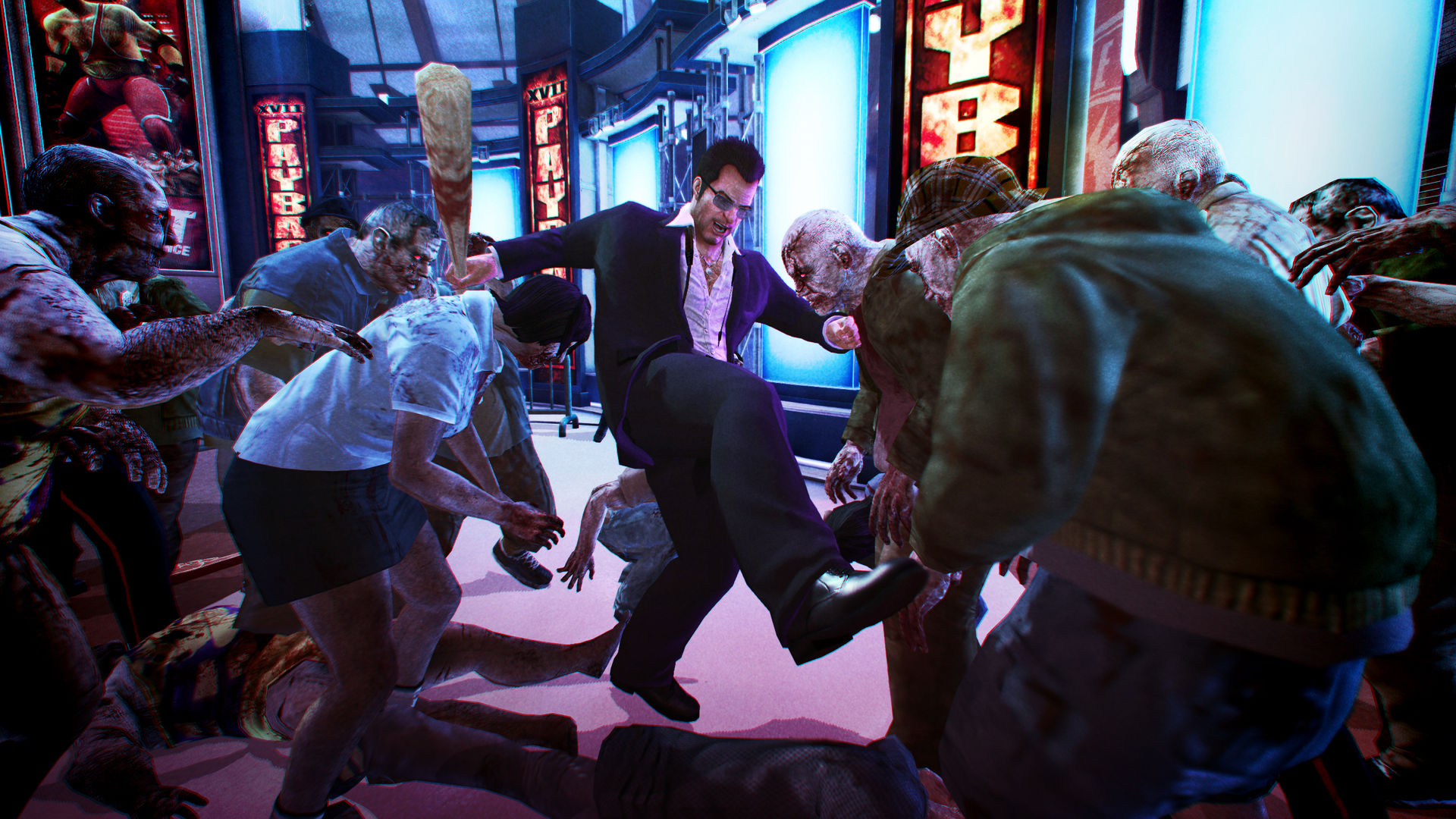
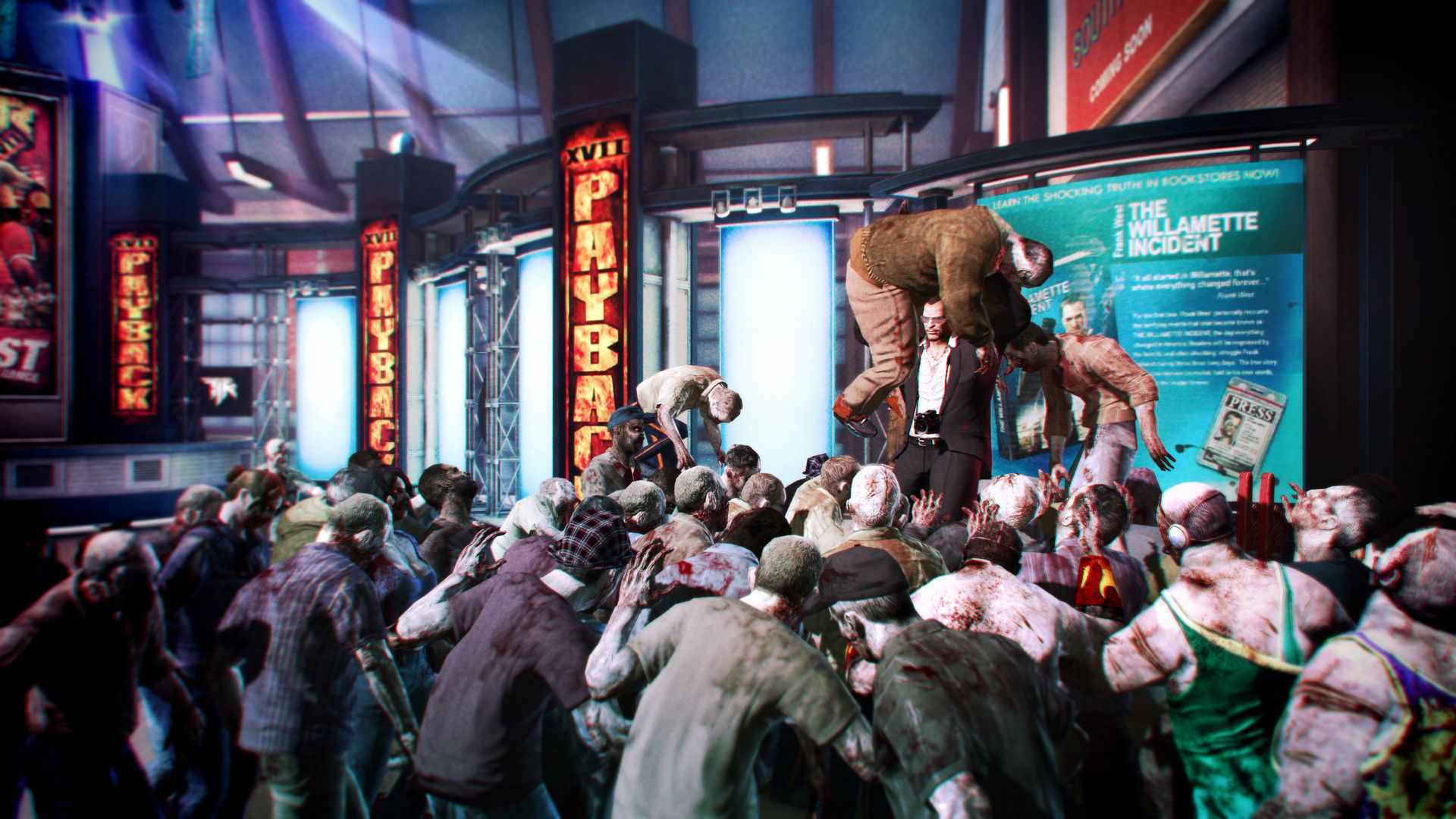
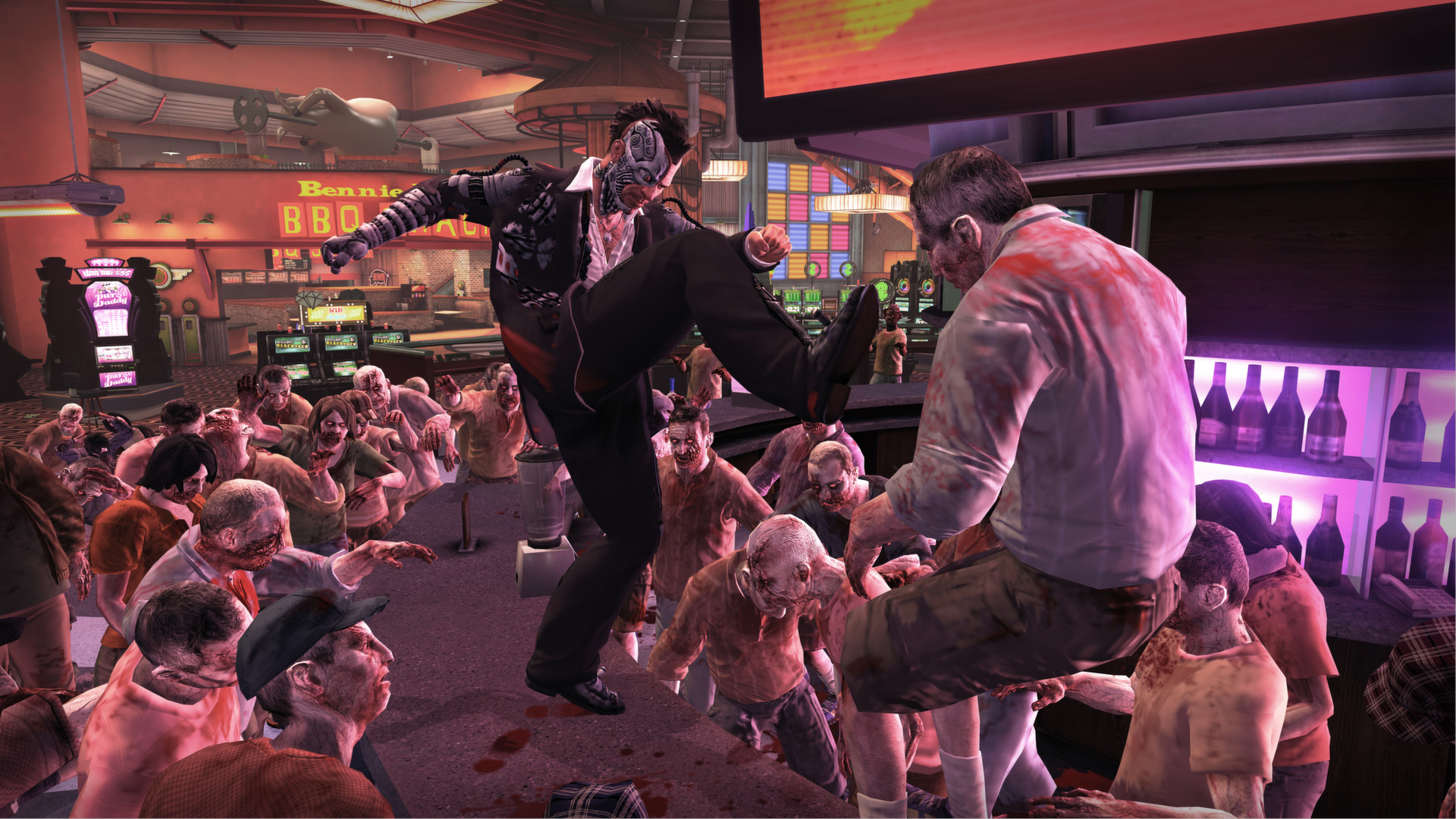
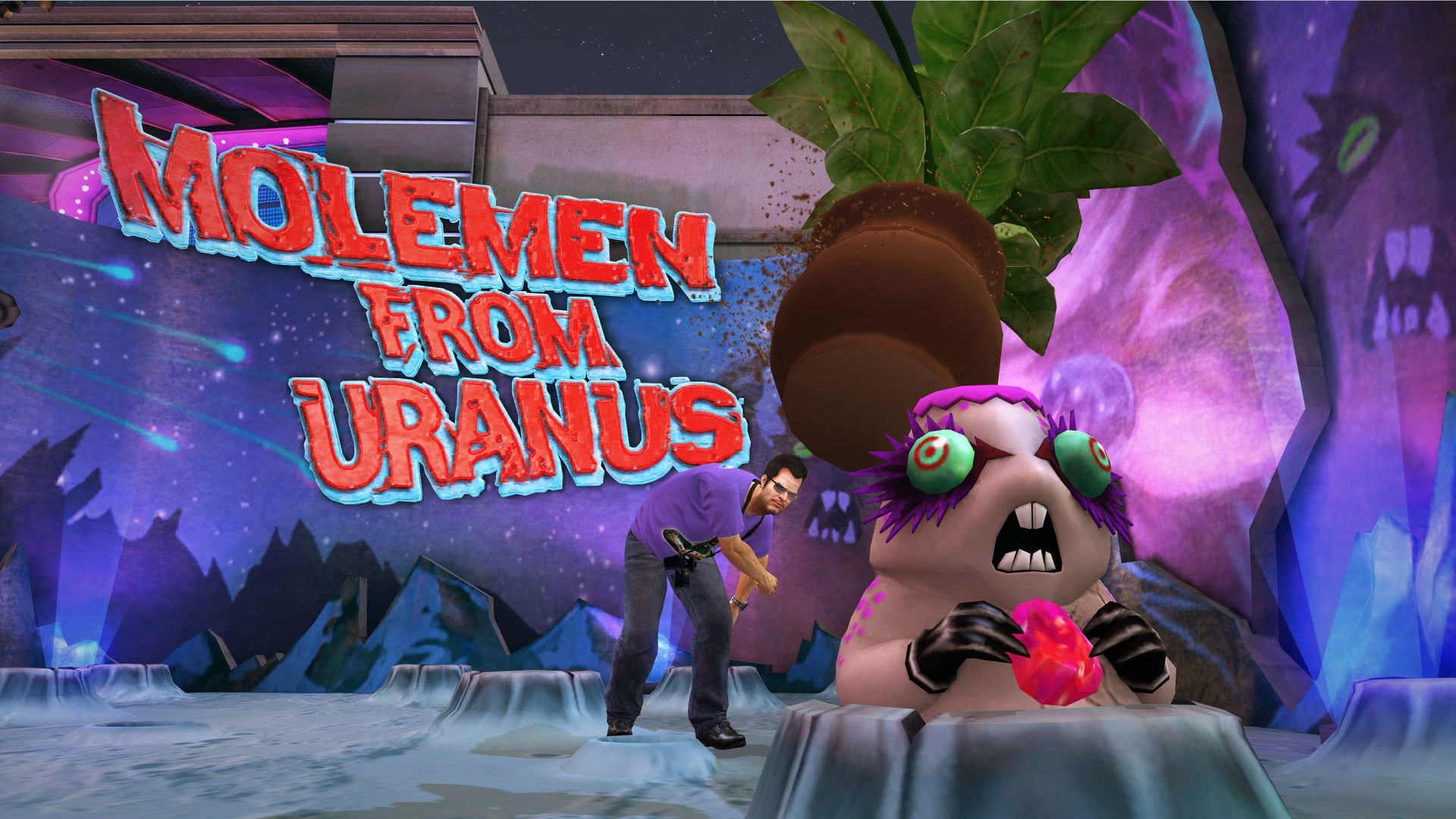
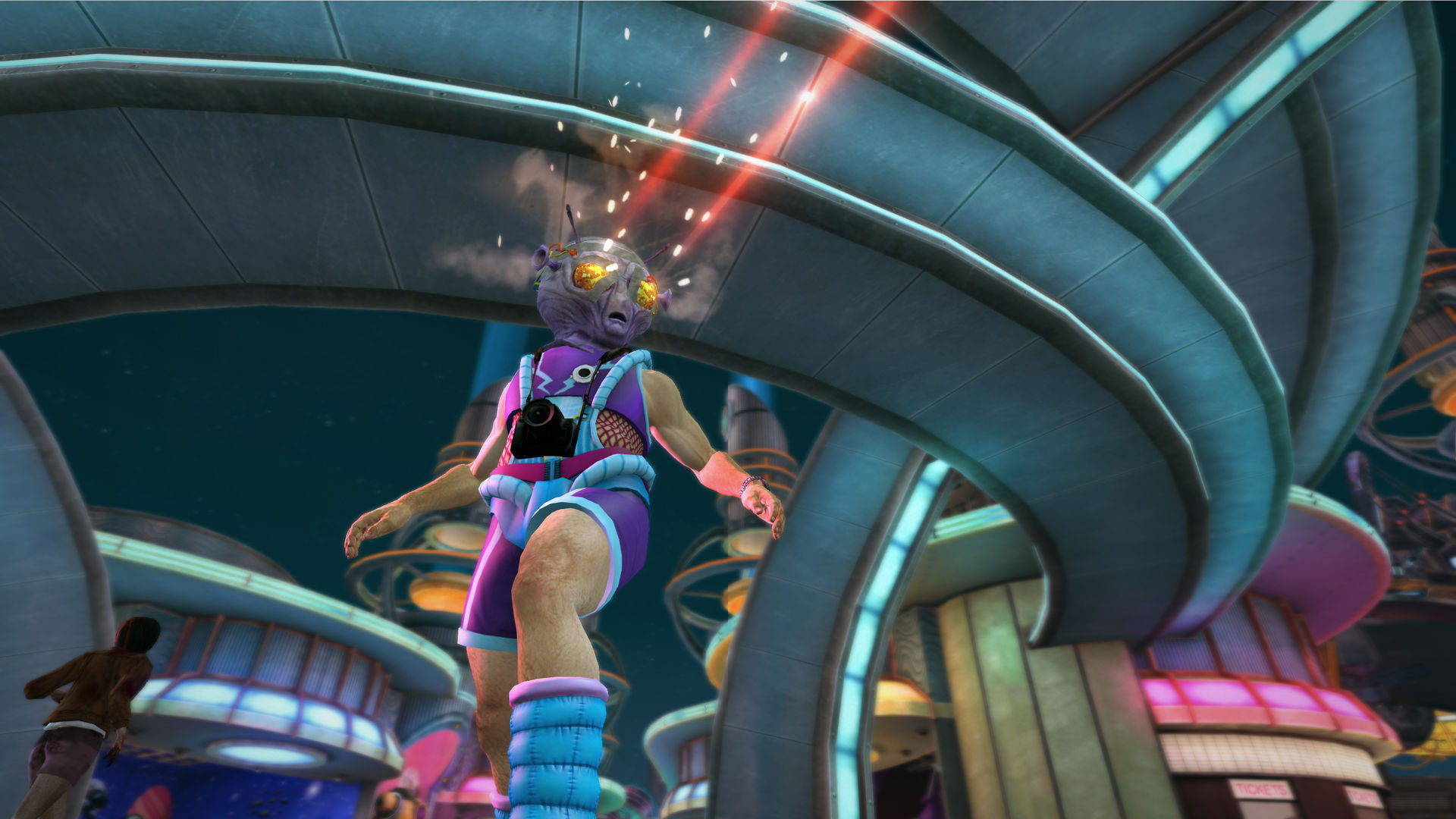
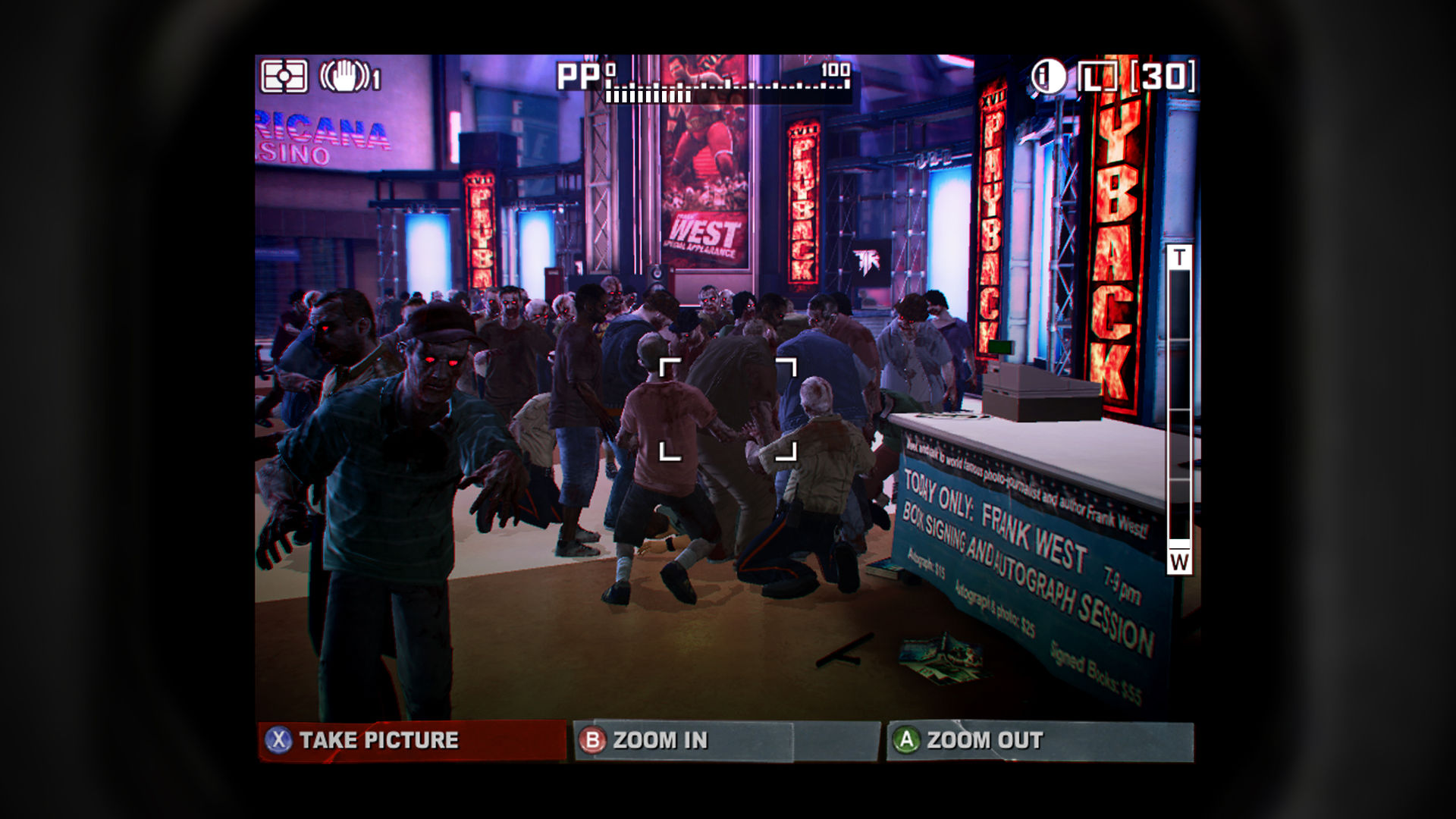
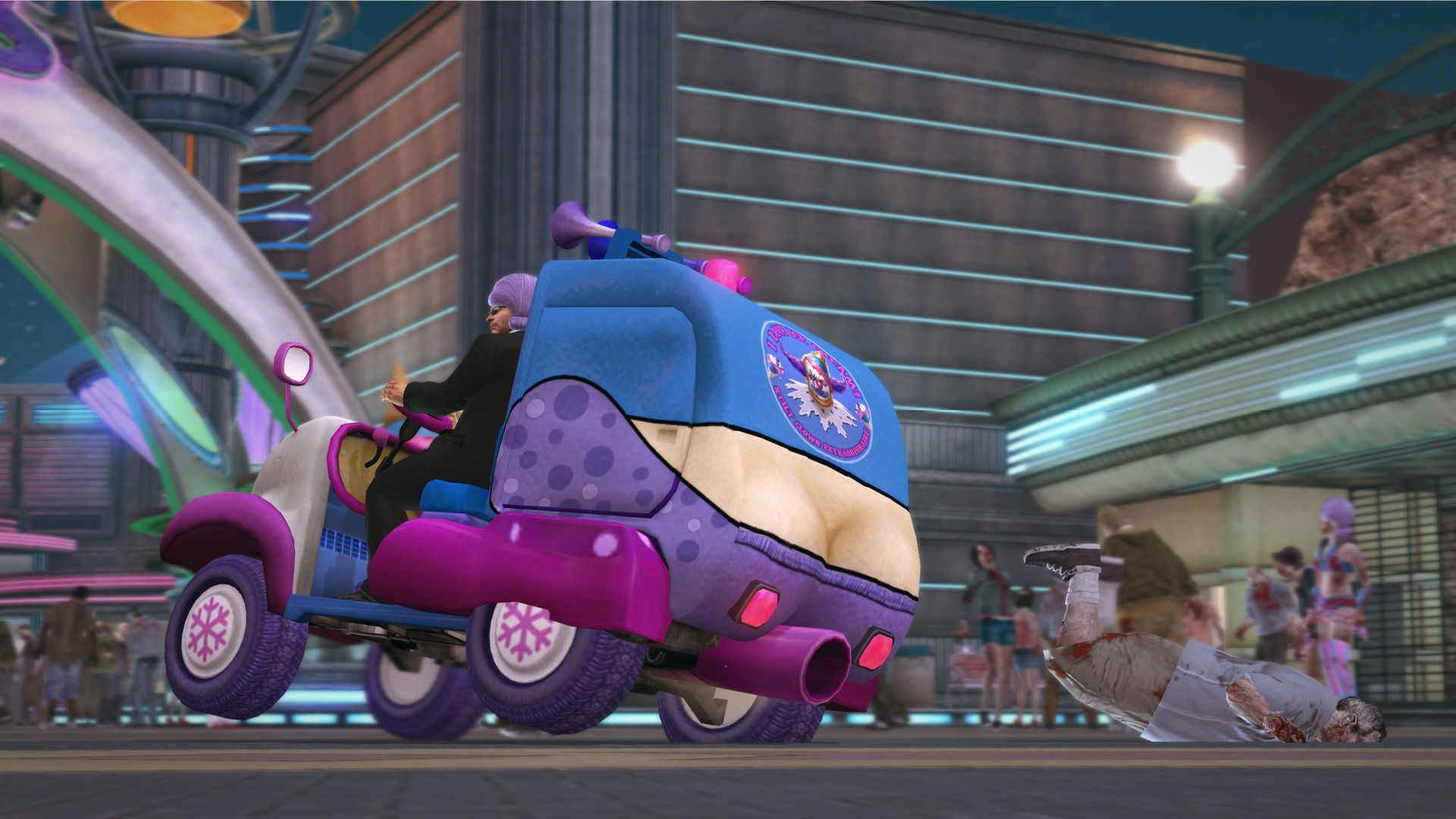
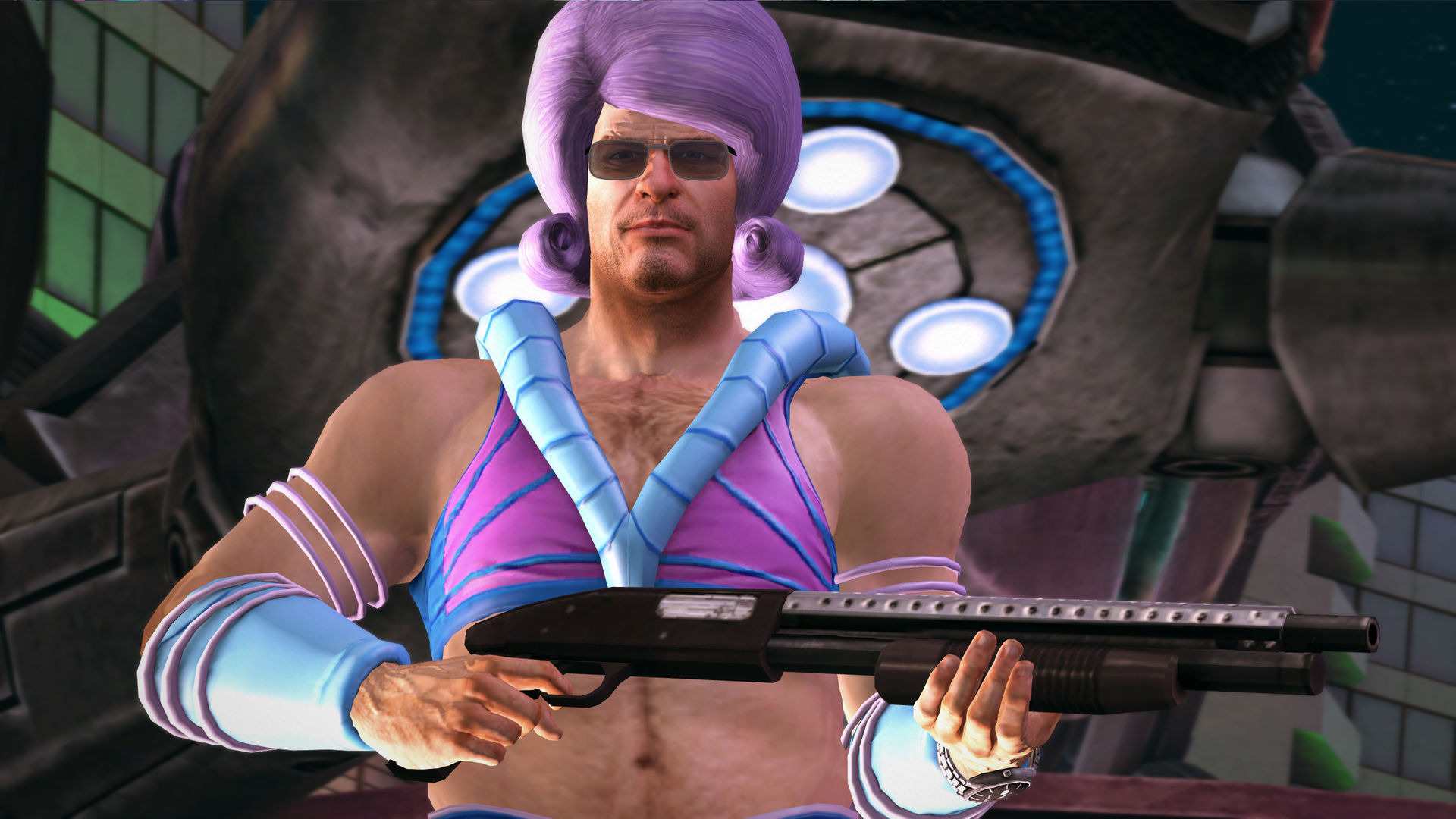
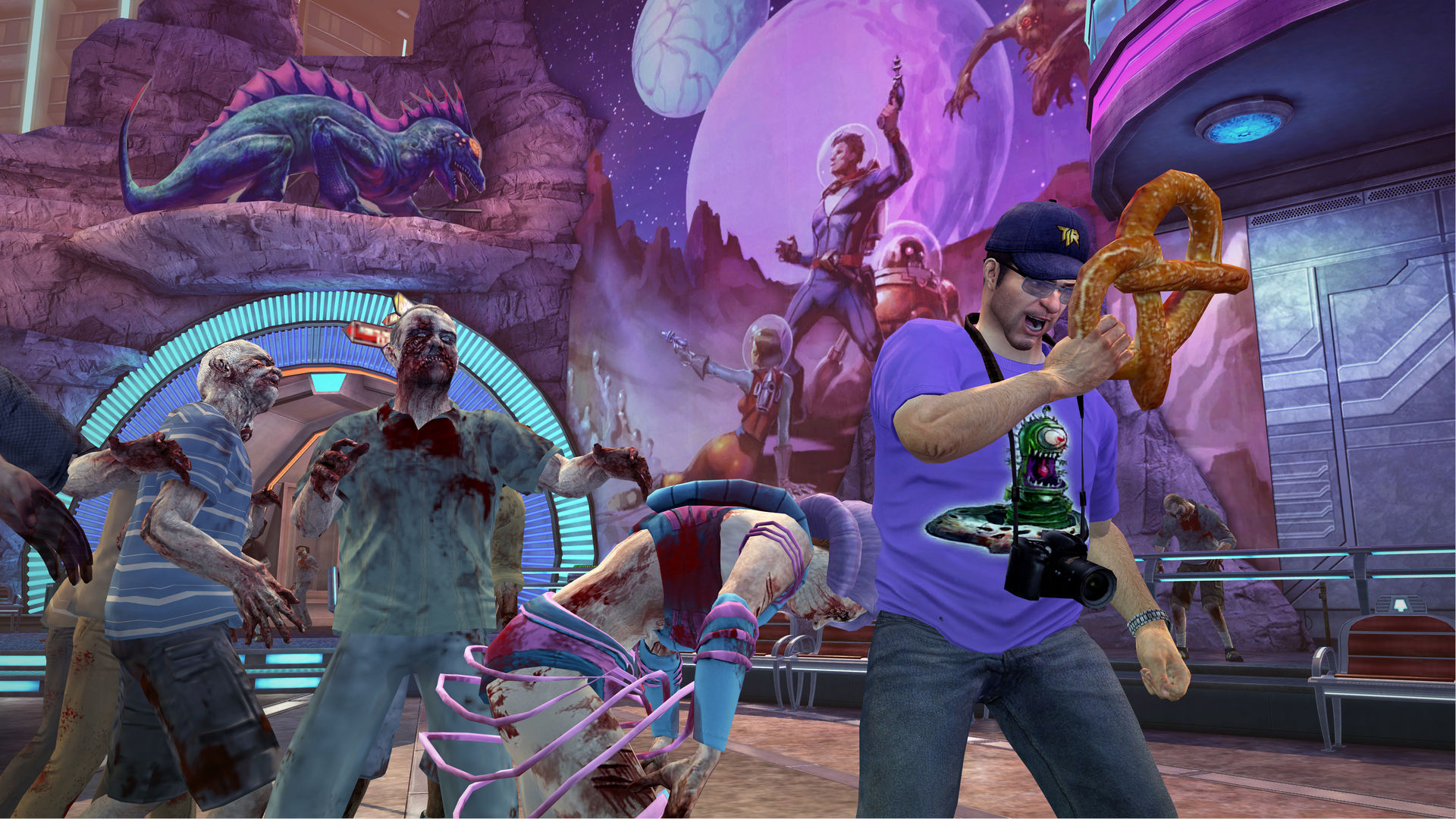
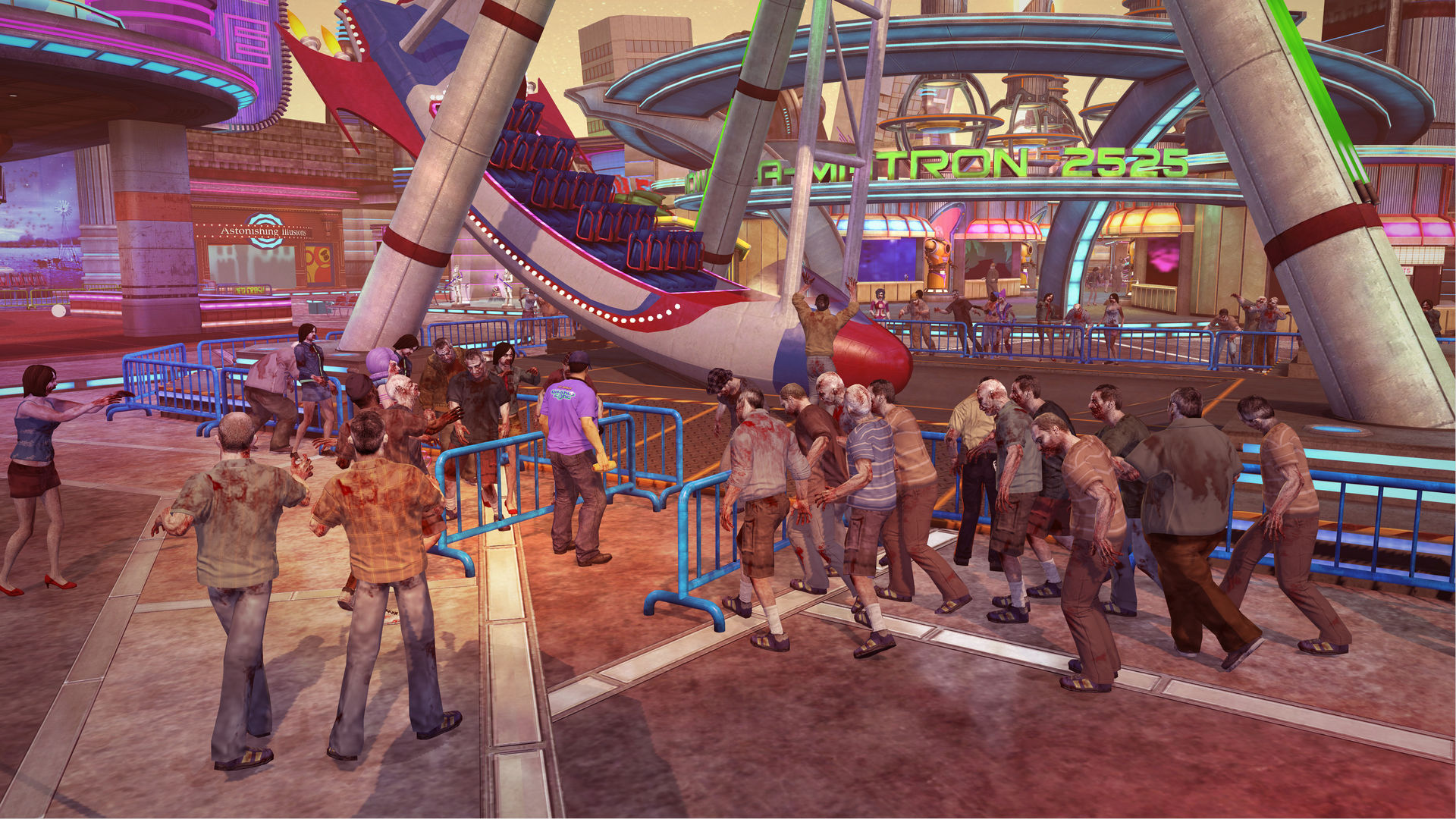
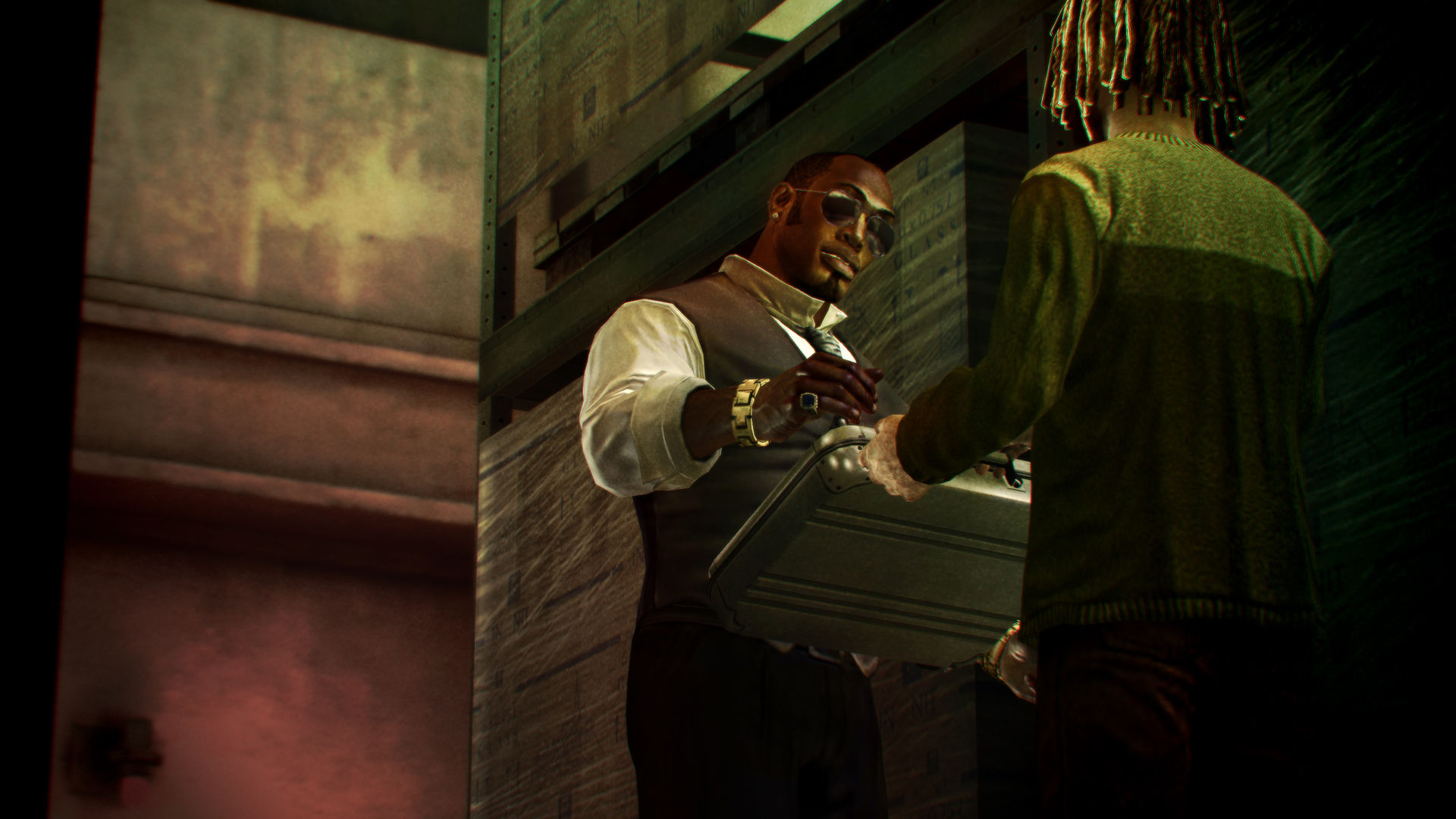
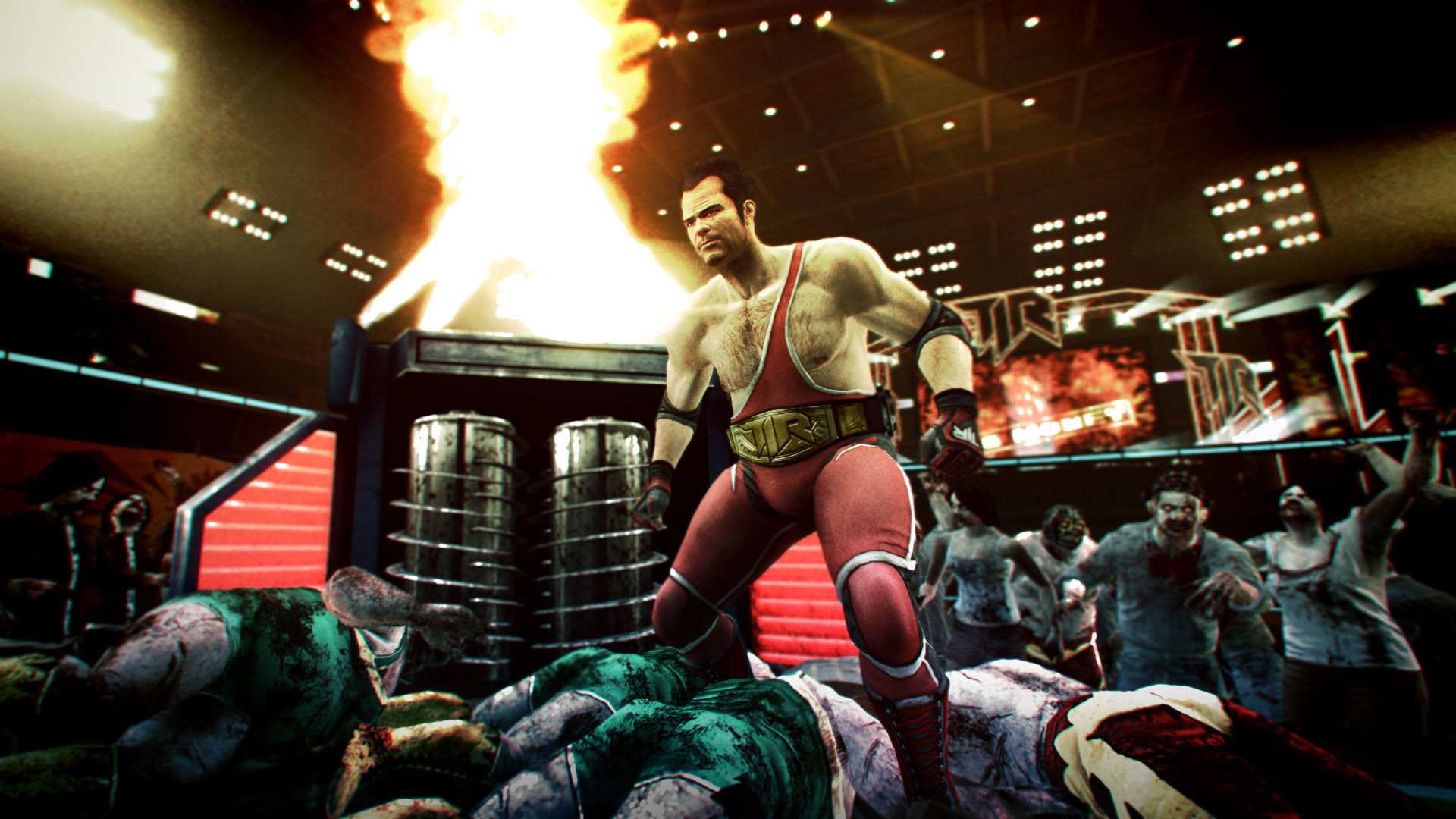
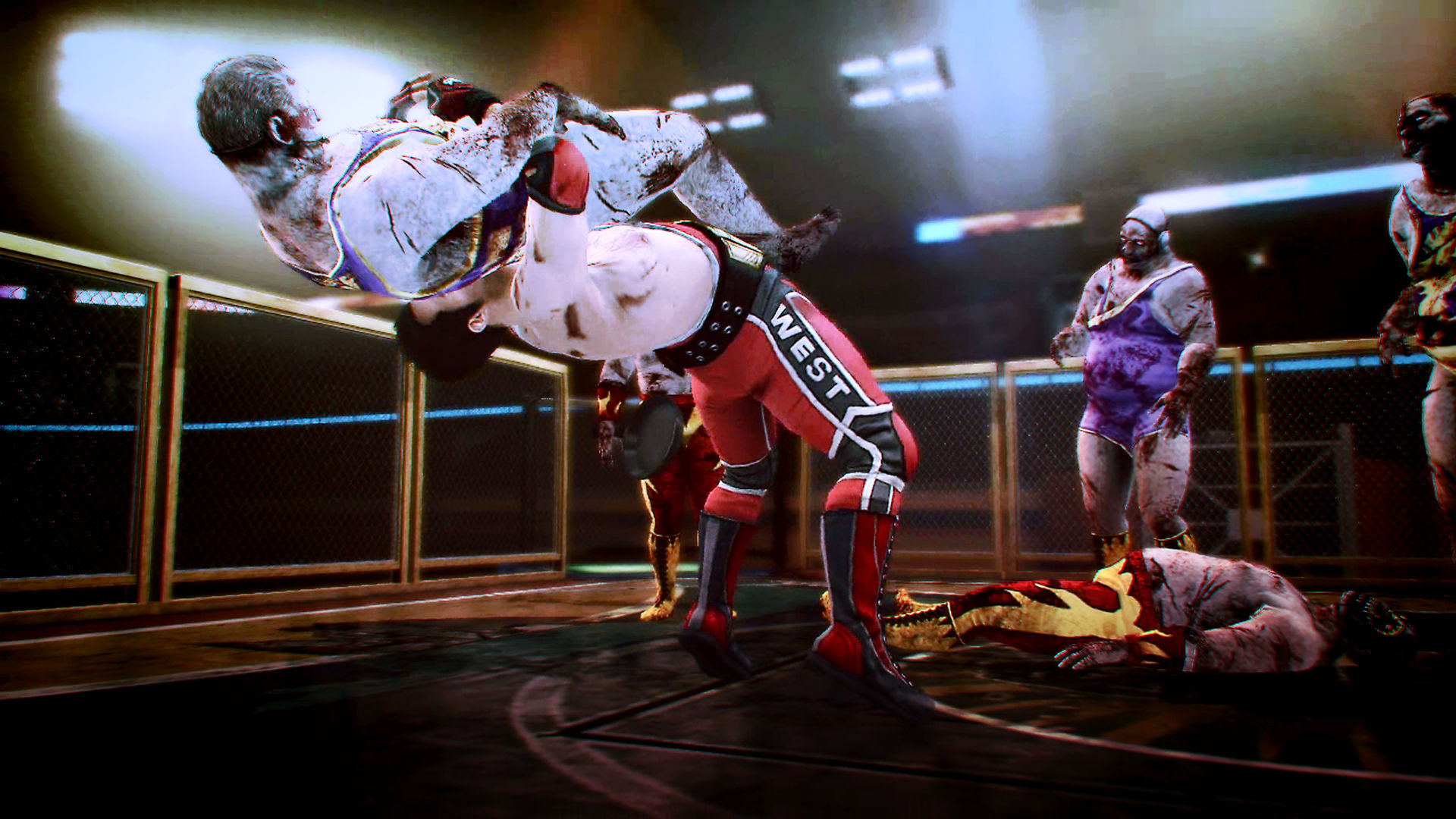
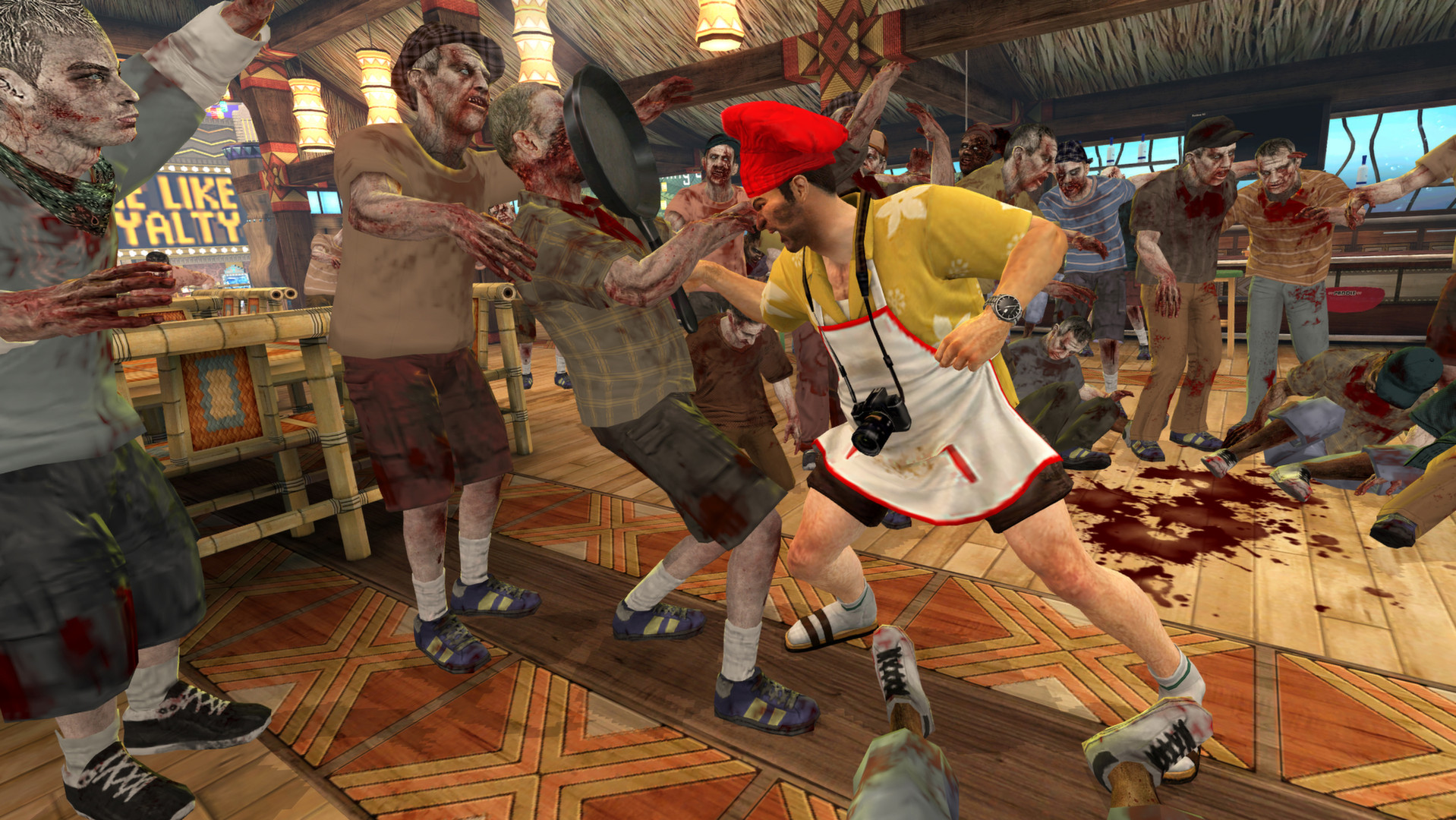
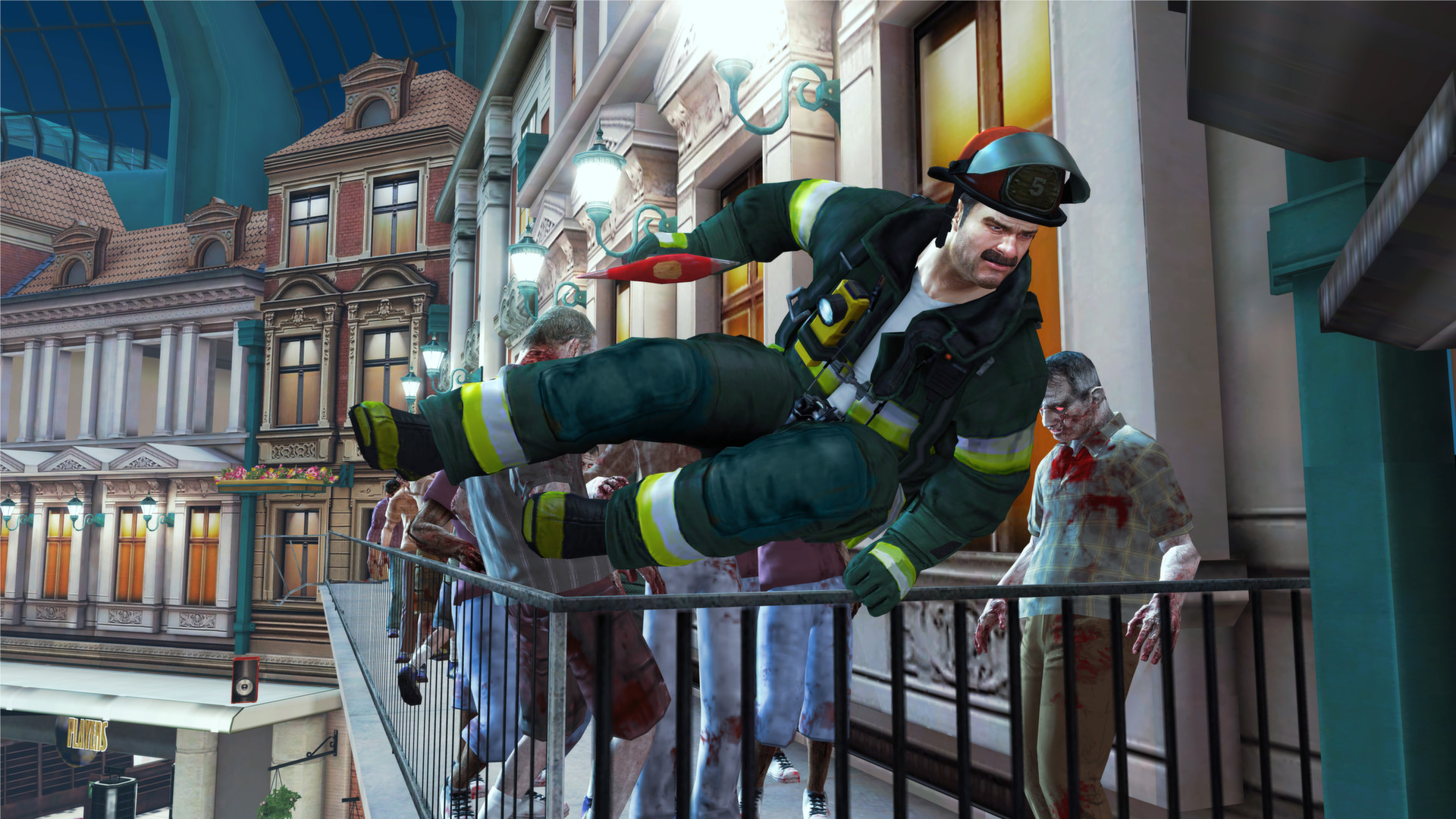
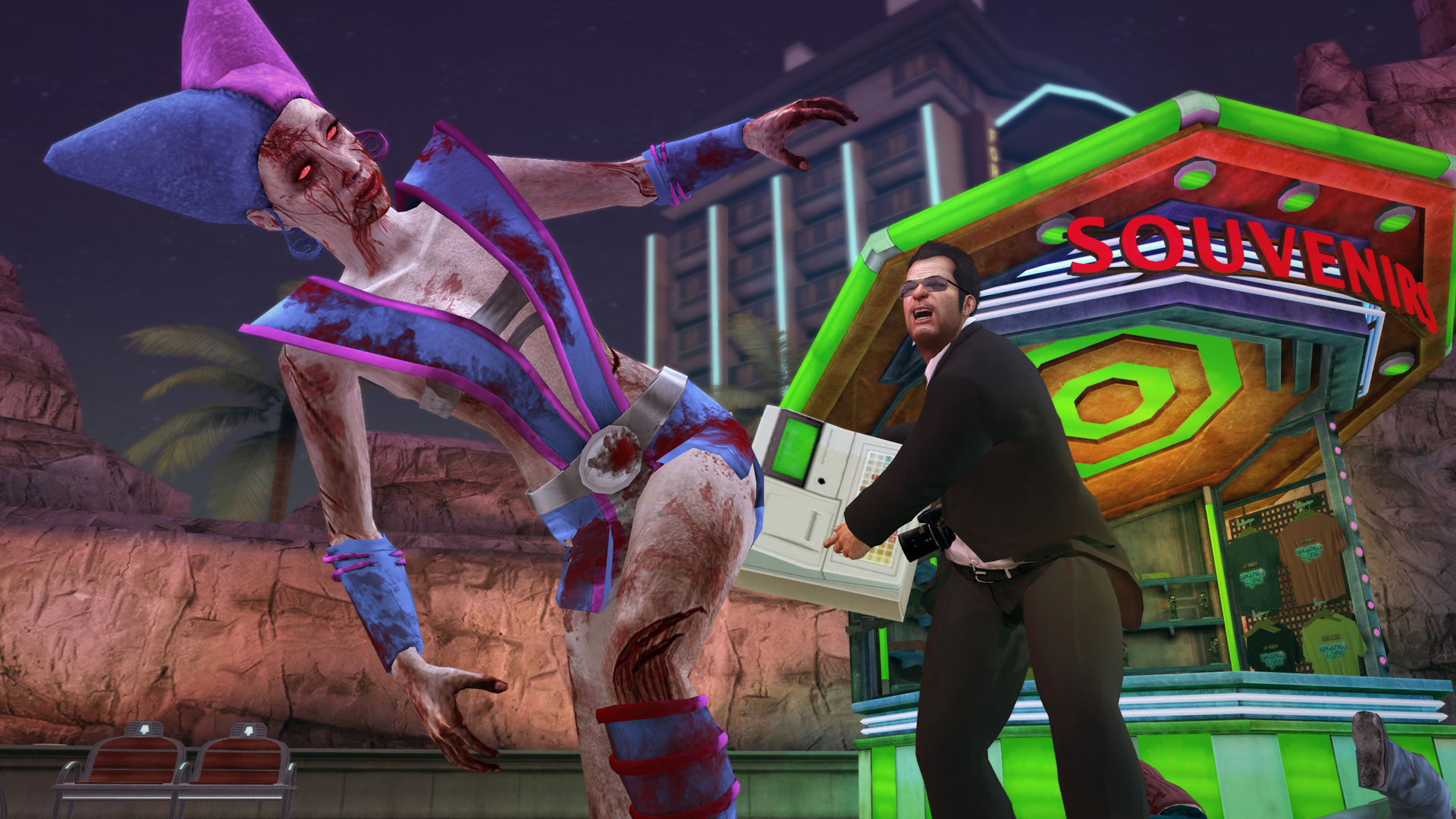
Get an in-depth look at Dead Rising 2: Off the Record through various videos and screenshots.
Load More






System requirements
These are the minimum specifications needed to play the game. For the best experience, we recommend that you verify them.
Windows
- OS *: Windows Vista®/XP, Windows 7
- Processor: Intel Core 2 Duo 2.4 Ghz or better, AMD Athlon X2 2.2 Ghz or better
- Memory: 2 GB RAM
- Graphics: NVIDIA® GeForce® 8800GTS or better, ATI Radeon™ HD 3850 or better
- DirectX®: DirectX® 9.0c or greater
- Hard Drive: 8.5 GB free hard drive space
- Sound: Standard audio device
Steam Price & Best Deals
User reviews & Ratings
Explore reviews from Steam users sharing their experiences and what they love about the game.
Overall: 7.5/10 Story: I have a lot of nostalgia for both this and the OG Dead Rising 2, but having revisited them all these years later, I really don't like the narrative in this one. I understand that this whole game is meant to be a "what if?" scenario that doesn't take itself too seriously, and I respect that they actually went out of their way to provide significant twists/changes to the plot so it's not literally just "Dead Rising 2, but you play as Frank instead." However, that doesn't negate the fact that the narrative here isn't very good overall. One of the biggest problems with OTR is that, despite being a retelling of DR2's story with an entirely different protagonist, it doesn't really do anything particularly interesting with that premise beyond using Frank West as an excuse to recontextualize familiar events and introduce a handful of new plot elements (like the camera.) The idea of putting Frank in Fortune City is genuinely interesting on paper, especially considering his history from the events of DR1, his experience as a photojournalist, and what his life might look like years after becoming famous for exposing the truth behind a massive zombie outbreak. Unfortunately, the game doesn't do nearly enough with any of these ideas to justify replacing Chuck with him, and the result is a narrative that feels significantly less focused/compelling and considerably more cheesy than the original. A major part of what made DR2's story work for me was Chuck's personal motivation. Regardless of how ridiculous the overall plot gets, everything is grounded in his relationship with Katey and his desperation to keep her alive. His need to obtain Zombrex gives him a tangible, immediate objective that persists throughout the entire game, while the accusations against him and the conspiracy surrounding the outbreak gradually introduce additional complications that tie into his circumstances. There's a clear emotional throughline connecting the major events of the story, and even when the game veers into the usual Dead Rising absurdity, there is still a reason to care about what happens to Chuck beyond simply wanting to see what happens next. OTR loses a significant part of that foundation by removing Katey and the relationship that gave Chuck's story its emotional weight. Frank's motivations are way less interesting/motivating in comparison and largely revolve around his desire to reclaim his fame and get back into the spotlight after becoming a washed-up celebrity. I don't necessarily have a problem with that premise in itself, but it feels like a massive downgrade when the OG plot had a protagonist whose personal circumstances were so closely intertwined with the central conflict. Frank's motivations are primarily self-serving, and the narrative never really develops them into anything particularly meaningful. His desperation to regain his fame is mostly played for comedy as bad one-liners, and while that fits the more lighthearted tone of this game, it also means there is very little emotional substance beneath the surface. Gameplay: First things first, just like the base game, I couldn't get ANY wireless controller to function 100% correctly, no matter what I tried. However, I can confirm that using a WIRED Xbox 360 controller works perfectly and displays correct button prompts, so I'd recommend using it if you have one. Now, this might be a hot take, but I think the gameplay is significantly worse overall in OTR than DR2. The core gameplay is identical and obviously the new combo weapons are very fun and welcomed additions, but that's really it for me. For starters, the whole "zombie jumpscare" mechanic behind doors is ALWAYS obnoxious, but that pales in comparison the more significant gameplay changes. Most of which are a byproduct of the checkpoint system. I'm not really a big fan of the checkpoint system in this game in the first place because I think being conscious about your saves/time management is a core staple of the DR series, but what turns it from being minor gripe to a huge issue is the other technical decision made by the devs to "balance" things. I guess they didn't want their legendary checkpoint system to trivialize the gameplay (which is admittedly understandable) but the way they chose to balance things was by dramatically increasing zombie's view range, grab range, grab success rate, and damage to survivors when grabbed. That sounds like a fair trade-off on paper, but in practice what it really results in is zombies from across the mall seeing you and intercepting your path, getting snagged by zombies you thought you were out of range of, and survivors getting grabbed then losing half of their health or straight up dying before you can make it back to save them. My gripe with all this is that the zombies go from feeling like environmental obstacles in DR2 to more like AI obstacles in OTR, and I think it's pretty bad trade-off in a series that has never been well-known for its top-tier AI. Instead of simply navigating around hordes, you're constantly dealing with zombies that aggressively track you down, interrupt your movement, and grab you from distances that feel completely unreasonable. It makes the gameplay feel like it's less about managing crowds and more about fighting against the game's own janky mechanics even when you're carefully navigating. It usually gets to the point where I end up spending the entire story wearing the ninja outfit just so the zombie AI will chill out. Those are my biggest complaints, but I don't hate every addition made. I already mentioned the new combo weapons, but I also like that Frank has a different unarmed moveset than Chuck and that it's full of cool attacks, and while I don't love the camera mechanic due to it's lack of depth, I still think it's a nice lore-friendly addition for gaining PP as Frank. World: The map is still Fortune City, with the addition of the Uranus Zone, but the problem is U.Z. isn't as nearly as significant of an area as the promo-art or store-page screenshots would have you believe. It was clearly designed as a major selling point for some reason, but neither the story nor gameplay build enough actual content around it. Despite the very distinctive identity, most of the missions still revolve around the same locations as DR2 besides a few survivor spawns, and of course the final boss fight with Stacey. It has a lot of personality and I won't deny that using the rides to kill zombies is a fun gimmick for a few minutes when messing around in sandbox, but there's just not enough content, depth, or substance to justify it being such a promoted aspect of the game. Visuals: If you're planning on playing this game soon after the OG DR2, then graphically you already know what to expect. It's the same game engine with some minor improvements to crowd density, but it isn't a graphical advancement by any means. The main visual differences come from Frank replacing Chuck, the new environments, and the additional content, not from new rendering technology. So, are the graphics cutting-edge or impressive? No, of course not. It doesn't even have true ultrawide support and 120fps can look choppy in cutscenes. However, given that this was a PS3/360 game which released in 2011, It still looks good for it's age, and you'll probably get used to any graphical discrepancies pretty quickly. Music/Sound Design: My biggest criticism of the audio in DR2 was how inconsistent the sound quality could be, and unfortunately, that's still a problem here. While the audio sounds fine and clear during gameplay, cutscenes can randomly sound flat, compressed, or noticeably muffled, sometimes even within the same scene. It doesn't happen as much as in the base game, but there's certainly still moments of randomly muffled audio. Aside from that, the sound design is solid enough for 2011 though.
Advice for running game in second paragraph. Good game but a lot, lot of jank even by 2012 standards. There is controller support... for wired xbox 360 controllers only, no xbone or series X without modification. Get the fan made Off The Record Patch by LazyDuchess on github or Nexus. This enables controller support for any X input device, improves general stability, gives windowed and borderless options, cutscenes now run above 30 fps, fixes various bugs and FPS dependent behavior, and changes some settings that improves synch issues in co op and extends the timeout timer for less dropped connections, and more. The patch is 100% necessary in my opinion.
9.9/10 really good gameplay pretty fun for its time and the npc's aren't that bad at following me to the safe zone, its got decent difficulty without being impossible while still keeping a goofy feel which i don't really think is bad given its goofy scripting shown throughout the game so far but the map is too crowded by the crafting bench icons and the game isn't very clear on where to find the moves list and it doesn't have any place to check the countdown (thats probably on me cause of the watch but still)
Similar games
View all
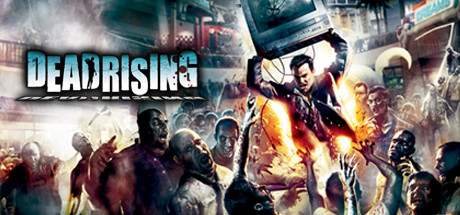
DEAD RISING
You are Frank West. A hard-edged photojournalist hellbent on investigating the mystery at Willamette Mall. It's swarming with zombies. You have 72 hours. Chop 'till you drop!
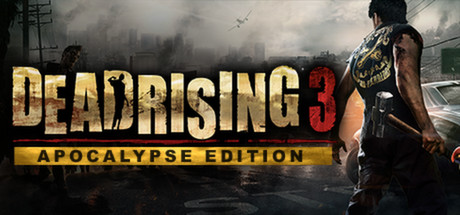
Dead Rising 3 Apocalypse Edition
Explore the zombie-infested city of Los Perdidos, and find a way to escape before a military strike wipes the entire city, and everyone in it, off the map.
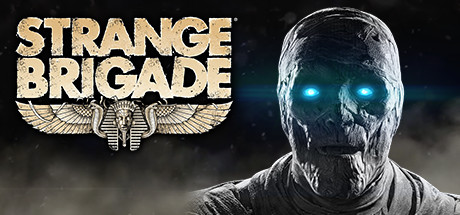
Strange Brigade
Embark on an exotic journey into danger in this rip-roaring 1930s third person adventure for 1-4 players! Encounter pulse-pounding action, treacherous traps and tales of derring-do!
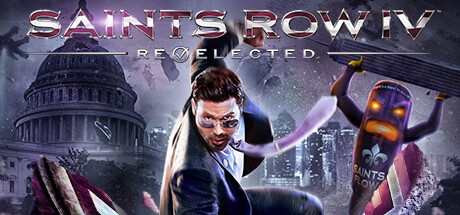
Saints Row IV: Re-Elected
Experience the insane antics of Saints Row IV. The Saints have gone from the Penthouse to the White House - but Earth has been invaded and it’s up to you to save it with an arsenal of superpowers and strange weapons, in the wildest open world game ever.
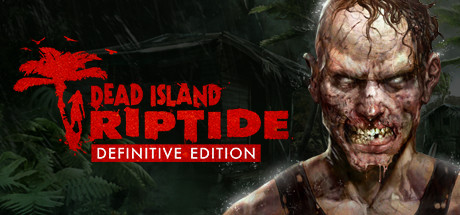
Dead Island: Riptide Definitive Edition
Welcome to the zombie apocalypse experience of a lifetime – more beautiful than ever. Caught in an epic zombie outbreak on the tropical island of Banoi, your only thought is: Survive!

Bully: Scholarship Edition
Bully tells the story of mischievous 15-year-old Jimmy Hopkins as he goes through the hilarity and awkwardness of adolescence. Beat the jocks at dodge ball, play pranks on the preppies, save the nerds, kiss the girl and navigate the social hierarchy in the worst school around.
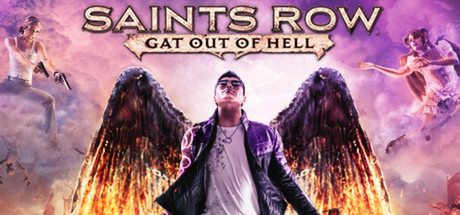
Saints Row: Gat out of Hell
Join Johnny Gat & Kinzie Kensington as you tear apart Hell in a quest to save the Boss’ soul. Historical icons, old friends, older enemies, a talking gun, a full length musical number & a whole lot more shenanigans await!
Saints Row: The Third
Get ready for the most out-landish gameplay scenarios ever seen as the Third Street Saints take on the Syndicate!
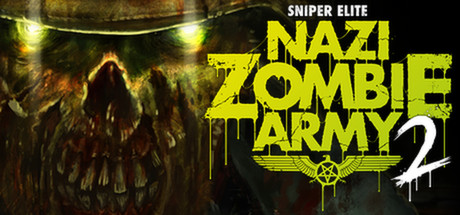
Sniper Elite: Nazi Zombie Army 2
** Please note: a remastered and improved edition of this game is now available in Zombie Army Trilogy.**Experience a terrifyingly intense co-op campaign for up to four players in this gut-wrenching sequel to Steam best-seller, Sniper Elite: Nazi Zombie Army.
Resident Evil 5
This game is a port of the Games for Windows - Live version that was released in 2009. If you buy the Untold Stories Bundle here on Steam, it will be the same as upgrading to Resident Evil 5 Gold Edition.
Dead Island Definitive Edition
Welcome to the zombie apocalypse experience of a lifetime – and now more beautiful than ever. Caught in the midst of an epic zombie outbreak on the tropical island of Banoi, your only thought is: Survive!
Frequently Asked Questions
Dead Rising 2: Off the Record is currently priced at 4.99€ on Steam.
Yes, Dead Rising 2: Off the Record is currently available at a 75% discount. You can purchase it for 4.99€ on Steam.
Yes, Dead Rising 2: Off the Record received 3,024 positive votes out of a total of 3,908 achieving a rating of 7.51.
😊
Dead Rising 2: Off the Record was developed by Capcom Vancouver and published by Capcom.
Yes, Dead Rising 2: Off the Record is playable and fully supported on Windows.
No, Dead Rising 2: Off the Record is not playable on MacOS.
No, Dead Rising 2: Off the Record is not playable on Linux.
Yes, Dead Rising 2: Off the Record is playable and fully supported on Steam Deck.
Yes, Dead Rising 2: Off the Record is playable and fully supported on Steam Machine.
No, Dead Rising 2: Off the Record does not support VR.
Dead Rising 2: Off the Record offers both single-player and multi-player modes.
Dead Rising 2: Off the Record includes Co-op mode where you can team up with friends.
Yes, there are 4 DLCs available for Dead Rising 2: Off the Record. Explore additional content available for Dead Rising 2: Off the Record on Steam.
No, Dead Rising 2: Off the Record does not support mods via Steam Workshop.
No, Dead Rising 2: Off the Record does not support Steam Remote Play.
Yes, Dead Rising 2: Off the Record is enabled for Steam Family Sharing. This means you can share the game with authorized users from your Steam Library, allowing them to play it on their own accounts. For more details on how the feature works, you can read the original Steam Family Sharing announcement or visit the Steam Family Sharing user guide and FAQ page.
You can find solutions or submit a support ticket by visiting the Steam Support page for Dead Rising 2: Off the Record.
Data sources
The information presented on this page is sourced from reliable APIs to ensure accuracy and relevance. We utilize the Steam API to gather data on game details, including titles, descriptions, prices, and user reviews. This allows us to provide you with the most up-to-date information directly from the Steam platform.
Additionally, we incorporate data from the SteamSpy API, which offers insights into game sales and player statistics. This helps us present a comprehensive view of each game's popularity and performance within the gaming community.
Last Updates| Steam data | 19 September 2026 17:27 UTC |
|---|---|
| SteamSpy data | 14 October 2026 13:13 UTC |
| Steam price | 27 October 2026 04:04 UTC |
| Steam reviews | 21 October 2026 18:07 UTC |
If you'd like to dive deeper into the details about Dead Rising 2: Off the Record, we invite you to check out a few dedicated websites that offer extensive information and insights. These platforms provide valuable data, analysis, and user-generated reports to enhance your understanding of the game and its performance.
- SteamDB - A comprehensive database of everything on Steam about Dead Rising 2: Off the Record
- SteamCharts - Analysis of Dead Rising 2: Off the Record concurrent players on Steam
- ProtonDB - Crowdsourced reports on Linux and Steam Deck Dead Rising 2: Off the Record compatibility


Game modes
Multiplayer
Features
Online players
27
Developer
Capcom Vancouver
Publisher
Capcom
Release
11 Oct 2011
Platforms
Clicking and buying through these links helps us earn a commission to maintain our services.