
Dead Space
The sci-fi survival-horror classic returns, completely rebuilt to offer an even more immersive experience — including visual, audio, and gameplay improvements — while staying faithful to the original game’s thrilling vision.
Sync your Steam wishlist to find the lowest game prices instantly. No login required, just paste your Steam profile URL!
⚡ Try Wishlist Radar!
Sync your Steam wishlist to find the lowest game prices instantly. No login required!
⚡ Try Wishlist Radar!
Close

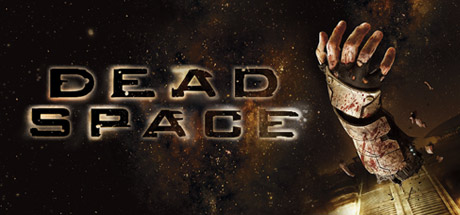
Dead Space (2008) on Steam
Quick menu
You are Isaac Clarke, an engineer on the spacecraft USG Ishimura. You're not a warrior. You're not a soldier. You are, however, the last line of defense for the remaining living crew.
Dead Space (2008) is a horror, sci-fi and action game
developed by EA Redwood Shores
and published by Electronic Arts.
Released on January 09th 2009 is available on Windows, Steam Deck and Steam Machine.
It has received 27,660 reviews of which 25,388 were positive and 2,272 were negative resulting in a rating of 9.0 out of 10. 😎
The game is currently priced at 19.99€ on Steam.
The Steam community has classified Dead Space (2008) into these genres:
Media & Screenshots
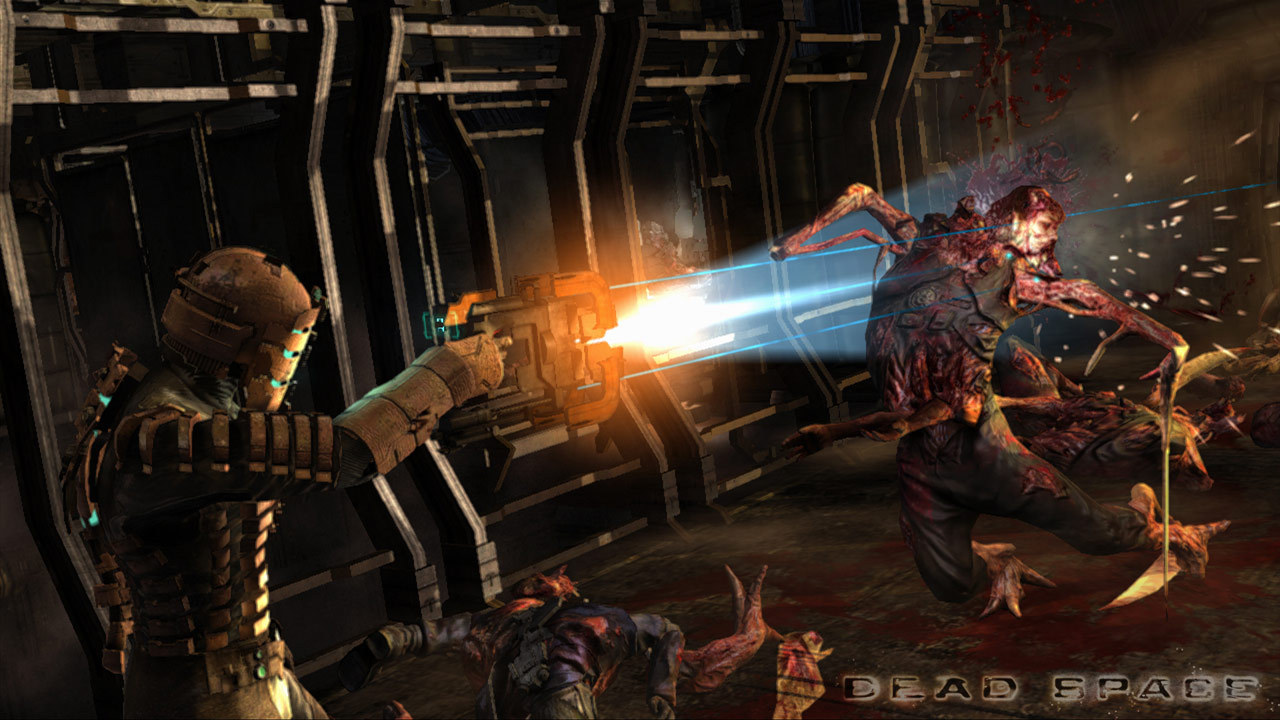
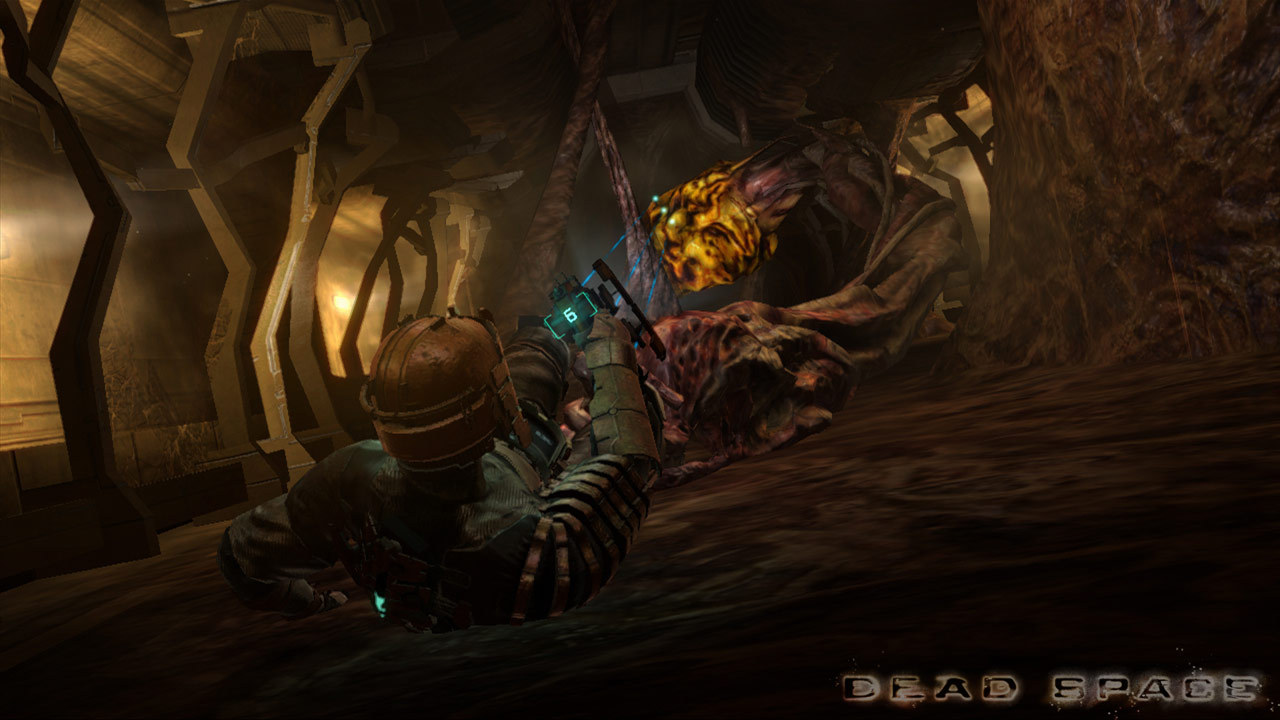
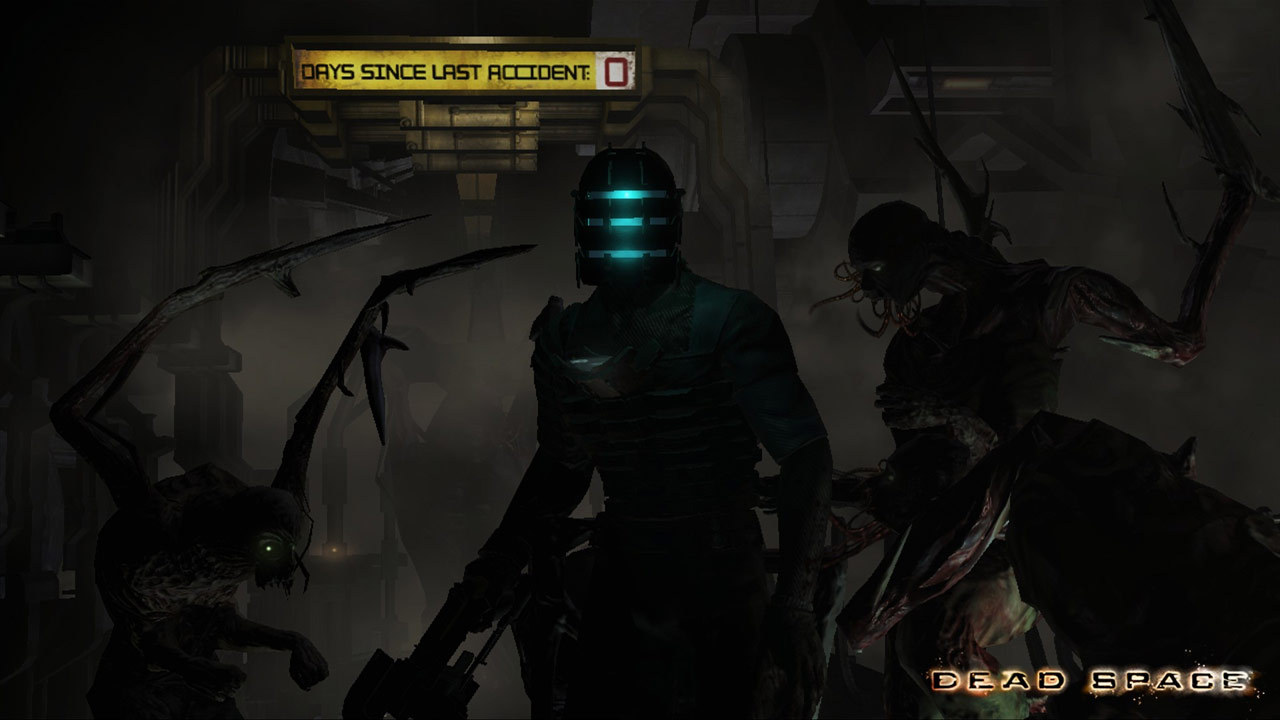
Get an in-depth look at Dead Space (2008) through various videos and screenshots.
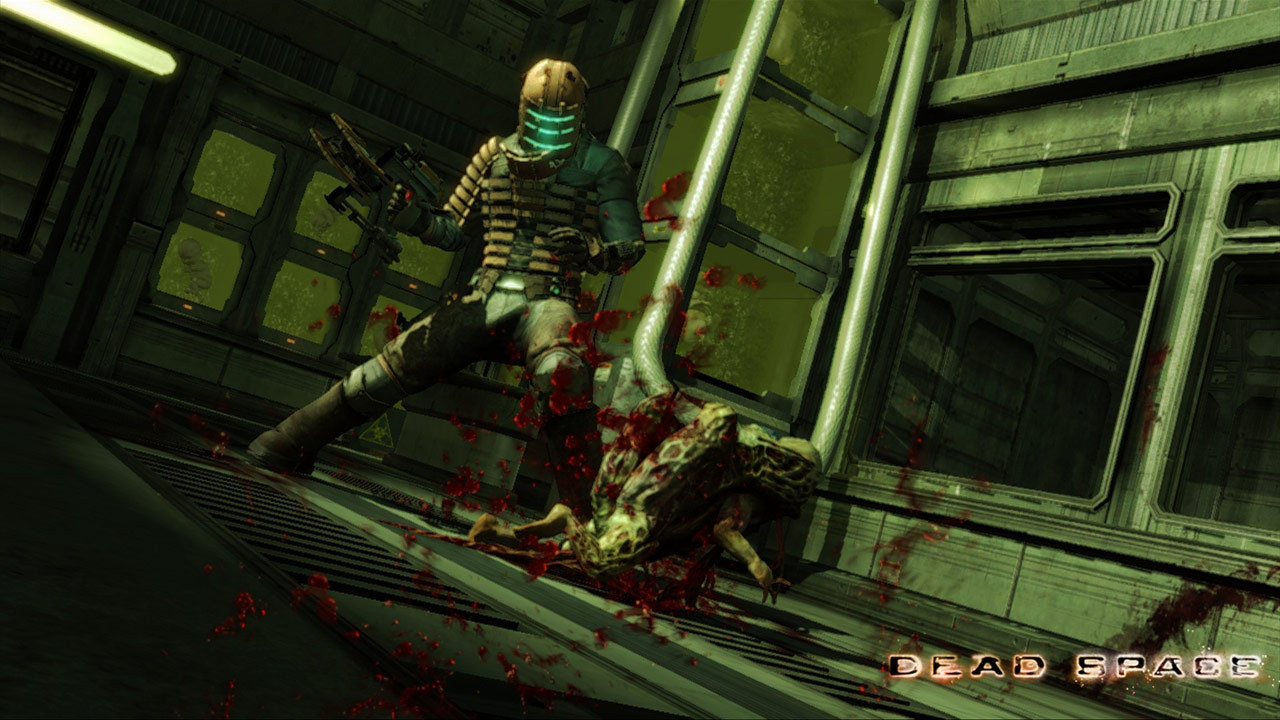
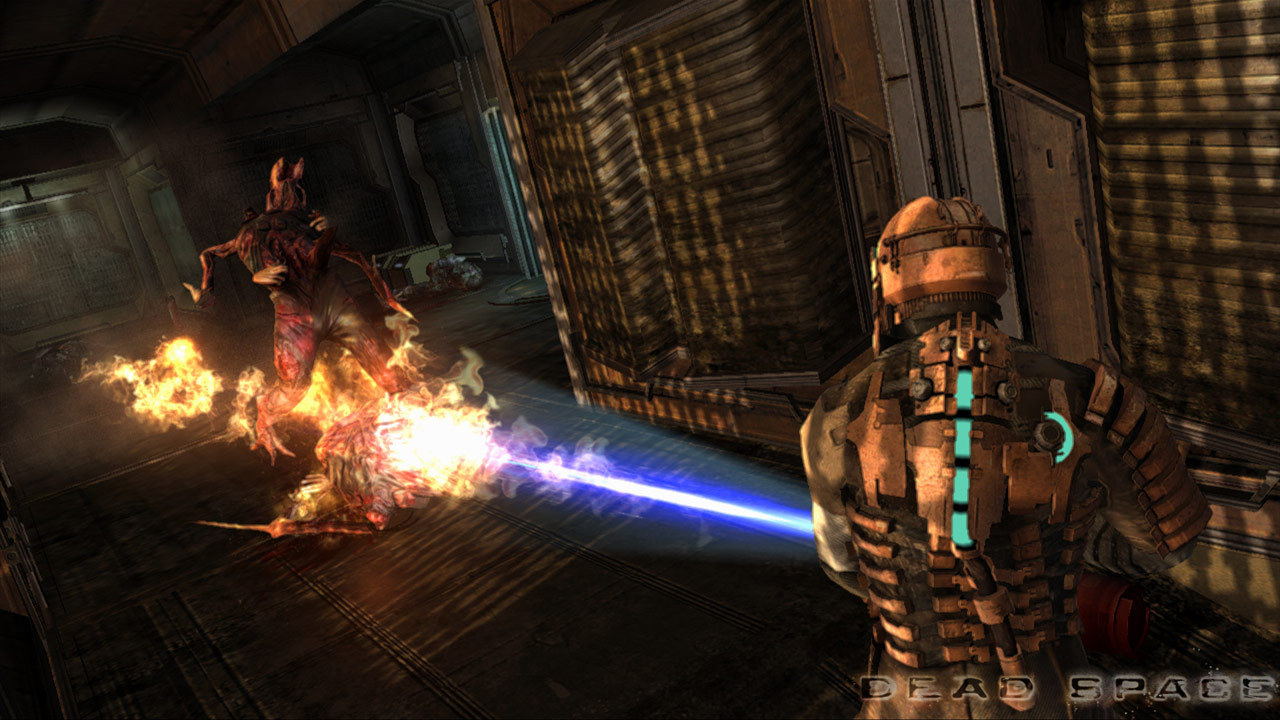
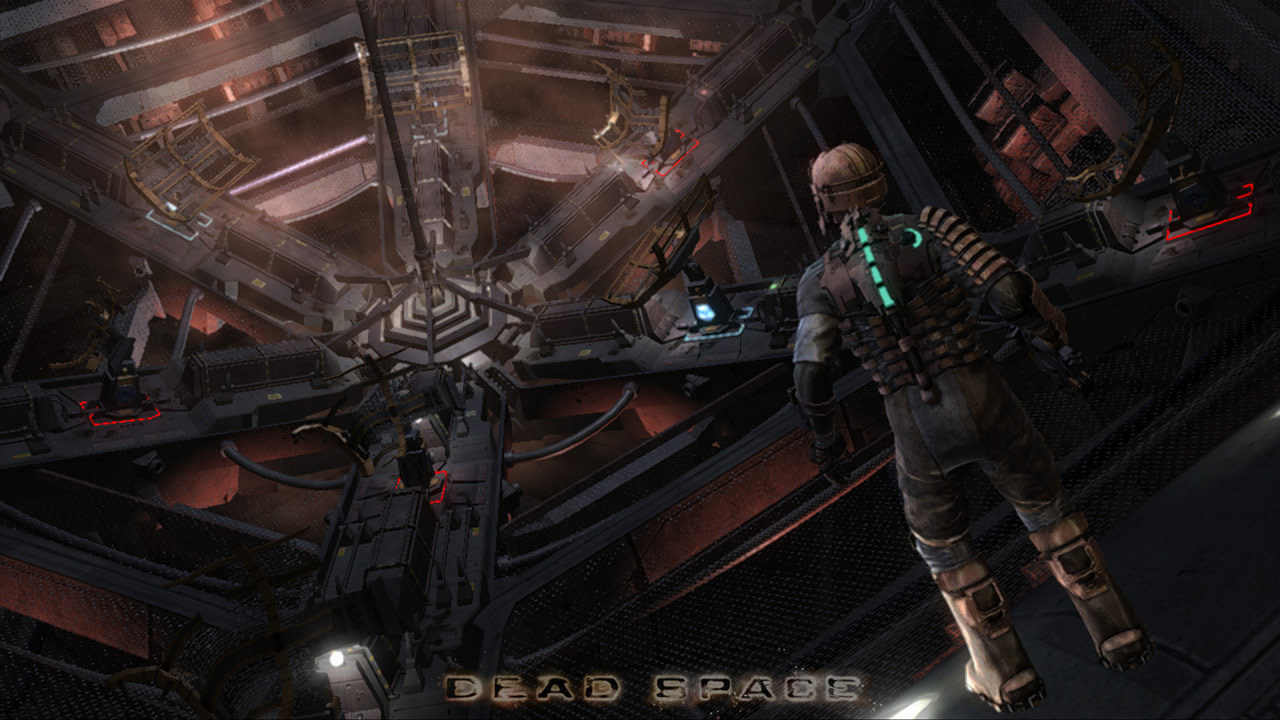

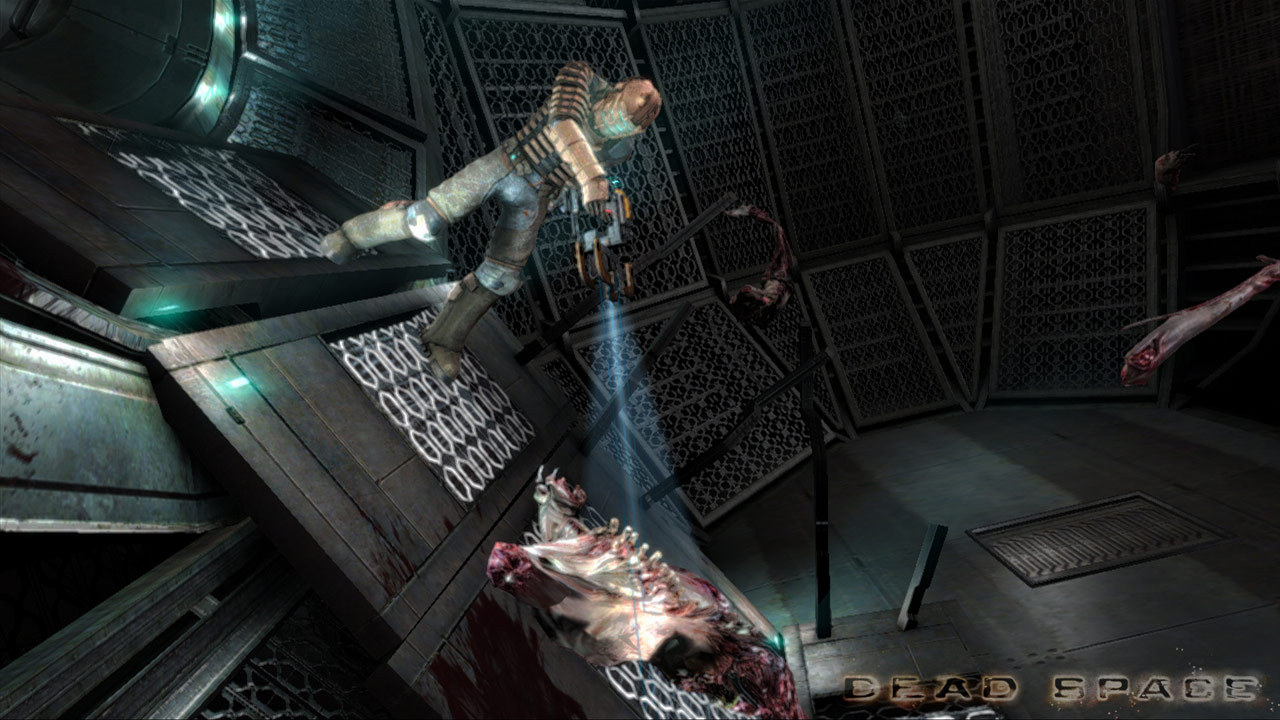
Load More
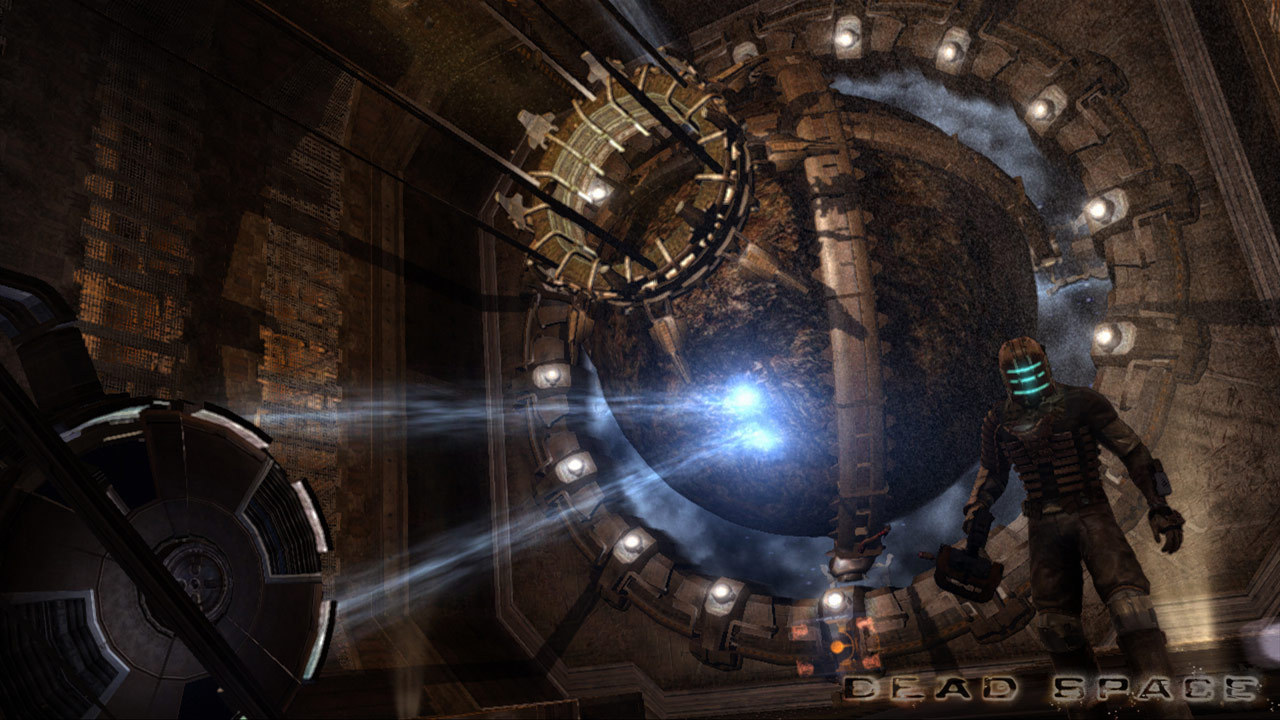
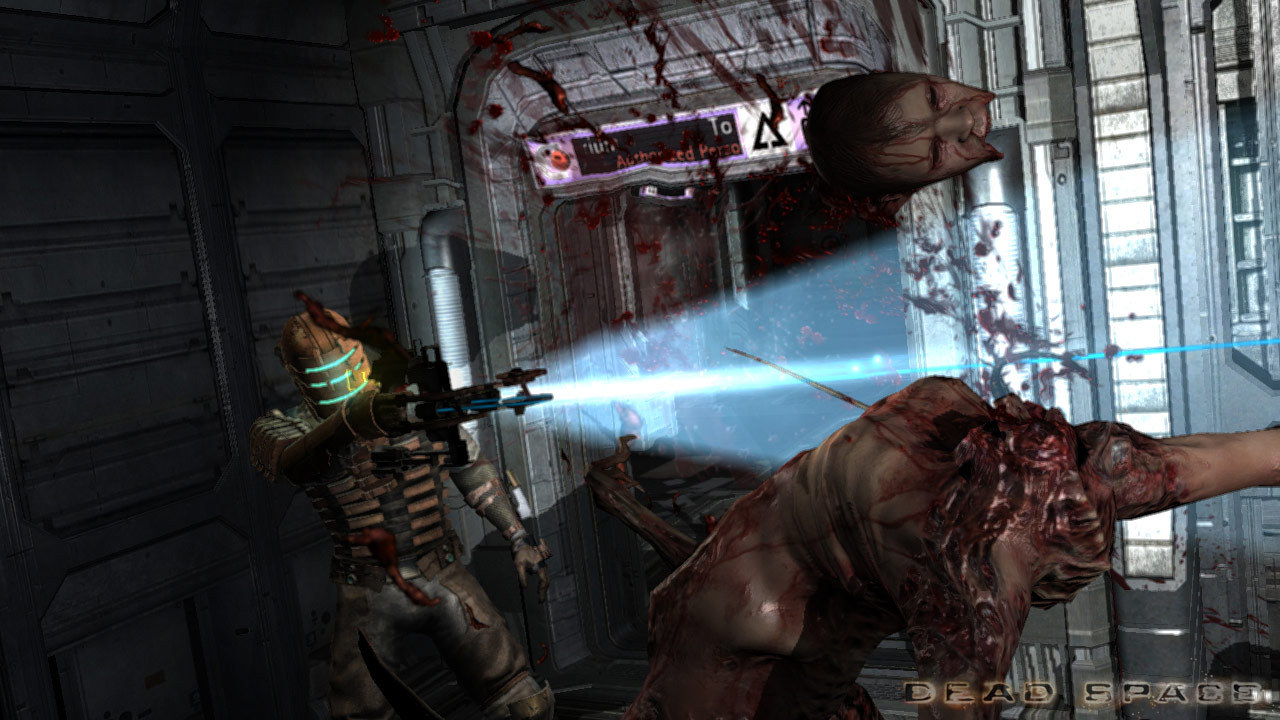
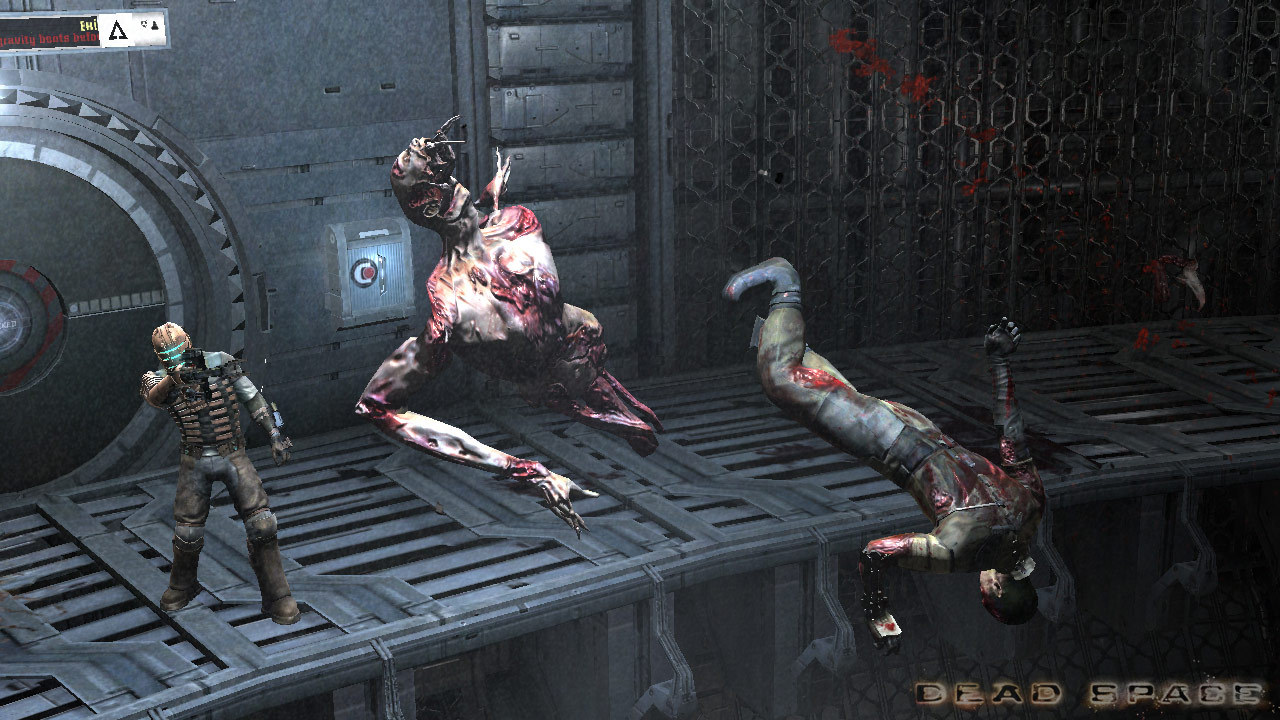
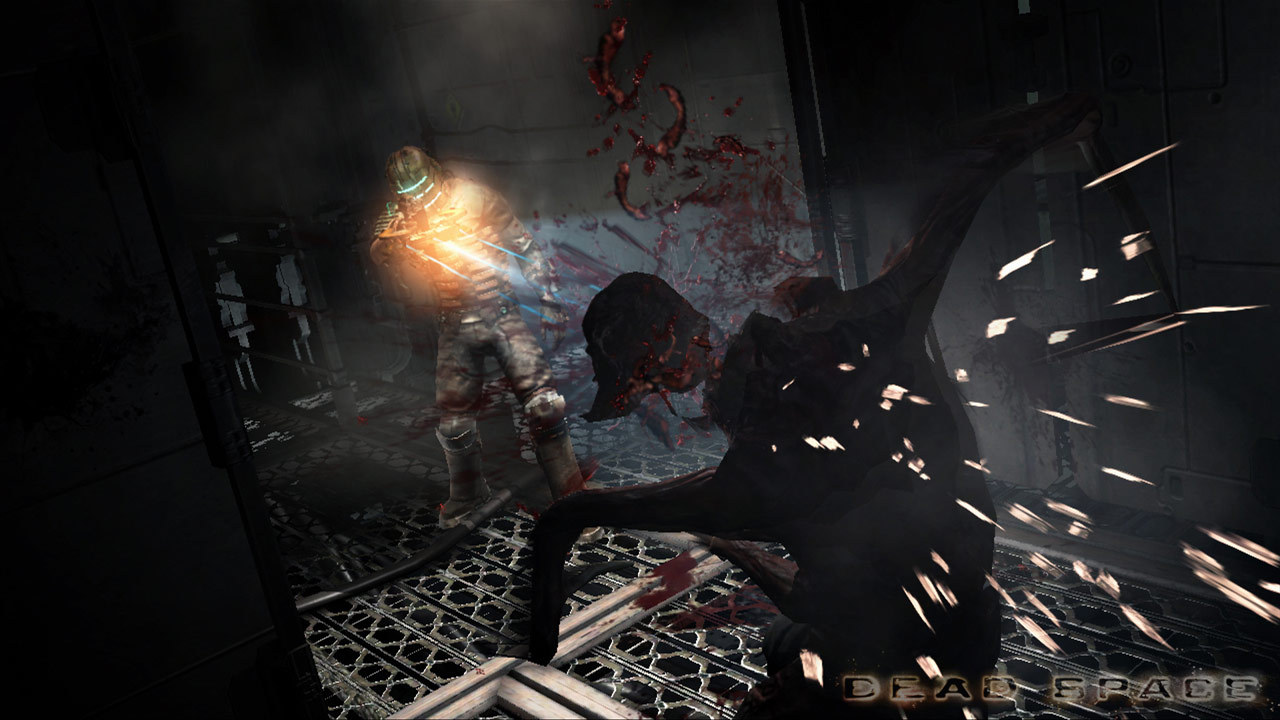
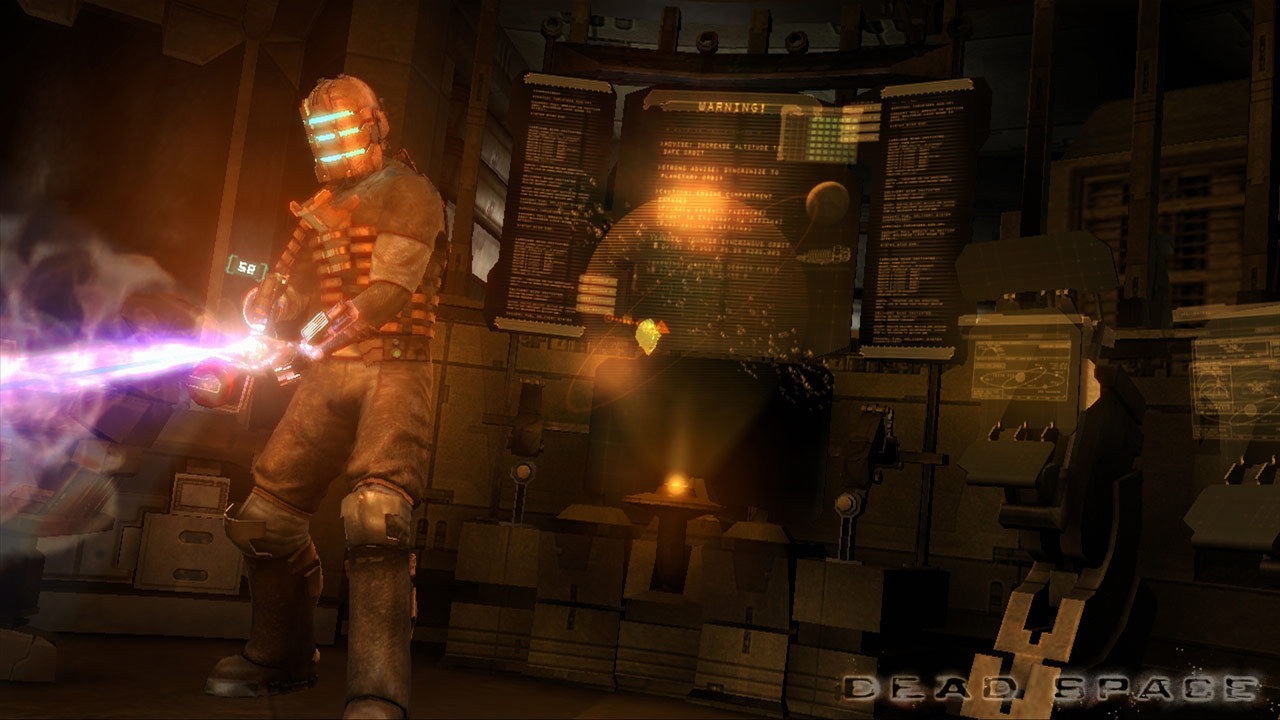
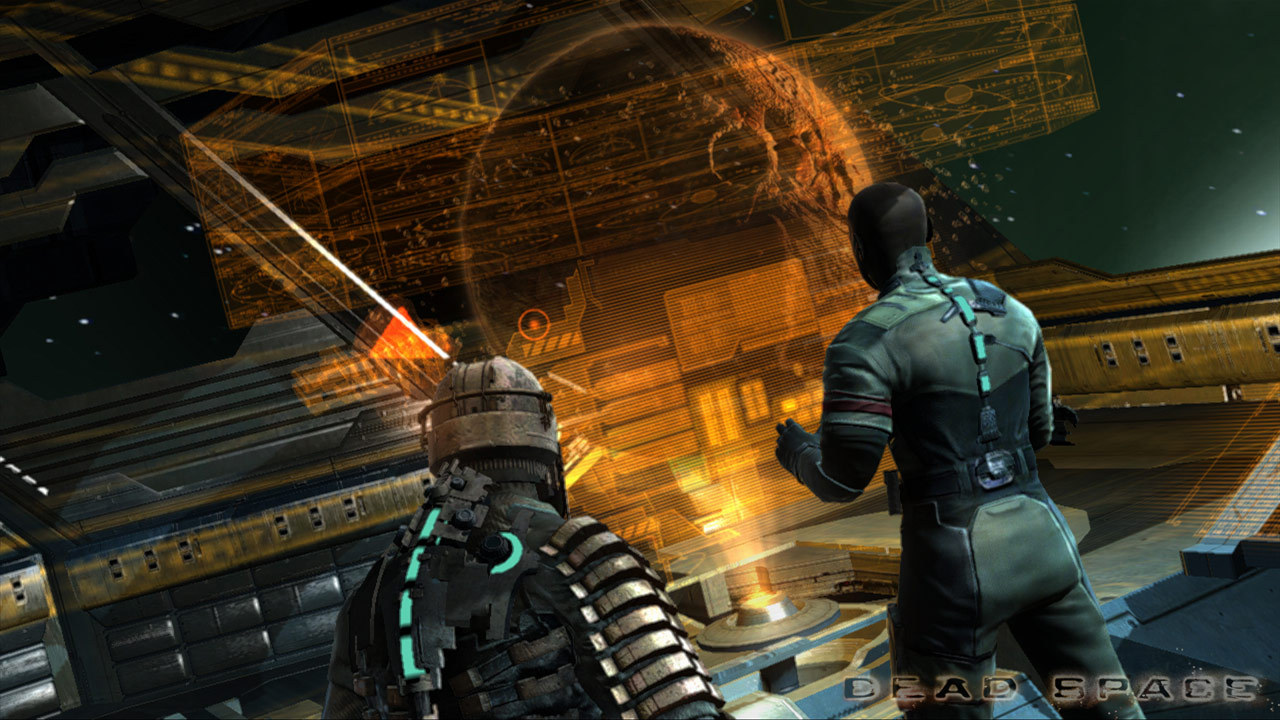
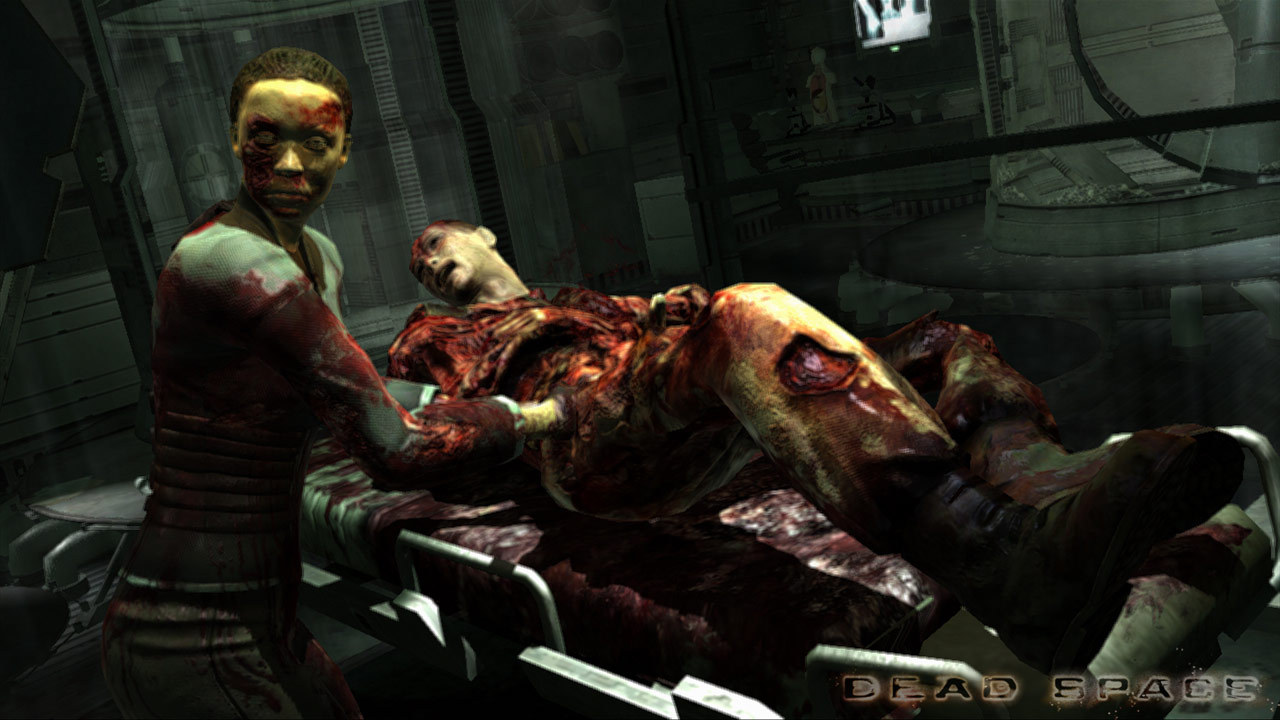
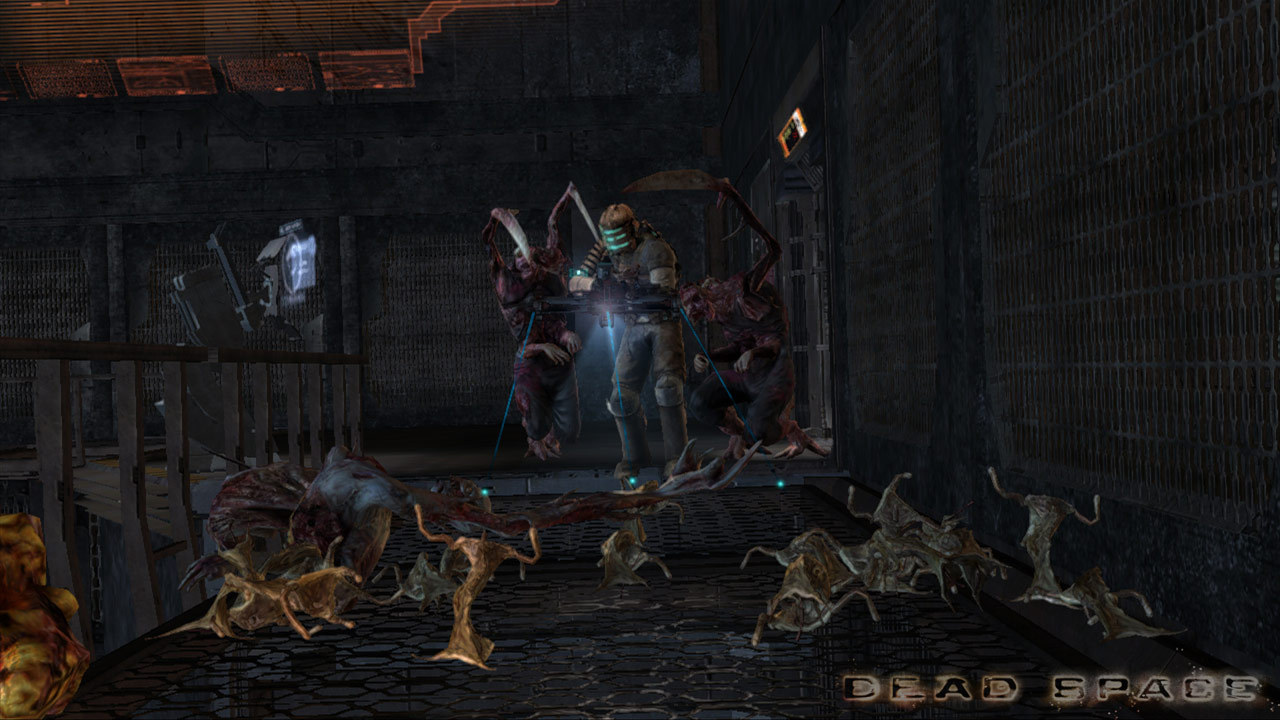
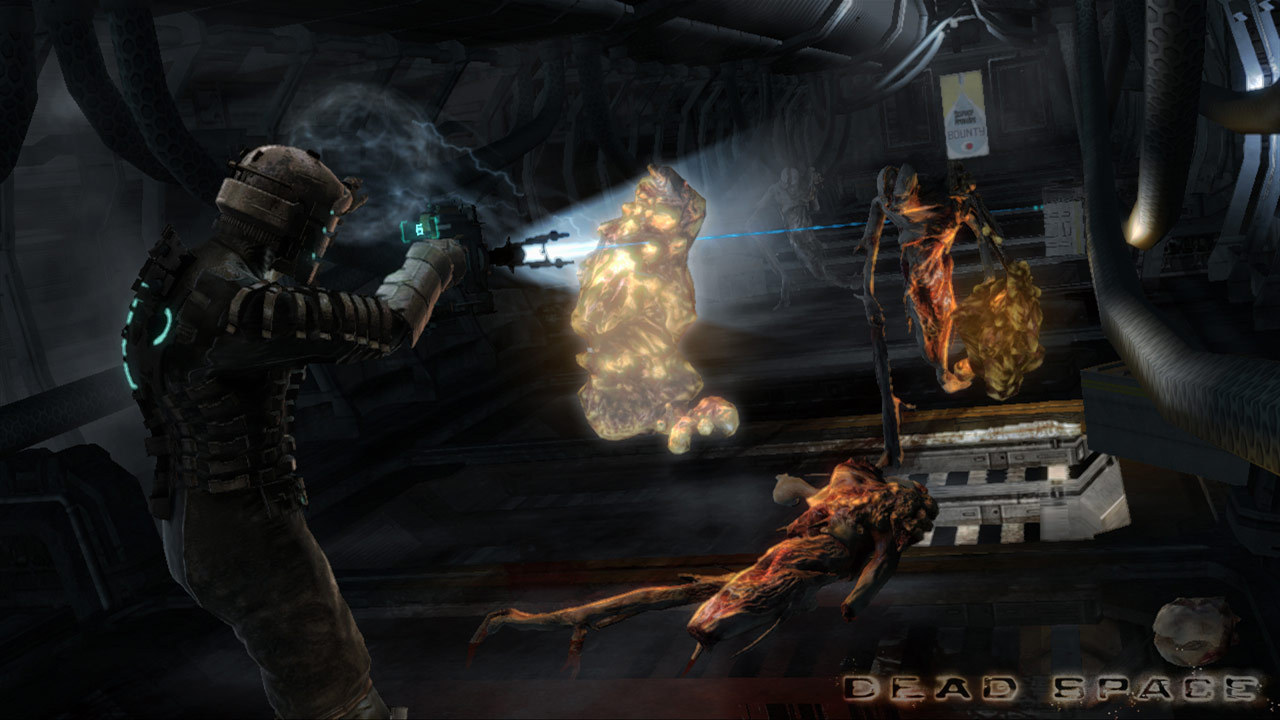
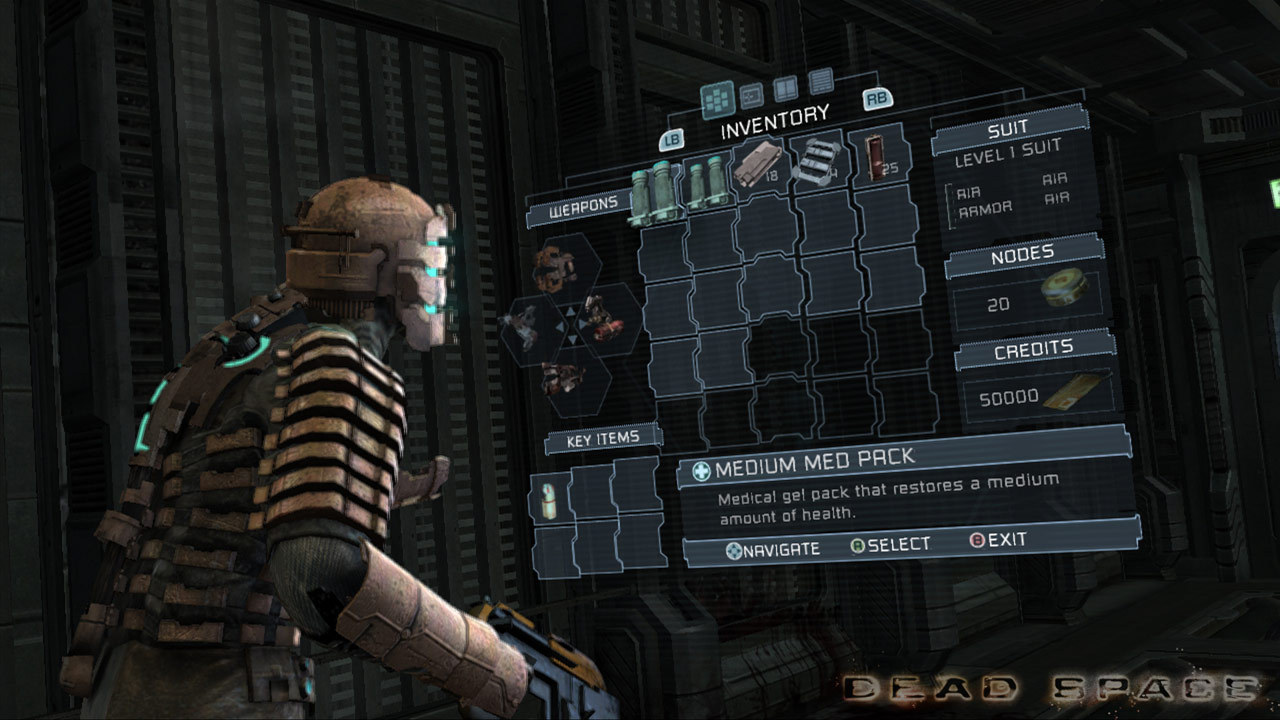
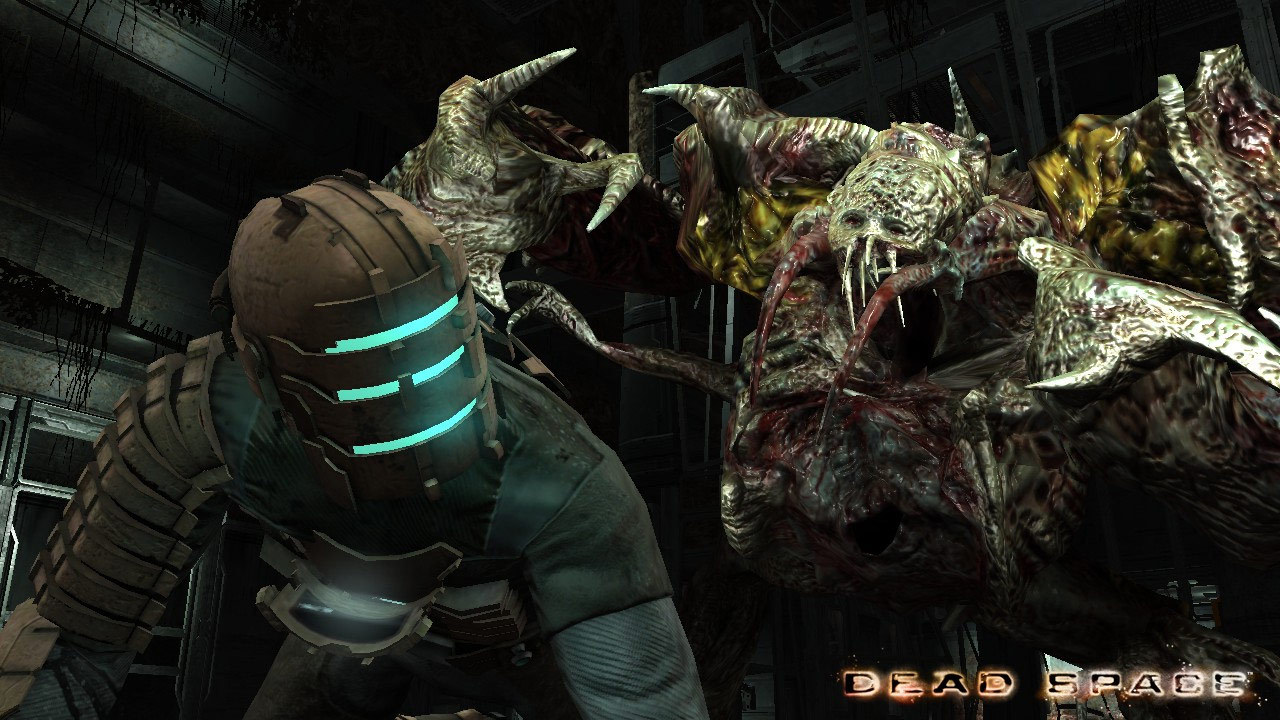
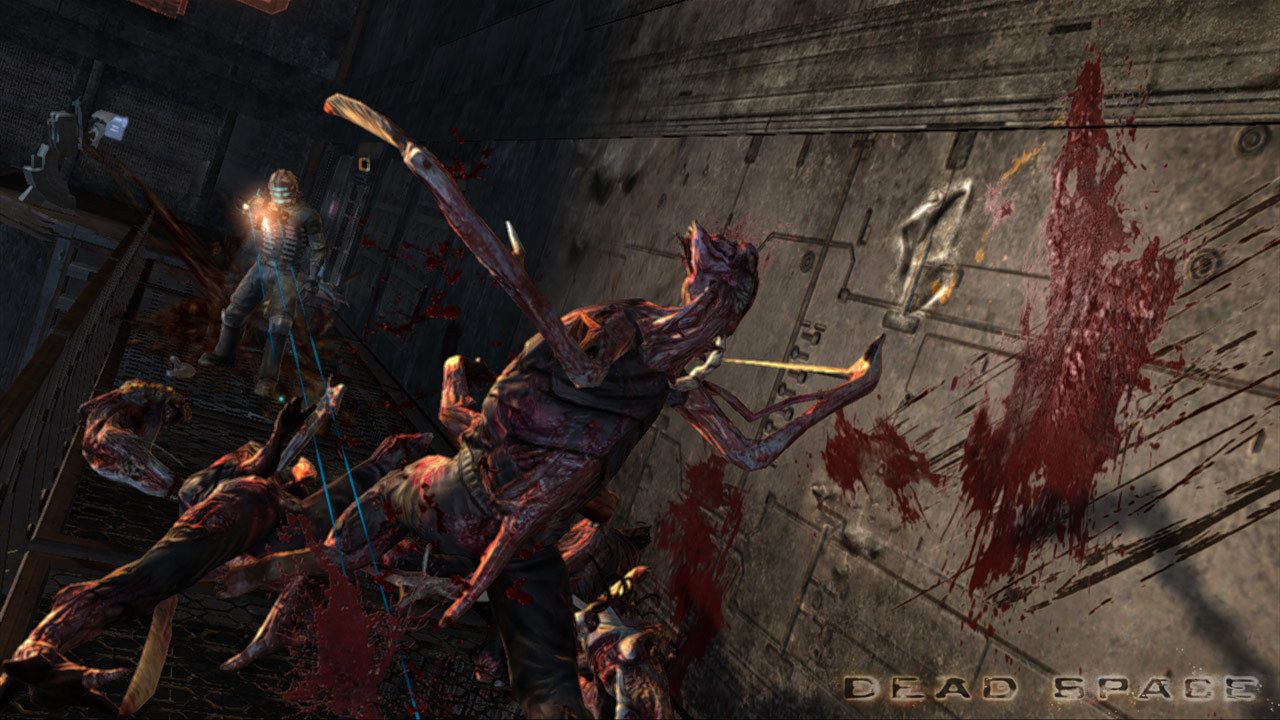
System requirements
These are the minimum specifications needed to play the game. For the best experience, we recommend that you verify them.
Windows
- Supported OS: Microsoft Windows® XP SP2 or Vista
- Processor: 2.8 GHz or faster
- Memory: 1 GB RAM or more for Windows XP (2 GB for Vista)
- Graphics: DirectX® 9.0c compatible video card, Shader Model 3.0 required, 256 MB or better, NVIDIA GeForce 6800 or better (7300, 7600 GS, and 8500 are below minimum system requirements), ATI X1600 Pro or better (X1300, X1300 Pro and HD2400 are below minimum system requirements)
- Hard Drive: 7.5 GB free space
- Sound: DirectX® 9.0c compatible sound card
- INTERNET CONNECTION, ONLINE AUTHENTICATION AND ACCEPTANCE OF END USER LICENSE AGREEMENT REQUIRED TO PLAY. EA MAY RETIRE ONLINE FEATURES AFTER 30 DAYS NOTICE POSTED ON .
Steam Price & Best Deals
User reviews & Ratings
Explore reviews from Steam users sharing their experiences and what they love about the game.
I remember getting this beauty in a bundle pack for my rocking gaming chair around 2009. Still till this day one of the scariest games I have ever experienced. I loved playing it so much on my xbox 360 but it's a shame I never got around to finishing it. Planning to do so when I play the remaster on PC sometime soon. Regardless I will still give this a positive due to the lasting impact it did on me as a kid.
Dead Space cant handle FPS over 60. There are bugs, invisible walls, or mouse sensitivity issues. You must select 60Hz settings in the game and activate Vsync. (It fixed it for me) A guide will help if necessary. I dont think i need to say much more about Dead Space. Simply a great game. The gameplay and game world are uniquely good. Great horror and gore elements. Of course the graphic is outdated, but thats not a problem here at all.
Wonderous game... sadly from an era we probably will never see again. Yearly conventions (E3), reveal parties that the world raving (microsoft/Sony/Nintendo wars). God i miss those days, i know they still exist in "streaming" but nothing beat turning on G4 for the next reveal and game tips were. Dead Space will always have a spot among the elders of games to me. Give it a chance if you like like true horror gaming, its fun, its detailed, its an amazing experience, i promise its not a regrettable purchase.
A Classic Sci-Fi Survival Horror Masterpiece that started the Original Dead Space trilogy & it's a 9 out of 10 in my book. I remember back then my younger sister would push me to buy the Original Dead Space 2008 game for my PlayStation 3 after she played the Demo for Dead Space 2. At first, I wasn't interested because I was honestly scared of playing it as a kid, but I'm so glad she pushed me to get the game because it ended up becoming one of my most favorite/important games that made a huge impact on my life & molded me as the gamer I am today. I wouldn't be writing this review for the game if it weren't for her, so I owe her a lot. Without going too much into spoilers for the OG game, we play as our favorite pushover silent protagonist CEC Engineer Isaac Clarke, an everyday space Joe trying to make a living who finds himself stranded on a massive deep-space mining ship known as the USG Ishimura that went dark & overrun by a hostile alien scourge called the Necromorphs, where he's forced to engage in a desperate fight for survival as he searches for his lost girlfriend, Dr. Nicole Brennan. Trapped alongside other fellow crew members of the USG Kellion, Chief Security Officer Zack Hammond & Computer Specialist Kendra Daniels, you uncover a dark, horrific truth of a strange alien artifact retrieved by the Ishimura crew earlier, known as the Marker. Gameplay is just as fun & thrilling as I remembered; instead of shooting mutated humanoid alien space monsters in the head like most zombie games, you cut the limbs off of Necromorphs to permanently put them down for good with nothing but engineering work tools as improvised weapons like the iconic Plasma Cutter, a standard-issue industrial mining tool used to carve through solid rock & metals in the most "Cut Off Their Limbs" bloodbath fashion. Isaac Clarke is an engineer after all, not a soldier. Plus, the Atmosphere in the Original 2008 version is much creepier than in the 2023 Remake due to Isaac Clarke being mostly a silent protagonist, adding more to the dread vibe that awaits you in the dark corners of the USG Ishimura ship as you hear Isaac's heart beating in fear & makes you feel like you're in his shoes. Graphically, for a game released back in 2008, it still holds up decently well for the most part, despite the Dead Space 2023 Remake. If you're looking for an Original Dead Space experience, the 2008 version is the way to go! I still play it to this day & the Remake back & forth; always got to appreciate the Original for what it was! NOTE: The Steam version of Dead Space (2008) does NOT include any of the DLCs, like the console versions on the PlayStation 3 & XBOX 360. So, you will be playing the PC version in a vanilla fashion. Ending my review here, Video game director/producer Glen Schofield & the original studio Visceral Games (formerly known as EA Redwood Shores) created one of the most iconic Sci-Fi Survival Horror franchises ever made with Dead Space. I'm proud to be serving aboard the USG Ishimura for years since then. BONUS: There's a message hidden in plain sight for both Dead Space (2008) & Dead Space 2023 Remake! Once you see it, you'll be surprised.
Similar games
View all
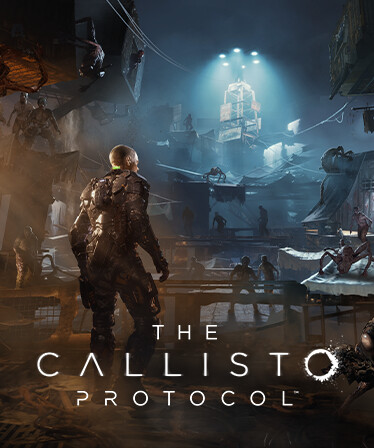
The Callisto Protocol
Survive to escape the horrors of Callisto and uncover the dark secrets of Jupiter’s dead moon.
Dead Space 2
Three years after the Necromorph infestation aboard the USS Ishimura, Isaac Clarke awakens from a coma, confused, disoriented, and on a space station called The Sprawl. Explore this world and its zero-g environments to discover the truth about the Unitology and its role in the Necromorph epidemic.

The Thing: Remastered
The Thing: Remastered is a faithful restoration of the cult-classic 2002 third-person survival horror shooter game inspired by Universal Pictures’ genre-defining 1982 film, The Thing
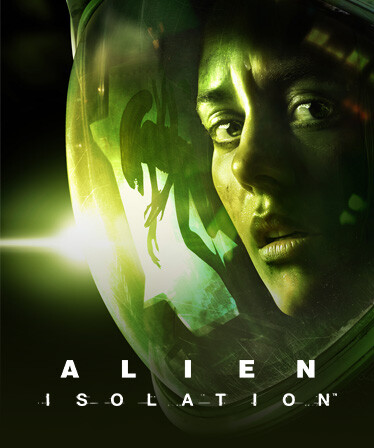
Alien: Isolation
Discover the true meaning of fear in Alien: Isolation, a survival horror set in an atmosphere of constant dread and mortal danger.
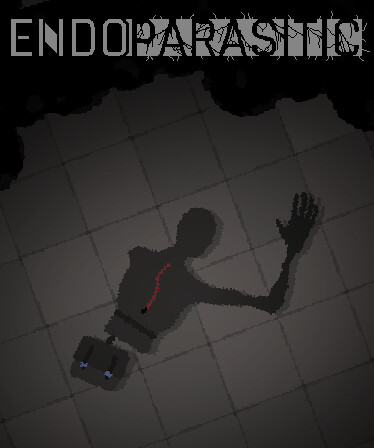
Endoparasitic 2
Three limbs ripped off, infected with a deadly parasite, you must survive. Drag yourself through the hallways of an infested arcship, fight off twisted eldritch creatures, craft vaccines and ammunition, and escape to civilization.
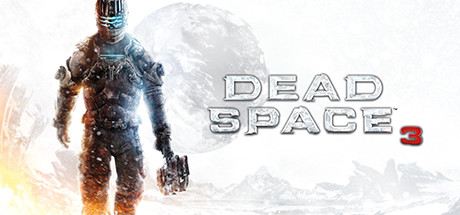
Dead Space 3
Journey across space to the icy planet of Tau Volantis with Isaac Clarke and Sgt. John Carver to discover and destroy the source of the Necromorph outbreak.
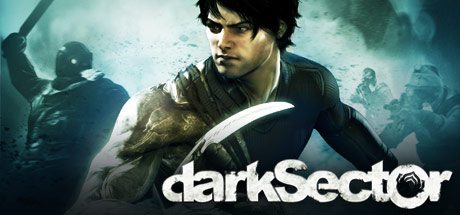
Dark Sector
A third-person Action/Shooter that thrusts players into a sci-fi flavored nightmare scenario set in the post Cold War era.

Prey
In Prey, you awaken aboard Talos I, a space station orbiting the moon in the year 2032. You are the key subject of an experiment meant to alter humanity forever – but things have gone terribly wrong. The space station has been overrun by hostile aliens and you are now being hunted.
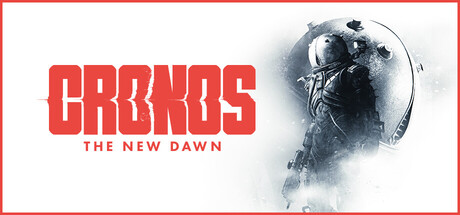
Cronos: The New Dawn
A whole new breed of survival horror emerges with Cronos: The New Dawn. Survive the brutal wastelands of the future, fight nightmarish merging creatures and jump back in time to harvest souls as you seek to uncover the origins of the apocalypse that wiped out humanity.

LOST PLANET 3
The extreme and unpredictable conditions that characterized the Lost Planet series return, harsher than ever before. Lost Planet 3 reveals new truths about the foreboding planet and the colonial history of E.D.N. III.
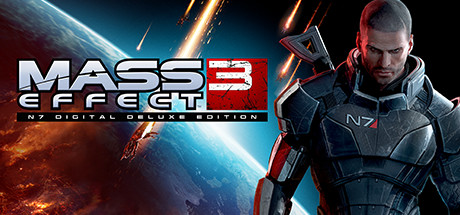
Mass Effect 3 N7 Digital Deluxe Edition (2012)
Earth is burning. The Reapers have taken over and other civilizations are falling like dominoes. Lead the final fight to save humanity and take back Earth from these terrifying machines, Commander Shepard.
Frequently Asked Questions
Dead Space (2008) is currently priced at 19.99€ on Steam.
No, Dead Space (2008) is currently not on sale. You can purchase it for 19.99€ on Steam.
Yes, Dead Space (2008) received 25,388 positive votes out of a total of 27,660 achieving a rating of 8.99.
😎
Dead Space (2008) was developed by EA Redwood Shores and published by Electronic Arts.
Yes, Dead Space (2008) is playable and fully supported on Windows.
No, Dead Space (2008) is not playable on MacOS.
No, Dead Space (2008) is not playable on Linux.
Yes, Dead Space (2008) is playable and fully supported on Steam Deck.
Yes, Dead Space (2008) is playable and fully supported on Steam Machine.
No, Dead Space (2008) does not support VR.
Dead Space (2008) is a single-player game.
No, Dead Space (2008) does not currently offer any DLC.
No, Dead Space (2008) does not support mods via Steam Workshop.
Yes, Dead Space (2008) supports Remote Play on Phone, Remote Play on Tablet and Remote Play on TV. Discover more about Steam Remote Play.
Yes, Dead Space (2008) is enabled for Steam Family Sharing. This means you can share the game with authorized users from your Steam Library, allowing them to play it on their own accounts. For more details on how the feature works, you can read the original Steam Family Sharing announcement or visit the Steam Family Sharing user guide and FAQ page.
You can find solutions or submit a support ticket by visiting the Steam Support page for Dead Space (2008).
Data sources
The information presented on this page is sourced from reliable APIs to ensure accuracy and relevance. We utilize the Steam API to gather data on game details, including titles, descriptions, prices, and user reviews. This allows us to provide you with the most up-to-date information directly from the Steam platform.
Additionally, we incorporate data from the SteamSpy API, which offers insights into game sales and player statistics. This helps us present a comprehensive view of each game's popularity and performance within the gaming community.
Last Updates| Steam data | 22 September 2026 13:19 UTC |
|---|---|
| SteamSpy data | 14 October 2026 13:40 UTC |
| Steam price | 26 October 2026 20:04 UTC |
| Steam reviews | 21 October 2026 21:56 UTC |
If you'd like to dive deeper into the details about Dead Space (2008), we invite you to check out a few dedicated websites that offer extensive information and insights. These platforms provide valuable data, analysis, and user-generated reports to enhance your understanding of the game and its performance.
- SteamDB - A comprehensive database of everything on Steam about Dead Space (2008)
- SteamCharts - Analysis of Dead Space (2008) concurrent players on Steam
- ProtonDB - Crowdsourced reports on Linux and Steam Deck Dead Space (2008) compatibility

Game modes
Features
Online players
43
Developer
EA Redwood Shores
Publisher
Electronic Arts
Release
09 Jan 2009
Platforms
Remote Play