

Urban Strife
Old school TBS, post-apoc survival and RPG. Recruit deranged locals in your militia, ally local factions and fight those you hate. Haul loot back and rebuild your shelter, doctor your wounds, and fix your guns. People need feeding, booze needs brewing and there is an end of the world to enjoy.
Sync your Steam wishlist to find the lowest game prices instantly. No login required, just paste your Steam profile URL!
⚡ Try Wishlist Radar!
Sync your Steam wishlist to find the lowest game prices instantly. No login required!
⚡ Try Wishlist Radar!
Close

Dead State: Reanimated on Steam
Quick menu
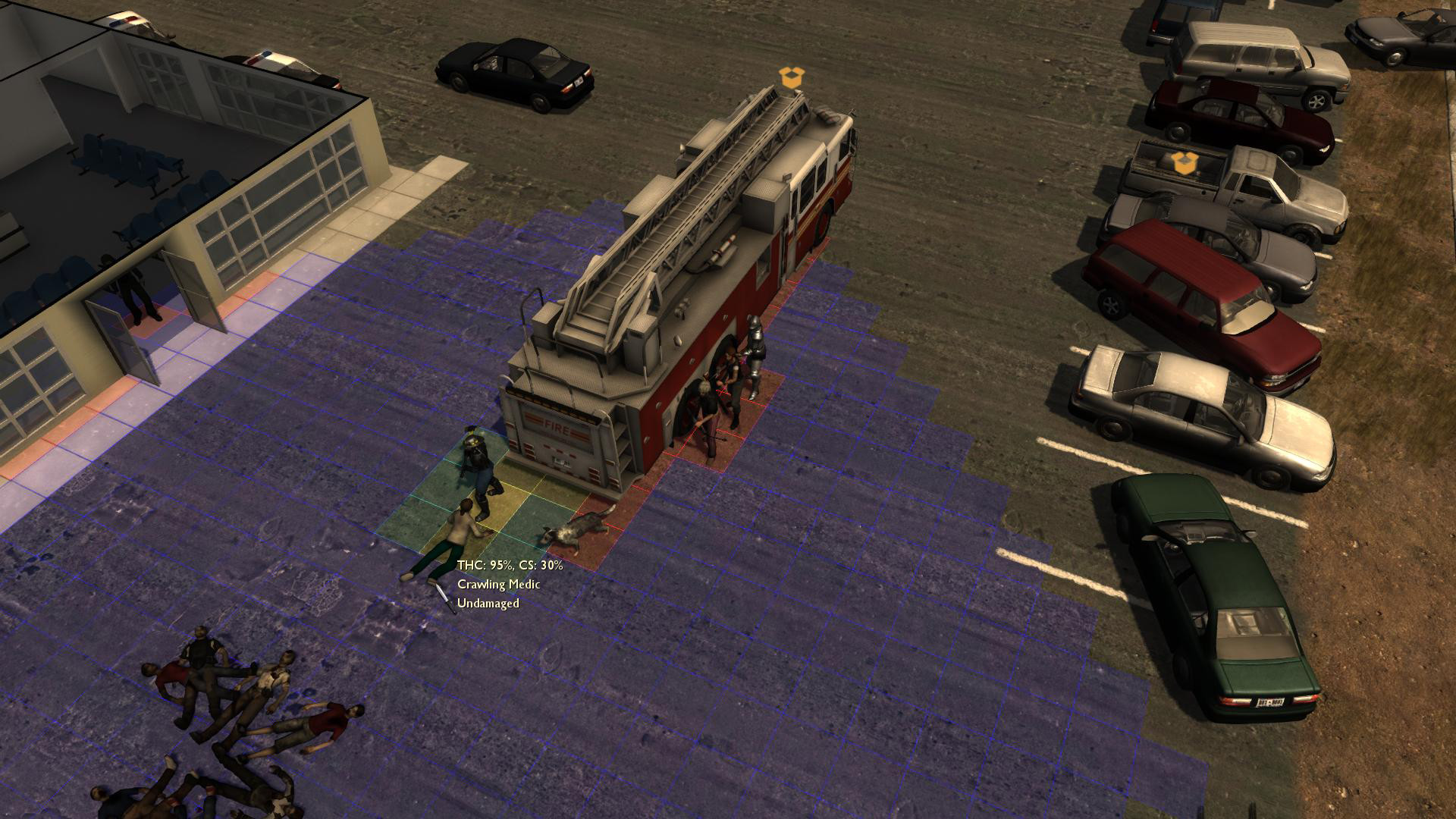
Dead State is a narrative-driven survival RPG set at the dawn of the undead apocalypse. Drawing inspiration from classic RPGs like Fallout, X-Com, and Suikoden, Dead State combines strategic, turn-based combat with base building mechanics, character creation, and social management.
Dead State: Reanimated is a zombies, survival and rpg game
developed and published by DoubleBear Productions.
Released on December 04th 2014 is available on Windows, Steam Deck and Steam Machine.
It has received 2,510 reviews of which 1,840 were positive and 670 were negative resulting in a rating of 7.1 out of 10. 😊
The game is currently priced at 19.99€ on Steam, but you can find it for 15.60€ on G2A.
The Steam community has classified Dead State: Reanimated into these genres:
Media & Screenshots
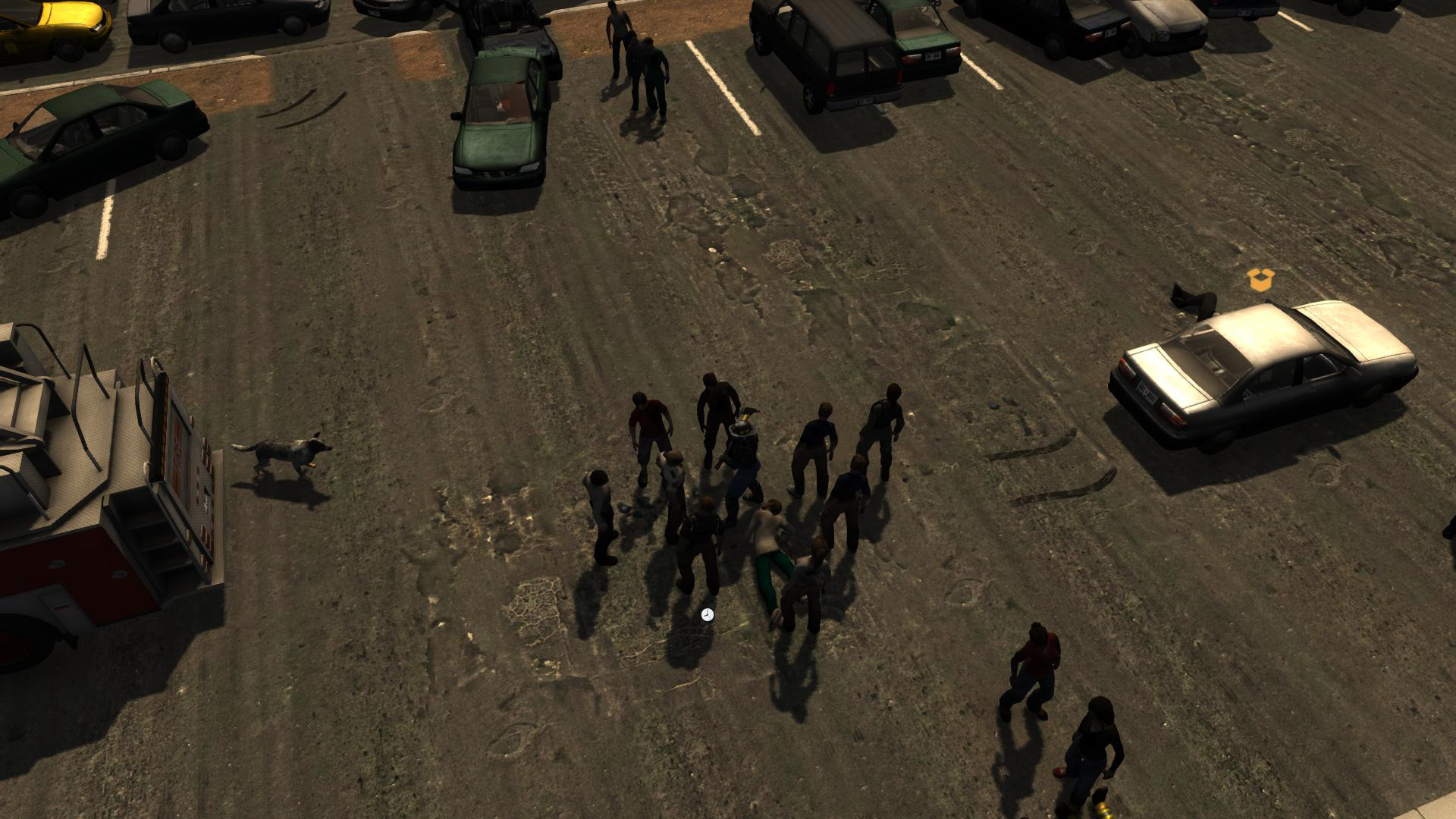
Get an in-depth look at Dead State: Reanimated through various videos and screenshots.


Load More




System requirements
These are the minimum specifications needed to play the game. For the best experience, we recommend that you verify them.
Windows
- OS *: Windows XP/Vista/Windows 7/Windows 8
- Processor: 1.7 GHz Processor or better
- Memory: 2 GB RAM
- Graphics: Nvidia Geforce 8500 GT / ATI Radeon HD 7290 (512 Mb) or better
- DirectX: Version 9.0c
- Storage: 3 GB available space
Steam Price & Best Deals
User reviews & Ratings
Explore reviews from Steam users sharing their experiences and what they love about the game.
Dead State: Reanimated is a turn-based survival RPG that approaches the zombie apocalypse with an emphasis on strategy, resource management, and the human cost of survival rather than relentless action. Developed by DoubleBear Productions in collaboration with Iron Tower Studio and published by DoubleBear Productions, the game casts players as the leader of a group of survivors seeking refuge in an abandoned school in rural Texas. From this modest sanctuary, every decision shapes the future of the community, whether it involves organizing dangerous scavenging expeditions, expanding the shelter's capabilities, or resolving conflicts among people struggling to endure the collapse of civilization. The Reanimated edition enhances the original release with improved mechanics, additional content, refined combat systems, and numerous gameplay improvements that create a smoother and more rewarding experience. The game's greatest strength lies in its realistic interpretation of survival. While zombies remain an ever-present danger, they are only one part of a much larger struggle. Food, fuel, medicine, ammunition, and construction materials are constantly in short supply, forcing players to prioritize carefully before every mission. Every trip beyond the safety of the shelter carries genuine consequences, as injuries, fatigue, or the permanent loss of valuable survivors can dramatically affect future progress. Rather than encouraging reckless combat, the game rewards patience, preparation, and calculated decision-making, creating an atmosphere where every success feels earned. Combat follows a tactical turn-based format that emphasizes positioning, teamwork, and efficient use of limited action points. Each survivor possesses distinct strengths, weaknesses, and skill sets, making squad composition an important part of every mission. Weapons behave differently depending on the situation, with firearms providing powerful offense but attracting unwanted attention, while melee combat conserves ammunition at the cost of greater personal risk. The Reanimated edition improves enemy intelligence, balancing, pathfinding, and combat responsiveness, resulting in battles that are more polished and strategically satisfying than those found in the original version. Beyond combat, shelter management becomes an equally important component of the experience. The abandoned school gradually transforms into a functioning community as players assign survivors to construction, security, farming, medical care, and other essential duties. New facilities unlock valuable benefits that improve long-term survival, but limited resources ensure that every upgrade requires meaningful sacrifices elsewhere. Managing daily operations while preparing for future threats creates a compelling strategic layer that complements exploration instead of interrupting it. Character interaction is another standout feature. The shelter is populated by individuals with unique personalities, histories, beliefs, and personal ambitions. As new survivors arrive, relationships evolve through conversations, player choices, and major story events. Some characters become loyal allies, while others challenge leadership decisions or create tension within the group. The game's dialogue system gives weight to moral choices, encouraging players to consider not only practical outcomes but also the emotional and social consequences of their actions. This focus on believable human behavior gives the community a sense of authenticity rarely found in zombie survival games. Exploration remains consistently engaging thanks to a wide variety of locations scattered across the surrounding region. Abandoned homes, businesses, farms, and public buildings each contain useful supplies, environmental storytelling, and occasional surprises that reward careful investigation. Encounters with hostile survivor factions further reinforce the game's central theme that desperate people can often be more dangerous than the undead themselves. Every location contributes to the larger narrative of a society that has rapidly collapsed, making exploration feel meaningful beyond simply collecting resources. Although the game's visuals reflect its age, the isometric presentation serves the gameplay well by providing a clear tactical perspective during combat and exploration. Environmental details effectively communicate the devastation of the outbreak, while the subdued soundtrack and ambient audio reinforce the constant feeling of uncertainty. The presentation favors atmosphere and immersion over flashy effects, fitting the grounded tone established throughout the campaign. Dead State: Reanimated is not without flaws. The interface occasionally feels dated, some scavenging missions can become repetitive over extended play sessions, and the deliberate pacing may not appeal to players seeking fast-paced zombie action. Certain mechanics also require patience before their depth becomes fully rewarding. However, these shortcomings are relatively minor compared to the depth offered by the game's interconnected survival systems and thoughtful role-playing elements. Overall, Dead State: Reanimated delivers a memorable and intelligent survival RPG that places equal importance on tactical combat, community management, character development, and meaningful player choice. Instead of relying solely on horror or spectacle, it explores the difficult realities of rebuilding society in the aftermath of catastrophe. Its emphasis on long-term planning, resource scarcity, and believable human interaction makes it one of the more distinctive entries in the zombie survival genre. Players who enjoy methodical strategy, challenging decision-making, and narrative-driven role-playing will find an experience that remains compelling years after its release. Rating: 7/10
Up-to-Date Review TBD, till I finish the game. Out-of-Date Review (6 April 2025) Great turn-based game, somewhat in the same vein as XCOM, but a bit more streamlined/bare-bones. That said, you’ll likely need to consult the manual to fully understand certain combat mechanics, perks, and viable character builds. Unfortunately, I have to give this a thumbs-down due to technical issues. It seems the game, or possibly the engine it runs on, doesn’t perform well on modern systems. From what I’ve read, it’s most stable on Windows 7. I tried various fixes, but the crashes persisted. Despite that, I still logged 85+ hours because the game was playable early on. It did crash frequently when opening menus, which forced me to rely heavily on quicksaving, but it remained manageable at first. However, as I progressed, the issues became more severe. Larger maps, especially those with many assets, NPCs, or multi-story buildings, caused consistent crashes, suggesting the game struggles to load everything properly. Early areas are manageable, but later sections rely heavily on these larger maps, making it nearly impossible to continue, as the player is required to visit them for loot to survive. Eventually, I had to stop playing altogether, as progression became too unstable. It’s a shame, because I really wanted to like this game. There aren’t many titles out there that combine turn-based party combat with base-building and management in a zombie apocalypse setting. Edit: After more searching I've found a fix in the discussions for this game. Refer to -> https://steamcommunity.com/app/239840/discussions/0/661592288372278872/
Similar games
View all

Dead Age
Survive the zombie apocalypse with a “Final Fantasy” turn-based combat and permanent death! Manage survivors, craft materials, and make difficult decisions. Defend your camp against hordes of the undead to prevail in this non-linear rogue-lite (comparable to FTL). Innovative Indie Survival-RPG!

Thea: The Awakening
Thea: The Awakening is a turn-based strategic survival game inspired by the Slavic mythology and set in a procedural dark fantasy world infused with non-linear story and unique combat system.

Zafehouse: Diaries
Stuck in a remote, abandoned town, you must lead five survivors with conflicting motivations, fragile relationships and fiery prejudices to safety from the roving undead. A sophisticated engine generates new survivors, towns and content so every adventure is a different experience, and you can use built-in editors to add yourself and...

Dead Age 2: The Zombie Survival RPG
The successful indie survival RPG "Dead Age" is back with a vengeance! No other game offers this mix of role-playing, rogue-like, fast-paced turn-based combat and survival all in one. Inspired by Darkest Dungeon, Fallout 1+2, This War of Mine and The Walking Dead.

Gorky 17
November 2008. NATO intelligence services report that, for reasons unknown, the Russian military has destroyed GORKY 17, one of the old Soviet "Secret Cities". A year later NATO takes over a former Russian secret base built on Polish soil. Diggers discover a laboratory complex in the completely demolished town.
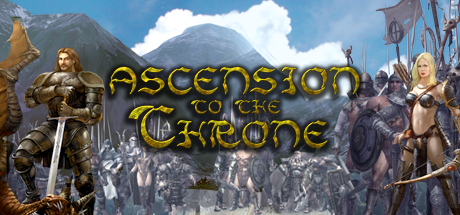
Ascension to the Throne
Ascension to the Throne is a turn-based strategy game with RPG elements. In a vast fantasy world the hero will have to pass many tests on his way to victory. Enemies seek to stop players from regaining power and taking revenge. Gain new friends to aid you in reclaiming the throne.
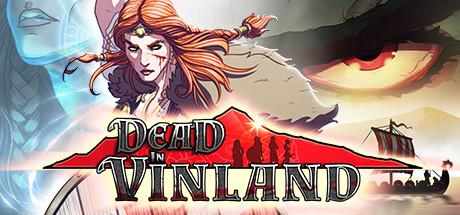
Dead In Vinland
DEAD IN VINLAND is a survival/management game, mixed with RPG and adventure elements, about a Viking family trying their best to survive on a mysterious island.

Delivery from the Pain:Survival / 末日方舟:生存
You'll play as a survivor in a world overrun by zombies. Explore and interact with other survivors, making tough choices about whether to help or exploit them. Defend against zombies, collect resources, craft, and fortify your shelter. Use strategy to escape this world and return to safety.
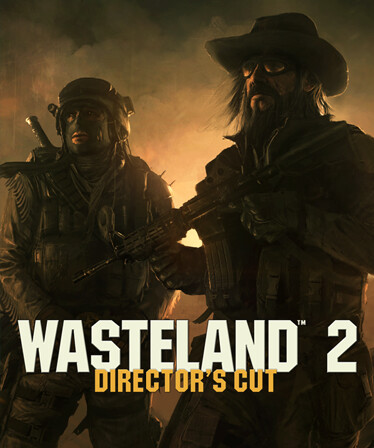
Wasteland 2: Director's Cut
From the producer of the original Fallout comes Wasteland 2. With over 80 hours of gameplay, deck out your Ranger squad with devastating weaponry, test the limits of your strategy skills, and bring justice to the Wasteland! The choices are yours…but so are the consequences.
Frequently Asked Questions
Dead State: Reanimated is currently priced at 19.99€ on Steam.
No, Dead State: Reanimated is currently not on sale. You can purchase it for 19.99€ on Steam.
Yes, Dead State: Reanimated received 1,840 positive votes out of a total of 2,510 achieving a rating of 7.11.
😊
Dead State: Reanimated was developed and published by DoubleBear Productions.
Yes, Dead State: Reanimated is playable and fully supported on Windows.
No, Dead State: Reanimated is not playable on MacOS.
No, Dead State: Reanimated is not playable on Linux.
Yes, Dead State: Reanimated is playable on Steam Deck, though it might require a few minor tweaks. Make sure to check the Steam store page and community feedback on ProtonDB for exact compatibility details.
Yes, Dead State: Reanimated is playable on Steam Machine, though it might require a few minor tweaks. Make sure to check the Steam store page and community feedback on ProtonDB for exact compatibility details.
No, Dead State: Reanimated does not support VR.
Dead State: Reanimated is a single-player game.
Yes, there is a DLC available for Dead State: Reanimated. Explore additional content available for Dead State: Reanimated on Steam.
No, Dead State: Reanimated does not support mods via Steam Workshop.
No, Dead State: Reanimated does not support Steam Remote Play.
Yes, Dead State: Reanimated is enabled for Steam Family Sharing. This means you can share the game with authorized users from your Steam Library, allowing them to play it on their own accounts. For more details on how the feature works, you can read the original Steam Family Sharing announcement or visit the Steam Family Sharing user guide and FAQ page.
You can find solutions or submit a support ticket by visiting the Steam Support page for Dead State: Reanimated.
Data sources
The information presented on this page is sourced from reliable APIs to ensure accuracy and relevance. We utilize the Steam API to gather data on game details, including titles, descriptions, prices, and user reviews. This allows us to provide you with the most up-to-date information directly from the Steam platform.
Additionally, we incorporate data from the SteamSpy API, which offers insights into game sales and player statistics. This helps us present a comprehensive view of each game's popularity and performance within the gaming community.
Last Updates| Steam data | 20 September 2026 09:20 UTC |
|---|---|
| SteamSpy data | 13 October 2026 11:11 UTC |
| Steam price | 27 October 2026 04:02 UTC |
| Steam reviews | 21 October 2026 06:05 UTC |
If you'd like to dive deeper into the details about Dead State: Reanimated, we invite you to check out a few dedicated websites that offer extensive information and insights. These platforms provide valuable data, analysis, and user-generated reports to enhance your understanding of the game and its performance.
- SteamDB - A comprehensive database of everything on Steam about Dead State: Reanimated
- SteamCharts - Analysis of Dead State: Reanimated concurrent players on Steam
- ProtonDB - Crowdsourced reports on Linux and Steam Deck Dead State: Reanimated compatibility

Game modes
Features
Online players
15
Developer
DoubleBear Productions
Publisher
DoubleBear Productions
Release
04 Dec 2014
Platforms
Clicking and buying through these links helps us earn a commission to maintain our services.