
Fallout Tactics: Brotherhood of Steel
Tactical Squad-Based Combat comes to the Fallout® Universe! You are the wretched refuse. You may be born from dirt, but we will forge you into steel. You will learn to bend; if not you, will you break. In these dark times, the Brotherhood - your Brotherhood - is all that stands between the rekindled flame of civilization and the howling,...
Sync your Steam wishlist to find the lowest game prices instantly. No login required, just paste your Steam profile URL!
⚡ Try Wishlist Radar!
Sync your Steam wishlist to find the lowest game prices instantly. No login required!
⚡ Try Wishlist Radar!
Close

Marauder on Steam
Quick menu
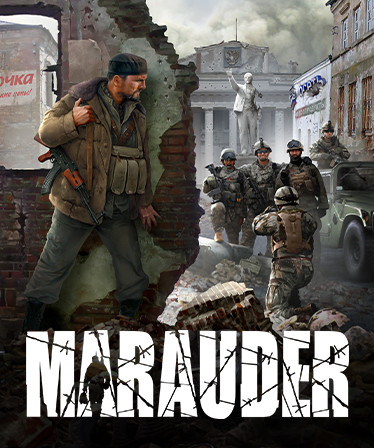
Marauder, is a squad based and tactical 3D game with RPG elements. It was released in late 2009, in Russia. You may know these names as the former made Brigade 7,62 and the later also published Pathologic.
Marauder is a rpg, strategy and tactical game
developed by Apeiron
and published by ESDigital Games.
Released on April 04th 2014 is available only on Windows
in 2 languages: English and Russian.
It has received 699 reviews of which 510 were positive and 189 were negative resulting in a rating of 7.0 out of 10. 😐
The game is currently priced at 9.99€ on Steam.
The Steam community has classified Marauder into these genres:
RPG
Strategy
Tactical
Survival
Post-apocalyptic
Turn-Based
Isometric
Real-Time with Pause
Atmospheric
Singleplayer
Tactical RPG
Here is the detailed breakdown of supported languages for Marauder:
| UI | Subtitle | Audio | |
|---|---|---|---|
| English | |||
| Russian |
Media & Screenshots
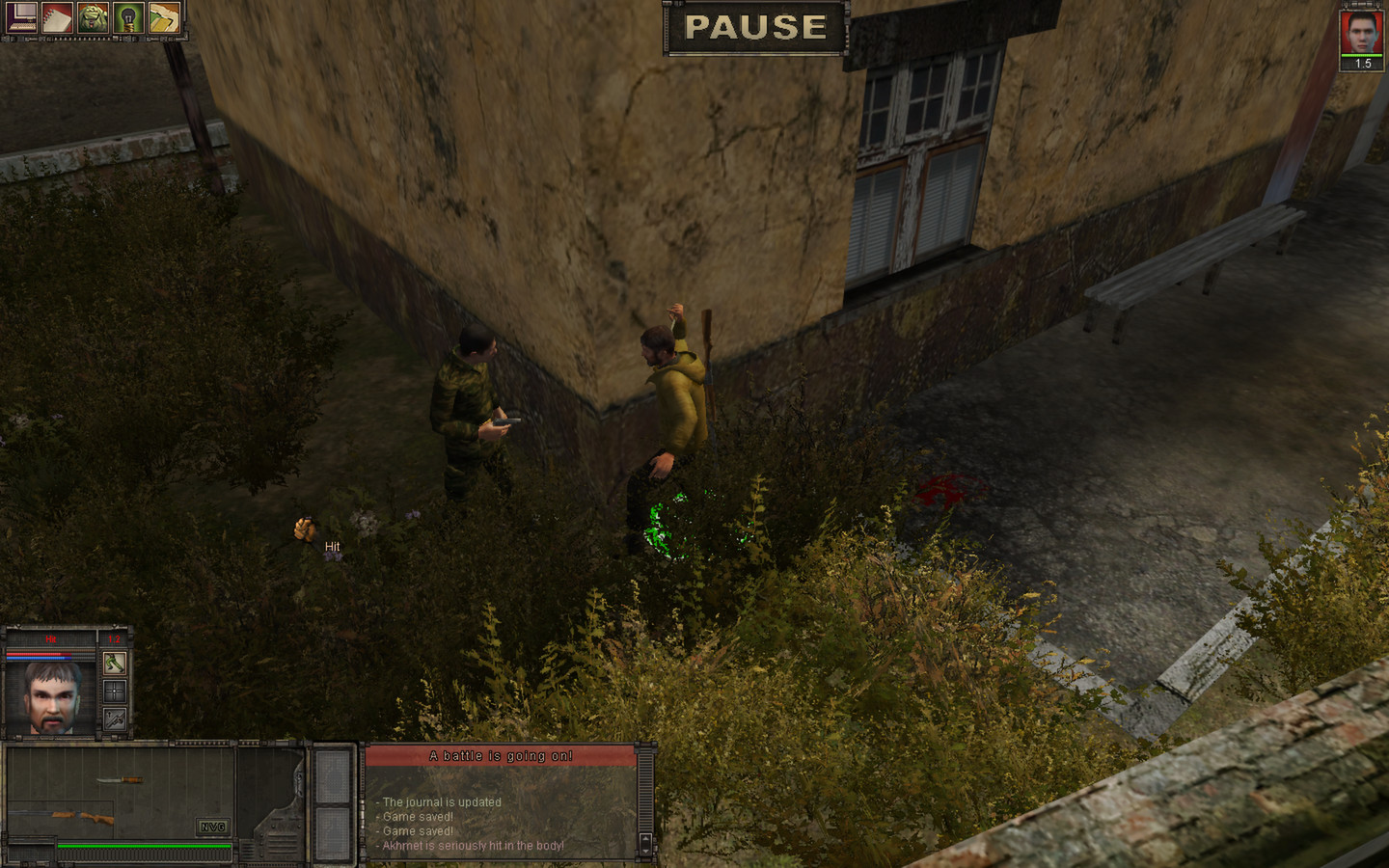
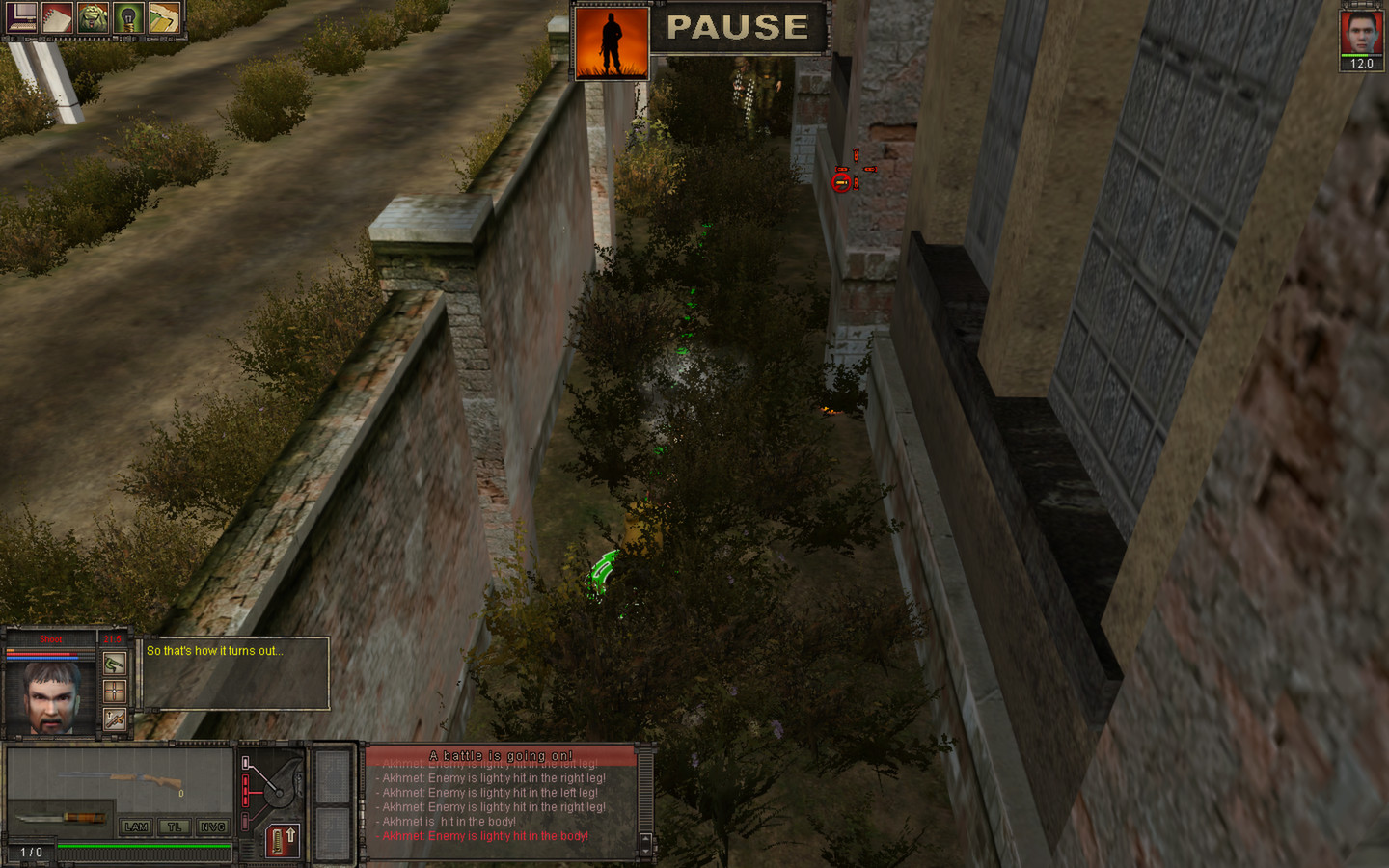
Get an in-depth look at Marauder through various videos and screenshots.
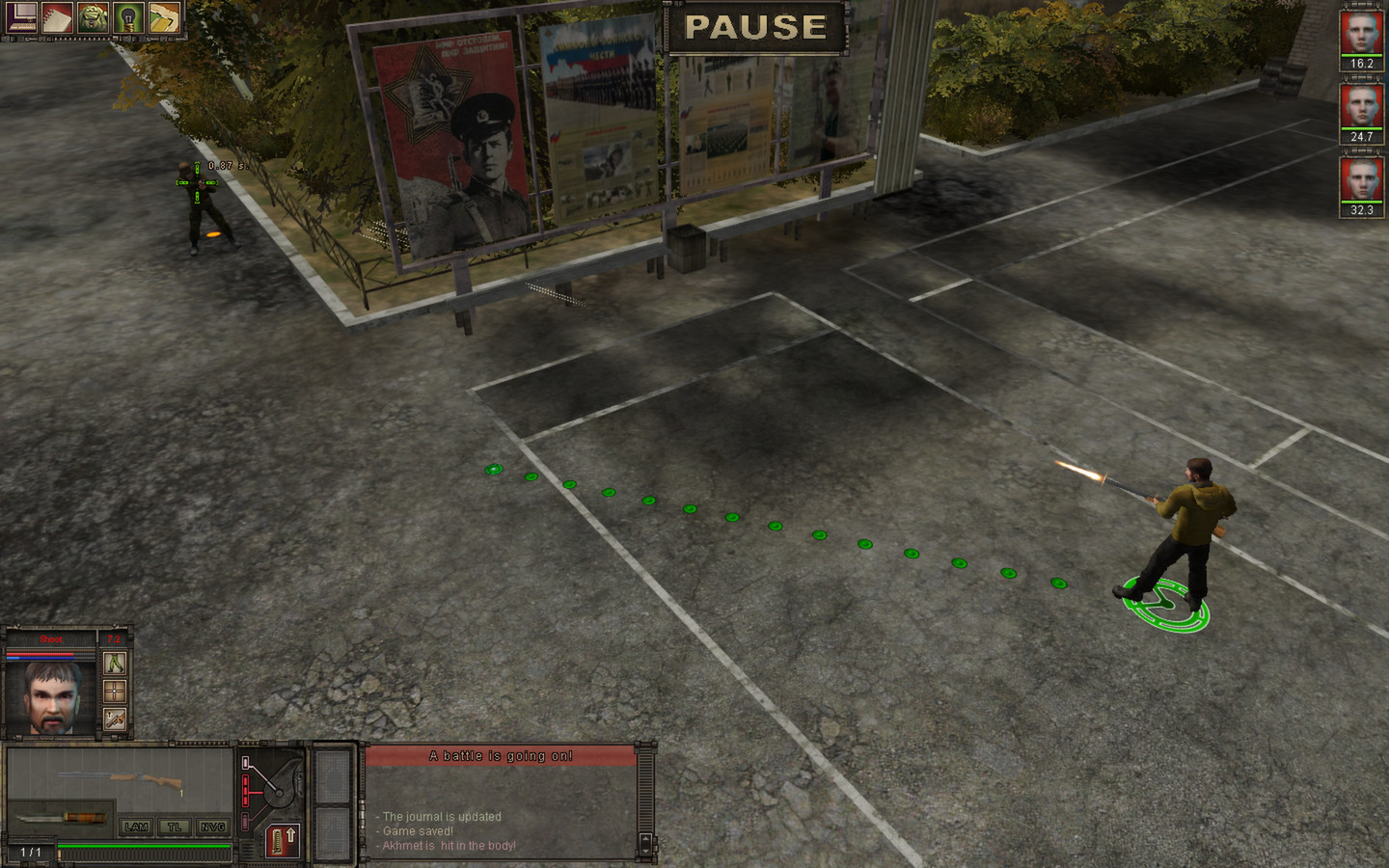
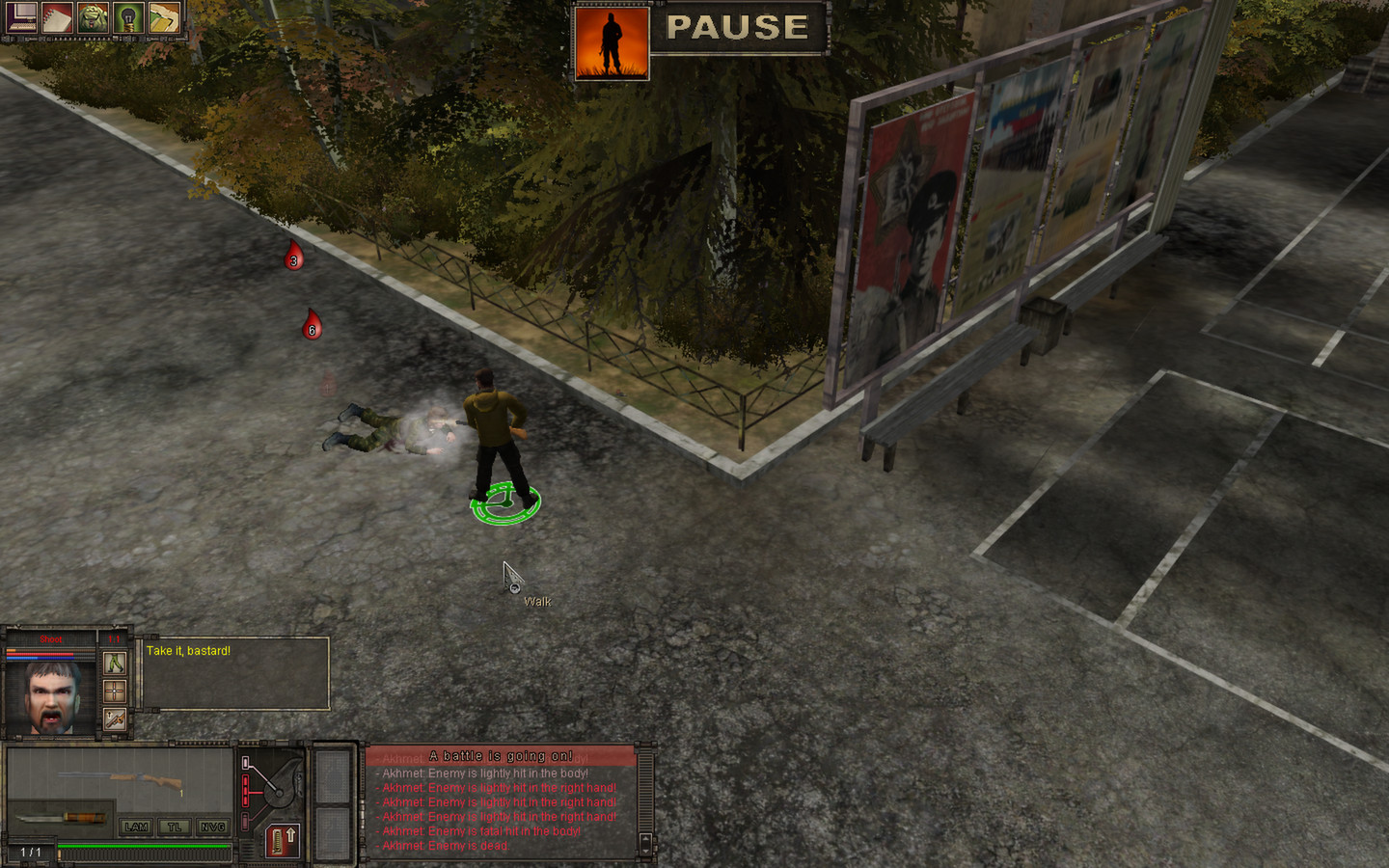
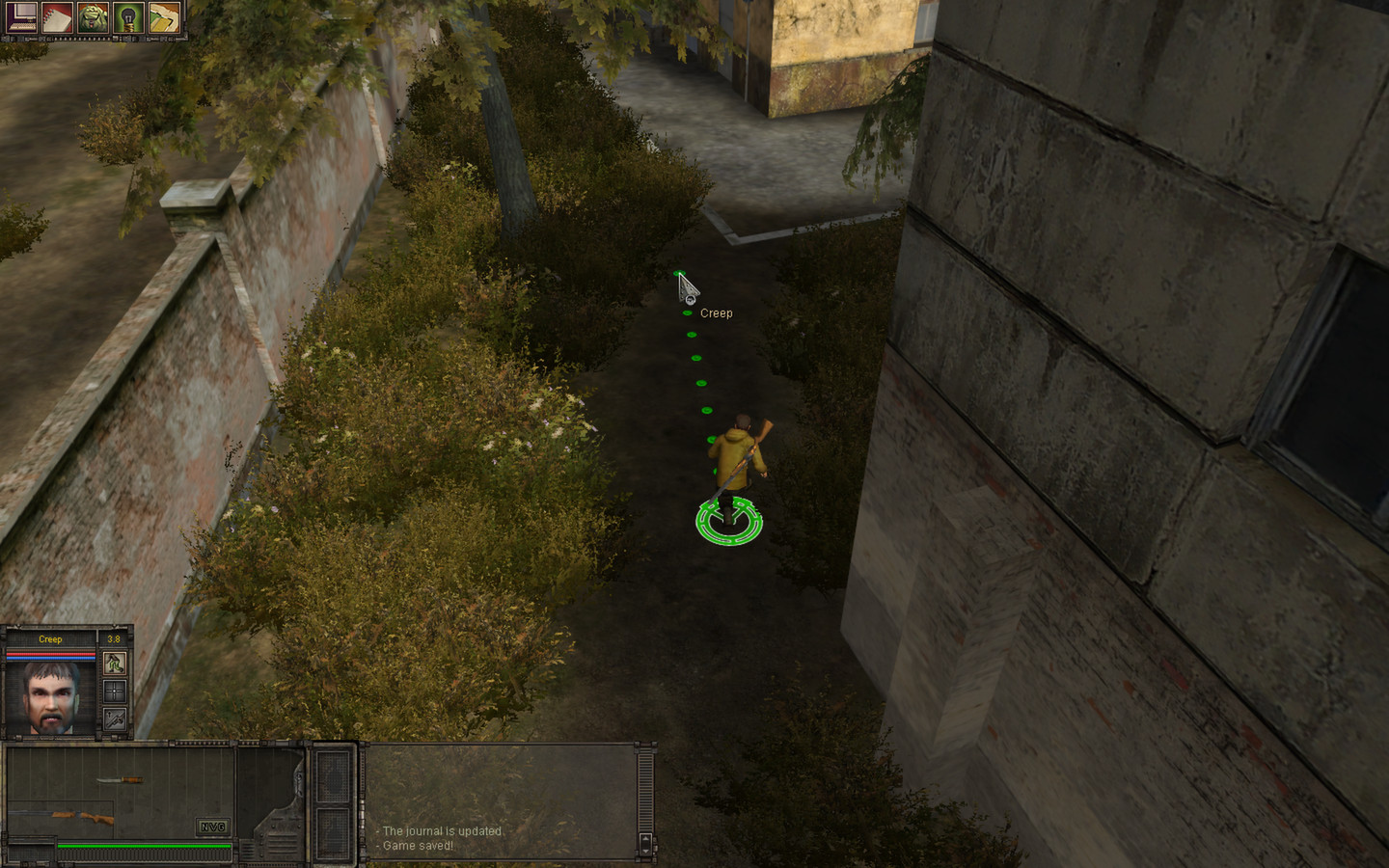
System requirements
These are the minimum specifications needed to play the game. For the best experience, we recommend that you verify them.
Windows
- OS *: Windows XP/Vista/7/8/8.1
- Processor: Pentium 4/Athlon XP 2 MHz
- Memory: 512 MB RAM
- Graphics: DirectX compatible 64 MB
- Storage: 3 GB available space
Steam Price & Best Deals
User reviews & Ratings
Explore reviews from Steam users sharing their experiences and what they love about the game.
Marauder is a demanding tactical RPG that builds its identity around scarcity, squad management, calculated combat, and the struggle to establish some degree of stability in a society consumed by disorder. Developed by Apeiron and published by ESDigital Games, it favors old-school complexity over accessibility, creating an experience that can initially feel unforgiving but becomes considerably more interesting once its interconnected systems begin to make sense. Its combination of strategy, role-playing progression, exploration, survival elements, and real-time combat with tactical pauses gives it a distinctive character that remains appealing to players who enjoy methodical games. The story takes place in an alternate-history setting where anarchy and seemingly endless conflict have become normal parts of everyday existence. The protagonist begins in extremely modest circumstances, possessing little more than a double-barreled shotgun and a limited supply of ammunition. Rather than immediately turning the player into an unstoppable survivor, the game makes improvement feel gradual. The objective is not simply to defeat enemies but to create a sustainable existence, gather companions, equip them properly, and transform a vulnerable collection of individuals into a capable group. Its connection to Berkem al Atomi's novel gives the narrative additional significance. The author was directly responsible for the game's script and character dialogue, helping the adaptation retain a recognizable relationship with its literary foundation. The setting consequently feels less like a conventional post-apocalyptic playground and more like an environment built around the consequences of social collapse. Personal survival, loyalty, possessions, weapons, and dependable companions become important because the world provides very little security. Squad development forms one of the strongest parts of the experience. Characters can be improved through an RPG progression system, making the player's companions more than disposable soldiers. Building a stronger group requires attention to individual development as well as equipment, and this gradually changes how difficult situations can be approached. There is considerable satisfaction in remembering how poorly prepared the group was at the beginning and comparing that vulnerability with the increasingly capable squad assembled later. Combat rewards preparation far more than reckless aggression. The game presents numerous tactical circumstances, including attacks on fortified structures, nighttime engagements, indoor confrontations, outdoor firefights, and situations involving stationary weapons. Because environments and objectives vary, simply repeating the same approach is not always effective. Positioning and equipment matter, while the ability to pause the action provides valuable opportunities to assess threats and coordinate characters. The result occupies an interesting space between immediate real-time action and slower tactical strategy. Exploration reinforces this survival-oriented structure. The player moves through a small Uralian town and surrounding environments that include forests, ruins, military installations, and underground bunkers. The relatively contained geographical scale works in the game's favor because locations feel connected to the same troubled region rather than existing merely as isolated levels. Exploring dangerous areas carries practical importance because equipment and other resources can directly affect the group's chances of surviving subsequent encounters. Weapon customization further strengthens the preparation aspect. Firearms are not simply interchangeable tools with progressively larger numbers attached to them. The customization system encourages players to think about how equipment fits their preferred tactical approach. Alongside weapons is a substantial assortment of barter goods and survival equipment, emphasizing an economy where seemingly ordinary possessions can have genuine importance. Looting and resource management therefore complement combat instead of existing purely as additional RPG busywork. Where the game is most likely to divide players is its presentation and accessibility. It carries many characteristics associated with older PC tactical games, including systems that demand patience and an interface that may seem cumbersome compared with modern streamlined designs. Movement, camera behavior, inventory interaction, and general control conventions can require adjustment. Players willing to learn those quirks can uncover substantial tactical depth, but anyone expecting immediate responsiveness and extensive modern conveniences may find the opening hours frustrating. The audiovisual presentation similarly prioritizes atmosphere and functionality rather than spectacle. The environments communicate bleakness effectively, and the restrained visual direction suits a setting dominated by instability and survival. It is not visually extravagant, but its somewhat austere appearance actually complements the harsh tone. The overall experience feels appropriately uncomfortable and utilitarian, which supports the idea that this is a world where survival takes priority over glamour. Steam Deck compatibility requires an important qualification. The Steam store page does not currently provide an official Valve Steam Deck compatibility rating for the game. Because it was designed around traditional Windows PC controls and an older interface, portable play should therefore be approached as an unofficial experience rather than guaranteed plug-and-play compatibility. Proton may allow players to experiment with running it on Steam Deck, but controller mapping, interface interaction, videos, or other compatibility quirks may require adjustments. Anyone purchasing specifically for Deck use should expect possible configuration work rather than assuming Verified-style functionality. Its greatest achievement is how consistently the mechanics support the central survival fantasy. Starting with almost nothing, gathering a makeshift family, developing squad members, customizing weapons, searching dangerous environments, trading useful goods, and surviving increasingly complicated tactical encounters all contribute toward the same theme. There are rough edges and unmistakably dated elements, but they surround a surprisingly ambitious tactical RPG with considerably more depth than its modest presentation initially suggests. For players comfortable with older PC design philosophies, this is an intriguing mixture of tactical strategy and survival RPG mechanics. It demands patience and toleration for some awkwardness, yet rewards careful planning with challenging encounters and satisfying long-term squad progression. The harsh setting, meaningful equipment management, varied battle situations, exploration, and gradual transformation from vulnerable survivor to capable leader make the experience memorable despite its lack of modern polish. Rating: 7/10
Similar games
View all
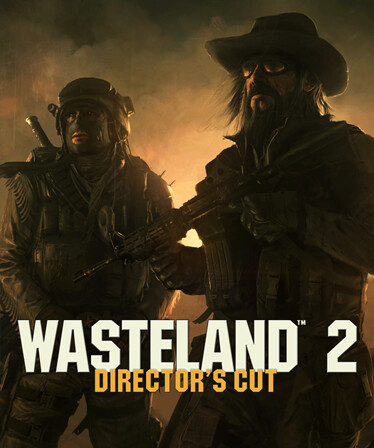
Wasteland 2: Director's Cut
From the producer of the original Fallout comes Wasteland 2. With over 80 hours of gameplay, deck out your Ranger squad with devastating weaponry, test the limits of your strategy skills, and bring justice to the Wasteland! The choices are yours…but so are the consequences.
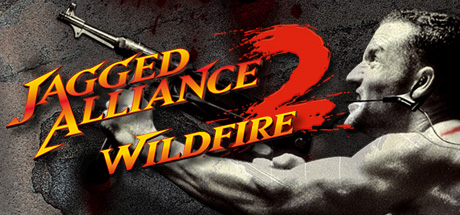
Jagged Alliance 2 - Wildfire
Even if the regime is totally inept and corrupt, don't suppose for a moment that you as the liberator will be greeted with open arms.JAGGED ALLIANCE 2: WILDFIRE brings you back to Arulco. The population is being terrorized by a reckless army; in the meantime the main export goods are drugs.
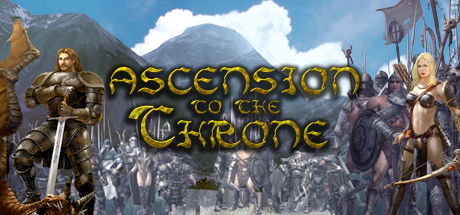
Ascension to the Throne
Ascension to the Throne is a turn-based strategy game with RPG elements. In a vast fantasy world the hero will have to pass many tests on his way to victory. Enemies seek to stop players from regaining power and taking revenge. Gain new friends to aid you in reclaiming the throne.

Jagged Alliance - Back in Action
A contemporary remake of the much-loved series of turn-based mercenary-themed strategy games.
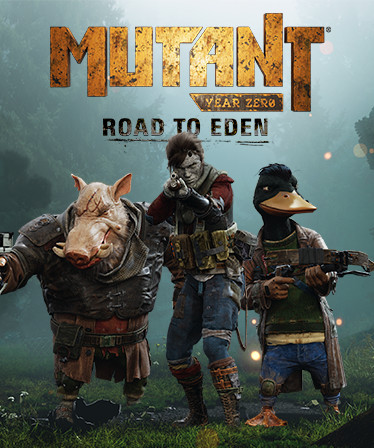
Mutant Year Zero: Road to Eden
A tactical game combining the turn-based combat of XCOM with story, exploration, stealth, and strategy. Take control of a team of Mutants navigating a post-human Earth. Created by a team including former HITMAN leads and the designer of PAYDAY.
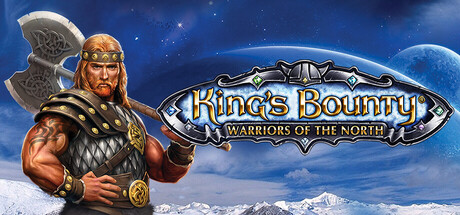
King's Bounty: Warriors of the North
King’s Bounty: Warriors of the North is a standalone entry of the beloved tactical RPG series set in the world of The Legend, generations after its events. You will lead a Viking hero, wield Rune Magic, command Valkyries, and defend the northern lands of Endoria from an undead invasion.

Blackguards
What happens when the only hope of a threatened world lies not with heroes in shining armor, but in the hands of a band of misfits and criminals? Blackguards, a new turn-based strategy RPG, explores this very question. You will discover over 180 unique hex-based battlegrounds within a dark and mature story of crime, drugs, and murder.

Mordheim: City of the Damned
Mordheim: City of the Damned is the first video game adaptation of Games Workshop's cult classic tabletop game Mordheim. Set in the Warhammer World's decimated Empire city, Mordheim: City of the Damned is a turn-based tactical game where you lead warbands into bloody and lethal skirmishes.

Dead State: Reanimated
Dead State is a narrative-driven survival RPG set at the dawn of the undead apocalypse. Drawing inspiration from classic RPGs like Fallout, X-Com, and Suikoden, Dead State combines strategic, turn-based combat with base building mechanics, character creation, and social management.
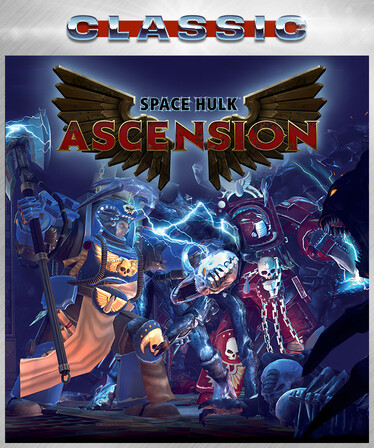
Space Hulk: Ascension (Classic)
Space Hulk: Ascension is a 3D, digital, turn based, strategy game, which re-interprets the classic board game experience, and adds new RPG style mechanics, new weapons and missions, new enemy types, 3 playable chapters and loads of other new features to the single player experience.
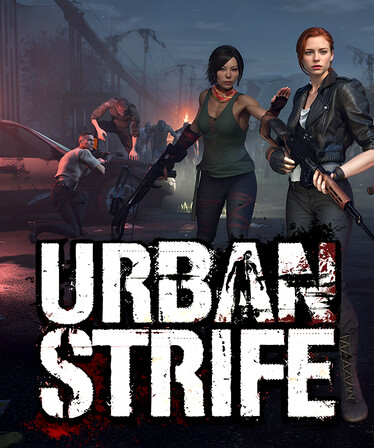
Urban Strife
Old school TBS, post-apoc survival and RPG. Recruit deranged locals in your militia, ally local factions and fight those you hate. Haul loot back and rebuild your shelter, doctor your wounds, and fix your guns. People need feeding, booze needs brewing and there is an end of the world to enjoy.
Frequently Asked Questions
Marauder is currently priced at 9.99€ on Steam.
No, Marauder is currently not on sale. You can purchase it for 9.99€ on Steam.
Yes, Marauder received 510 positive votes out of a total of 699 achieving a rating of 6.98.
😐
Marauder was developed by Apeiron and published by ESDigital Games.
Yes, Marauder is playable and fully supported on Windows.
No, Marauder is not playable on MacOS.
No, Marauder is not playable on Linux.
This information about Marauder is not available yet.
This information about Marauder is not available yet.
No, Marauder does not support VR.
Marauder is a single-player game.
No, Marauder does not currently offer any DLC.
No, Marauder does not support mods via Steam Workshop.
No, Marauder does not support Steam Remote Play.
Yes, Marauder is enabled for Steam Family Sharing. This means you can share the game with authorized users from your Steam Library, allowing them to play it on their own accounts. For more details on how the feature works, you can read the original Steam Family Sharing announcement or visit the Steam Family Sharing user guide and FAQ page.
You can find solutions or submit a support ticket by visiting the Steam Support page for Marauder.
Data sources
The information presented on this page is sourced from reliable APIs to ensure accuracy and relevance. We utilize the Steam API to gather data on game details, including titles, descriptions, prices, and user reviews. This allows us to provide you with the most up-to-date information directly from the Steam platform.
Additionally, we incorporate data from the SteamSpy API, which offers insights into game sales and player statistics. This helps us present a comprehensive view of each game's popularity and performance within the gaming community.
Last Updates| Steam data | 25 September 2026 13:20 UTC |
|---|---|
| SteamSpy data | 26 October 2026 07:08 UTC |
| Steam price | 27 October 2026 04:01 UTC |
| Steam reviews | 20 October 2026 21:57 UTC |
If you'd like to dive deeper into the details about Marauder, we invite you to check out a few dedicated websites that offer extensive information and insights. These platforms provide valuable data, analysis, and user-generated reports to enhance your understanding of the game and its performance.
- SteamDB - A comprehensive database of everything on Steam about Marauder
- SteamCharts - Analysis of Marauder concurrent players on Steam
- ProtonDB - Crowdsourced reports on Linux and Steam Deck Marauder compatibility
Game modes
Features
Online players
2
Developer
Apeiron
Publisher
ESDigital Games
Release
04 Apr 2014
Platforms