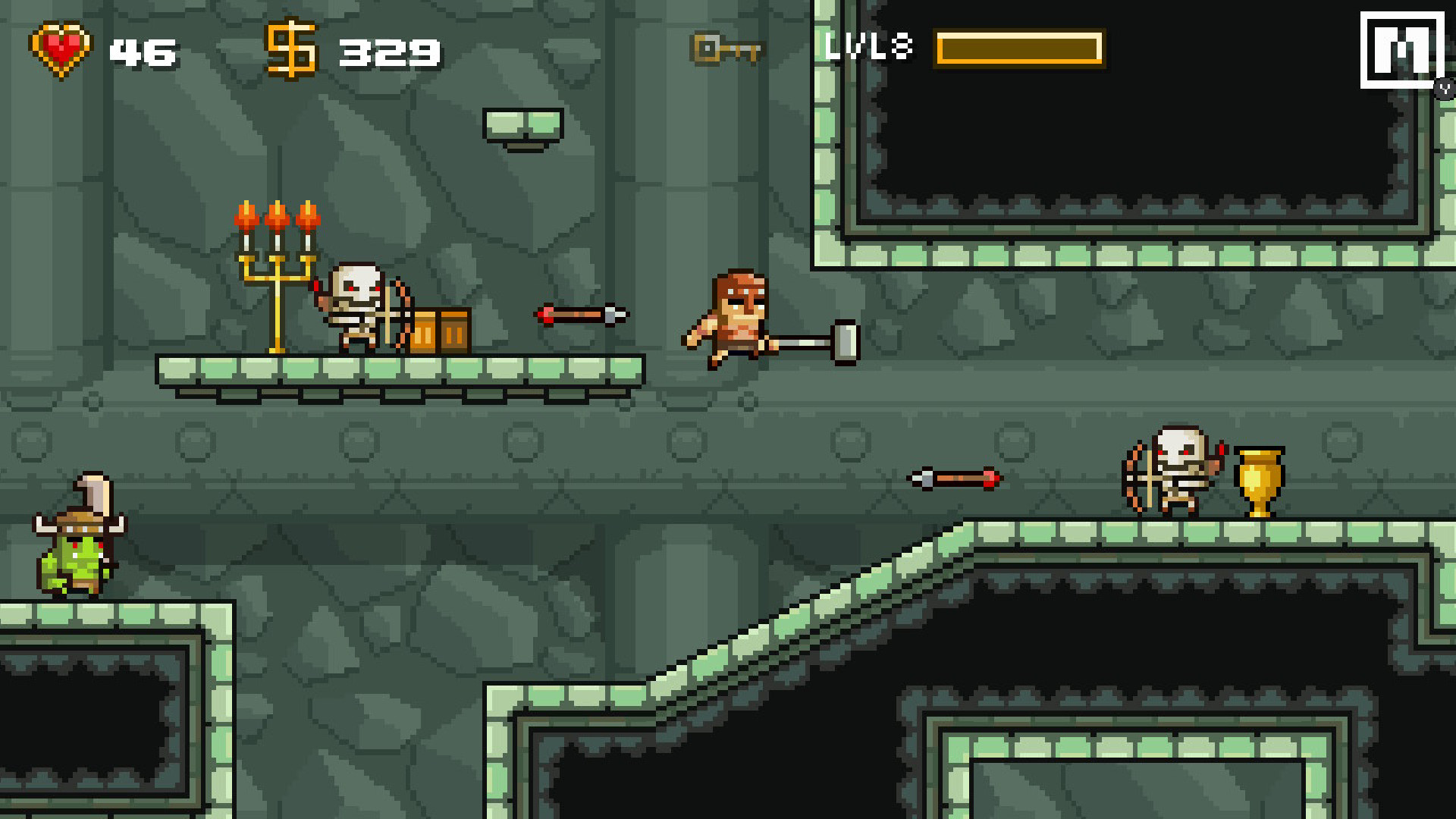
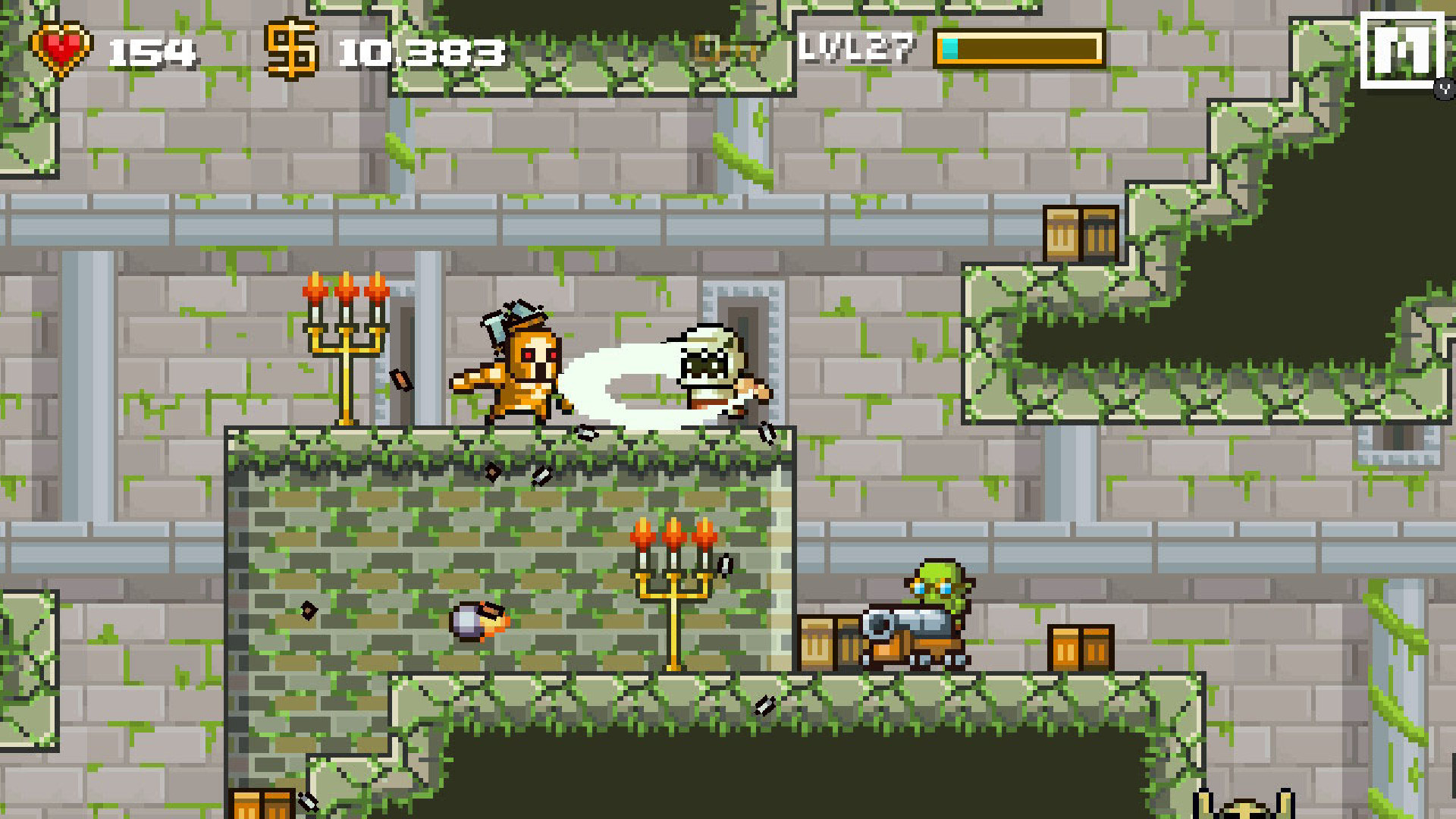
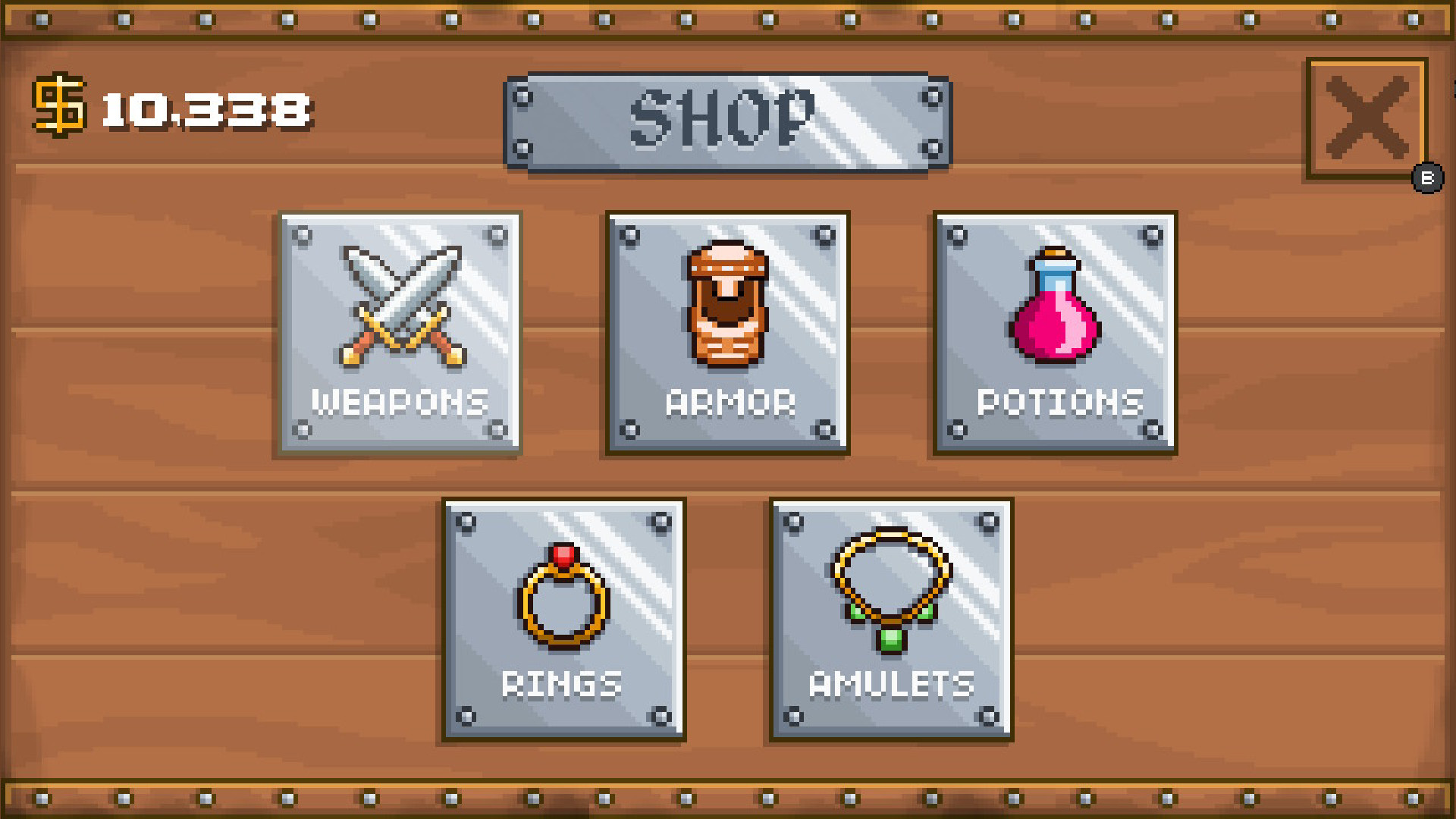
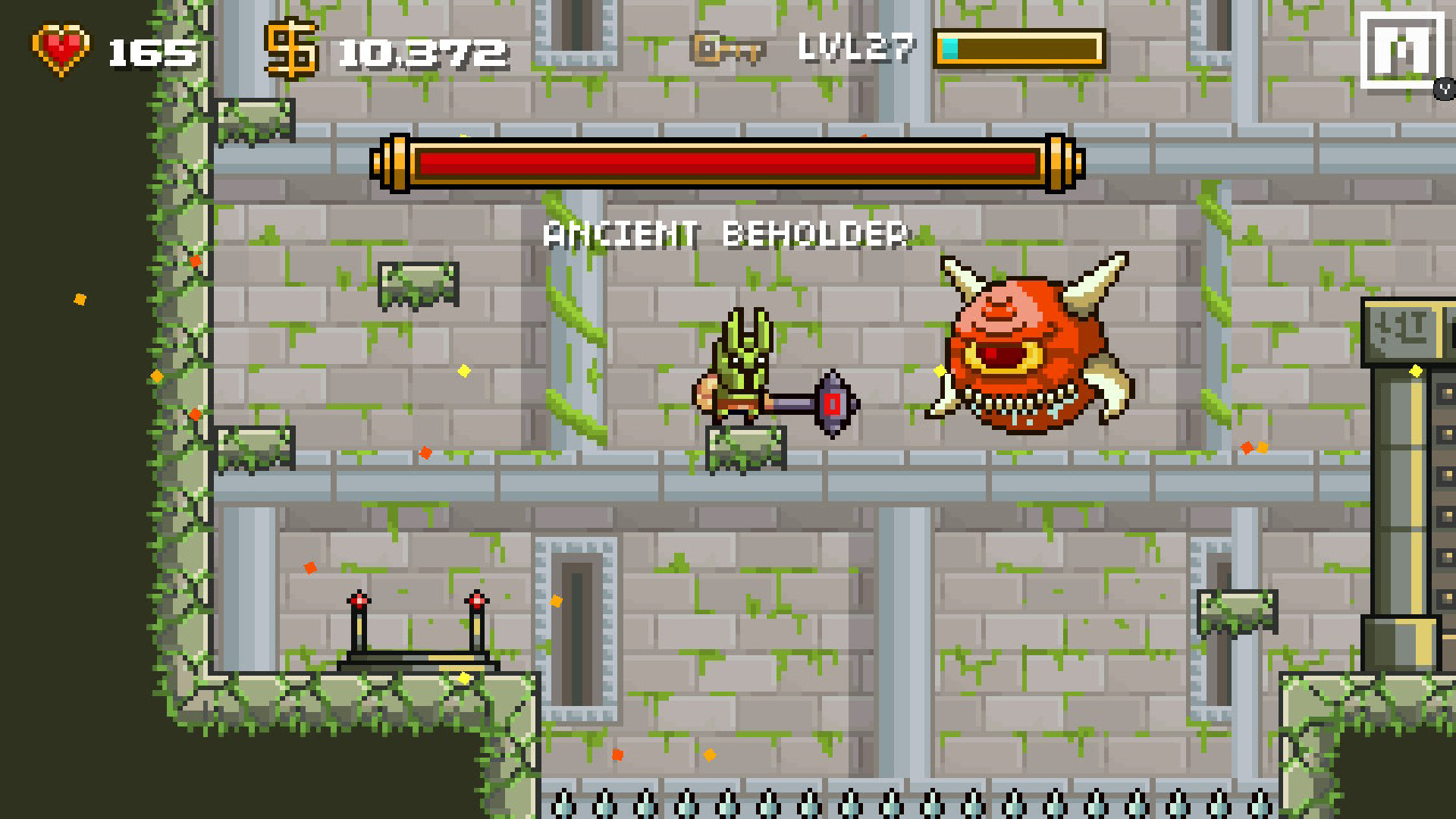
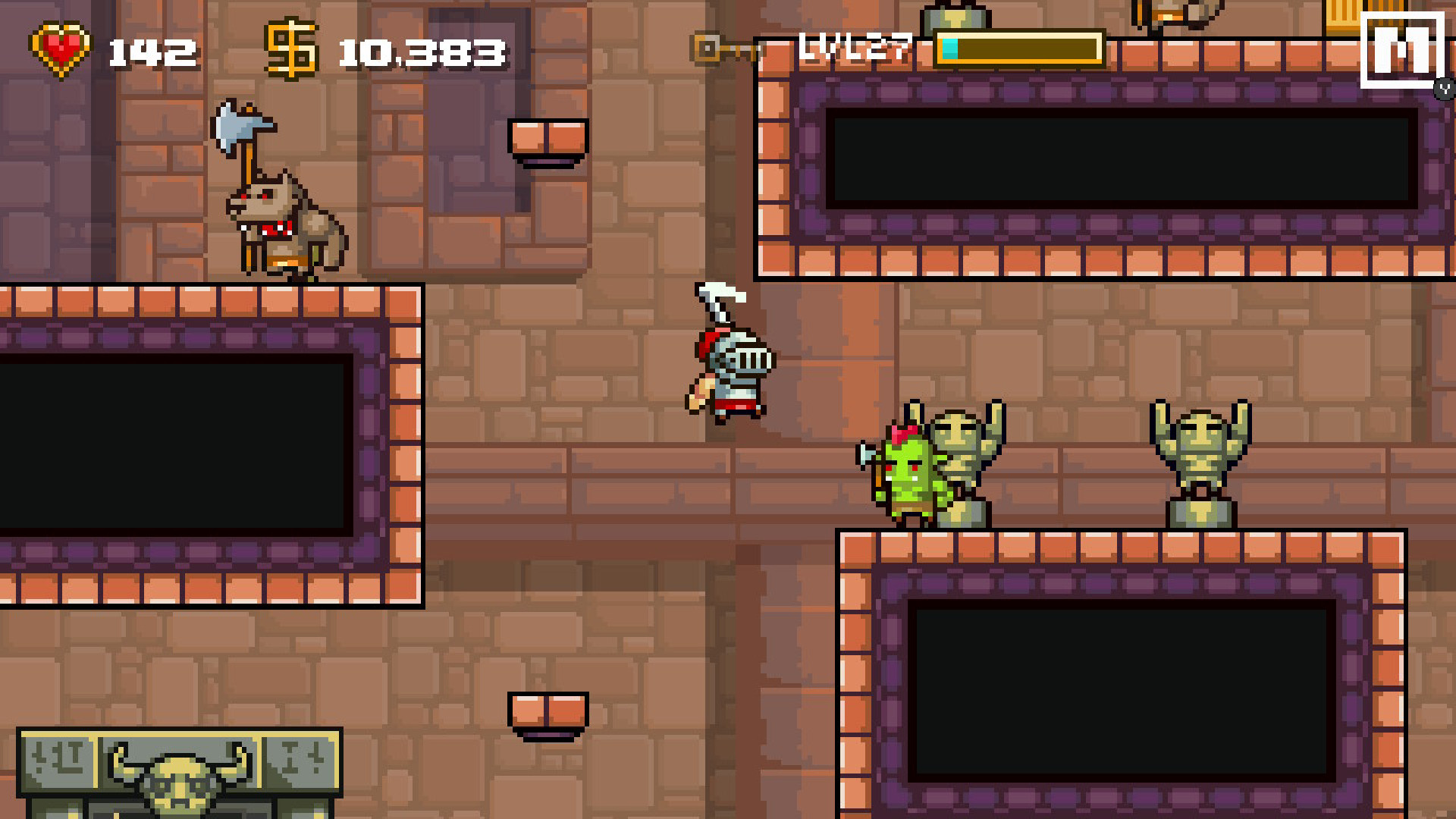
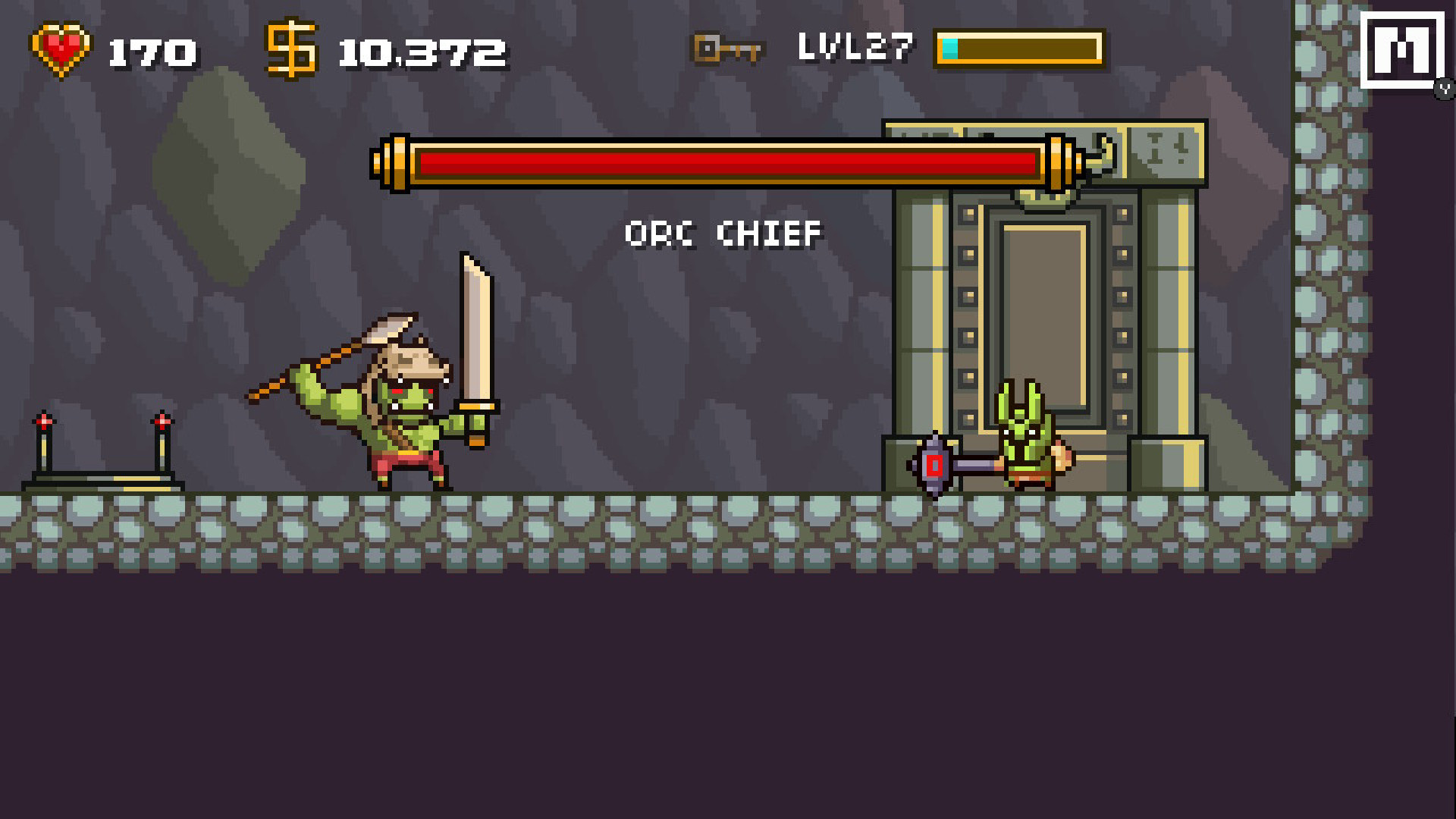
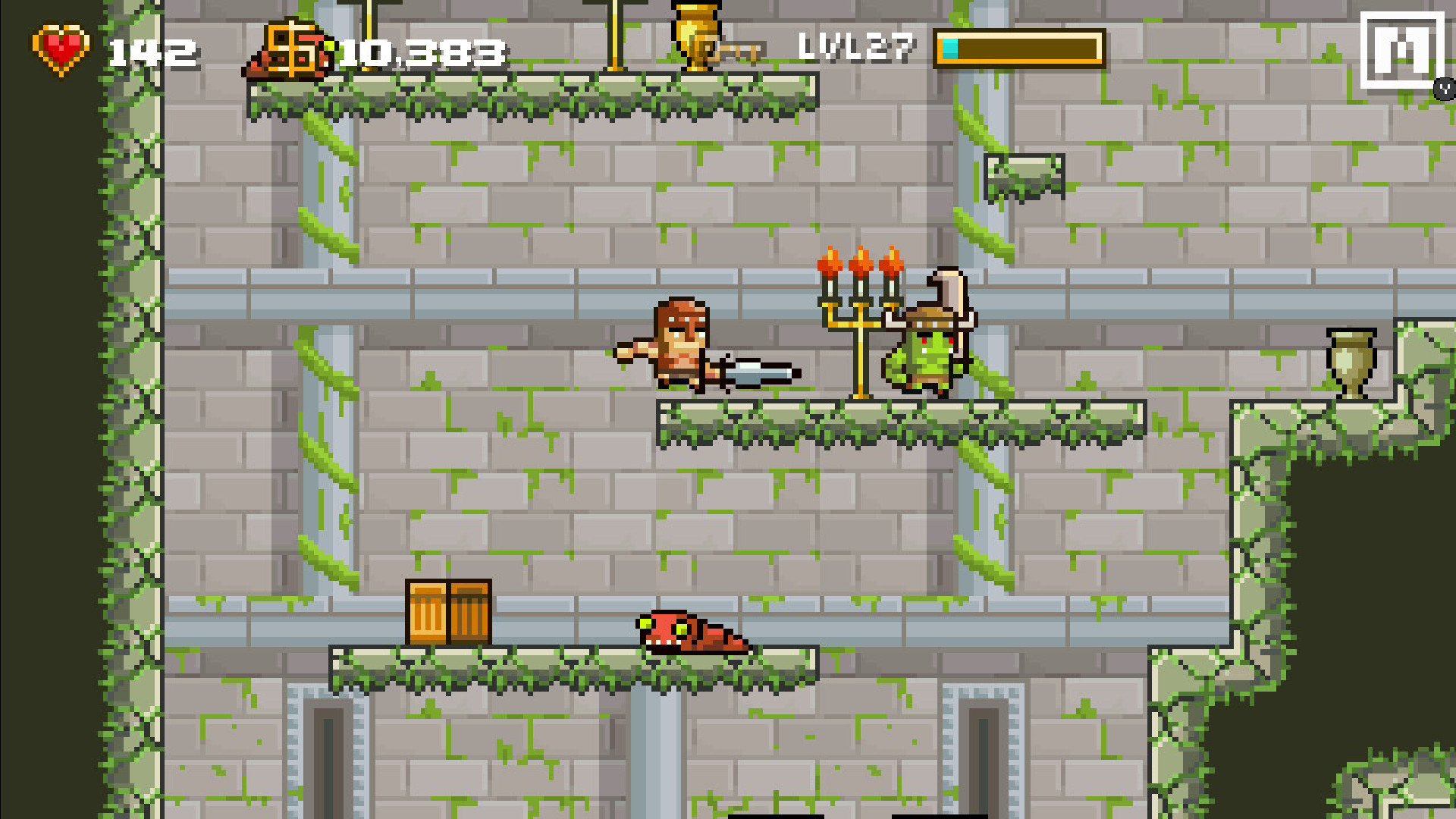
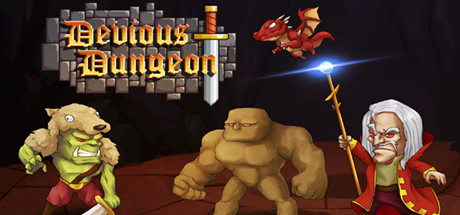
Devious Dungeon, developed by Woblyware and Ratalaika Games S.L. and published by Ratalaika Games S.L. and Meridian4, is a 2D action-platformer that captures the spirit of classic dungeon crawlers while blending it with the simplicity of an arcade experience. The game places you in the role of a lone knight chosen by the king to venture into the ever-changing depths of a cursed dungeon where monsters, traps, and treasure await. Its premise is deliberately straightforward, but that simplicity is the foundation of its charm. Devious Dungeon doesn’t strive to tell an epic story or reinvent its genre—it focuses instead on delivering tight controls, consistent progression, and a satisfying gameplay loop centered on combat, exploration, and incremental upgrades. The first thing that stands out is the game’s nostalgic presentation. Devious Dungeon embraces a retro pixel-art style that pays homage to 16-bit era classics. The environments, though procedurally generated, maintain a hand-crafted feel with their atmospheric backgrounds, torch-lit corridors, and medieval décor. The visual simplicity works in its favor, creating a clean, readable game world where every enemy, item, and platform is easy to identify. Complementing this is a catchy chiptune-inspired soundtrack that adds to the old-school mood without becoming repetitive. The combination of vibrant pixel aesthetics and a minimalist interface results in a presentation that feels both classic and timeless, reminding players why simple art direction often outlives high-budget spectacle. Gameplay in Devious Dungeon revolves around short, action-packed stages where you jump, slash, and loot your way through random layouts filled with enemies and hazards. The core loop is elegantly simple: find the key hidden in each level, unlock the door, and descend deeper into the dungeon. Along the way, you earn experience points for defeating monsters and gold for looting chests. Between stages, you can spend your earnings on better weapons, armor, rings, and potions that steadily enhance your stats. Leveling up increases your base health, damage, and critical hit rate, creating a tangible sense of growth as you progress. The shop system is easy to navigate, and the constant drip of upgrades keeps each run rewarding, even if you fall in battle. The roguelike influence is clear in the randomized levels and the retention of experience and gold upon death, giving players a steady path forward rather than forcing complete restarts. One of the game’s major strengths lies in its pacing. Each level can be completed in just a few minutes, making the game ideal for both short bursts and extended play sessions. The combat feels snappy and responsive, with melee attacks landing cleanly and movement remaining fluid. There’s a rhythm to the gameplay that becomes addictive—enter a room, clear out enemies, collect loot, and move to the next. As you dive deeper, new enemy types emerge, requiring quicker reflexes and smarter positioning, though the overall difficulty remains balanced enough to stay approachable for casual players. Boss battles punctuate each world, providing satisfying moments of tension that test your mastery of movement and attack timing without feeling unfair. However, the simplicity that makes Devious Dungeon so accessible can also be its greatest limitation. While the randomized level layouts add some variety, the overall structure remains largely the same from start to finish. Combat, though satisfying, doesn’t evolve significantly, and most enemies are defeated using similar tactics. Once you’ve acquired stronger equipment, progression becomes more about endurance than innovation. There’s a repetitive quality to the game’s rhythm—kill, collect, upgrade, repeat—that can lead to fatigue for players looking for more complexity or narrative depth. Yet, for those who enjoy straightforward gameplay loops and the satisfaction of incremental improvement, this repetition becomes almost meditative, a core part of the experience rather than a flaw. From a technical standpoint, Devious Dungeon runs smoothly and efficiently across platforms, a reflection of Ratalaika’s reputation for clean, optimized ports. Load times are minimal, and controls are tight whether using a keyboard or controller. The minimal system requirements ensure that nearly any PC can handle the game, making it a perfect entry point for players who appreciate retro-style titles without demanding hardware. The design prioritizes accessibility—checkpoints are generous, deaths are rarely punishing, and progress is always preserved in some form. It’s this balance of challenge and forgiveness that makes Devious Dungeon appealing to both newcomers and genre veterans alike. In the end, Devious Dungeon is a celebration of simplicity done right. It doesn’t pretend to be more than it is, nor does it overcomplicate its design with unnecessary systems. Instead, it delivers an enjoyable, fast-paced dungeon crawl that rewards persistence and attention to small victories. Its retro art style, satisfying combat, and clear progression loop make it a game that’s easy to pick up and hard to put down. While it lacks the depth and mechanical variety of more ambitious roguelikes, it excels as a compact, accessible adventure that captures the joy of old-school platforming with modern convenience. For players looking for a short, rewarding experience filled with loot, monsters, and nostalgia, Devious Dungeon stands as a charming and well-crafted gem in the indie action-platformer landscape. Rating: 7/10
Expand the review