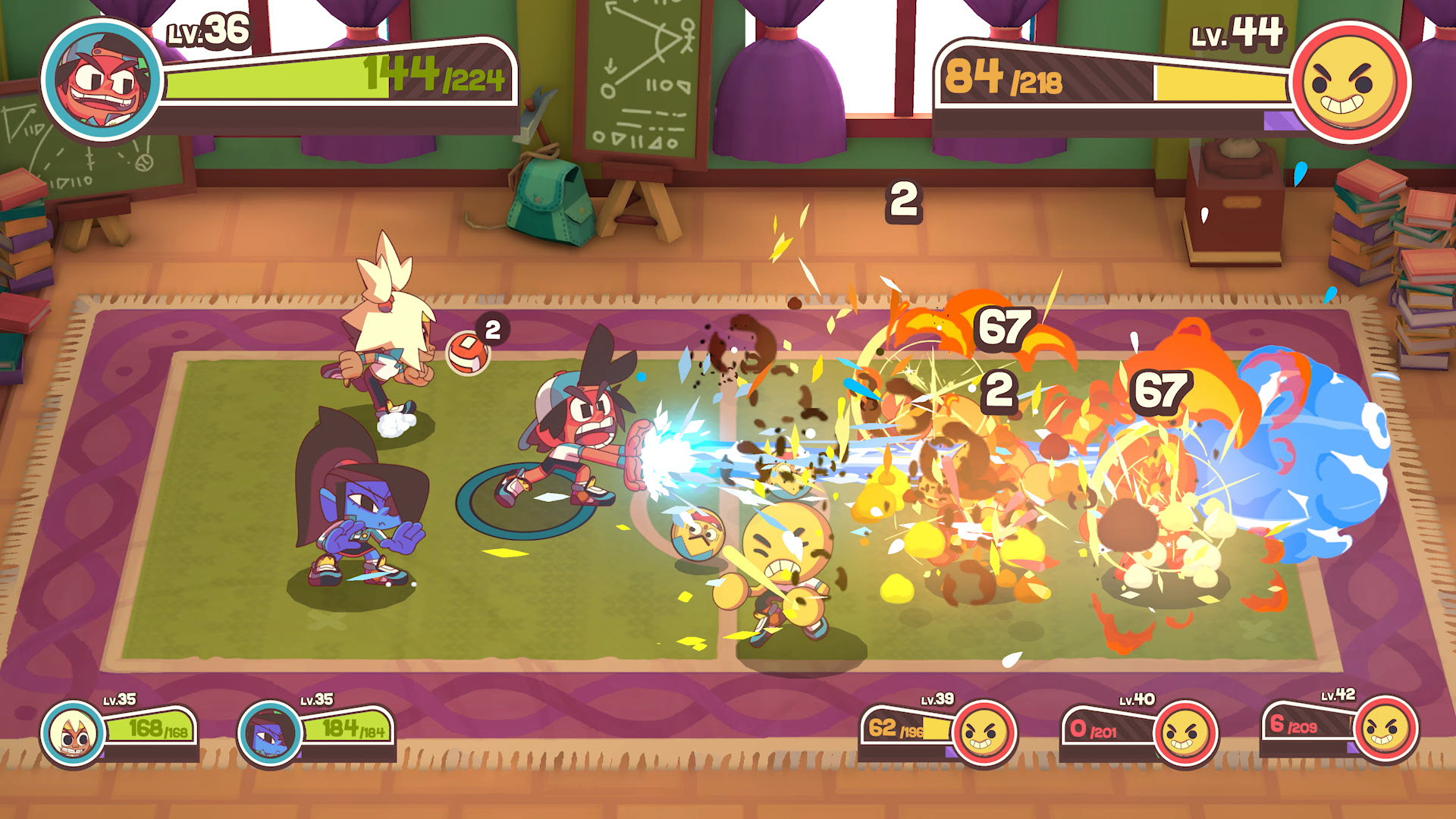
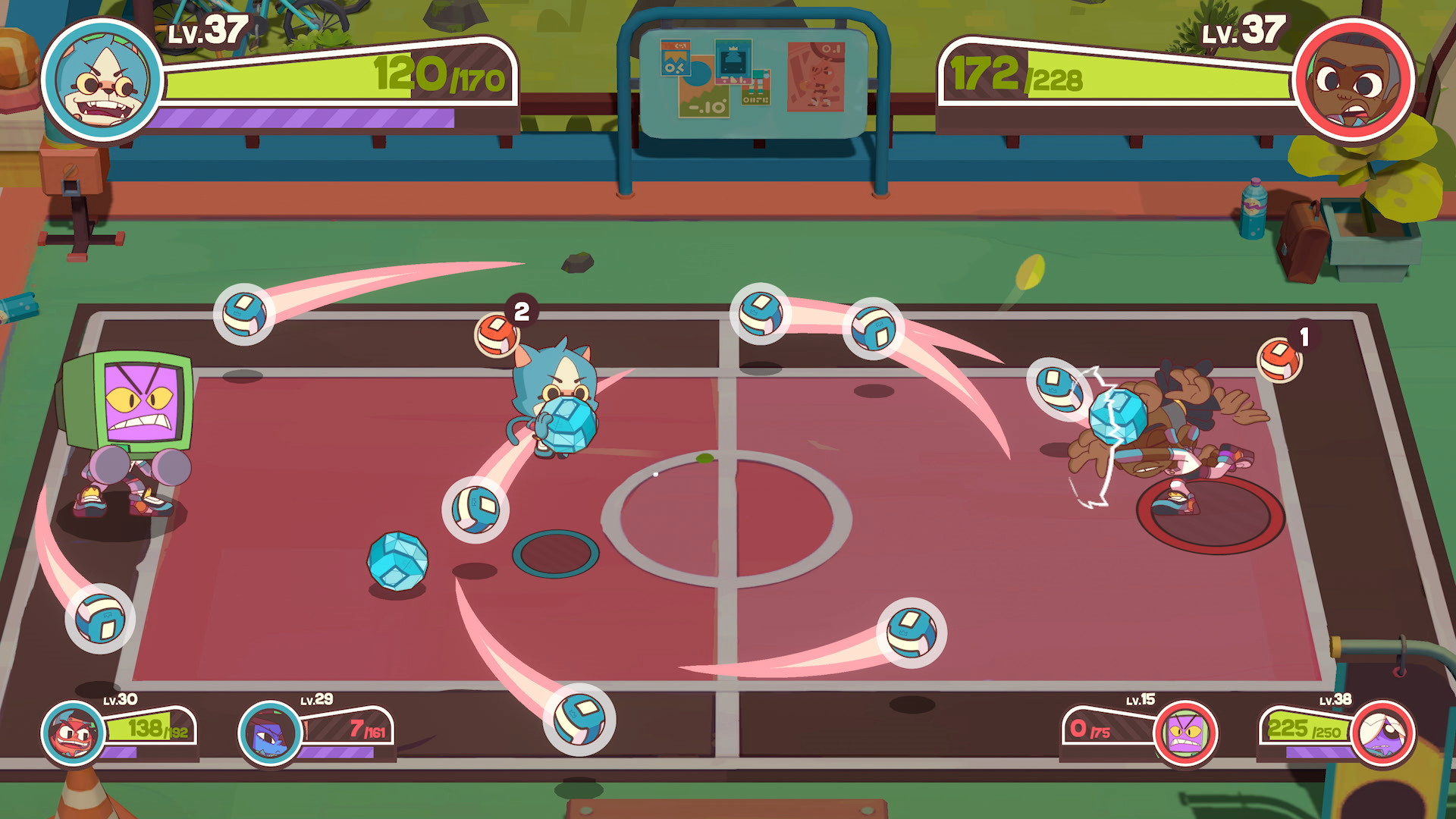
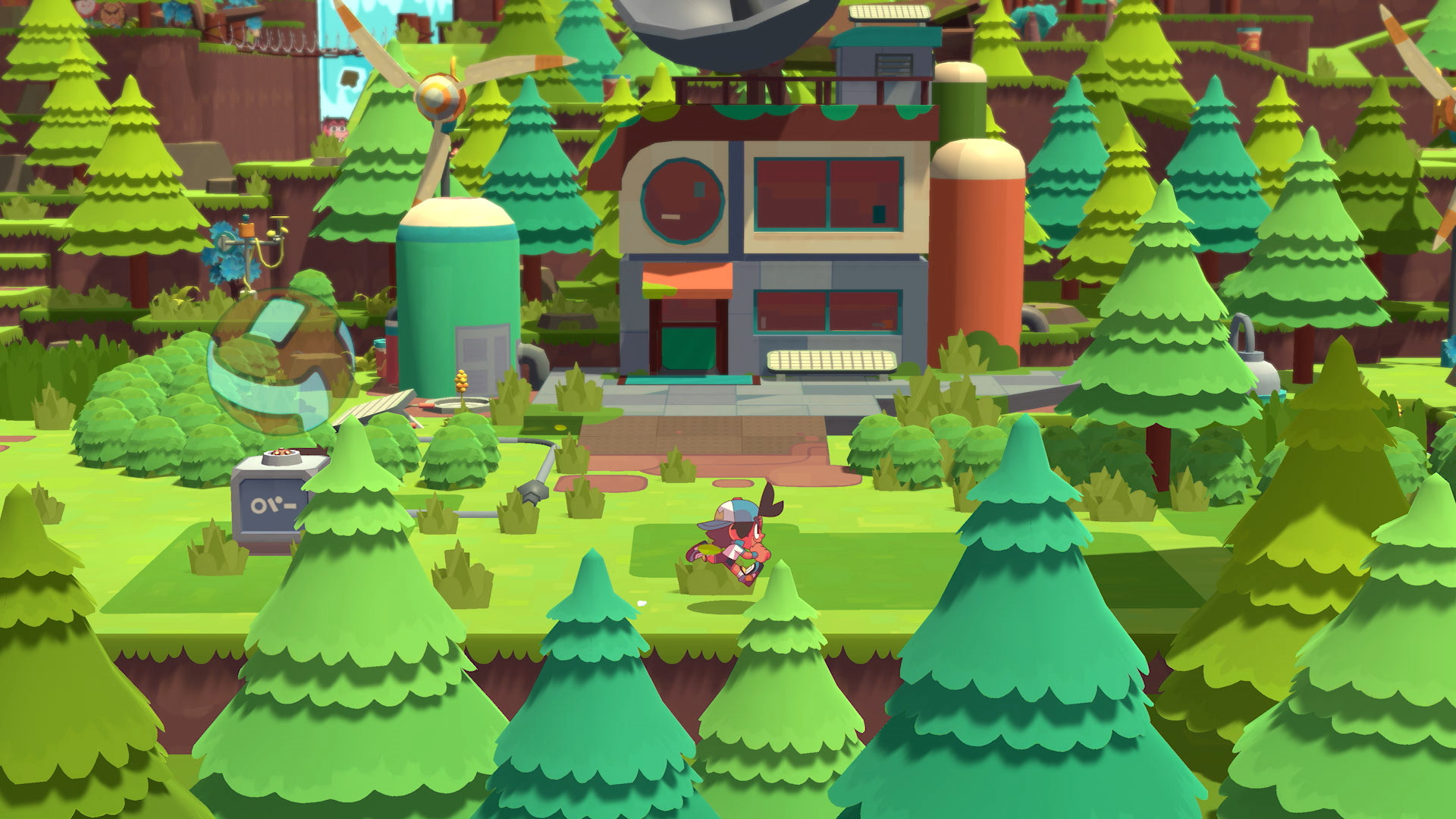
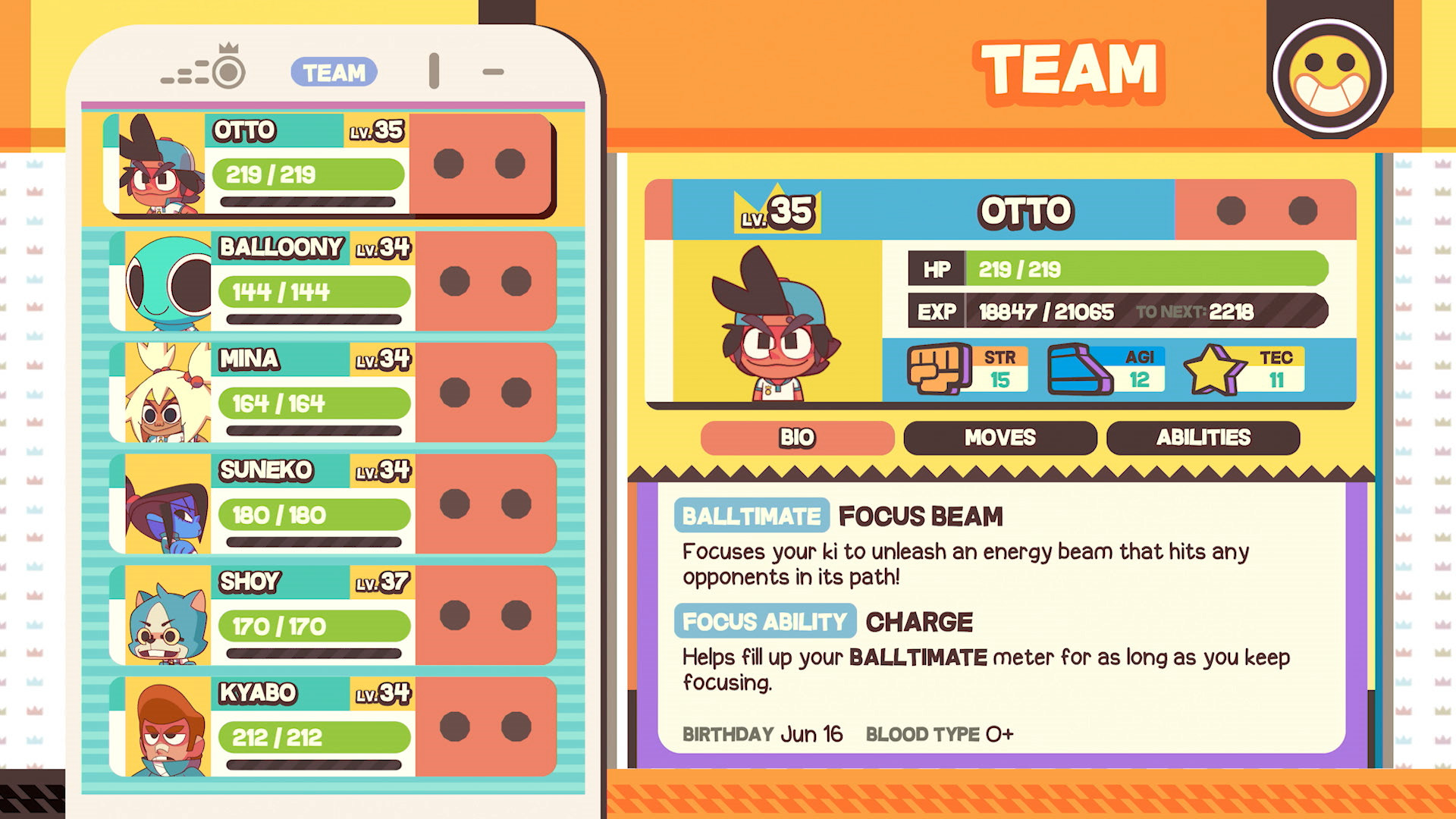
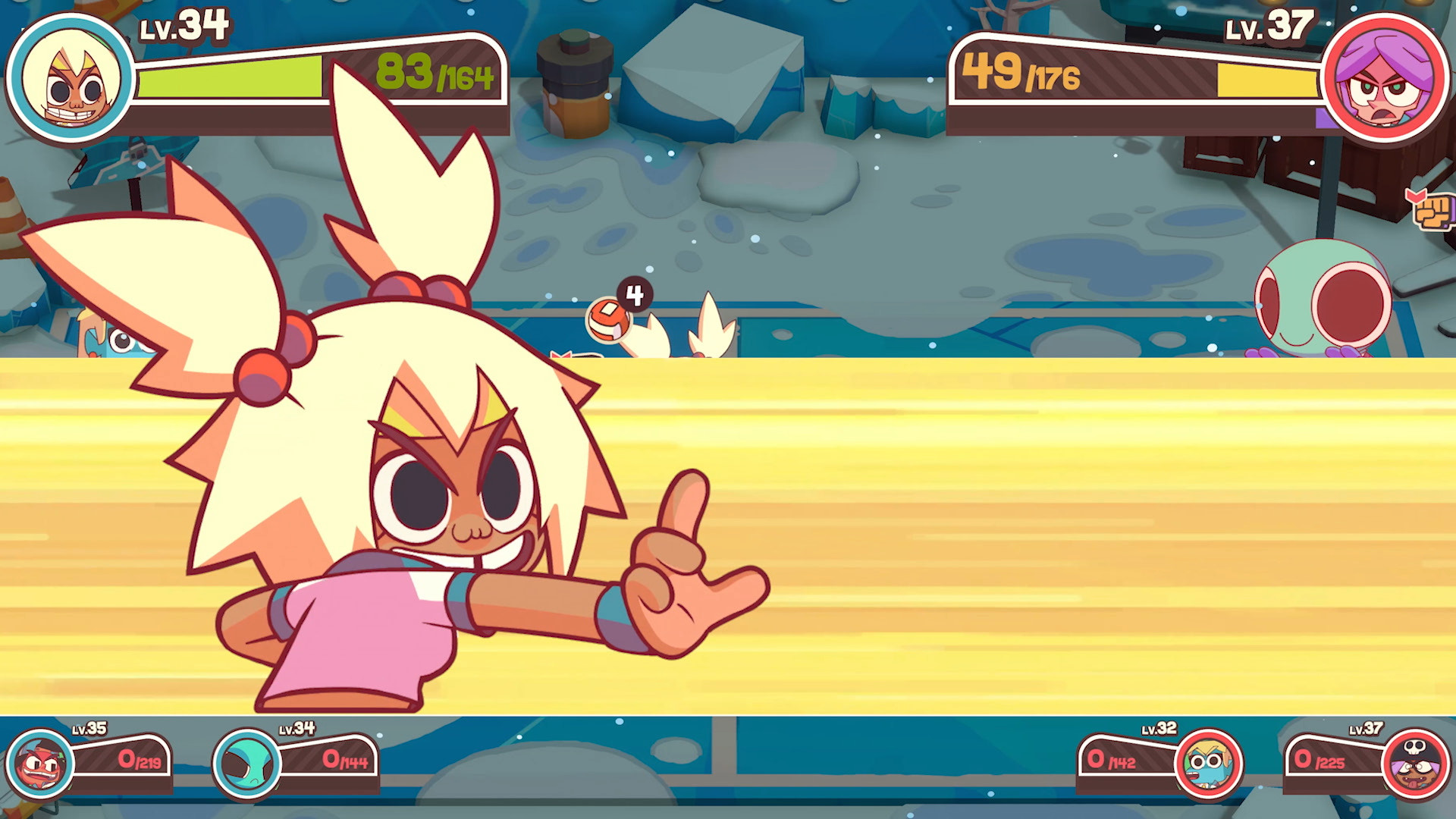
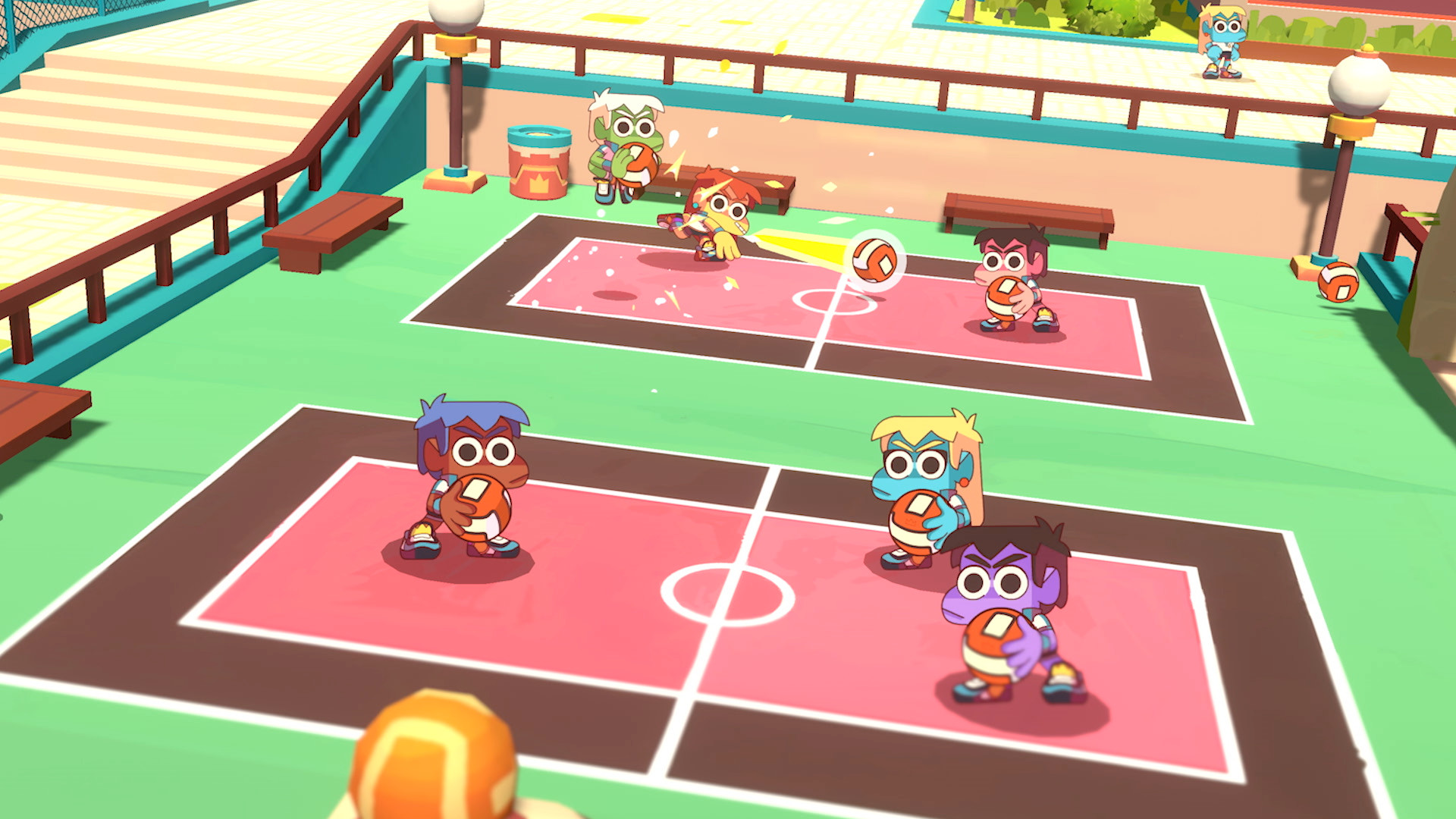
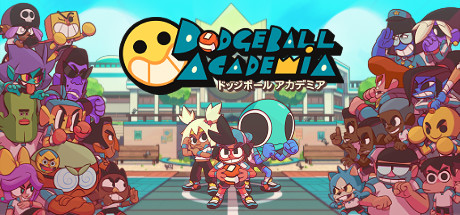
Dodgeball Academia is one of those rare games that manages to turn something as simple as dodgeball into a full-blown adventure filled with charm, humor, and surprising depth. Developed by Pocket Trap and published by Humble Games, it blends the spirit of a Saturday morning cartoon with the mechanics of a sports-themed role-playing game, resulting in an experience that feels both nostalgic and fresh. The story follows Otto, a wide-eyed newcomer to a prestigious academy where dodgeball isn’t just a pastime—it’s a way of life. From his first day, Otto dreams of becoming the greatest player in the world, and his journey takes him through the academy’s eccentric campus, where friendship, rivalry, and the love of the game intertwine. It’s an instantly endearing setup that invites players into a world bursting with personality and infectious energy. The tone of Dodgeball Academia is consistently upbeat, driven by a script that strikes a balance between lighthearted comedy and genuine heart. Each of the characters Otto encounters along the way feels distinct and memorable, from brash rivals to loyal teammates, each animated with expressive dialogue and visual flair. The writing leans heavily on playful banter and exaggerated archetypes, but it never loses sight of the humanity beneath the humor. The academy setting provides a perfect backdrop for this kind of storytelling—it’s a place where competition and camaraderie go hand in hand, where lessons are learned both on and off the dodgeball court. There’s a warmth to the narrative that recalls classic anime about youthful ambition, and the game’s episodic structure, divided into chapters, enhances that feeling of watching a sports-themed show unfold across a full season. The heart of the experience lies in its gameplay, which cleverly transforms the simple mechanics of dodgeball into a robust action-RPG system. Matches play out in real time, blending quick reflexes with tactical thinking. Players can throw, dodge, catch, and counter in a rhythm that feels immediately satisfying, while each character on the team brings their own unique abilities and special “Balltimate” moves to the mix. Some characters can curve their throws, others can heal allies or perform devastating area attacks, and mastering the timing of these moves becomes crucial in later stages. The game introduces new layers of complexity over time—different ball types, environmental hazards, and elemental effects that can turn the tide of a match. What makes these battles shine is how well they blend accessibility with depth. They’re easy to pick up but hard to master, encouraging experimentation with team compositions and strategies as the story progresses. Outside of matches, the academy itself serves as an explorable hub that ties everything together. Players can roam the vibrant campus, take on side quests, and interact with dozens of quirky NPCs who help flesh out the world. There’s a steady flow of character development and minor storylines that make the setting feel alive, whether you’re helping a fellow student settle a rivalry or uncovering the mysteries of the academy’s hidden history. The sense of progression is also rewarding: characters gain experience, level up, and equip new items that enhance their stats and abilities, giving the game the satisfying loop of a traditional RPG. Despite being centered on a school environment, Dodgeball Academia’s world is surprisingly expansive, with different areas to explore and secrets to find, ensuring that the sense of discovery never quite fades. The presentation is another of the game’s strongest assets. Dodgeball Academia’s art style bursts with color and personality, mixing clean cartoon outlines with expressive character animations that make every interaction pop. The visuals are reminiscent of hand-drawn animation, with exaggerated gestures and humorous facial expressions that perfectly match the game’s tone. The music, composed by Vitor Kumm, complements this aesthetic beautifully, shifting from energetic sports anthems during matches to upbeat campus tunes and mellow exploration themes. It’s a soundtrack that sticks with you long after you’ve turned the game off, embodying the same vibrant optimism that defines the overall experience. The voice work is minimal, but the expressive writing and sound design more than make up for it, ensuring that each line of dialogue lands with personality. While the game’s charm is undeniable, it does have a few rough edges. The dodgeball battles, as exciting as they are at first, can begin to feel repetitive toward the later chapters, particularly if players rely on the same strategies or team setups. The difficulty curve also fluctuates unpredictably—some matches are a breeze, while others spike suddenly, requiring quick adaptation or grinding for upgrades. The dialogue, though funny and engaging, can sometimes feel excessive, especially when pacing slows between matches. Additionally, the lack of online multiplayer is a missed opportunity for a game built around a competitive sport; local versus mode is fun, but limited in scope. Still, these shortcomings never overshadow the game’s strengths—they’re reminders of its modest indie roots rather than fundamental flaws. What stands out most about Dodgeball Academia is its sense of identity. It knows exactly what it wants to be: a joyful, character-driven game about friendship, perseverance, and the thrill of competition. It embraces its cartoonish tone with confidence and uses it to explore surprisingly heartfelt themes about teamwork and self-belief. The writing has an underlying sincerity that keeps the humor from feeling hollow, and the gameplay loop, though simple, remains engaging thanks to its combination of timing, reflex, and strategy. The game’s pacing ensures that it never overstays its welcome, clocking in at around a dozen hours—long enough to deliver a complete and satisfying story without dragging its ideas thin. In the end, Dodgeball Academia succeeds because it understands the importance of fun. Every match, every character interaction, and every victory feels infused with enthusiasm, as though the developers wanted players to share in the same love for the game that drives its characters. It’s a refreshing blend of action, humor, and heart that stands out in a sea of more conventional sports and RPG titles. For players who enjoy the creativity of indie games, the personality of anime storytelling, or simply the joy of mastering a quirky but rewarding system, Dodgeball Academia offers a one-of-a-kind experience. It’s lighthearted but meaningful, accessible yet skillful, and above all, it’s a reminder that sometimes the simplest ideas—when executed with passion and imagination—can become something truly special. Rating: 9/10
Expand the review