


EARTHLOCK
Earthlock is an indie developed, adventure RPG inspired by the classic 3D RPGs of the late 90's, with a fresh take on turn based combat and character progression.
Sync your Steam wishlist to find the lowest game prices instantly. No login required, just paste your Steam profile URL!
⚡ Try Wishlist Radar!
Sync your Steam wishlist to find the lowest game prices instantly. No login required!
⚡ Try Wishlist Radar!
Close

The World of Kungfu: Dragon and Eagle on Steam
Quick menu
Make a name for yourself in this old-school Wuxia RPG. Explore the chaotic lands of ancient China and engage in challenging turn-based battles to change the world of kungfu forever.
The World of Kungfu: Dragon and Eagle is a rpg, indie and adventure game
developed and published by ChillyRoom.
Released on October 23rd 2024 is available only on Windows.
It has received 4,612 reviews of which 3,099 were positive and 1,513 were negative resulting in a rating of 6.6 out of 10. 😐
The game is currently priced at 14.99€ on Steam, but you can find it for 12.61€ on K4G.
The Steam community has classified The World of Kungfu: Dragon and Eagle into these genres:
Media & Screenshots
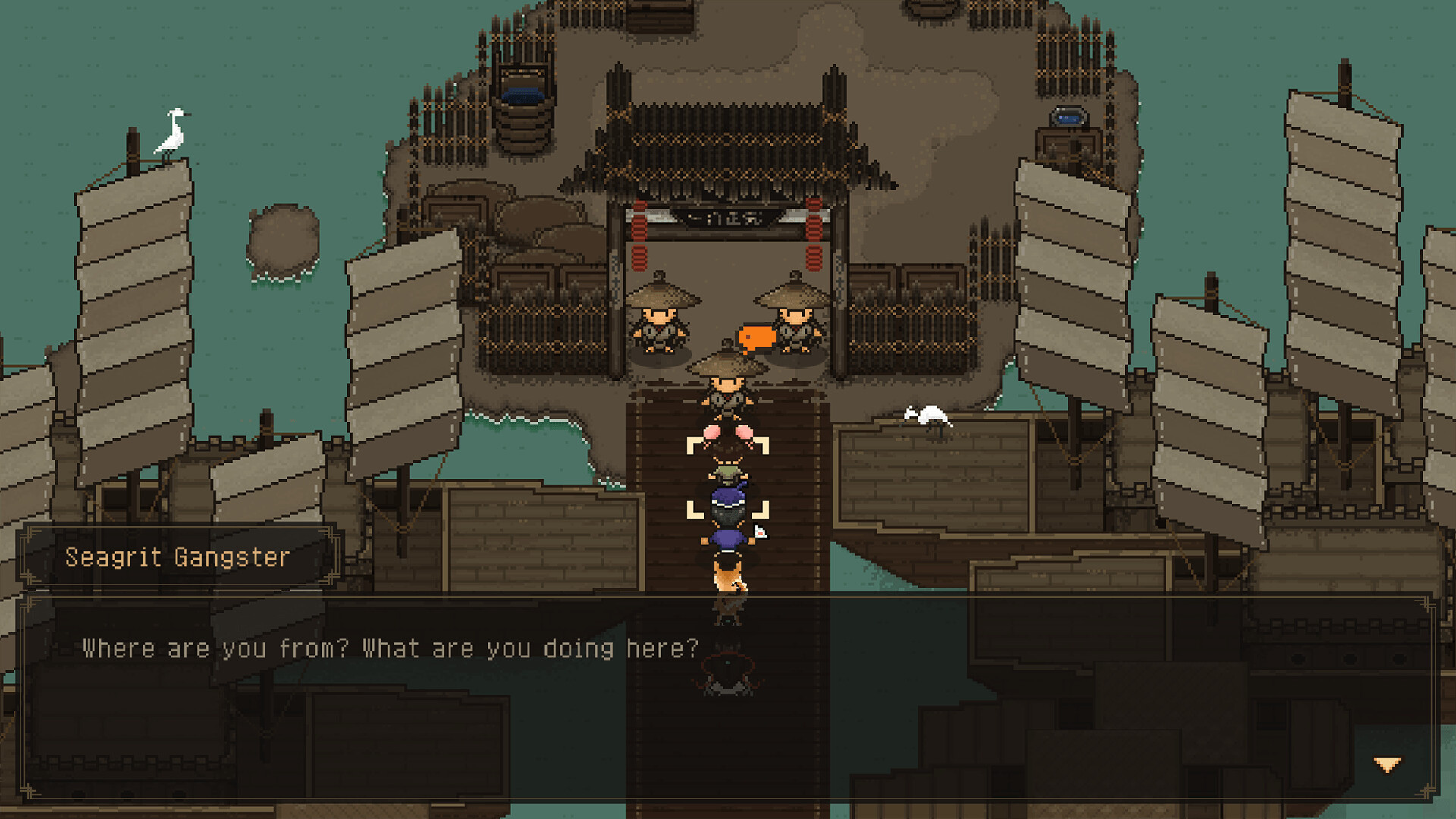
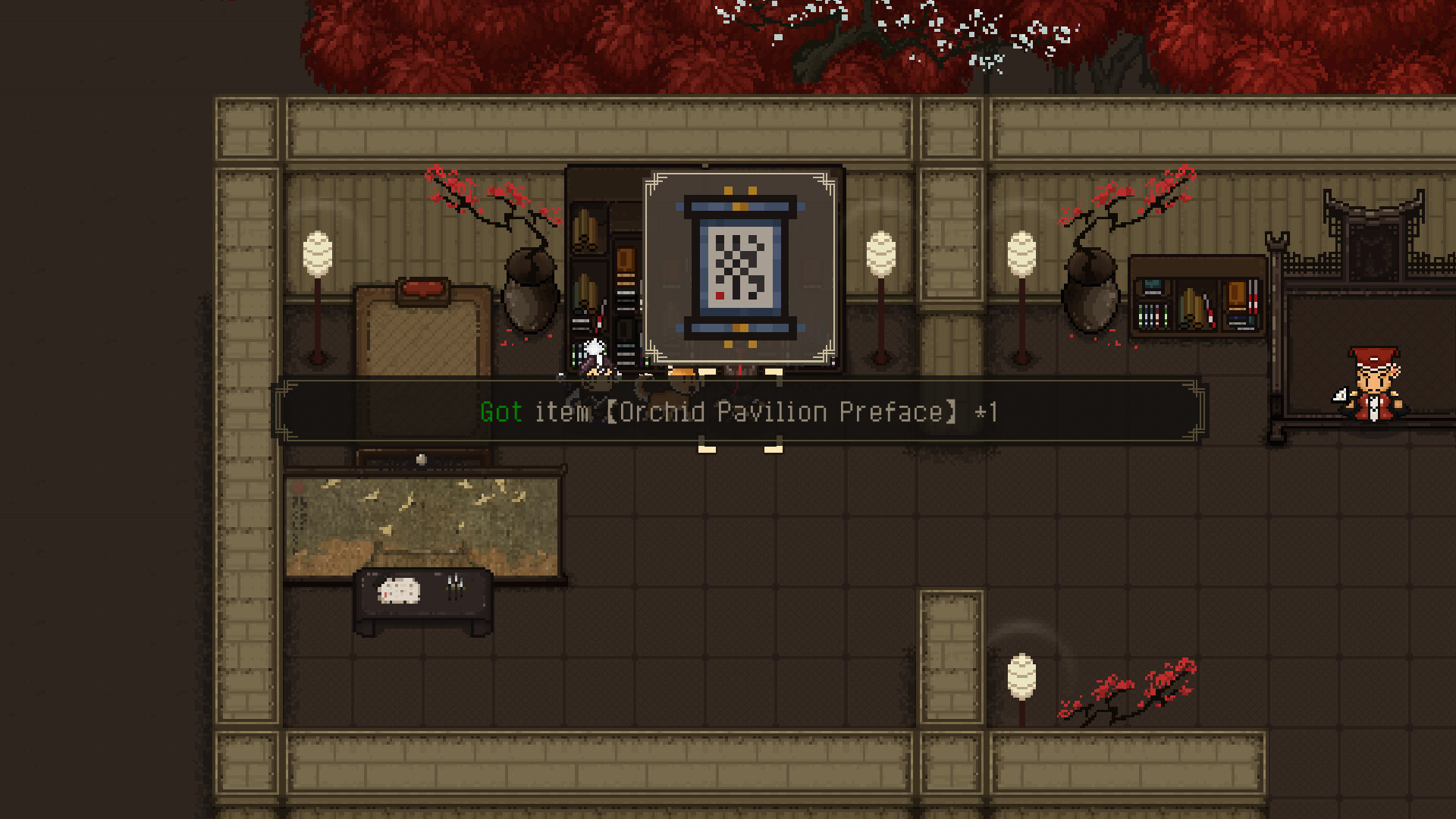
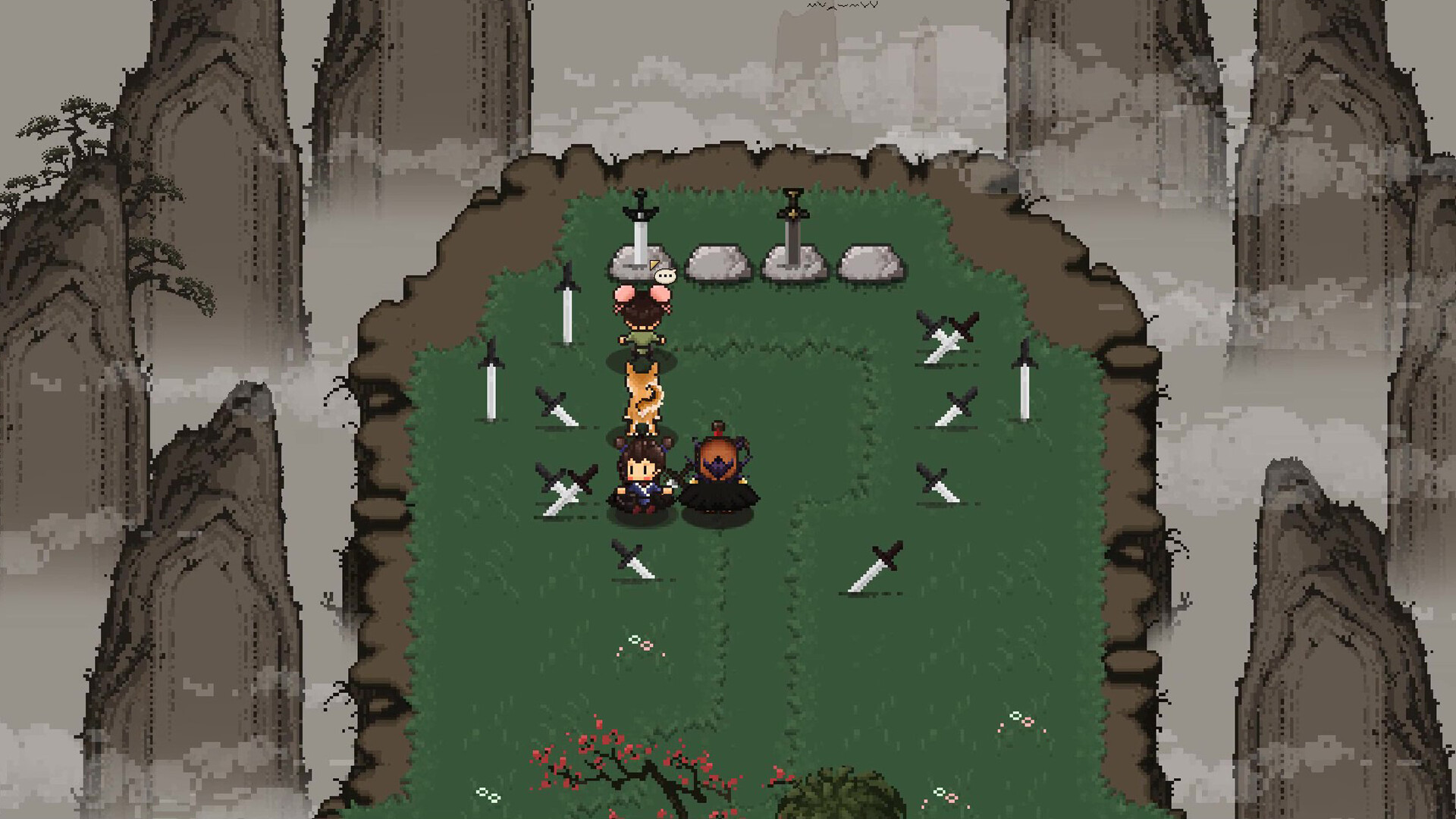
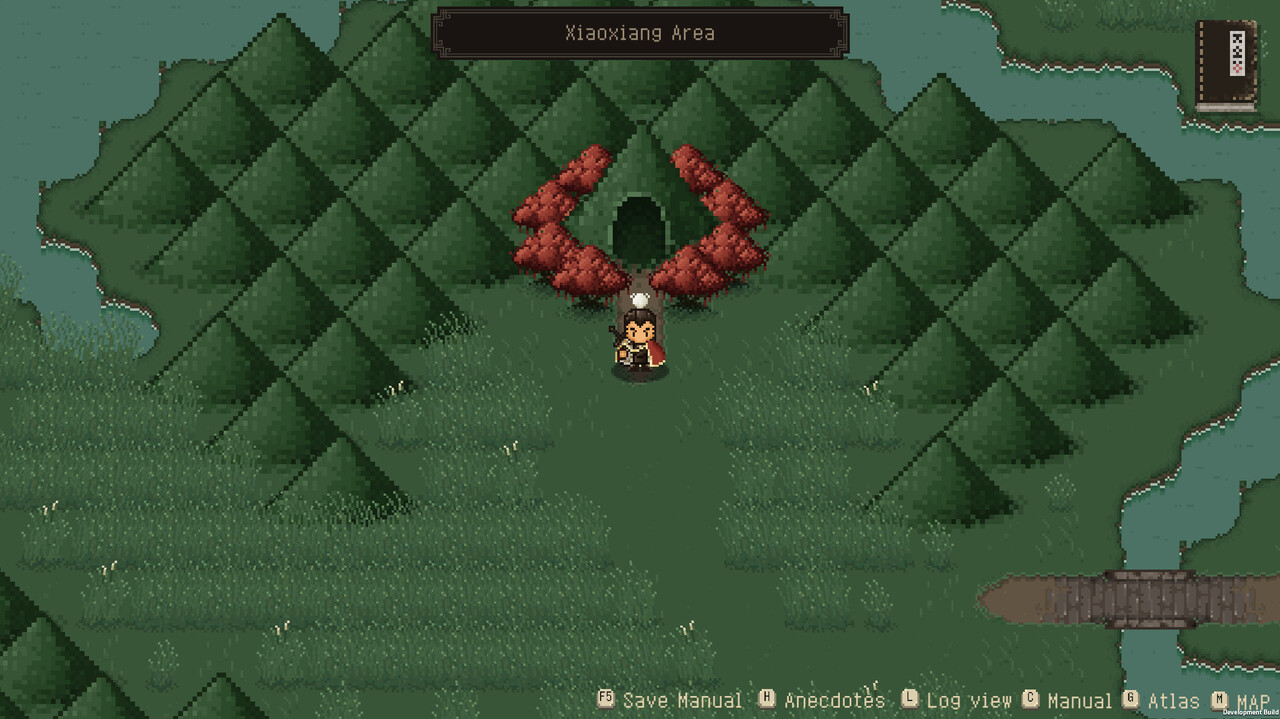
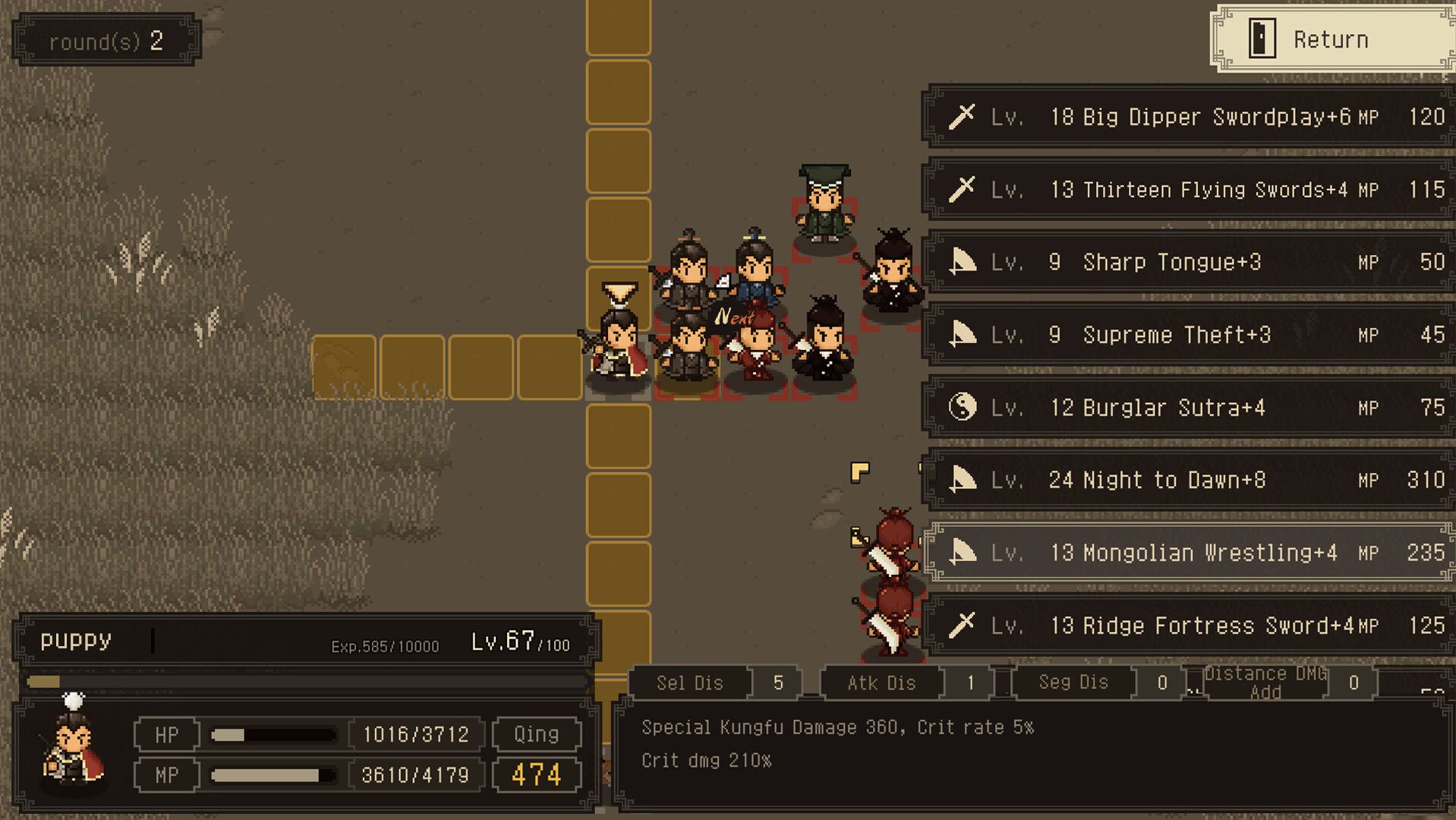
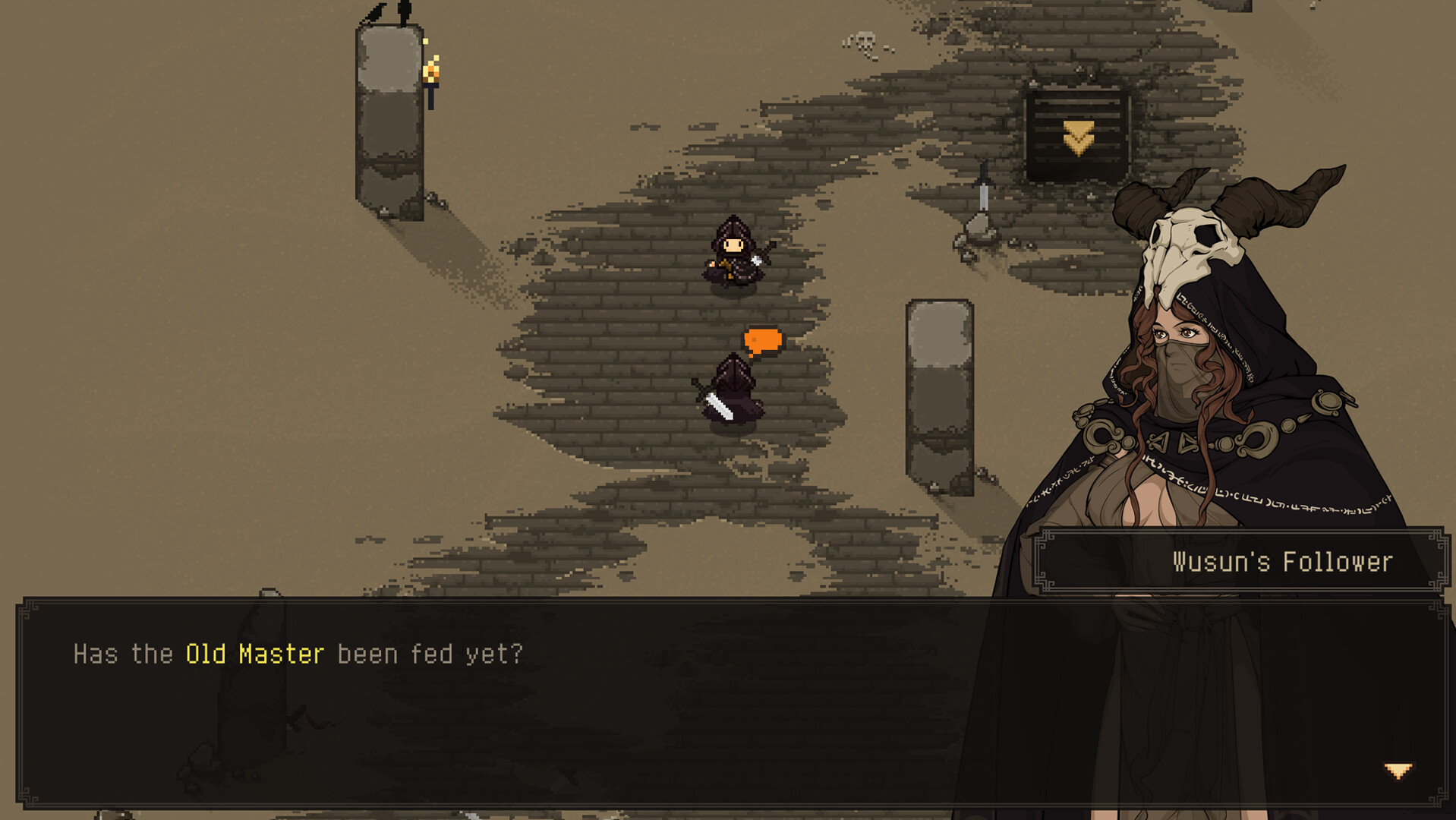
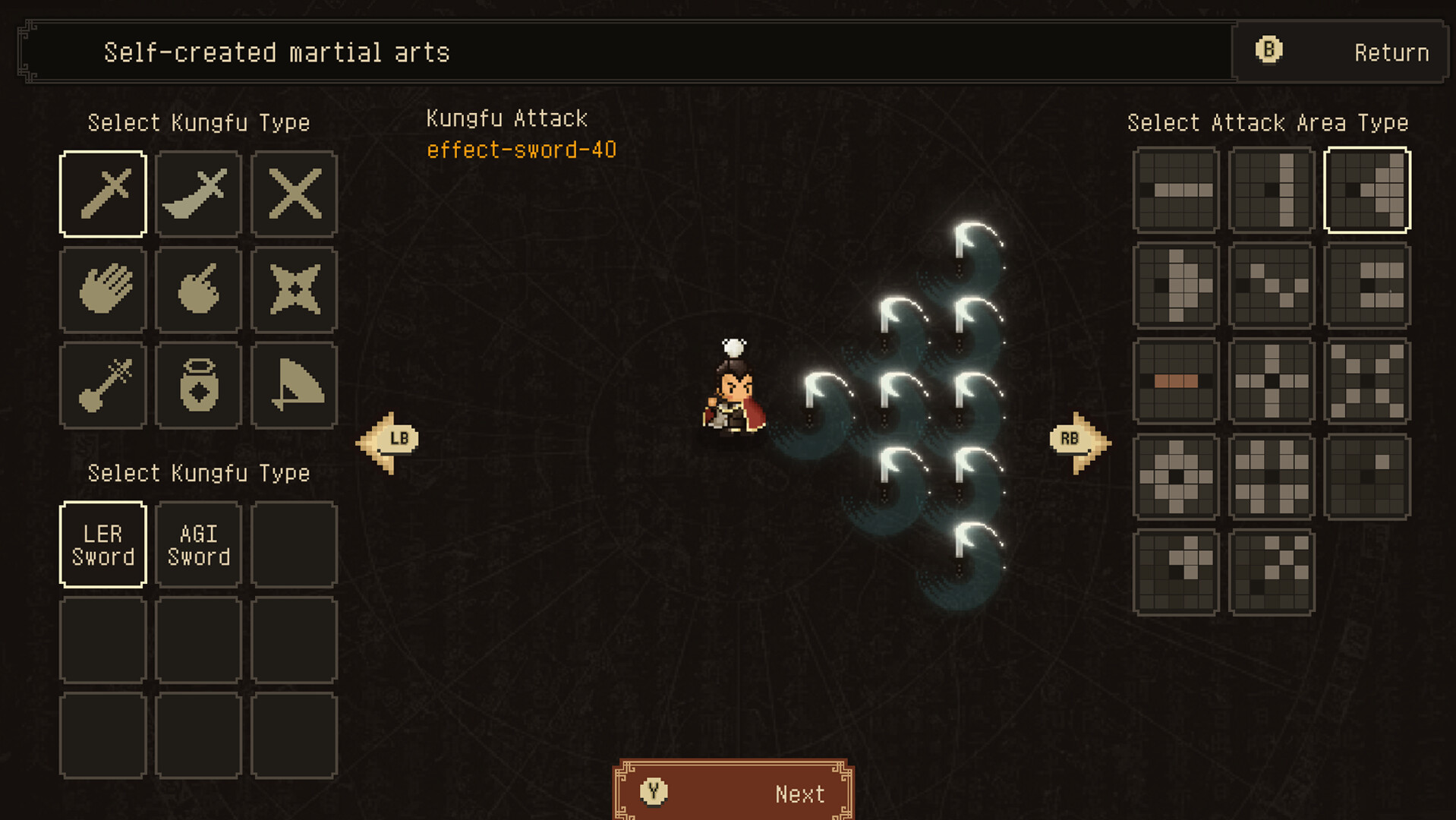
Get an in-depth look at The World of Kungfu: Dragon and Eagle through various videos and screenshots.



Load More








System requirements
These are the minimum specifications needed to play the game. For the best experience, we recommend that you verify them.
Windows
- OS *: Windows 7 / Windows 10 64 bit
- Processor: 2.50GHz
- Memory: 4 GB RAM
- Graphics: HD4400
- DirectX: Version 11
- Storage: 4 GB available space
- Additional Notes: 1920x1080 or resolutions of the same aspect ratio
Steam Price & Best Deals
User reviews & Ratings
Explore reviews from Steam users sharing their experiences and what they love about the game.
The World of Kungfu: Dragon and Eagle is a deliberately traditional wuxia RPG that places character development, martial arts mastery, exploration, and difficult decisions ahead of flashy presentation. Its inspiration from classic console role-playing games is immediately apparent in the pixel-art aesthetic and turn-based structure, but the Chinese martial-arts setting gives the formula a distinct personality. Rather than simply borrowing familiar retro mechanics, it uses them to tell a story about establishing a reputation within Wulin and discovering what kind of martial artist the protagonist will ultimately become. ChillyRoom serves as both developer and publisher, and the studio's affection for older RPG design can be felt throughout the experience. The world is one of its most appealing qualities. Jianghu is populated by competing clans, martial sects, patriots, dangerous villains, wandering heroes, government representatives, and experienced masters whose abilities and philosophies can influence the protagonist's journey. Meeting these characters gives exploration more purpose than merely moving between combat encounters. Friendships, rivalries, factional interests, and personal ambitions gradually create the impression of a martial society in which everyone occupies a particular place. The protagonist begins as another individual seeking recognition, but the decisions made along the way determine how that reputation develops. Story choices are particularly important because the game avoids presenting every conflict as an obvious contest between virtue and villainy. Players can encounter situations involving loyalty to authorities versus sympathy for unconventional heroes, personal morality versus the pursuit of power, and patriotism versus potentially beneficial cooperation with outsiders. Such dilemmas fit the wuxia setting exceptionally well. Honor is important, but honor itself can mean different things depending on the character or faction involved. Consequently, decisions can become uncomfortable when helping one group means betraying another principle. The presence of consequential choices and multiple possible outcomes also provides a reason to approach another playthrough differently. Turn-based combat complements this slower, more thoughtful structure. Becoming a formidable martial artist is a gradual process rather than something handed to the protagonist immediately. Fighting strengthens the character, while kungfu scriptures, equipment, and different progression routes allow players to shape their preferred style. The appeal comes from discovering techniques and considering how they interact with a developing build. This makes advancement feel connected to the central fantasy of martial-arts fiction, where knowledge, training, experience, and access to rare teachings can completely transform a fighter. The customization system is consequently one of the strongest reasons to remain invested. Instead of treating leveling as a purely automatic increase in power, the game encourages players to think about the direction of their character. Acquiring new martial disciplines and suitable equipment creates opportunities for experimentation, while larger battles provide situations in which those choices matter. Players who enjoy optimizing characters and discovering useful combinations should find considerably more satisfaction here than someone primarily interested in fast action. Despite the martial-arts theme, this is fundamentally a strategic RPG rather than an action-oriented kungfu spectacle. Its presentation embraces nostalgia rather than technical extravagance. Pixel graphics give environments and characters a distinctly old-school appearance, while the overall design evokes an era when RPGs relied heavily on dialogue, exploration, imagination, and mechanical progression. The visual approach works well with the game's identity, although it inevitably makes the experience less attractive to players expecting elaborate animation or cinematic martial-arts choreography. The same is true of its pacing. Conversations, exploration, character building, and turn-based encounters demand patience, particularly when compared with modern action RPGs. The large cast helps compensate for the restrained presentation. Feuding sects, eccentric masters, heroes, political figures, and antagonists give the journey personality and reinforce the idea that the protagonist is navigating an existing society rather than traveling through an empty playground. Because relationships and decisions are intertwined with progression, encounters with important characters can carry significance beyond obtaining another quest. This creates an adventure in which social standing and moral identity develop alongside combat strength. There are weaknesses inherent in this approach. Players who dislike slower turn-based encounters may find battles repetitive over extended sessions, while the amount of dialogue and interconnected political material can require considerable attention. The retro interface and presentation can occasionally feel more dated than intentionally nostalgic, and the game's various systems are not always as immediately approachable as those of streamlined contemporary RPGs. These characteristics help explain why the experience can be divisive. Its strengths are closely tied to old-fashioned design philosophies that some players will appreciate far more than others. Steam Deck compatibility is reasonably good. The game is officially categorized as Playable rather than Verified. It runs successfully on SteamOS, its default graphics configuration performs well, and all functionality is accessible through the default controller configuration. The main compromises are that some interface prompts may display mouse, keyboard, or non-Steam-Deck controller icons, while certain text can appear small on the handheld screen. These issues prevent a fully seamless portable experience, but they do not fundamentally interfere with playing the game. Its turn-based combat and measured pacing are otherwise naturally suited to handheld sessions. Overall, this is an engaging interpretation of the wuxia RPG for players who value meaningful character progression, moral choices, factional conflicts, exploration, and strategic combat. Its greatest accomplishment is making martial advancement feel like part of a larger personal journey rather than simply a sequence of numerical upgrades. The combination of kungfu techniques, equipment, relationships, political decisions, and branching consequences gives the adventure substantial role-playing identity. Its deliberately retro structure and slower tempo will not appeal universally, but players willing to embrace those qualities can discover a thoughtful martial-arts adventure with considerable depth and replay potential. Rating: 7/10
I saw some reviews talking about the save bug, and I had the same problem. From what I can tell, it's caused by Steam Cloud. It seems to either sync with a non-existent save or merge with an old Chinese save, then reset everything back to default every time you restart the game. I went through the same thing and managed to find a fix. Not sure if it'll work for everyone, but it worked for me. Before installing the game, make sure to turn Steam Cloud off. It needs to be a fresh install. If you've already installed the game, here's what I did Go to Properties Installed Files Browse. Delete the TWOKF folder. Delete any save files in your Documents folder if they're still there. Uninstall the game. Double-check that Steam Cloud is turned off. Reinstall the game. After that, everything should work fine. Your saves will be stored locally instead of syncing through Steam Cloud. I'd also recommend backing up your save files somewhere safe. Since they're local now, if you uninstall the game or reset your PC without backing them up, you'll lose your progress. Hope this helps!
Game is good only two bad aspects are that there are certain soft locked routes just don't save or have a backup save before point as well as the very long and slow ending credits. Other than these two things the game is a very laidback pick-up anytime kind with challenges if you like playing on harder difficulties.
My POV: - Great translation - Fantastic character customization - Nice story writing - Good combat - Amazing enhanced gear system - Not very good at showing item detail when you get reward from quests, choices. - It really pisses me off when games lock you out of certain areas. If you've already passed these locations, you can't go back, meaning you completely miss out if you overlooked something important. Overall this game worth my money and I enjoyed it alot. Recommend for people who like wuxia stuff and turn base combat.
Similar games
View all

DemonCrawl
DemonCrawl is a puzzle roguelite that combines the addicting gameplay of Minesweeper with hundreds of unique items, stages, and abilities!

Ruined King: A League of Legends Story
Rise Against Ruin - Unite a party of League of Legends Champions, explore Bilgewater and set sail for the Shadow Isles to uncover the secrets of the deadly Black Mist in this immersive turn-based RPG.

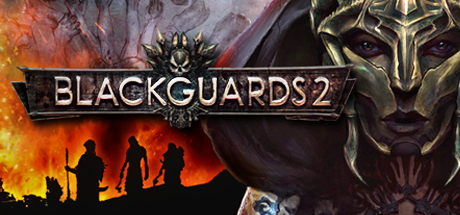
Blackguards 2
Blackguards 2 is a turn-based strategy-RPG and will deliver challenging hexfield battles and a gritty story filled with violence and crime. - Includes bonus content: Soundtrack, digital Art Book and Strategy Guide Book!

Avernum 2: Crystal Souls
Huge indie fantasy role-playing adventure in a massive, underground land. Packed with over 100 towns and dungeons and an epic story. Fight to complete up to three distinct game-winning quests. Master over 60 spells and abilities. Hunt for hundreds of magical artifacts. Over 50 hours of gameplay.


Greyfox RPG
You play as a new arrival to a foggy and mysterious town. You find yourself waking up in the bodies of the town's inhabitants at pivotal moments of their lives. Make tough choices as you discover the truth about this town called Greyfox.

Why Am I Dead At Sea
Why Am I Dead At Sea is an adventure game where you solve the mystery of your own murder. As a ghost, you will have to possess people and use them to investigate your surroundings. But in this place no one is who they seem...and everyone has a secret.

Vambrace: Cold Soul
Vambrace: Cold Soul is a story-driven roguelite set amidst a frozen landscape. Plan expeditions, then journey to the cursed city surface with your party. Wield unique powers, avoid traps, brave strange encounters, and survive deadly combat in this gothic fantasy adventure!

The Albino Hunter (Original)
Kalymn Nox is the Albino Hunter; even his pretentious and slightly racist title can keep him from waking up broke after a night of drinking.

Labyronia RPG 2
You return to the land of Labyronia, now in the cold grip of an evil force. Roam the wartorn lands. You are the only one who can save the planet from destruction. The epic sequel to the critically-acclaimed Labyronia.
Frequently Asked Questions
The World of Kungfu: Dragon and Eagle is currently priced at 14.99€ on Steam.
No, The World of Kungfu: Dragon and Eagle is currently not on sale. You can purchase it for 14.99€ on Steam.
Yes, The World of Kungfu: Dragon and Eagle received 3,099 positive votes out of a total of 4,612 achieving a rating of 6.58.
😐
The World of Kungfu: Dragon and Eagle was developed and published by ChillyRoom.
Yes, The World of Kungfu: Dragon and Eagle is playable and fully supported on Windows.
No, The World of Kungfu: Dragon and Eagle is not playable on MacOS.
No, The World of Kungfu: Dragon and Eagle is not playable on Linux.
This information about The World of Kungfu: Dragon and Eagle is not available yet.
This information about The World of Kungfu: Dragon and Eagle is not available yet.
No, The World of Kungfu: Dragon and Eagle does not support VR.
The World of Kungfu: Dragon and Eagle is a single-player game.
Yes, there is a DLC available for The World of Kungfu: Dragon and Eagle. Explore additional content available for The World of Kungfu: Dragon and Eagle on Steam.
No, The World of Kungfu: Dragon and Eagle does not support mods via Steam Workshop.
No, The World of Kungfu: Dragon and Eagle does not support Steam Remote Play.
Yes, The World of Kungfu: Dragon and Eagle is enabled for Steam Family Sharing. This means you can share the game with authorized users from your Steam Library, allowing them to play it on their own accounts. For more details on how the feature works, you can read the original Steam Family Sharing announcement or visit the Steam Family Sharing user guide and FAQ page.
You can find solutions or submit a support ticket by visiting the Steam Support page for The World of Kungfu: Dragon and Eagle.
Data sources
The information presented on this page is sourced from reliable APIs to ensure accuracy and relevance. We utilize the Steam API to gather data on game details, including titles, descriptions, prices, and user reviews. This allows us to provide you with the most up-to-date information directly from the Steam platform.
Additionally, we incorporate data from the SteamSpy API, which offers insights into game sales and player statistics. This helps us present a comprehensive view of each game's popularity and performance within the gaming community.
Last Updates| Steam data | 05 October 2026 14:13 UTC |
|---|---|
| SteamSpy data | 21 October 2026 07:04 UTC |
| Steam price | 26 October 2026 19:52 UTC |
| Steam reviews | 20 October 2026 06:00 UTC |
If you'd like to dive deeper into the details about The World of Kungfu: Dragon and Eagle, we invite you to check out a few dedicated websites that offer extensive information and insights. These platforms provide valuable data, analysis, and user-generated reports to enhance your understanding of the game and its performance.
- SteamDB - A comprehensive database of everything on Steam about The World of Kungfu: Dragon and Eagle
- SteamCharts - Analysis of The World of Kungfu: Dragon and Eagle concurrent players on Steam
- ProtonDB - Crowdsourced reports on Linux and Steam Deck The World of Kungfu: Dragon and Eagle compatibility

Game modes
Features
Online players
4
Developer
ChillyRoom
Publisher
ChillyRoom
Release
23 Oct 2024
Platforms
Clicking and buying through these links helps us earn a commission to maintain our services.