
Predynastic Egypt
Do you know how did Ancient Egypt looked like before the Great Pyramids? Lead the future Egyptian citizens all the way through the historical hardships to the Unification of Lower and Upper Egypt, and you will find out!
Sync your Steam wishlist to find the lowest game prices instantly. No login required, just paste your Steam profile URL!
⚡ Try Wishlist Radar!
Sync your Steam wishlist to find the lowest game prices instantly. No login required!
⚡ Try Wishlist Radar!
Close

Egypt: Old Kingdom on Steam
Quick menu
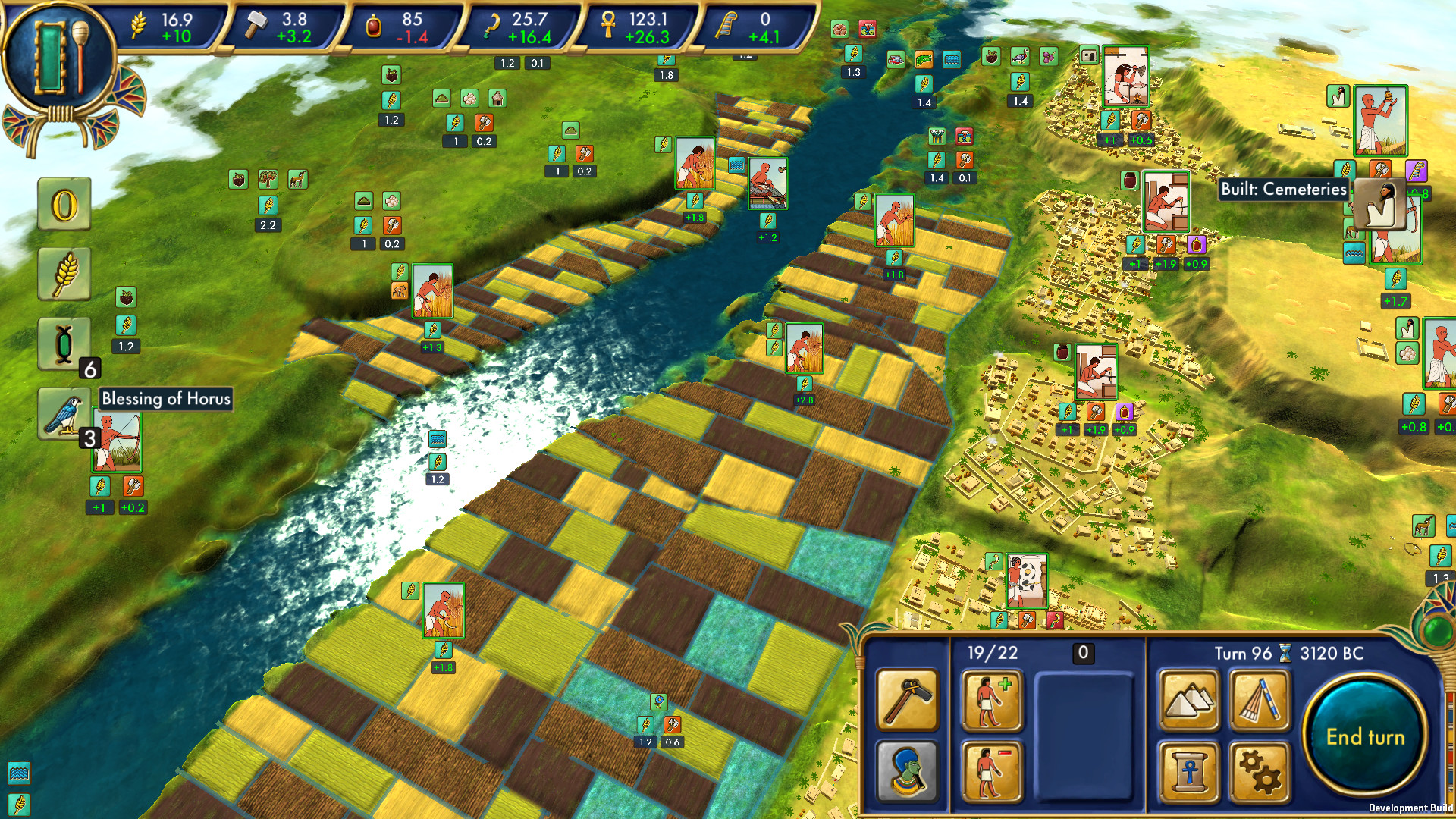
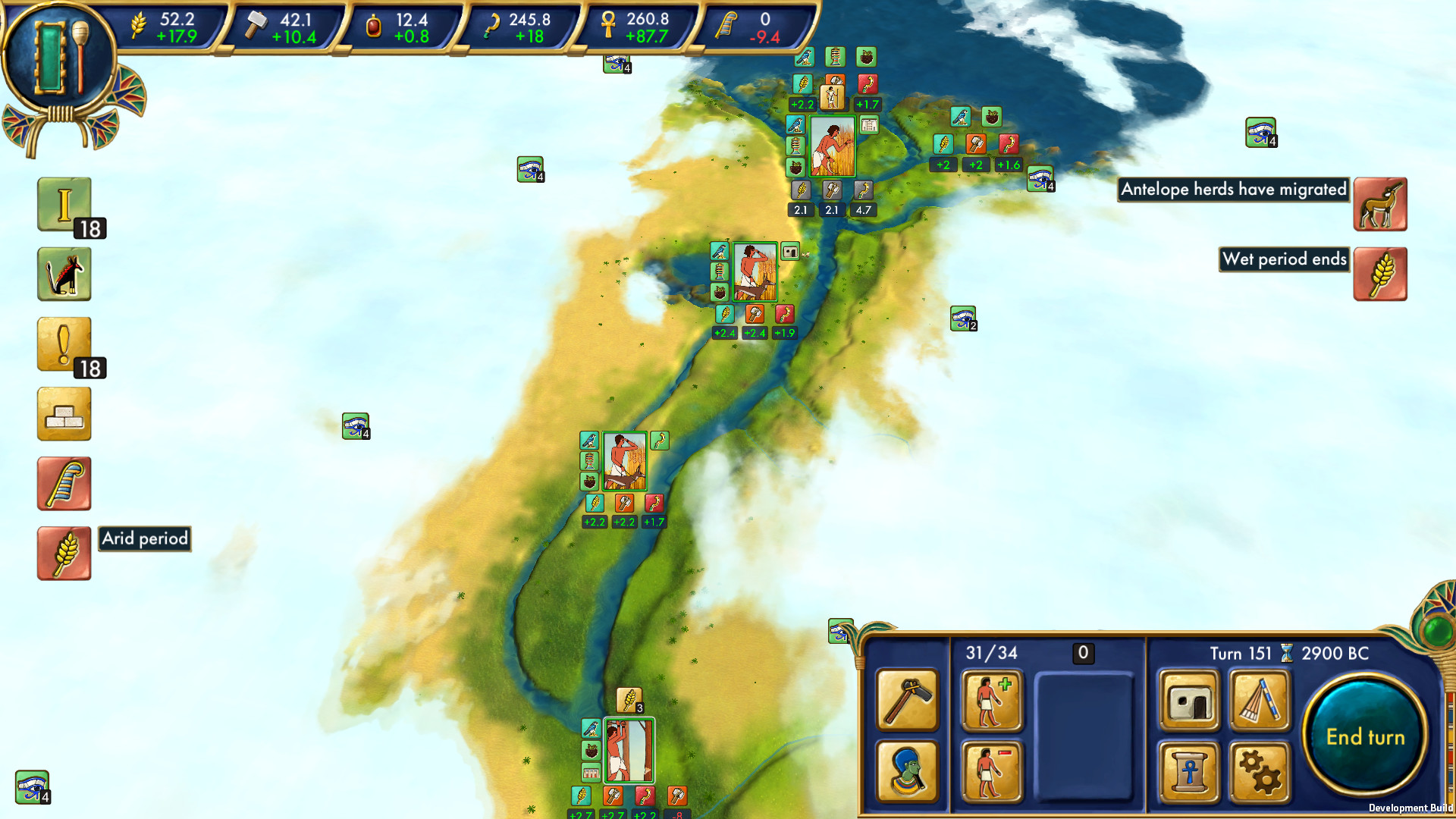
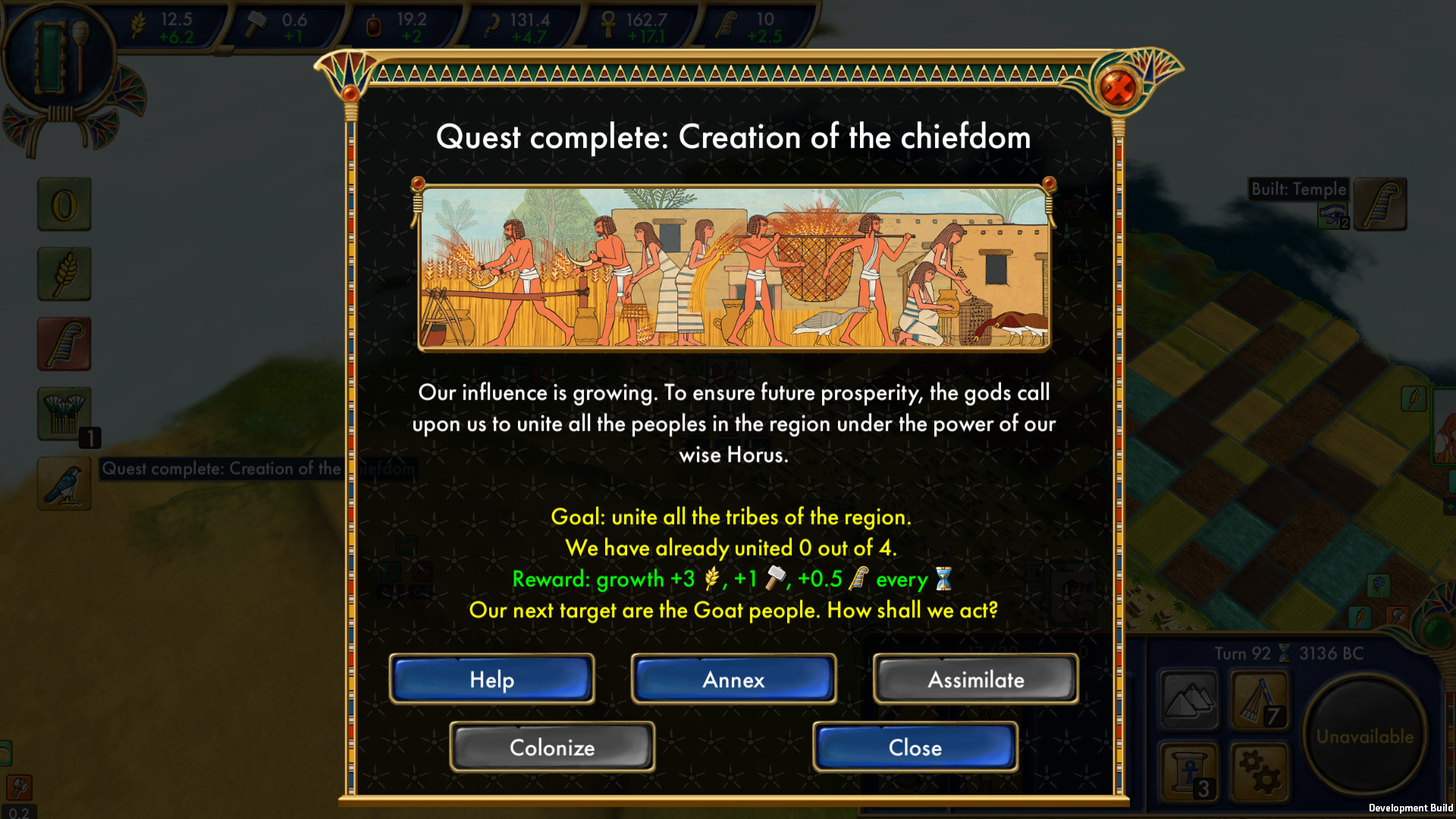
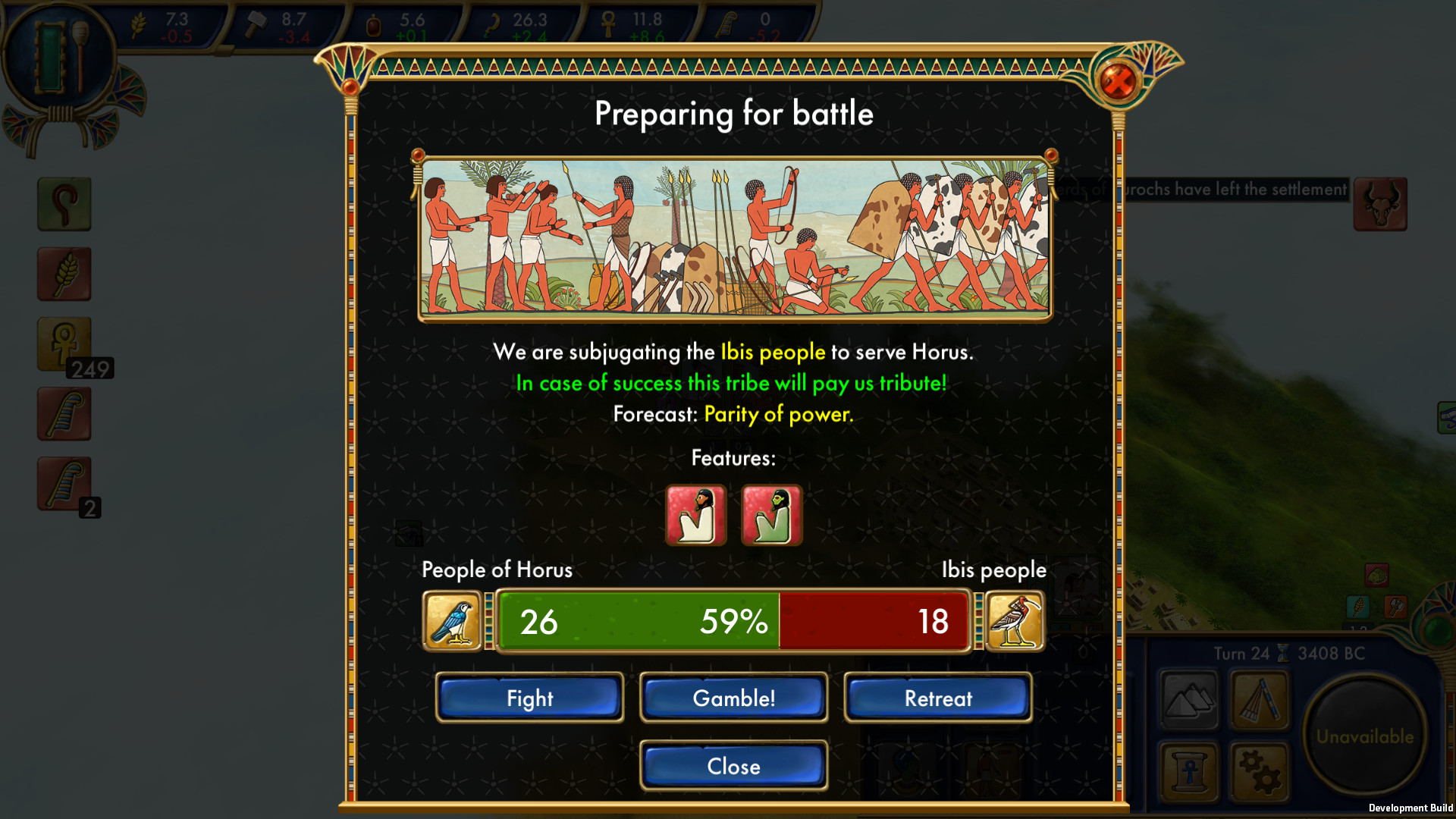
Strategy simulator of the Great Pyramids period, where you take your path from the unification of Egyptian tribes to the foundation of The First Empire. Developed with the assistance of Egyptologists.
Egypt: Old Kingdom is a indie, strategy and singleplayer game
developed and published by Clarus Victoria.
Released on May 24th 2018 is available on Windows, MacOS, Linux, Steam Deck and Steam Machine.
It has received 1,200 reviews of which 1,043 were positive and 157 were negative resulting in a rating of 8.3 out of 10. 😎
The game is currently priced at 14.79€ on Steam.
The Steam community has classified Egypt: Old Kingdom into these genres:
Media & Screenshots
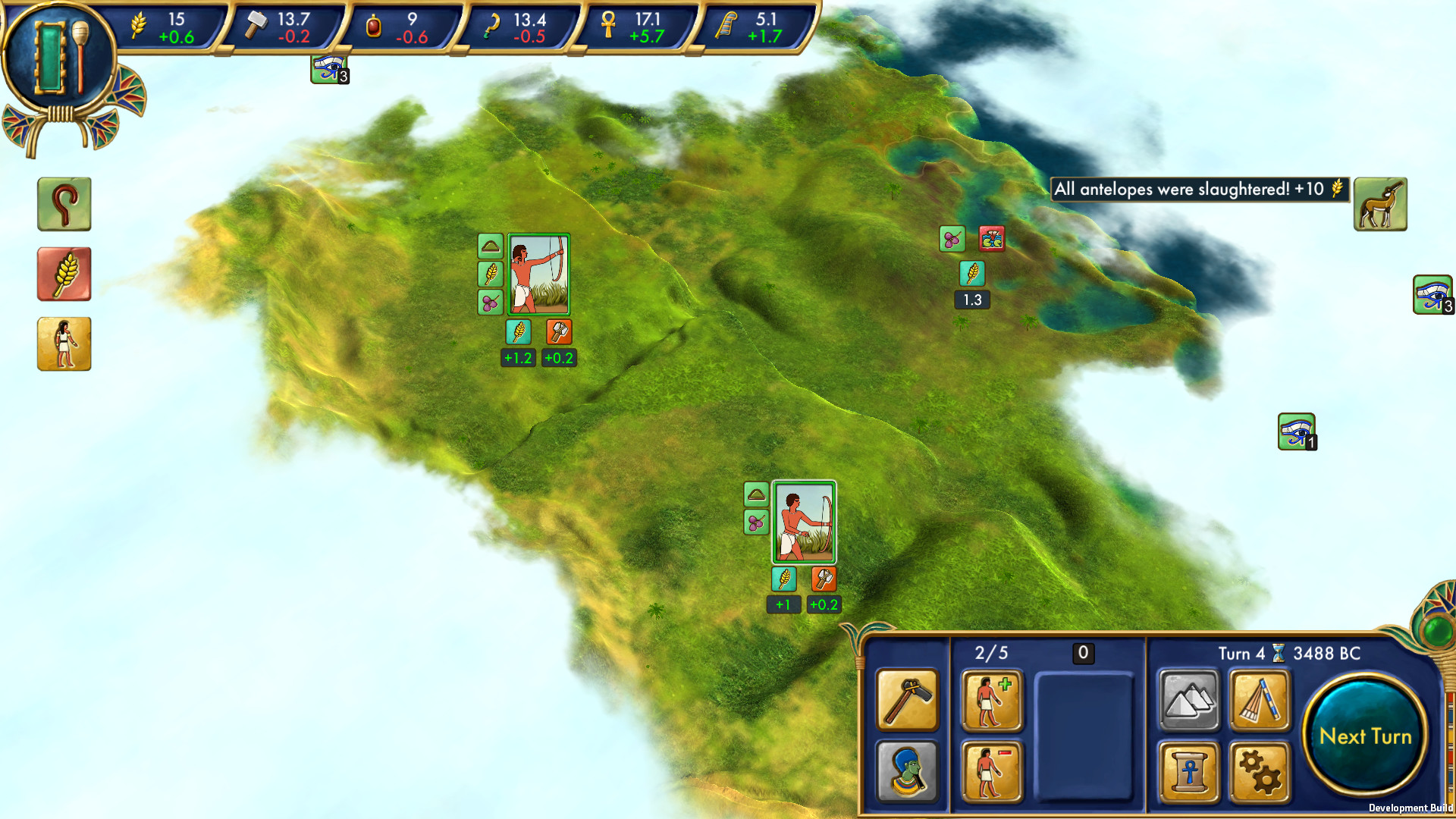
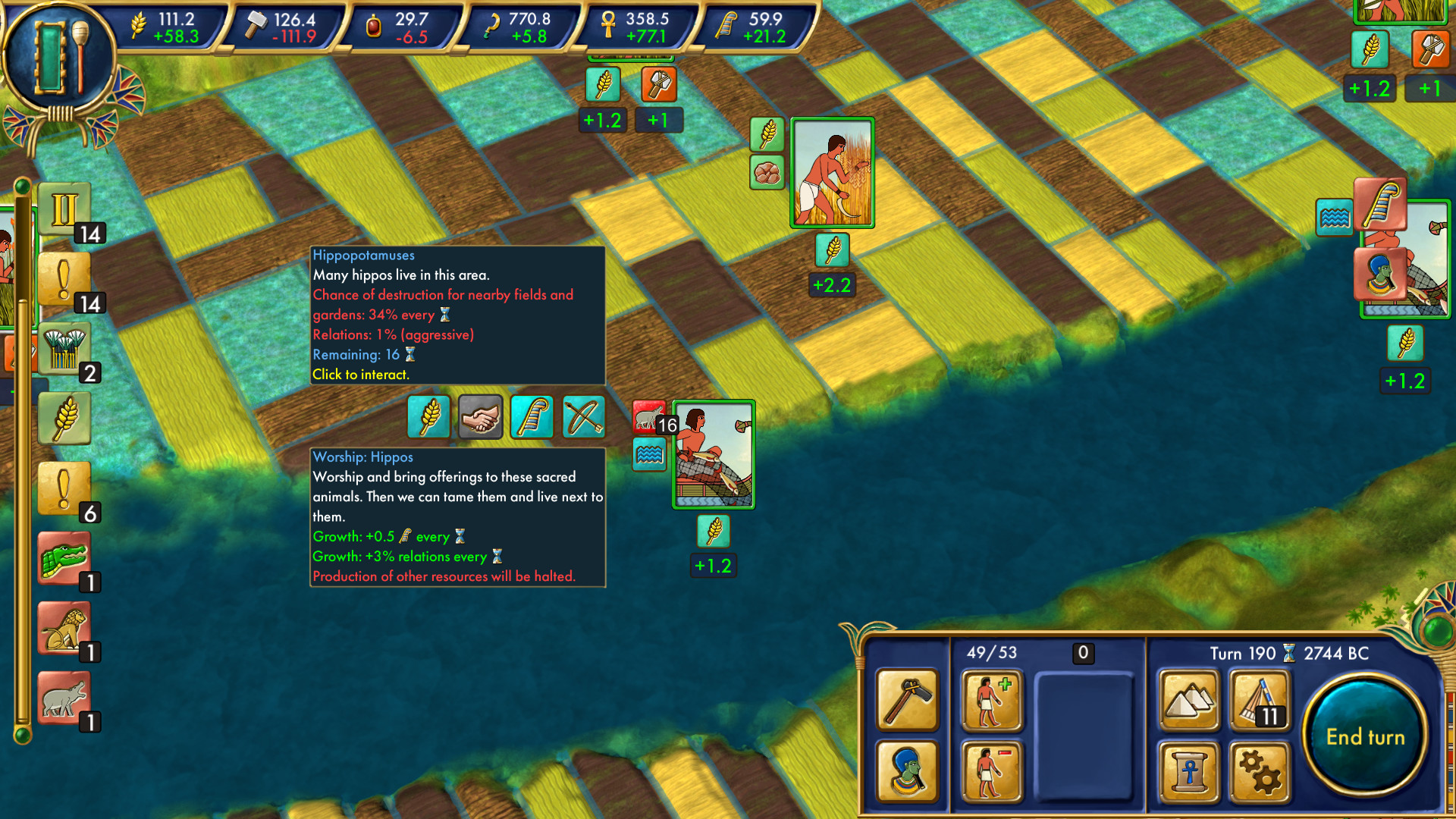
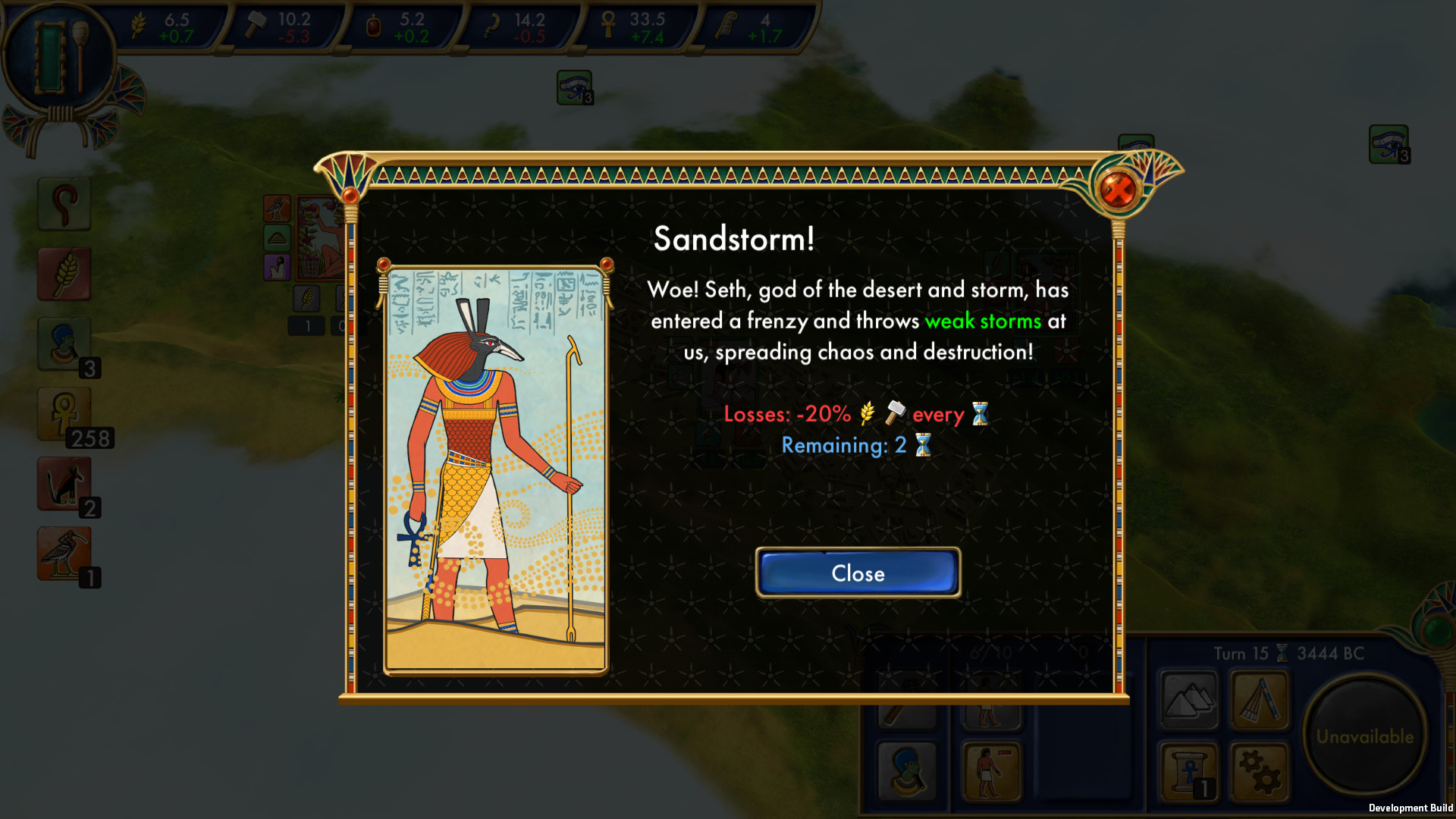
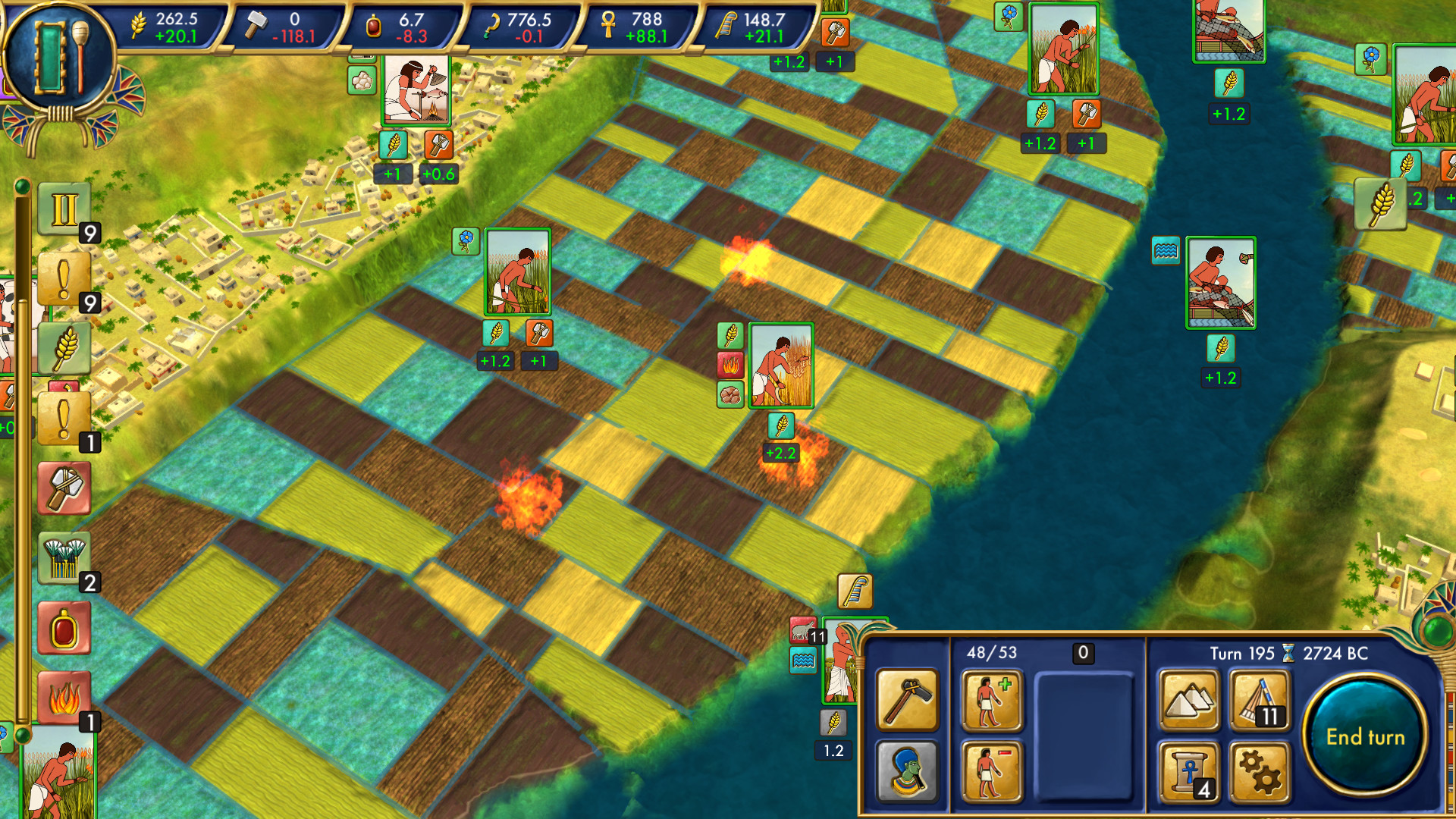
Get an in-depth look at Egypt: Old Kingdom through various videos and screenshots.
Load More

System requirements
These are the minimum specifications needed to play the game. For the best experience, we recommend that you verify them.
Windows
- Requires a 64-bit processor and operating system
- OS: Windows 10 (version 21H1) or newer, 64-bit
- Processor: 64-bit dual-core 1.8 GHz (Intel Core 2 Duo / AMD Athlon X2 or better)
- Memory: 4 GB RAM
- Graphics: DirectX 11 compatible video card with 512 MB video memory, minimum resolution 1024x768
- DirectX: Version 9.0c
- Storage: 2 GB available space
MacOS
- OS: macOS 12 Monterey or newer
- Processor: Intel 64-bit 2.0 GHz or Apple Silicon (runs via Rosetta 2)
- Memory: 4 GB RAM
- Graphics: Metal-capable video card with 512 MB video memory, minimum resolution 1024x768
- Storage: 2 GB available space
Linux
- Processor: 64-bit 2.0 GHz, Ubuntu 22.04 or newer
- Memory: 4 GB RAM
- Graphics: Vulkan or OpenGL 4.5 capable video card with 512 MB video memory, minimum resolution 1024x768
- Storage: 2 GB available space
Steam Price & Best Deals
User reviews & Ratings
Explore reviews from Steam users sharing their experiences and what they love about the game.
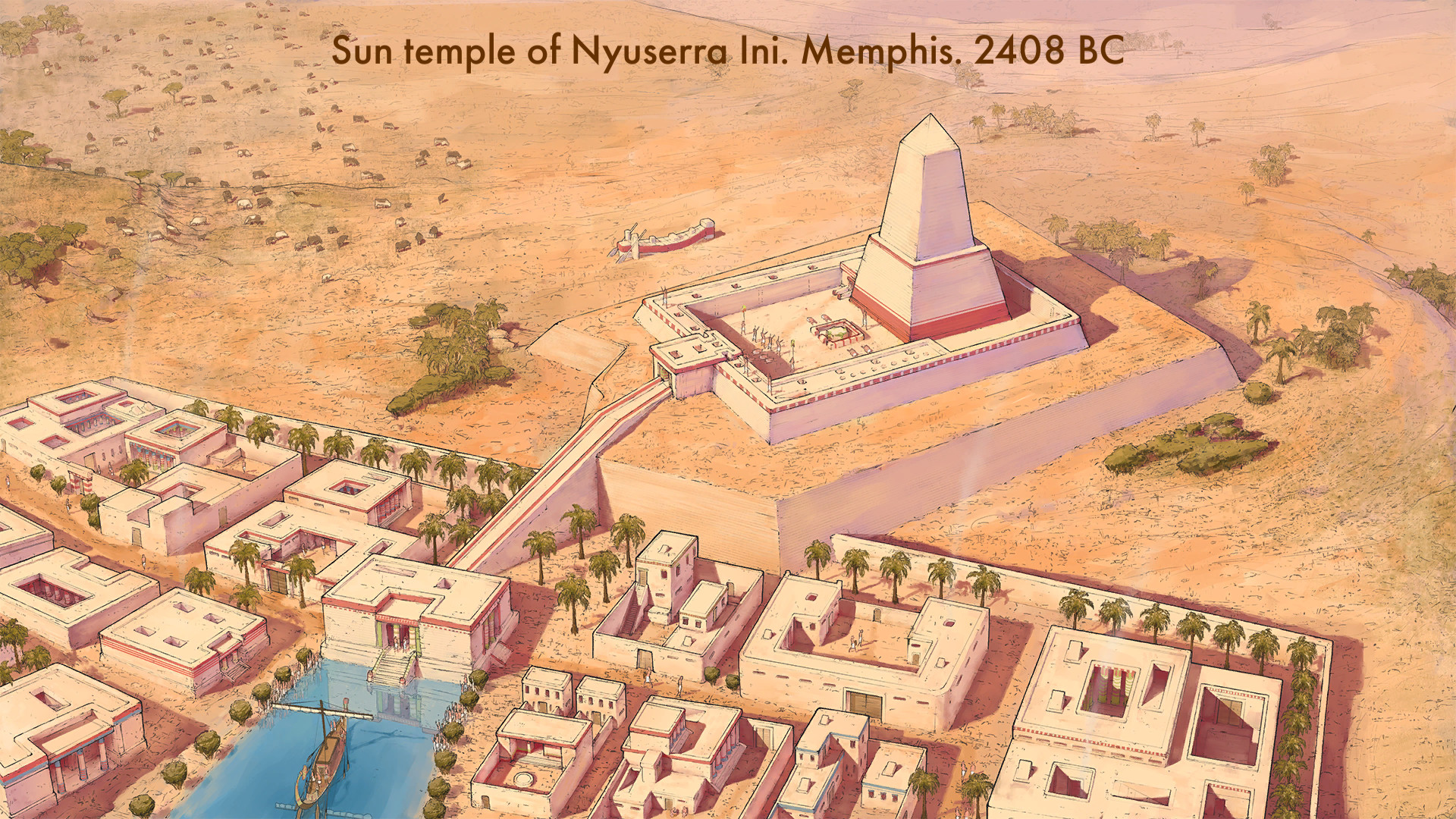
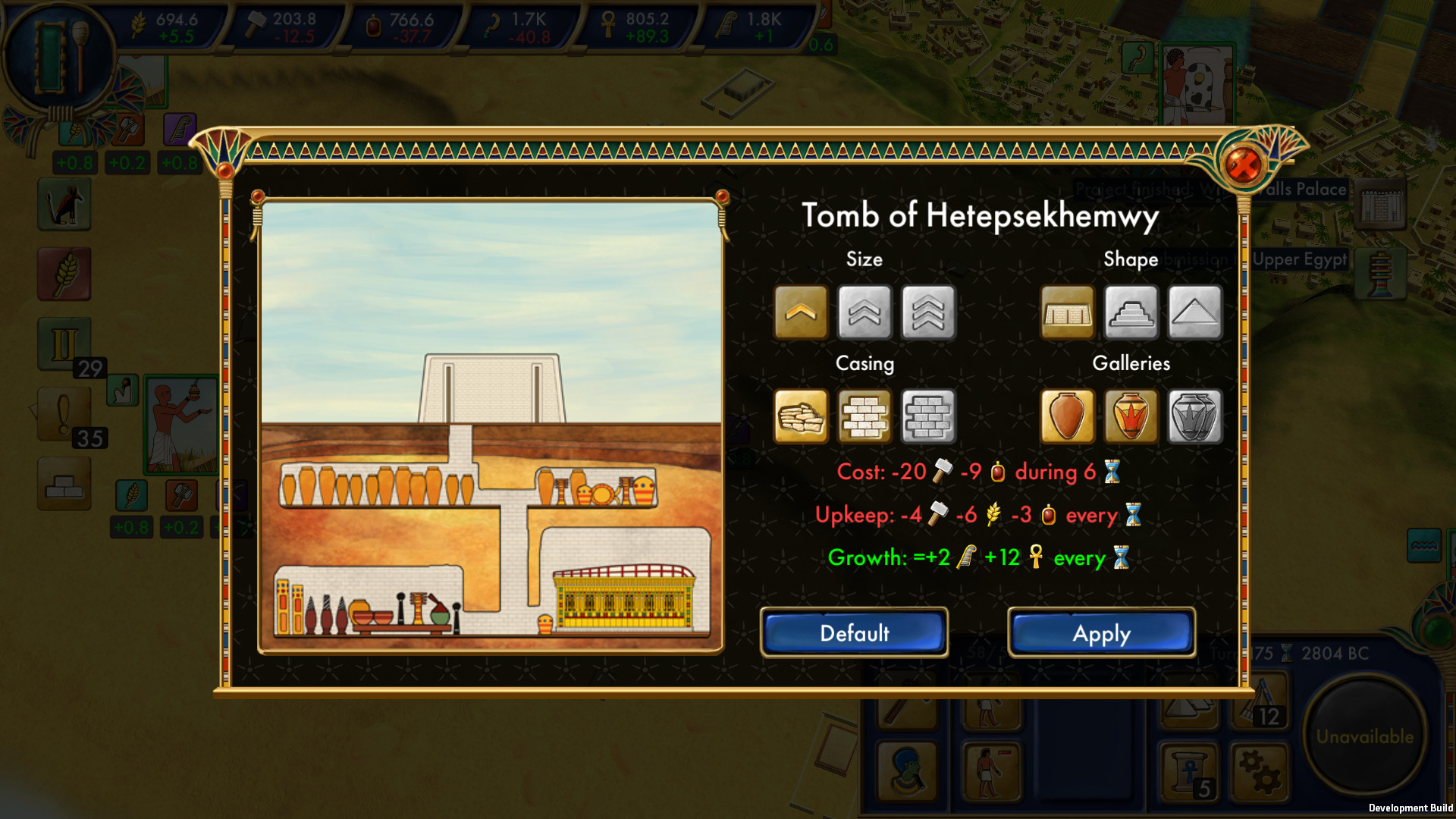
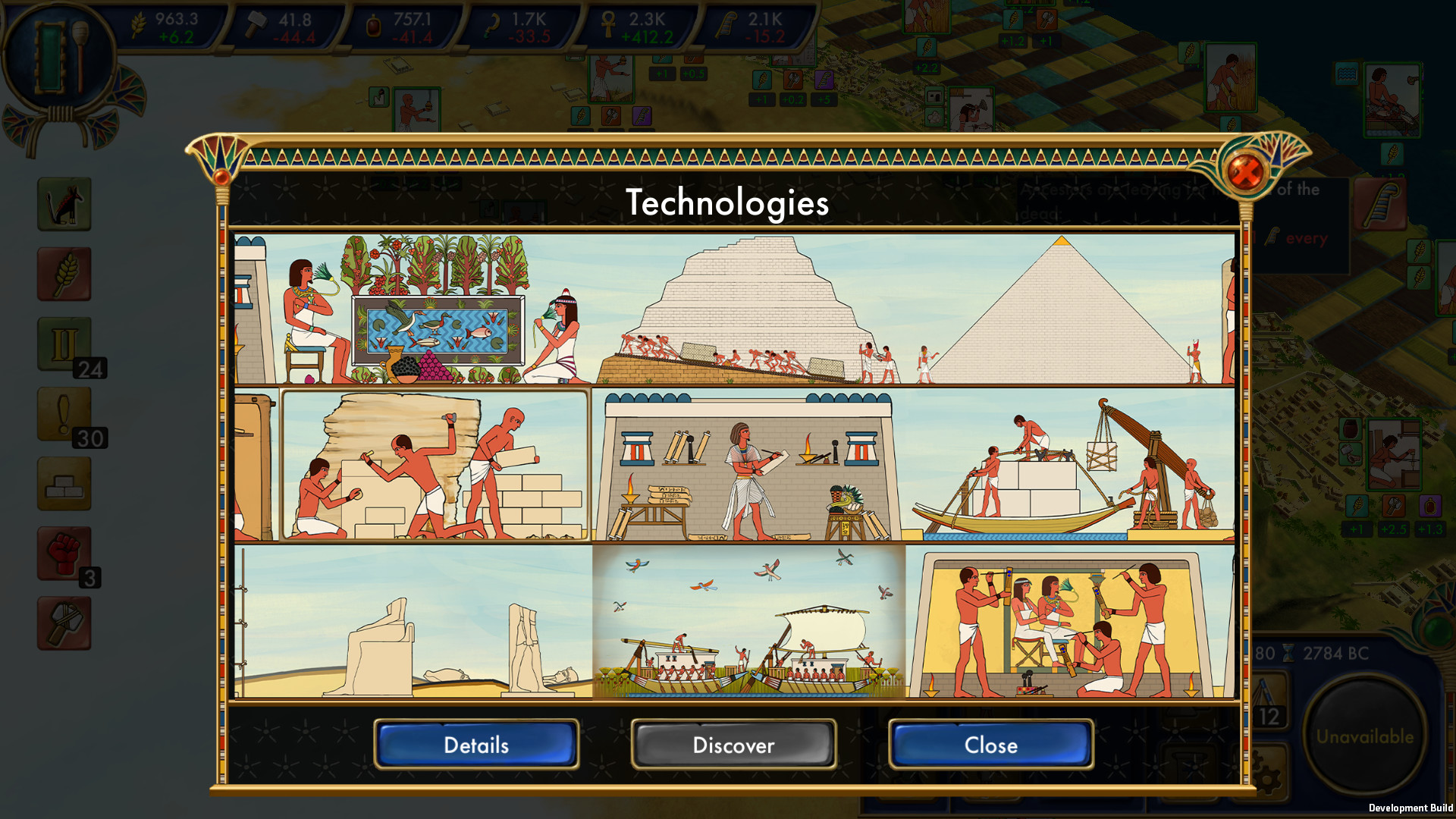
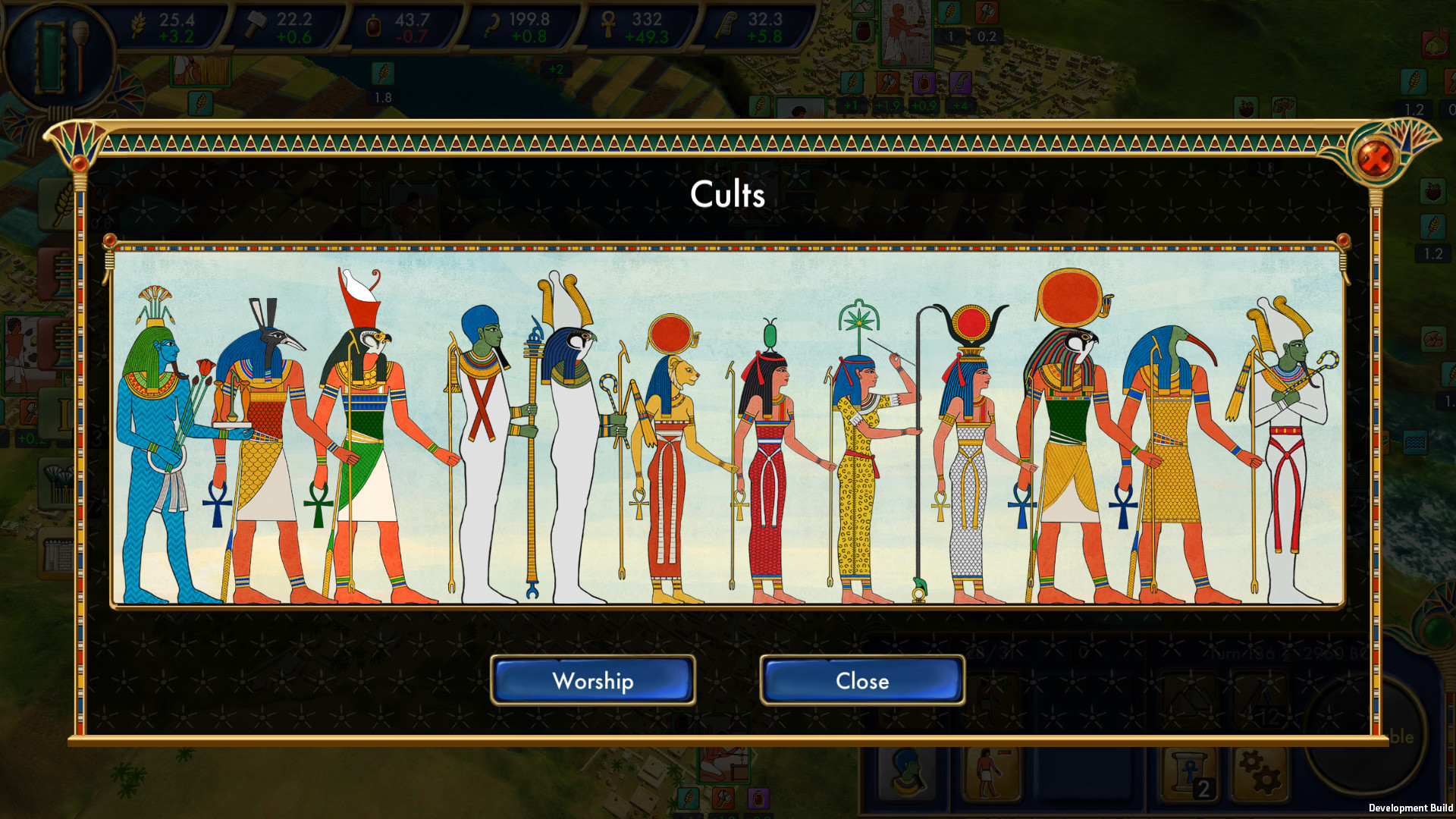
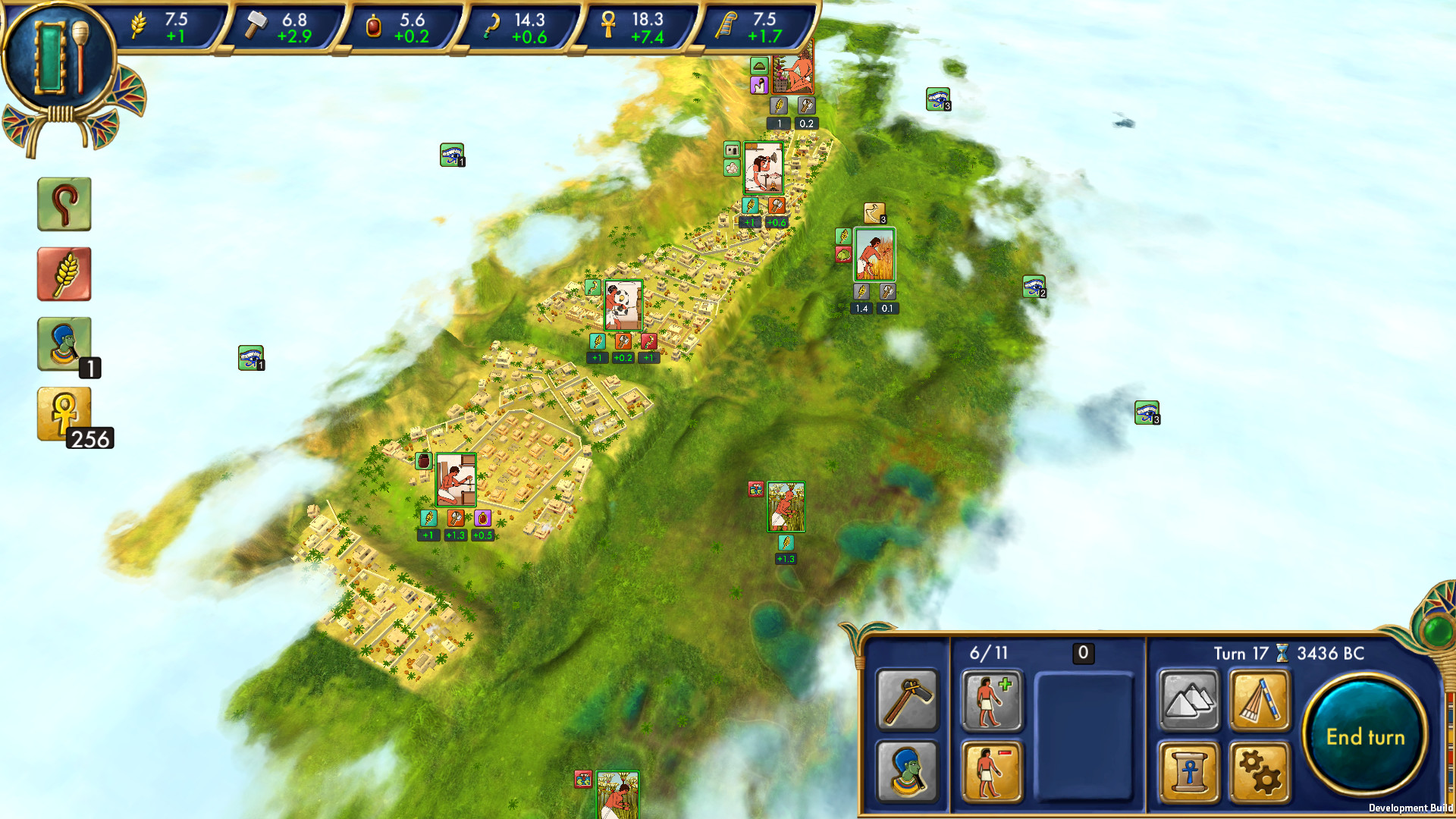
Egypt: Old Kingdom is a historical strategy game that distinguishes itself through its dedication to authenticity and its focus on the rise of one of humanity's earliest great civilizations. Developed and published by Clarus Victoria, the game places players in the role of a ruler tasked with guiding ancient Egypt through centuries of growth, political development, religious influence, and technological advancement. Rather than adopting the broad alternate-history approach common in many strategy titles, Egypt: Old Kingdom remains firmly rooted in historical events and cultural realities, creating an experience that feels both educational and strategically rewarding. The game begins during the formative years of Egyptian civilization, when the kingdom is still relatively small and vulnerable. From these modest beginnings, players must oversee expansion, improve infrastructure, manage resources, and establish the foundations of a prosperous state. Progress is gradual, but that deliberate pacing allows players to appreciate the transformation of their realm over time. Watching a simple settlement evolve into a powerful kingdom capable of constructing monumental architecture and maintaining complex social systems provides a strong sense of accomplishment. Resource management forms the backbone of the gameplay. Food, production, culture, religion, and political stability must all be carefully balanced to ensure long-term success. Every decision has consequences, forcing players to think strategically rather than simply pursuing rapid expansion. Investing heavily in one area can create weaknesses elsewhere, making thoughtful planning essential. This constant need to evaluate priorities keeps the experience engaging and prevents progression from becoming automatic or repetitive. One of the game's most appealing features is its emphasis on historical development. Technological progress reflects the actual evolution of ancient Egyptian society, allowing players to unlock advancements related to agriculture, administration, religion, architecture, and governance. These developments are more than simple bonuses; they often introduce entirely new opportunities and strategic considerations. As a result, each advancement feels meaningful and contributes directly to the feeling of leading a civilization through a significant period of history. Religion plays a particularly important role in shaping the kingdom. The influence of Egyptian gods extends into many aspects of gameplay, offering benefits that can strengthen the state when managed effectively. Deciding which divine powers to favor and when to invoke them adds another strategic layer while reinforcing the historical atmosphere. Religion never feels like a secondary mechanic; instead, it serves as a central component of both governance and cultural identity, mirroring its importance within ancient Egyptian society. The construction of tombs, monuments, and pyramids represents one of the most satisfying long-term goals. These projects require significant planning and resources, making them true achievements rather than simple building upgrades. The process of gathering materials, maintaining stability, and allocating resources toward these monumental endeavors captures the immense scale of such undertakings. Completing a major construction project feels like a genuine milestone and serves as a visible symbol of the kingdom's success. Unlike many strategy games that focus heavily on military conquest, Egypt: Old Kingdom places greater emphasis on internal management and national development. Military concerns certainly exist, but warfare is only one aspect of a much larger system. Most of the player's attention is devoted to strengthening the economy, maintaining order, expanding cultural influence, and ensuring the prosperity of the population. This focus gives the game a unique identity and allows it to explore aspects of civilization-building that are often overlooked in the genre. The visual presentation complements the historical setting remarkably well. The artwork draws inspiration from authentic Egyptian artistic traditions, giving the interface, portraits, and illustrations a distinctive appearance. Rather than pursuing realism, the game embraces a style that reflects the culture it portrays. This artistic direction not only looks attractive but also strengthens immersion by constantly reminding players that they are participating in the story of ancient Egypt. Educational value is another area where the game excels. Historical details are woven naturally into the experience through technologies, events, and descriptive information. Players interested in ancient history will find a wealth of fascinating content, while those primarily focused on gameplay can still enjoy the strategic systems without feeling overwhelmed by historical information. The game succeeds in teaching through interaction rather than lectures, making learning an organic part of progression. The complexity of the management systems can occasionally create a steep learning curve. New players may struggle to understand the relationships between resources, religion, culture, and political stability during their first campaign. Certain situations can become difficult if long-term planning is neglected, and recovering from mistakes often requires patience. However, these challenges ultimately contribute to the satisfaction of mastering the game's mechanics and developing a successful strategy. Replay value comes largely from refining decisions and pursuing more efficient paths through the campaign. While the historical framework remains relatively consistent, different approaches to development, resource allocation, and religious priorities can significantly affect outcomes. Players who enjoy optimization and long-term planning will find plenty of reasons to revisit the game and improve upon previous performances. Egypt: Old Kingdom succeeds because it combines strategic depth with genuine historical appreciation. Its focus on governance, cultural development, religion, and monumental construction creates a distinctive experience that stands apart from many traditional empire-building games. The thoughtful mechanics, authentic presentation, and educational elements work together to create a compelling portrayal of ancient Egypt's rise to greatness. For players interested in history and strategy alike, it offers an engaging journey through one of the most remarkable civilizations ever to exist. Rating: 8/10
It's a fun game, definitely worth the money. If you're looking fur a fun game to spend your afternoon on. The game is just complicated enough to grab your attention and be fun without being too complex. But of course can be a bad thing if you spend enough time in the game like I did. Still, definitely buy it, it's awesome. Also, it feels like they once hinted at the game being longer because sometimes you can see canals that you can not build. It's a visual glitch.
Similar games
View all
Bronze Age - HD Edition
What was it like to be a chief of a tribe in 6000 year B.C.? Oh, you know, the usual - feed your people, build them shelters, defend them from raids of neighbors. And if you are lucky, sooner or later you will build a kingdom and become their king!
Marble Age
Turn-based historical simulation strategy. Develop the Greek civilization from the small village to the great city-state when it will dominate the world!

Marble Age: Remastered
Marble Age is a turn-based historical strategy where your task is to turn a small Ancient Greek village into a flourishing Polis, powerful enough to conquer the known world!

Zafehouse: Diaries
Stuck in a remote, abandoned town, you must lead five survivors with conflicting motivations, fragile relationships and fiery prejudices to safety from the roving undead. A sophisticated engine generates new survivors, towns and content so every adventure is a different experience, and you can use built-in editors to add yourself and...


This Is the Police 2
Interpret the law as you see fit! Run the sheriff’s department, manage your cops, make tough decisions – and try to keep out of prison yourself – in this story-driven mixture of adventure, strategy, and turn-based tactical combat.

Evil Democracy: 1932
In the unique world of this political simulator, you travel to Europe, 1932-1935, to become the party leader in one of the following countries: Germany, France, or England. You have a real chance to become the winner of WWII even before it begins...

Dead In Bermuda
DEAD IN BERMUDA is a survival management game with RPG and adventure elements. Lead a team of 8 survivors from a plane crash. Assign them to tasks, gain experience, develop your survival skills, research and craft new items, explore the island and solve its mysteries.

Giant Machines 2017
Take control over seven of the biggest industrial machines in the world. During the 14 mission campaign you will punch through the snows of Greenland, plow the steppes of Wyoming and travel all the way to sunny Florida. Your hard work will be completed by launching a space shuttle into space.

How Many Dudes? The Roguelike Autobattler
How many dudes does it take to beat up a gorilla? A thousand toddlers? A horse-sized duck? A GOD? Enter the Dude Ranch and find out in this roguelike dudebuilder where you recruit an army of dudes to fight ridiculous battles.

EarthX
EarthX is a rocket company management game. Go from launching small rockets on Earth to eventually building a colony on Mars. Create your own Internet constellation, develop new technologies, supply the International Space Station and terraform Mars!
Frequently Asked Questions
Egypt: Old Kingdom is currently priced at 14.79€ on Steam.
No, Egypt: Old Kingdom is currently not on sale. You can purchase it for 14.79€ on Steam.
Yes, Egypt: Old Kingdom received 1,043 positive votes out of a total of 1,200 achieving a rating of 8.25.
😎
Egypt: Old Kingdom was developed and published by Clarus Victoria.
Yes, Egypt: Old Kingdom is playable and fully supported on Windows.
Yes, Egypt: Old Kingdom is playable and fully supported on MacOS.
Yes, Egypt: Old Kingdom is playable and fully supported on Linux.
Yes, Egypt: Old Kingdom is playable on Steam Deck, though it might require a few minor tweaks. Make sure to check the Steam store page and community feedback on ProtonDB for exact compatibility details.
Yes, Egypt: Old Kingdom is playable on Steam Machine, though it might require a few minor tweaks. Make sure to check the Steam store page and community feedback on ProtonDB for exact compatibility details.
No, Egypt: Old Kingdom does not support VR.
Egypt: Old Kingdom is a single-player game.
Yes, there are 3 DLCs available for Egypt: Old Kingdom. Explore additional content available for Egypt: Old Kingdom on Steam.
No, Egypt: Old Kingdom does not support mods via Steam Workshop.
No, Egypt: Old Kingdom does not support Steam Remote Play.
Yes, Egypt: Old Kingdom is enabled for Steam Family Sharing. This means you can share the game with authorized users from your Steam Library, allowing them to play it on their own accounts. For more details on how the feature works, you can read the original Steam Family Sharing announcement or visit the Steam Family Sharing user guide and FAQ page.
You can find solutions or submit a support ticket by visiting the Steam Support page for Egypt: Old Kingdom.
Data sources
The information presented on this page is sourced from reliable APIs to ensure accuracy and relevance. We utilize the Steam API to gather data on game details, including titles, descriptions, prices, and user reviews. This allows us to provide you with the most up-to-date information directly from the Steam platform.
Additionally, we incorporate data from the SteamSpy API, which offers insights into game sales and player statistics. This helps us present a comprehensive view of each game's popularity and performance within the gaming community.
Last Updates| Steam data | 15 September 2026 22:36 UTC |
|---|---|
| SteamSpy data | 24 October 2026 13:44 UTC |
| Steam price | 27 October 2026 04:00 UTC |
| Steam reviews | 20 October 2026 16:10 UTC |
If you'd like to dive deeper into the details about Egypt: Old Kingdom, we invite you to check out a few dedicated websites that offer extensive information and insights. These platforms provide valuable data, analysis, and user-generated reports to enhance your understanding of the game and its performance.
- SteamDB - A comprehensive database of everything on Steam about Egypt: Old Kingdom
- SteamCharts - Analysis of Egypt: Old Kingdom concurrent players on Steam
- ProtonDB - Crowdsourced reports on Linux and Steam Deck Egypt: Old Kingdom compatibility
Game modes
Features
Online players
3
Developer
Clarus Victoria
Publisher
Clarus Victoria
Release
24 May 2018
Platforms