Emily Wants to Play Too on Steam - User reviews, Price & Information

Quick menu

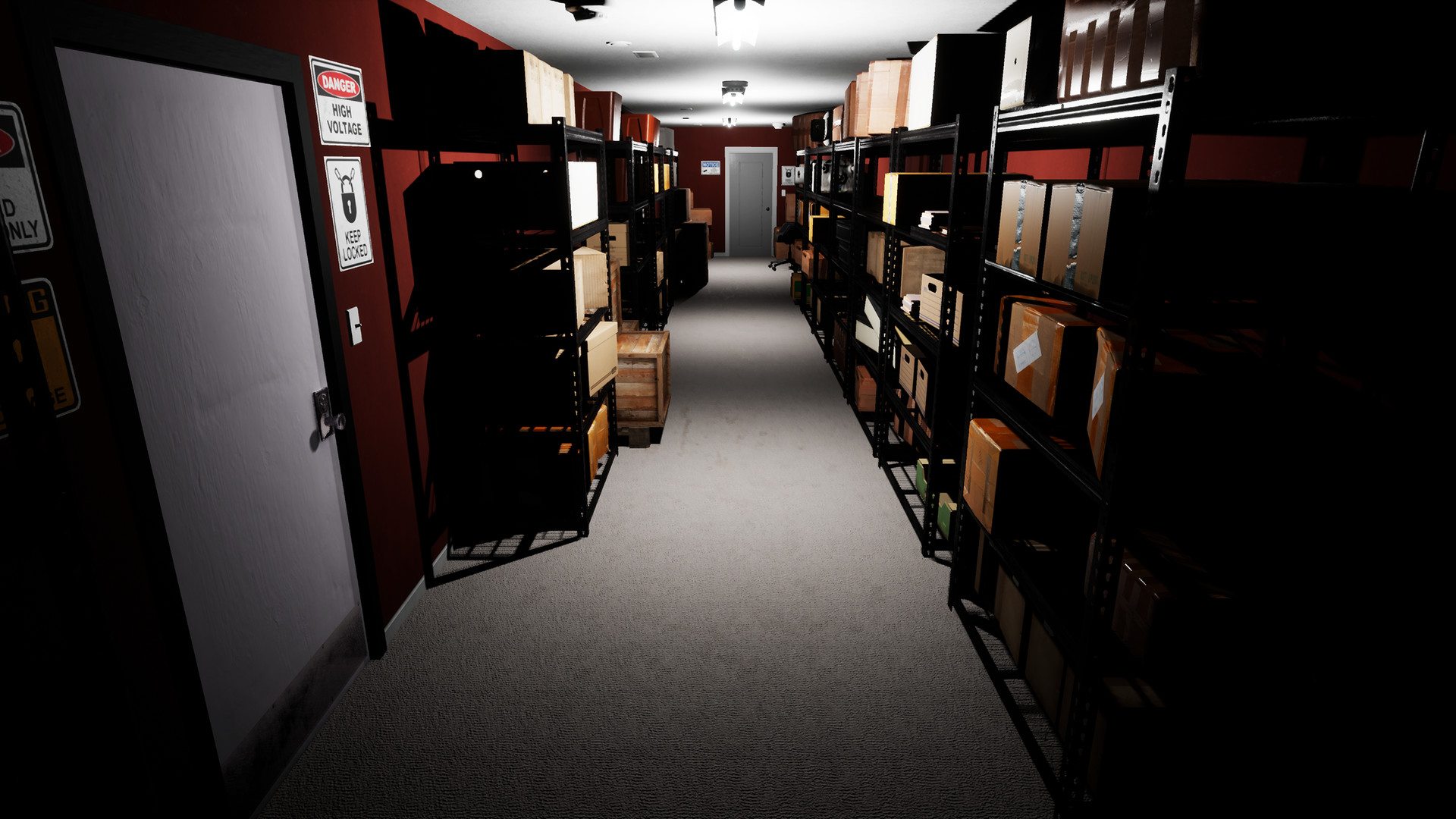
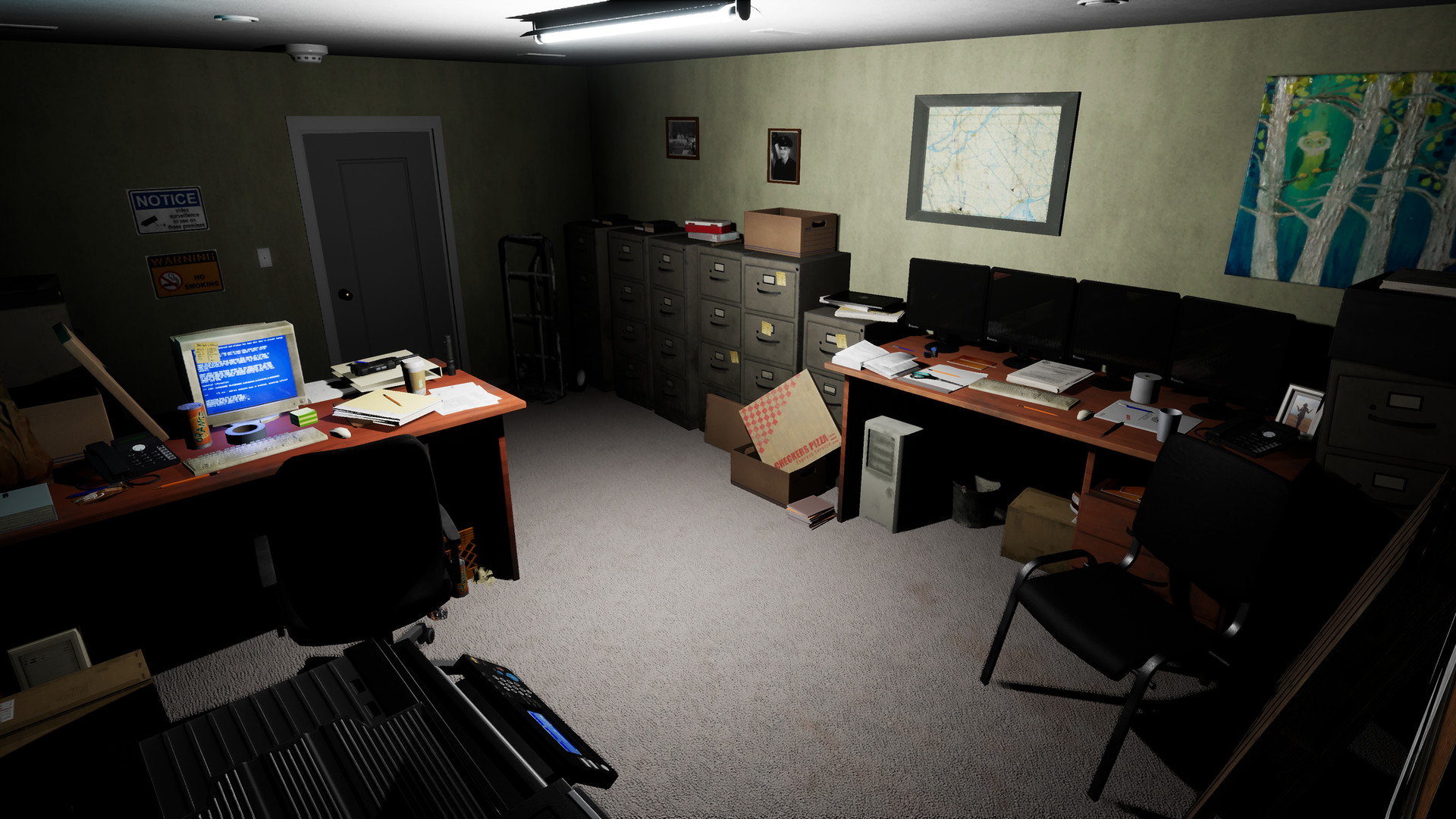
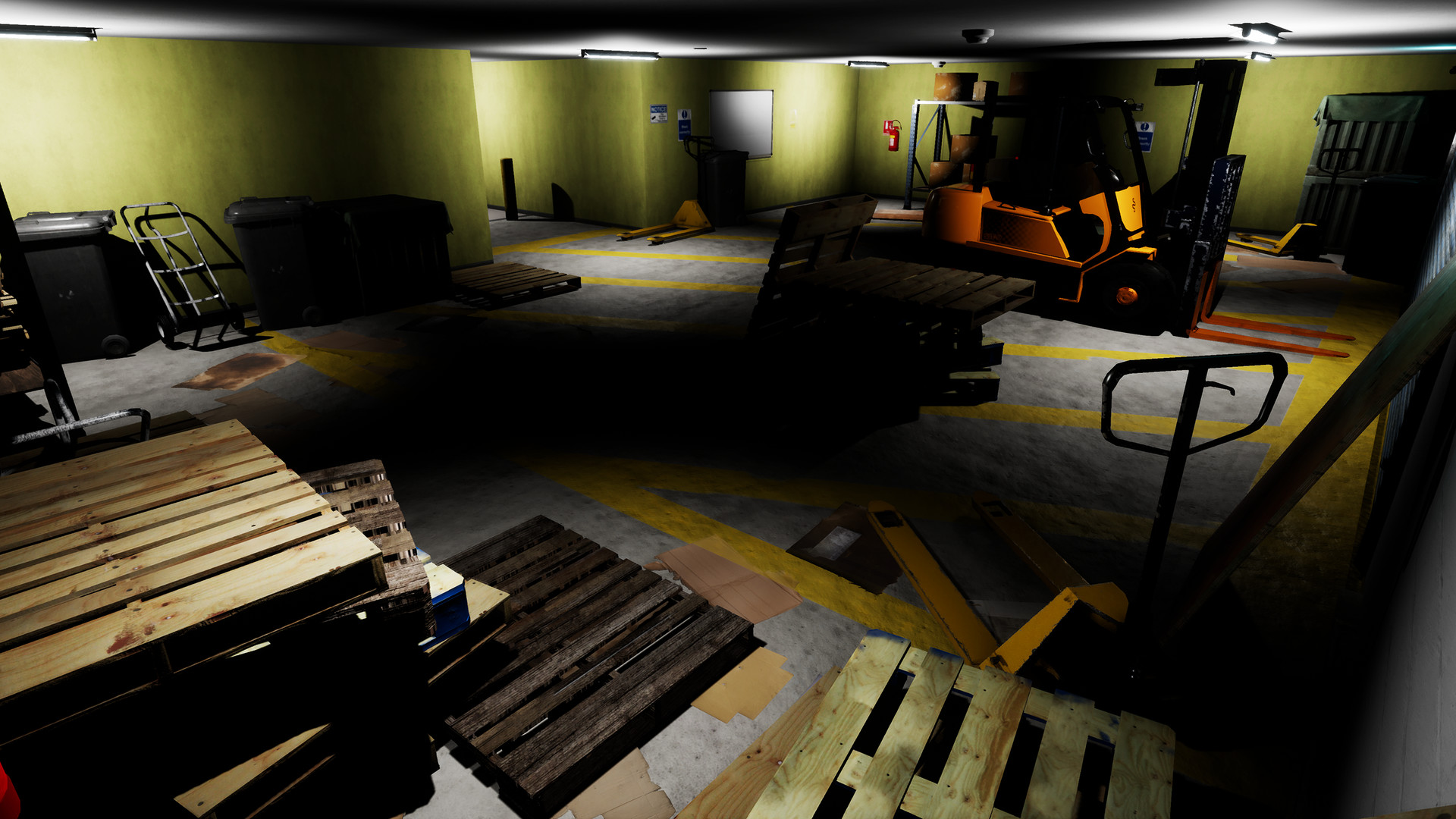
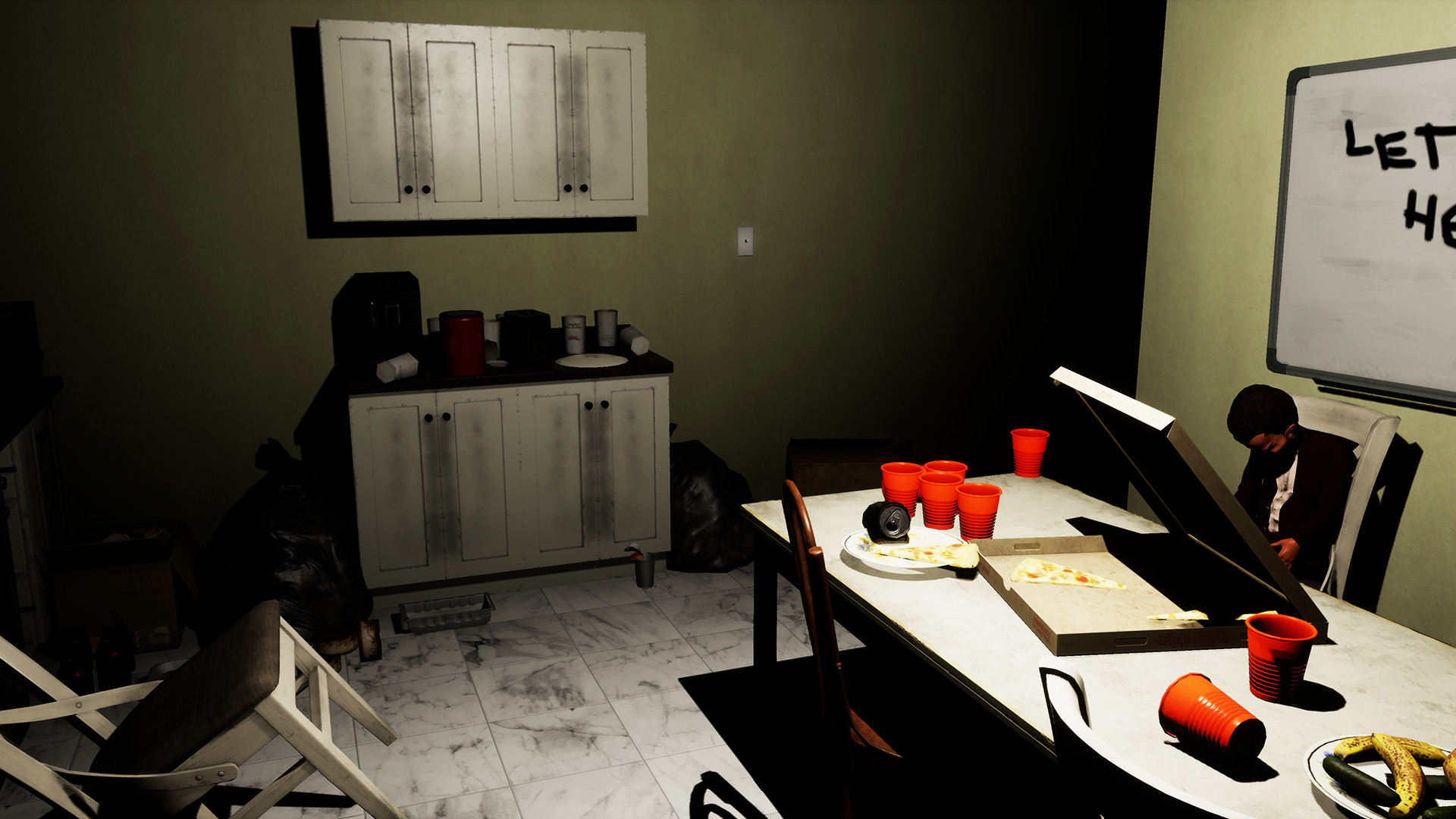
No one believed the pizza guy. They kept the dolls. A sandwich delivery guy is on his way to Central Evidence. He is not ready for what he finds. Emily and the dolls are back with new friends, scares and more. Use stealth and strategy to survive their unique games in this survival horror.

Emily Wants to Play Too is a horror, action and indie game developed by Shawn Hitchcock and published by Hitchcock Games.
Released on December 13th 2017 is available in English on Windows, MacOS and Linux.

It has received 511 reviews of which 416 were positive and 95 were negative resulting in a rating of 7.7 out of 10. 😊

The game is currently priced at 7.79€ on Steam, but you can find it for less on Gamivo.


The Steam community has classified Emily Wants to Play Too into these genres:

Media & Screenshots

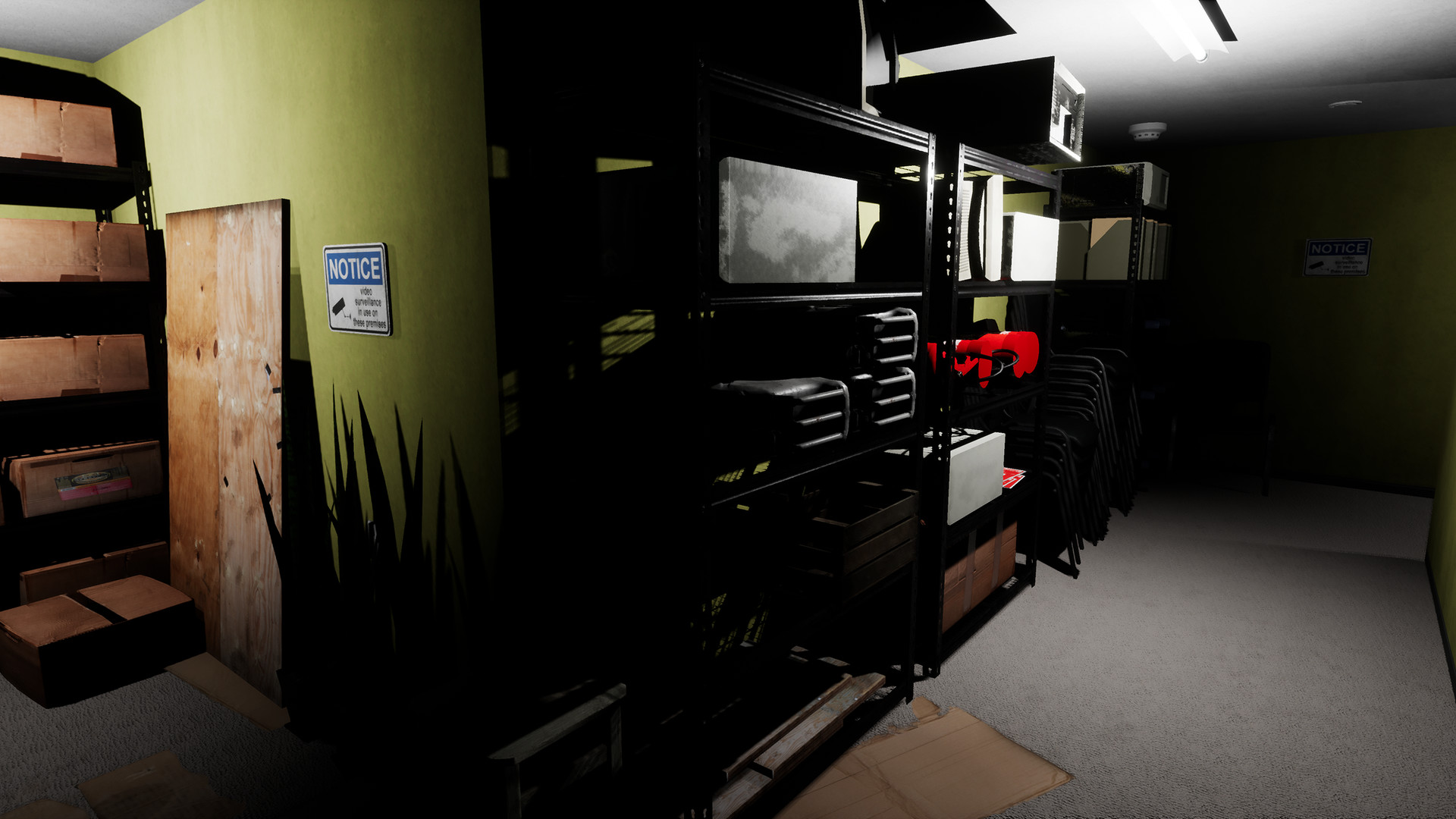
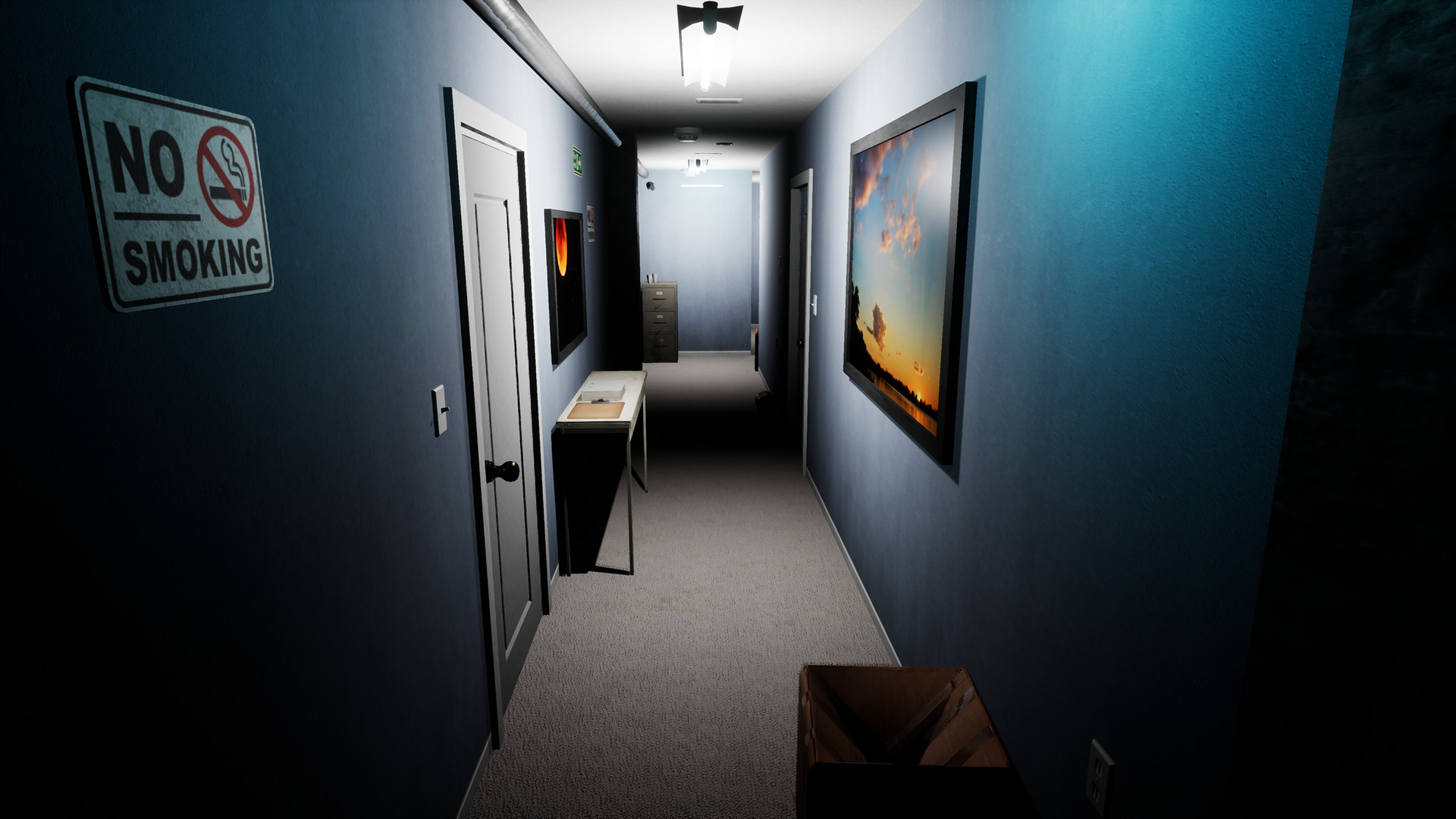
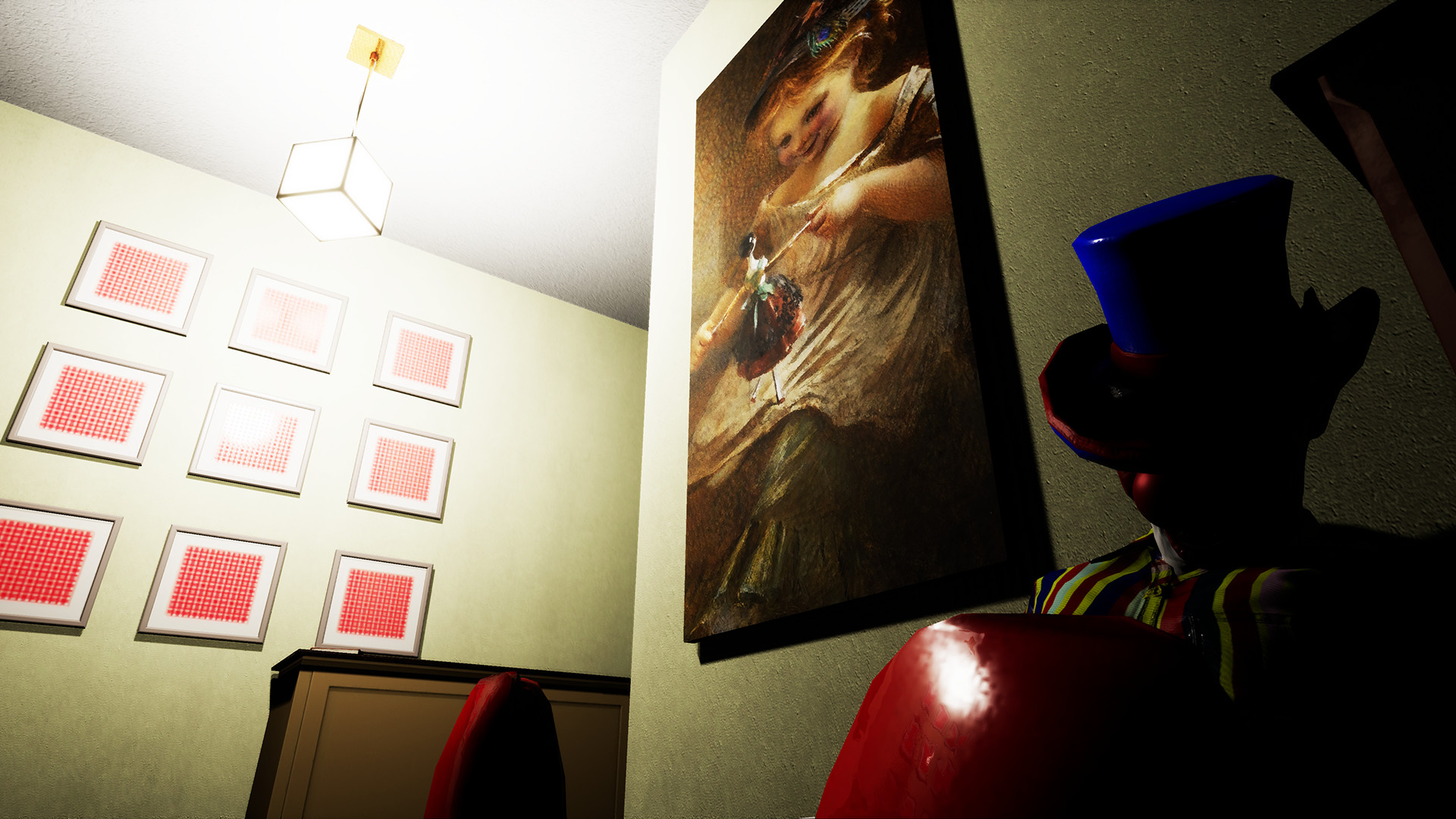
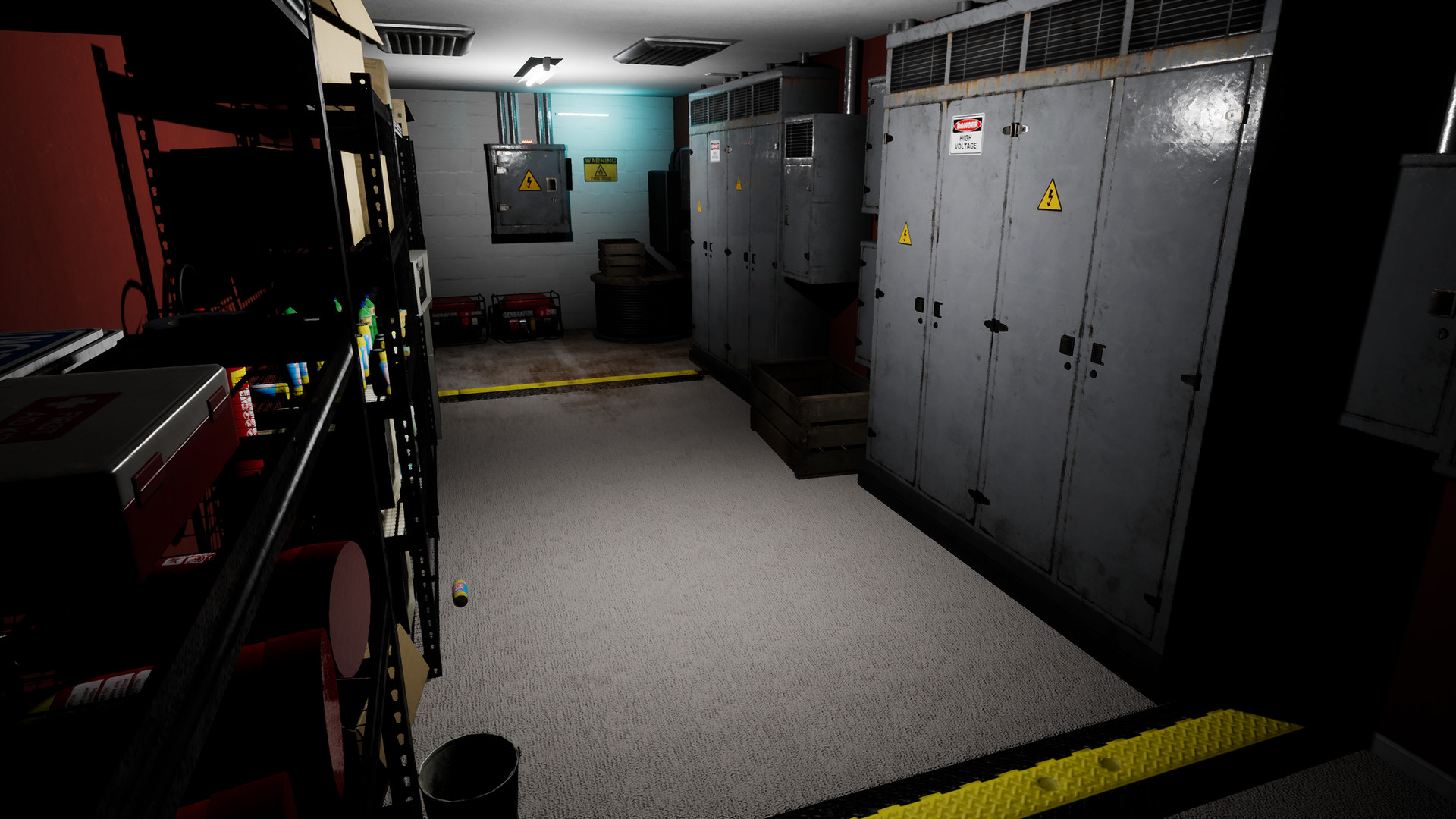
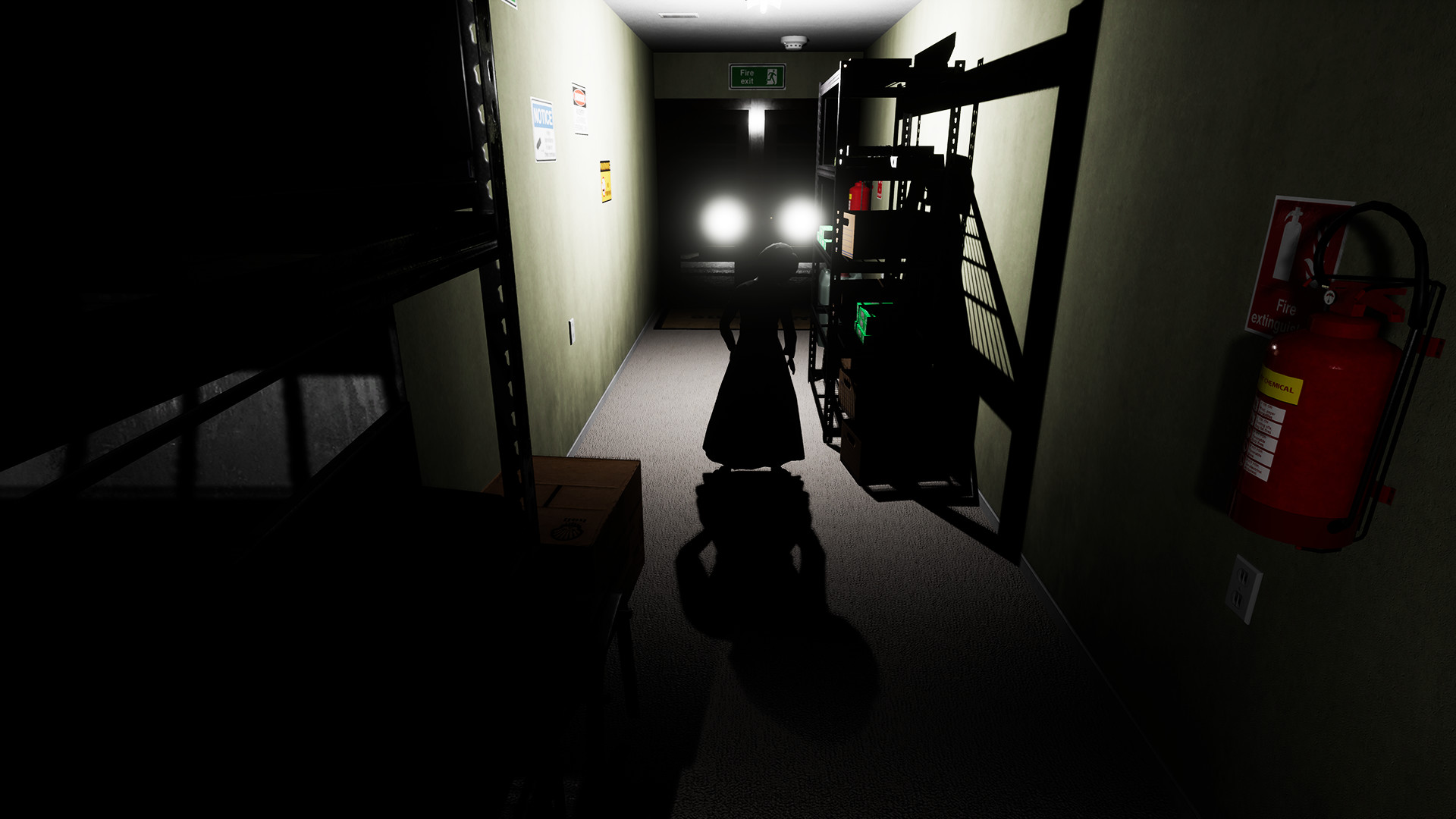
Get an in-depth look at Emily Wants to Play Too through various videos and screenshots.
System requirements

These are the minimum specifications needed to play the game. For the best experience, we recommend that you verify them.

Windows
  • OS *: Windows 7,8,10
  • Processor: i5 or AMD equivalent
  • Graphics: Nvidia GTX 770 or equivalent
  • DirectX: Version 11
  • Storage: 4 GB available space
  • Sound Card: Yeah probably so
  • Additional Notes: Add some awesome headphones and a dark room if you dare! :)
MacOS
  • OS: macOS 10.13 - High Sierra
  • Processor: i7 - 4 Ghz
  • Memory: 8 GB RAM
  • Graphics: Amd Radeon Pro 560 or R9 M295X
  • Storage: 4 GB available space
  • Additional Notes: Only higher end Mac laptops and iMacs supported.

User reviews & Ratings

Explore reviews from Steam users sharing their experiences and what they love about the game.

Dec. 2025
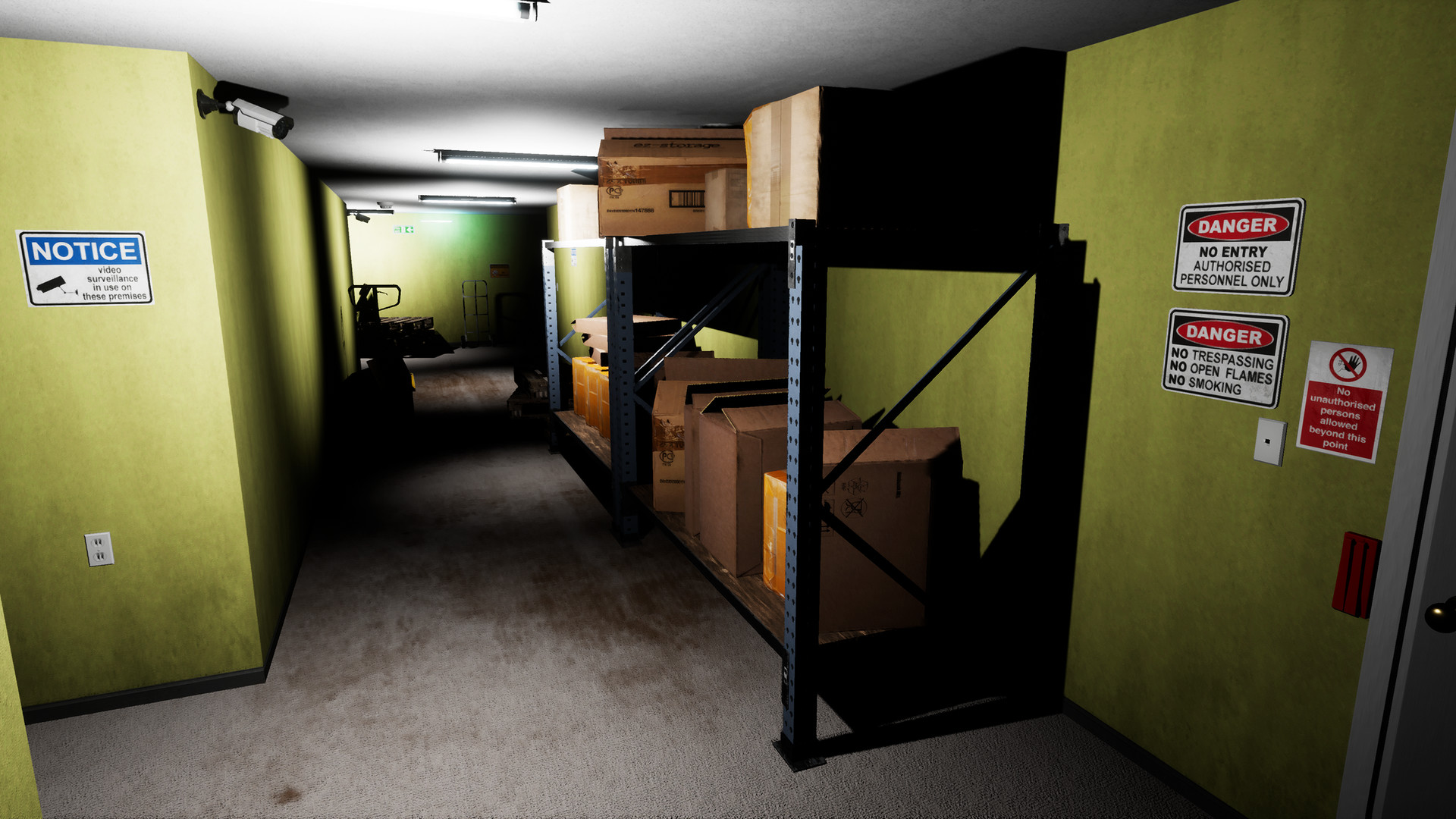
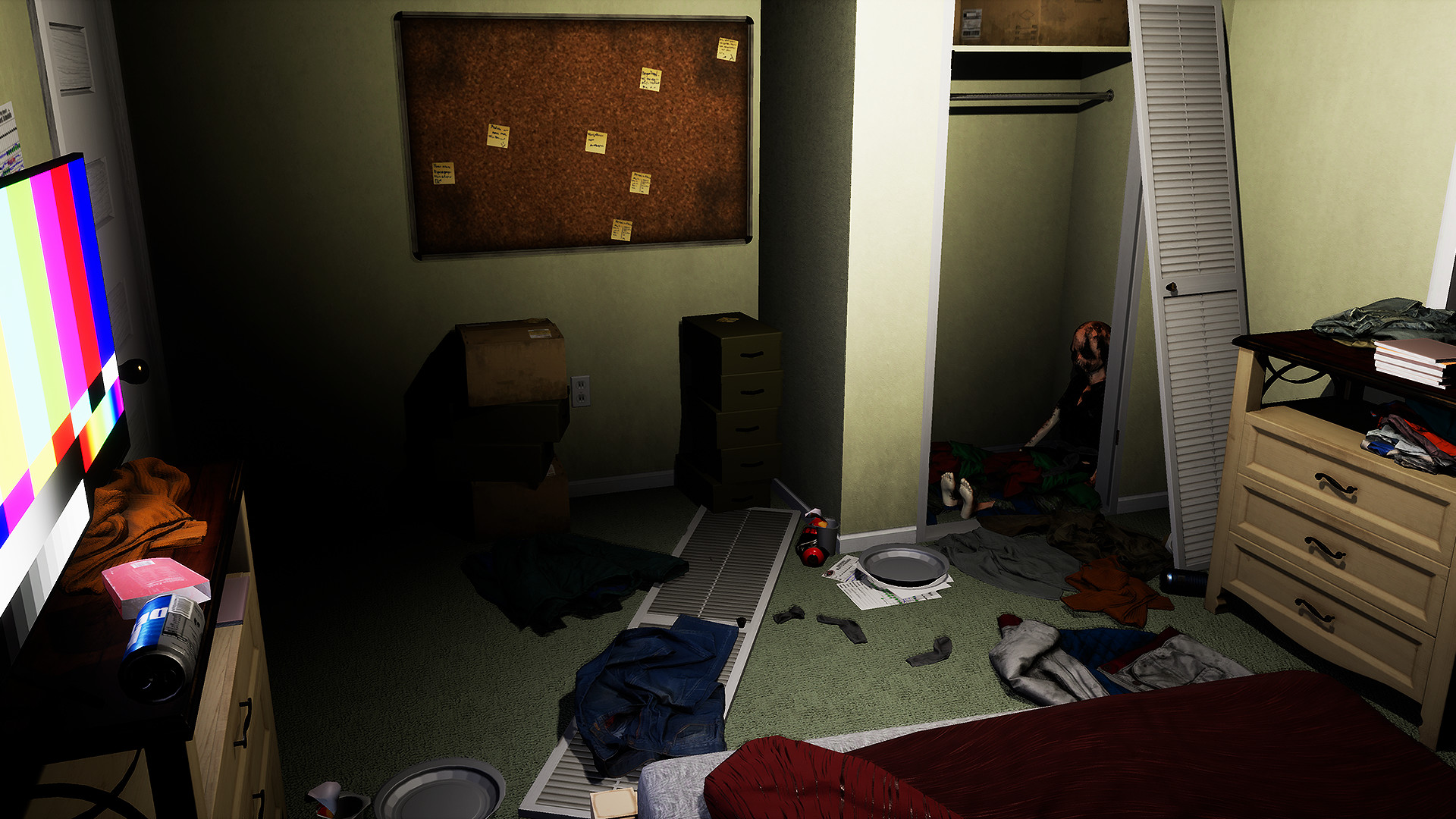
Emily Wants to Play Too is a first-person indie horror experience developed by Shawn Hitchcock and published by Hitchcock Games that expands on the tense, rule-driven terror of its predecessor with a broader setting, a larger cast of antagonists, and more complex survival demands. What begins as a mundane late-night delivery job quickly spirals into a nightmarish ordeal, trapping the player inside a sprawling, dimly lit evidence processing facility where supernatural entities enforce their own twisted “games.” The sequel takes the core philosophy of the original—fear through vulnerability and learning enemy behavior—and scales it up into a longer, more demanding experience. Rather than relying on weapons or combat, the game’s design centers on avoidance, awareness, and strict adherence to enemy-specific rules. Each hostile entity operates according to a unique logic, and survival depends on recognizing these patterns and reacting correctly under pressure. Some enemies require the player to remain completely still, others punish hiding, while certain threats respond to sound, light, or eye contact. The game rarely explains these mechanics directly, encouraging players to learn through observation, failure, and gradual mastery. This approach transforms fear into a cognitive challenge, where panic must be tempered by memory and discipline. The setting plays a crucial role in elevating the tension. Moving beyond the single suburban house of the first game, Emily Wants to Play Too places players in a multi-room, multi-floor facility filled with offices, storage rooms, corridors, and locked areas. This expanded environment creates a stronger sense of disorientation and vulnerability, as safe spaces are harder to identify and escape routes are rarely straightforward. Navigation becomes part of the challenge, especially as enemies begin to overlap in their appearances, forcing players to juggle multiple survival rules simultaneously while traversing dark, unfamiliar spaces. Enemy variety is one of the sequel’s most notable strengths. Returning antagonists from the original game are joined by new figures, each introducing distinct mechanics that shift how the player must behave. Some enemies stalk slowly but relentlessly, others appear suddenly and demand immediate reaction, and later threats combine sensory cues such as sound and sight to hunt the player more intelligently. The escalating roster ensures that the game never settles into a single rhythm, instead constantly forcing players to adapt as the night progresses and new dangers are introduced hour by hour. Pacing is structured around the passage of time, with each in-game hour increasing both the difficulty and the complexity of encounters. Early sections focus on learning individual enemy behaviors, while later stages layer multiple threats together, creating moments of intense pressure where a single mistake can be fatal. This gradual escalation gives the game a strong arc, making survival feel earned and reinforcing the sense that the player is barely holding things together as dawn approaches. The absence of traditional checkpoints heightens this tension, as failure often means replaying significant portions of the night. Atmosphere is driven largely by sound and lighting rather than elaborate visuals. Dim corridors, flickering lights, and sparse environmental detail leave much to the imagination, while audio cues—footsteps, breathing, sudden silences, and abrupt musical stings—serve as critical sources of information. Sound is not just for scares; it is a gameplay tool, often providing the only warning that a particular enemy is nearby. Playing with headphones dramatically enhances immersion, as subtle directional cues can mean the difference between survival and a sudden game over. Visually, the game adopts a functional, understated style that supports its mechanics rather than distracting from them. Character models are unsettling without being overly detailed, relying on unnatural movement and timing to evoke fear. The environments are repetitive by design, reinforcing the feeling of being trapped in an endless bureaucratic maze that offers no comfort or familiarity. While the production values are modest, the consistency of tone helps maintain immersion throughout the experience. Narratively, Emily Wants to Play Too offers only fragments of story, conveyed through environmental hints and context rather than direct exposition. The focus remains firmly on the immediate experience of survival rather than deep lore or character development. This minimalism works in the game’s favor, keeping attention on moment-to-moment tension and allowing players to project their own interpretations onto the events unfolding around them. The lack of a heavily scripted narrative also reinforces the unpredictability that defines the game’s horror. Overall, Emily Wants to Play Too succeeds as a thoughtful evolution of its predecessor, delivering a more ambitious and demanding survival horror experience without abandoning its core identity. Its reliance on rule-based enemies, heightened vulnerability, and environmental tension creates fear that lingers beyond simple jump scares. While its mechanics can feel punishing and its scope remains intentionally narrow, these qualities are part of what make it effective. For players who appreciate indie horror that rewards observation, patience, and mental resilience, Emily Wants to Play Too offers a nerve-wracking night of survival that stands as a strong example of how minimalist design can still deliver sustained, memorable terror. Rating: 8/10
Expand the review
Nov. 2025
I will recommend the game, however I will say that I think the audio design of the first game is better. I felt like I could tell which direction one of the dolls was spawning in the original game where in Emily Wants to Play Too I feel like all audio seems to come from a forward POV even if the doll is spawning from behind... That being said, I do like the new dolls that were added with this sequel, they are all very unique, though I don't think I will ever unsee the connection of how WEASL looks compared to Chris Motionless (the lead singer of Motionless in White). Overall its a good game, though I did find it a bit easier than the original.
Expand the review
July 2025
scary but too hard sorry. get it on sale.
Expand the review

Similar games

View all
Stairs STAIRS is a first-person atmospheric psychological horror game, inspired by real-life events, that takes players through the stories of three missing people as seen through the eyes of journalist Christopher Adams. Start preparing yourself now, for to descend down these steps is to descend into madness...

Similarity 84%
Price -52% 6.34€
Rating 6.6
Release 28 Sep 2015
ARAYA ARAYA is a first person horror game. Players will get a new thrilling experience inside a Thai hospital. The story will be told from the perspectives of 3 different characters. Players will explore different areas of the hospital in order to piece together the mysterious murder case of Araya.

Similarity 82%
Price 14.99€
Rating 7.3
Release 23 Nov 2016
Hektor Experience terrors only madness can conjure in HEKTOR, a psychological horror game set in a world that literally moves with your every twist and turn.

Similarity 82%
Price -14% 8.63€
Rating 6.1
Release 13 Mar 2015
GOLD EXPRESS New AI character "Punch" is available now! Welcome to the Project "Gold Express"! It is a cyberpunk style asymmetric multiplayer game in which you can get new survival experience with your teammates with various abilities in the strategic maps.

Similarity 81%
Price 13.49€
Rating 6.5
Release 27 Sep 2019
MOMO.EXE Horror game where you need to do different tasks from horror creature received by your phone. And remember: Don't chat with MOMO!

Similarity 81%
Price -52% 0.97€
Rating 8.1
Release 29 Aug 2018
Home Sweet Home EP2 Terror and mystery meet in Home Sweet Home Sweet Home Episode 2, the sequel to last year’s cult-hit first-person horror game, Home Sweet Home. Immerse yourself in a world where evil hides behind every corner, in a world inspired by Thai folklore and mythology.

Similarity 80%
Price -49% 10.37€
Rating 7.0
Release 24 Sep 2019
Emily Wants To Play It’s 11pm and the last house on your route. The windows are boarded up, the yard is overgrown, but the lights are on and the front door is open… strange place to deliver a pizza. You’re getting soaked from the rain, so you hesitantly step inside the house. You shouldn’t have done that.

Similarity 80%
Price -47% 2.68€
Rating 7.5
Release 10 Dec 2015
03.04 04/03/2017How much does this date tell you? For the main character, it became very significant, because this is the day of his death. The protagonist was precisely in the train that arrived at the metro station "Technological Institute" with the bodies of innocent, already dead, people ...

Similarity 79%
Price Free to play
Rating 7.5
Release 01 Jan 2019
Pineview Drive A one-of-a-kind horror shocker – a game aware of your fear!Check out the improvements introduced with Update 2.0!

Similarity 79%
Price -70% 2.92€
Rating 6.1
Release 31 Jul 2014
Lethe - Episode One Lethe is a first person adventure with survival horror elements. Explore an atmospheric and frightening world and uncover the dark secrets of your origins.

Similarity 79%
Price 13.99€
Rating 7.9
Release 01 Aug 2016
Wick Wick is a survival horror game where ghost stories are brought to life. Explore a local legend about the long lost children in the woods who can still be seen... but only by those who dare to enter alone by candlelight.

Similarity 78%
Price -64% 2.20€
Rating 8.1
Release 17 Dec 2015
The Dark Occult The Dark Occult is a psychological driven horror game that puts players in a constant state of anxiety that crescendos into raw panic and terror. You will encounter grotesque creatures, who will take your life at any moment.Your only goal -- survive.

Similarity 78%
Price 13.35€
Rating 6.6
Release 25 Sep 2018

Frequently Asked Questions

Emily Wants to Play Too is currently priced at 7.79€ on Steam.

Emily Wants to Play Too is currently not on sale. You can purchase it for 7.79€ on Steam.

Emily Wants to Play Too received 416 positive votes out of a total of 511 achieving a rating of 7.66.
😊

Emily Wants to Play Too was developed by Shawn Hitchcock and published by Hitchcock Games.

Emily Wants to Play Too is playable and fully supported on Windows.

Emily Wants to Play Too is playable and fully supported on MacOS.

Emily Wants to Play Too is playable and fully supported on Linux.

Emily Wants to Play Too is a single-player game.

Emily Wants to Play Too does not currently offer any DLC.

Emily Wants to Play Too does not support mods via Steam Workshop.

Emily Wants to Play Too supports Remote Play on TV. Discover more about Steam Remote Play.

Emily Wants to Play Too is enabled for Steam Family Sharing. This means you can share the game with authorized users from your Steam Library, allowing them to play it on their own accounts. For more details on how the feature works, you can read the original Steam Family Sharing announcement or visit the Steam Family Sharing user guide and FAQ page.

You can find solutions or submit a support ticket by visiting the Steam Support page for Emily Wants to Play Too.

Data sources

The information presented on this page is sourced from reliable APIs to ensure accuracy and relevance. We utilize the Steam API to gather data on game details, including titles, descriptions, prices, and user reviews. This allows us to provide you with the most up-to-date information directly from the Steam platform.

Additionally, we incorporate data from the SteamSpy API, which offers insights into game sales and player statistics. This helps us present a comprehensive view of each game's popularity and performance within the gaming community.

Last Updates
Steam data 20 January 2026 00:23
SteamSpy data 25 January 2026 05:19
Steam price 29 January 2026 04:43
Steam reviews 27 January 2026 20:06

If you'd like to dive deeper into the details about Emily Wants to Play Too, we invite you to check out a few dedicated websites that offer extensive information and insights. These platforms provide valuable data, analysis, and user-generated reports to enhance your understanding of the game and its performance.

  • SteamDB - A comprehensive database of everything on Steam about Emily Wants to Play Too
  • SteamCharts - Analysis of Emily Wants to Play Too concurrent players on Steam
  • ProtonDB - Crowdsourced reports on Linux and Steam Deck Emily Wants to Play Too compatibility
Emily Wants to Play Too
Rating
7.7
416
95
Game modes
Features
Online players
2
Developer
Shawn Hitchcock
Publisher
Hitchcock Games
Release 13 Dec 2017
Platforms
Remote Play
Clicking and buying through these links helps us earn a commission to maintain our services.