
Cave Crawler
Cave Crawler is a short horror game where you pilot a drone into a cave and discover something horrible.
Sync your Steam wishlist to find the lowest game prices instantly. No login required, just paste your Steam profile URL!
⚡ Try Wishlist Radar!
Sync your Steam wishlist to find the lowest game prices instantly. No login required!
⚡ Try Wishlist Radar!
Close

False Dream on Steam
Quick menu
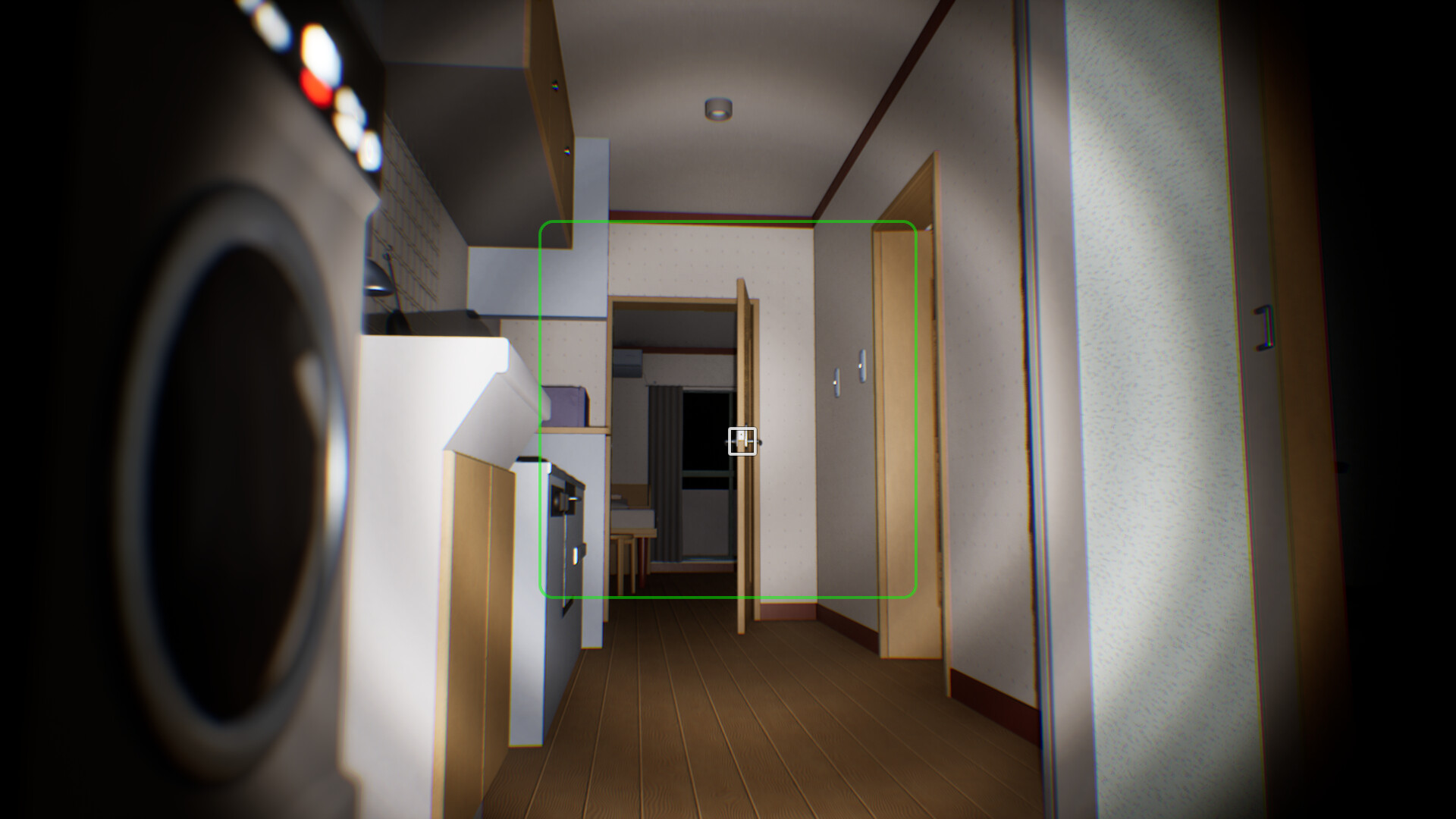
You find yourself trapped in a dream. If you capture anomalies in the dream with a camera, you might be able to escape.
False Dream is a hidden object, walking simulator and horror game
developed and published by TenkaiGames.
Released on January 16th 2024 is available on Windows, Steam Deck and Steam Machine
in 2 languages: English and Japanese.
It has received 467 reviews of which 448 were positive and 19 were negative resulting in a rating of 8.9 out of 10. 😎
The game is currently priced at 1.99€ on Steam.
The Steam community has classified False Dream into these genres:
Hidden Object
Walking Simulator
Horror
Casual
3D
First-Person
Indie
Psychological Horror
Realistic
Singleplayer
Perma Death
Here is the detailed breakdown of supported languages for False Dream:
| UI | Subtitle | Audio | |
|---|---|---|---|
| English | |||
| Japanese |
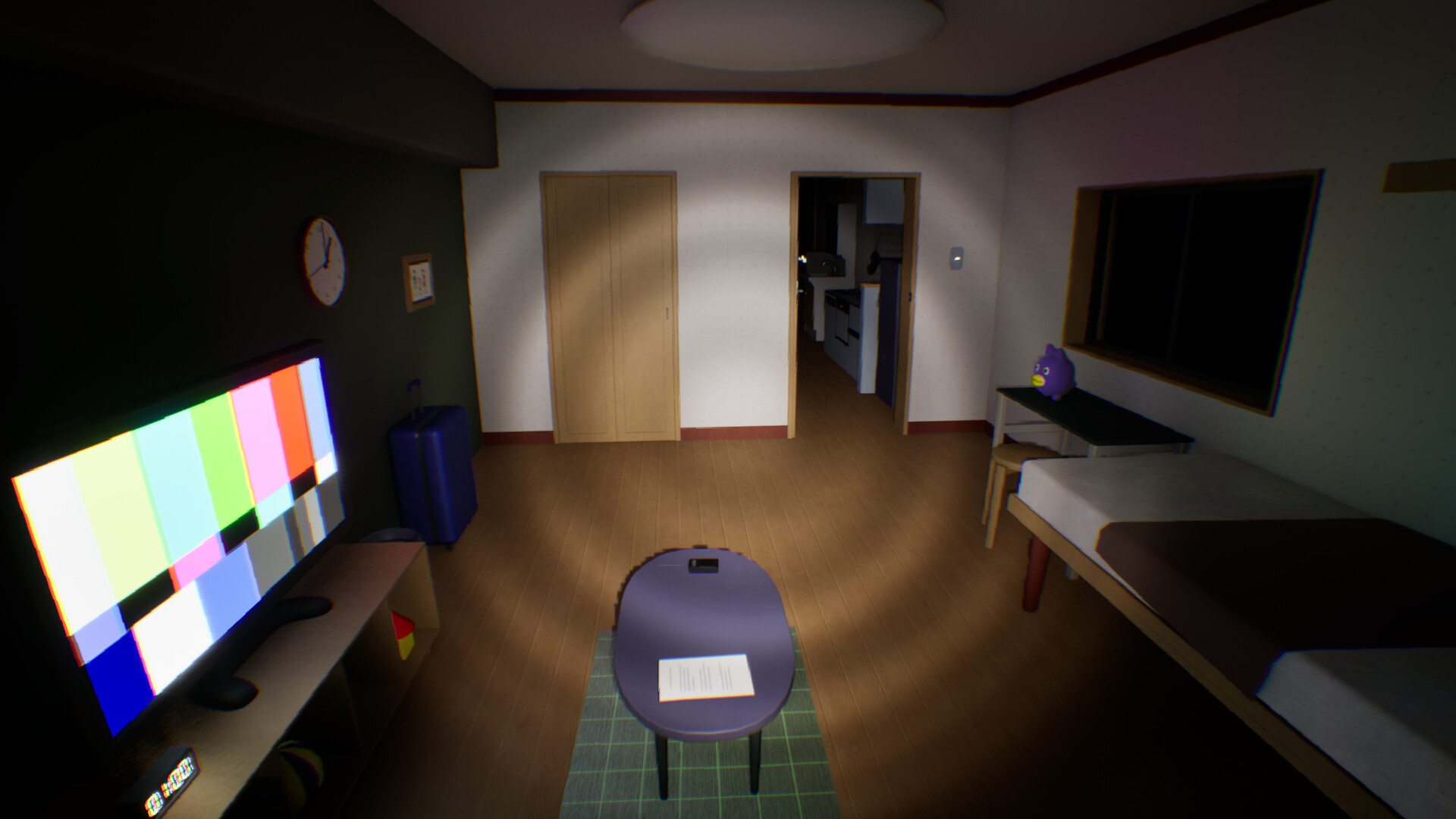
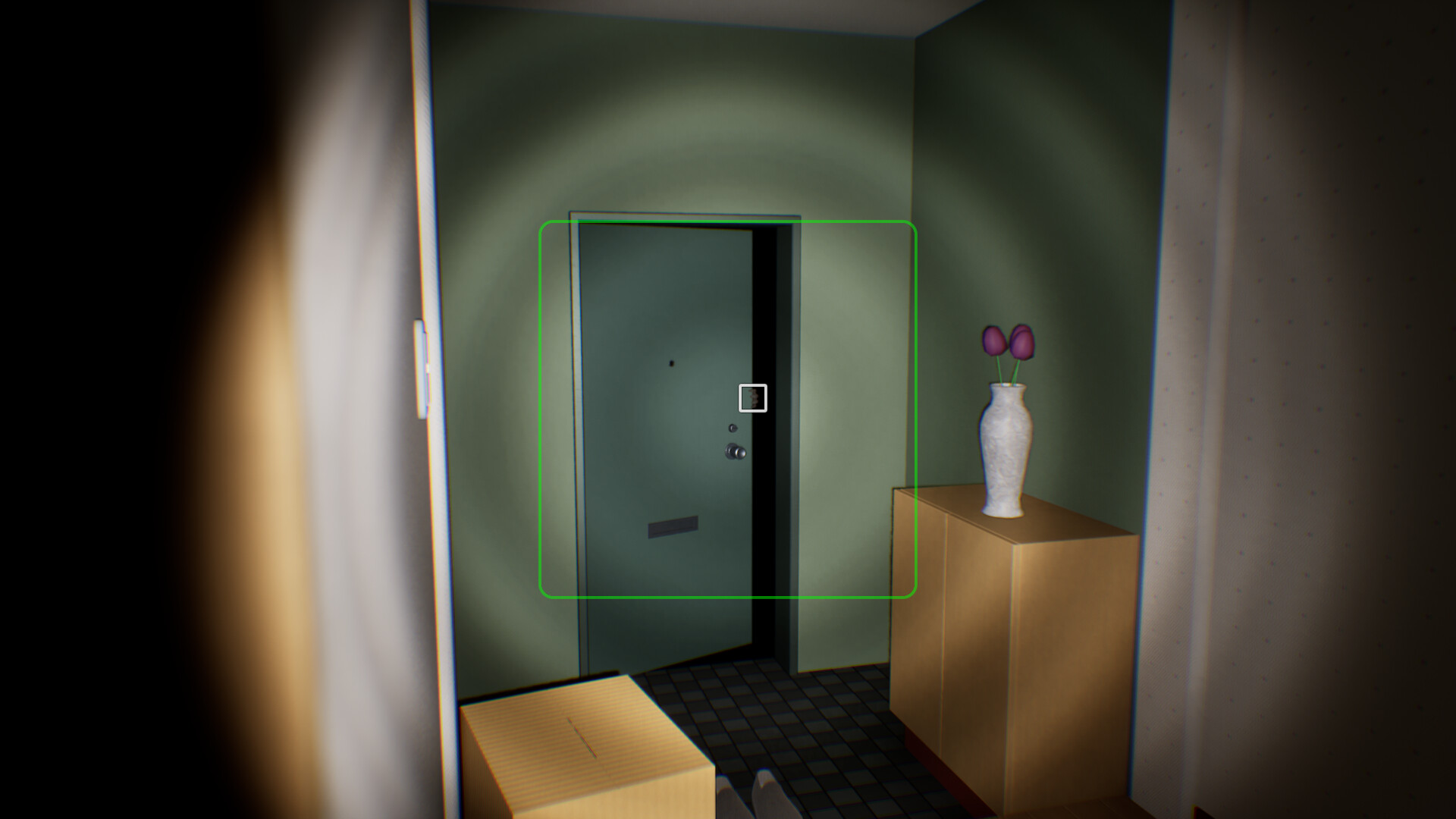
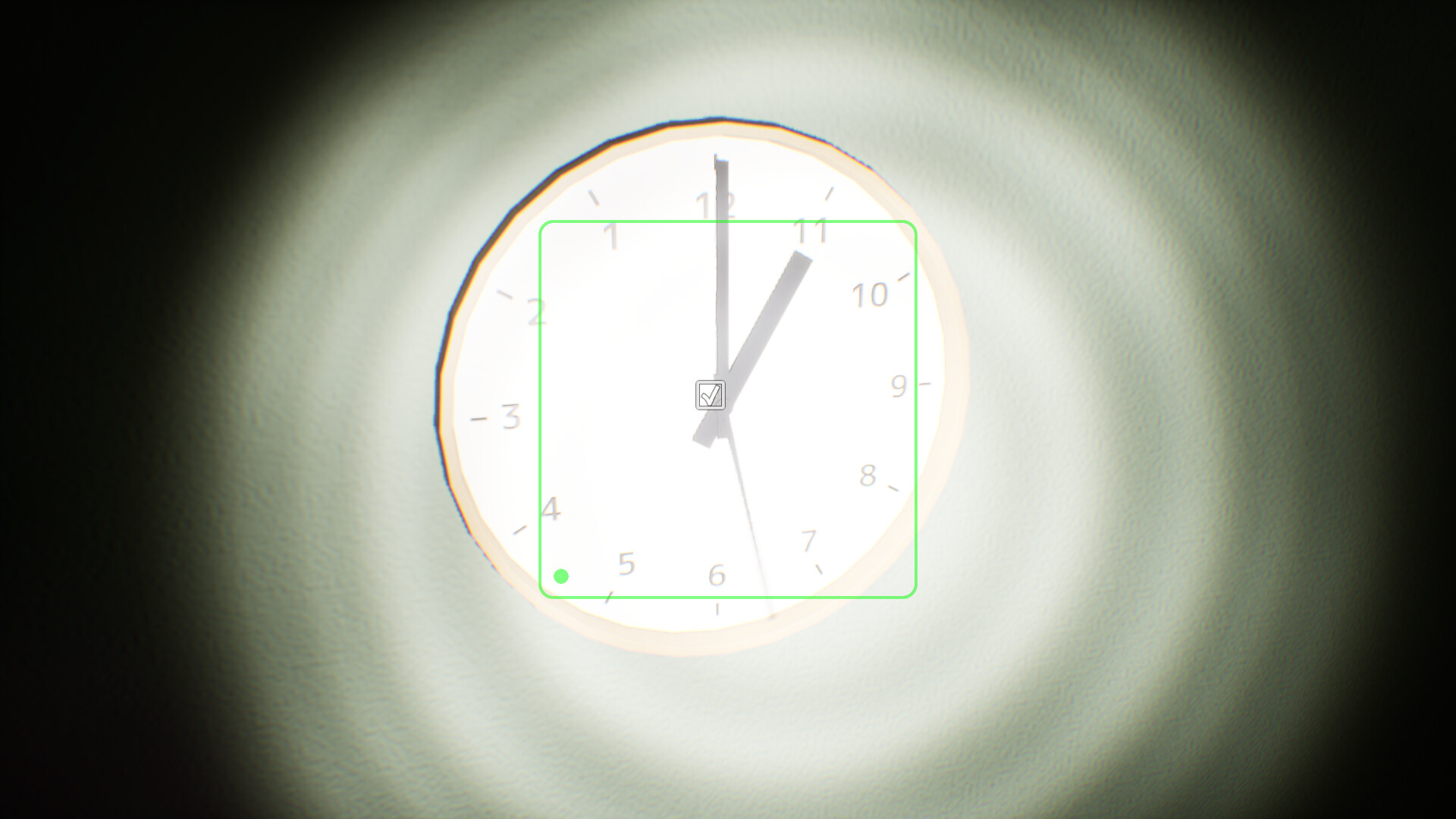
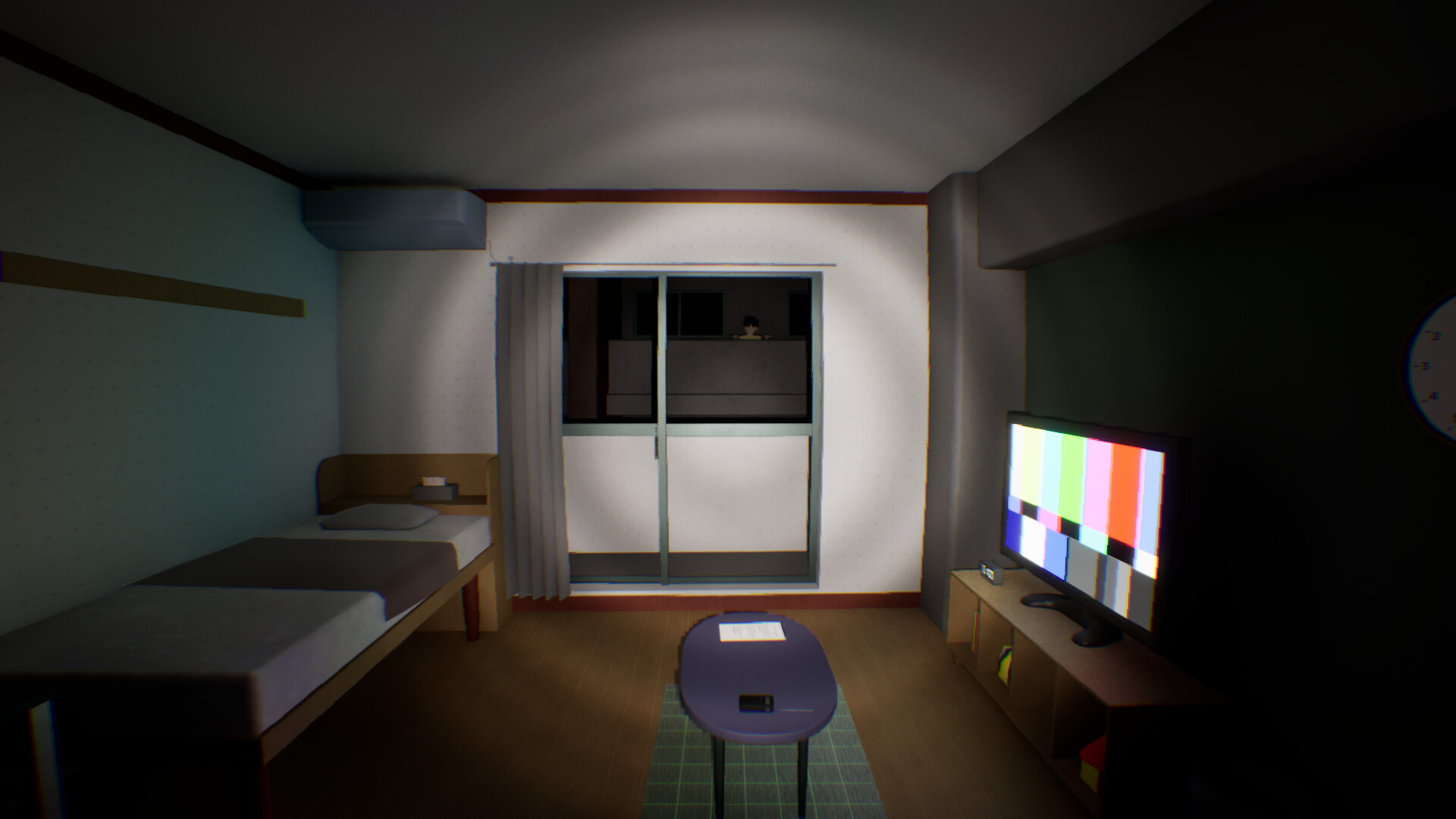
Media & Screenshots
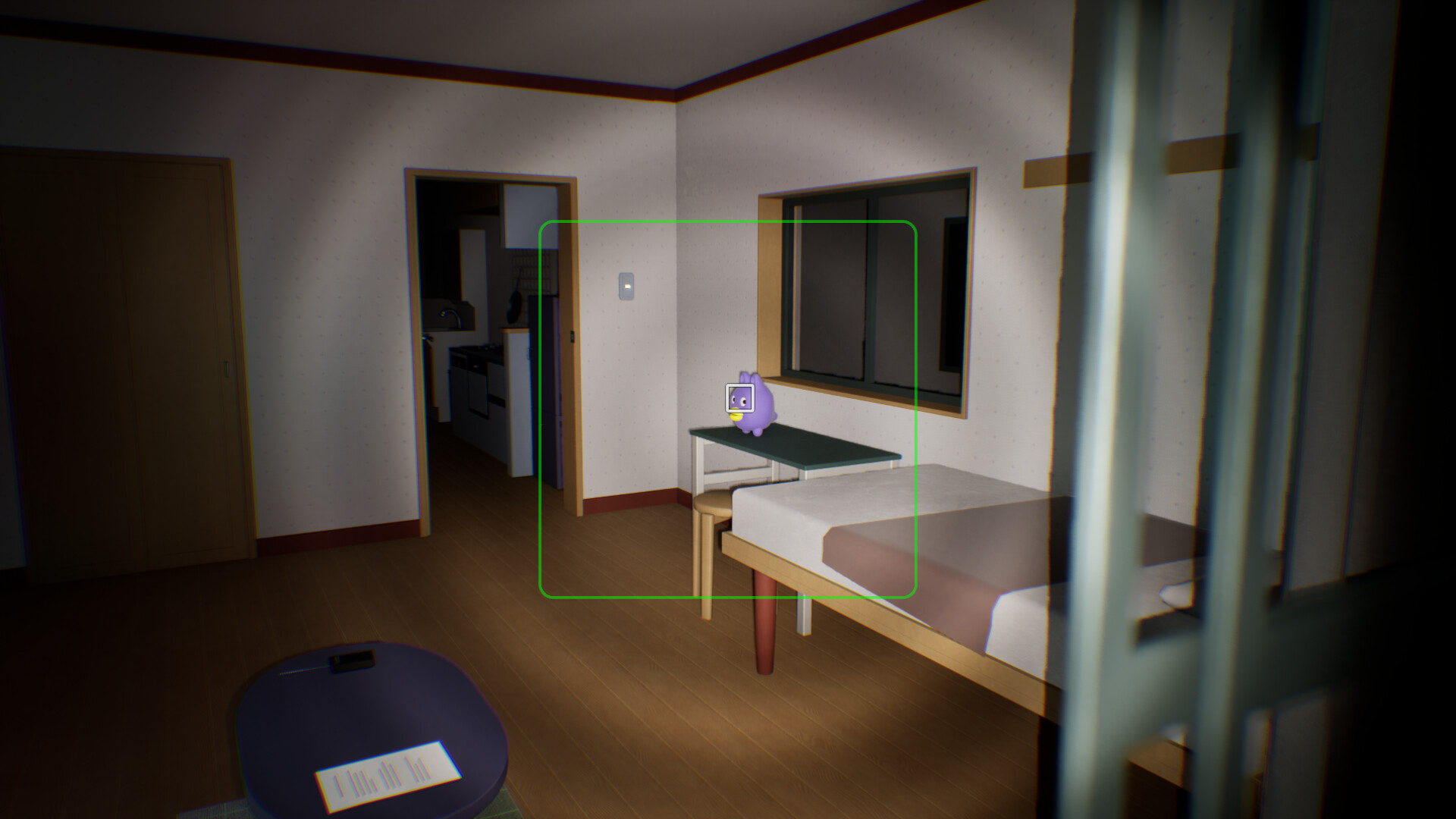
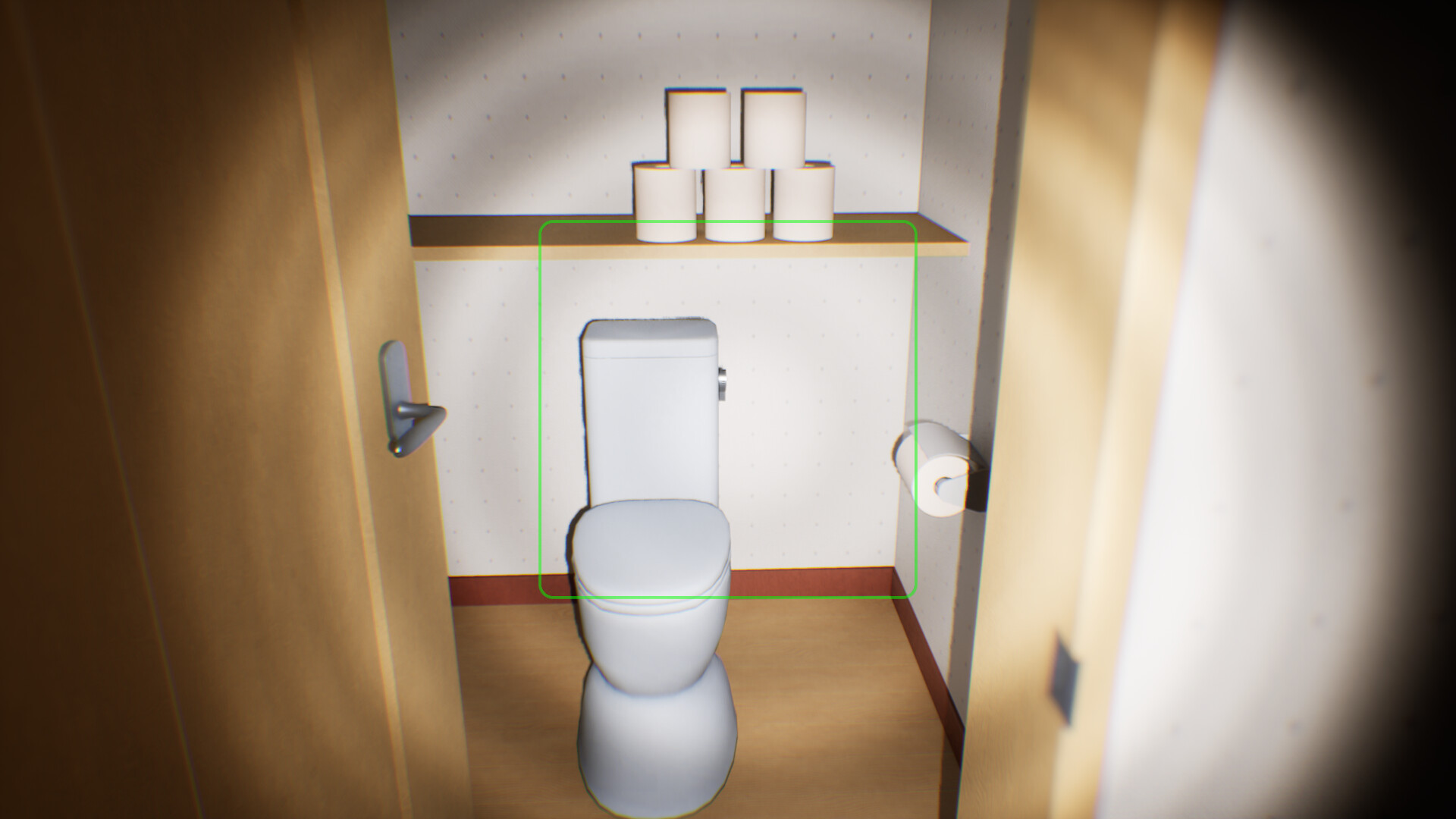
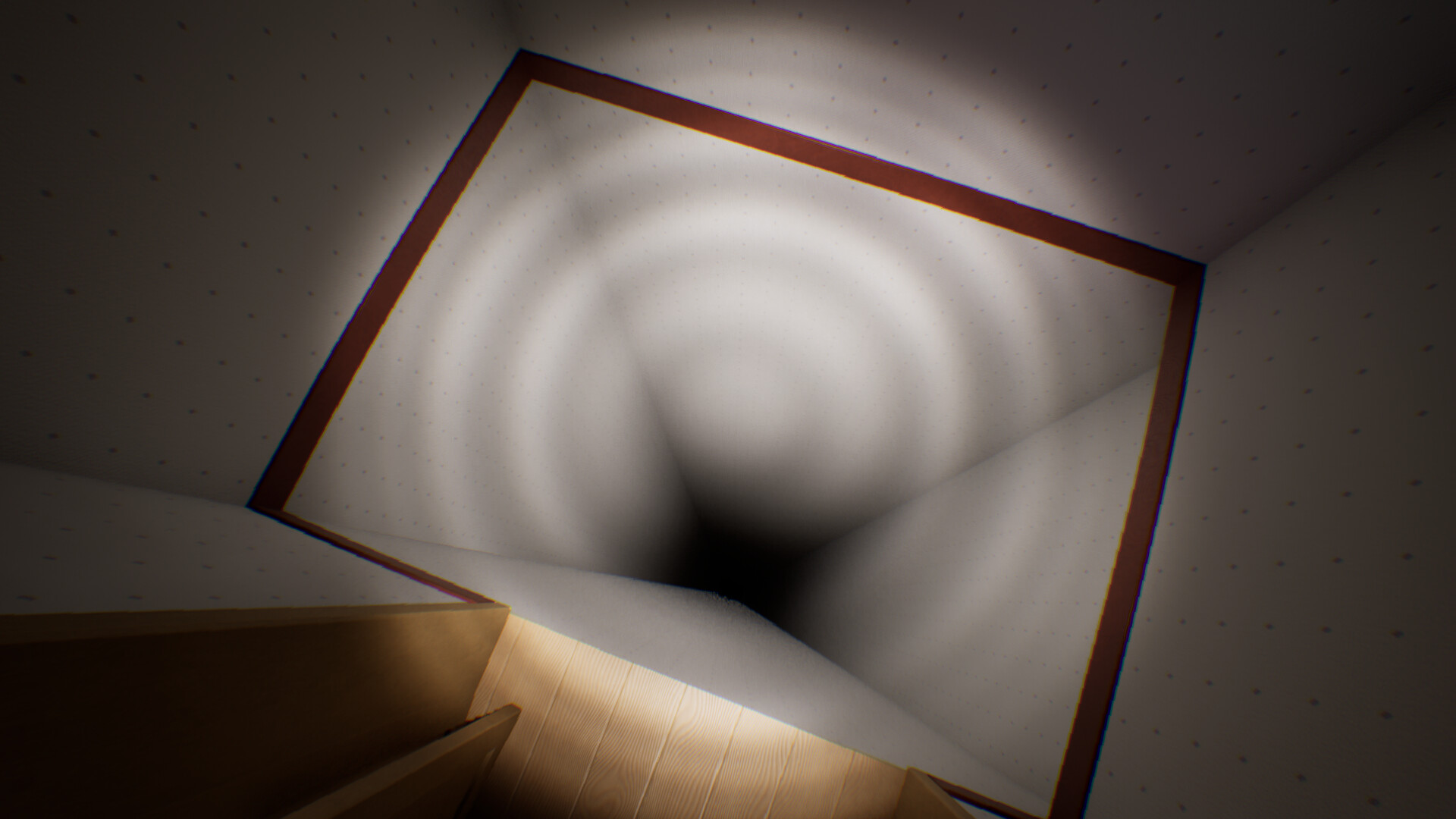
Get an in-depth look at False Dream through various videos and screenshots.
Load More
System requirements
These are the minimum specifications needed to play the game. For the best experience, we recommend that you verify them.
Windows
- Requires a 64-bit processor and operating system
- OS: Windows 11
- Processor: 3 Ghz
- Memory: 1 GB RAM
- Graphics: 4GB VRAM
- DirectX: Version 12
- Storage: 500 MB available space
Steam Price & Best Deals
User reviews & Ratings
Explore reviews from Steam users sharing their experiences and what they love about the game.
If you don't know anything about the game, FalseDream is a Game that you have to Capture anomalies With your camera and Reach 9am. Anyway Cue-Chan plushie when? What i like about this game: • It isn't lazy FalseDream feels like actual love and care was put into it. • The objective is simple Reach 9am, that's it. • The anomalies Are great. The anomalies are interesting, and Cool. • There's plenty of Theories to Do Like, Who's "My boy" in the note? is it cue-chan? • Cue-Chan Cue-Chan. What i DISLIKE: Not much, but... • The game can use More Anomalies I mean.. Imagine how good it would be to have 76 more anomalies in the game.(157 anomalies) • Nightmare mode Could've Used more Like- 2 Anomalies the time There IS a anomaly, and No radio. • Some anomalies are REALLY subtle. Like- Ceiling anomalies, Unusable Hangers, Inside the fridge. Yeah.. •The Blood-Hand Anomaly SUCKS. Right now, the blood hand anomaly in the kitchen SUCKS, It locks the door, Making you unable to Leave the kitchen, Not to mention, it also KILLS you. Anyway, Great game, 9.5/10.
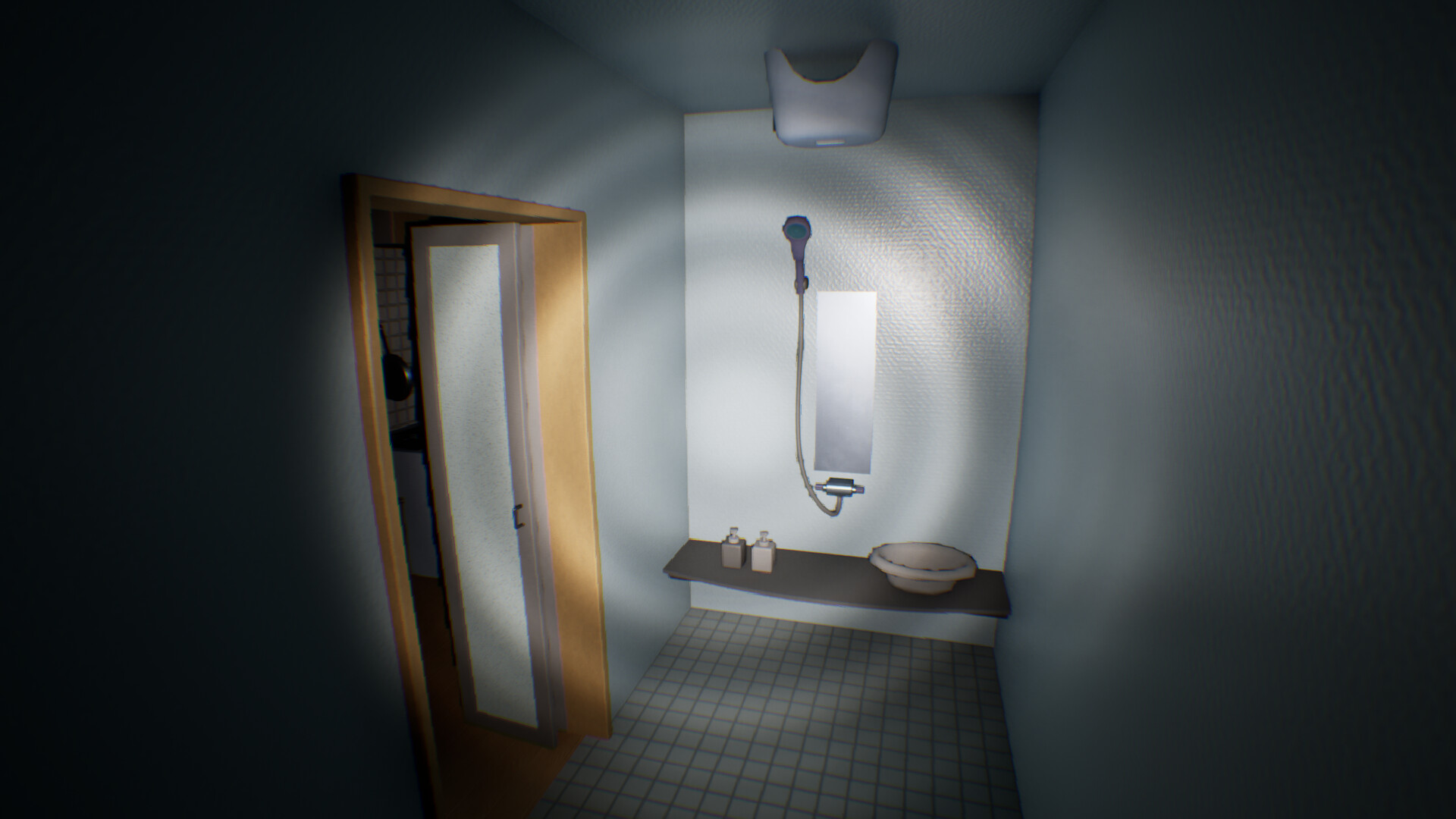
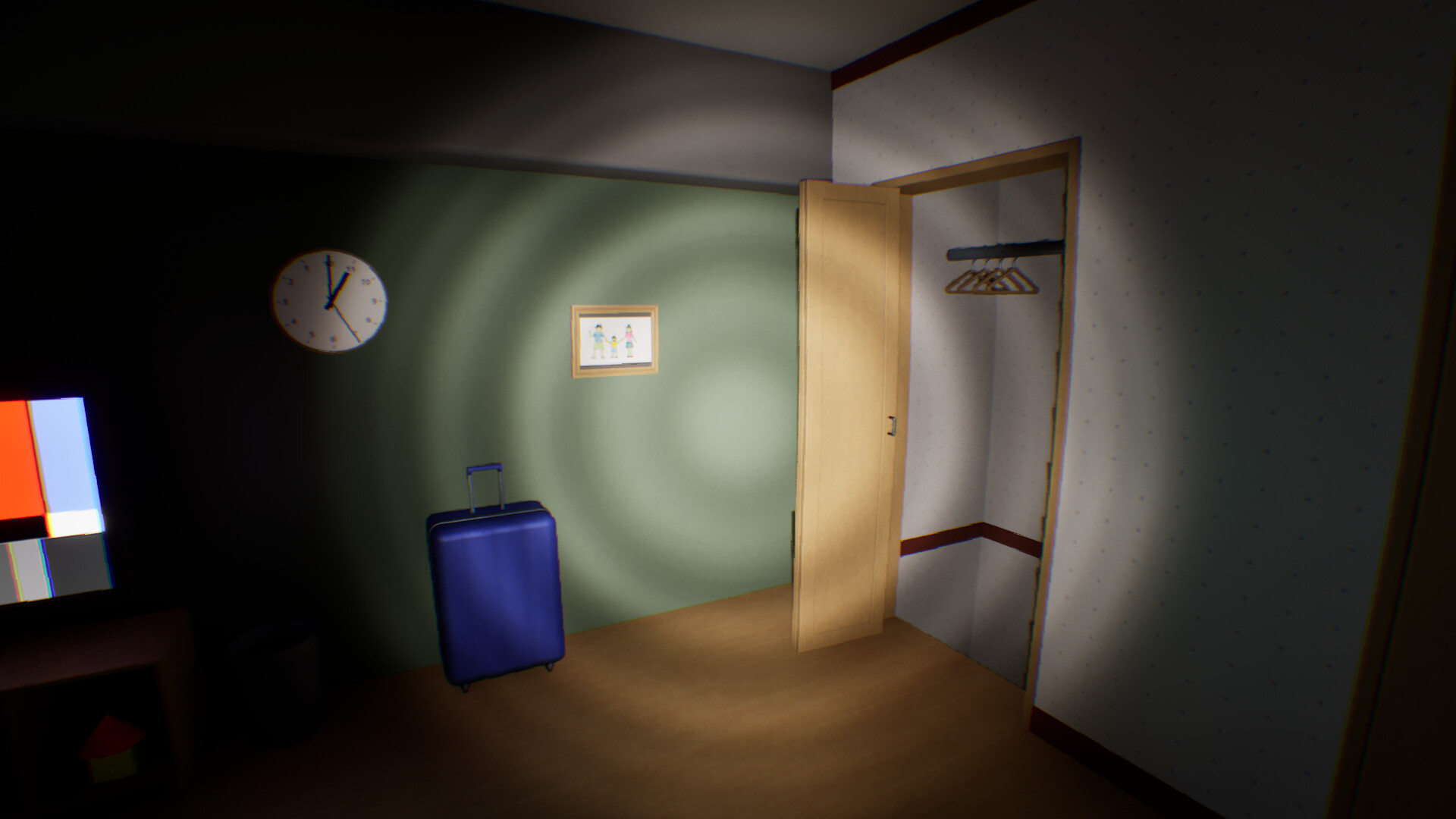
False Dream is a focused first-person psychological horror game that transforms careful observation into its main source of tension. Developed and published by TenkaiGames, the game places the player inside an unsettling dream where escaping depends on recognizing abnormalities in the surrounding environment. Rather than relying heavily on combat, complicated puzzles, or constant scripted scares, it asks players to study their surroundings and notice when something no longer looks right. The result is an experience where ordinary rooms and objects gradually become suspicious because virtually any detail could signal that reality has changed. The camera is at the center of the gameplay. When players notice an anomaly, they must photograph it to register the discovery. This mechanic encourages more than casual exploration because players need to develop a mental picture of what the environment normally looks like. Changes involving objects, locations, or unusual phenomena can then be identified by comparing what is currently visible with what the player remembers. The concept is simple to understand, but it becomes increasingly demanding when uncertainty sets in. False Dream effectively makes memory part of the challenge, with players frequently questioning whether a particular detail has actually changed or was always present. Two modes provide different approaches to the same basic concept. Normal Mode ensures that an anomaly occurs each time, making it the more accessible option for learning the environment and understanding how abnormalities are presented. Nightmare Mode introduces a much more psychologically effective complication because an anomaly is not guaranteed to appear. Searching a room and finding nothing therefore creates genuine uncertainty. The player cannot immediately determine whether everything is normal or whether an important change has simply been overlooked. This design choice makes Nightmare Mode particularly suitable for experienced players because difficulty comes from doubt rather than merely making anomalies harder to see. There are 81 anomalies to discover, giving False Dream considerably more replay value than its short individual sessions might initially suggest. A Normal Mode completion can be relatively brief, while locating every anomaly requires considerably more dedication. The collection aspect becomes an important form of progression because escaping once does not mean that everything has been seen. Players interested in completion have a reason to return repeatedly, improve their familiarity with the environment, and hunt for abnormalities that escaped their attention during previous attempts. Progression is handled in a player-friendly manner. Photographed anomalies remain recorded even if a session is interrupted, allowing the collection to be completed gradually instead of demanding one long playthrough. The radio functions as an assistance tool, although discoveries made through its help are treated differently from anomalies personally identified and photographed. This creates a reasonable balance between providing assistance and rewarding careful observation. Players can receive help when struggling without completely undermining the satisfaction of independently discovering the game's secrets. The visual presentation plays an important role because environmental consistency is essential to this style of horror. False Dream uses Unreal Engine 5 and supports Lumen-based global illumination, with higher illumination settings recommended for the intended atmosphere. Realistic lighting helps make the environment believable enough that subtle alterations can feel genuinely disturbing. At the same time, these visual features can be demanding on graphics hardware. The developer acknowledges possible performance issues and recommends lowering graphical settings when necessary, particularly when available video memory is limited. The game also provides practical configuration options that improve accessibility. Players who experience motion sickness can reduce or disable Head Bob and Motion Blur, which is especially useful in a first-person title involving repeated movement and close inspection of environments. An FPS indicator can also be viewed while the game is paused, helping users evaluate performance after changing settings. The listed installation size is small, but DirectX 12 compatibility and sufficient graphics capabilities remain relevant considerations. Steam Cloud and Family Sharing support further improve convenience, while the interface supports English and Japanese. False Dream's strongest quality is how efficiently it produces uneasiness from mundane surroundings. A misplaced item or an inexplicable environmental change can become more disturbing than a conventional monster because the player has been trained to distrust anything that appears even slightly unusual. The dream premise complements this structure particularly well. Dreams naturally allow reality to behave inconsistently, so anomalies do not feel disconnected from the setting. Instead, every unexpected change reinforces the idea that the player is trapped somewhere governed by unstable rules. The restrained design will not appeal equally to everyone. Players expecting an elaborate narrative, extensive dialogue, action-heavy encounters, or a large world may find the experience too narrow. Much of the gameplay involves repeatedly examining familiar locations, meaning enjoyment depends on having an interest in observation and anomaly-spotting mechanics. Familiarity can also reduce some of the initial fear after repeated sessions. However, Nightmare Mode counteracts this problem to an extent by making the absence of abnormalities another possibility, ensuring that memorizing the environment does not completely eliminate uncertainty. As a compact horror experience, False Dream succeeds because it remains committed to a clear concept instead of unnecessarily expanding its scope. The combination of environmental memorization, camera-based anomaly detection, two difficulty approaches, persistent collection progress, and 81 abnormalities gives the game a satisfying structure despite its relatively modest size. TenkaiGames demonstrates that effective horror does not always require elaborate enemies or aggressive jump scares; sometimes making players question their own perception is enough. For fans of observation-driven psychological horror who enjoy repeatedly searching familiar environments for subtle differences, False Dream offers an atmospheric and cleverly constructed challenge. Rating: 8/10
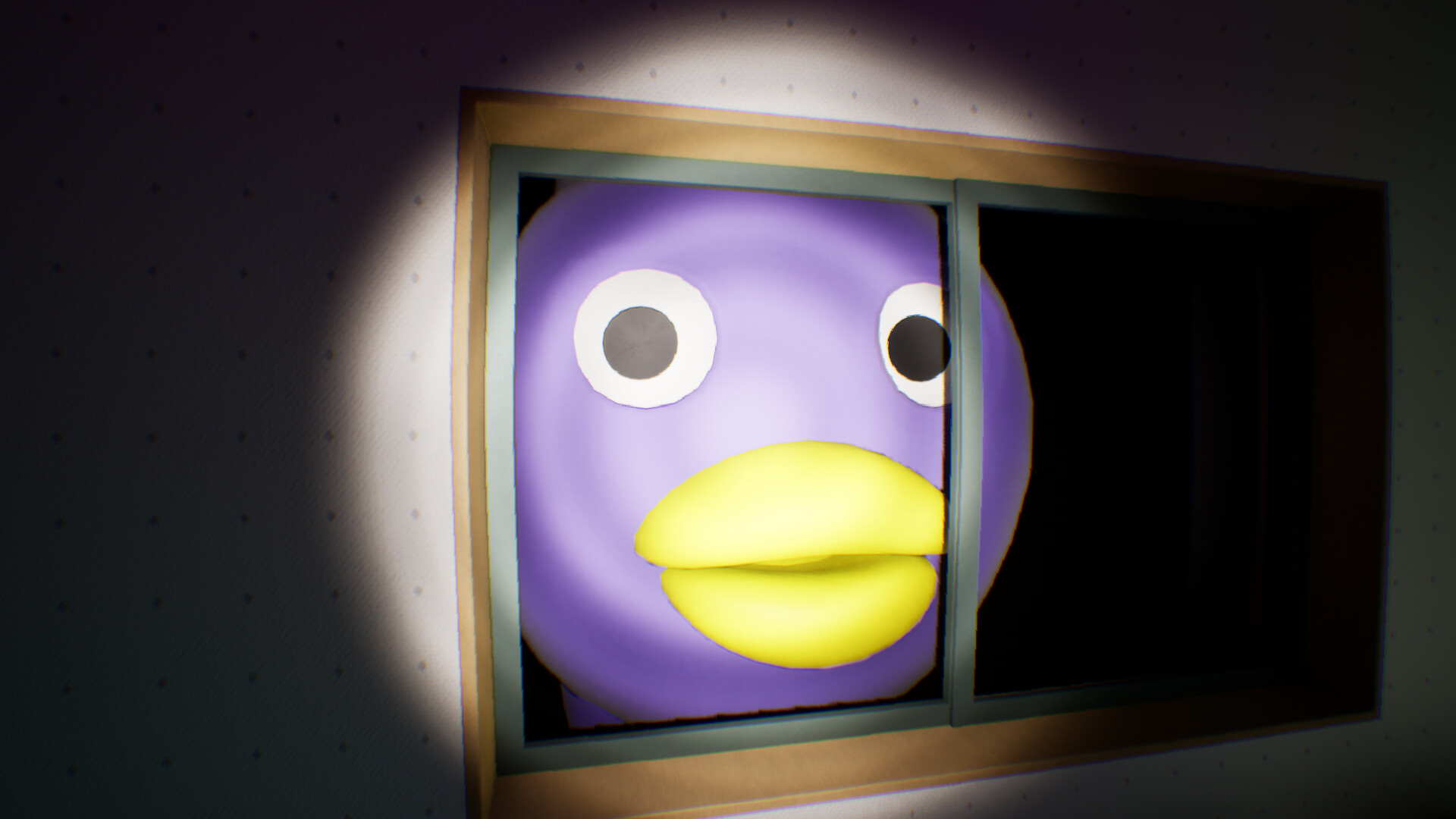
Very fun anomaly finder game. 81 anomalies to find within your small apartment, with charming-yet-unsettling imagery and jumpscares. I really enjoyed the ones where Cue-chan has you play a game of hide-and-seek. Two hours worth of content for two bucks is a steal considering the polish on this game.
Similar games
View all

Toilet 8
What, you don’t know Toilet 8 🚽💩? The most immature parody anomaly game ever made? You’re stuck in a loop of public toilets where you must spot what’s wrong each time. Absurd surprises and plenty of poop-fart humor designed to make you laugh.

![[Chilla's Art] The Ghost Train | 幽霊列車](https://shared.fastly.steamstatic.com/store_item_assets/steam/apps/1349960/header.jpg)
[Chilla's Art] The Ghost Train | 幽霊列車
The Ghost Train | 幽霊列車 is a psychological train horror game.

Interior Worlds
Snap your own homemade liminal space photos using a mysterious SLR camera as you explore a variety of empty, strange, and familiar spaces.

Uncanny Tales: 1992
Autumn, 1992. Anton, a 14-year-old boy, moves with his parents to a small town and is left alone in his grandmother's apartment. Meanwhile, children are disappearing across the town — the police are powerless, and no one knows who's behind it…

The Longest Walk
The Longest Walk is a deeply personal biographical walking-simulator game about my father's experience of living with depression.
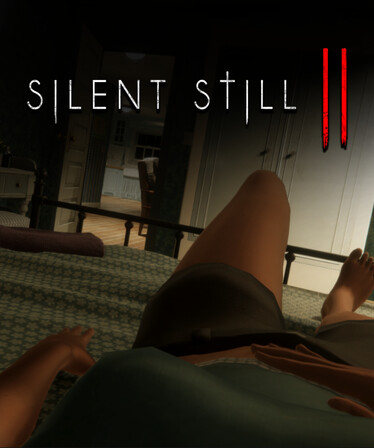
Silent Still 2
Silent Still 2 is a first-person psychological horror that traps you in the paralyzing nightmare of sleep paralysis. Helpless and unable to escape, you’ll face unspeakable entities that watch, whisper, and move when you can’t. Blurring the line between waking and something far worse


The Boba Teashop
A cozy horror game where you own and manage a boba tea shop. Prepare boba teas, serve customers, and expand your menu to grow your business.

The Exit 8
You are trapped in an endless underground passageway. Observe your surroundings carefully to reach "The Exit 8".
Frequently Asked Questions
False Dream is currently priced at 1.99€ on Steam.
No, False Dream is currently not on sale. You can purchase it for 1.99€ on Steam.
Yes, False Dream received 448 positive votes out of a total of 467 achieving a rating of 8.87.
😎
False Dream was developed and published by TenkaiGames.
Yes, False Dream is playable and fully supported on Windows.
No, False Dream is not playable on MacOS.
No, False Dream is not playable on Linux.
Yes, False Dream is playable on Steam Deck, though it might require a few minor tweaks. Make sure to check the Steam store page and community feedback on ProtonDB for exact compatibility details.
Yes, False Dream is playable and fully supported on Steam Machine.
No, False Dream does not support VR.
False Dream is a single-player game.
No, False Dream does not currently offer any DLC.
No, False Dream does not support mods via Steam Workshop.
No, False Dream does not support Steam Remote Play.
Yes, False Dream is enabled for Steam Family Sharing. This means you can share the game with authorized users from your Steam Library, allowing them to play it on their own accounts. For more details on how the feature works, you can read the original Steam Family Sharing announcement or visit the Steam Family Sharing user guide and FAQ page.
You can find solutions or submit a support ticket by visiting the Steam Support page for False Dream.
Data sources
The information presented on this page is sourced from reliable APIs to ensure accuracy and relevance. We utilize the Steam API to gather data on game details, including titles, descriptions, prices, and user reviews. This allows us to provide you with the most up-to-date information directly from the Steam platform.
Additionally, we incorporate data from the SteamSpy API, which offers insights into game sales and player statistics. This helps us present a comprehensive view of each game's popularity and performance within the gaming community.
Last Updates| Steam data | 27 September 2026 21:03 UTC |
|---|---|
| SteamSpy data | 16 October 2026 14:00 UTC |
| Steam price | 26 October 2026 19:26 UTC |
| Steam reviews | 18 October 2026 21:56 UTC |
If you'd like to dive deeper into the details about False Dream, we invite you to check out a few dedicated websites that offer extensive information and insights. These platforms provide valuable data, analysis, and user-generated reports to enhance your understanding of the game and its performance.
- SteamDB - A comprehensive database of everything on Steam about False Dream
- SteamCharts - Analysis of False Dream concurrent players on Steam
- ProtonDB - Crowdsourced reports on Linux and Steam Deck False Dream compatibility

Game modes
Features
Online players
1
Developer
TenkaiGames
Publisher
TenkaiGames
Release
16 Jan 2024
Platforms