
WILL: A Wonderful World / WILL:美好世界
“God, please help me…” Become a god and rewrite fate with words. Drag and reorder sentences from pleading letters to twist cause and effect, changing the lives of those who wrote them. When countless joys and sorrows collide, what kind of “Wonderful World” will you create?
Sync your Steam wishlist to find the lowest game prices instantly. No login required, just paste your Steam profile URL!
⚡ Try Wishlist Radar!
Sync your Steam wishlist to find the lowest game prices instantly. No login required!
⚡ Try Wishlist Radar!
Close

Far Away on Steam
Quick menu
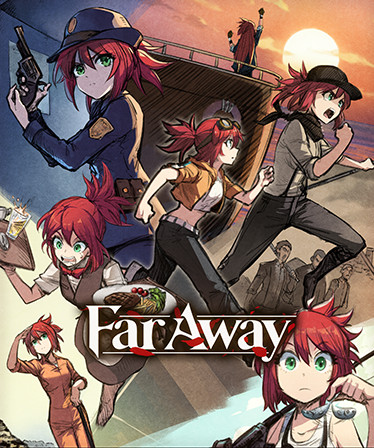
Far Away is a visual novel full of dark humor depicting immersive storylines rather than romantic drama. You will play as Krosa, a typical girl who experiences gang conflicts, crimes, conspiracies, and family grudges in the port city of Bedjan.
Far Away is a singleplayer, visual novel and choices matter game
developed and published by Gratesca.
Released on August 17th 2021 is available on Windows, Steam Deck and Steam Machine
in 3 languages: Simplified Chinese, English and Japanese.
It has received 7,602 reviews of which 7,146 were positive and 456 were negative resulting in an impressive rating of 9.1 out of 10. 😍
The game is currently priced at 12.79€ on Steam.
The Steam community has classified Far Away into these genres:
Singleplayer
Visual Novel
Choices Matter
Word Game
Story Rich
Female Protagonist
Choose Your Own Adventure
Anime
Cute
Indie
Adventure
Interactive Fiction
2D
Replay Value
Investigation
Dark Humor
Multiple Endings
Conspiracy
Comedy
Crime
Here is the detailed breakdown of supported languages for Far Away:
| UI | Subtitle | Audio | |
|---|---|---|---|
| English | |||
| Simplified Chinese | |||
| Japanese |
Media & Screenshots
Get an in-depth look at Far Away through various videos and screenshots.
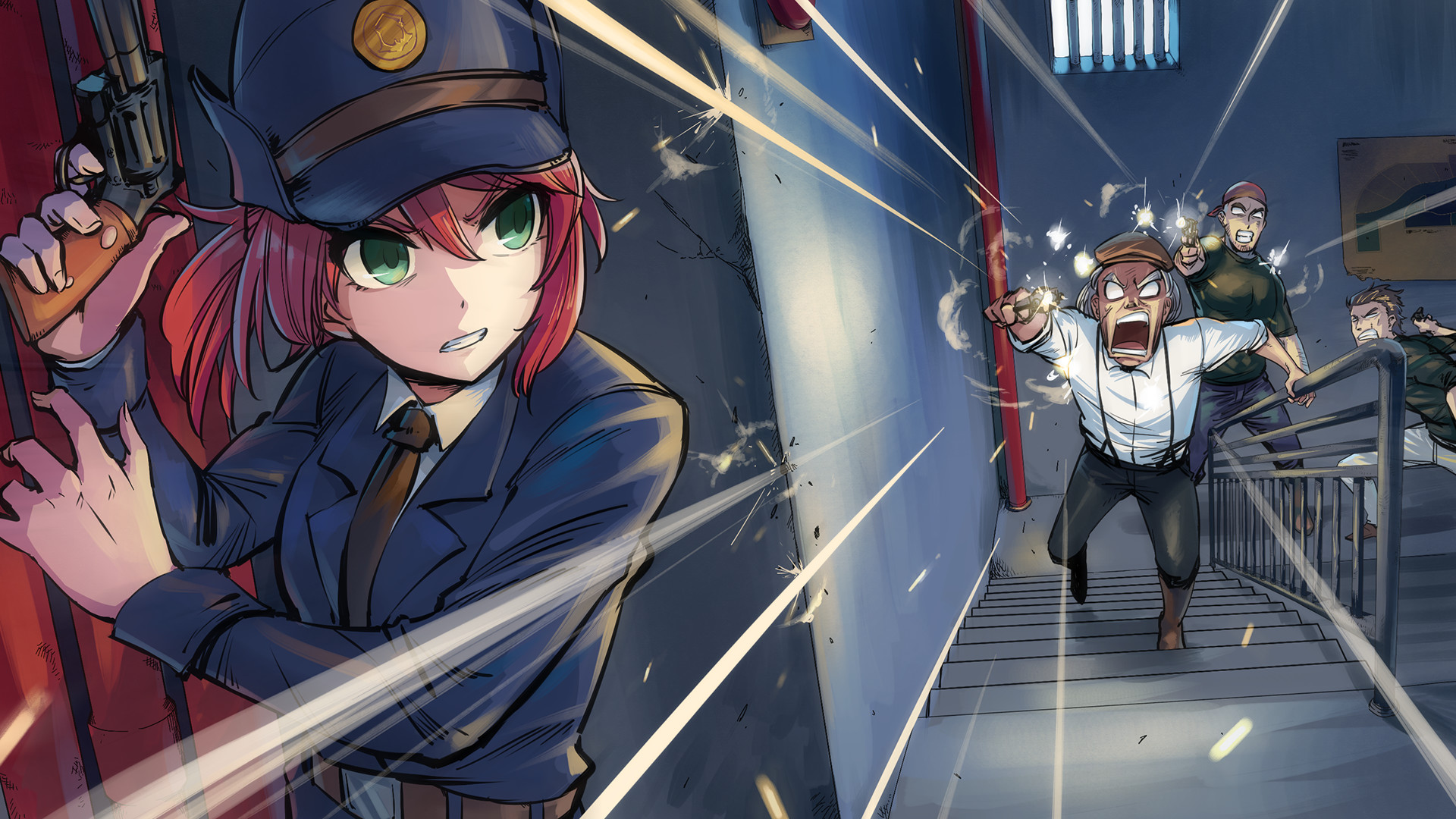
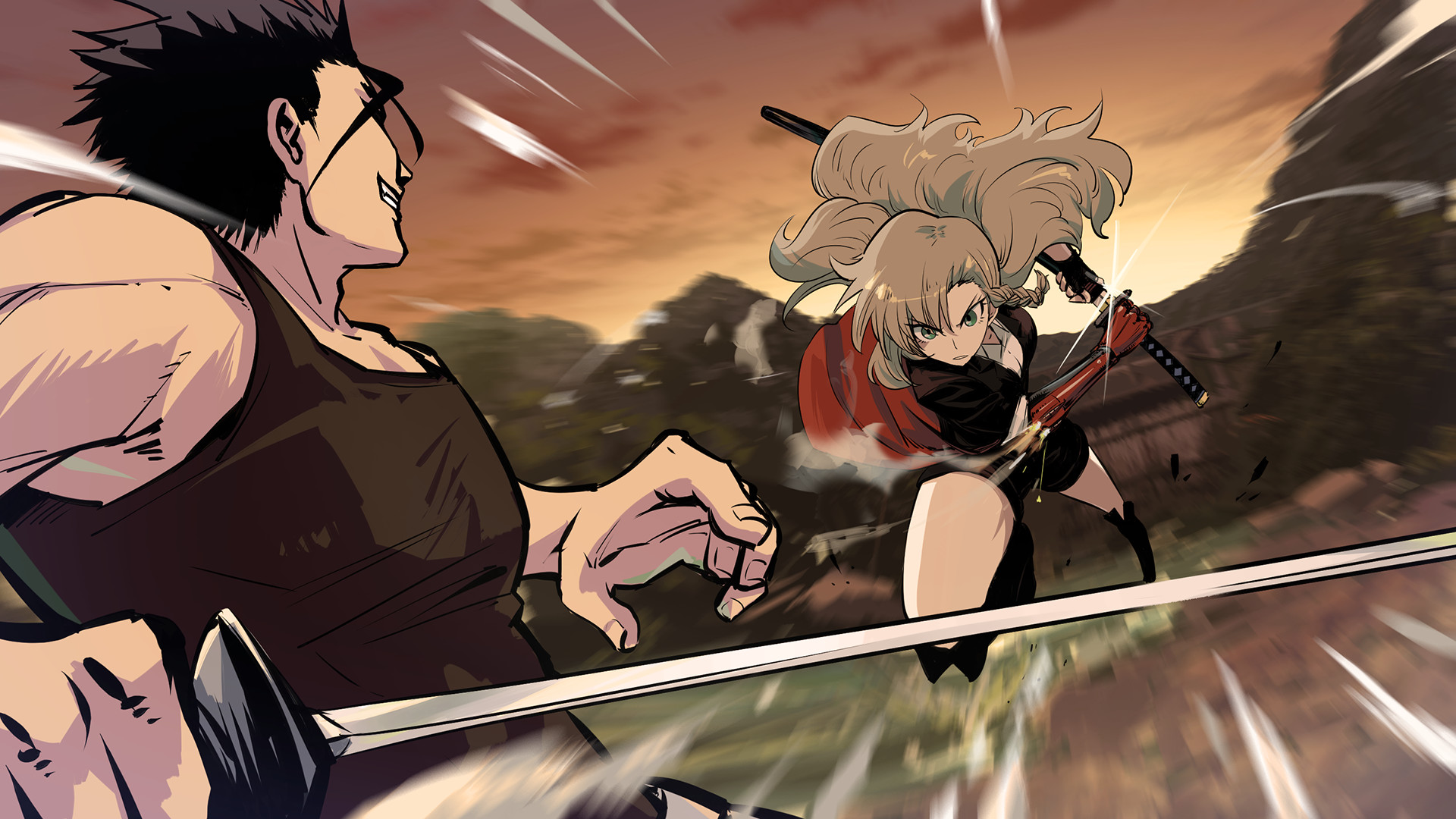


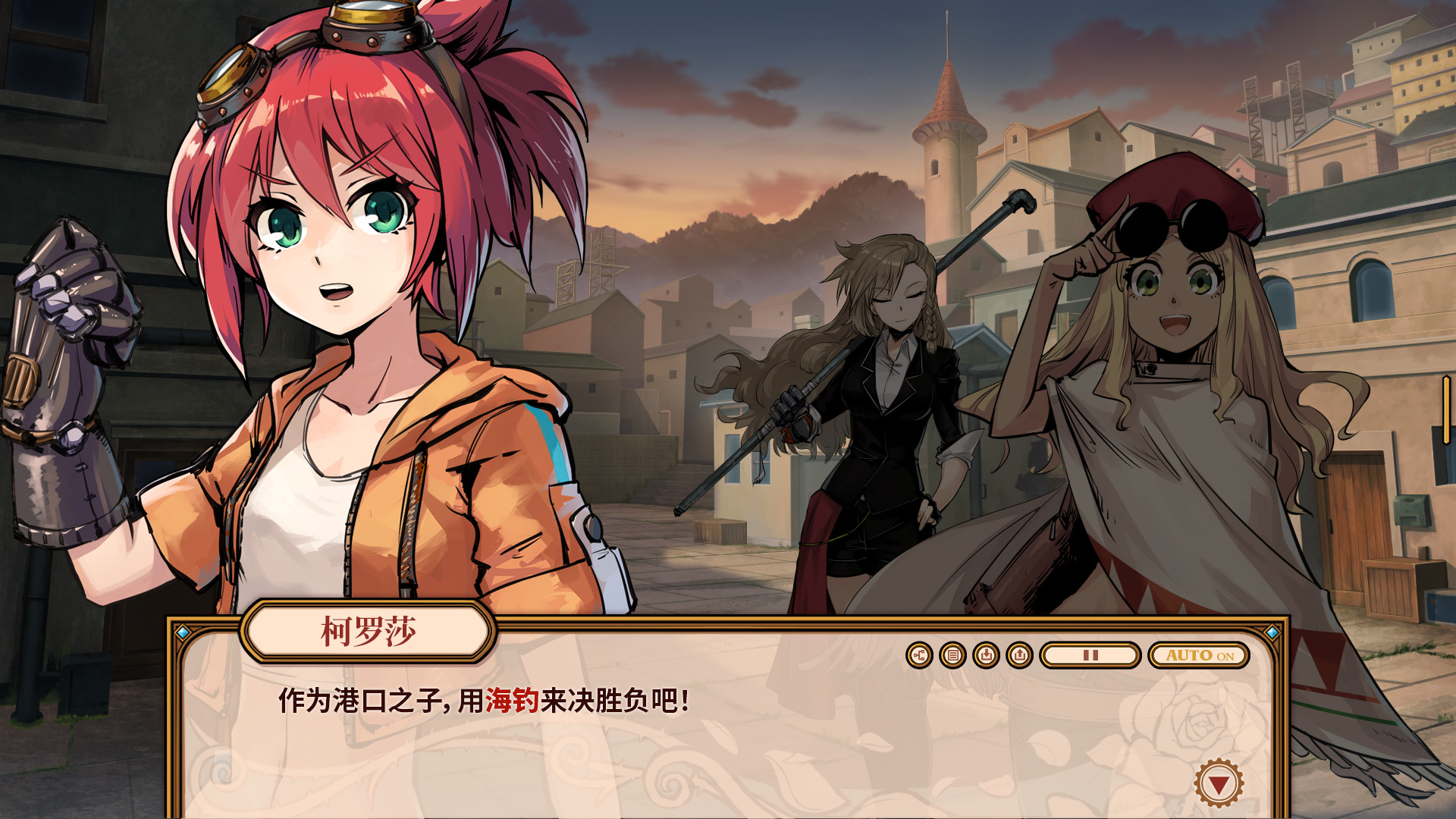
Load More

System requirements
These are the minimum specifications needed to play the game. For the best experience, we recommend that you verify them.
Windows
- OS *: Windows 10,Windows 7
- Processor: Intel Core i3 2.00 GHz 或 AMD A10
- Memory: 2 GB RAM
- Graphics: Intel® HD Graphics 3000
- DirectX: Version 11
- Storage: 3 GB available space
Steam Price & Best Deals
User reviews & Ratings
Explore reviews from Steam users sharing their experiences and what they love about the game.
Far Away is a pretty solid VN. The branching storyline and multiple endings is nice, albeit a bit basic. The characters and the worldbuilding are rich and main reason that made me 100% the game, as tedious as it was at times. The Cantonese voice lines were awkward for me at first but I quickly got used it and VAs did a great job at voicing every character. Also, Krosa is very cute (really important!)
Far Away is a VN with top-tier quality. Its gangster theme is rare and unique, the adventure story is intricate and well-crafted. There r 8 main plot routes, yet it surprisingly hits logical consistency. The 500k word script makes Beije, the city of sea and sand, vivid and full. The exclusive Cantonese VA has no rivals at all.
This is a very ambitious visual novel. The story takes place in a fictional isolated country that is in the sights of multiple other nations, and itself is divided by two conflicting gangs and the official rules at City Hall and the police force. Krosa, the protagonist, can end up taking multiple different paths and joining with most of those separate powers. The result is a very broad view of a 2-3 month period that largely covers the same events, but from multiple perspectives. There are some downsides to this, mostly from repetition. Since the same major events take place in every route you'll end up retreading old ground a lot. The story does make sure to vary things; Krosa may hear of a person's murder in one route, try to protect him in another, and be an active (if unwilling) accomplice in a third. Being able to see the events from other perspectives definitely helps expand the world building. The other problem is that some routes are just much better than others. One route I had high expectations for, as it would cover a completely separate section of the world, was just kind of a joke route. Krosa can join either gang but both of these routes were underwhelming in my view - she's forced to join one, and in the other they go way too hard on making the gang members the good guys. Krosa is an excellent protagonist. She's both charming and strong, and adaptable enough to work well in all her various roles and jobs. In most of the routes she will be working with flawed people or institutions, and brings her own values to each. Most of the local powers are made at least somewhat defensible even if flawed (except the major villain; some attempt is made to justify his actions, but not nearly enough. It's probably better they don't go too far here). Overall it's an excellent story. It's very ambitious and doesn't quite meet its own expectations, but the flaws are forgivable for what is done right. The translation is good. Not great, but an effort was made. There are some clear mistakes, odd word choices and such, but it's far from a hack job. There's a minor localization issue with the text advance - there's a short delay after a period, e.g. at the end of a sentence. The problem is that this delay also exists for any period, including stuff like "Mr. LastName" or even just "...". Is this a big issue? No, but it's mildly annoying. The biggest issue with the translation is in one of the climatic scenes, right after a big reveal to Krosa, and her response is... nothing. The entire text box was just left blank. It's clear enough what's happening from the context, but it's still a major issue. There is one other major technical issue. The skip-read-text option does not take conditions into account, only entire scenes. There is one scene with a group of spies where Krosa is optionally present - if she isn't there, the narration still covers the events. The problem is that what's said in the meeting is wildly different if she's there or not - they reveal their true intentions if she isn't there, and a sweet-sounding lie if she is. The skip-read-text feature treats both as the same scene. So if you were to see the not-present version first and see what the real plan is, go back to make different choices and skip all read text, you might notice that now she's at the meeting and think "wait, they're just telling her their plan? And she's not freaking out?". This is the only big example I saw, but it's possible there are others.
Similar games
View all
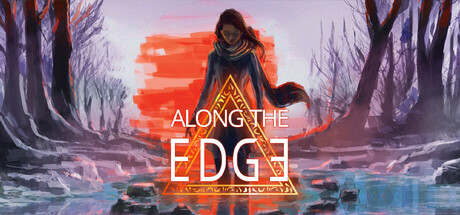
Along the Edge
Following the loss of a baby, a breakup, and a surprise heritage, Daphné decides to leave everything behind to start a new life in the French countryside. There, she discovers she's the last descendant of a line of witches. Will she embrace the family tradition?

fault - milestone two side:above
fault - milestone two side:above is a Cinematic Visual Novel that takes place right after the events of milestone one. Please note that this novel is a direct sequel to fault - milestone one and contains massive spoilers of the first story. Play through of the first title is highly advised.
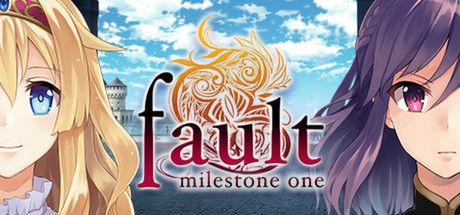
fault - milestone one
fault is a series of Science Fantasy Cinematic Novels using a unique 3D Camera system for a visually immersive reading experience. Follow Selphine, the bubbly Princess and her sharp-witted Royal Guardian, Ritona, on their journey of a lifetime back to their homeland of Rughzenhaide.
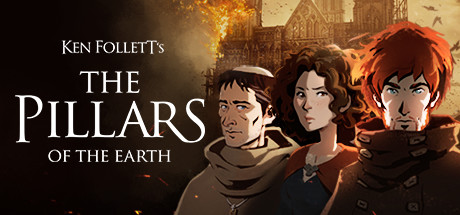
Ken Follett's The Pillars of the Earth
12th century, England: In a time of poverty and war, a small town begins the construction of a cathedral to claim wealth and safety for its people. In their struggle to survive, lives and destinies intertwine. Based on Ken Follett's world-bestseller ‘The Pillars of the Earth’.

Cabernet
Cabernet is a 2D narrative RPG set in a 19th century Eastern European inspired world, with a modern twist. Guide Liza, a young vampire in her new unlife among the unsuspecting townsfolk. Will you retain your humanity or descend further into the horror you have become?

Emily is Away
Emily is Away is an interactive story. Create a screenname and choose your path through the branching narrative.
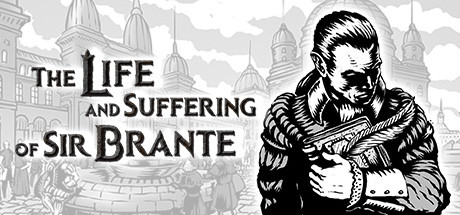
The Life and Suffering of Sir Brante
A narrative-driven hardcore RPG set in a gritty world ruled by real but unrelenting gods. Set out on a challenging lifetime journey, where every choice has a price and entails consequences. Will you become an inquisitor, a judge, or conspire against the old order? Dare to decide!


Soul Gambler
Soul Gambler puts YOU in the role of Faust, an ordinary young man living in the present day whose DESTINY is about to be change forever.
Major\Minor
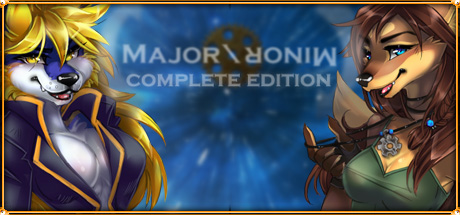
A highly engaging visual novel, with memorable characters and multiple endings. Traverse worlds, solve a murder mystery -- and partake in political revolution. Inspired by greats such as Steins;Gate, Tales of Symphonia, Persona 4 and Future Diary. An unforgettable science-fiction/fantasy adventure!

The Butterfly Collector
investigate the evidence left by a stalker and kidnapper and track the fate of a college girl. The player advances and watches the plot by clicking to make choices for the heroine at key moments, with different choices leading to different endings.
Frequently Asked Questions
Far Away is currently priced at 12.79€ on Steam.
No, Far Away is currently not on sale. You can purchase it for 12.79€ on Steam.
Yes, Far Away received 7,146 positive votes out of a total of 7,602 achieving an impressive rating of 9.10.
😍
Far Away was developed and published by Gratesca.
Yes, Far Away is playable and fully supported on Windows.
No, Far Away is not playable on MacOS.
No, Far Away is not playable on Linux.
Yes, Far Away is playable on Steam Deck, though it might require a few minor tweaks. Make sure to check the Steam store page and community feedback on ProtonDB for exact compatibility details.
Yes, Far Away is playable on Steam Machine, though it might require a few minor tweaks. Make sure to check the Steam store page and community feedback on ProtonDB for exact compatibility details.
No, Far Away does not support VR.
Far Away is a single-player game.
Yes, there is a DLC available for Far Away. Explore additional content available for Far Away on Steam.
No, Far Away does not support mods via Steam Workshop.
No, Far Away does not support Steam Remote Play.
Yes, Far Away is enabled for Steam Family Sharing. This means you can share the game with authorized users from your Steam Library, allowing them to play it on their own accounts. For more details on how the feature works, you can read the original Steam Family Sharing announcement or visit the Steam Family Sharing user guide and FAQ page.
You can find solutions or submit a support ticket by visiting the Steam Support page for Far Away.
Data sources
The information presented on this page is sourced from reliable APIs to ensure accuracy and relevance. We utilize the Steam API to gather data on game details, including titles, descriptions, prices, and user reviews. This allows us to provide you with the most up-to-date information directly from the Steam platform.
Additionally, we incorporate data from the SteamSpy API, which offers insights into game sales and player statistics. This helps us present a comprehensive view of each game's popularity and performance within the gaming community.
Last Updates| Steam data | 06 October 2026 13:13 UTC |
|---|---|
| SteamSpy data | 22 October 2026 12:21 UTC |
| Steam price | 26 October 2026 19:32 UTC |
| Steam reviews | 19 October 2026 05:59 UTC |
If you'd like to dive deeper into the details about Far Away, we invite you to check out a few dedicated websites that offer extensive information and insights. These platforms provide valuable data, analysis, and user-generated reports to enhance your understanding of the game and its performance.
- SteamDB - A comprehensive database of everything on Steam about Far Away
- SteamCharts - Analysis of Far Away concurrent players on Steam
- ProtonDB - Crowdsourced reports on Linux and Steam Deck Far Away compatibility
Game modes
Features
Online players
25
Developer
Gratesca
Publisher
Gratesca
Release
17 Aug 2021
Platforms