
Far Away
Far Away is a visual novel full of dark humor depicting immersive storylines rather than romantic drama. You will play as Krosa, a typical girl who experiences gang conflicts, crimes, conspiracies, and family grudges in the port city of Bedjan.
Sync your Steam wishlist to find the lowest game prices instantly. No login required, just paste your Steam profile URL!
⚡ Try Wishlist Radar!
Sync your Steam wishlist to find the lowest game prices instantly. No login required!
⚡ Try Wishlist Radar!
Close

WILL: A Wonderful World / WILL:美好世界 on Steam
Quick menu
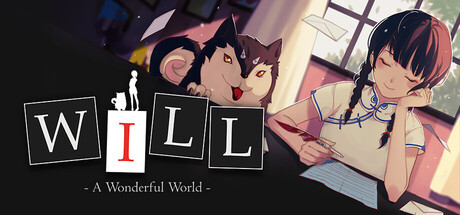
“God, please help me…” Become a god and rewrite fate with words. Drag and reorder sentences from pleading letters to twist cause and effect, changing the lives of those who wrote them. When countless joys and sorrows collide, what kind of “Wonderful World” will you create?
WILL: A Wonderful World / WILL:美好世界 is a visual novel, story rich and choices matter game
developed by WMY Studio
and published by WMY Studio and PLAYISM.
Released on June 06th 2017 is available on Windows, MacOS, Steam Deck and Steam Machine.
It has received 5,385 reviews of which 4,996 were positive and 389 were negative resulting in a rating of 9.0 out of 10. 😎
The game is currently priced at 15.49€ on Steam.
The Steam community has classified WILL: A Wonderful World / WILL:美好世界 into these genres:
Media & Screenshots
Get an in-depth look at WILL: A Wonderful World / WILL:美好世界 through various videos and screenshots.


Load More


System requirements
These are the minimum specifications needed to play the game. For the best experience, we recommend that you verify them.
Windows
- OS *: Windows 7
- Processor: Intel Core i3 2.00 GHz or AMD equivalent
- Memory: 4 GB RAM
- Graphics: Intel® HD Graphics 3000
- Storage: 3 GB available space
MacOS
- OS: OS X 10.8 Mountain Lion
- Processor: Intel Core i3 2.00 GHz
- Memory: 4 GB RAM
- Graphics: Intel Iris Graphics
- Storage: 3 GB available space
Steam Price & Best Deals
User reviews & Ratings
Explore reviews from Steam users sharing their experiences and what they love about the game.
I'm voting up to counteract the snowflakes voting down on the game's more shocking content. That aside, WILL is an unusual take on a visual novel, where you rearrange elements of the narrative in a different order to change the outcomes. There's quite a lot of trial and error involved, and the drama comes more from experiencing the more extreme outcomes that are possible, and the more humorous ones. That said, this game is deceptive; you might be from the visuals into thinking it's a light hearted feel-good story, but it's not. Most of the characters have deeply depressing backgrounds, and rarely are the stories ultimately positive. The entire game ends more or less on a sour note. This is a game about trying to rearrange the ♥♥♥♥♥♥ up lives of damaged individuals to make them more positive and, despite having some success, still being unable to fundamentally change the nature of their realities. Go forward with forewarning.
Solid 9/10 One of the best visual novels I have played. I found this gem by chance and boyyy was I surprised. The story-telling is super immersive and I loved the interactive aspect of ability to affect the story by re-arranging sentences as a puzzle. The glossary was surprisingly helpful and I ended up learning a lot of little bits of trivia, facts about all sorts of stuff. The game made me go through so many emotions and I was on the edge of my seat with some parts of story and rooting for many of these characters for a happy ending. I highly recommend to anyone that enjoys playing visual novels or just wanting to discover this genre.
WILL: A Wonderful World is a remarkably creative visual novel that combines emotional storytelling with puzzle-solving mechanics in a way that feels genuinely fresh and memorable. While its anime-inspired presentation may initially suggest a conventional narrative adventure, the game quickly reveals itself as a dark and emotionally complex experience centered around fate, suffering, and human connection. Instead of simply guiding players through branching dialogue choices, it turns storytelling itself into an interactive puzzle where rearranging events can dramatically alter the lives of multiple characters. This unusual concept gives the game a unique identity that separates it from most traditional visual novels. The story revolves around a mysterious girl named Will who awakens in an unfamiliar world alongside a talking dog named Willy. Together, they begin receiving desperate letters from people facing difficult and often tragic situations. Will possesses the ability to alter human destiny by changing the sequence of events within these letters, allowing players to influence outcomes ranging from hopeful recoveries to devastating tragedies. The central mechanic revolves around rearranging text fragments and story events in order to produce different results. A small adjustment in timing or circumstance can completely change a character’s future, which creates a fascinating blend of narrative experimentation and puzzle solving. What makes the game particularly engaging is how interconnected the stories become over time. At first, each character appears to exist within their own isolated storyline, but the deeper the narrative progresses, the more these separate lives begin influencing one another in unexpected ways. Choices made for one person can ripple outward and affect completely different characters later in the game. This interconnected structure gives the experience a strong sense of mystery because players gradually uncover hidden relationships and larger narrative patterns beneath seemingly unrelated scenarios. The writing is easily the strongest aspect of the game. WILL: A Wonderful World explores a wide range of mature themes including loneliness, depression, violence, regret, trauma, abuse, and desperation. Many storylines are emotionally difficult and intentionally uncomfortable, forcing players to confront situations where there are no perfect answers. The game does not shy away from tragedy, but it also balances its darker moments with scenes of compassion, hope, and emotional warmth. Characters feel believable because they are deeply flawed and vulnerable rather than idealized anime archetypes. Their struggles often feel painfully human, which makes their successes and failures emotionally powerful. The puzzle mechanics integrate naturally into the storytelling rather than feeling disconnected from it. Rearranging story segments requires players to pay close attention to emotional context, character motivations, and subtle narrative clues. Some solutions are straightforward, while others demand careful experimentation and interpretation. The puzzles become increasingly complex as more characters and timelines overlap, creating situations where solving one person’s problem may unintentionally harm someone else. This constant balancing of consequences gives the game a unique emotional tension rarely seen in visual novels. Visually, the game adopts a clean anime-inspired art style focused mainly on expressive character portraits and illustrated scenes. While the presentation is relatively simple compared to larger-budget visual novels, the artwork succeeds because it effectively conveys mood and emotion. Facial expressions and visual framing often add significant emotional impact during important moments. The interface is also designed clearly, making it easy to track story branches and revisit previous decisions without becoming overly complicated. The soundtrack contributes heavily to the game’s atmosphere. Quiet piano melodies, melancholic themes, and emotionally charged compositions support the narrative extremely well. Music shifts naturally between comforting moments and darker scenes, helping reinforce the emotional weight of each storyline. Even during long dialogue-heavy sections, the soundtrack helps maintain immersion and emotional momentum. One of the game’s most impressive qualities is its willingness to take narrative risks. The story constantly introduces morally difficult situations, shocking twists, and emotionally uncomfortable revelations that challenge player expectations. Certain scenes become genuinely disturbing, particularly when dealing with subjects like psychological trauma or self-destructive behavior. The game’s emotional intensity can occasionally feel overwhelming, but that willingness to explore difficult themes also gives the narrative far more impact than many safer visual novels. However, the game is not without flaws. The puzzle structure, while innovative, can occasionally become frustrating during later chapters. Some solutions rely on very specific interpretations of event ordering that may not feel immediately logical, leading to moments of trial and error rather than satisfying deduction. As the narrative web becomes increasingly complicated, certain puzzles lose some of the elegant simplicity that made earlier sections so engaging. The pacing can also feel uneven at times because the story constantly jumps between multiple protagonists and timelines. Certain character arcs disappear for long stretches before returning later, which can occasionally disrupt emotional momentum or make it difficult to remember earlier details. Players expecting a lighter or more romantic visual novel may also be caught off guard by how dark and emotionally heavy many storylines become. Despite these issues, WILL: A Wonderful World succeeds because of its originality and emotional ambition. Few games manage to blend narrative experimentation and puzzle-solving so seamlessly while also maintaining such strong emotional impact. The game constantly encourages players to think carefully about morality, consequence, and the fragility of human lives while still leaving room for hope and redemption. What ultimately makes the experience unforgettable is the feeling of responsibility it creates. Every letter represents someone struggling with fear, regret, loneliness, or despair, and the player becomes directly involved in reshaping those lives through seemingly small decisions. That emotional involvement gives the game a level of immersion that many visual novels never achieve. WILL: A Wonderful World is not always easy to play emotionally, and its complex puzzle structure may occasionally frustrate some players, but its storytelling ambition and creative design make it one of the most distinctive narrative experiences available on Steam. Its combination of emotionally charged writing, interconnected storytelling, and meaningful puzzle mechanics creates a deeply memorable experience that lingers long after the final ending. Rating: 9/10
Similar games
View all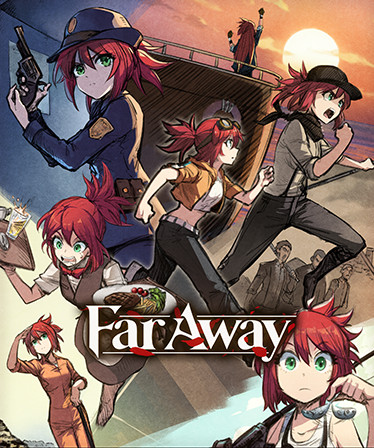

Major\Minor
A highly engaging visual novel, with memorable characters and multiple endings. Traverse worlds, solve a murder mystery -- and partake in political revolution. Inspired by greats such as Steins;Gate, Tales of Symphonia, Persona 4 and Future Diary. An unforgettable science-fiction/fantasy adventure!

Along the Edge
Following the loss of a baby, a breakup, and a surprise heritage, Daphné decides to leave everything behind to start a new life in the French countryside. There, she discovers she's the last descendant of a line of witches. Will she embrace the family tradition?

Ken Follett's The Pillars of the Earth
12th century, England: In a time of poverty and war, a small town begins the construction of a cathedral to claim wealth and safety for its people. In their struggle to survive, lives and destinies intertwine. Based on Ken Follett's world-bestseller ‘The Pillars of the Earth’.

Mhakna Gramura and Fairy Bell
Written in the style of a children’s book, Mhakna Gramura and Fairy Bell is a Cinematic Novel about two children named Mhakna and Sebiarno that escape the wretched Mullbear Orphanage with the help of a Fairy named Bell, who promises eternal happiness as long as they agree to never grow up.

The Letter - Horror Visual Novel
When seven people fall prey to a vicious curse, they will discover that horror rests not from the shadows lurking about, but within themselves. To what ends will one go in order to survive?

The Crown of Leaves
Roui, a resilient city dandy, a half-educated jeweler and the author of scientific magic articles, was met with a colossal failure and must return to his homeland Latori.
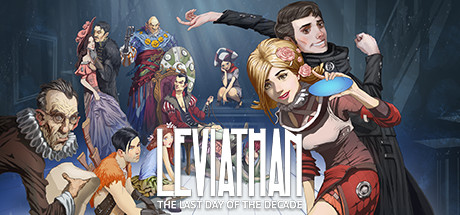
Leviathan: The Last Day of the Decade
"Leviathan: The Last Day of the Decade" is a detective story told by a dweller of a cruel dark fantasy world affected by the pandemic. The world ruled by a five noble-born kins under the suzerainty of the undead Plague King.

Narcissu 10th Anniversary Anthology Project
"Life is like a waiting room, except people don't leave in the order they enter." Narcissu is a thought provoking visual novel series about terminal illness, living, dying, and the relationship between those leaving and those left behind. There are no miracles, no heroes, no villains in this story.

fault - milestone two side:above
fault - milestone two side:above is a Cinematic Visual Novel that takes place right after the events of milestone one. Please note that this novel is a direct sequel to fault - milestone one and contains massive spoilers of the first story. Play through of the first title is highly advised.

Zero Escape: The Nonary Games
Kidnapped and taken to an unfamiliar location, nine people find themselves forced to participate in a diabolical Nonary Game by an enigmatic mastermind called Zero. Why were they there? Why were they chosen to put their lives on the line? And more importantly, who can be trusted?

Zero Escape: Zero Time Dilemma
Nine participants awaken, trapped in an underground facility. To escape, they must play a game with deadly consequences. Who will live, and who will die? The choice is yours. Let the Decision Game begin…
Frequently Asked Questions
WILL: A Wonderful World / WILL:美好世界 is currently priced at 15.49€ on Steam.
No, WILL: A Wonderful World / WILL:美好世界 is currently not on sale. You can purchase it for 15.49€ on Steam.
Yes, WILL: A Wonderful World / WILL:美好世界 received 4,996 positive votes out of a total of 5,385 achieving a rating of 8.96.
😎
WILL: A Wonderful World / WILL:美好世界 was developed by WMY Studio and published by WMY Studio and PLAYISM.
Yes, WILL: A Wonderful World / WILL:美好世界 is playable and fully supported on Windows.
Yes, WILL: A Wonderful World / WILL:美好世界 is playable and fully supported on MacOS.
No, WILL: A Wonderful World / WILL:美好世界 is not playable on Linux.
Yes, WILL: A Wonderful World / WILL:美好世界 is playable and fully supported on Steam Deck.
Yes, WILL: A Wonderful World / WILL:美好世界 is playable and fully supported on Steam Machine.
No, WILL: A Wonderful World / WILL:美好世界 does not support VR.
WILL: A Wonderful World / WILL:美好世界 is a single-player game.
Yes, there are 2 DLCs available for WILL: A Wonderful World / WILL:美好世界. Explore additional content available for WILL: A Wonderful World / WILL:美好世界 on Steam.
No, WILL: A Wonderful World / WILL:美好世界 does not support mods via Steam Workshop.
No, WILL: A Wonderful World / WILL:美好世界 does not support Steam Remote Play.
Yes, WILL: A Wonderful World / WILL:美好世界 is enabled for Steam Family Sharing. This means you can share the game with authorized users from your Steam Library, allowing them to play it on their own accounts. For more details on how the feature works, you can read the original Steam Family Sharing announcement or visit the Steam Family Sharing user guide and FAQ page.
You can find solutions or submit a support ticket by visiting the Steam Support page for WILL: A Wonderful World / WILL:美好世界.
Data sources
The information presented on this page is sourced from reliable APIs to ensure accuracy and relevance. We utilize the Steam API to gather data on game details, including titles, descriptions, prices, and user reviews. This allows us to provide you with the most up-to-date information directly from the Steam platform.
Additionally, we incorporate data from the SteamSpy API, which offers insights into game sales and player statistics. This helps us present a comprehensive view of each game's popularity and performance within the gaming community.
Last Updates| Steam data | 26 September 2026 18:04 UTC |
|---|---|
| SteamSpy data | 22 October 2026 16:32 UTC |
| Steam price | 27 October 2026 03:58 UTC |
| Steam reviews | 21 October 2026 09:58 UTC |
If you'd like to dive deeper into the details about WILL: A Wonderful World / WILL:美好世界, we invite you to check out a few dedicated websites that offer extensive information and insights. These platforms provide valuable data, analysis, and user-generated reports to enhance your understanding of the game and its performance.
- SteamDB - A comprehensive database of everything on Steam about WILL: A Wonderful World / WILL:美好世界
- SteamCharts - Analysis of WILL: A Wonderful World / WILL:美好世界 concurrent players on Steam
- ProtonDB - Crowdsourced reports on Linux and Steam Deck WILL: A Wonderful World / WILL:美好世界 compatibility
Game modes
Features
Online players
1
Developer
WMY Studio
Publisher
WMY Studio,
PLAYISM
Release
06 Jun 2017
Platforms