
Healer's Quest
Healer’s Quest is a comedy RPG where you play as the most underappreciated party member in any fantasy realm: the Healer. As per usual, your teammates are a band of inept jerks.
Sync your Steam wishlist to find the lowest game prices instantly. No login required, just paste your Steam profile URL!
⚡ Try Wishlist Radar!
Sync your Steam wishlist to find the lowest game prices instantly. No login required!
⚡ Try Wishlist Radar!
Close

FINAL FANTASY XIV Online on Steam
Quick menu
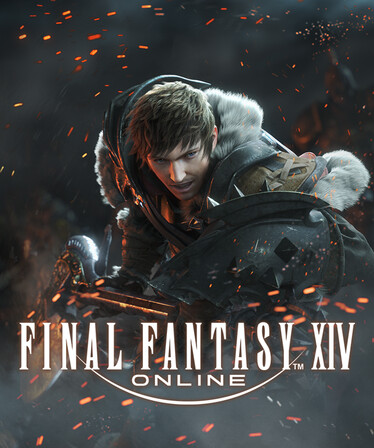
Join over 30 million adventurers worldwide and take part in an epic and ever-changing FINAL FANTASY. Experience an unforgettable story, exhilarating battles, and a myriad of captivating environments to explore.
FINAL FANTASY XIV Online is a mmorpg, rpg and massively multiplayer game
developed and published by Square Enix.
Released on February 18th 2014 is available on Windows, Steam Deck and Steam Machine
in 4 languages: English, French, German and Japanese.
It has received 78,714 reviews of which 67,694 were positive and 11,020 were negative resulting in a rating of 8.5 out of 10. 😎
The game is currently priced at 9.99€ on Steam.
The Steam community has classified FINAL FANTASY XIV Online into these genres:
MMORPG
RPG
Massively Multiplayer
Character Customization
Fantasy
JRPG
Story Rich
Open World
Multiplayer
Online Co-Op
Magic
Adventure
Co-op
Third Person
Crafting
Exploration
Action
Atmospheric
Action RPG
Female Protagonist
Here is the detailed breakdown of supported languages for FINAL FANTASY XIV Online:
| UI | Subtitle | Audio | |
|---|---|---|---|
| English | |||
| German | |||
| French | |||
| Japanese |
Media & Screenshots
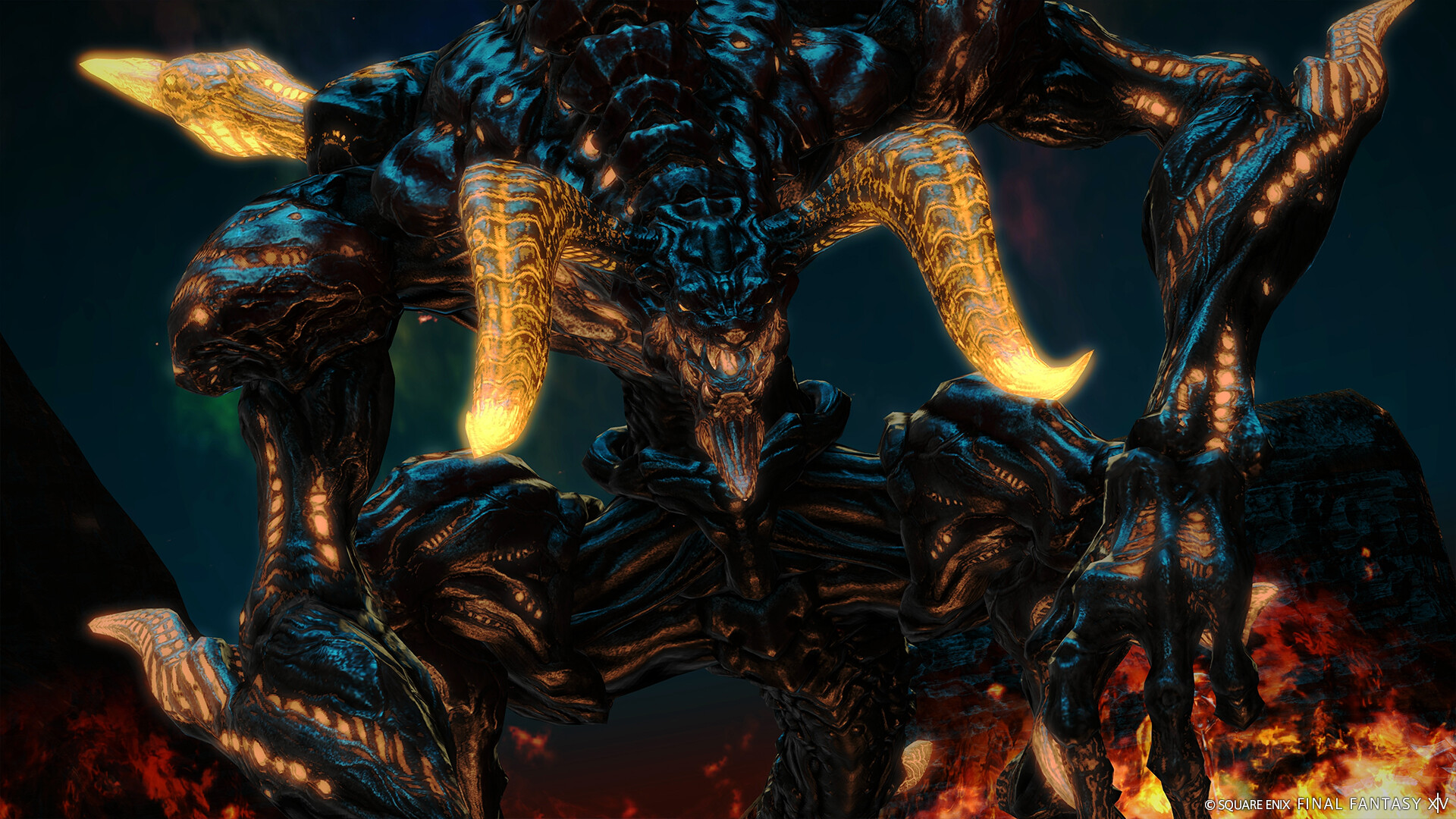
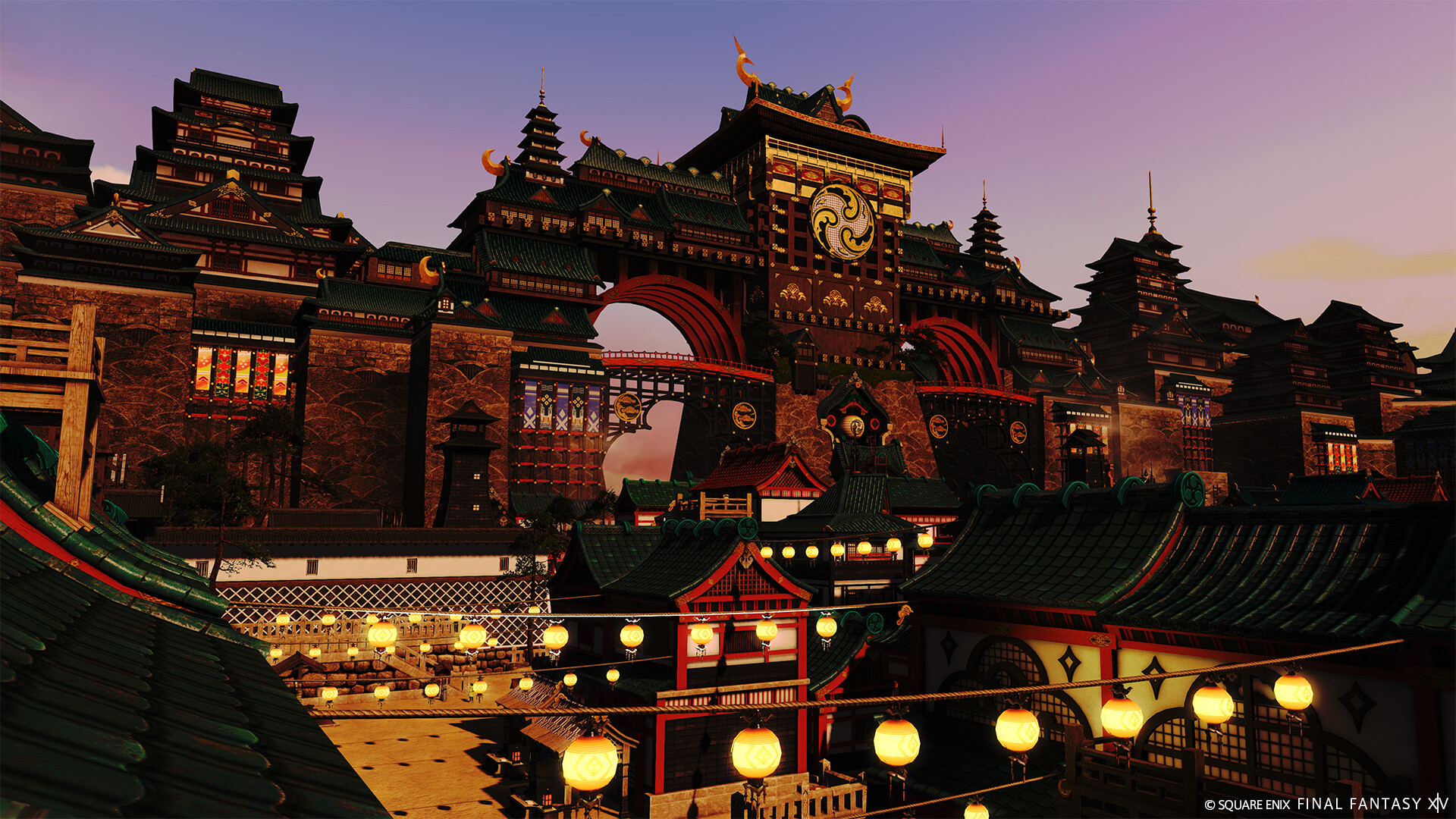
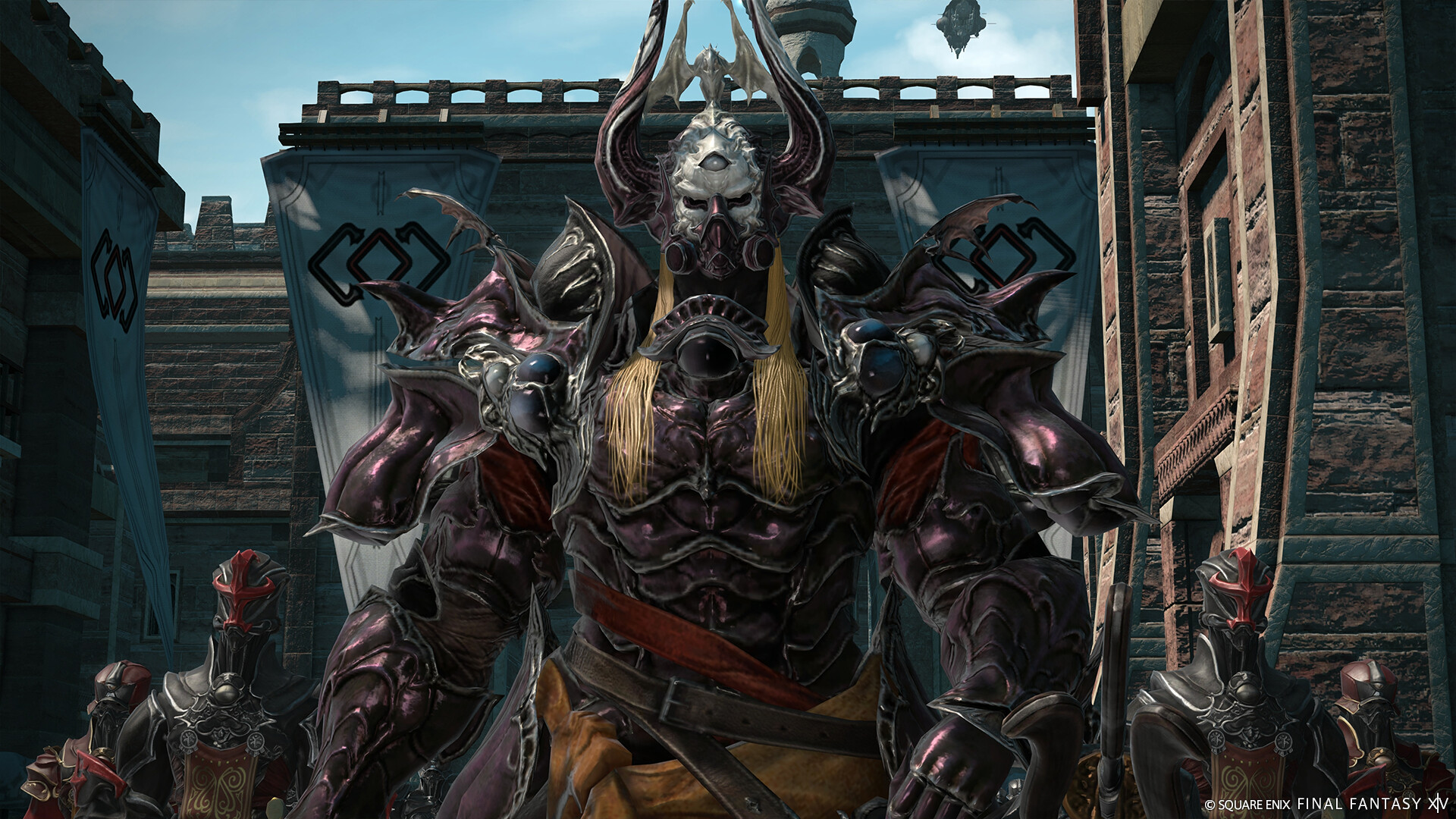
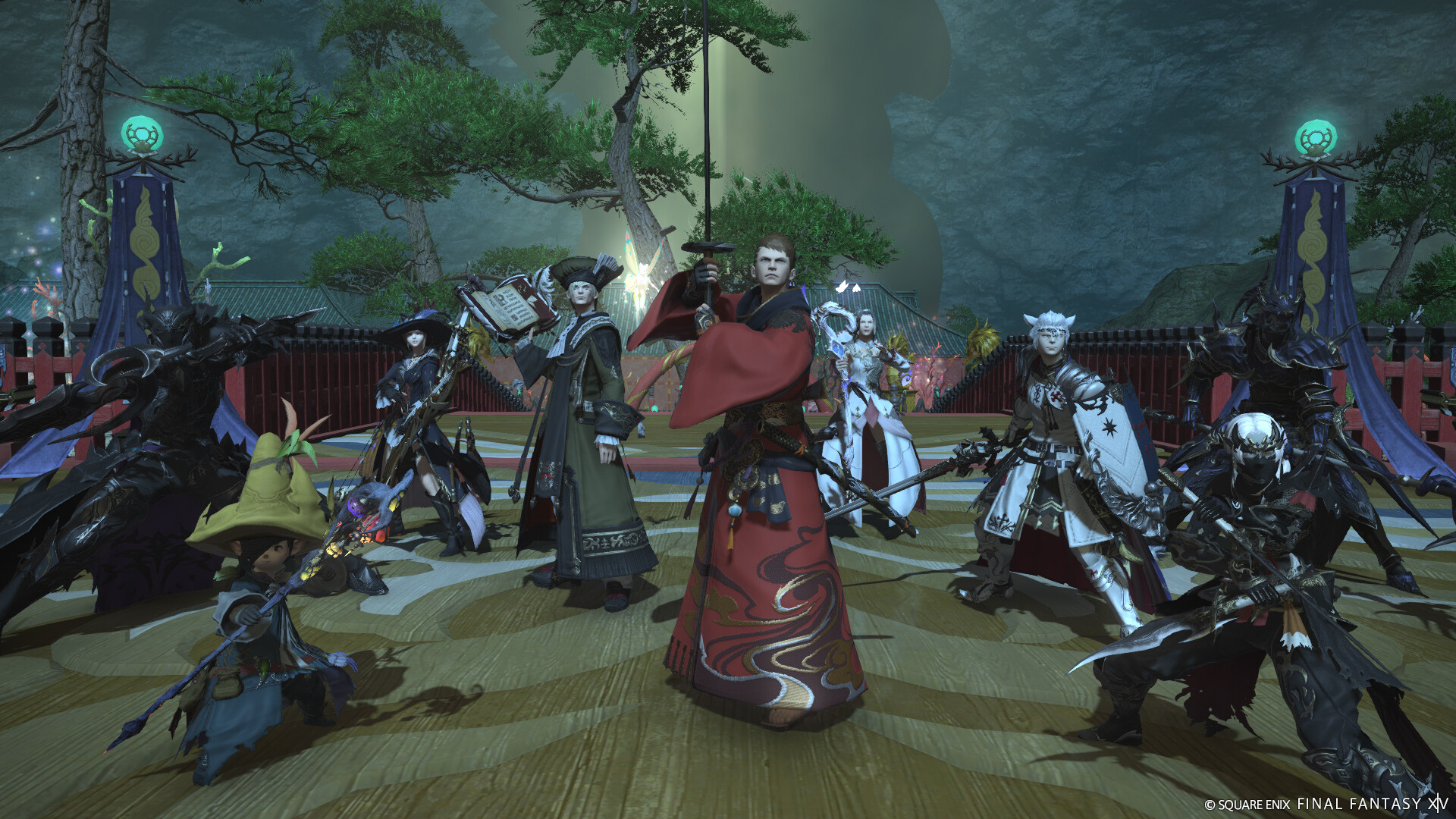
Get an in-depth look at FINAL FANTASY XIV Online through various videos and screenshots.



Load More


System requirements
These are the minimum specifications needed to play the game. For the best experience, we recommend that you verify them.
Windows
- Requires a 64-bit processor and operating system
- OS: Windows® 11 64 bit
- Processor: Intel® Core™i5-8400 or higher
- Memory: 8 GB RAM
- Graphics: NVIDIA GeForce GTX 970 or higher, AMD Radeon RX 480 or higher
- DirectX: Version 11
- Network: Broadband Internet connection
- Storage: 140 GB available space
- Sound Card: DirectSound® supported sound card
- Additional Notes: System Requirements may be subject to change. If you are using a router, please set up your ports so that the below packets can pass through. [Ports that may be used] TCP:80, 443, 54992~54994, 55006~55007, 55021~55040
Steam Price & Best Deals
User reviews & Ratings
Explore reviews from Steam users sharing their experiences and what they love about the game.
This is a story-driven MMORPG that often feels more like a traditional Final Fantasy RPG inside a persistent online world. Rebuilt and relaunched in 2013 as A Realm Reborn, it has grown into an enormous game spanning several expansions. The Main Scenario is the backbone of everything, so reaching the current expansion is a massive commitment. Its greatest strength is variety. One character can switch between every combat, crafting and gathering job, while the game offers years of optional content. FFXIV's greatest narrative advantage is time. Characters develop over hundreds of hours, political conflicts survive across expansions, and insignificant details can return years later. That patience is also a weakness. A Realm Reborn spends far too long on exposition and fetch quests before finding its footing, and FFXIV never loses its tendency toward excessive dialogue. Heavensward is more focused, Stormblood is uneven, Shadowbringers brilliantly recontextualizes years of lore, and Endwalker concludes a decade-long story. Dawntrail is considerably weaker. Its story revolves so completely around Wuk Lamat that the Warrior of Light often feels like a spectator, while Krile, Erenville and established Scions are pushed aside. Her development also becomes repetitive, restating lessons the player already understands. Worse, Dawntrail abandons the smaller adventure that could have been refreshing after Endwalker and accelerates toward another enormous threat. It feels divided between an overly slow political adventure and a rushed science-fantasy crisis. Its problem isn't simply that it's slow; FFXIV has always been slow. It spends too much time on the wrong things. At its worst, FFXIV has me teleporting across the world for conversations that could have been emails. At its best, it creates emotional payoffs from characters, ideas and melodies I've known for years. FFXIV uses tab-target combat built around a long global cooldown. Early combat is painfully slow, with jobs taking far too long to develop their identity. At higher levels, off-global abilities are woven between attacks while job resources and boss mechanics must be managed together. Tanks focus on mitigation, healers balance healing with damage, melee DPS fight to maintain uptime, physical ranged gain mobility, and magical ranged balance casting with movement. Paladin, Dragoon and Astrologian are personal favorites, and being able to play every job on one character is one of FFXIV's best features. Balance is excellent, but jobs have gradually become standardized around similar tools and burst windows. Level syncing worsens this by removing abilities in older content. Instanced PvE is where combat shines. FFXIV teaches a visual language of stacks, spreads, tankbusters and other mechanics before combining them into encounters that feel like learning choreography. Dungeons are polished but formulaic. Trials provide some of the game's greatest spectacles, while Normal and 24-player Alliance Raids range from coordinated encounters to chaos. Power creep has trivialized some older fights. The difficulty ceiling is high: Extremes introduce high-end play, Savage demands consistency, and Ultimate is the game's most punishing content. None of it is mandatory. Crafting and gathering have their own gear, progression and questlines tied into a player economy. Fisher might as well be its own game with bait, weather, time windows and rare catches hidden behind requirements bordering on insanity. The downside is repetition: solved crafting becomes macros, gathering becomes grinding, and years of materials expose FFXIV's awful inventory limitations. At level cap, progression revolves around crafted equipment, tomestones and raids. Weekly restrictions can feel like the game telling you to come back next Tuesday, but FFXIV has no single endgame. Raiding, crafting, fishing, relics, mounts, housing and glamour can all become someone's primary goal. Huge portions of the MSQ are essentially singleplayer. Duty Support makes the game approachable alone, but progressing alongside friends can be awkward when solo instances force you apart. Outside the MSQ, Duty Finder keeps old content populated and Party Finder supports organized activities. The community is generally welcoming, but elitism, cliques and raid drama absolutely exist. Character customization is dated, but glamour gives old content lasting value. Housing is deep, but finite plots create unnecessary scarcity. FFXIV has never been a technical showcase. Older areas have simple geometry, muddy textures and reused animations. Dawntrail's graphical update improved lighting, materials and character rendering, but doesn't disguise the game's aging foundations. Strong art direction carries it much further than raw fidelity. Music is another story. Masayoshi Soken and Square Enix's wider sound team jump between orchestral, rock, metal, jazz, electronic, folk and vocal music while recurring melodies become attached to characters, places and memories. It's one of my favorite soundtracks in gaming. Voice acting is less consistent. ARR's English direction is uneven and later expansions improve dramatically, but important scenes still sometimes consist entirely of silent dialogue boxes. Performance is scalable and generally stable, but networking has quirks. Attacks can snapshot positions before their animations finish, creating moments where the game visually appears to disagree with what happened. The HUD is highly customizable and controller support is excellent, but years of menus and systems can feel archaic. Inventory is especially frustrating, and playing every job worsens it. Selling additional retainers for recurring storage makes that even more irritating. The Free Trial is enormous, but the full game requires expansions and a subscription while also selling cosmetics and Fantasia. None provide combat power, but calling them "only cosmetic" feels disingenuous when customization is a major reward system. After more than a decade, FFXIV's formula is increasingly visible. Dungeons follow familiar structures, gear follows familiar cycles, patches bring recognizable categories of content, and jobs become more standardized. Technical debt appears everywhere from inventory and glamour to housing and networking. The greatest long-term problem may be the MSQ itself. Its continuous story is fundamental to FFXIV's identity, but every expansion makes the journey for newcomers longer. Conclusion FFXIV is deeply flawed, occasionally exhausting and burdened by its age, but I still consider it one of the best MMORPGs I've played. Very few games have given me this much to remember. It has been a long-running RPG, a cooperative game, a social space and at times practically a hobby in its own right. I'd highly recommend it to players who enjoy long story-driven RPGs, cooperative PvE, extensive progression, crafting, collecting or an MMO they can settle into for years.
Similar games
View all
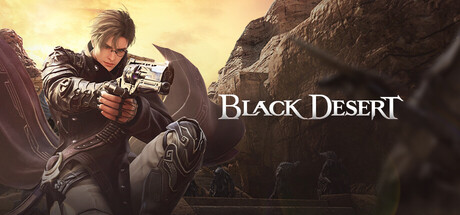
Black Desert
Played by over 20 million Adventurers - Black Desert Online is an open-world, action MMORPG. Experience intense, action-packed combat, battle massive world bosses, fight alongside friends to siege and conquer castles, and train in professions such as fishing, trading, crafting, cooking, and more!
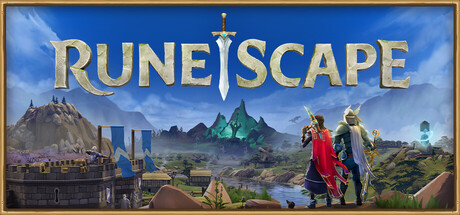
RuneScape
RuneScape is a high fantasy open world MMORPG. Explore an ever changing and evolving living world where new challenges, skills, and quests await. Featuring unprecedented player freedom, you choose how to play, adventure, and grow.

Allods Online
Allods Online is a massively multiplayer online role-playing game, set in the fantasy space opera universe of Sarnaut. It is the fourth opus of the Rage of Mages series which started in the mid-90s, conquering the minds of millions of gamers around the world.
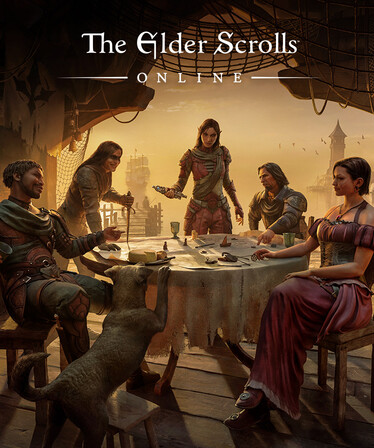
The Elder Scrolls Online
Every legend starts somewhere and in The Elder Scrolls Online, it starts with you. Join millions of players in an online, fantasy RPG set in a vast living Elder Scrolls world.
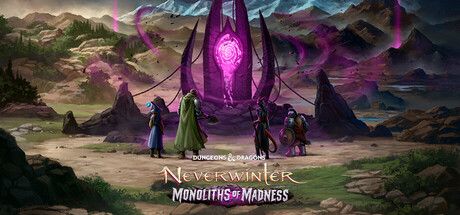
Neverwinter
Neverwinter is a free, action MMORPG based on the acclaimed Dungeons & Dragons fantasy roleplaying game. Epic stories, action combat and classic roleplaying await those heroes courageous enough to enter the fantastic world of Neverwinter!

Throne and Liberty
Throne and Liberty captures the essence of classic MMORPGs while introducing new gameplay elements, depth and excitement at every turn. Gather your guild, prepare for battle, and set forth for throne... and liberty!

The Lord of the Rings Online
Join the world’s greatest fellowship of players in the award-winning online re-creation of J. R. R. Tolkien’s legendary Middle-earth.

EverQuest II
EverQuest® II is a deep fantasy MMORPG with over two decades of content, a thriving world, and ongoing expansions that keep Norrath growing. Create your hero and adventure through a massively rich, ever-evolving universe.

Riders of Icarus
Take the battle to the sky with fantastical flying mount combat unlike anything you’ve seen before in Riders of Icarus, the new unprecedented action-adventure MMORPG experience that lets you ride and fight on the back of the realm’s most dangerous winged beasts…dragons.

Runes of Magic
Start your heroic saga today in a world full of magic and excitement: Choose your race, build a home and discover the fantastic world of Taborea in the classic free-to-play MMO!
Frequently Asked Questions
FINAL FANTASY XIV Online is currently priced at 9.99€ on Steam.
No, FINAL FANTASY XIV Online is currently not on sale. You can purchase it for 9.99€ on Steam.
Yes, FINAL FANTASY XIV Online received 67,694 positive votes out of a total of 78,714 achieving a rating of 8.48.
😎
FINAL FANTASY XIV Online was developed and published by Square Enix.
Yes, FINAL FANTASY XIV Online is playable and fully supported on Windows.
No, FINAL FANTASY XIV Online is not playable on MacOS.
No, FINAL FANTASY XIV Online is not playable on Linux.
Yes, FINAL FANTASY XIV Online is playable on Steam Deck, though it might require a few minor tweaks. Make sure to check the Steam store page and community feedback on ProtonDB for exact compatibility details.
Yes, FINAL FANTASY XIV Online is playable on Steam Machine, though it might require a few minor tweaks. Make sure to check the Steam store page and community feedback on ProtonDB for exact compatibility details.
No, FINAL FANTASY XIV Online does not support VR.
FINAL FANTASY XIV Online offers both single-player and multi-player modes.
FINAL FANTASY XIV Online offers both Co-op and PvP modes.
Yes, there are 41 DLCs available for FINAL FANTASY XIV Online. Explore additional content available for FINAL FANTASY XIV Online on Steam.
No, FINAL FANTASY XIV Online does not support mods via Steam Workshop.
Yes, FINAL FANTASY XIV Online supports Remote Play on Tablet. Discover more about Steam Remote Play.
Yes, FINAL FANTASY XIV Online is enabled for Steam Family Sharing. This means you can share the game with authorized users from your Steam Library, allowing them to play it on their own accounts. For more details on how the feature works, you can read the original Steam Family Sharing announcement or visit the Steam Family Sharing user guide and FAQ page.
You can find solutions or submit a support ticket by visiting the Steam Support page for FINAL FANTASY XIV Online.
Data sources
The information presented on this page is sourced from reliable APIs to ensure accuracy and relevance. We utilize the Steam API to gather data on game details, including titles, descriptions, prices, and user reviews. This allows us to provide you with the most up-to-date information directly from the Steam platform.
Additionally, we incorporate data from the SteamSpy API, which offers insights into game sales and player statistics. This helps us present a comprehensive view of each game's popularity and performance within the gaming community.
Last Updates| Steam data | 24 September 2026 13:33 UTC |
|---|---|
| SteamSpy data | 15 October 2026 03:16 UTC |
| Steam price | 27 October 2026 04:04 UTC |
| Steam reviews | 21 October 2026 17:52 UTC |
If you'd like to dive deeper into the details about FINAL FANTASY XIV Online, we invite you to check out a few dedicated websites that offer extensive information and insights. These platforms provide valuable data, analysis, and user-generated reports to enhance your understanding of the game and its performance.
- SteamDB - A comprehensive database of everything on Steam about FINAL FANTASY XIV Online
- SteamCharts - Analysis of FINAL FANTASY XIV Online concurrent players on Steam
- ProtonDB - Crowdsourced reports on Linux and Steam Deck FINAL FANTASY XIV Online compatibility

Game modes
Multiplayer
Features
Online players
18,761
Developer
Square Enix
Publisher
Square Enix
Release
18 Feb 2014
Platforms
Remote Play