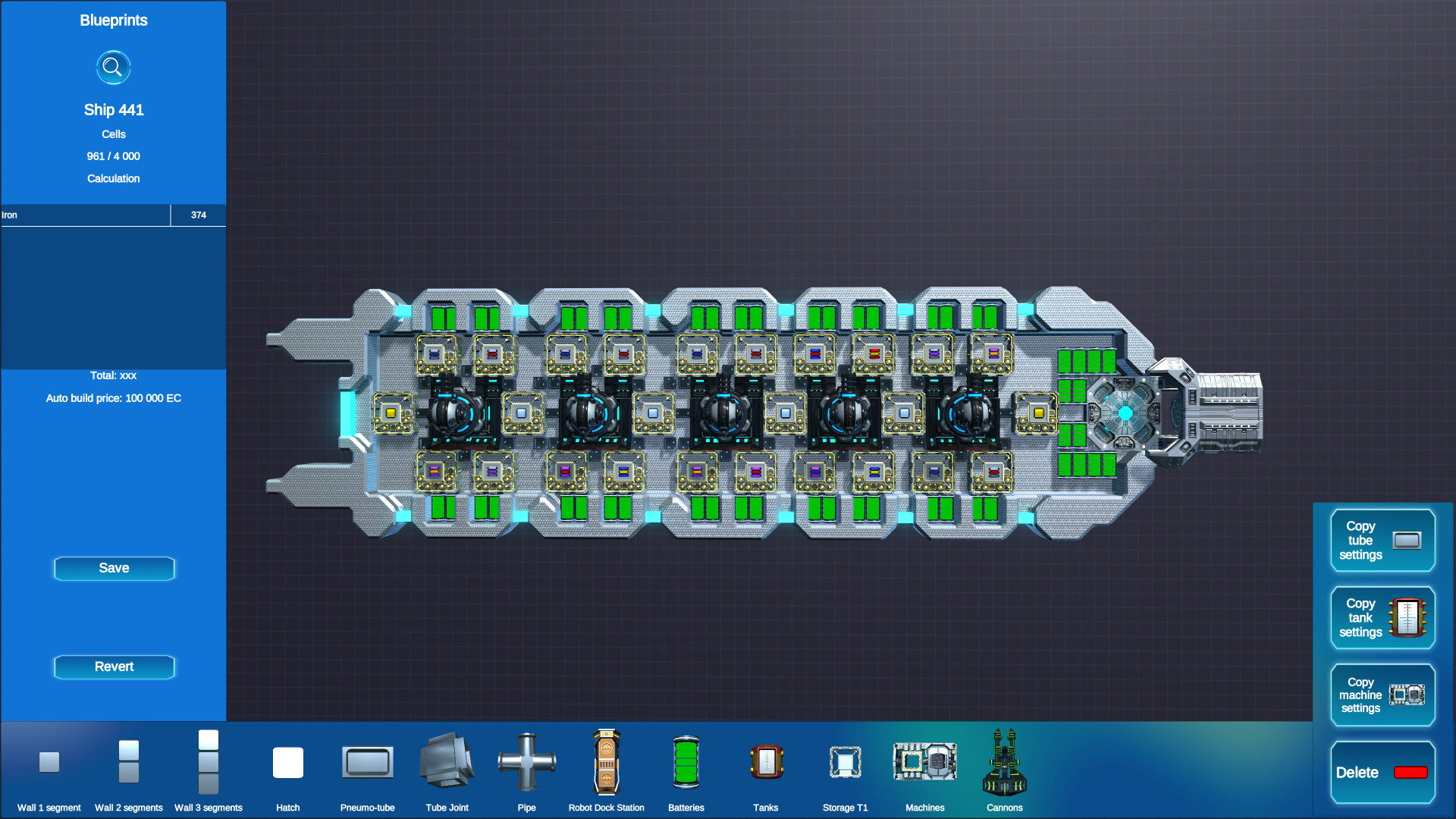
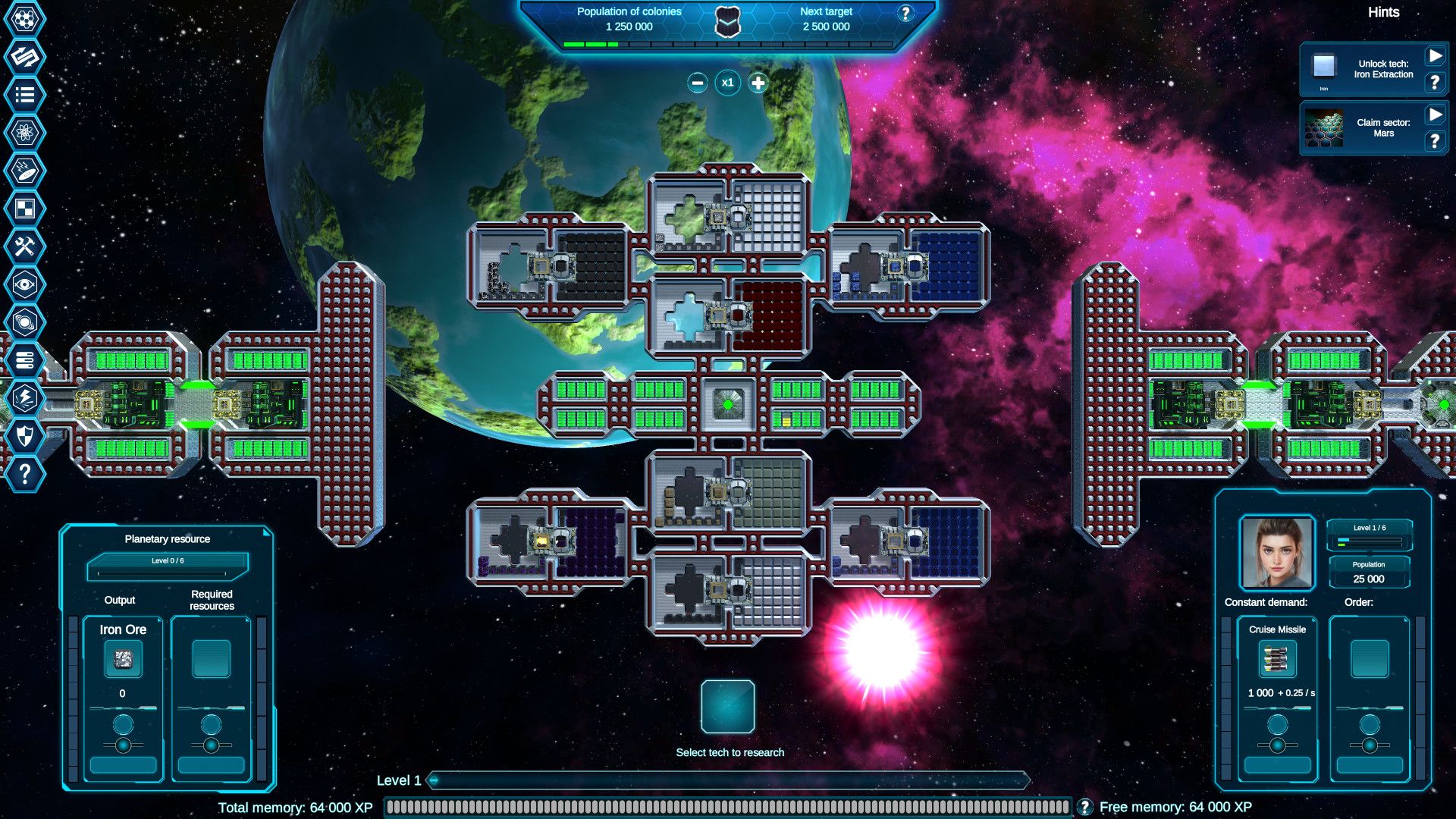
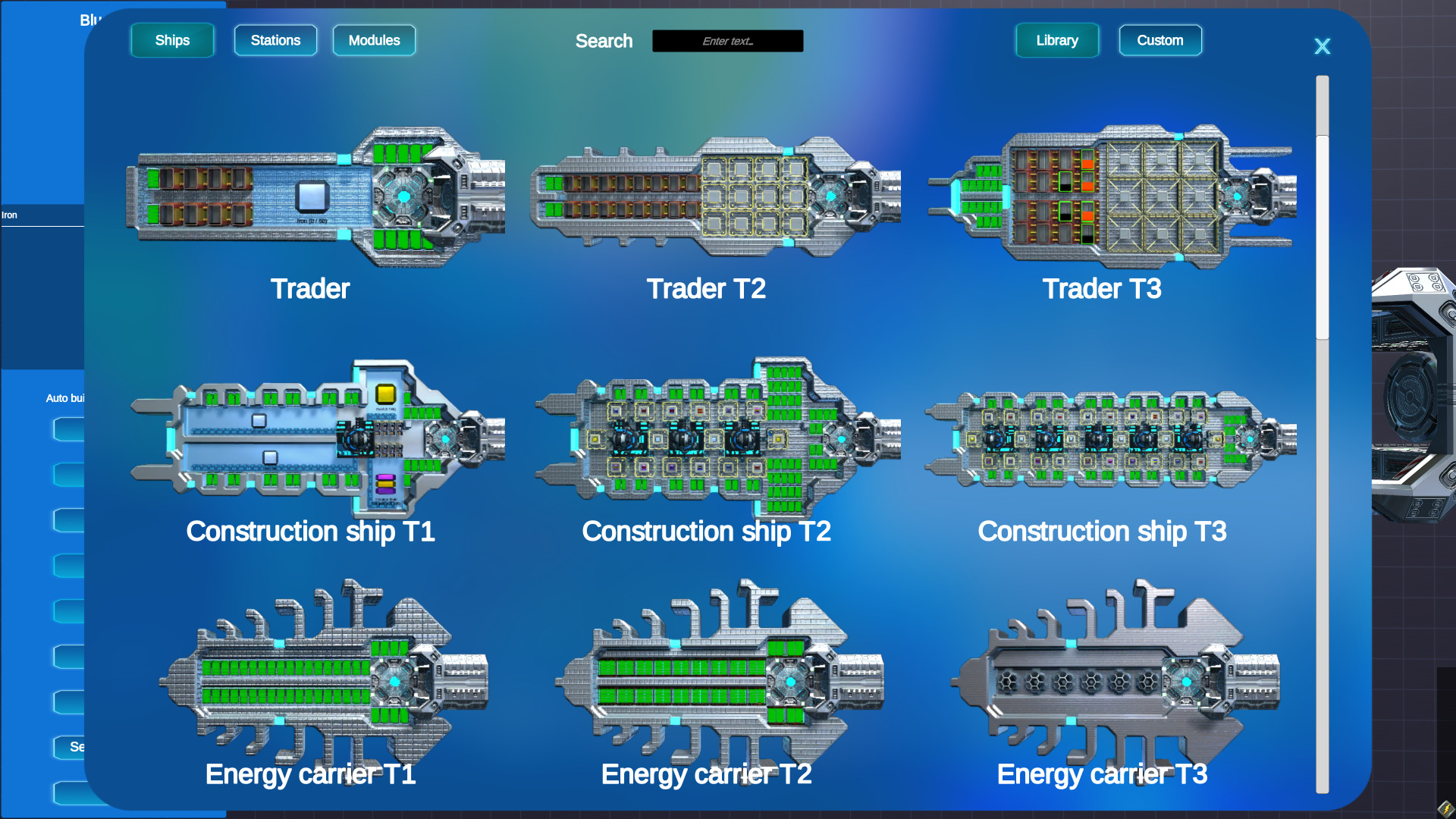
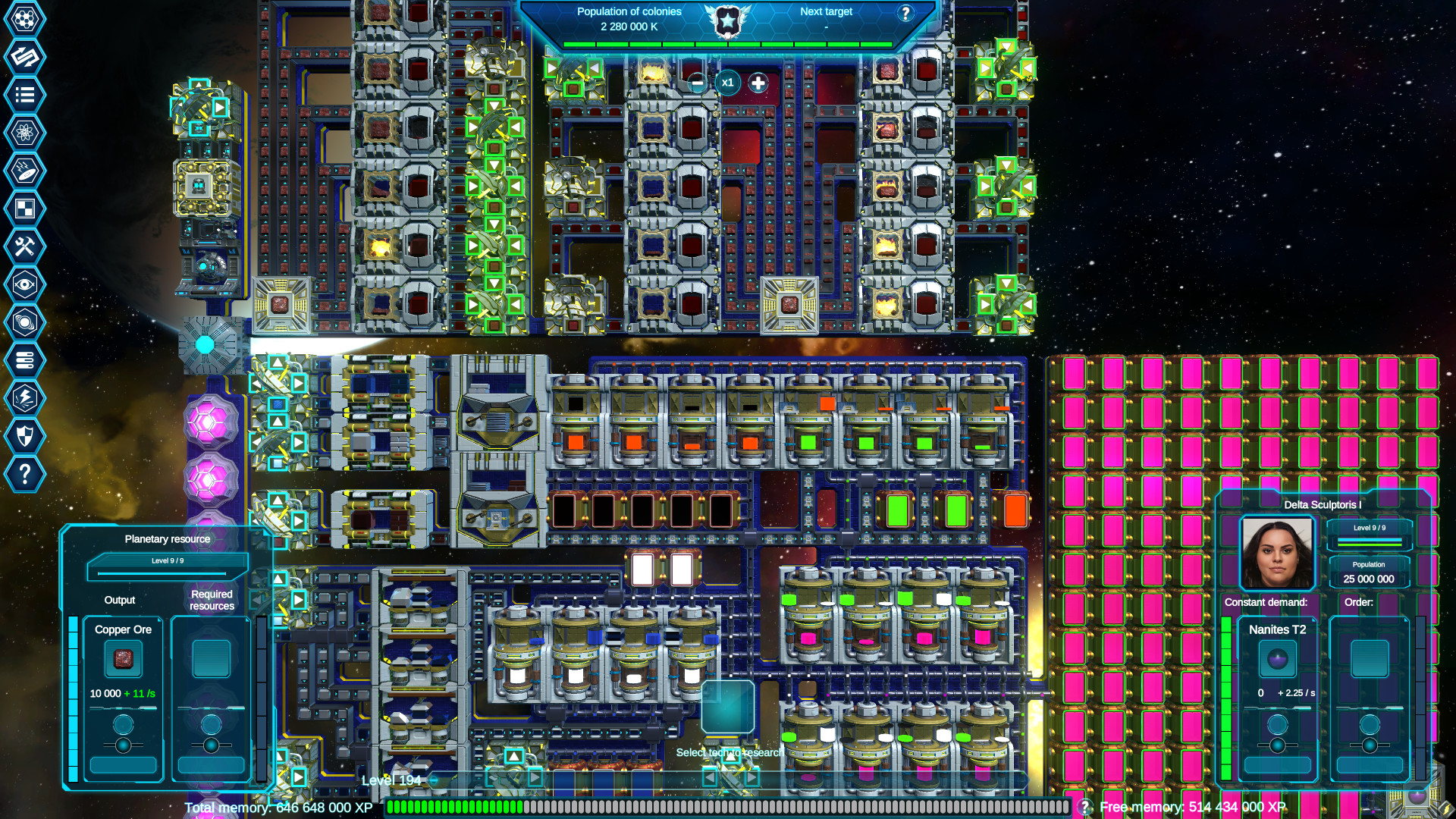
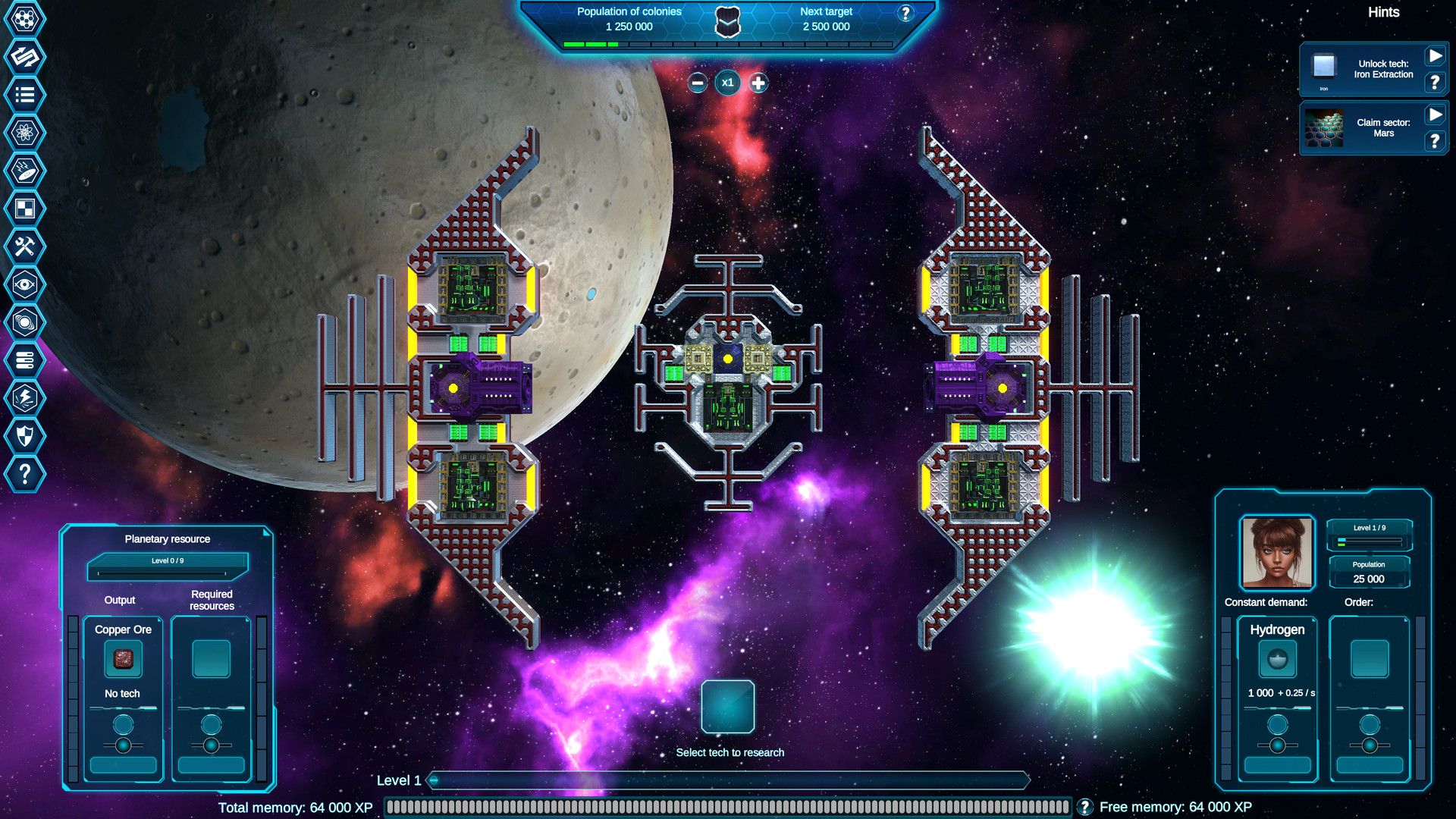
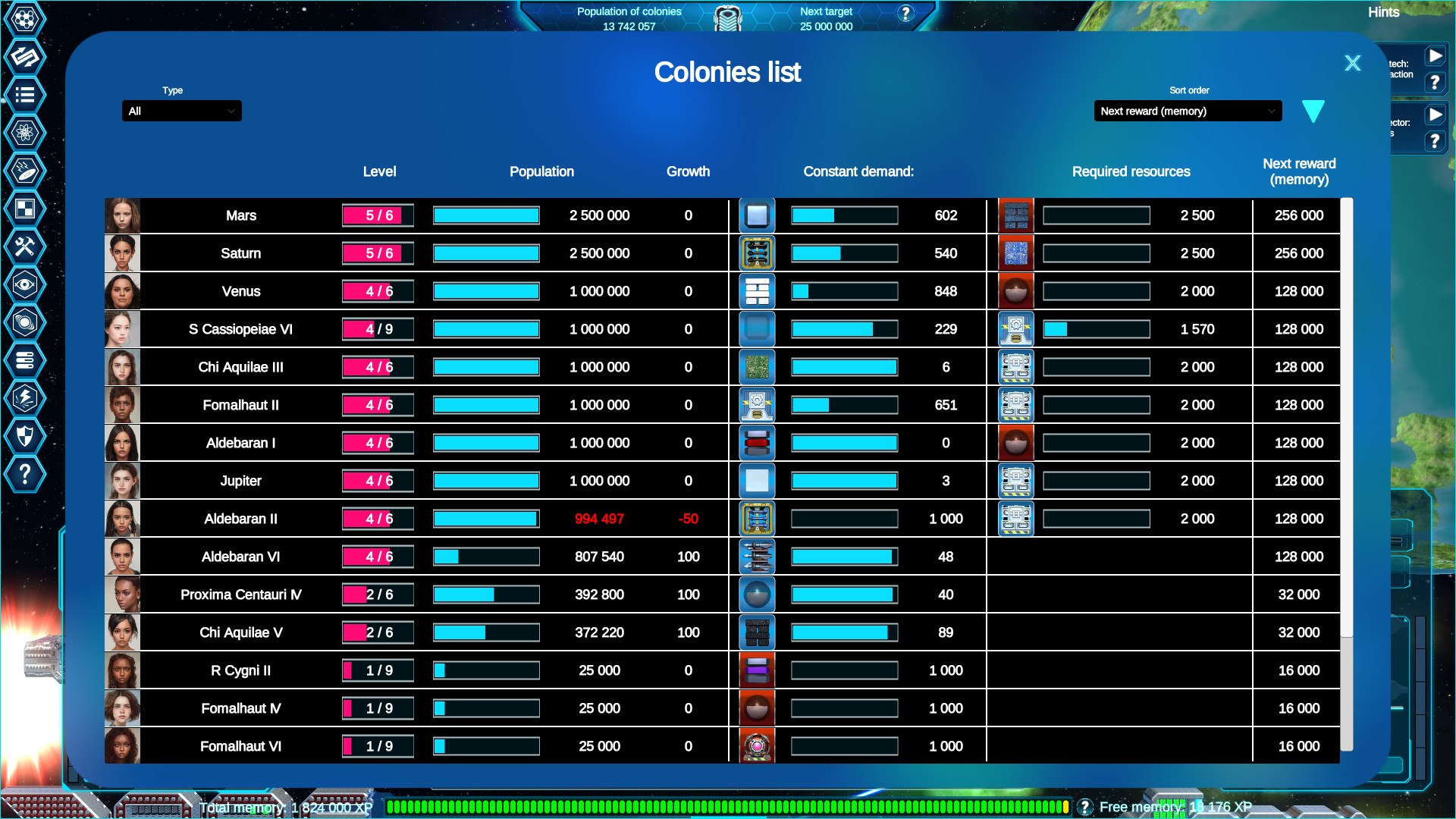
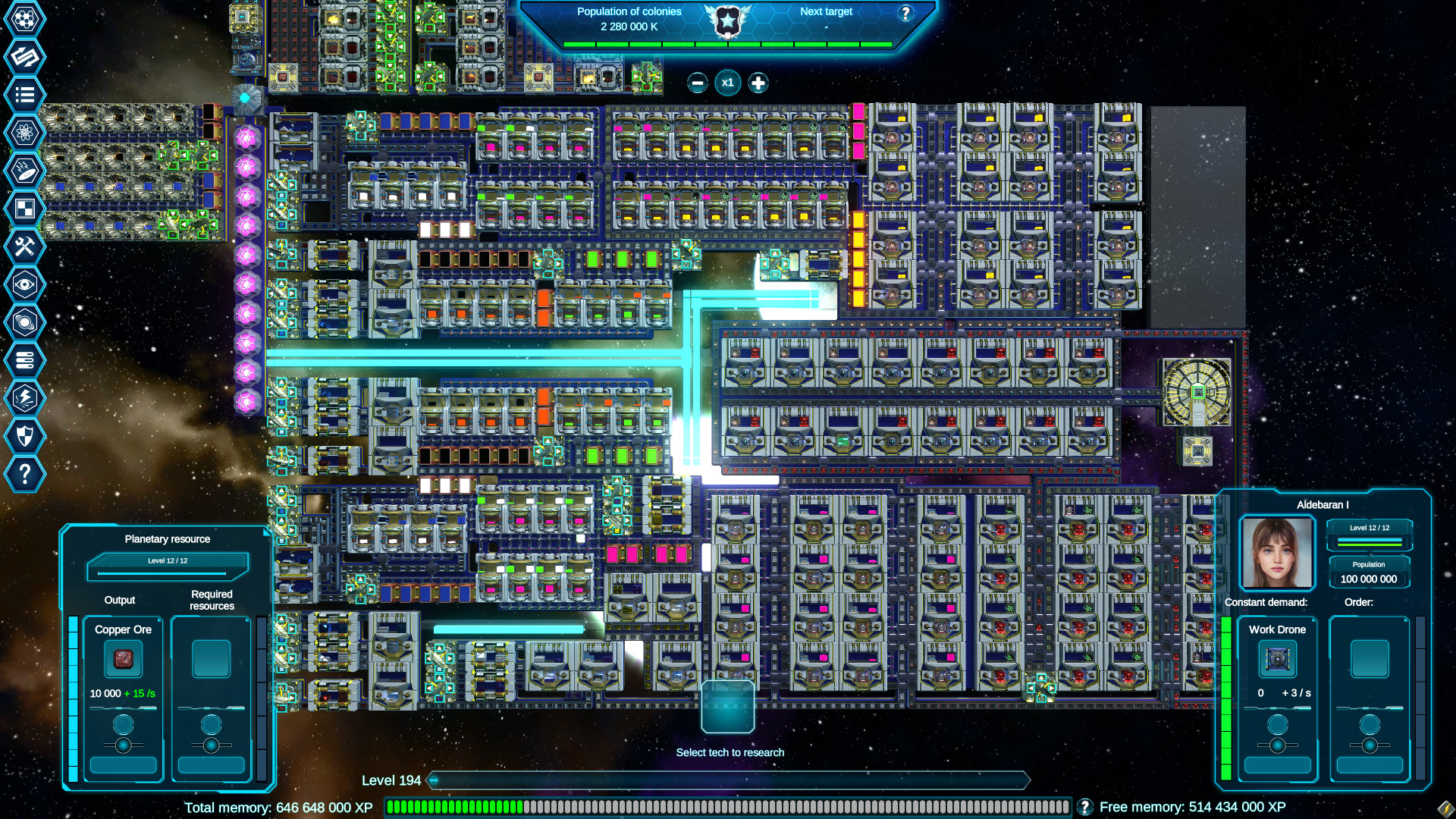
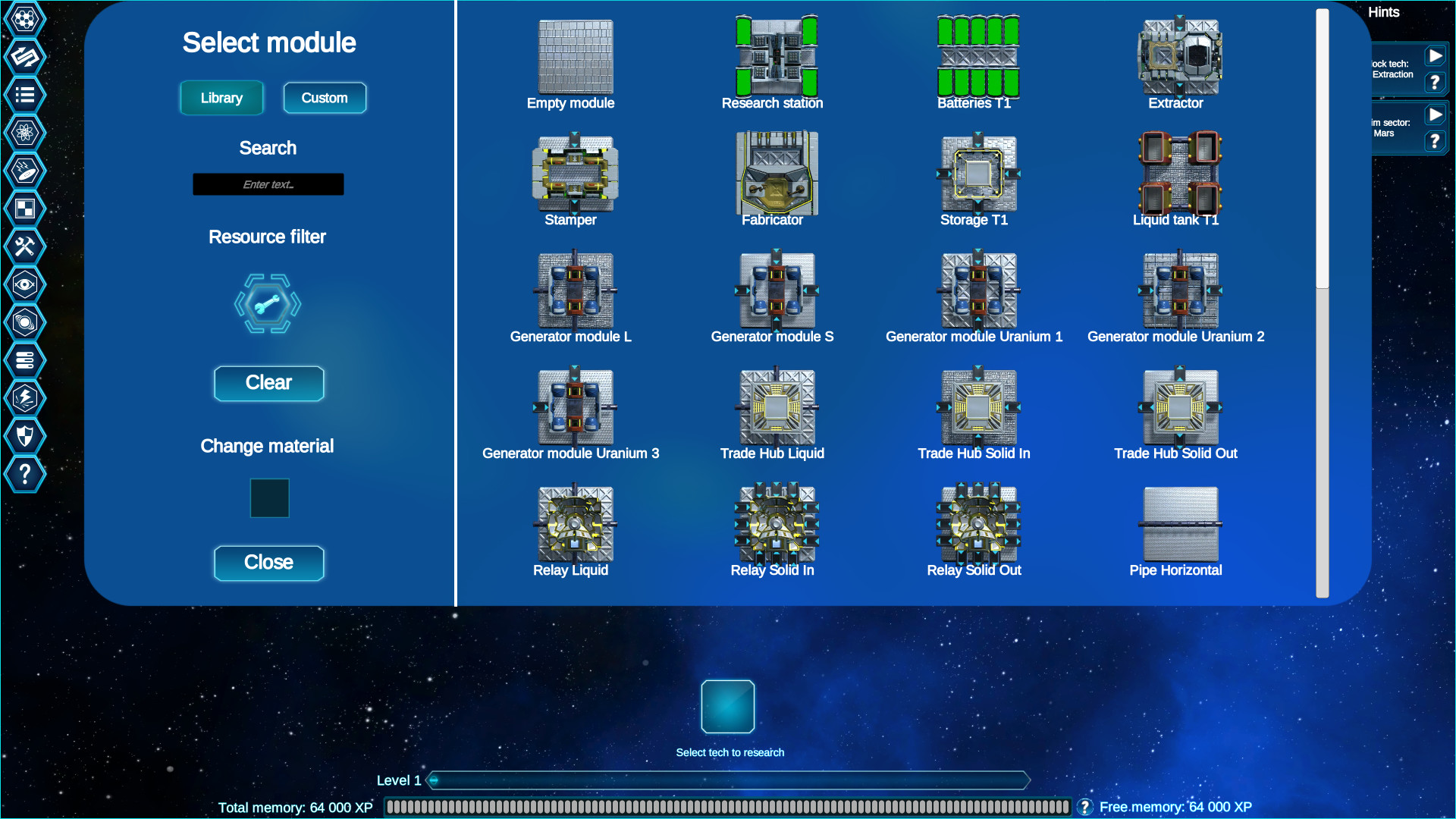
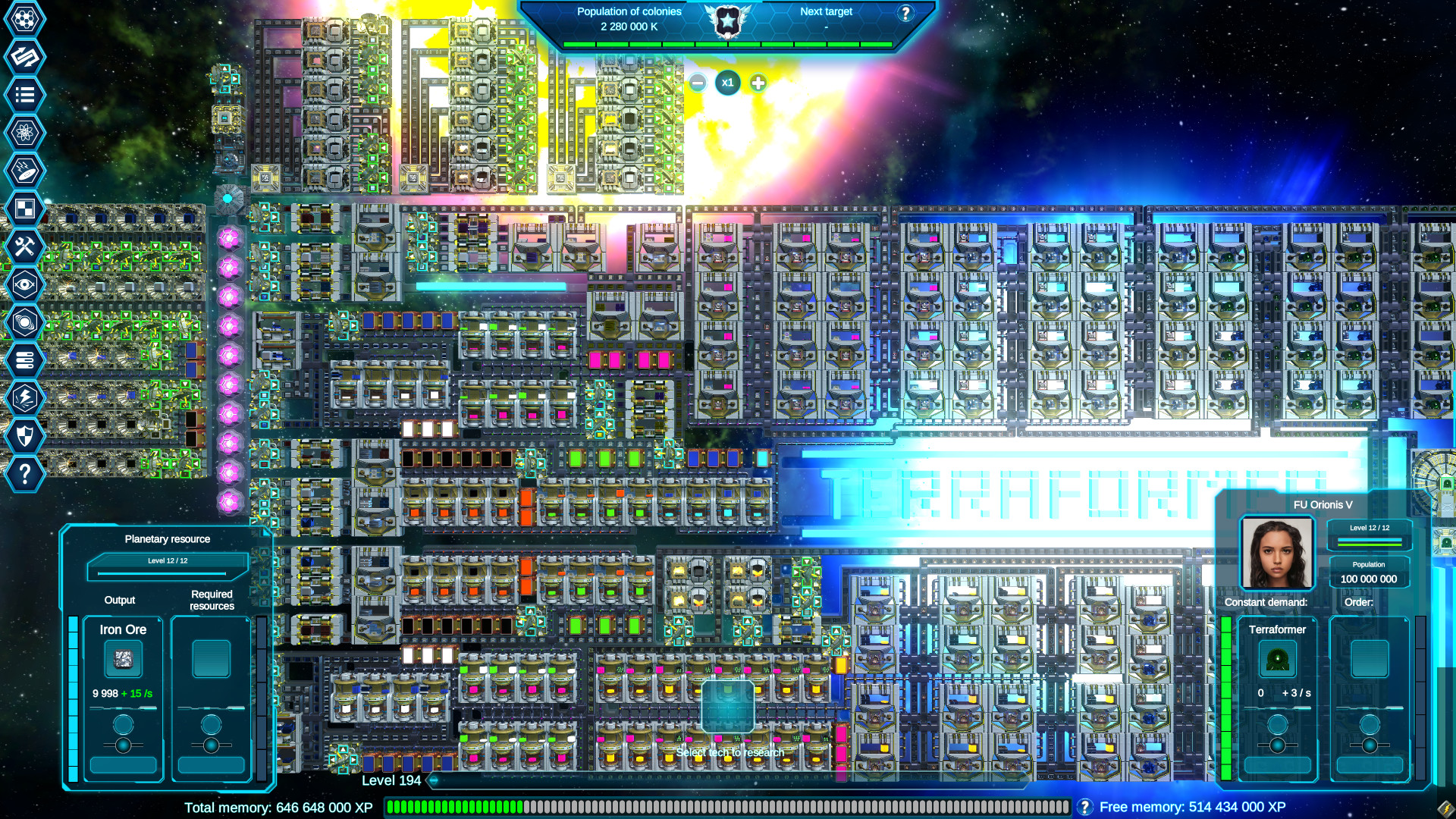
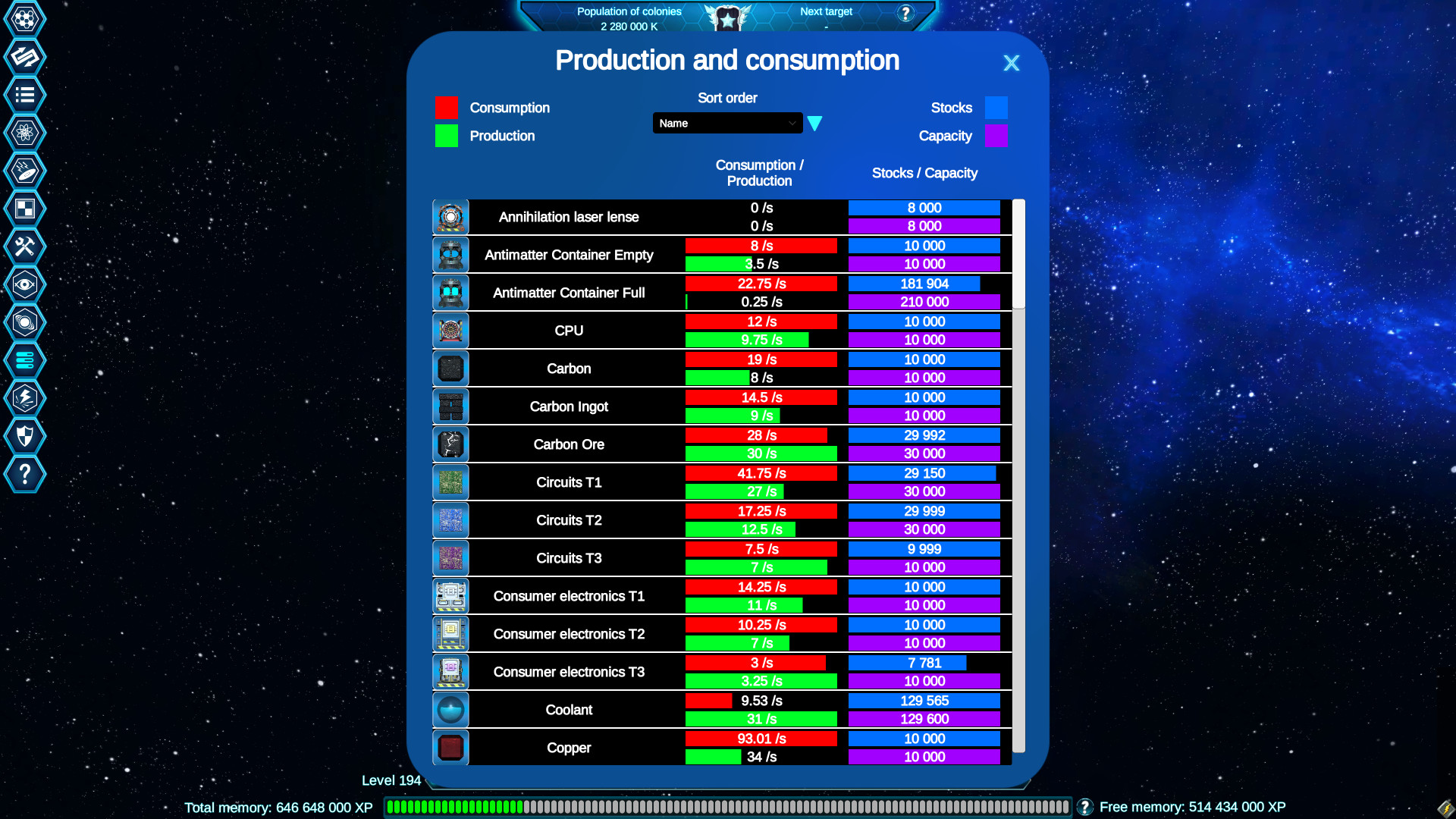
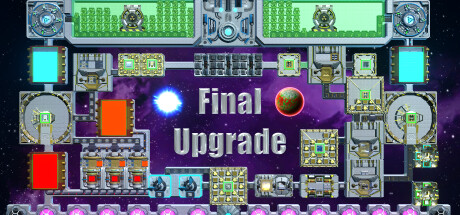
Final Upgrade, developed and published by TaosX, is a sprawling automation and space-strategy sandbox that imagines the galaxy not as a battlefield or a frontier of exploration, but as a massive industrial canvas waiting to be systematized. It takes the core appeal of factory-building games—the joy of turning raw matter into complex, self-sustaining production webs—and expands it outward until production chains span star systems, planets, and entire fleets of player-designed ships. Instead of embodying a conquering empire or a wandering explorer, the player becomes an architect of interconnected processes, building a mechanized civilization whose strength comes not from firepower, but from logistics, efficiency, and relentless technological momentum. It is a game that asks players to think like an engineer rather than a commander, designing not just individual machines, but the invisible flow between them. The early game introduces this vision through modest beginnings. A handful of vessels mine asteroid fields, basic crafting modules produce simple components, and the player learns how to automate fundamental resource loops—metal refining, energy distribution, storage allocation, and material transport. What differentiates Final Upgrade from genre peers is how quickly even these early systems reveal hidden layers of complexity. Ships are not static vessels purchased from a menu—they are modular constructions whose internal layout, propulsion arrangement, cargo space, and computing capacity directly influence their performance. A transport freighter with a poorly optimized interior may bottleneck an entire supply chain, and a miner lacking structural support may operate inefficiently. This design philosophy—where every detail matters—establishes a satisfying sense of authorship over the entire industrial ecosystem. As the player expands into new star systems, the scale increases dramatically. Individual planets become specialized industrial centers, contributing unique resources or manufacturing capabilities. Trade routes must be automated and safeguarded. Energy production, once a simple concern, becomes a galaxy-wide balancing act. Supply shortages in one sector cascade into distant manufacturing delays, forcing players to monitor and redesign logistics networks rather than merely placing more machines. The game thrives on these emergent problems—never scripted, always systemic—giving progression a natural, self-generated rhythm. Instead of waiting for a quest or objective, players feel pushed onward by the consequences of their own decisions, and victory comes from taming the chaos they created. The technological progression system reinforces this expanding scope. Research is not just a checklist of upgrades—it unlocks new building blocks for creative engineering, new transportation models, new hull designs, new automation tools, and ultimately, the ability to construct staggering megastructures that reshape entire star systems. Mastery comes not from grinding resources, but from learning how to integrate these technologies into existing infrastructure without destabilizing what already works. Late-game empires become dizzyingly complex organisms—ships ferrying advanced components between orbital foundries, refineries feeding terraforming operations, computational stations optimizing traffic, and automated fleets maintaining the entire industrial lattice with minimal player oversight. Watching the galaxy run itself becomes one of Final Upgrade’s most rewarding endgame experiences. Visually, the game embraces clarity over spectacle. Its interface-driven presentation favors crisp icons, readable galaxy maps, and clean ship schematics, ensuring that even enormous networks remain understandable at a glance. Planets, starfields, and nebulae provide atmosphere, but never overshadow the informational backbone that drives decision-making. The soundscape reinforces this functional beauty—soft ambient hums, mechanical pulses, and understated musical themes that support long sessions without fatigue. It’s a game built for focus rather than adrenaline, and its aesthetic choices reflect that purpose. However, the game’s ambition also creates barriers. The learning curve can feel imposing, especially for players unfamiliar with automation or logistical simulations. Tutorials help, but they cannot fully prepare players for the complexity that unfolds hours later, when intersystem production chains require troubleshooting and strategic redesign. The interface, while powerful, demands patience and experimentation. Some players may crave stronger guidance, clearer goals, or narrative framing to contextualize their actions. Performance may dip in massive late-game networks, and occasional rough edges remind players that Final Upgrade is the product of a small, evolving indie effort rather than a polished corporate release. But for players who enjoy wrestling with complexity, these challenges become part of the appeal rather than deterrents. Final Upgrade ultimately succeeds because it respects the intelligence and curiosity of its audience. It does not simplify or shrink its systems to broaden its reach—it trusts players to rise to the challenge, to experiment, fail, redesign, and gradually transform a handful of miners into a galaxy-spanning industrial civilization. It offers the fantasy of engineering mastery rather than conquest, and derives excitement not from explosions or scripted drama, but from witnessing a perfectly optimized supply chain operate across light-years. Few games capture the thrill of creation on such a grand, systemic scale. For fans of automation sandboxes, complex management simulations, modular ship design, and open-ended strategy, Final Upgrade offers a deep, demanding, and immensely satisfying experience—one that rewards long-term thinking, analytical problem-solving, and a fascination with interconnected systems. It asks for time, patience, and commitment, but it gives players a galaxy that becomes unmistakably theirs—built not through brute force, but through elegant efficiency. Rating: 7/10
Expand the review