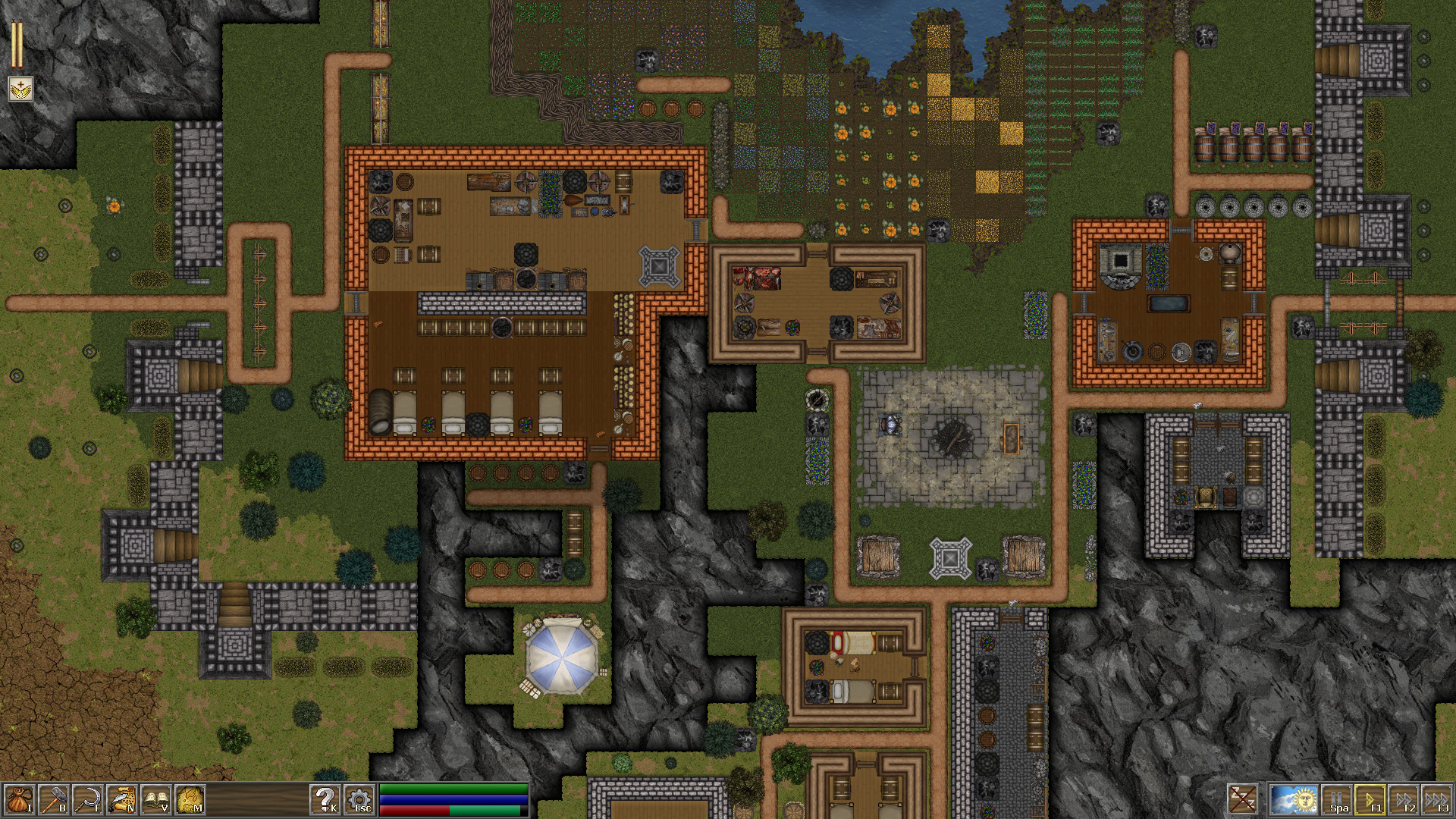
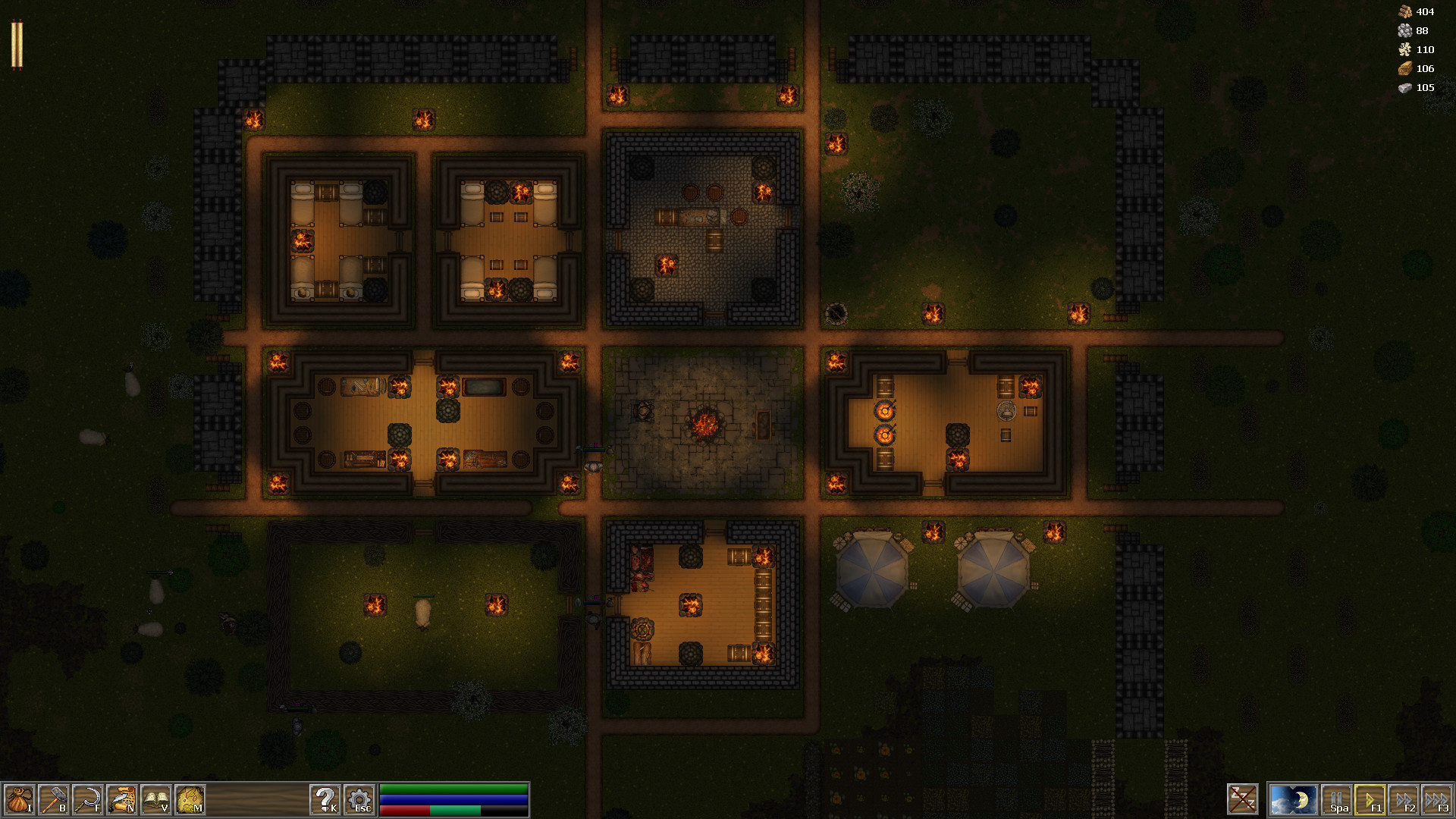
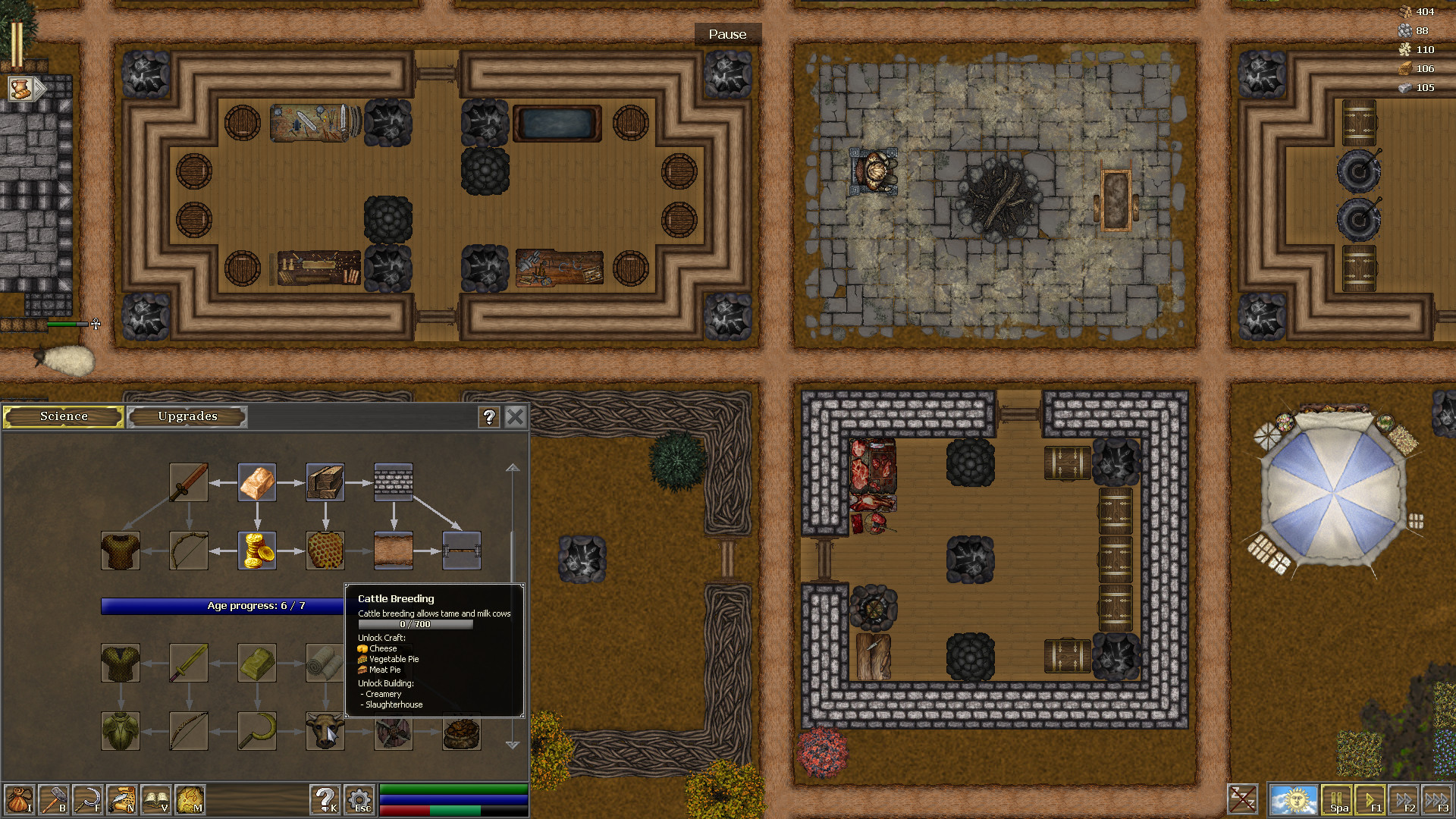
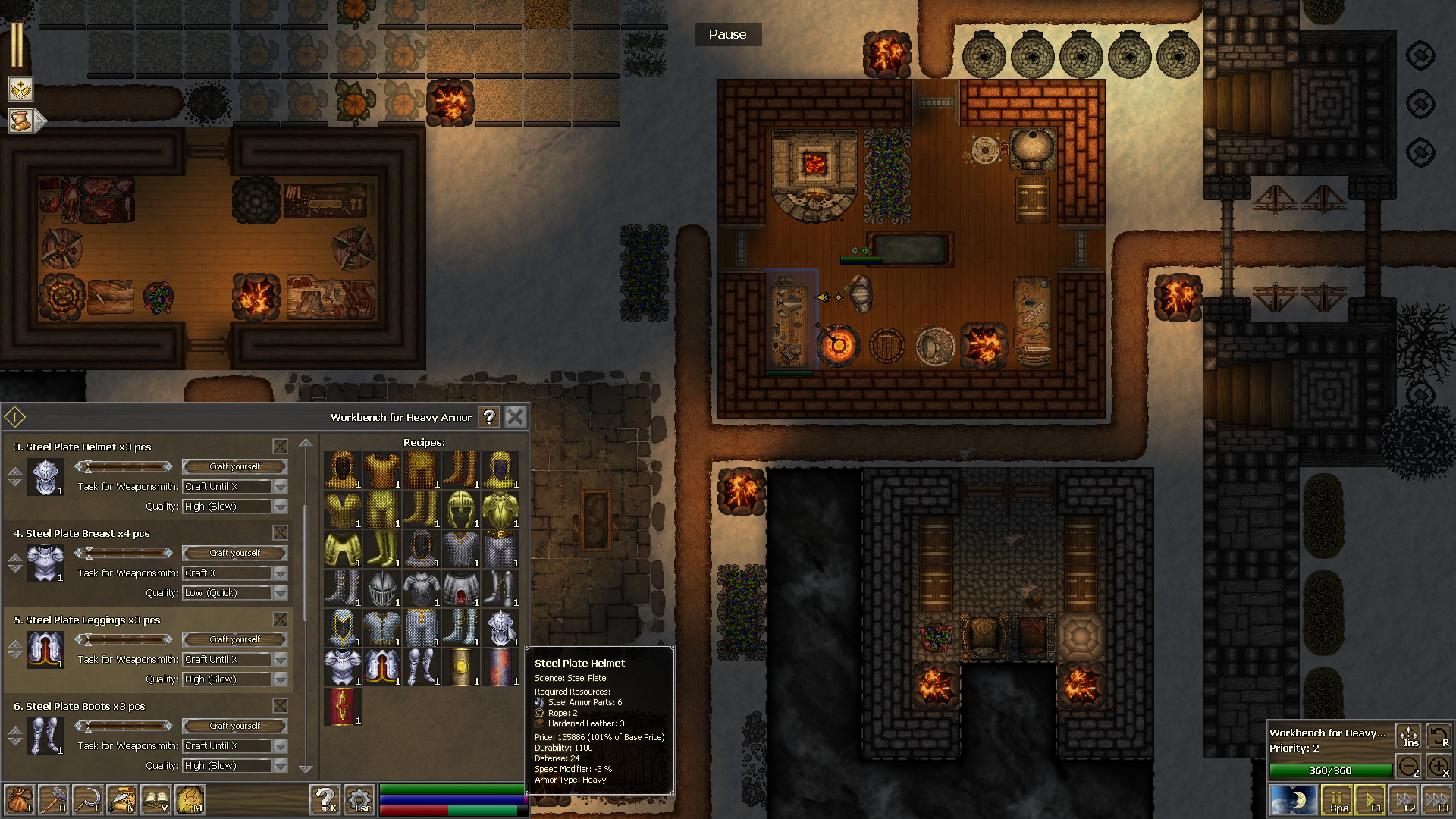
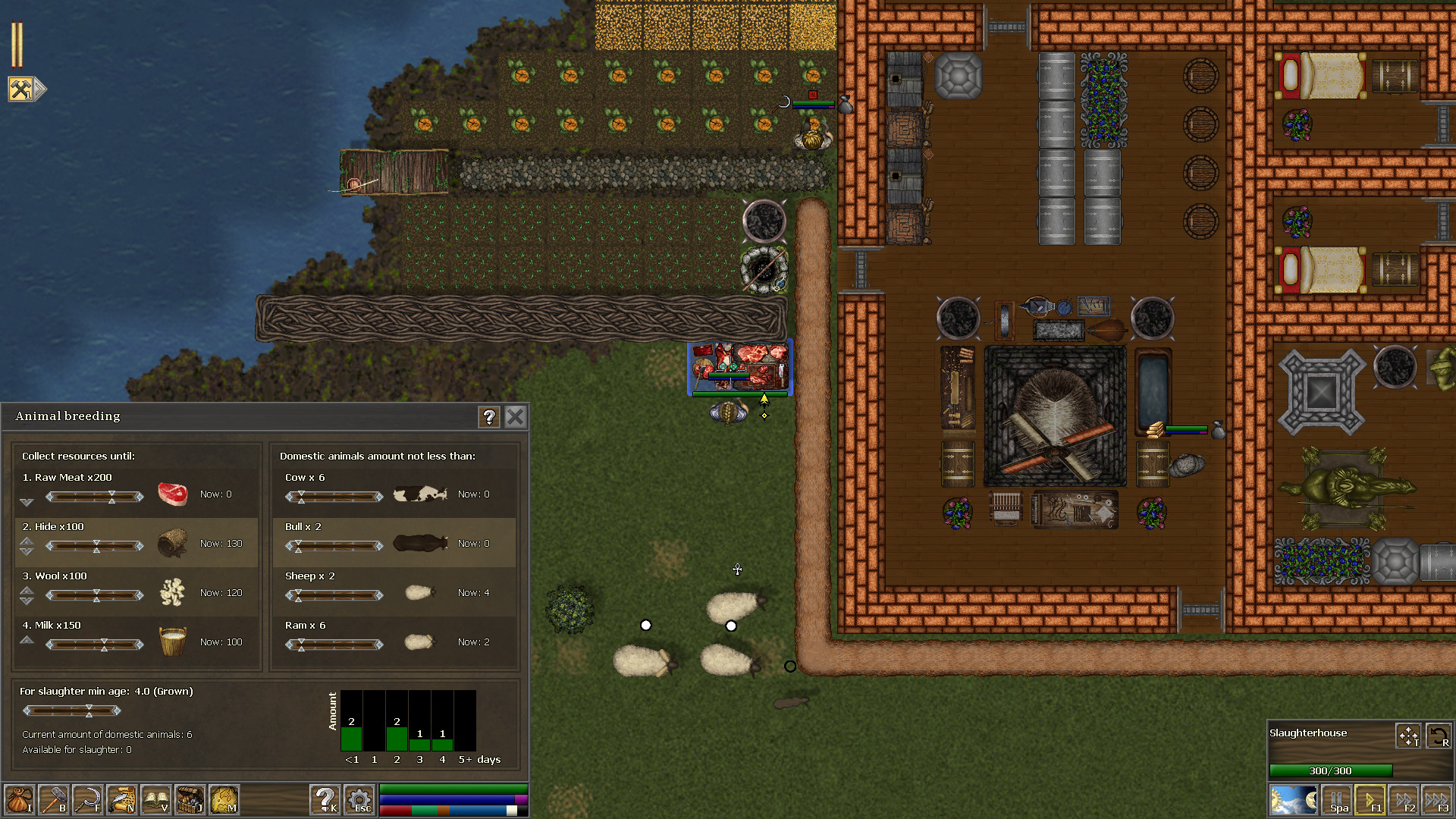
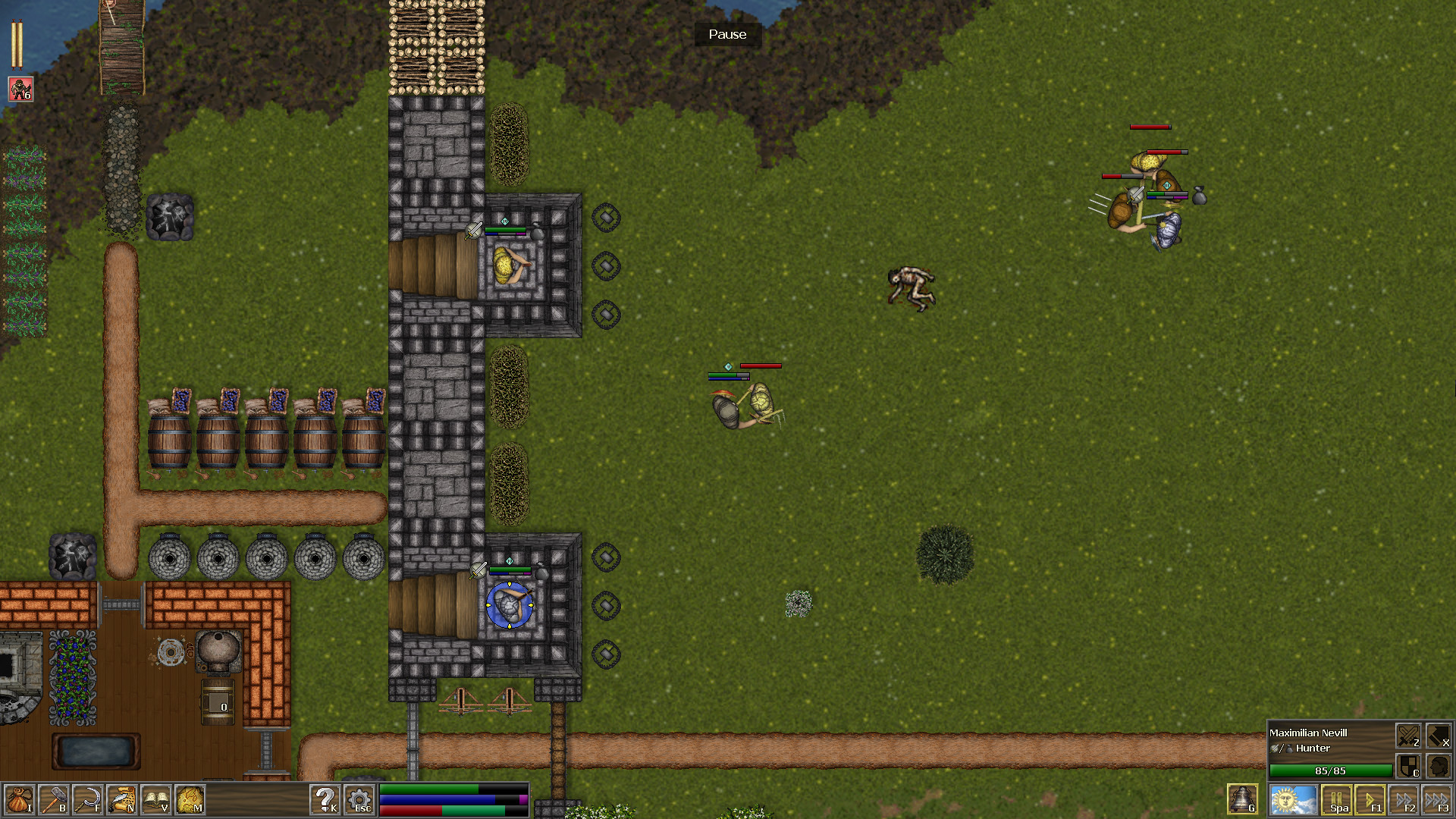
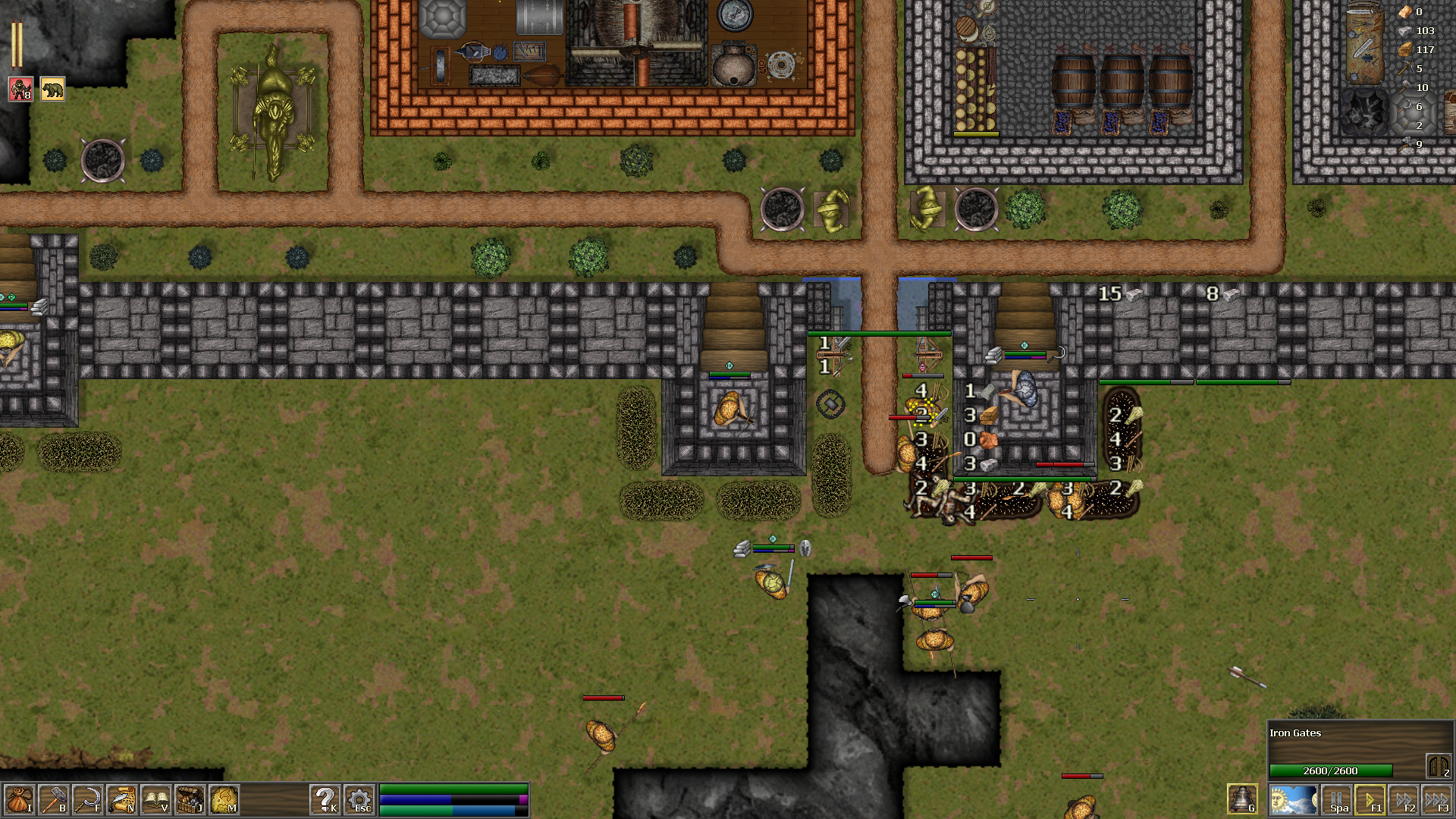
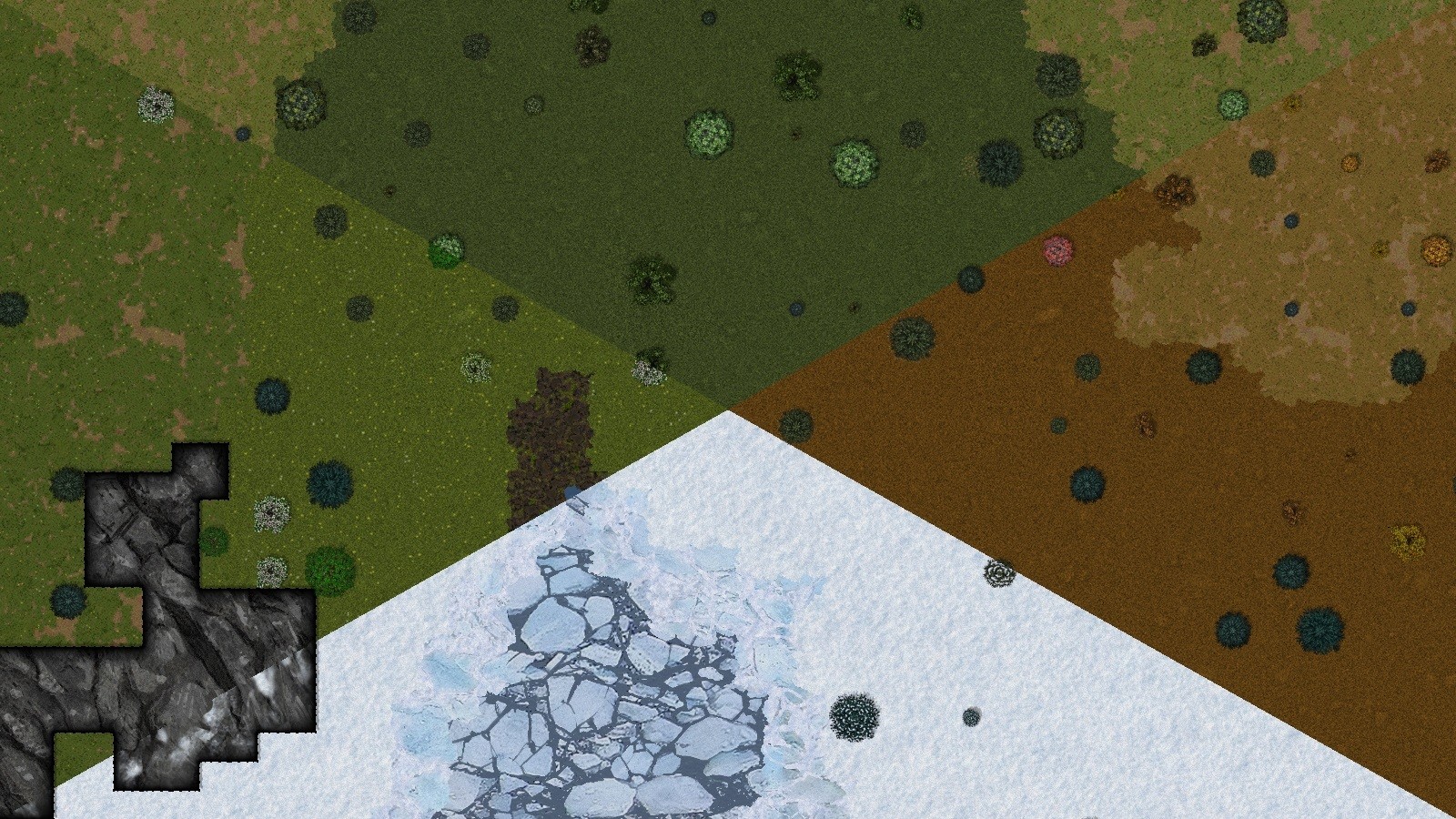
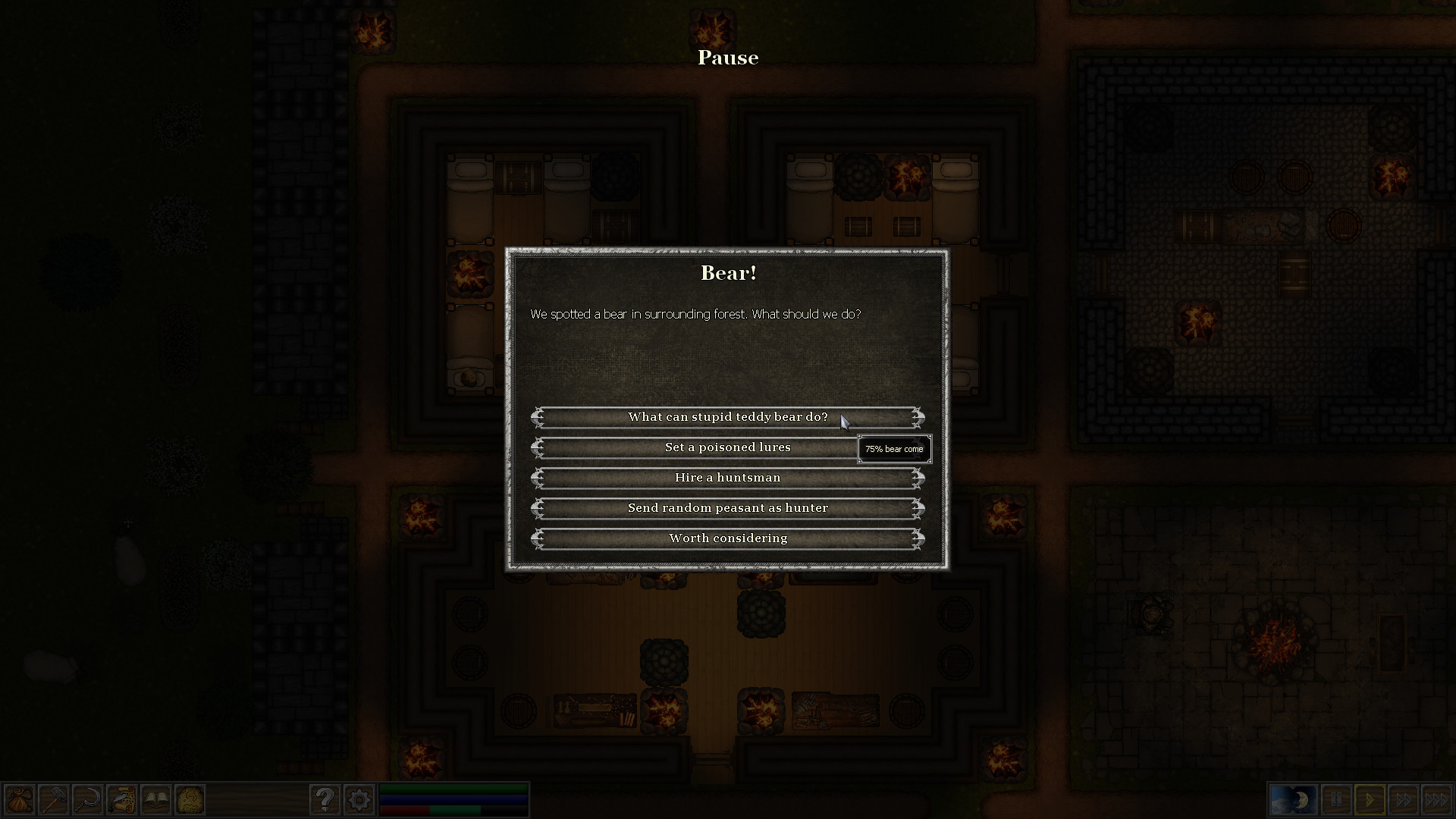
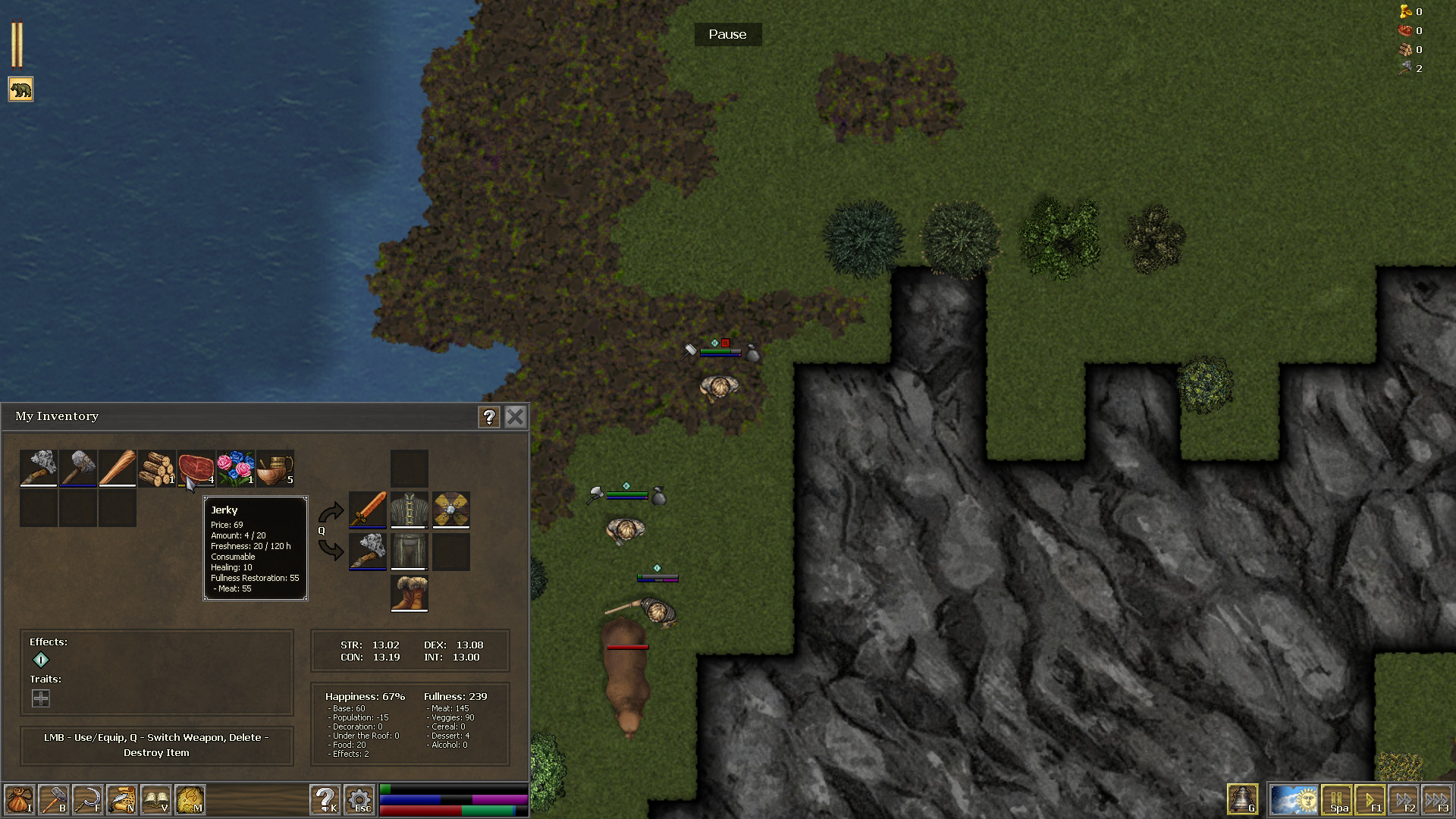
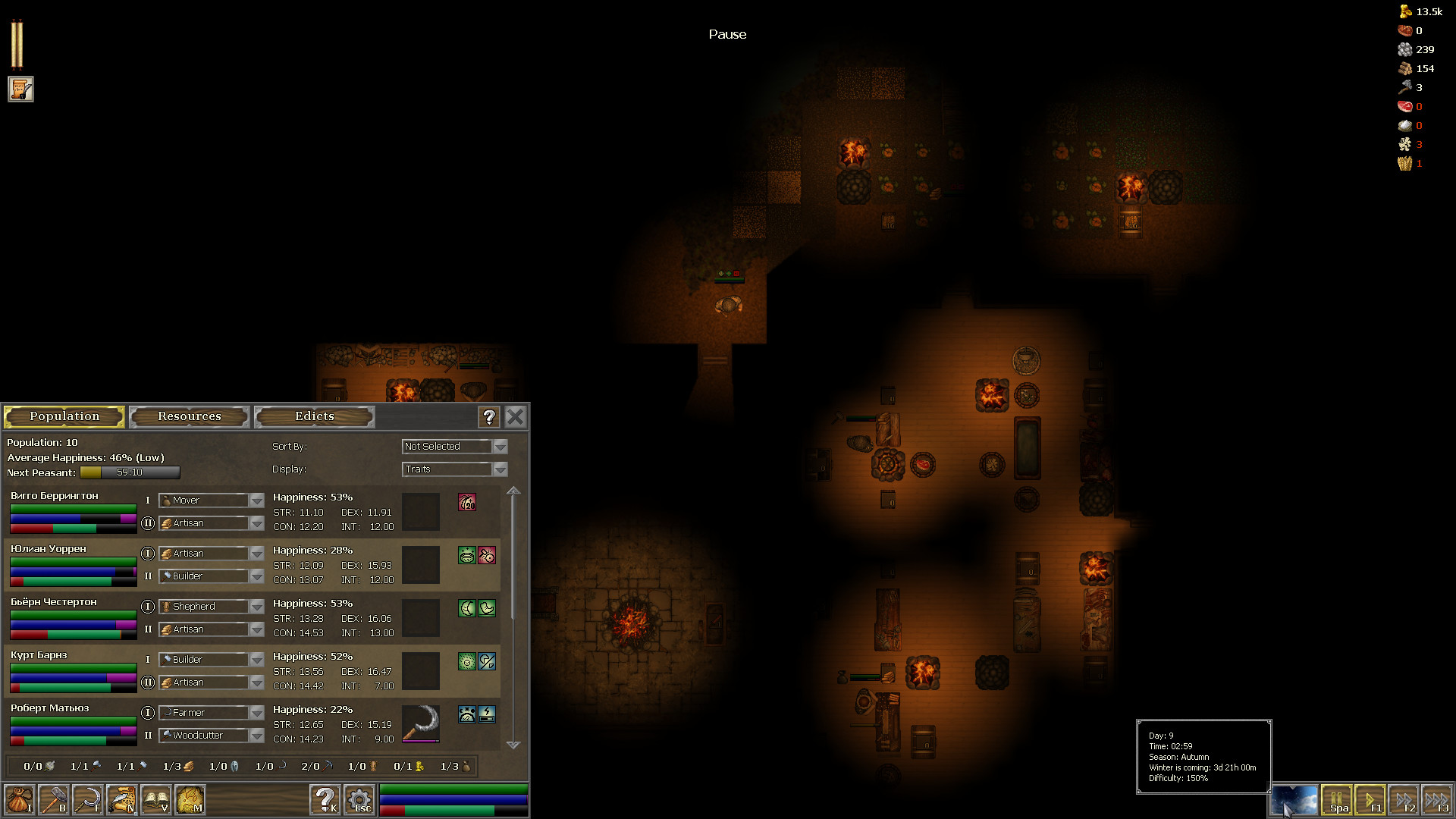
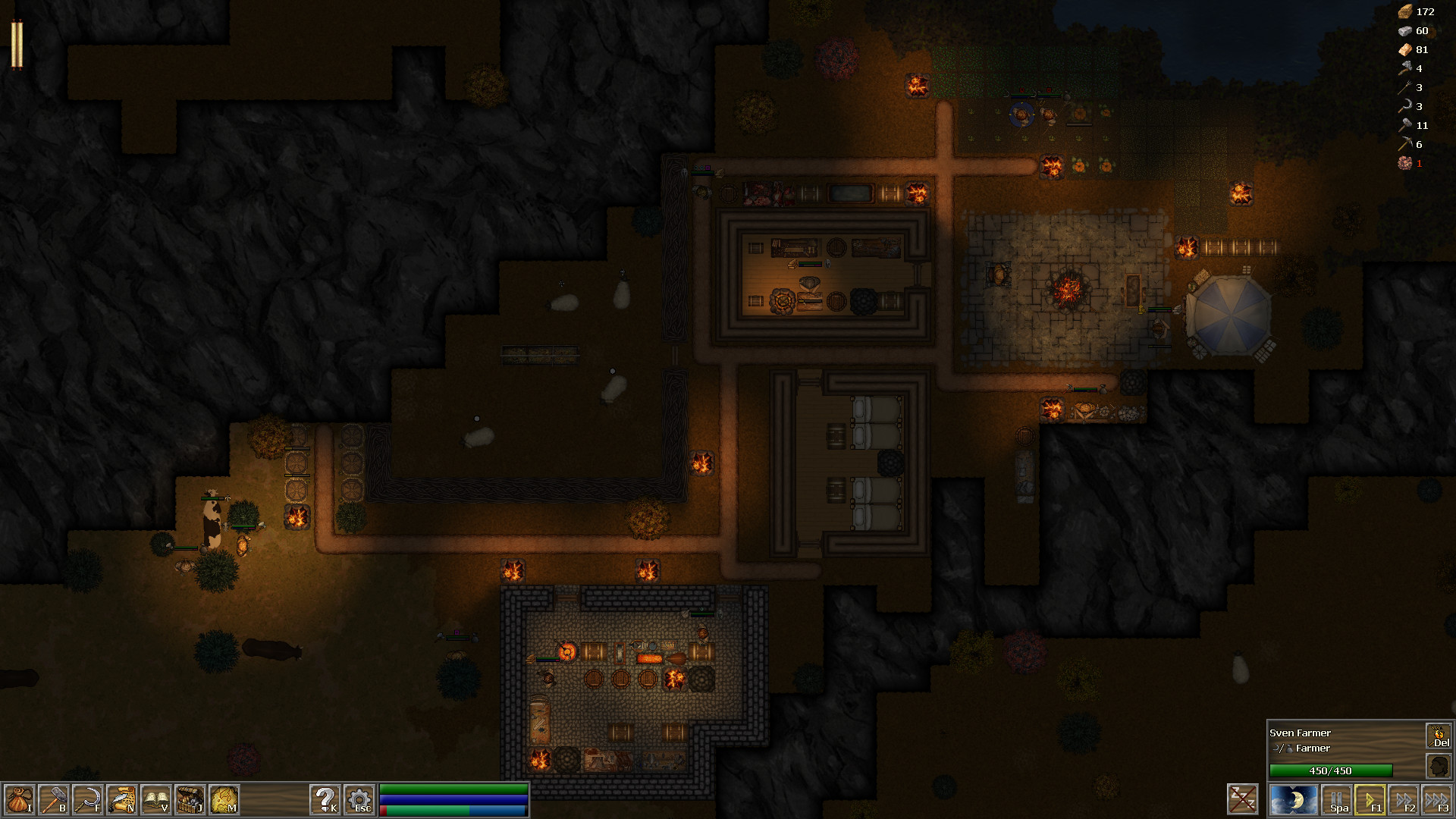
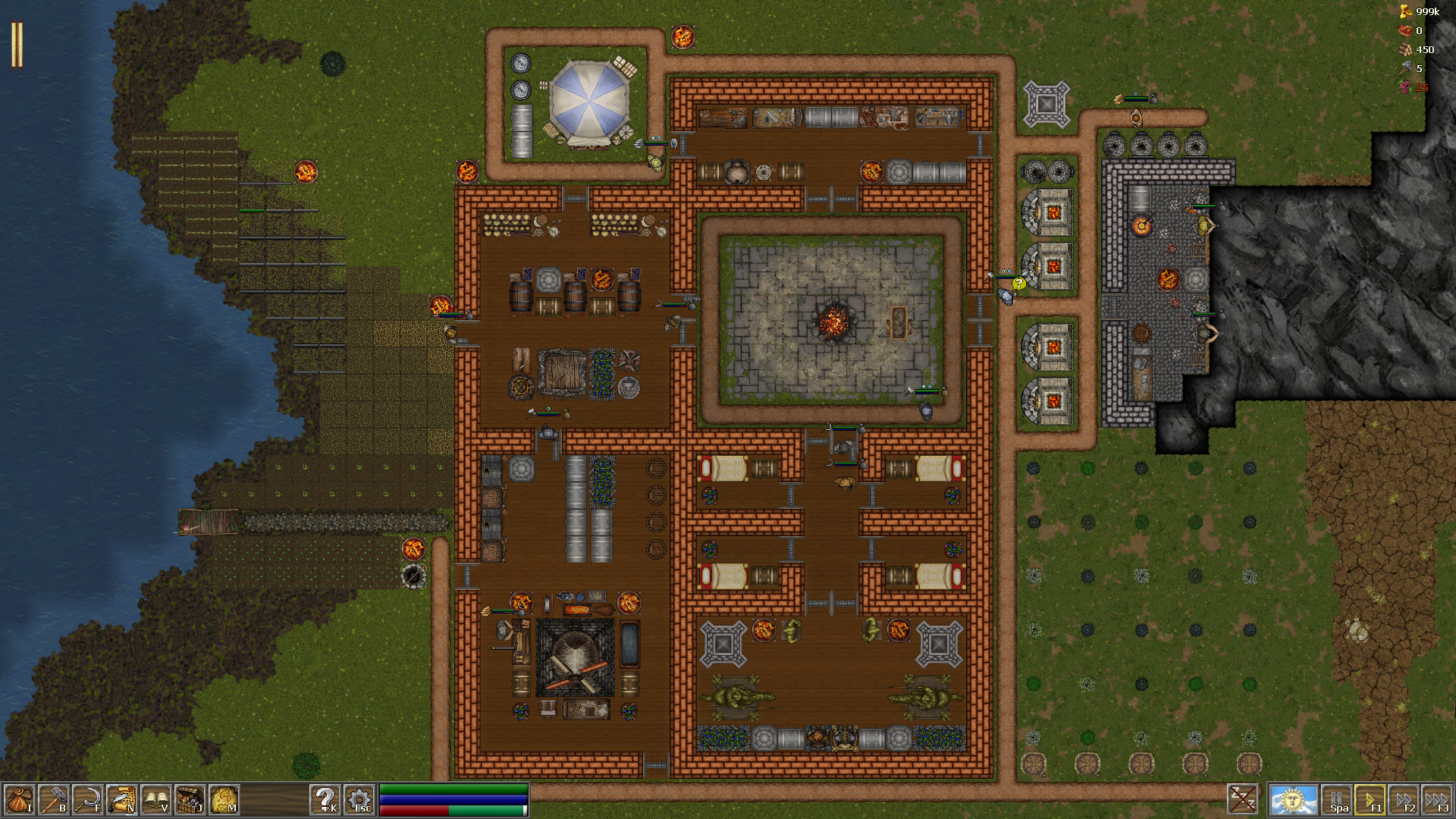
First Feudal, developed and published by Harpoon Games with the support of Gamirror Games, is an engaging blend of colony management, medieval construction, and light role-playing that invites players to experience the gradual rise of a small settlement into a thriving feudal domain. The game begins simply, with a handful of peasants, limited tools, and an untamed patch of land. From these humble beginnings, players must gather resources, construct shelters, manage food production, and gradually build a self-sustaining village capable of withstanding the challenges of nature and raiders alike. What makes First Feudal appealing is its balance between micro-level control and macro-level planning, allowing you not only to oversee the lives of your subjects but also to take direct part in their labor and defense. The moment you swing a hammer beside your villagers or lead them into battle gives the game a personal sense of involvement that distinguishes it from many management titles. The gameplay evolves around a layered system of progression that rewards efficiency and experimentation rather than rote repetition. Peasants can be assigned various professions such as lumberjack, hunter, miner, or carpenter, and over time they improve at their tasks, contributing to a satisfying sense of organic growth. Rather than relying on abstract technology trees, the game’s advancement feels grounded in physical action—crafting a certain number of tools or working specific materials unlocks new recipes and technologies. This design choice lends the world a sense of continuity and realism, as if knowledge itself is spreading naturally through experience and innovation. Watching your settlement transform from wooden huts and crude forges into stone houses, ironworks, and well-stocked granaries captures the essence of gradual progress that lies at the heart of medieval life. Resource management forms the core rhythm of the experience. You must ensure a steady supply of food, maintain morale, and prepare for seasonal hardships. The passage of time brings both opportunity and danger, as bountiful harvests can quickly be undone by the arrival of winter or a surprise bandit raid. Building proper defenses becomes as vital as securing enough bread for the population. Wooden palisades, stone walls, traps, and watchtowers all serve a purpose, and the satisfaction of watching your villagers rally behind the walls to defend their home is deeply rewarding. Combat, however, is straightforward—there are few tactical maneuvers or complex strategies beyond ensuring that your forces are well-armed and properly equipped. What makes these moments enjoyable is not their mechanical depth but their narrative weight, as they mark the tangible struggle of survival that defines the feudal era. First Feudal’s visual presentation leans toward simplicity, adopting a colorful, pixel-inspired isometric style that prioritizes clarity over spectacle. The charm of its visuals lies in their functionality; every tile, structure, and villager is easy to identify, which helps players manage their settlements efficiently even as they grow in size and complexity. The world feels alive with movement, from workers hauling lumber to peasants tending fields, creating an appealing sense of activity. The ambient music and environmental sounds enhance the medieval mood without becoming intrusive, and while not lavishly produced, they contribute to an atmosphere of quiet productivity punctuated by the occasional alarm bell of a raid. The presentation reinforces the game’s focus on the player’s strategic and creative engagement rather than on graphical extravagance. The sense of agency in First Feudal is another of its strengths. Unlike many top-down management games, this one allows players to take direct control of their lord or lady at any time. You can pick up tools, craft items, fight alongside your peasants, and personally influence the day-to-day operation of the settlement. This dual role—both ruler and laborer—creates a feeling of connection with the community that pure managerial oversight often lacks. It makes the player’s success feel earned not just through clever delegation but through personal involvement in the village’s survival. Combined with the freedom to design and arrange your town’s layout, the game offers enough flexibility to make each playthrough uniquely yours. Despite its charm, First Feudal is not without limitations. Its indie roots are apparent in some aspects of pacing and balance. Once a settlement reaches stability, there is a tendency for the gameplay to settle into a repetitive loop with fewer new challenges to face. Some players may find that the late game lacks the dynamism of the early survival struggle, as the excitement of expansion gives way to maintenance and minor adjustments. The combat system, while serviceable, offers limited variety and can feel like a numbers game rather than a test of tactical skill. Artificial intelligence, too, occasionally falters, with villagers sometimes idling or behaving unpredictably when resources are scarce. These flaws do not break the experience, but they do temper what could otherwise be an endlessly replayable simulation. Nevertheless, First Feudal achieves something admirable within its scope. It captures the feeling of building a living, breathing medieval settlement from nothing and nurturing it into prosperity. Every hut, tool, and piece of armor reflects your decisions and effort. The mixture of strategy, creativity, and personal participation gives the game a rhythm that is both relaxing and compelling. For players who enjoy management games like Banished or RimWorld but prefer a gentler, more hands-on approach, First Feudal offers a satisfying alternative. It may not reach the depth or scale of larger productions, but it delivers a heartfelt, immersive experience that rewards patience, curiosity, and a love for the slow, methodical art of medieval craftsmanship. Rating: 7/10
Expand the review