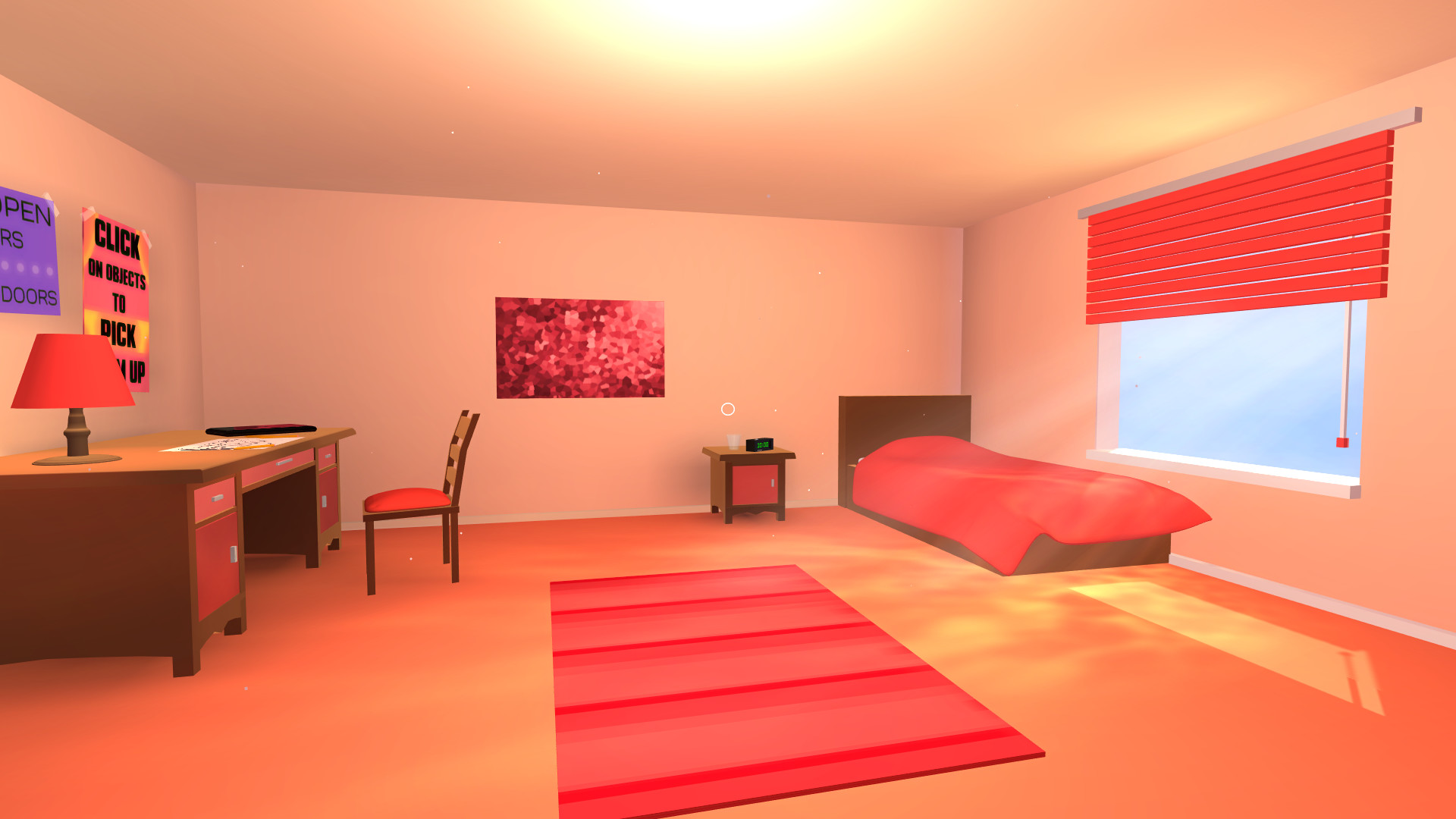
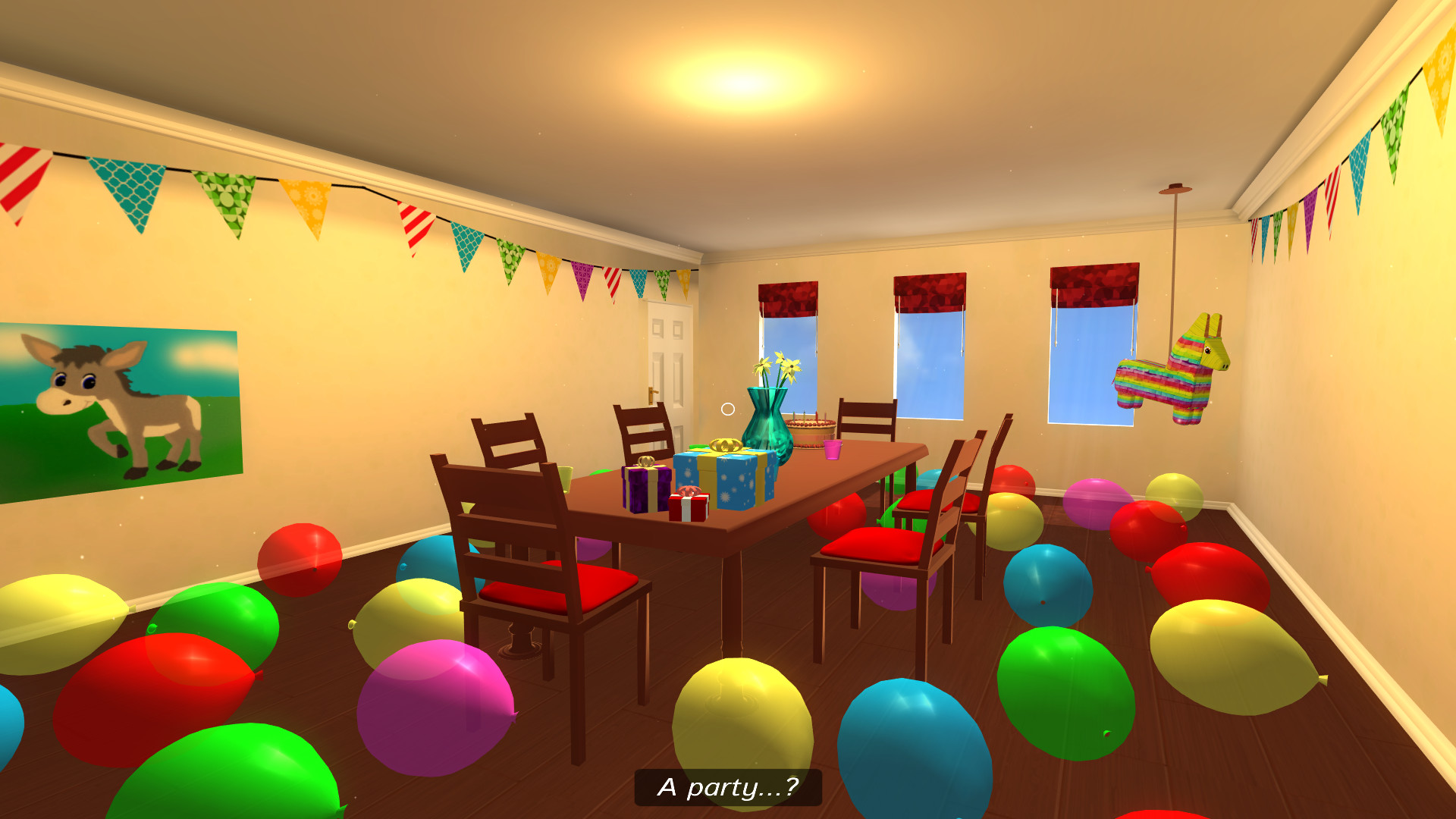
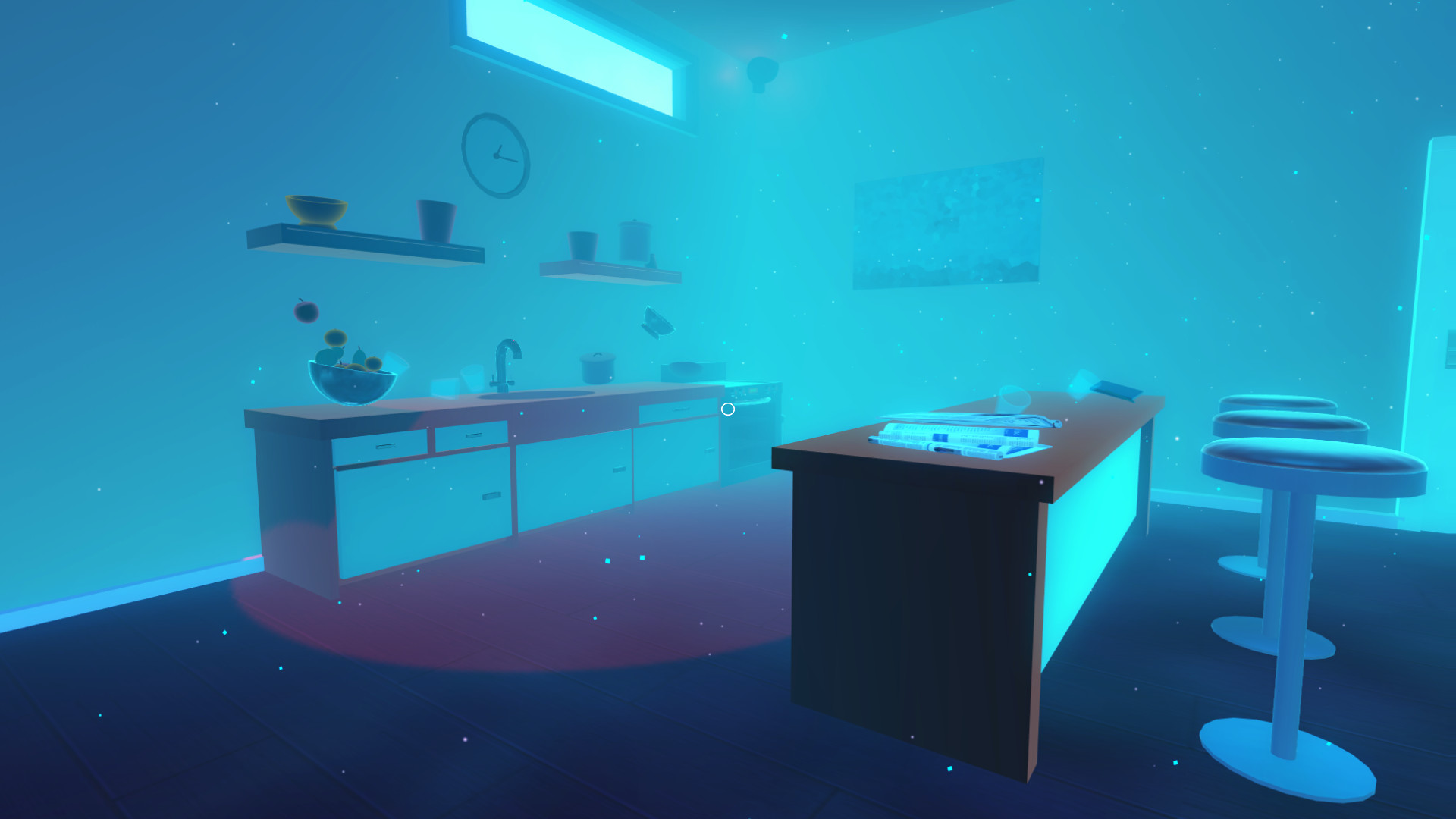
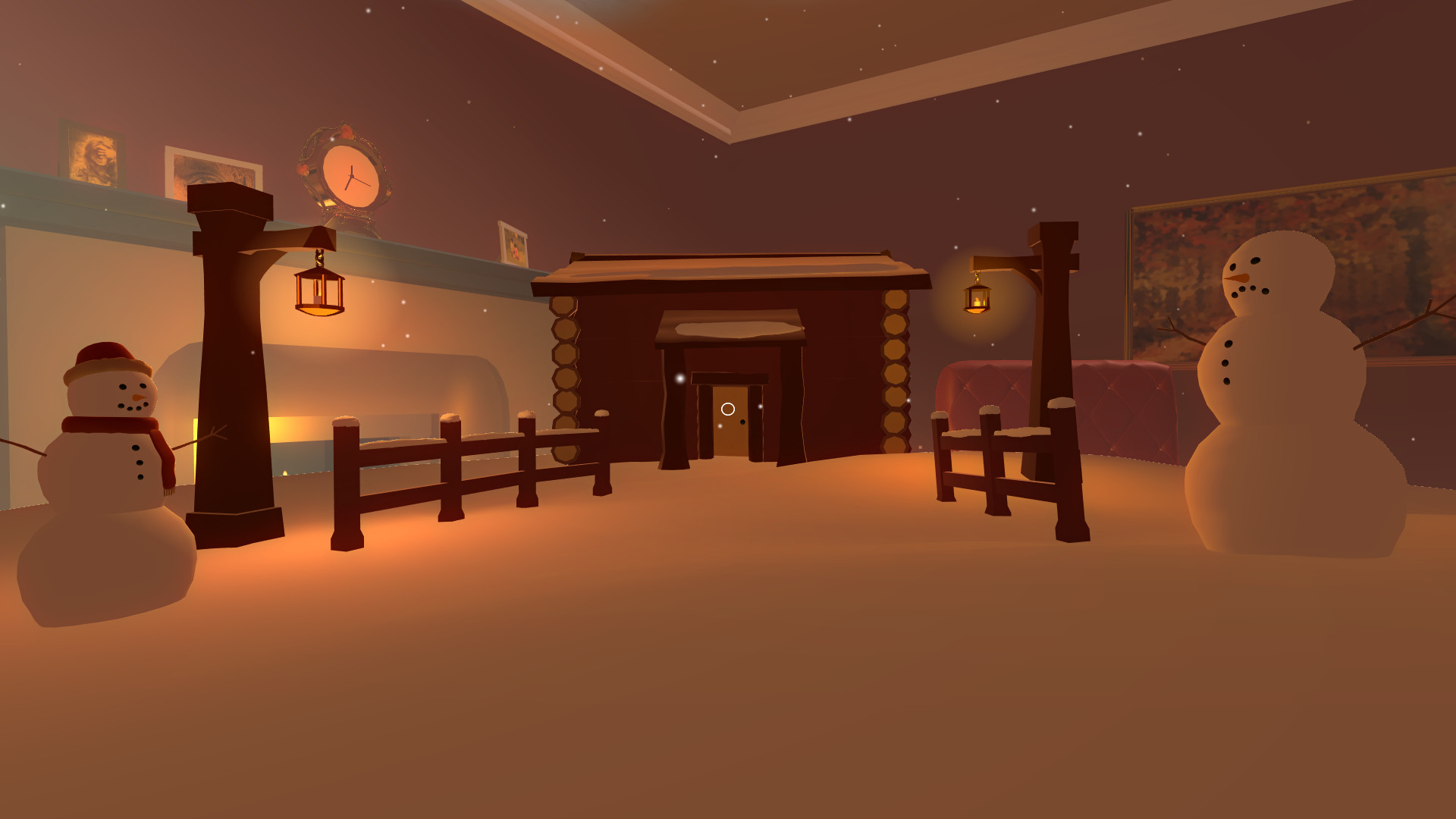
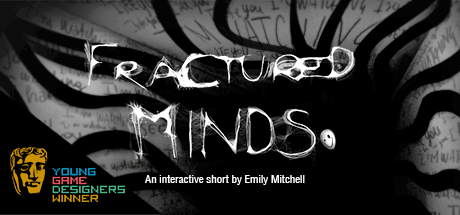
Fractured Minds, developed by Emily Mitchell and published by Wired Productions, is an intimate and thought-provoking indie experience that offers a raw and deeply personal look into the realities of living with mental illness. Created by Mitchell when she was just seventeen, the game’s origins are as striking as its message. It was born out of her own experiences with anxiety and mental health struggles, and it uses the medium of interactive storytelling to place the player directly within that emotional space. The result is a short yet powerful journey that manages to convey feelings of fear, isolation, and vulnerability through its world design and atmosphere rather than through traditional narrative or dialogue. It is not so much a game in the conventional sense as it is a window into a mind wrestling with invisible battles. Fractured Minds unfolds over six brief chapters, each representing a different mental or emotional state. Rather than guiding the player through a clear story, it presents a series of fragmented environments that metaphorically depict the internal struggles of its unseen protagonist. What begins as an ordinary room soon twists into something strange and unsettling—a home that shifts shape, hallways that stretch endlessly, objects that float and distort under invisible pressure. Everyday spaces become reflections of emotional turmoil, and the player’s task is to navigate these surreal scenarios, finding keys, solving small puzzles, and ultimately trying to escape. These sequences are simple on the surface, but they are designed to evoke empathy rather than challenge skill. The obstacles aren’t about difficulty but about discomfort—mirroring the sensation of fighting through moments of anxiety, confusion, or hopelessness. What gives the game its emotional potency is the way it captures the dissonance between the mundane and the nightmarish. In one chapter, a birthday party becomes a hollow experience, filled with smiling figures who seem completely indifferent to your presence. The decorations and laughter feel distant, their cheerfulness forced and artificial. The player is surrounded by people yet utterly alone, an experience that perfectly encapsulates the isolating nature of depression and social anxiety. Another chapter drops the player into a distorted cityscape where doors lead nowhere, voices echo with accusatory whispers, and even the act of walking forward feels oppressive. The game doesn’t rely on cheap scares or exaggerated horror elements; instead, it crafts unease through familiarity, taking recognizable environments and twisting them just enough to feel wrong. That sense of subtle wrongness—the kind that creeps in slowly and quietly—is what gives Fractured Minds its haunting power. The audiovisual design plays a crucial role in amplifying the game’s emotional impact. The graphics are intentionally simple, with slightly off-kilter proportions and dreamlike textures that reinforce the surreal tone. The muted color palette alternates between warmth and coldness depending on the emotional state of each chapter. The sound design, however, is where the experience truly comes alive. Distant footsteps, distorted voices, and the faint hum of unseen forces work together to maintain a constant sense of unease. Silence, too, is used effectively—often the absence of sound speaks louder than any musical score. The occasional use of dissonant tones and sudden ambient changes reflects the unpredictable nature of anxiety itself. It is a carefully crafted atmosphere of tension and fragility, where every small shift in tone carries emotional weight. Fractured Minds is remarkably short, lasting roughly thirty minutes from start to finish, but its brevity feels deliberate. It’s not meant to be a prolonged or exhaustive exploration but rather an emotional snapshot—a brief, concentrated glimpse into an ongoing struggle. Some players may find the simplicity of its mechanics underwhelming, as the puzzles are basic and the interactivity limited. Yet these design choices reinforce the game’s intent. It’s less about traditional gameplay progression and more about experiencing a series of moods and sensations. In a medium often focused on competition and achievement, Fractured Minds dares to slow down and confront feelings that are typically avoided or misunderstood. The minimalism of its structure allows the player to focus on the emotions it evokes rather than the systems that drive it. The game’s impact extends beyond its content through the context of its creation. Emily Mitchell developed it independently while dealing with her own anxiety, and the authenticity of her experience radiates through every frame. This honesty is what makes the game resonate—it doesn’t dramatize mental illness or turn it into a spectacle. Instead, it presents it with a quiet honesty, allowing players to glimpse what it’s like to live with invisible emotional burdens. The fact that a portion of the game’s proceeds goes toward mental health charities further grounds it in its purpose, transforming it into both a piece of art and an act of advocacy. The personal nature of its creation gives it a sincerity rarely found in larger productions; it feels like a message directly from creator to player, unfiltered and profoundly human. Fractured Minds is not a traditional game, nor does it try to be. It’s an experience—short, raw, and deeply personal—that uses simplicity and symbolism to create understanding. It challenges the idea that games must entertain, instead using interaction as a means of empathy. It’s a work that invites reflection rather than mastery, one that lingers in the mind long after its brief runtime is over. Though some may wish it were longer or more complex, its strength lies in its restraint. It says what it needs to say and then leaves the silence to do the rest. In a landscape of games built around power and victory, Fractured Minds stands apart as a quiet exploration of weakness and endurance—a small but significant reminder that sometimes the greatest battles are the ones fought within. Rating: 7/10
Expand the review