
Star Ores Inc.
Take over an abandoned space station and manage your own ore mine. Cut through the asteroid with your laser, sell ore, and create an automated network of robot helpers to maximize your profit.
Sync your Steam wishlist to find the lowest game prices instantly. No login required, just paste your Steam profile URL!
⚡ Try Wishlist Radar!
Sync your Steam wishlist to find the lowest game prices instantly. No login required!
⚡ Try Wishlist Radar!
Close

GIRLS MADE PUDDING on Steam
Quick menu
"When there's nobody there to see you, you disappear." In Girls Made Pudding, two girls tour a series of towns that people have disappeared from.
GIRLS MADE PUDDING is a indie, adventure and crafting game
developed by Kazuhide Oka
and published by KAMITSUBAKI STUDIO.
Released on April 09th 2025 is available on Windows, MacOS, Steam Deck and Steam Machine
in 4 languages: Japanese, English, Simplified Chinese and Traditional Chinese.
It has received 869 reviews of which 826 were positive and 43 were negative resulting in a rating of 8.9 out of 10. 😎
The game is currently priced at 9.75€ on Steam.
The Steam community has classified GIRLS MADE PUDDING into these genres:
Indie
Adventure
Crafting
Exploration
Motorbike
3D
Cooking
Cute
Interactive Fiction
Choose Your Own Adventure
Female Protagonist
Singleplayer
Visual Novel
Sci-fi
2D
Controller
Walking Simulator
Anime
LGBTQ+
Great Soundtrack
Here is the detailed breakdown of supported languages for GIRLS MADE PUDDING:
| UI | Subtitle | Audio | |
|---|---|---|---|
| English | |||
| Simplified Chinese | |||
| Traditional Chinese | |||
| Japanese |
Media & Screenshots
Get an in-depth look at GIRLS MADE PUDDING through various videos and screenshots.
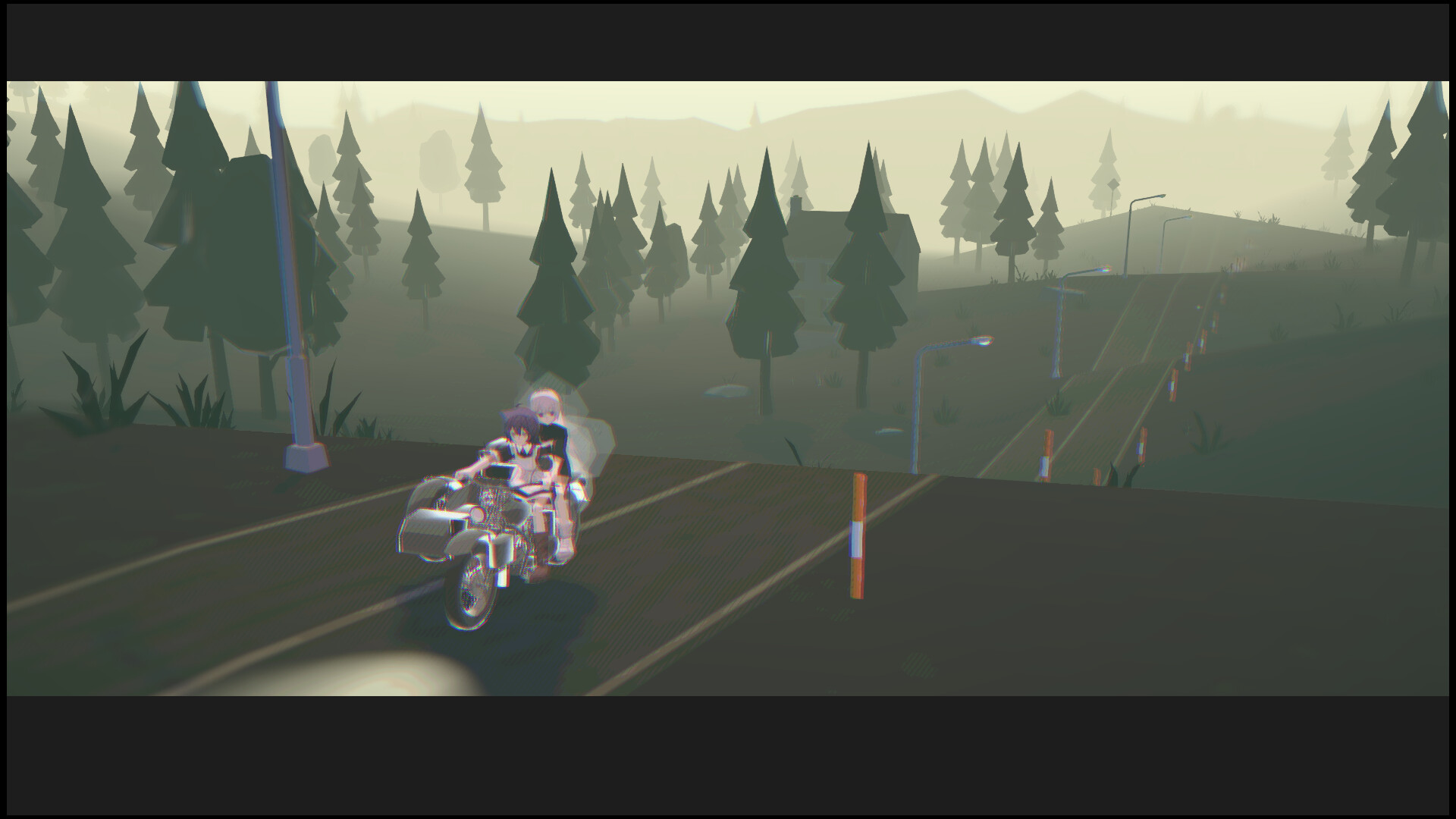
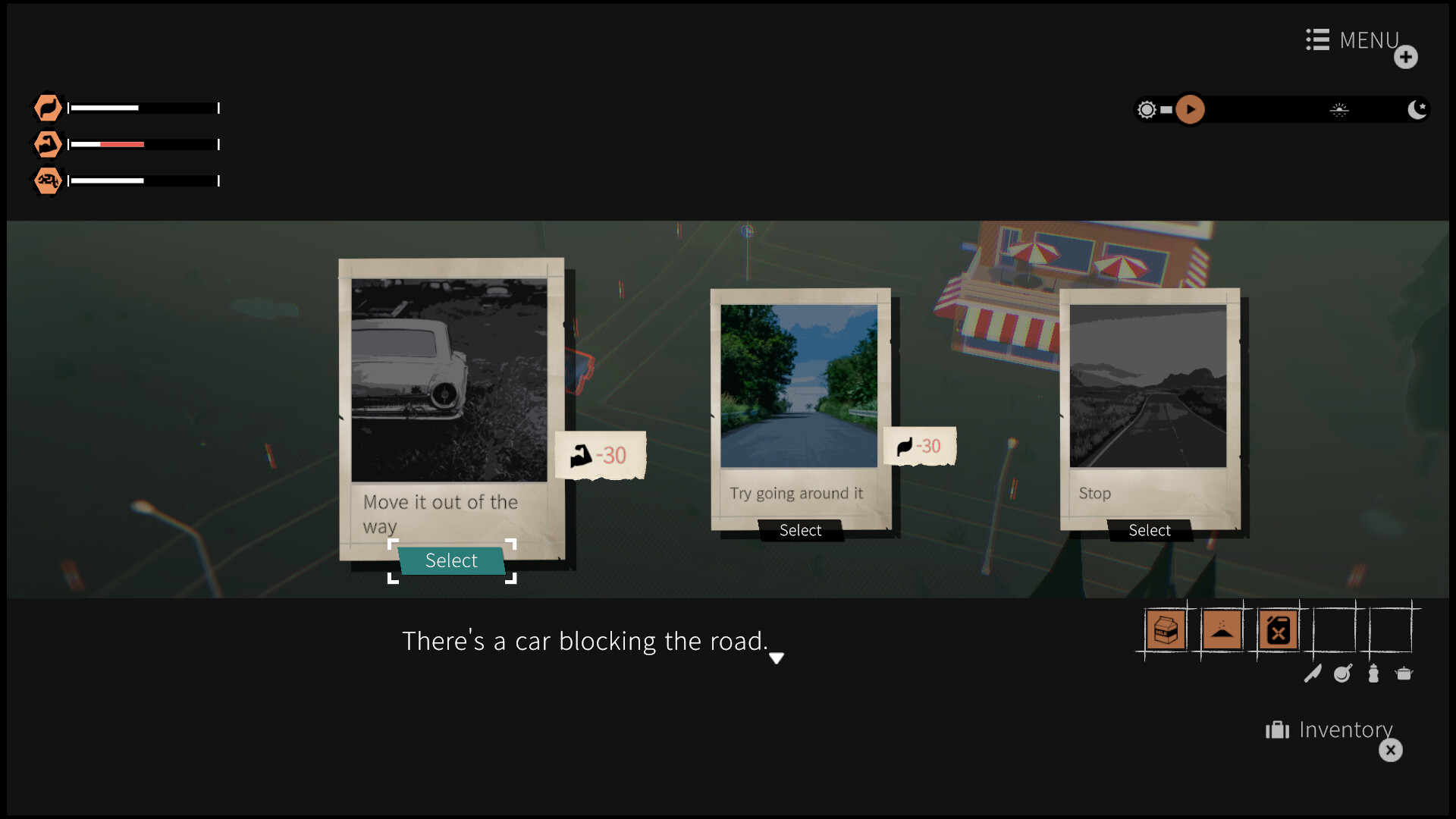
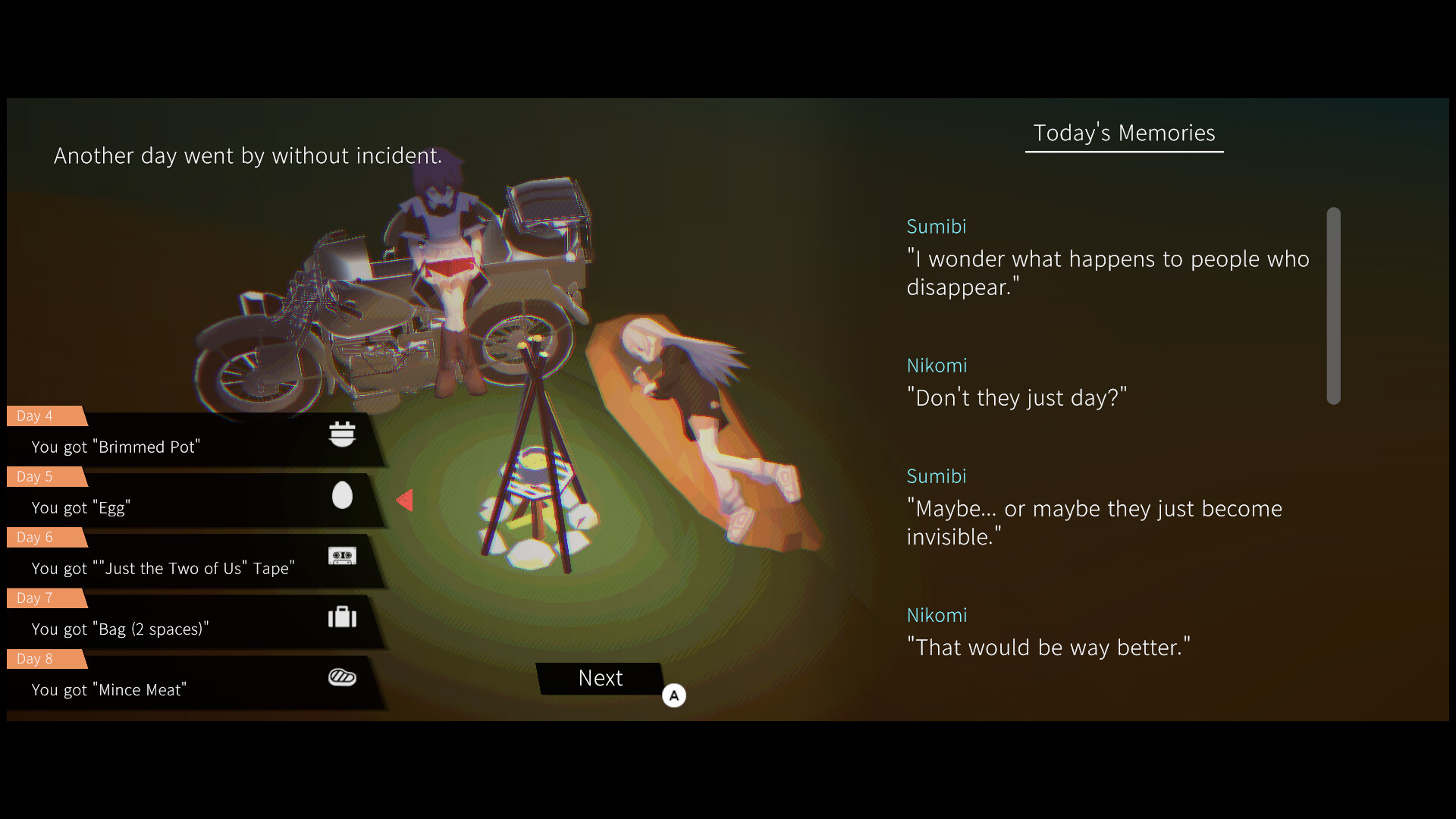


System requirements
These are the minimum specifications needed to play the game. For the best experience, we recommend that you verify them.
Windows
- OS: Windows 10, 11
- Processor: intel Core i5
- Memory: 16 GB RAM
MacOS
- OS: macOS Sonoma or later
- Processor: Apple M1
- Memory: 8 GB RAM
Steam Price & Best Deals
User reviews & Ratings
Explore reviews from Steam users sharing their experiences and what they love about the game.
It's honestly impressive how a game set in a post-apocalyptic world can feel so cozy and relaxing. The peaceful drives, calming music, and adorable interactions between the two girls make the whole experience feel special. They're genuinely so cute together, and seeing their relationship develop throughout the journey is one of my favorite parts. Of course, there's also that bittersweet feeling of knowing they're all each other has in a world that's has fallen apart, especially as you slowly uncover what happened to their home. Wonderful game from this studio, and I can't wait to see what they come up with next!
This game is cool, really cool but feels kinda empty sometimes. The objective is kinda the same through all the gameplay and it wouldn't be a problem if it wasn't by the fact that the objective is holding W, anyhow it's still good. The focus isn't on gameplay so it doesn't matter anyway! I like the story even though it feels kinda strange sometimes >v< there is a cool idea to get from it. Would ya like to disappear? If not, how would ya know if ya already disappeared? Hmmm... well play the game! It would be like... 6 hours to finish, maybe a little less! If ya press "3" on yar keyboard during the gameplay, the bike goes faster, okok bye bye, noyurii out!
Kazuhide Oka and KAMITSUBAKI STUDIO made another charming game. Much like Moonless Moon, GIRLS MADE PUDDING (GMP) allowed me to wind down and relax. I enjoyed it enough to obtain all achievements, but don't expect too much based on its 'Overwhelmingly Positive' rating. Gameplay Despite the screenshots, it's 95% visual novel, 4% resource management, and 1% driving. Whatever gameplay ideas they had, they weren't fully realized. I felt a dissonance between the story and the gameplay, and after roughly two hours, I felt I had seen most of the areas. While it kept me engaged, I recommend setting the difficulty to casual with automatic driving enabled. Story and Characters What else can I say besides that I enjoyed the dynamic between Sumibi and Nikomi, despite some of their conversations are just about mundane stuff? I mean, the world, mystery behind people's disappearances, and other characters they meet along the way are interesting, but they aren't the main reason I like this game. However, the English translation could use improvement. There were a few typos and misused words that occasionally changed the intended meaning, though I usually could guess what it was trying to say. Visuals and Audio The visuals aren't something as I consider as eye-catching or beautiful. I didn't find the environments atmospheric or detailed enough to convey a sense of a quiet, post-apocalyptic world. While the character designs are good, it's really odd that there aren't any story CGs. The soundtrack is great, but 8 tracks feel a bit skimpy for a story that lasts 7 to 10 hours. **I also wish the characters were voiced, it is THE single change that would massively improve the game's experience.** Comparison with Girls Last Tour I agree with reviewers who compare GMP to Girls Last Tour (GLT), but don't expect high similarity. Personally, I think there are three main differences: * GLT uses 'show, don't tell' approach more frequently. * Characters in GMP travel almost all the time, whereas in GLT, there are more moments of exploring buildings and actual cooking process. * I'm only comparing the English translations; however, GLT feels more relaxing, partly because it uses simpler language. Other It runs well on my Linux device. The game only offers options between windowed (1920x1080) and full-screen mode, with the latter appearing to use simple upscaling. GIRLS MADE PUDDING is clearly made with passion, but it's also clear that there's insufficient experience or budget to fully realize its potential. If you enjoyed their previous game, Moonless Moon, I easily recommend this. Otherwise, check more reviews to see if it is for you.
Similar games
View all

Invisible Mind
Go on a trip around the worlds created by your own mind and learn yourself.

A Short Hike
Hike, climb, and soar through the peaceful mountainside landscapes of Hawk Peak Provincial Park as you make your way to the summit.

Yonder: The Cloud Catcher Chronicles
Unwind and enjoy the slow life in Yonder: The Cloud Catcher Chronicles, a relaxing open-world adventure game. Yonder is set in the world of Gemea. A natural island paradise with eight distinct environments ranging from tropical beaches to snow-capped summits.


The Trail: Frontier Challenge
Are you ready to discover the undiscovered? Are you ready to climb the tallest mountains, wear the finest clothes, and earn a fortune beyond compare? Then welcome to the New World! Welcome to The Trail: Frontier Challenge!
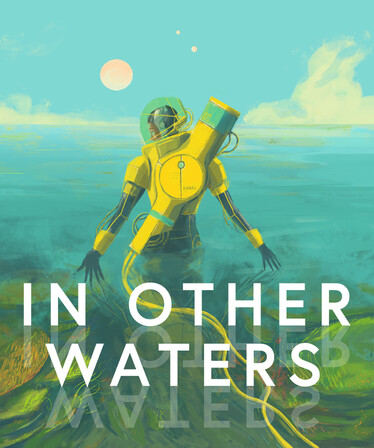
In Other Waters
Play as an Artificial Intelligence guiding a stranded xenobiologist through a beautiful and mysterious alien ocean. A non-violent sci-fi story, enter a world of wonder, fear and vulnerability, unraveling the history and ecology of an impossible planet. What will you discover together?

Haven Park
Be Flint, who is doing his best to keep his grandma's park up and running and make it a place for the campers to enjoy. Learn the camper's wishes and build whatever their hearts desire to attract even more quirky characters and look forward to whimsical conversations and quests.


The Flame in the Flood
A rogue-like river journey through the backwaters of a forgotten post-societal America. Forage, craft, evade predators.

AER Memories of Old
Transform into a bird and fly to explore and experience a vibrant world of floating islands in the sky. Venture down into lost ancient ruins where each step leads you closer to the end of the world.
Frequently Asked Questions
GIRLS MADE PUDDING is currently priced at 9.75€ on Steam.
No, GIRLS MADE PUDDING is currently not on sale. You can purchase it for 9.75€ on Steam.
Yes, GIRLS MADE PUDDING received 826 positive votes out of a total of 869 achieving a rating of 8.92.
😎
GIRLS MADE PUDDING was developed by Kazuhide Oka and published by KAMITSUBAKI STUDIO.
Yes, GIRLS MADE PUDDING is playable and fully supported on Windows.
Yes, GIRLS MADE PUDDING is playable and fully supported on MacOS.
No, GIRLS MADE PUDDING is not playable on Linux.
Yes, GIRLS MADE PUDDING is playable on Steam Deck, though it might require a few minor tweaks. Make sure to check the Steam store page and community feedback on ProtonDB for exact compatibility details.
Yes, GIRLS MADE PUDDING is playable and fully supported on Steam Machine.
No, GIRLS MADE PUDDING does not support VR.
GIRLS MADE PUDDING is a single-player game.
Yes, there is a DLC available for GIRLS MADE PUDDING. Explore additional content available for GIRLS MADE PUDDING on Steam.
No, GIRLS MADE PUDDING does not support mods via Steam Workshop.
No, GIRLS MADE PUDDING does not support Steam Remote Play.
Yes, GIRLS MADE PUDDING is enabled for Steam Family Sharing. This means you can share the game with authorized users from your Steam Library, allowing them to play it on their own accounts. For more details on how the feature works, you can read the original Steam Family Sharing announcement or visit the Steam Family Sharing user guide and FAQ page.
You can find solutions or submit a support ticket by visiting the Steam Support page for GIRLS MADE PUDDING.
Data sources
The information presented on this page is sourced from reliable APIs to ensure accuracy and relevance. We utilize the Steam API to gather data on game details, including titles, descriptions, prices, and user reviews. This allows us to provide you with the most up-to-date information directly from the Steam platform.
Additionally, we incorporate data from the SteamSpy API, which offers insights into game sales and player statistics. This helps us present a comprehensive view of each game's popularity and performance within the gaming community.
Last Updates| Steam data | 26 September 2026 05:19 UTC |
|---|---|
| SteamSpy data | 15 October 2026 19:22 UTC |
| Steam price | 26 October 2026 20:22 UTC |
| Steam reviews | 22 October 2026 15:53 UTC |
If you'd like to dive deeper into the details about GIRLS MADE PUDDING, we invite you to check out a few dedicated websites that offer extensive information and insights. These platforms provide valuable data, analysis, and user-generated reports to enhance your understanding of the game and its performance.
- SteamDB - A comprehensive database of everything on Steam about GIRLS MADE PUDDING
- SteamCharts - Analysis of GIRLS MADE PUDDING concurrent players on Steam
- ProtonDB - Crowdsourced reports on Linux and Steam Deck GIRLS MADE PUDDING compatibility

Game modes
Features
Online players
6
Developer
Kazuhide Oka
Publisher
KAMITSUBAKI STUDIO
Release
09 Apr 2025
Platforms