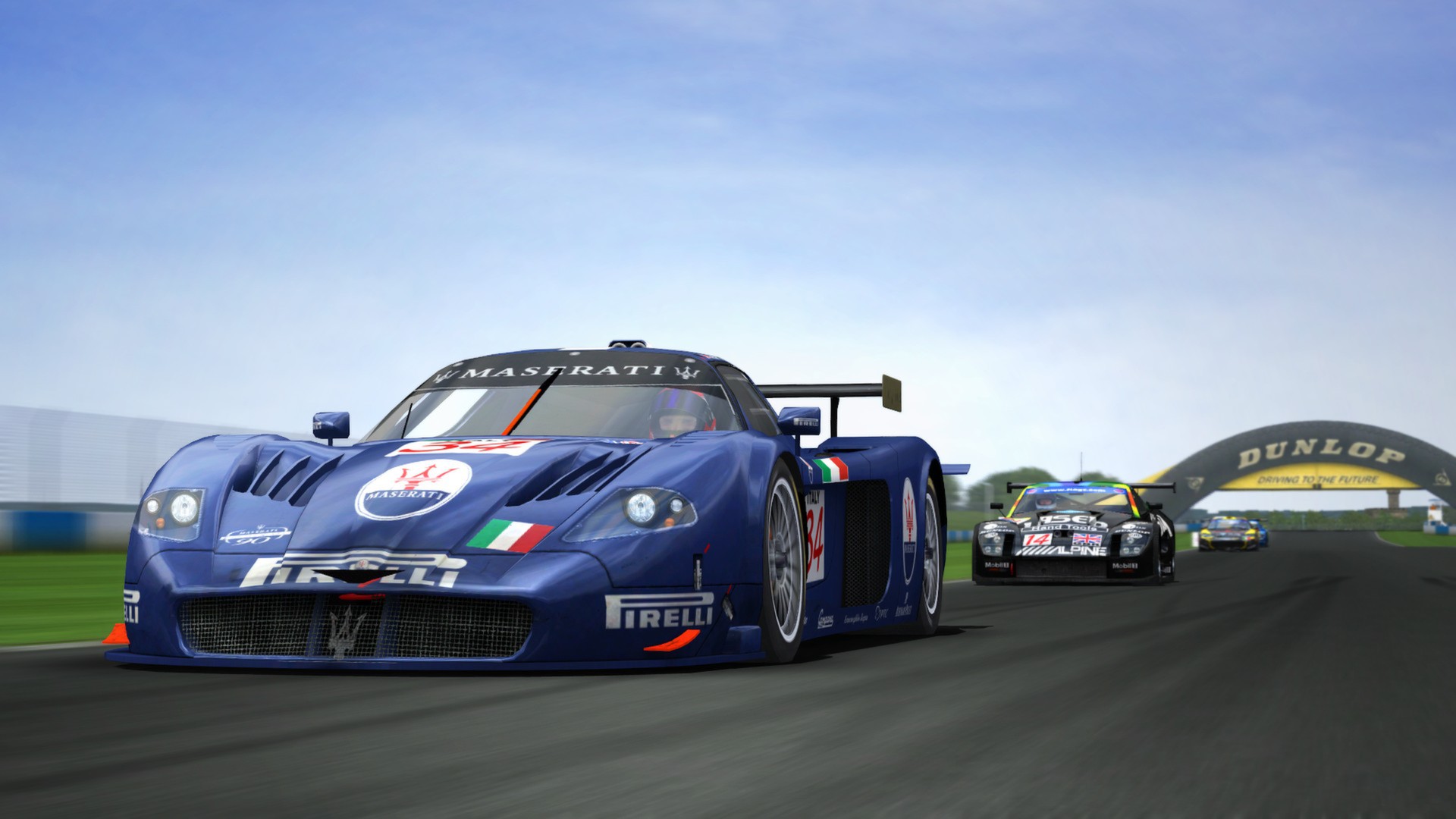
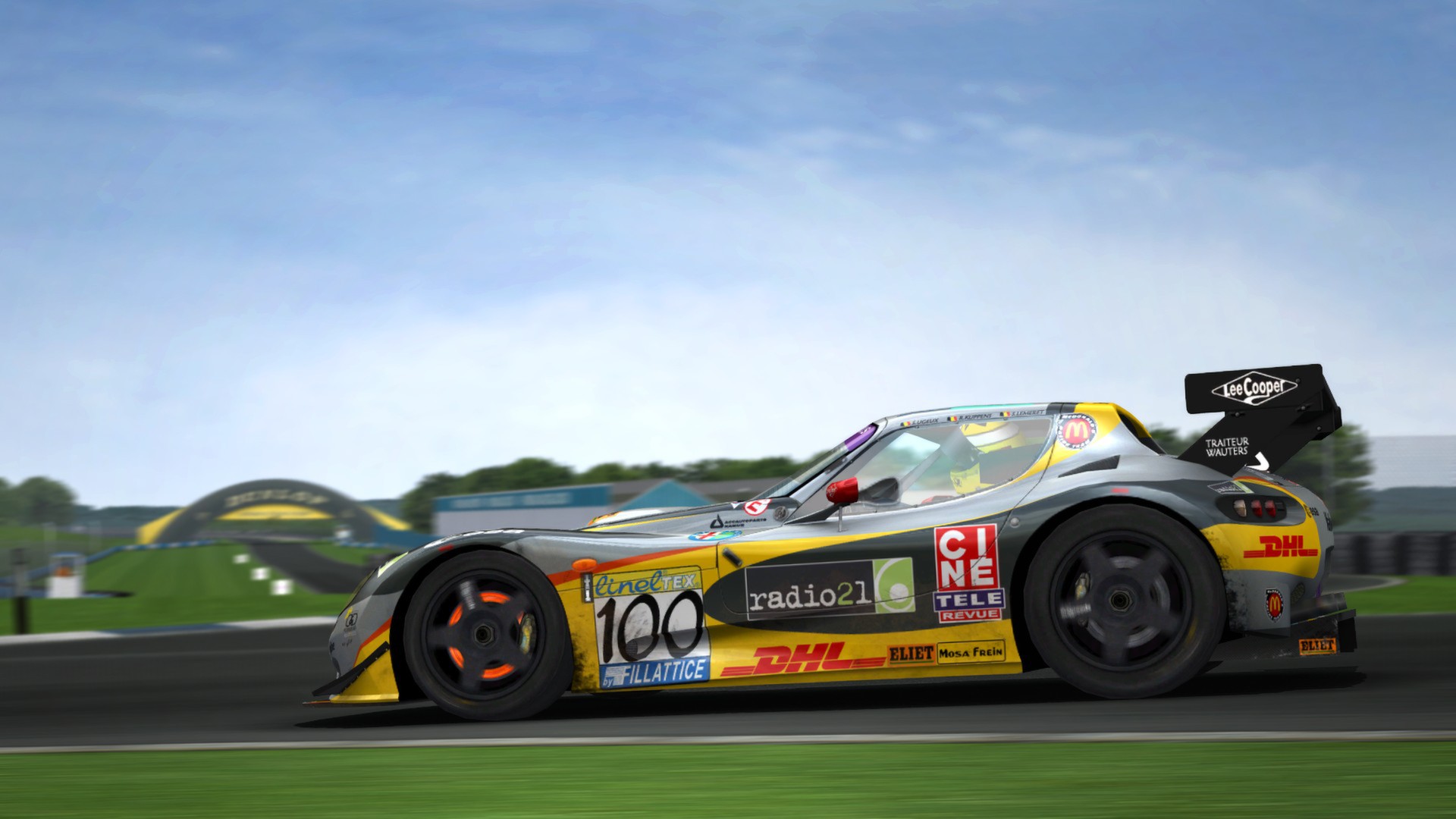
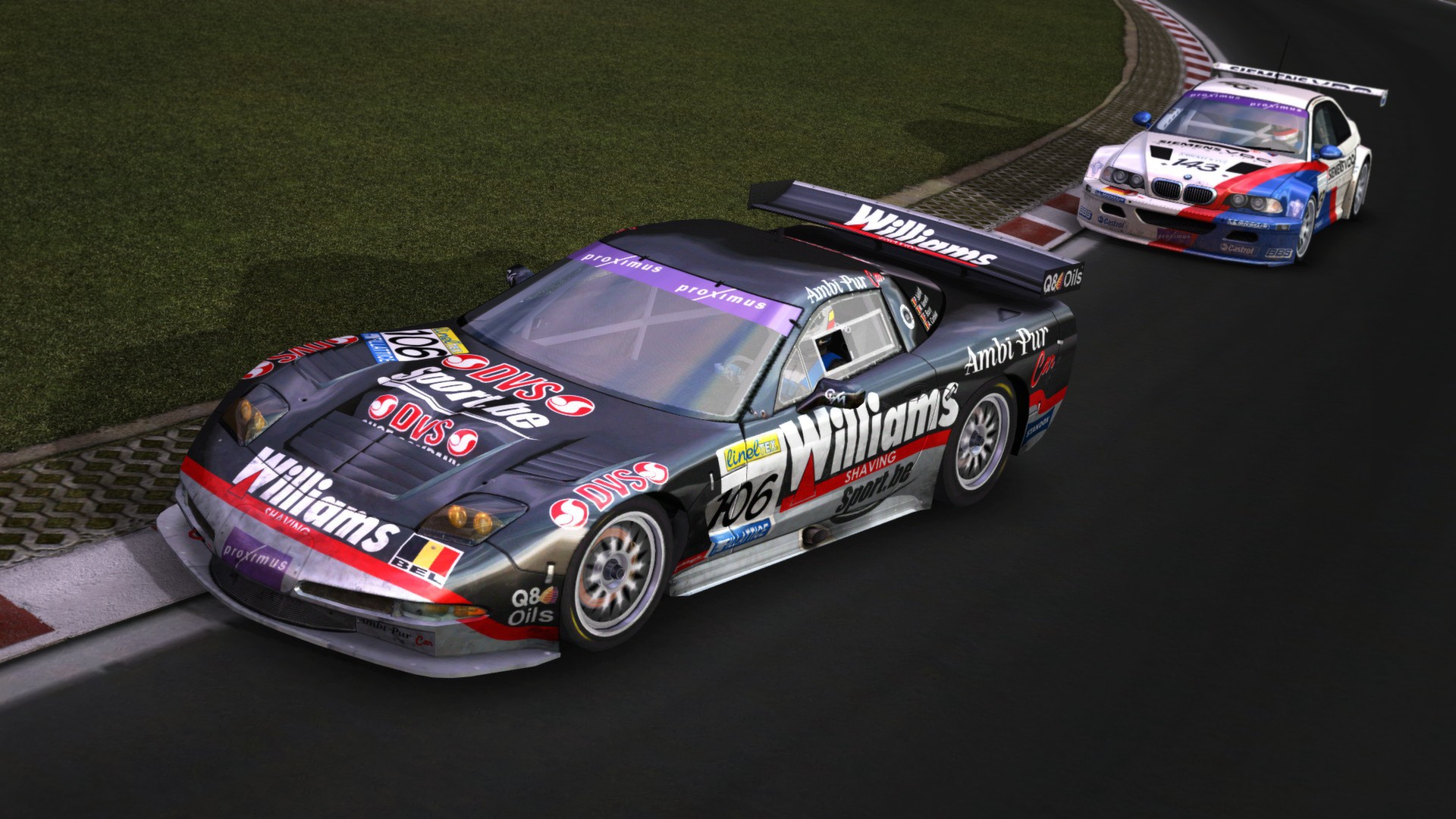
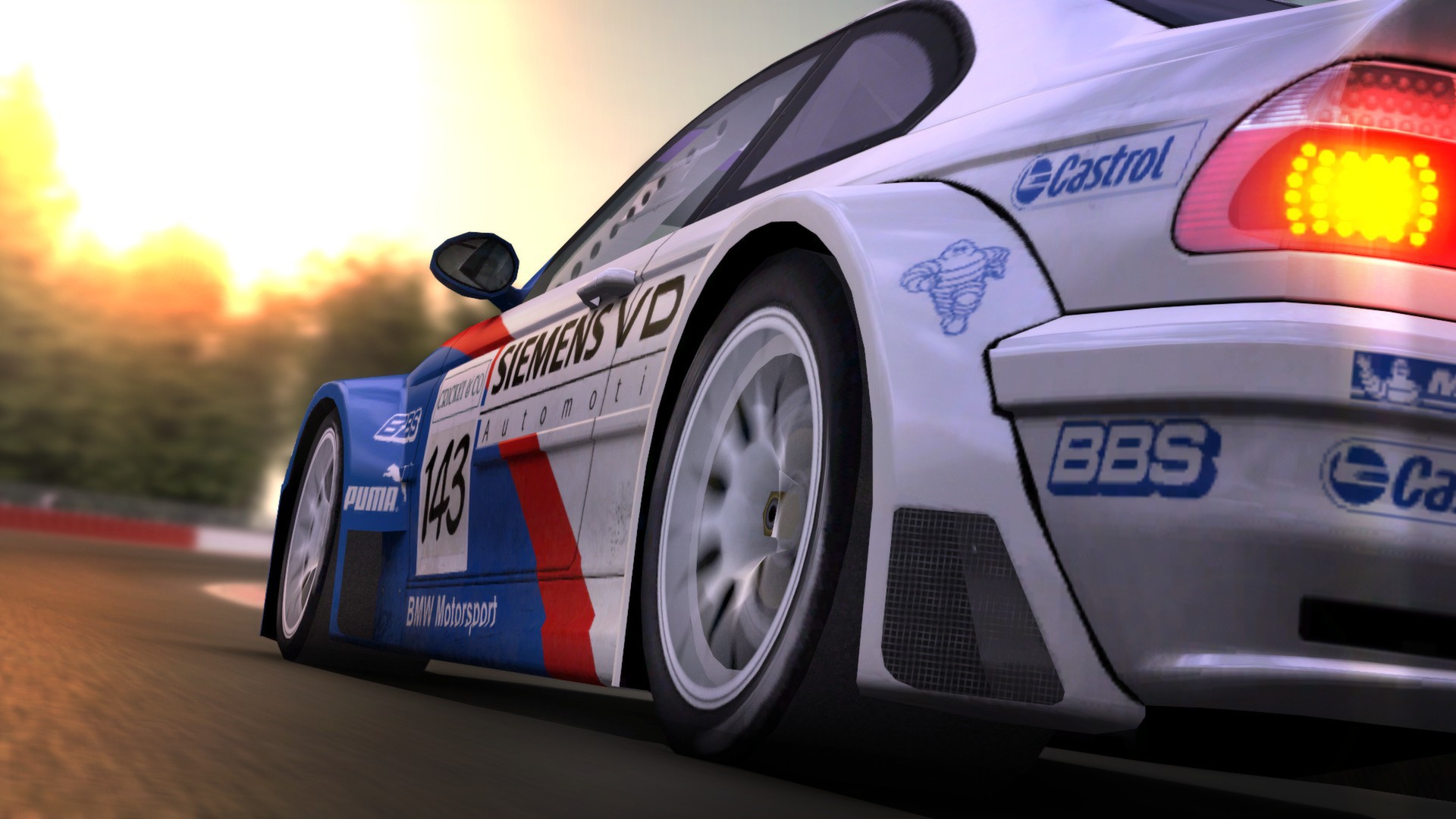
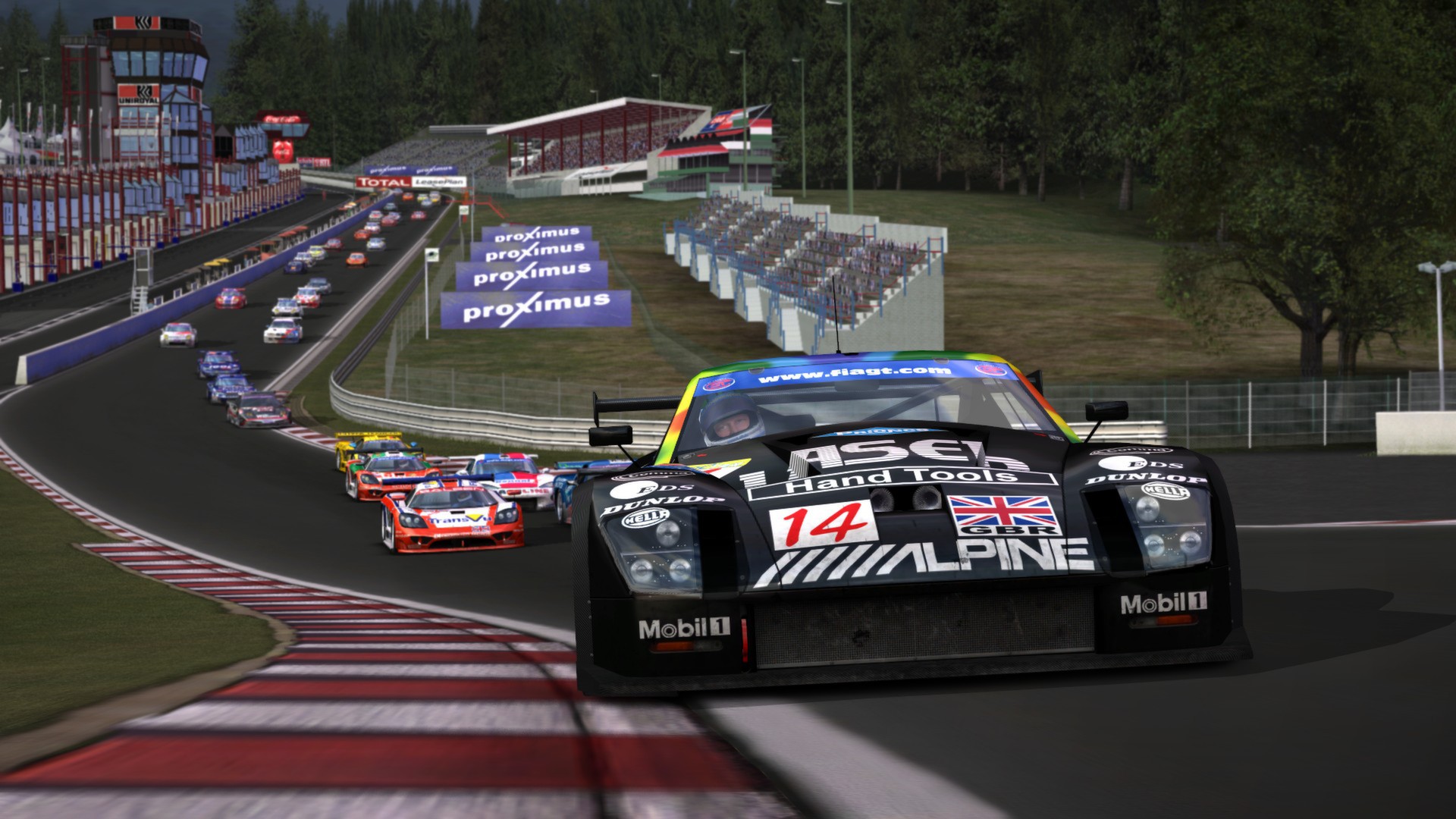
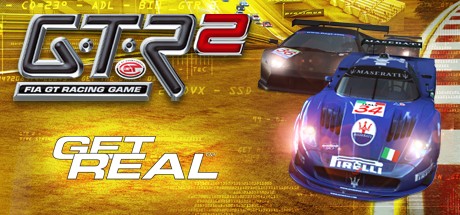
GTR 2 - FIA GT Racing Game stands as one of the most respected and enduring PC racing simulators ever released, representing the peak of SimBin Studios AB’s philosophy of uncompromising realism and motorsport authenticity. Designed as a direct evolution of the original GTR, this sequel expands every aspect of the experience, capturing the intensity, strategy, and discipline of professional GT racing with a level of depth that still commands admiration years later. Rather than chasing cinematic spectacle or arcade accessibility, GTR 2 dedicates itself to replicating what it actually feels like to compete in FIA GT racing, making it a title that rewards patience, precision, and genuine racing skill. At the core of GTR 2 is its commitment to realistic driving physics. Cars behave as heavy, mechanical machines governed by grip limits, aerodynamics, tire temperature, and suspension geometry rather than scripted handling tricks. Every input matters: braking too late overheats tires, aggressive throttle application can destabilize the rear, and poor corner exits compound over the length of a lap. The physics model encourages smooth, deliberate driving and punishes sloppy technique, making clean laps deeply satisfying. This approach shines brightest when played with a racing wheel and pedals, but even with a gamepad, the simulation communicates a tangible sense of vehicle mass and traction that defines its identity. The car roster is extensive and meticulously curated, covering the FIA GT and NGT classes from the early-2000s championships. Iconic manufacturers such as Ferrari, Porsche, BMW, Lamborghini, Maserati, and Saleen are represented with multiple entries, each behaving distinctly on track. These differences are not cosmetic; switching cars often requires rethinking braking points, racing lines, and setup philosophy entirely. Learning a new car feels like learning a new discipline, reinforcing the idea that mastery comes from adaptation rather than memorization. Track selection and environmental simulation elevate the racing experience further. GTR 2 includes a wide range of circuits faithfully recreated from real-world venues, and many feature multiple layouts to reflect different race configurations. Dynamic weather and time progression add strategic complexity, particularly in endurance events where daylight fades into night and conditions evolve gradually rather than abruptly. Racing through dusk into darkness, managing headlights, tire wear, and pit strategy, creates a sense of immersion that few racing games of its era could match. Game modes are built to support both accessibility and long-term mastery. Single races and quick championships allow players to jump in, while full championship seasons and endurance events offer marathon experiences that test consistency and focus. The driving school deserves special mention, as it provides structured lessons that teach racing fundamentals such as braking technique, cornering balance, and throttle control. This educational component helps bridge the gap between casual racing fans and full simulation enthusiasts, encouraging skill development rather than simple progression. Artificial intelligence in GTR 2 is competitive and largely believable, capable of applying pressure, defending positions, and capitalizing on player mistakes. Races feel dynamic rather than scripted, with AI drivers responding to on-track situations in ways that demand respect and awareness. While not flawless, the AI contributes significantly to the sense of realism and challenge, especially in longer races where consistency and racecraft matter more than outright pace. Visually, GTR 2 reflects its mid-2000s origins, but its clarity and functional design still serve the simulation well. Car models and track geometry prioritize accurate proportions and readability over visual excess, making it easier to judge speed, braking distances, and apexes. Lighting and weather effects, particularly during night racing, still convey atmosphere effectively, even if textures and interface elements feel dated by modern standards. Sound design complements the visuals with engine notes that communicate RPM and load clearly, reinforcing immersion through audio feedback. One of GTR 2’s greatest strengths lies in its longevity, driven largely by its passionate modding community. Over the years, players have expanded the game far beyond its original scope, adding new cars, historical seasons, modern GT content, and additional tracks. These community efforts have kept the simulator relevant and fresh, allowing it to coexist alongside much newer racing titles rather than being replaced by them. GTR 2 does demand commitment. Its learning curve is steep, and success comes through practice, setup experimentation, and disciplined driving rather than instant gratification. Multiplayer, while still possible through communities and leagues, is no longer plug-and-play, requiring coordination and dedication. These factors make the game less approachable for casual players, but they also define its lasting appeal among simulation purists. Ultimately, GTR 2 – FIA GT Racing Game remains a benchmark for serious sim racing. It embodies a design philosophy centered on authenticity, challenge, and respect for motorsport, delivering an experience that values skill over spectacle. While its age is evident in presentation and convenience, the heart of the simulation remains powerful and deeply rewarding. For players seeking a pure, demanding, and historically grounded GT racing experience, GTR 2 continues to stand as a classic that fully earns its reputation within the sim racing community. Rating: 8/10
Expand the review