


Commander Cool 2
Commander Cool 2 is a four player local coop retro-styled adventure that is destined to be one of coolest game in 2015!
Sync your Steam wishlist to find the lowest game prices instantly. No login required, just paste your Steam profile URL!
⚡ Try Wishlist Radar!
Sync your Steam wishlist to find the lowest game prices instantly. No login required!
⚡ Try Wishlist Radar!
Close

Gunman Clive on Steam
Quick menu
In the year of 18XX, the west is overrun by thugs and outlaws. A group of bandits have kidnapped Mayor Johnsons daughter and are spreading havok across the land. Only Gunman Clive can bring order to the west and save the girl!Jump and shoot your way across 16 diverse and challenging levels and fight massive bosses.
Gunman Clive is a indie, action and western game
developed and published by Hörberg Productions.
Released on January 03rd 2014 is available only on Windows.
It has received 785 reviews of which 687 were positive and 98 were negative resulting in a rating of 8.3 out of 10. 😎
The game is currently priced at 1.99€ on Steam.
The Steam community has classified Gunman Clive into these genres:
Media & Screenshots
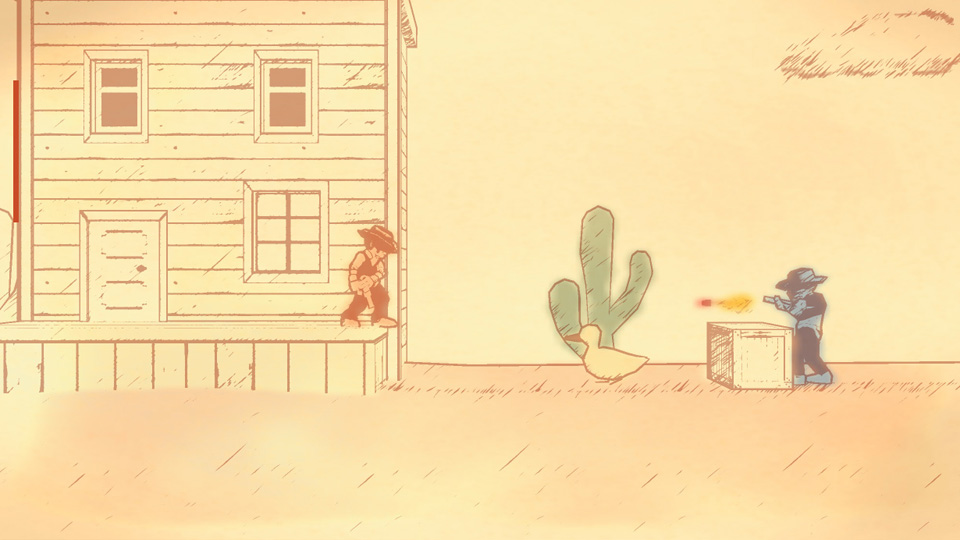
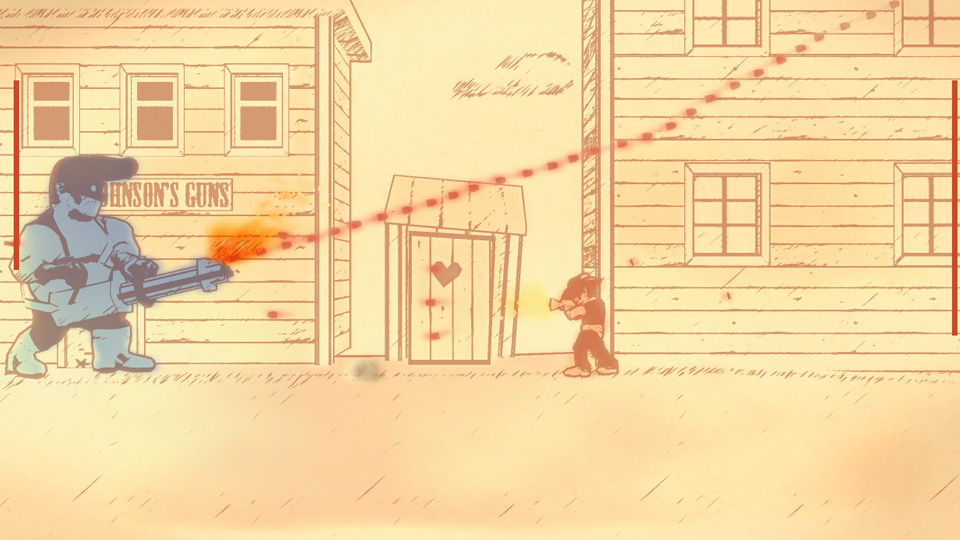
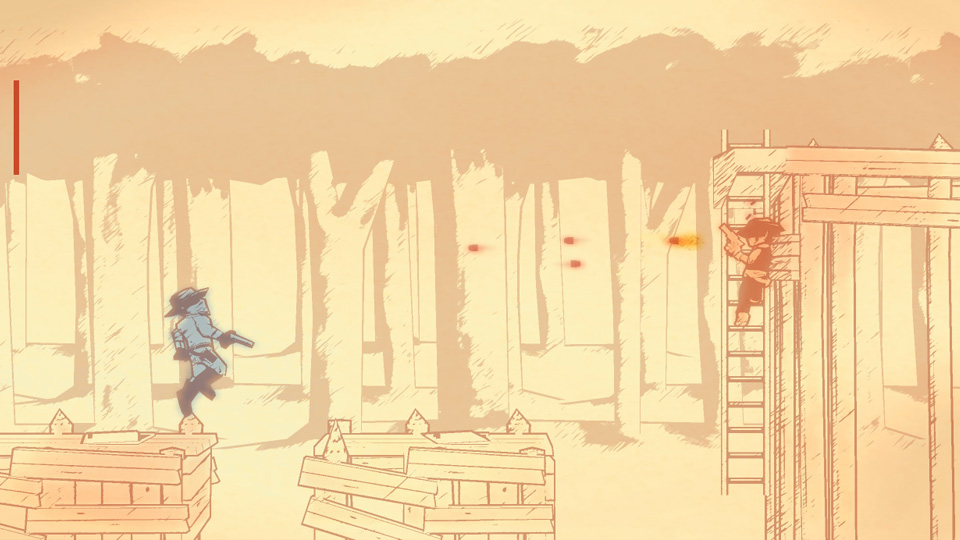
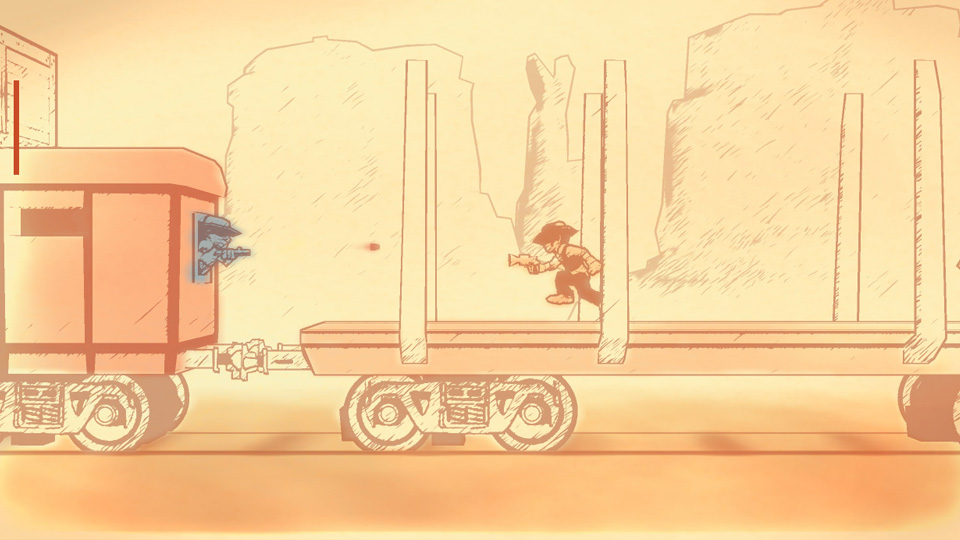
Get an in-depth look at Gunman Clive through various videos and screenshots.

System requirements
These are the minimum specifications needed to play the game. For the best experience, we recommend that you verify them.
Windows
- OS *: Windows XP SP2
- Processor: 2 GHz
- Memory: 1 GB RAM
- Graphics: OpenGL 2.0
- Storage: 150 MB available space
Steam Price & Best Deals
User reviews & Ratings
Explore reviews from Steam users sharing their experiences and what they love about the game.
An underrated indie platformer from the mid-2010s. I like this better than the sequel because it's a little more forgiving when aiming for the One Credit achievement. It definitely gives you everything you could do with this setting. The final level definitely jumps the shark in terms of worldbuilding, but that can be forgiven with the cartoony tone of the game. Grab your six shooter and jump in.
Gunman Clive, developed and published by Hörberg Productions, is a deceptively simple yet artfully crafted side-scrolling platformer that channels the spirit of classic run-and-gun games while establishing a style and rhythm entirely its own. Set in a whimsical interpretation of the Wild West, it tells the straightforward story of a lone gunslinger on a mission to rescue the mayor’s kidnapped daughter. While that setup might sound like a relic of the 8-bit era, the execution is anything but dated. Gunman Clive takes the essence of old-school platforming—tight controls, clever enemy design, and escalating challenge—and filters it through a minimalist, sketchbook aesthetic that makes every frame look like a hand-drawn piece of motion art. The result is an experience that feels both nostalgic and refreshingly modern, proving that simplicity can be powerful when executed with confidence and vision. The first thing that immediately sets Gunman Clive apart is its presentation. The visual design adopts a sepia-toned, hand-sketched art style that evokes the feeling of a pencil-drawn world come to life. Every character, platform, and bullet looks as though it’s been scribbled onto parchment, giving the game a rustic, almost storybook atmosphere that complements its Western theme beautifully. Rather than relying on bright colors or detailed textures, the game’s subdued palette and clean linework allow its action to stand out clearly, ensuring that movement and gameplay are always the focus. This design choice isn’t just a visual gimmick—it creates a strong identity that distinguishes Gunman Clive from the sea of pixel-art indie platformers that often attempt to capture retro charm. Its simplicity feels deliberate and refined, with an elegance that makes it visually timeless. At its core, Gunman Clive is a run-and-gun platformer in the lineage of classics like Mega Man and Contra, but with a leaner and more deliberate pace. Each level introduces new obstacles, enemies, or environmental twists, maintaining a steady sense of momentum and variety despite its brief runtime. You’ll leap across collapsing bridges, dodge spinning gears, and face foes ranging from outlaws with pistols to bizarre mechanical ducks and jetpack-wielding bandits. The level design is tight and efficient—each stage lasts only a few minutes, yet every one offers something distinct, whether it’s a new enemy type or an inventive platforming challenge. The difficulty curve is tuned just right: forgiving enough for newcomers to enjoy, but precise enough that mastering its jumps and enemy patterns feels rewarding. The game’s controls are one of its greatest strengths. Movement is crisp, responsive, and carefully balanced—your jumps have weight, your shots feel immediate, and every death feels like the result of player error rather than sloppy design. The platforming sequences flow naturally, and even though Gunman Clive is a short game, its pacing ensures that there’s little room for frustration. The occasional boss fights punctuate the journey with a satisfying change of rhythm, forcing you to recognize patterns and time your attacks carefully. These encounters are simple but memorable, standing out not for their complexity but for their clarity and sense of old-school challenge. Beyond its titular hero, Gunman Clive offers multiple playable characters, each with distinct attributes that subtly change the experience. Ms. Johnson, for example, has a slower movement speed but can hover briefly in midair, which adds a new strategic layer to certain levels. There’s also a hidden third character that completely alters how the game is played, offering incentive to replay and experiment. While the total number of levels is modest, the character variety and the scoring system add a surprising amount of replay value. Completionists will find satisfaction in replaying levels for better times or perfect runs, and the game’s brevity actually encourages this—it’s short enough to be conquered in one sitting, but precise enough to invite mastery. The audio design perfectly complements the visual simplicity. The soundtrack blends chiptune energy with Western-inspired motifs, striking a balance between nostalgia and atmosphere. Each track feels tailored to its level’s rhythm, and the music’s upbeat tempo helps maintain focus and excitement. Sound effects are intentionally understated but sharp—the crack of gunfire, the bounce of enemies, and the faint thuds of footsteps all contribute to the sense of tactile responsiveness. Together, the audio and visuals create a cohesive world that feels alive despite its minimalist presentation, an impressive feat for a game developed by such a small team. Perhaps the only real criticism that can be leveled at Gunman Clive is its length. The game can be completed in under two hours, and for some players, that brevity might feel abrupt. However, its low price point and replayable design soften that concern considerably. This is a title that was never meant to be sprawling or exhaustive—it’s a concise experience, honed down to its essentials, with no filler or unnecessary padding. Its compact nature is part of its appeal; it’s the kind of game that can be enjoyed in a single sitting and revisited multiple times for pure mechanical enjoyment. In an era where many games chase content quantity, Gunman Clive stands as a reminder of the strength of focused design and restraint. On a technical level, the game is polished and remarkably well-optimized. It runs smoothly on virtually any system, offering a fluid 60 frames per second performance even on low-end hardware. The controls respond instantly whether using a keyboard or controller, and the minimal loading times make for a seamless experience. These qualities highlight Hörberg Productions’ attention to detail—a hallmark of the developer’s work that would later carry into the sequel and subsequent HD collections. In the end, Gunman Clive is a love letter to classic platformers, filtered through a minimalist and modern lens. It’s short, yes, but every minute of its runtime is purposeful and carefully crafted. The combination of its art style, tight mechanics, and clear sense of identity results in a game that feels polished beyond its modest size. It’s a perfect example of how an indie title can achieve excellence not through scale or spectacle, but through focus and precision. Gunman Clive doesn’t try to reinvent the genre—it simply executes it beautifully, reminding players why tight, creative platforming remains timeless. For anyone who appreciates pure gameplay distilled to its essence, this unassuming gunslinger’s tale stands tall among the best of the modern indie frontier. Rating: 8/10
Similar games
View all
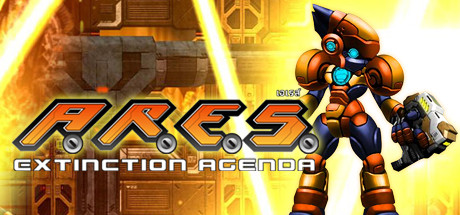
A.R.E.S.: Extinction Agenda
You are the ultimate weapon with an ultimate sidekick – Collect secret items and get power ups to become the perfect weapon.

Azure Striker Gunvolt
A 2D action game featuring a young man with the power of lightning who stands for freedom against the evil ambitions of a massive organization. When lightning strikes, a new legend is born.
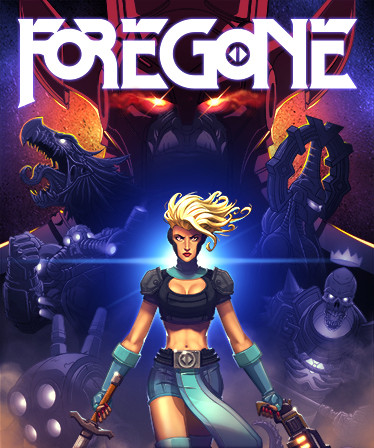
Foregone
Foregone is a fast and fluid 2D action-platformer packed with legendary loot and stunning pixel art. Collect an arsenal of powerful weapons and unravel a compelling story of regret and conspiracy as you slice your way through hordes of enemies to save Calagan.
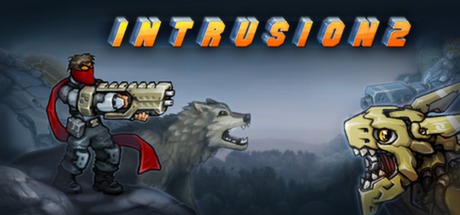
Intrusion 2
"This is some of the most fun I've had with a game so far this year, and it will go down as one of the best side-scrolling shooters of all time." - 9/10, Destructoid
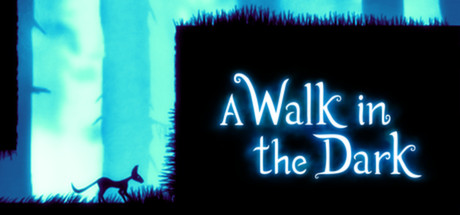
A Walk in the Dark
In this action platformer you play as a cat, Bast, running through a dark fantasy world. You’ll be running, jumping and sliding with smooth and precise controls designed to make you feel like a cat. But it wont be easy. In the dark you never know what lies in the shadows.

Freedom Fall
Freedom Fall is a diabolical down-scrolling platformer set in a prison tower so tall it touches the clouds. Presented with hand painted art, its old school vibe mixes with fast-paced free falling action and a story with both dark wit and heart.
Serious Sam Double D XXL
Pile on the firepower with the revolutionary Gunstacker and fire all your weapons at once in a symphony of destruction!

Mighty Gunvolt
Take control of one of three playable characters (Gunvolt, Ekoro, and Beck) as you blast your way past the baddies in stage after stage of side-scrolling action! Each stage ends with a boss encounter. Defeat the boss to complete the stage.

Call of Tomsk-7
Fight for your life in Call of Tomsk-7, a simple side-scrolling shooter. Horrifying monsters are pouring out of the forgotten and abandoned Soviet-era Tomsk-7 biological weapons facility. You must fight the creatures in a seemingly endless battle of attrition.

Shootout on Cash Island
Bobby from Team HOT GUNS has a job to locate and secure the legendary Money Tree.
Frequently Asked Questions
Gunman Clive is currently priced at 1.99€ on Steam.
No, Gunman Clive is currently not on sale. You can purchase it for 1.99€ on Steam.
Yes, Gunman Clive received 687 positive votes out of a total of 785 achieving a rating of 8.25.
😎
Gunman Clive was developed and published by Hörberg Productions.
Yes, Gunman Clive is playable and fully supported on Windows.
No, Gunman Clive is not playable on MacOS.
No, Gunman Clive is not playable on Linux.
This information about Gunman Clive is not available yet.
This information about Gunman Clive is not available yet.
No, Gunman Clive does not support VR.
Gunman Clive is a single-player game.
No, Gunman Clive does not currently offer any DLC.
No, Gunman Clive does not support mods via Steam Workshop.
No, Gunman Clive does not support Steam Remote Play.
Yes, Gunman Clive is enabled for Steam Family Sharing. This means you can share the game with authorized users from your Steam Library, allowing them to play it on their own accounts. For more details on how the feature works, you can read the original Steam Family Sharing announcement or visit the Steam Family Sharing user guide and FAQ page.
You can find solutions or submit a support ticket by visiting the Steam Support page for Gunman Clive.
Data sources
The information presented on this page is sourced from reliable APIs to ensure accuracy and relevance. We utilize the Steam API to gather data on game details, including titles, descriptions, prices, and user reviews. This allows us to provide you with the most up-to-date information directly from the Steam platform.
Additionally, we incorporate data from the SteamSpy API, which offers insights into game sales and player statistics. This helps us present a comprehensive view of each game's popularity and performance within the gaming community.
Last Updates| Steam data | 23 September 2026 14:18 UTC |
|---|---|
| SteamSpy data | 15 October 2026 20:57 UTC |
| Steam price | 27 October 2026 20:06 UTC |
| Steam reviews | 22 October 2026 15:59 UTC |
If you'd like to dive deeper into the details about Gunman Clive, we invite you to check out a few dedicated websites that offer extensive information and insights. These platforms provide valuable data, analysis, and user-generated reports to enhance your understanding of the game and its performance.
- SteamDB - A comprehensive database of everything on Steam about Gunman Clive
- SteamCharts - Analysis of Gunman Clive concurrent players on Steam
- ProtonDB - Crowdsourced reports on Linux and Steam Deck Gunman Clive compatibility

Game modes
Features
Online players
0
Developer
Hörberg Productions
Publisher
Hörberg Productions
Release
03 Jan 2014
Platforms
Clicking and buying through these links helps us earn a commission to maintain our services.