
Honey, I Joined a Cult
It's time to start working towards that ultimate goal of enlightenment, faith and money…lots and lots of money! Become the ultimate tycoon - create, customise, and manage your own cult whilst listening to funky music. Welcome to Honey, I Joined a Cult!
Sync your Steam wishlist to find the lowest game prices instantly. No login required, just paste your Steam profile URL!
⚡ Try Wishlist Radar!
Sync your Steam wishlist to find the lowest game prices instantly. No login required!
⚡ Try Wishlist Radar!
Close

Gunsmith on Steam
Quick menu
Build up your own arms manufacturing company. Find your factory, buy resources, produce a wide range of military equipment to sell to the highest bidder. Good or bad? That's up to you, who you do business with is your choice. Don't ask, don't tell, get paid. After all, war is about making money.
Gunsmith is a immersive sim, management and base-building game
developed and published by SCT.
Released on May 25th 2018 is available on Windows, Steam Deck and Steam Machine.
It has received 1,017 reviews of which 751 were positive and 266 were negative resulting in a rating of 7.1 out of 10. 😊
The game is currently priced at 17.50€ on Steam.
The Steam community has classified Gunsmith into these genres:
Media & Screenshots
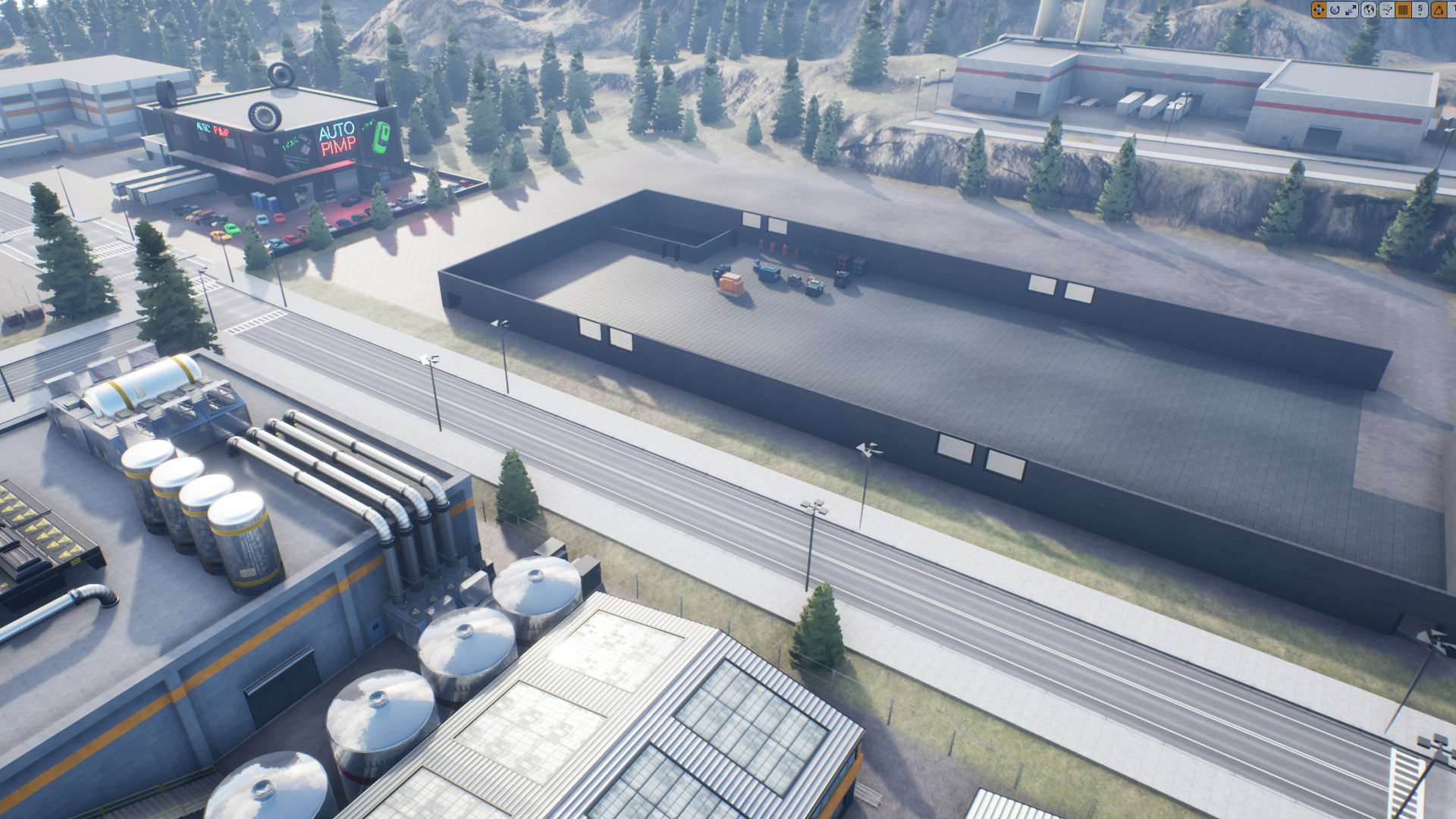
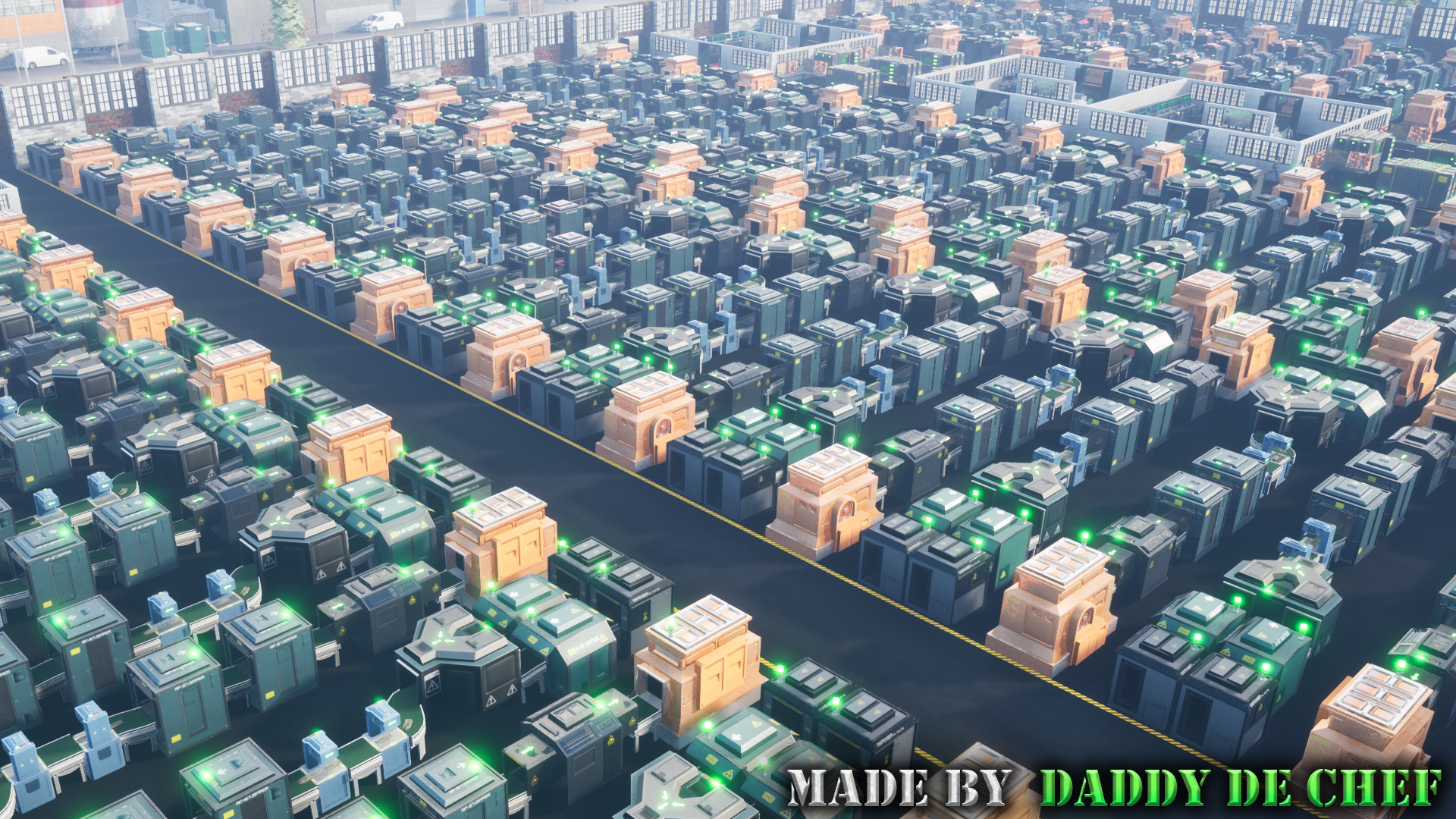
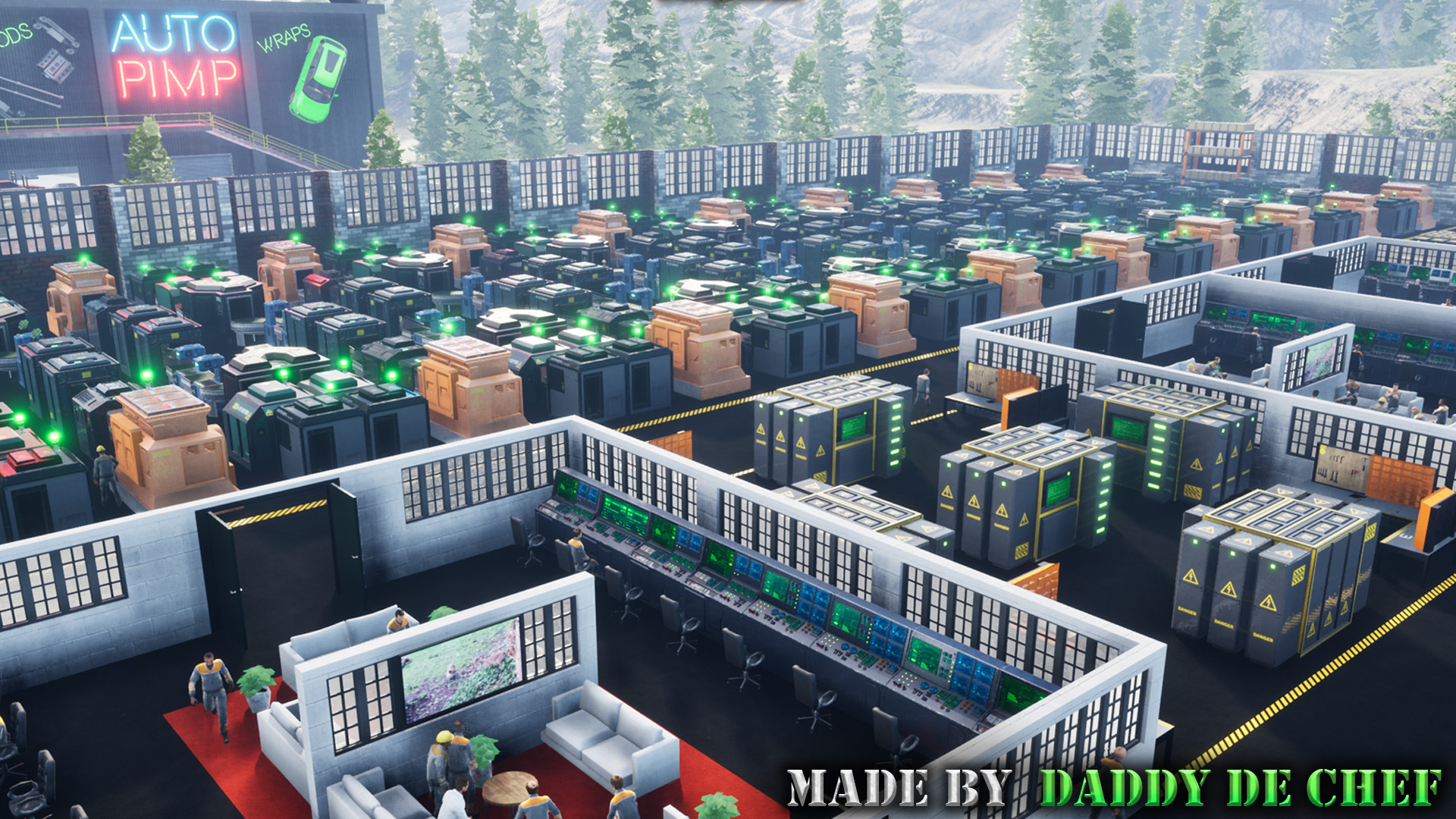
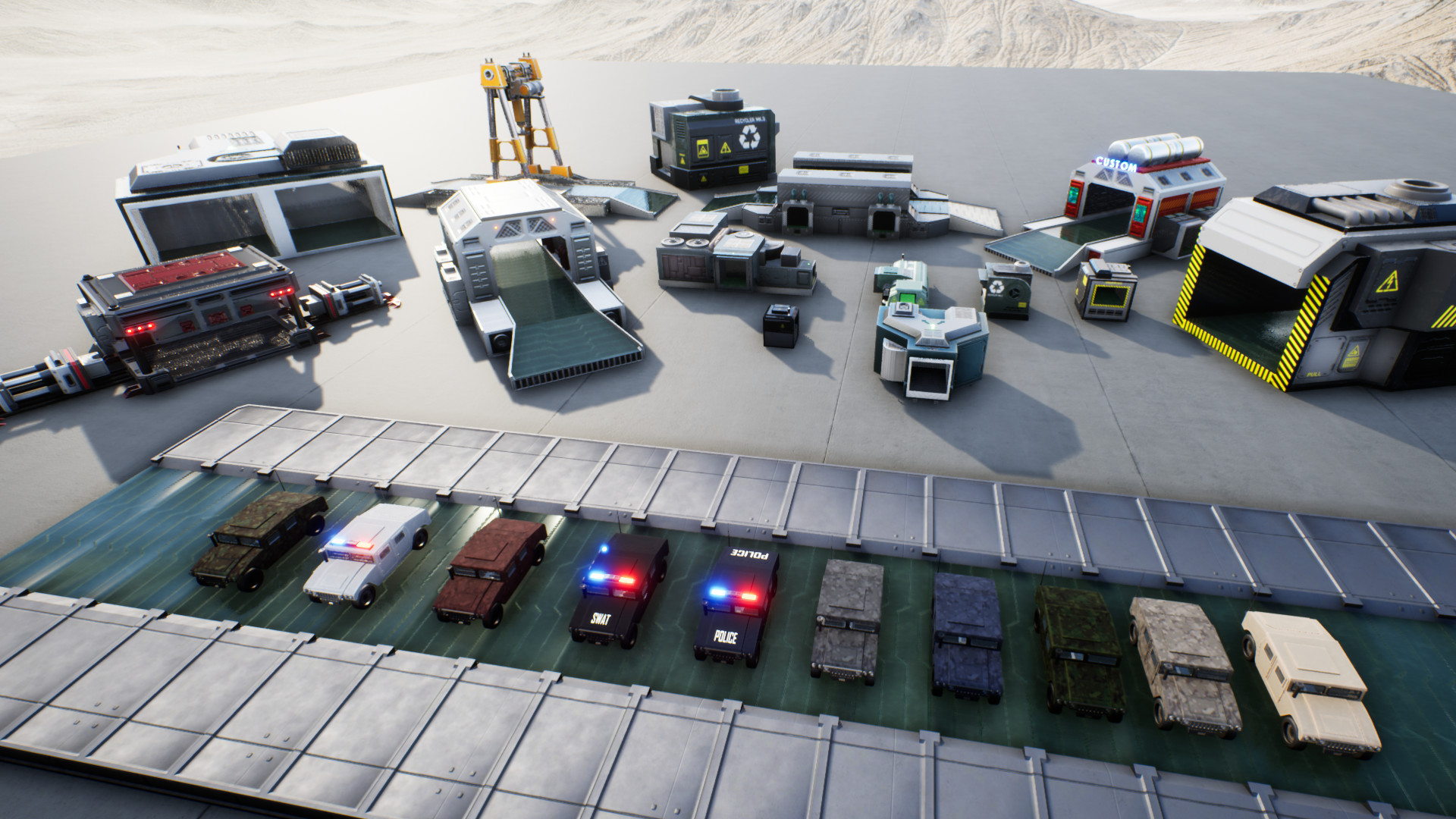
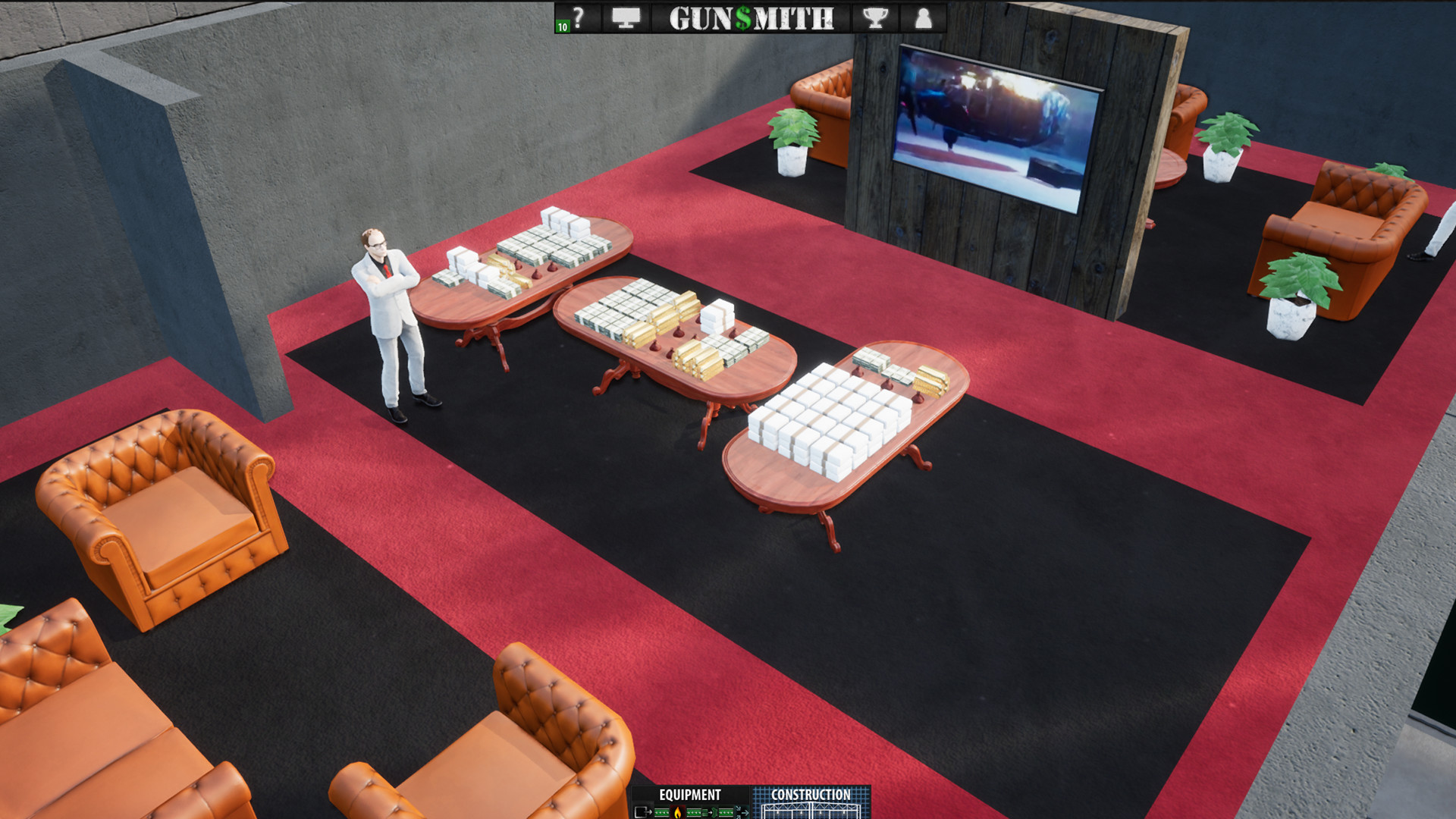
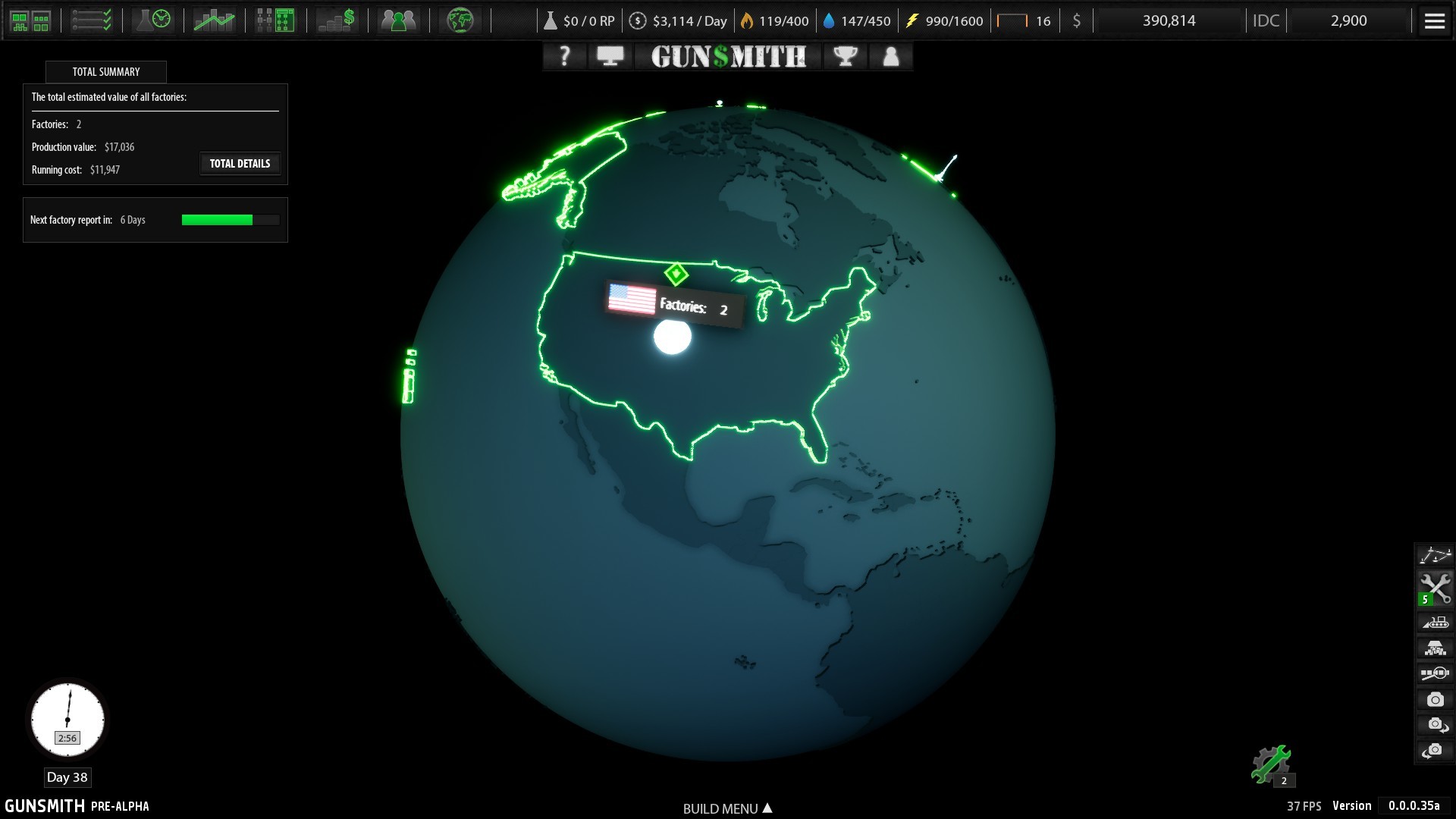
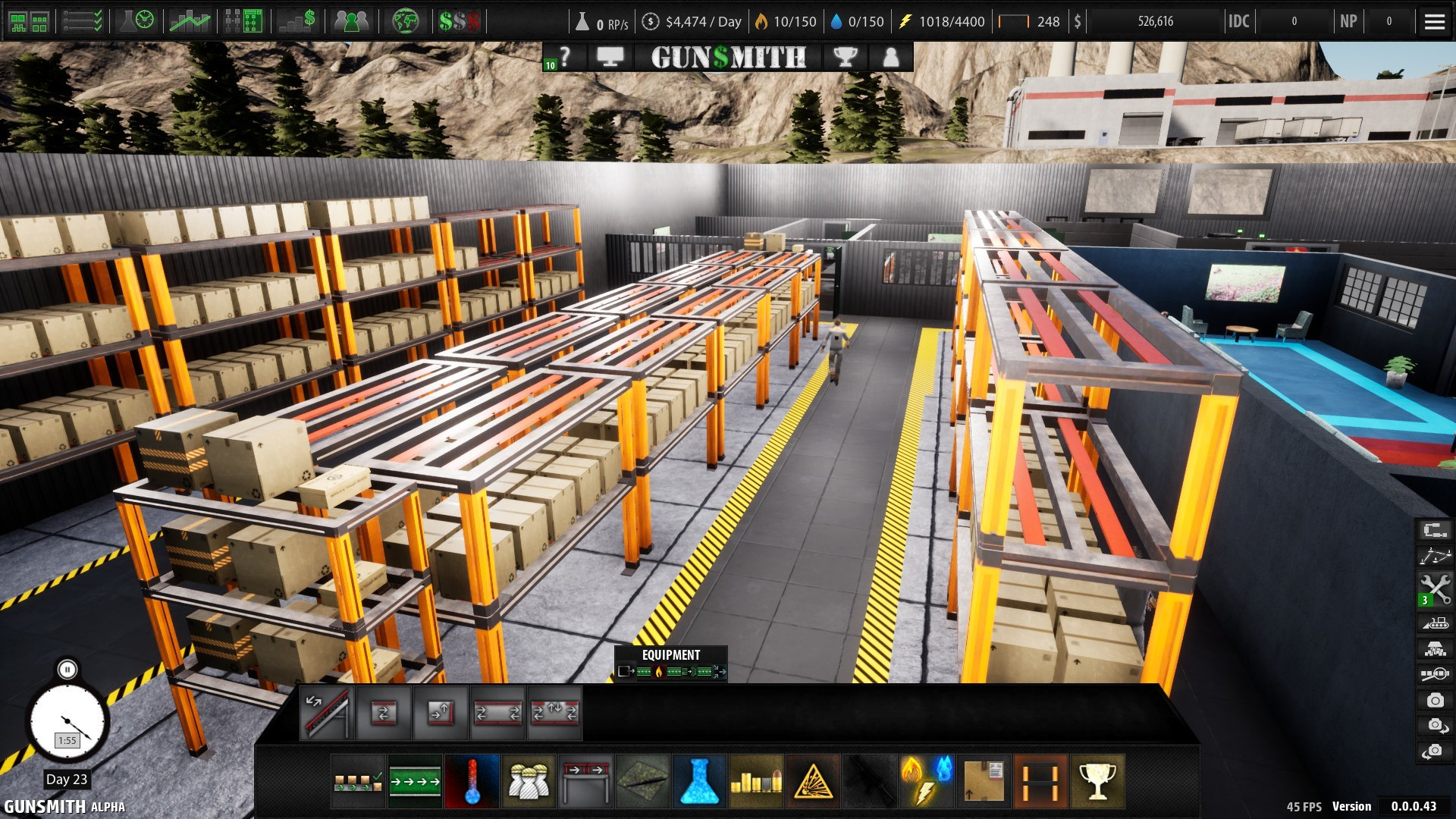
Get an in-depth look at Gunsmith through various videos and screenshots.


Load More





System requirements
These are the minimum specifications needed to play the game. For the best experience, we recommend that you verify them.
Windows
- Requires a 64-bit processor and operating system
- OS *: 64-bit Windows 7, Windows 8.1, Windows 10
- Processor: Intel Core i3-4340 / AMD FX-6300
- Memory: 6 GB RAM GB RAM
- Graphics: nVidia GeForce GTX 660 2GB / AMD Radeon HD 7850 2GB
- DirectX: Version 11
- Storage: 5 GB available space
Steam Price & Best Deals
User reviews & Ratings
Explore reviews from Steam users sharing their experiences and what they love about the game.
Great game to pass time. Machine design/organization starts to play a big part as you progress to larger items. Assets looks really cool and detailed with multiple different models and color schemes on Humvees and IFVs. Multiple different countries to house your Factories along with multiple factory designs. Overall really fun game.
Gunsmith is a factory management and production simulation that places players on the industrial side of the weapons business rather than on a battlefield. Developed and published by SCT, it revolves around creating a manufacturing company, acquiring materials, setting up machinery, organizing production lines, fulfilling orders, and gradually transforming a small operation into a much larger industrial enterprise. The military theme provides a distinctive backdrop, but the actual gameplay is primarily about logistics, automation, economics, and efficient factory design. The most engaging aspect is building the factory itself. Production requires more than simply selecting an item from a menu and waiting for it to finish. Players arrange machines and work areas while considering how materials will travel through different manufacturing stages. Early factories can be relatively simple, but expansion introduces increasingly complicated logistical problems. A layout that works adequately at a small scale may become inefficient once additional machines, products, and storage requirements are introduced. Reorganizing these systems becomes an important part of progression, and successfully eliminating a troublesome production bottleneck can be surprisingly satisfying. Automation provides much of the long-term motivation. Repetitive manufacturing tasks gradually become opportunities to create streamlined processes that require less direct supervision. The pleasure comes from seeing an inefficient collection of machines evolve into an interconnected manufacturing system capable of consistently producing goods. Players interested in optimization can spend considerable time adjusting layouts, improving material flow, expanding production capacity, and finding more effective ways to use available factory space. It captures the appealing feeling of constructing something complicated and then watching that system operate according to the player's planning. The economic side complements the building mechanics. Raw materials cost money, machinery represents an investment, and production ultimately needs to generate enough revenue to justify expansion. Contracts and customers provide reasons to manufacture particular goods, encouraging players to consider profitability alongside production capacity. Expanding too quickly can create logistical headaches or unnecessary expenses, while refusing to invest can restrict the factory's earning potential. This balance between spending, manufacturing, and earning gives the simulation more purpose than simply constructing machinery for its own sake. An unusual feature of the concept is the ethical undertone attached to the player's business. The products leaving the factory are military goods, meaning lucrative customers are purchasing equipment with potentially destructive purposes. Gunsmith does not constantly lecture the player about this subject, but the premise introduces a darker element to otherwise familiar business-management mechanics. The pursuit of profit can therefore carry an uncomfortable implication, giving the game's economy a personality that distinguishes it from simulations centered on harmless consumer products. Visually, Gunsmith prioritizes practicality over spectacle. Machines, production spaces, stored resources, and manufacturing activity are represented directly within the factory, allowing players to observe how their operation functions. Seeing goods progress through an actual production setup makes improvements feel tangible. The industrial presentation suits the subject, although the overall interface and visual polish can sometimes reveal the project's smaller-scale origins. It is functional enough for the management systems, but players expecting the refinement of a major modern factory simulator may notice rougher elements. The game also carries some of the inconsistencies associated with its Early Access development history. Its ambition is evident in the combination of construction, manufacturing, automation, inventory management, economics, and contract-based progression, but individual components do not always feel equally refined. Certain interactions can be cumbersome, and learning how everything fits together may require patience. Players comfortable experimenting with systems are likely to tolerate these imperfections more easily than those looking for an exceptionally polished and tightly guided management experience. Steam Workshop support is a useful addition because community-created material fits naturally with a sandbox-oriented factory game. Achievements, statistics, Steam Cloud functionality, trading cards, and Family Sharing provide additional platform features around the main single-player experience. None of these fundamentally changes the core simulation, but they make the overall package more complete, particularly for players interested in extending their time with the game through community content and experimentation. Steam Deck compatibility is rated Playable rather than Verified. The game can function on the handheld and its graphics configuration is suitable for the device, while the interface text remains readable. The main limitation is control convenience. Some interactions are better suited to keyboard and mouse, and players may encounter keyboard or mouse prompts while playing. Certain situations can also require touchscreen interaction, manually opening the virtual keyboard, or using a community controller configuration. Gunsmith is therefore usable on Steam Deck, but its detailed factory construction and management interface generally feels more comfortable on a traditional PC setup. The greatest strength of Gunsmith is the satisfaction generated by gradual industrial improvement. Starting with a relatively basic facility and turning it into a productive automated factory creates a rewarding sense of ownership. Every badly positioned machine or inefficient material route becomes a problem that can potentially be solved through better planning. Players who enjoy observing systems, identifying weaknesses, reorganizing layouts, and increasing efficiency will find considerably more value here than players attracted purely by the weapons theme. Overall, Gunsmith is an interesting management simulation with a recognizable identity. Its combination of factory construction, production chains, automation, resource management, contracts, and morally questionable commerce creates something more unusual than its straightforward industrial appearance initially suggests. Rough edges prevent it from reaching the level of the most polished factory simulators, yet the underlying manufacturing loop can remain compelling once the production network starts expanding. It is best suited to patient players who enjoy experimentation and optimization and who do not mind working around occasional limitations in presentation and controls. Rating: 7/10
I love this game.... but it does often go a long time in-between updates. I have been playing since 2020. It's a conveyor hell (factorio) meets, trading/shop sim, meets crime boss mini sim. I hope they keep developing and don't fully abandon..... I have played through until final stages many times. The bridge and pathfinding bugs are the most annoying, but found I could "work around" them with more spacing in my factory design by keeping at least three spaces between things.
Similar games
View all

Gym Manager
Gym Manager is a simulation game where you can build, expand and manage your own gym. To attract more customers, invest in new equipment and sabotage your competition. But beware: the town's shady streets provide opportunities for illegal business ventures.

Weed Supermarket Simulator
Weed Supermarket Simulator is a chill store sim where you grow weed, develop new strains, set prices, and keep your shelves stocked. Expand your business and optimize it for maximum profit. Manage employees, handle inventory, and turn your shop into a high-performing business.

Mr. Prepper
Mr. Prepper is about being prepared. You know something is wrong. The risk of a nuclear war is in the air and you need to get ready for what's coming.

Mad Games Tycoon
Form your own game studio set in the early 1980s in a small garage. Develop your own game ideas, create a team and develop megahit video games. Research new technologies, train your staff and upgrade your office space, going from a lowly garage to a huge building. Expand your business and dominate the world market for video games!

Mad Smartphone Tycoon
Build Your smartphone Empire in Mad Smartphone Tycoon, your main goal in this game is to create the ultimate smartphone that combines both performance and aesthetics. Expand your company, dominate the global market, become a tycoon in the world of mobile phones!

Tavern Tycoon - Dragon's Hangover
Run your fantasy RPG tavern - let travellers take shelter for the night and serve 'em the best mead of their life with a good dose of humor.

Blackthorn Arena: Reforged
Re-experience the thrill and challenges of managing a Gladiator arena in this management/simulation game. With new content, new graphics, Quality of Life updates, and all DLCs packed into this new experience, this is how Blackthorn Arena was meant to be experienced.

King of Retail
The store is your kingdom! Expand your humble boutique into a thriving business: hire the right staff, decorate your displays, and lure in customers. Even your wildest ideas can turn a profit. Why not start a business that sells only white T-shirts and ketchup? PCs and beans? Your rule, your rules!

Rec Center Tycoon - Management Simulator
Design, build and manage a recreation center! Host fitness classes, build swimming pools, arcade & entertainment areas, build event rooms to host parties & much more. With endless customisation, Rec Center Tycoon goes much more in-depth than your average business management simulator.

Smart Factory Tycoon: Beginnings
This is a free version of Smart Factory Tycoon, a game inspired by Little Big Workshop introducing the first productions. Smart Factory Tycoon is a tycoon management game where you design your dream factory with robots, plan all steps of production, research new technologies and become a tycoon!

Rise of Industry
Put your entrepreneurial skills to the test in the first title in the ROI series as you create & optimise intricate production lines. As an early 20th-Century industrialist, grow your empire & adapt to an ever-changing business landscape with unexpected events that could lead to boom…or bust.
Frequently Asked Questions
Gunsmith is currently priced at 17.50€ on Steam.
No, Gunsmith is currently not on sale. You can purchase it for 17.50€ on Steam.
Yes, Gunsmith received 751 positive votes out of a total of 1,017 achieving a rating of 7.09.
😊
Gunsmith was developed and published by SCT.
Yes, Gunsmith is playable and fully supported on Windows.
No, Gunsmith is not playable on MacOS.
No, Gunsmith is not playable on Linux.
Yes, Gunsmith is playable on Steam Deck, though it might require a few minor tweaks. Make sure to check the Steam store page and community feedback on ProtonDB for exact compatibility details.
Yes, Gunsmith is playable on Steam Machine, though it might require a few minor tweaks. Make sure to check the Steam store page and community feedback on ProtonDB for exact compatibility details.
No, Gunsmith does not support VR.
Gunsmith is a single-player game.
No, Gunsmith does not currently offer any DLC.
Yes, Gunsmith is fully integrated with Steam Workshop. Visit Steam Workshop.
No, Gunsmith does not support Steam Remote Play.
Yes, Gunsmith is enabled for Steam Family Sharing. This means you can share the game with authorized users from your Steam Library, allowing them to play it on their own accounts. For more details on how the feature works, you can read the original Steam Family Sharing announcement or visit the Steam Family Sharing user guide and FAQ page.
You can find solutions or submit a support ticket by visiting the Steam Support page for Gunsmith.
Data sources
The information presented on this page is sourced from reliable APIs to ensure accuracy and relevance. We utilize the Steam API to gather data on game details, including titles, descriptions, prices, and user reviews. This allows us to provide you with the most up-to-date information directly from the Steam platform.
Additionally, we incorporate data from the SteamSpy API, which offers insights into game sales and player statistics. This helps us present a comprehensive view of each game's popularity and performance within the gaming community.
Last Updates| Steam data | 15 September 2026 20:14 UTC |
|---|---|
| SteamSpy data | 24 October 2026 00:42 UTC |
| Steam price | 26 October 2026 20:00 UTC |
| Steam reviews | 20 October 2026 17:51 UTC |
If you'd like to dive deeper into the details about Gunsmith, we invite you to check out a few dedicated websites that offer extensive information and insights. These platforms provide valuable data, analysis, and user-generated reports to enhance your understanding of the game and its performance.
- SteamDB - A comprehensive database of everything on Steam about Gunsmith
- SteamCharts - Analysis of Gunsmith concurrent players on Steam
- ProtonDB - Crowdsourced reports on Linux and Steam Deck Gunsmith compatibility

Game modes
Features
Online players
2
Developer
SCT
Publisher
SCT
Release
25 May 2018
Platforms