
SENRAN KAGURA Peach Beach Splash
The buxom shinobi of SENRAN KAGURA are back, and they've traded their katanas for water guns in this Third-Person Splasher! Customize your team, lead them through battles across a sprawling single-player campaign, or go online and take on teams worldwide. Come on in; the water's great!
Sync your Steam wishlist to find the lowest game prices instantly. No login required, just paste your Steam profile URL!
⚡ Try Wishlist Radar!
Sync your Steam wishlist to find the lowest game prices instantly. No login required!
⚡ Try Wishlist Radar!
Close

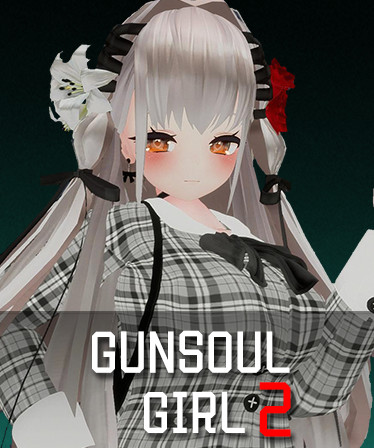
GunSoul Girl 2 on Steam
Quick menu
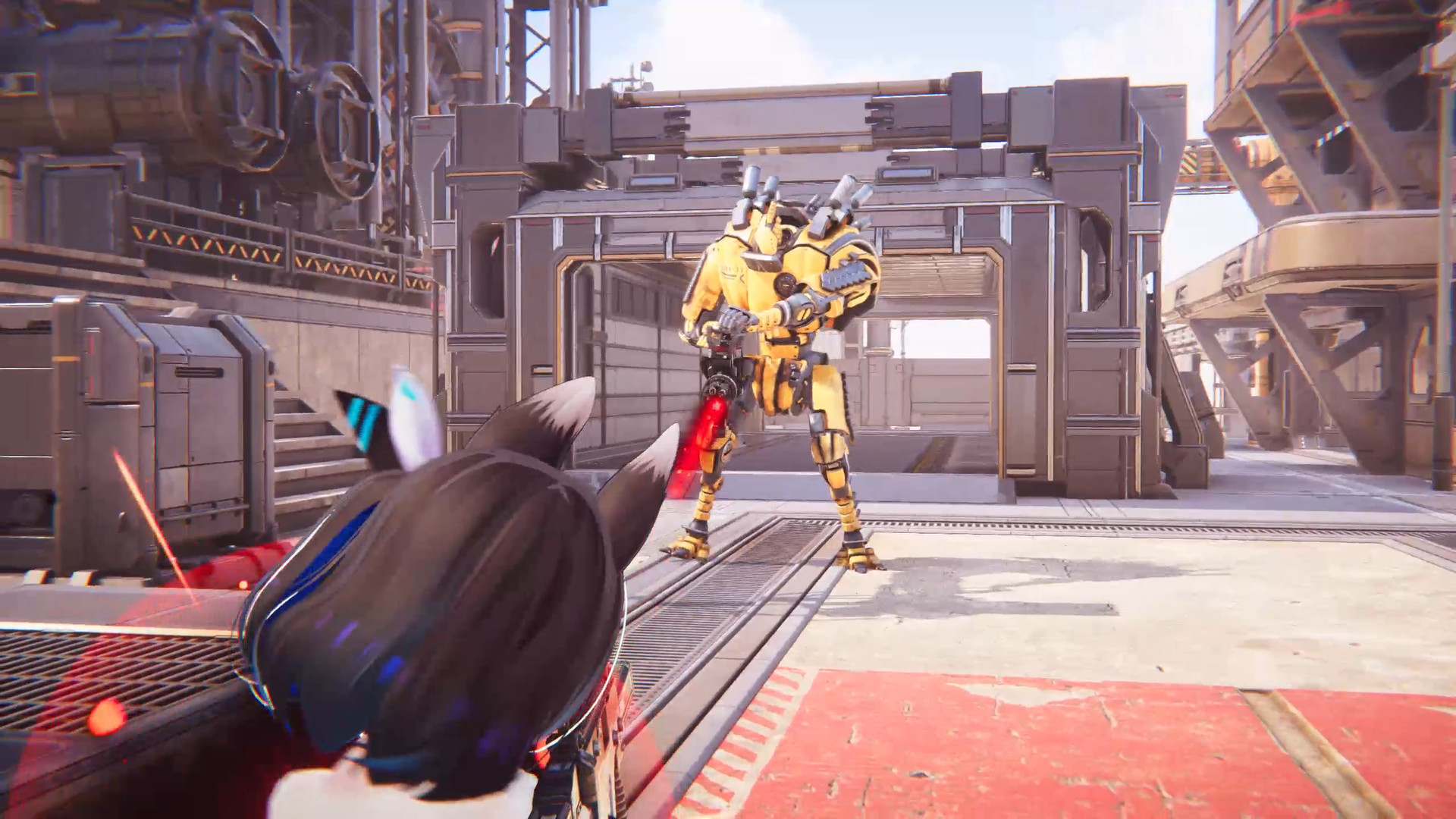
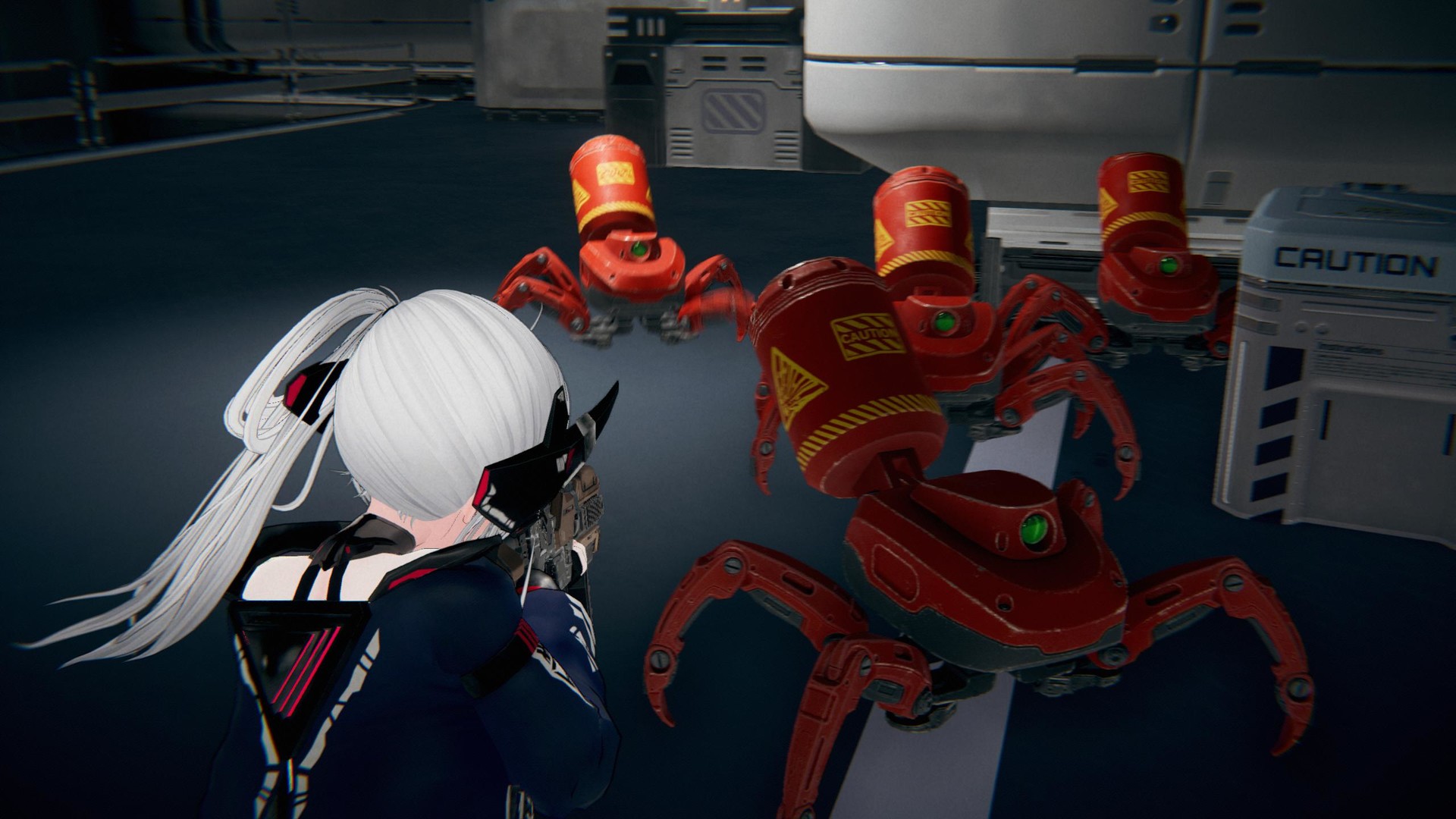
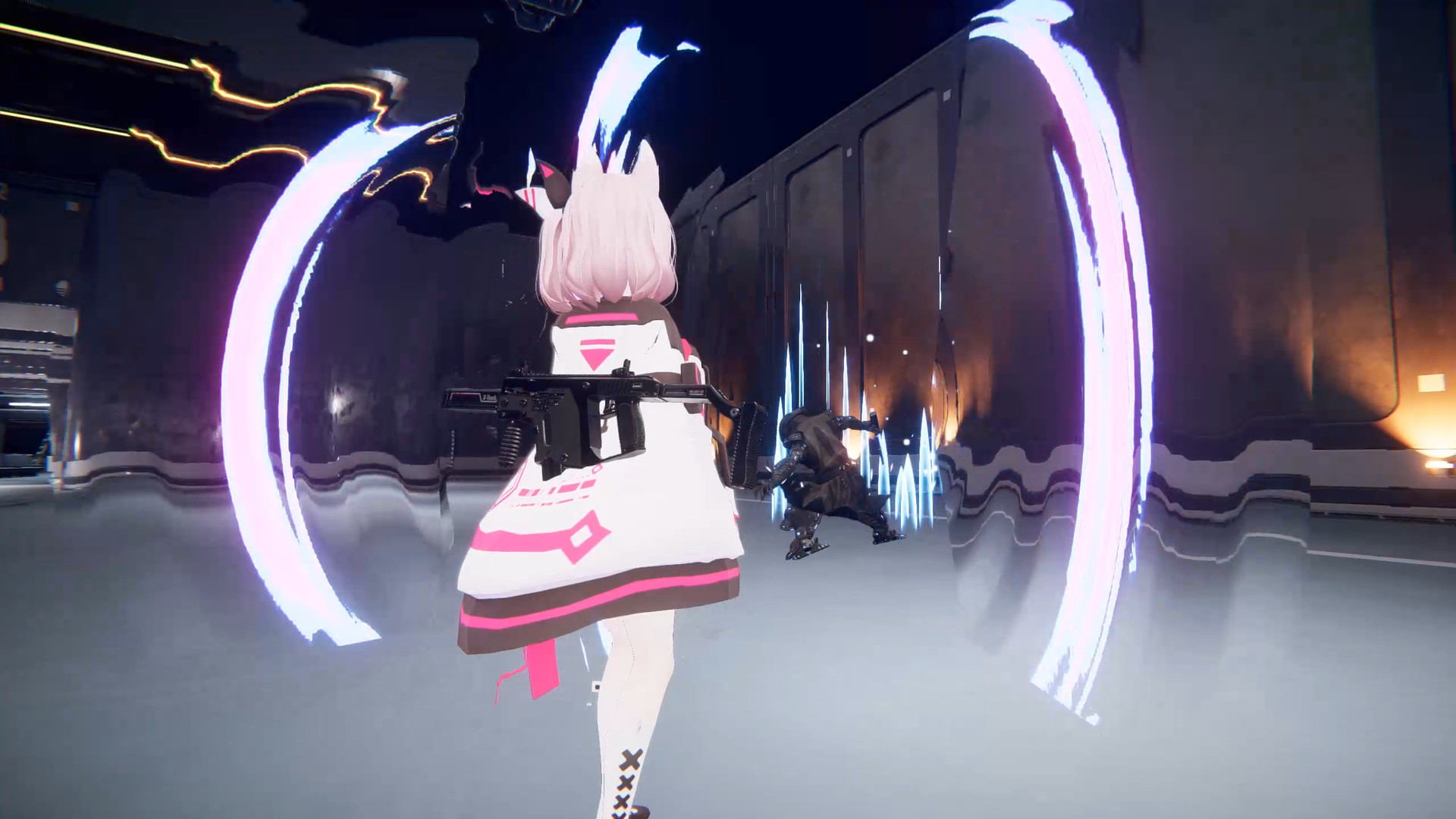
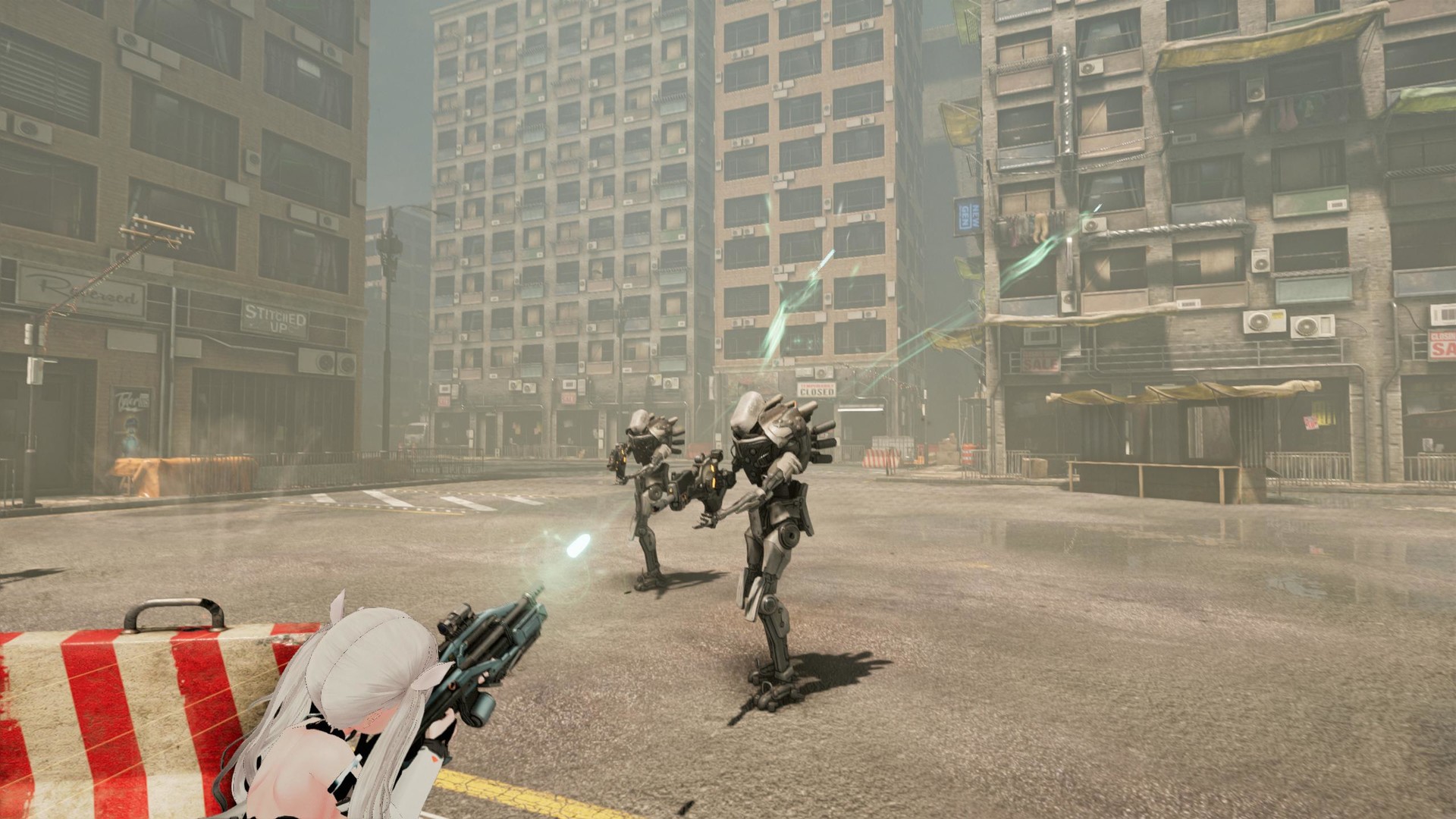
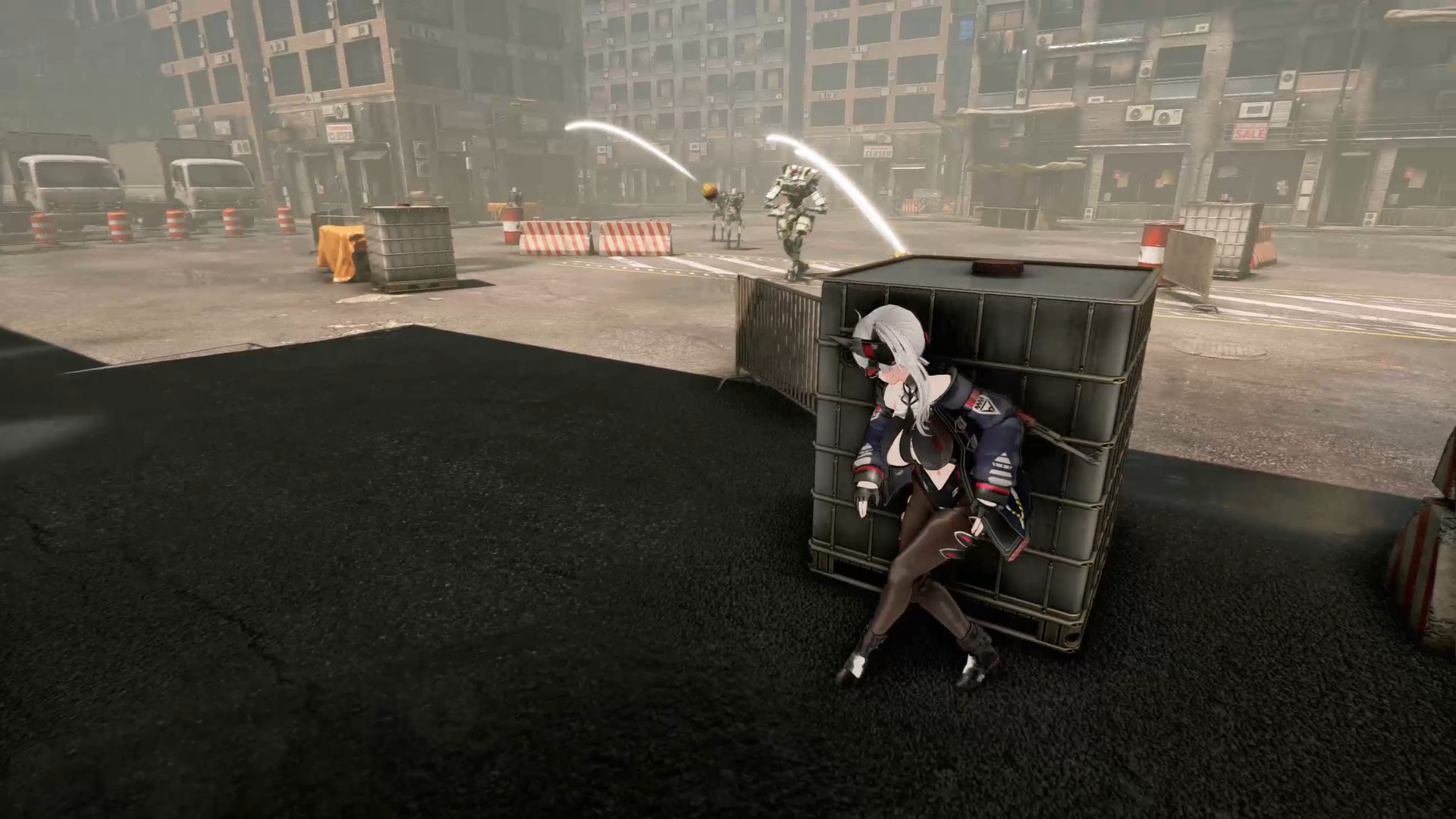
This is a third-person shooting game.The story takes place in the future world, because of the doomsday worldview caused by the proliferation of artificial intelligence viruses. You will use the gunsoul girls to complete missions and fight against evil organizations, mutant monsters and more.
GunSoul Girl 2 is a female protagonist, shooter and third-person shooter game
developed by MoeGame
and published by HyperStar Group.
Released on March 30th 2023 is available on Windows and Steam Machine
in 2 languages: English and Simplified Chinese.
It has received 940 reviews of which 686 were positive and 254 were negative resulting in a rating of 7.0 out of 10. 😊
The game is currently priced at 9.75€ on Steam.
The Steam community has classified GunSoul Girl 2 into these genres:
Female Protagonist
Shooter
Third-Person Shooter
Anime
Singleplayer
Sci-fi
Action-Adventure
Post-apocalyptic
Futuristic
Robots
RPG
Modern
Adventure
Cyberpunk
Combat
Action
Early Access
Indie
Here is the detailed breakdown of supported languages for GunSoul Girl 2:
| UI | Subtitle | Audio | |
|---|---|---|---|
| English | |||
| Simplified Chinese |
Media & Screenshots
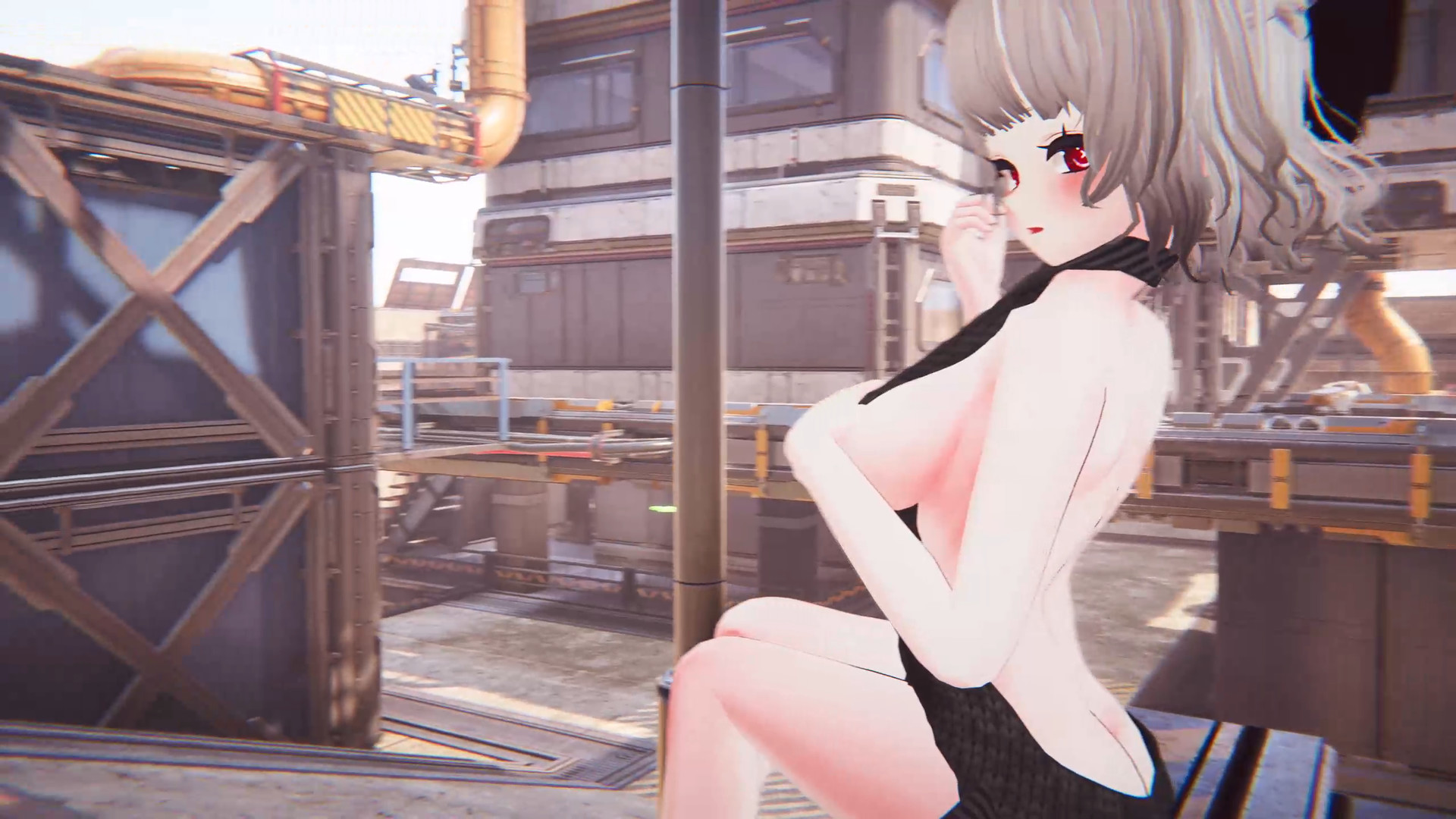
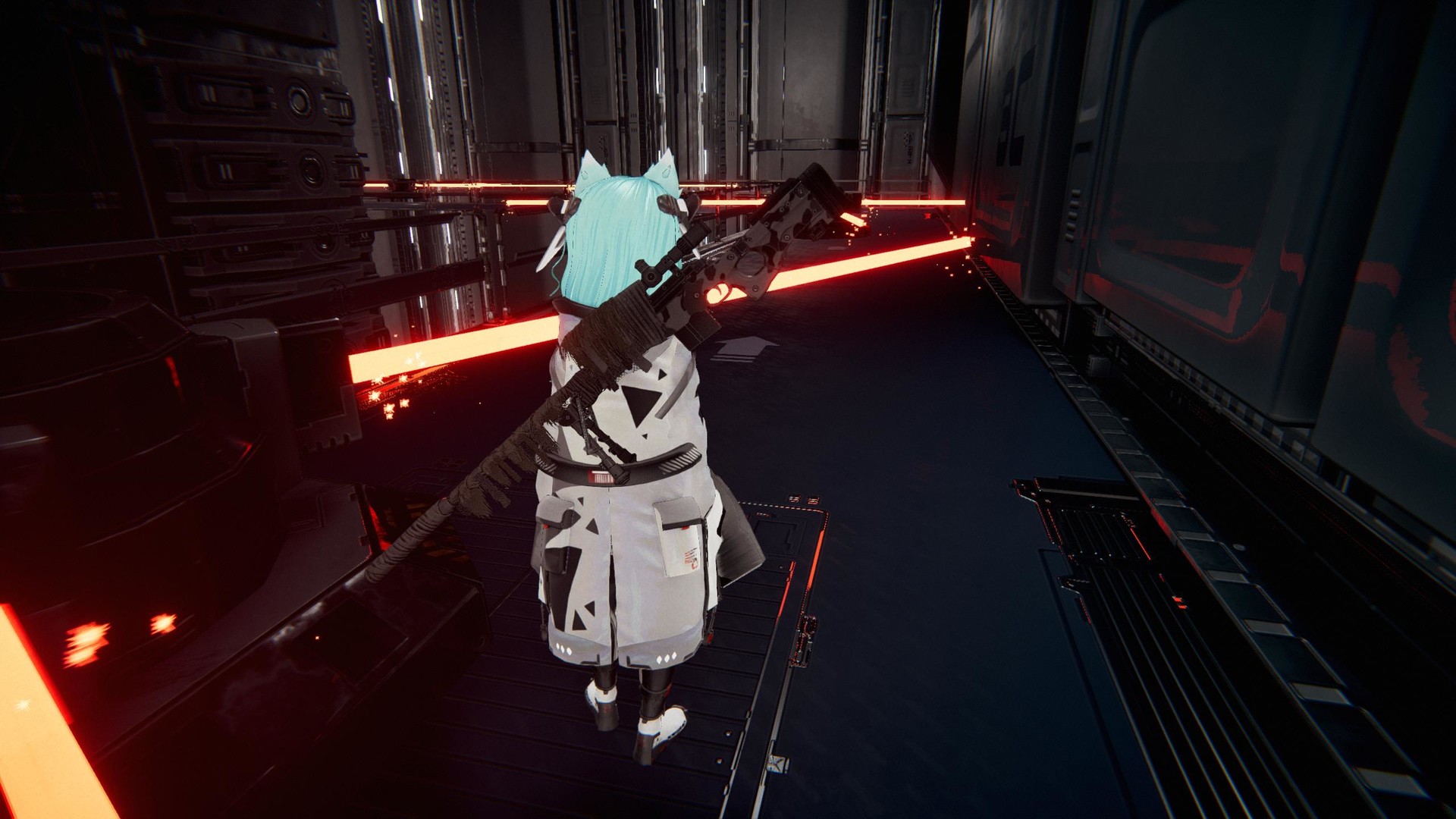
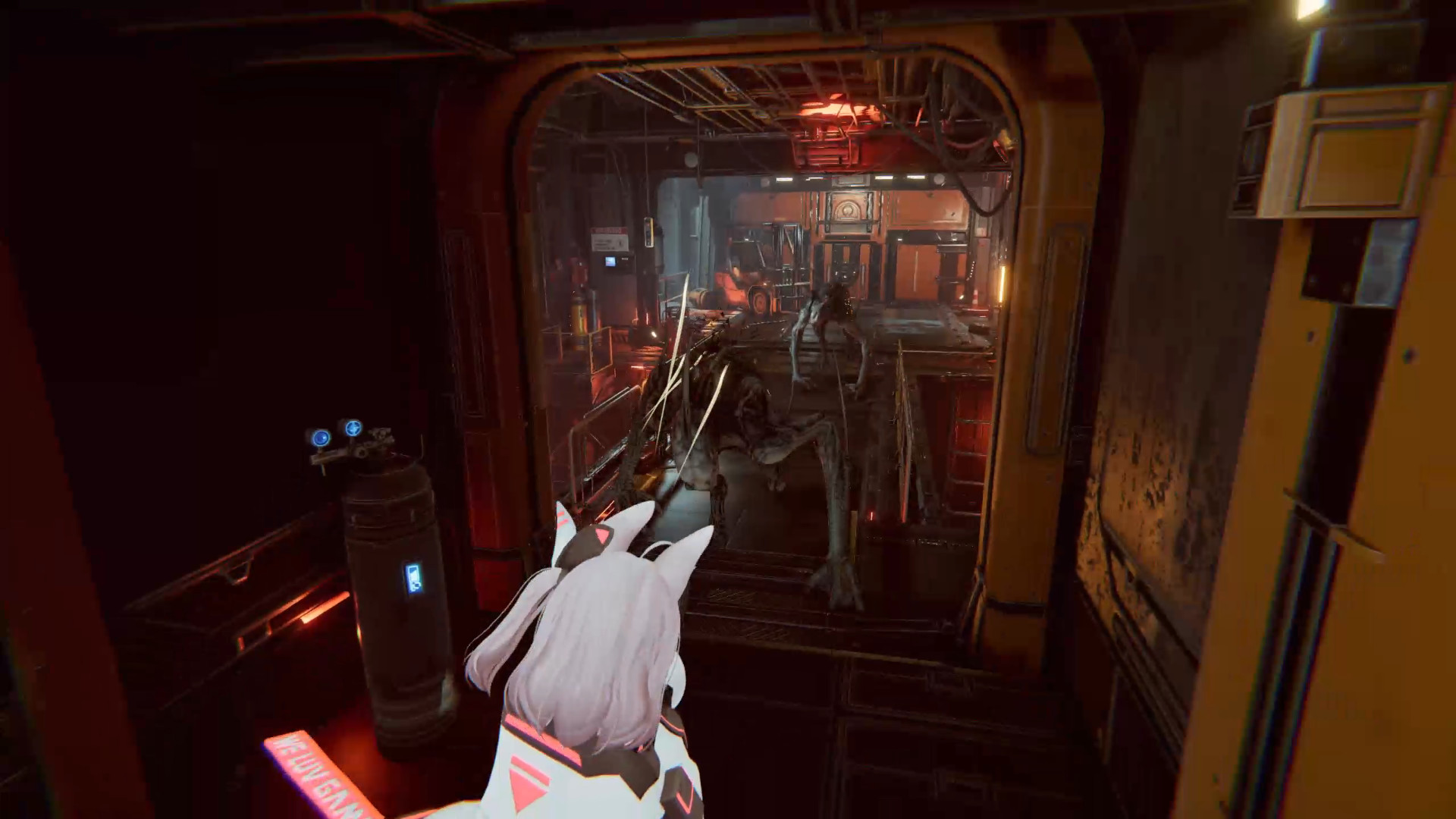
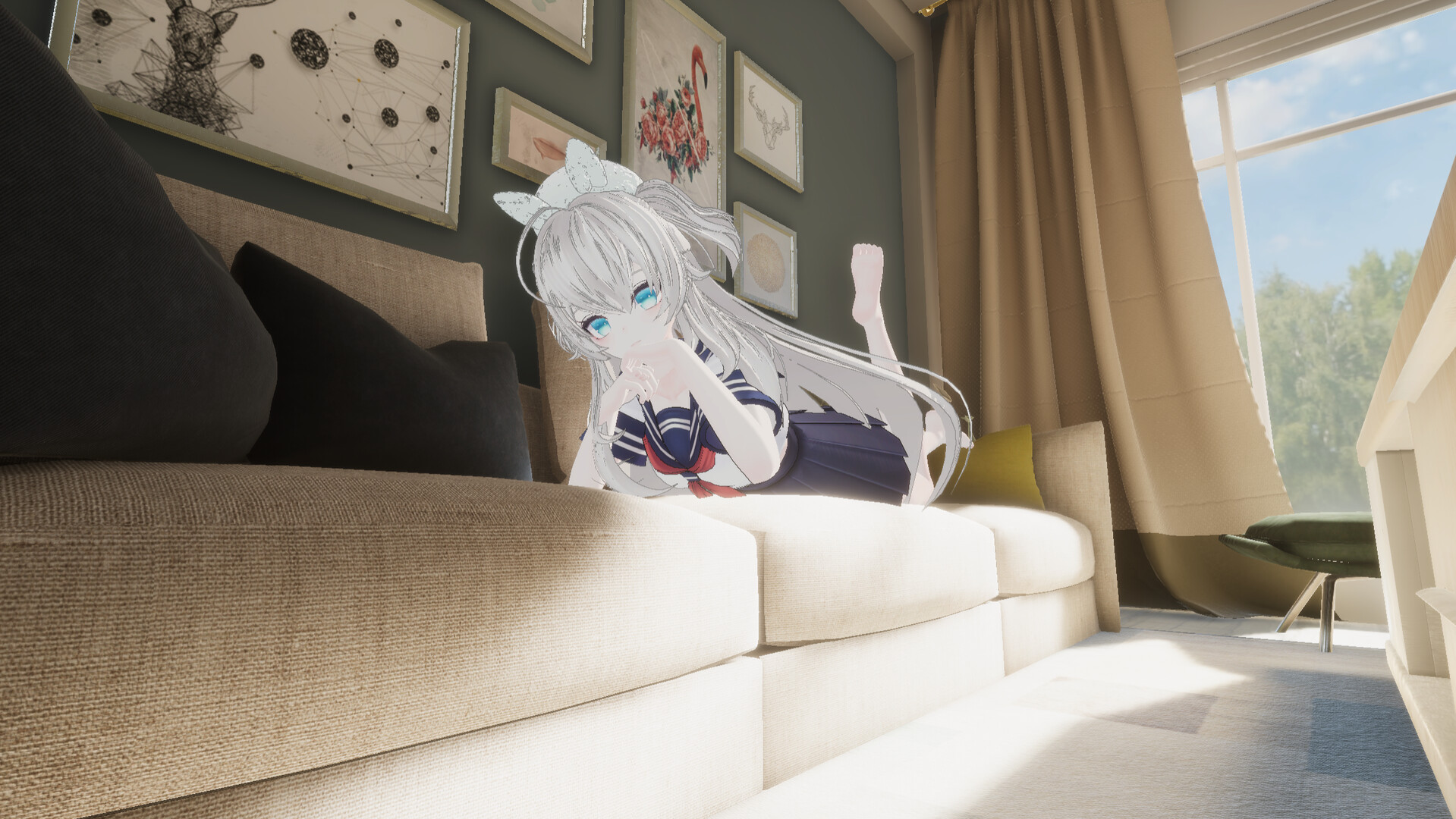
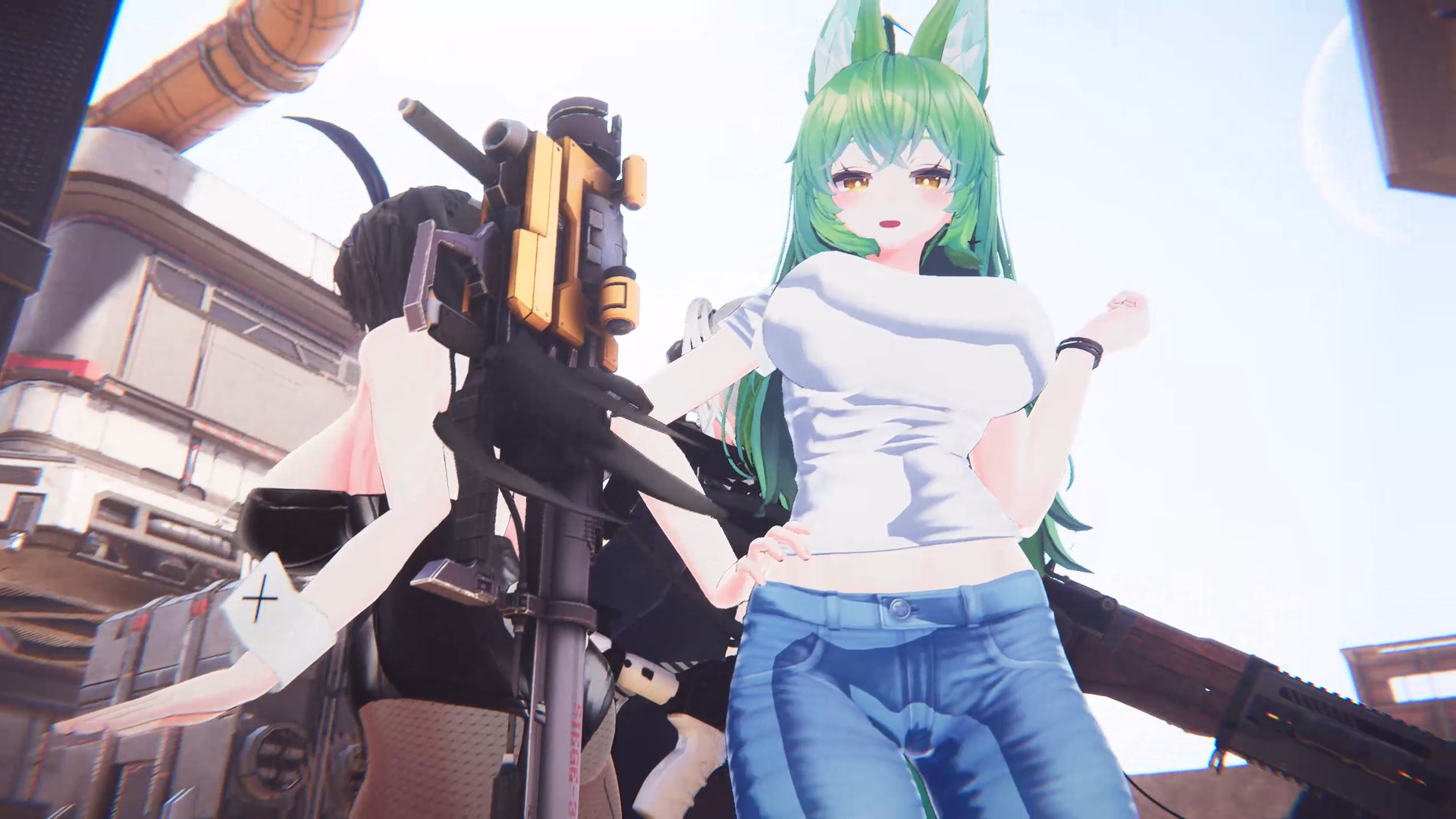
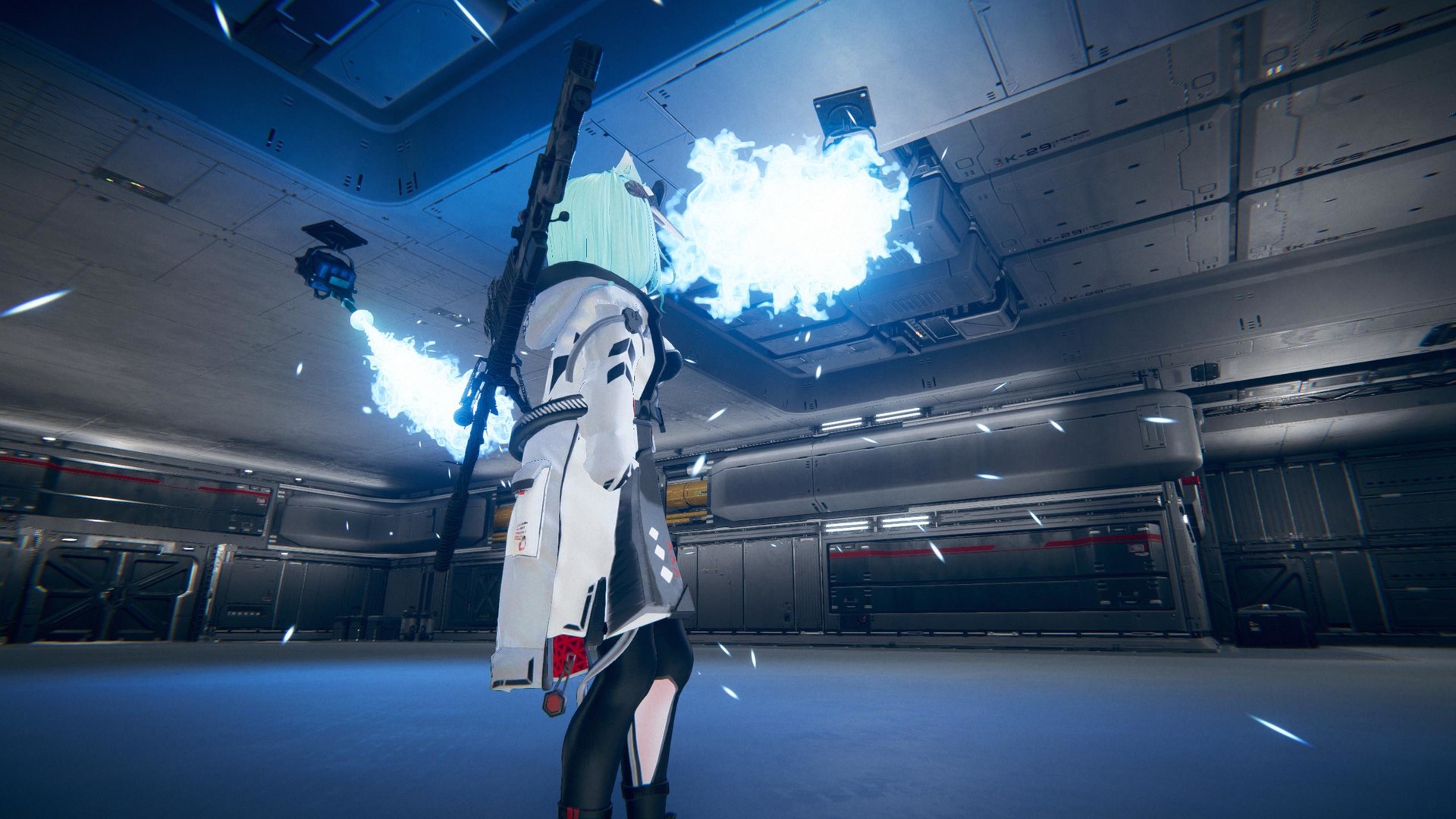
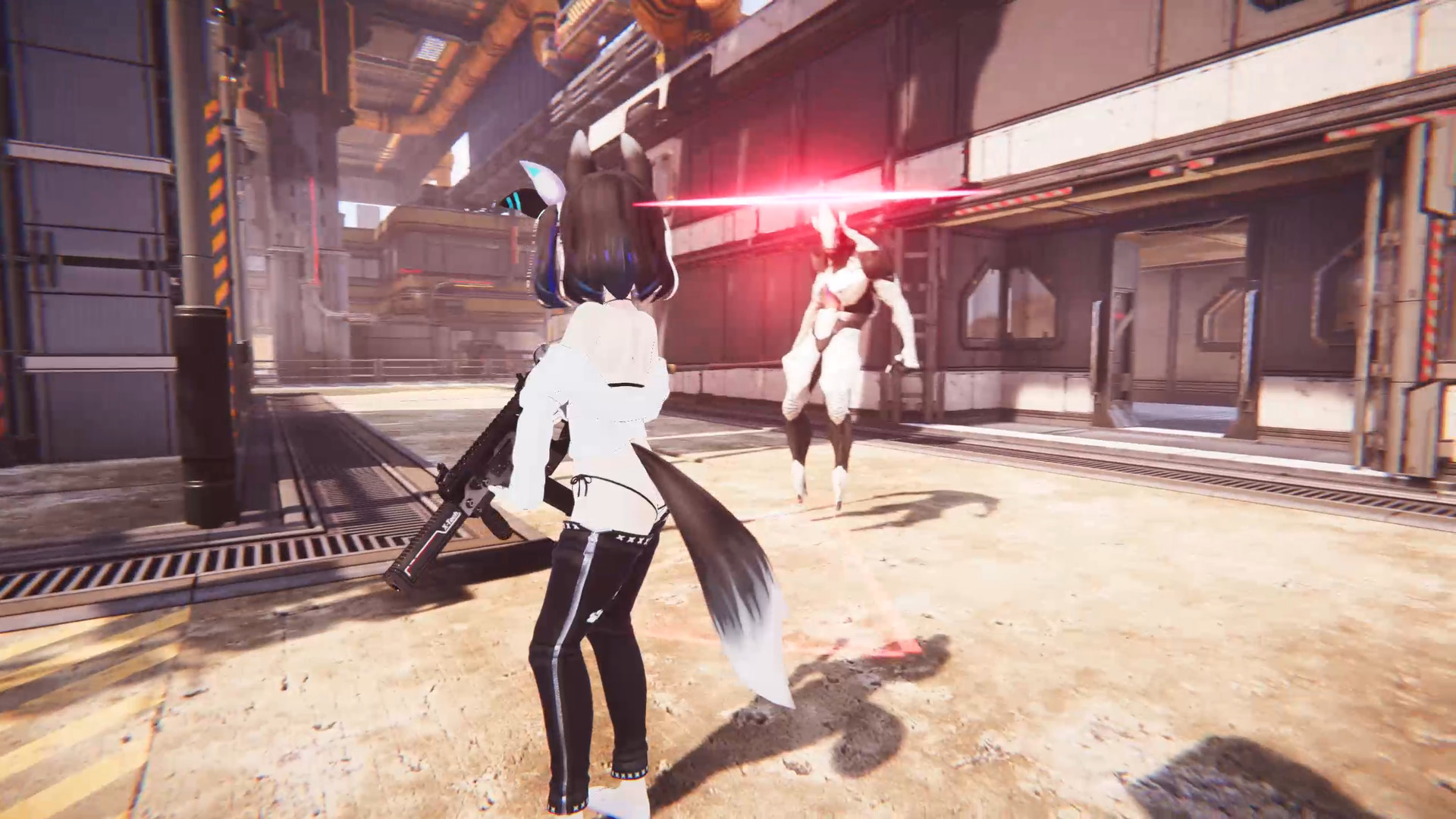
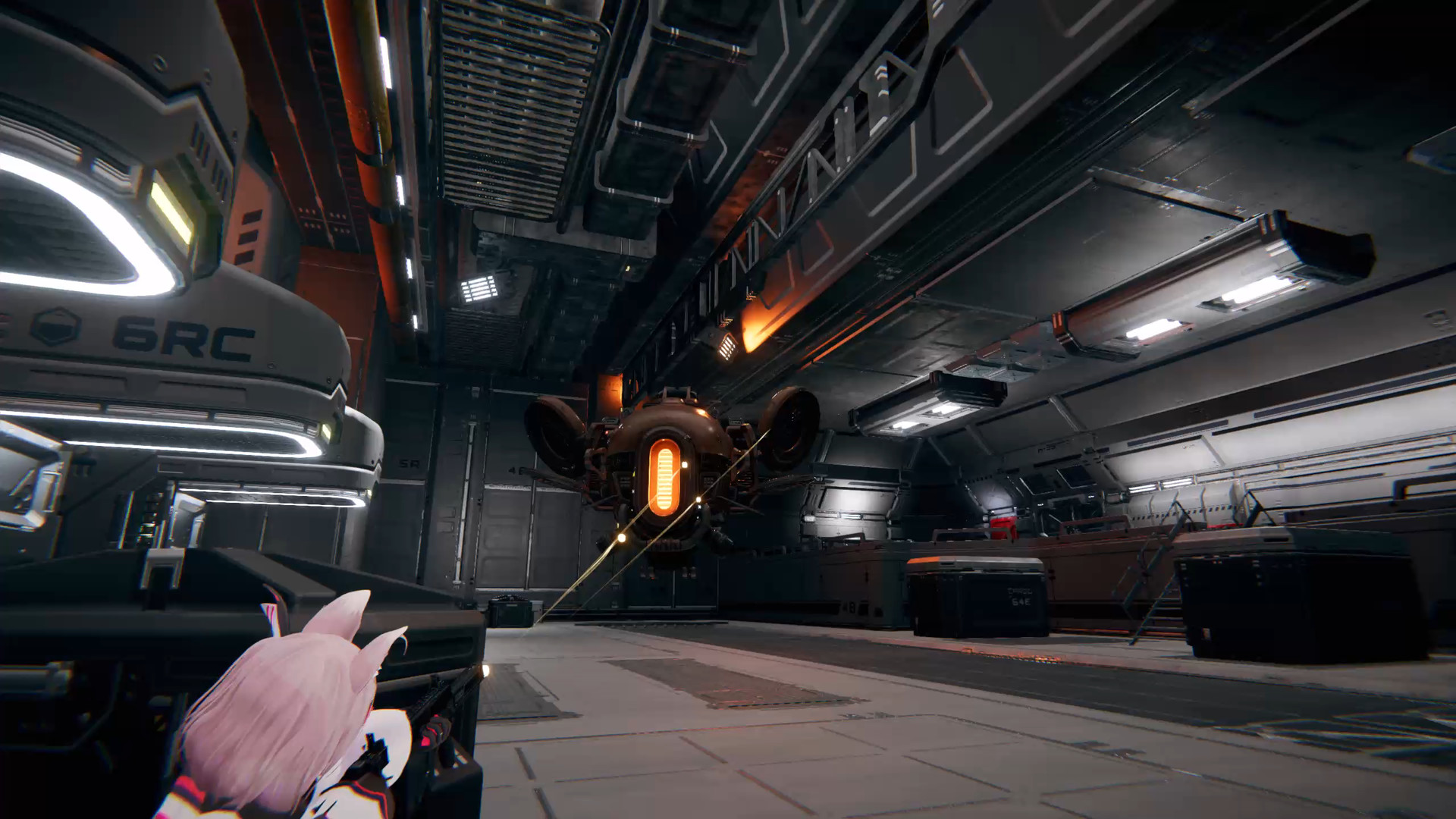
Get an in-depth look at GunSoul Girl 2 through various videos and screenshots.
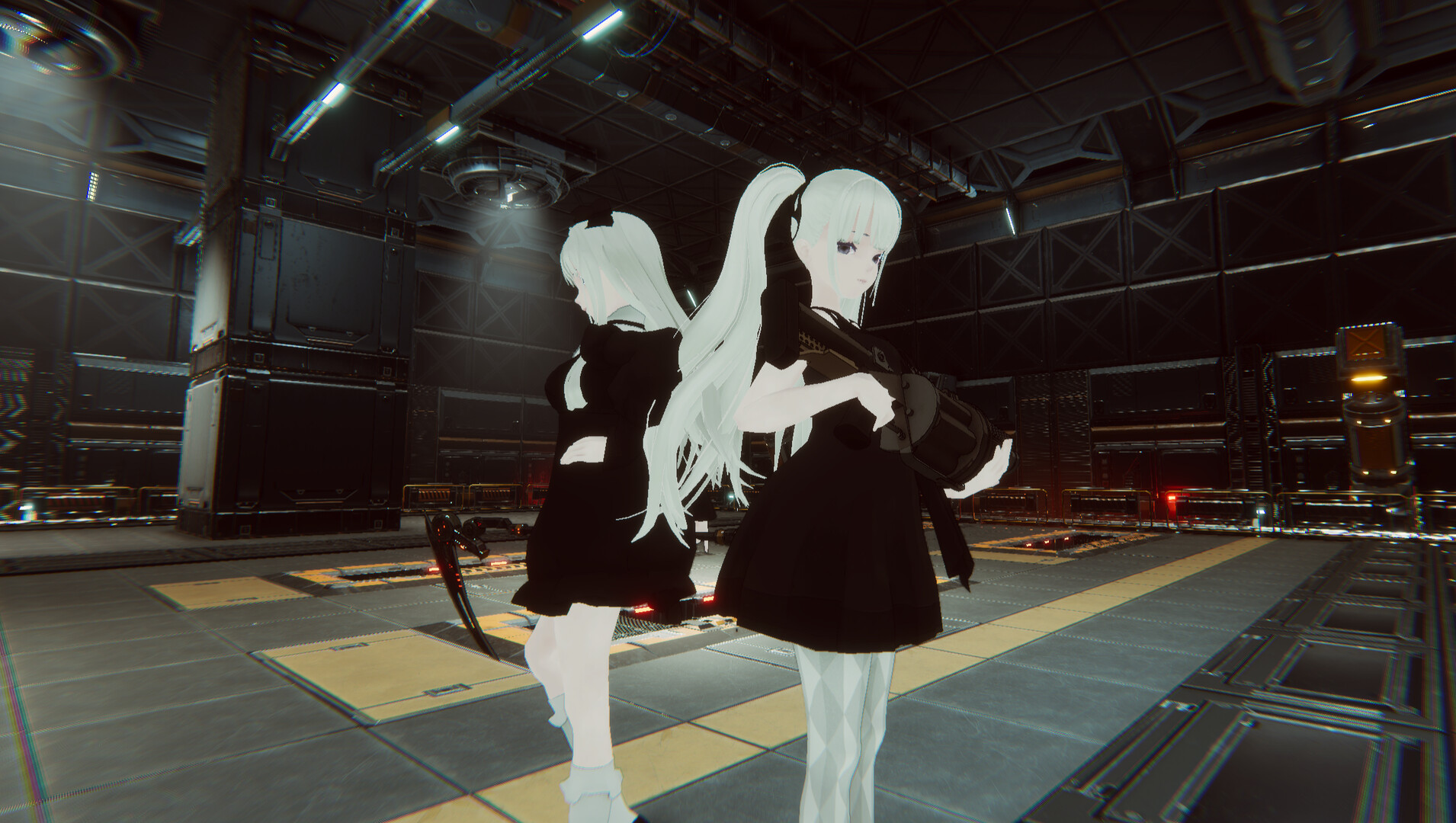
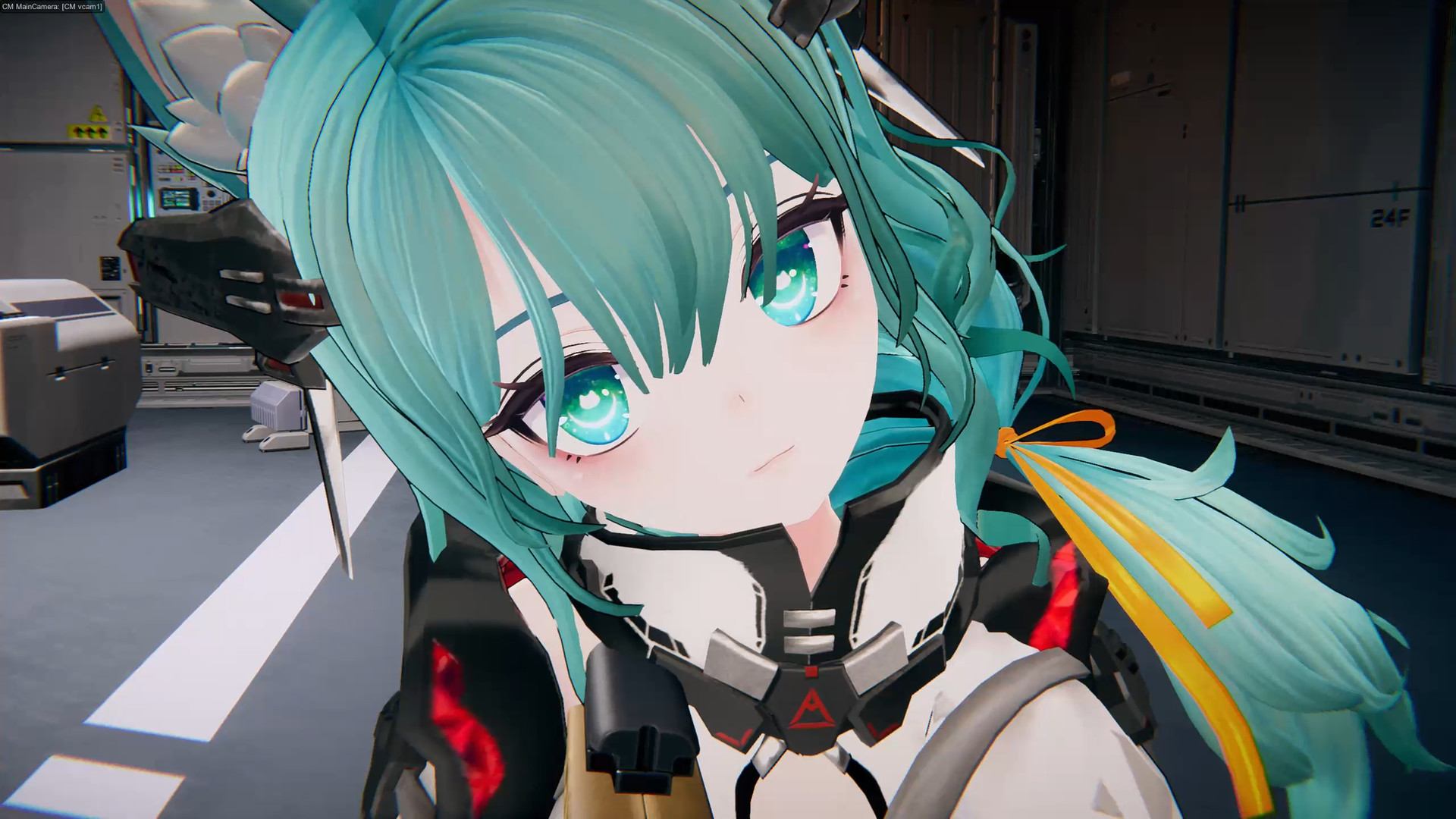
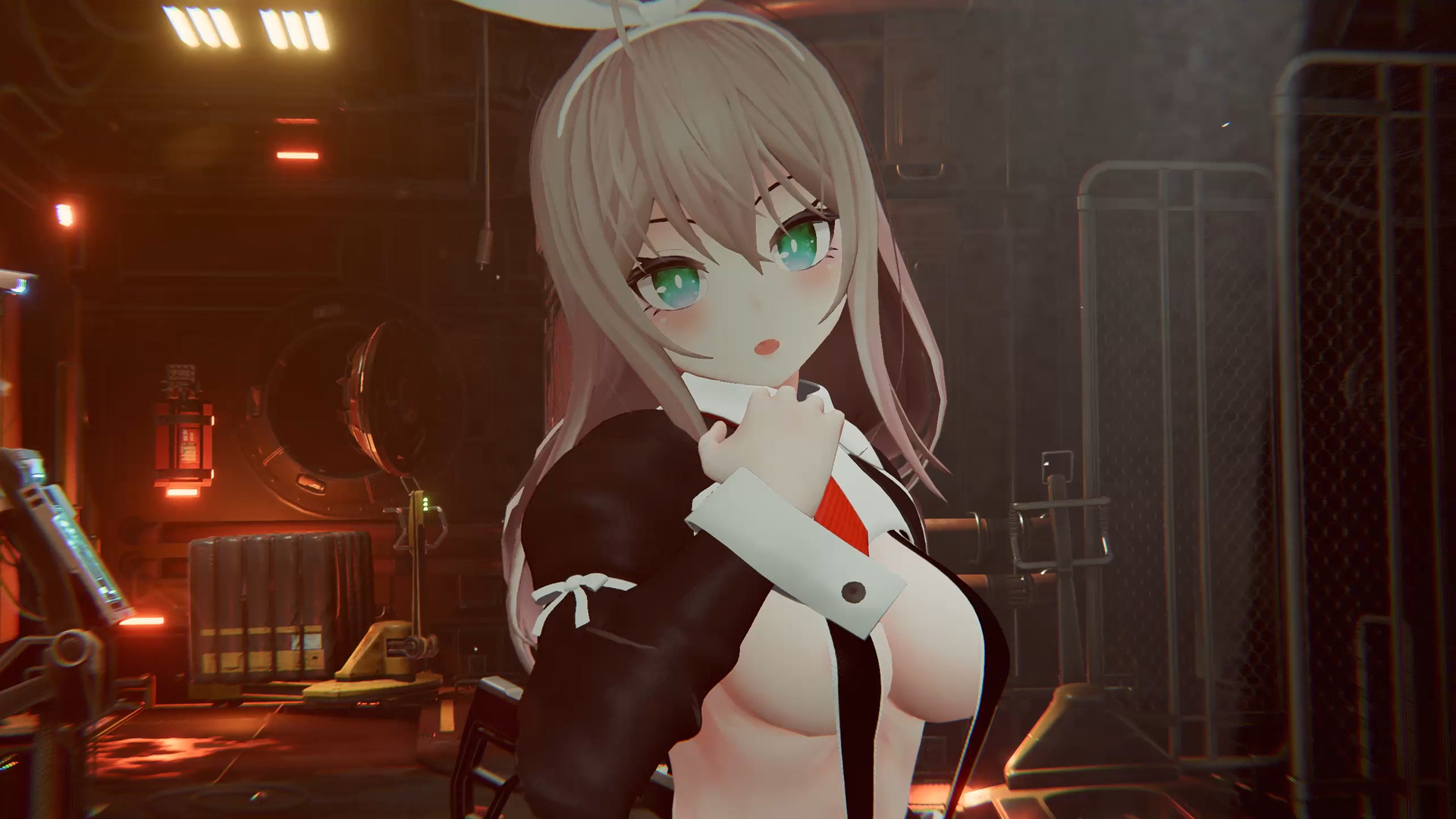
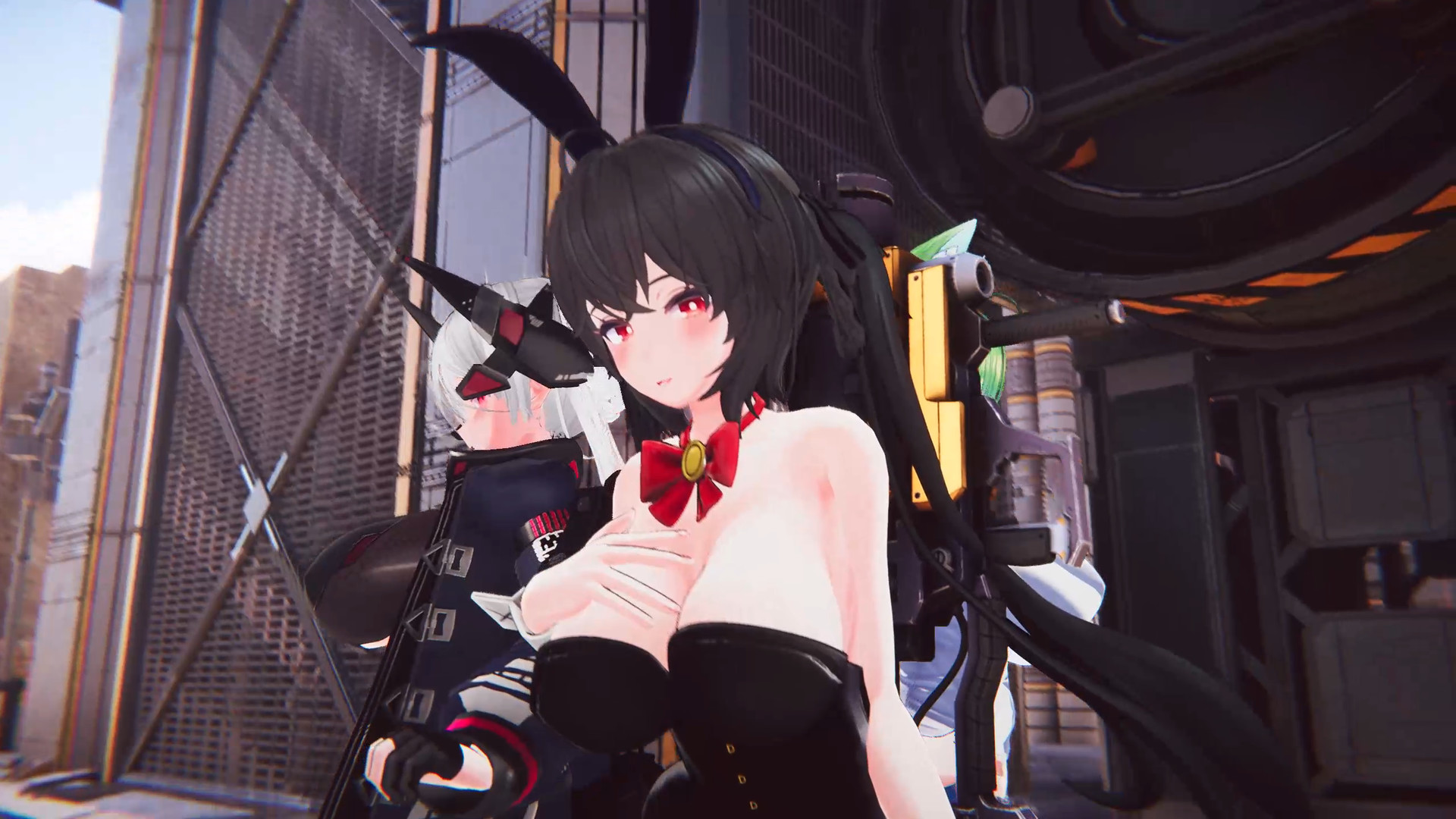
Load More


System requirements
These are the minimum specifications needed to play the game. For the best experience, we recommend that you verify them.
Windows
- Requires a 64-bit processor and operating system
- OS *: Windows 7+ For 64bit
- Processor: Ryzen 5 2600x, Core i5 8600
- Memory: 16 GB RAM
- Graphics: Nvidia GeForce GTX 1070
- Storage: 30 GB available space
- Additional Notes: 30GB SATA SSD
Steam Price & Best Deals
User reviews & Ratings
Explore reviews from Steam users sharing their experiences and what they love about the game.
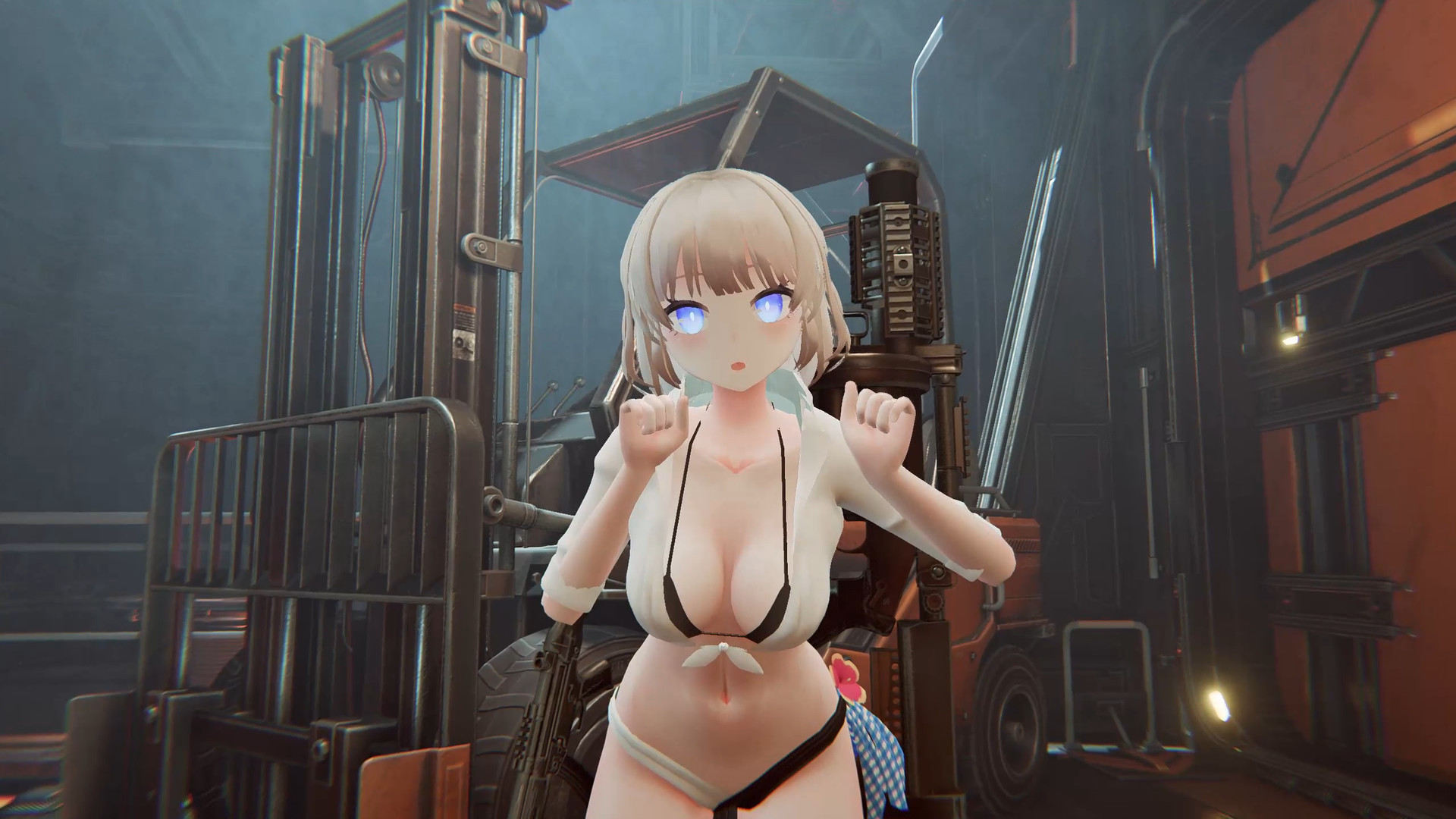
GunSoul Girl 2 is a third-person action shooter that blends anime-inspired character design, gun combat, light RPG progression, and extensive costume customization into a post-apocalyptic science-fiction adventure. Developed by MoeGame and published by HyperStar Group, the game takes place in a future threatened by artificial intelligence viruses and dangerous hostile forces. Rather than presenting itself as a highly realistic military shooter, it embraces a colorful and exaggerated identity centered on attractive playable heroines, firearms, unlockable equipment, and mature fan service. The result is a niche experience that knows the audience it wants to attract, even if its unfinished state prevents many of its ideas from reaching their full potential. The core gameplay revolves around entering different areas, exploring environments, finding clues, confronting enemies, and using an assortment of firearms to survive encounters. Gunplay is accessible and uncomplicated, allowing players to quickly understand the basic combat loop without spending considerable time learning complex systems. Weapons can be obtained and improved, providing a useful sense of progression as increasingly capable equipment becomes available. Combat can be enjoyable in short sessions, particularly when experimenting with different weapons, but enemy behavior and encounter design are relatively straightforward. Anyone expecting the tactical complexity or polished responsiveness of a major third-person shooter may find the action limited, although the simplicity makes it approachable. A more interesting element is the selection of playable GunSoul girls. Progression gradually provides access to multiple characters, and the ability to switch between them gives the campaign more personality than it would have with only one protagonist. Each heroine contributes to the game's strong anime aesthetic, while different character designs encourage players to experiment with the roster. Character collecting is closely connected to the game's customization systems, making the heroines themselves an important part of progression rather than merely interchangeable avatars. Costume customization is one of the most prominent attractions. Numerous outfits can be unlocked and equipped, giving players reasons to continue progressing beyond acquiring better weapons. The emphasis on clothing and character appearance fits naturally with the anime presentation, although prospective players should understand that the game deliberately incorporates mature fan service. Revealing costumes and sexualized imagery are significant elements of its visual identity, alongside mature content and strong language. This is consequently an adult-oriented action game rather than a conventional family-friendly anime adventure. The science-fiction setting provides an interesting contrast with the bright character designs. Humanity faces threats associated with artificial intelligence viruses, dangerous organizations, mutated enemies, and the broader collapse of civilization. There is potential for a darker and more substantial narrative within that premise, but storytelling currently serves mainly as motivation for moving between missions and battles. The plot is serviceable rather than exceptional, and players who prioritize elaborate characterization, cinematic presentation, or extensive world-building are unlikely to consider the narrative the game's strongest component. Light RPG mechanics help give the experience additional structure. Weapon improvements, equipment acquisition, character unlocking, stage progression, and costume collecting create several parallel objectives. None of these systems is particularly deep on its own, but together they provide a satisfying stream of small rewards. There is always another piece of equipment, outfit, character, or improvement to pursue. This progression works especially well for players who enjoy collecting and customization, although those seeking extensive skill trees, sophisticated character builds, or complex statistics should keep their expectations moderate. The most significant concern is that GunSoul Girl 2 remains an Early Access title whose available content does not represent the much larger experience originally envisioned. Plans for additional chapters, characters, costumes, hidden content, and other improvements gave the project considerable potential, but its development activity has become uncertain after a lengthy absence of updates. That makes it difficult to evaluate the game according to what it might eventually become. The safest approach is to regard its existing content as the product being purchased rather than relying on unfinished development goals. Steam Deck compatibility is officially listed as Unsupported. Players primarily interested in experiencing it on Valve's handheld should keep this limitation in mind rather than assuming that the simple controls automatically guarantee full compatibility. Its design may appear ideal for portable play, but the official Deck classification does not currently provide that assurance. Presentation is modest compared with larger commercial shooters, but the anime character models and costumes give the game a recognizable visual personality. Environments and combat effects are less impressive than the character presentation, emphasizing where the development priorities lie. The game works better when viewed as an independent anime shooter with collection mechanics rather than something attempting to compete directly with technically ambitious action games. Achievements, trading cards, single-player progression, and other supporting features provide additional incentives for players who enjoy completing objectives. Ultimately, GunSoul Girl 2 offers a peculiar but potentially entertaining mixture of shooting, anime heroines, equipment progression, character switching, costume collecting, and mature fan service. Its combat is uncomplicated and its RPG mechanics are relatively light, yet the combination can remain enjoyable for players specifically interested in this style of game. The biggest drawback is not its niche identity but the uncertainty surrounding its incomplete Early Access development. There are enjoyable ideas here, but they exist within a package that feels noticeably short of its originally intended scope. For players who enjoy anime aesthetics, unlockable outfits, female character rosters, straightforward shooting, and light progression systems, there is enough personality to justify curiosity. Those wanting a polished shooter, substantial narrative campaign, deep RPG mechanics, or guaranteed long-term development should be considerably more cautious. Judged strictly on what is presently available rather than what was once planned, it is an interesting but clearly unfinished niche action game. Rating: 7/10
Fun little game if you buy on sale. Don't pay full price. PROS: + Around 3 to 4 hours of gameplay + Cute girls + 18+ Free DLC + Fun weapons and characters + Nice enemies + Nice levels + Achievements + Trading cards CONS: - Mouse smoothing that can't be removed in settings. It's not snappy aiming, it's kind of floaty. - Like 1 or 2 bugs, but you can still complete the levels so it's fine - Very linear. Point A to point B kind of game. - Wish it had an endless mode with leaderboards, it would make it so much more replayable This game could be really good if it had more development. Sad to see it in an abandoned state. 7/10 only on the sale price tho
Actually I was very disappointed in this game... I thought it would be like the original which is my favorite game. Please develop another game like the original game's format... just in a different location... like in other planets or underground caverns. I love the store and ability to earn money. The erotic scenes are just another good reward and in the new game would be nice if we rescued the girl and make love! Girl 2 is just bland and dull to me... but others may love the shooting.
Similar games
View all
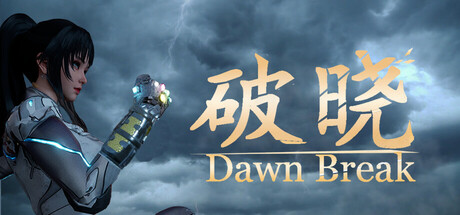
Dawn Break
In 2039, tsunamis of varying degrees occurred all over the world, and multiple small black holes inexplicably appeared in the sky, ruthlessly devouring the world. At first, scientists believed that this phenomenon was a common natural disaster, until one day, a test report shocked the world.

Infinite Jump
"Infinite jump"is a breakthrough leisure game. Players need to continuously advance through the levels by making the ball jump over obstacles. The difficulty of the game levels will increase as the number of levels progresses.


Fallen girl - Black rose and the fire of desire
The lady of the noble was taken to prison by the countess "I don't want to be reduced to a plaything without consciousness." ——In the face of the bad taste of the countess, how to use their body and wisdom, in order to avoid suffering? "Before I lose my mind, I want to find that life."

Sakura Sadist
Music student Azusa concocts a plan to get on the good side of her crush, the impeccable and unreachable Mamiko – but is she prepared to face the consequences?

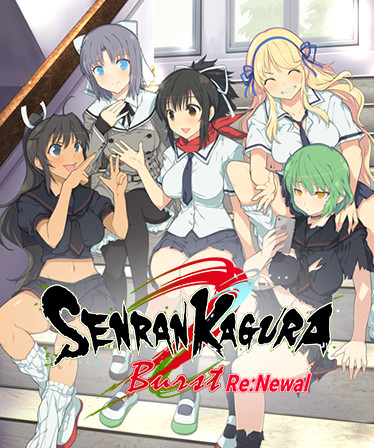
SENRAN KAGURA Burst Re:Newal
Experience the original SENRAN KAGURA Burst, the beginning of the world's best-loved buxom battle series, like never before! Tackle the classic ninja brawler from a whole new perspective in gorgeous, fluid HD, with new features and mechanics throughout!

Danganronpa Another Episode: Ultra Despair Girls
Komaru Naegi has been imprisoned inside a mysterious apartment for over a year. Her rescue is derailed when hundreds of Monokumas suddenly attack. She teams up with Toko Fukawa to survive the rampaging Monokumas, escape the crafty Monokuma Kids, and uncover the secrets of the city.

VALKYRIE DRIVE -BHIKKHUNI-
VALKYRIE DRIVE -BHIKKHUNI- is the all-new all-action brawler from the creators of SENRAN KAGURA. The girls of Bhikkhuni are infected with the mysterious VR-Virus and the only way to control it is to fight.

Sakura Clicker
The latest entry in the Sakura series is more action-packed than ever before! Sakura Clickers is a fast-paced, exciting adventure, full of content, in which you defeat your foes with the power of your mouse!

Love Ribbon
"Love Ribbon" is a yuri (girl x girl) visual novel about forbidden love between two sisters.
Frequently Asked Questions
GunSoul Girl 2 is currently priced at 9.75€ on Steam.
No, GunSoul Girl 2 is currently not on sale. You can purchase it for 9.75€ on Steam.
Yes, GunSoul Girl 2 received 686 positive votes out of a total of 940 achieving a rating of 7.01.
😊
GunSoul Girl 2 was developed by MoeGame and published by HyperStar Group.
Yes, GunSoul Girl 2 is playable and fully supported on Windows.
No, GunSoul Girl 2 is not playable on MacOS.
No, GunSoul Girl 2 is not playable on Linux.
No, GunSoul Girl 2 is not playable on Steam Deck.
Yes, GunSoul Girl 2 is playable on Steam Machine, though it might require a few minor tweaks. Make sure to check the Steam store page and community feedback on ProtonDB for exact compatibility details.
No, GunSoul Girl 2 does not support VR.
GunSoul Girl 2 is a single-player game.
Yes, there is a DLC available for GunSoul Girl 2. Explore additional content available for GunSoul Girl 2 on Steam.
No, GunSoul Girl 2 does not support mods via Steam Workshop.
No, GunSoul Girl 2 does not support Steam Remote Play.
Yes, GunSoul Girl 2 is enabled for Steam Family Sharing. This means you can share the game with authorized users from your Steam Library, allowing them to play it on their own accounts. For more details on how the feature works, you can read the original Steam Family Sharing announcement or visit the Steam Family Sharing user guide and FAQ page.
You can find solutions or submit a support ticket by visiting the Steam Support page for GunSoul Girl 2.
Data sources
The information presented on this page is sourced from reliable APIs to ensure accuracy and relevance. We utilize the Steam API to gather data on game details, including titles, descriptions, prices, and user reviews. This allows us to provide you with the most up-to-date information directly from the Steam platform.
Additionally, we incorporate data from the SteamSpy API, which offers insights into game sales and player statistics. This helps us present a comprehensive view of each game's popularity and performance within the gaming community.
Last Updates| Steam data | 20 October 2026 20:50 UTC |
|---|---|
| SteamSpy data | 15 October 2026 18:06 UTC |
| Steam price | 26 October 2026 20:11 UTC |
| Steam reviews | 18 October 2026 08:03 UTC |
If you'd like to dive deeper into the details about GunSoul Girl 2, we invite you to check out a few dedicated websites that offer extensive information and insights. These platforms provide valuable data, analysis, and user-generated reports to enhance your understanding of the game and its performance.
- SteamDB - A comprehensive database of everything on Steam about GunSoul Girl 2
- SteamCharts - Analysis of GunSoul Girl 2 concurrent players on Steam
- ProtonDB - Crowdsourced reports on Linux and Steam Deck GunSoul Girl 2 compatibility
Game modes
Features
Online players
0
Developer
MoeGame
Publisher
HyperStar Group
Release
30 Mar 2023
Platforms