Hard West 2
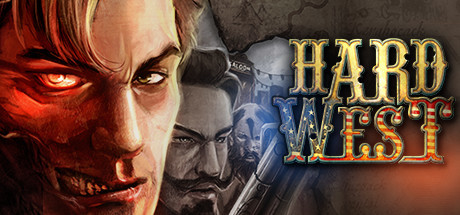
Hard West 2 is a journey to the heart of darkness in the American West. Take control of a supernatural posse and catch the mysterious Ghost Train. Outsmart, outcheat and outgun your enemies in this turn-based tactics game set in a Wild West world where nothing is as it seems.
Sync your Steam wishlist to track the lowest game prices instantly. No login required, just paste your Steam profile URL!
⚡ Try Wishlist Radar!
Sync your Steam wishlist to track the lowest game prices instantly. No login required!
⚡ Try Wishlist Radar!
Close

Hard West on Steam - User reviews, Price & Information
Quick menu
When a tragic turn of events sets one man down a path of supernatural chaos and revenge, he must brutally hunt down all those who wronged him. Fight and survive through 8 unique story-based scenarios, and try your hand at 40 individually designed turn-based combat missions
Hard West is a western, turn-based strategy and strategy game
developed by CreativeForge Games
and published by Good Shepherd Entertainment.
Released on November 18th 2015 is available on Windows, MacOS and Linux
in 5 languages: English, French, German, Polish and Russian.
It has received 4,763 reviews of which 3,585 were positive and 1,178 were negative resulting in a rating of 7.3 out of 10. 😊
The game is currently priced at 19.99€ on Steam, but you can find it for 1.63€ on K4G.
The Steam community has classified Hard West into these genres:
Media & Screenshots
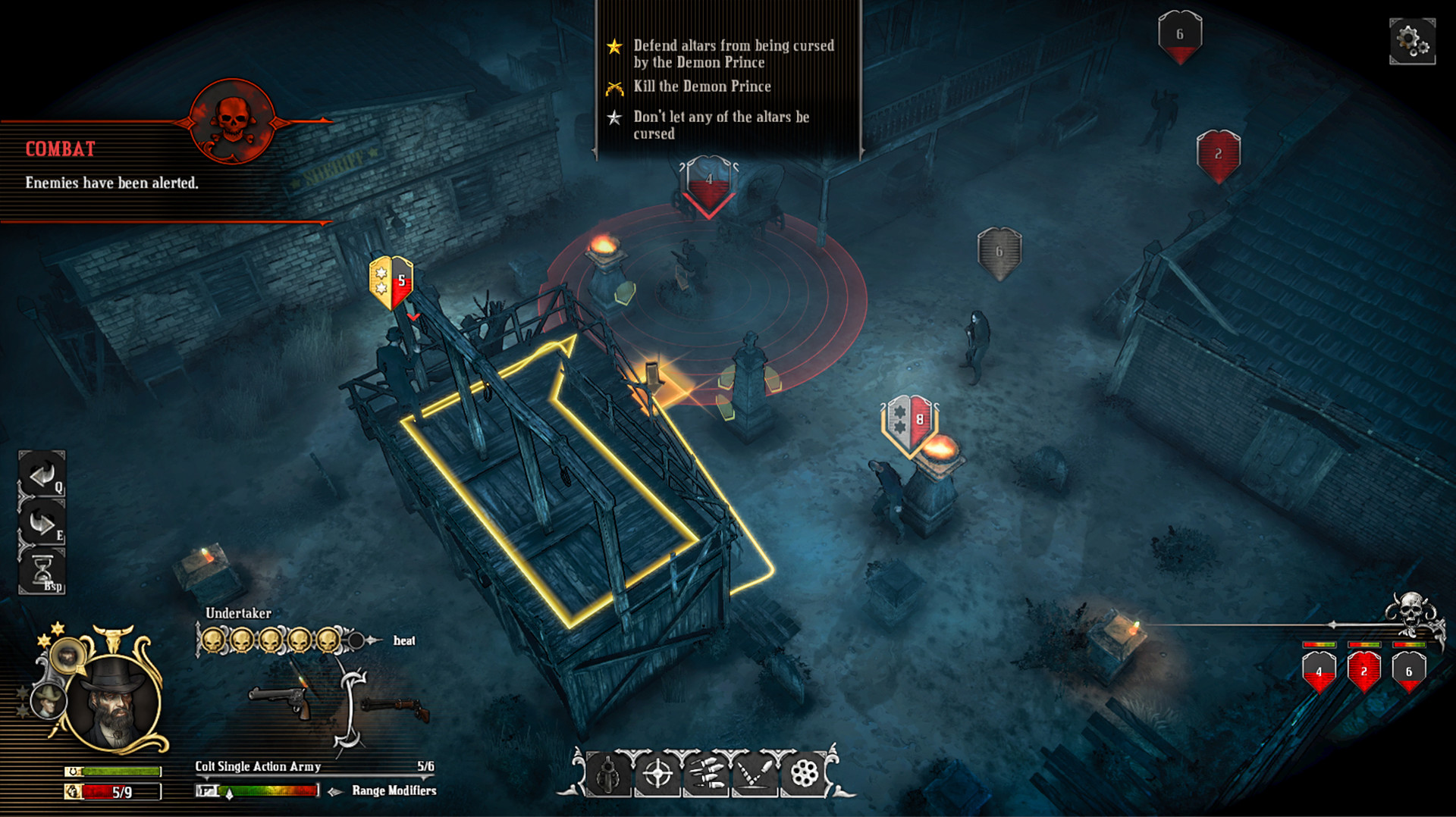
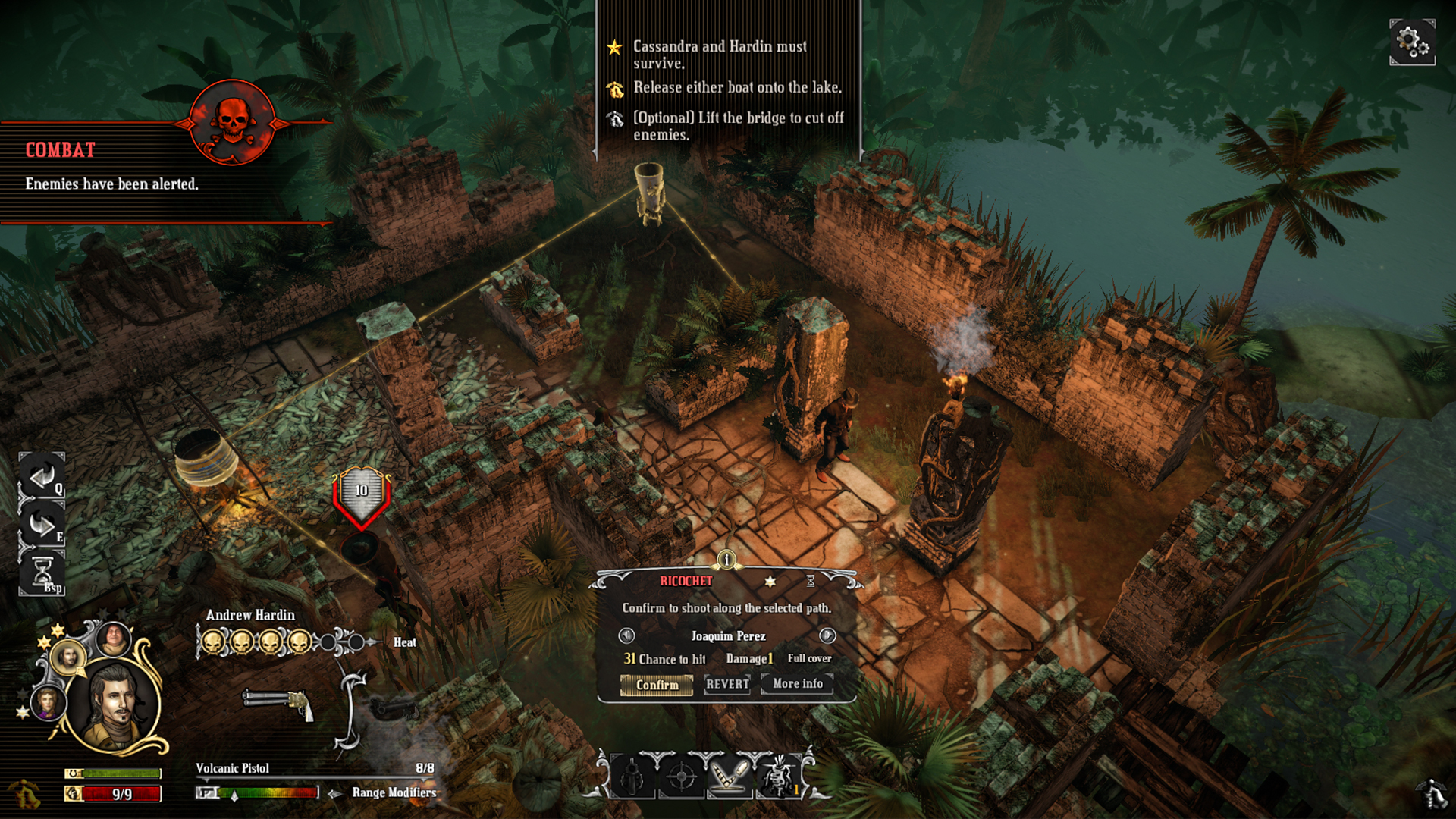
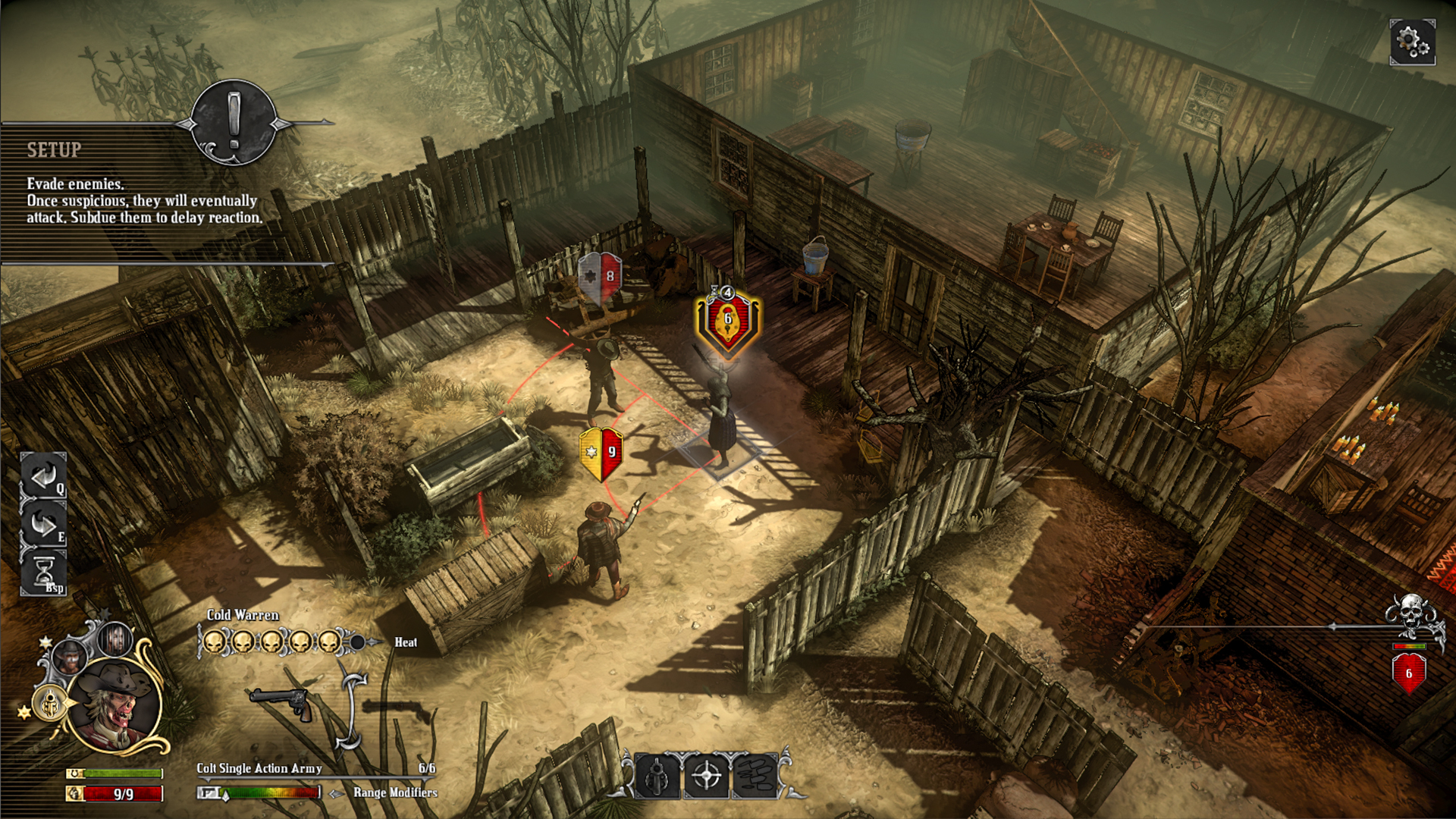
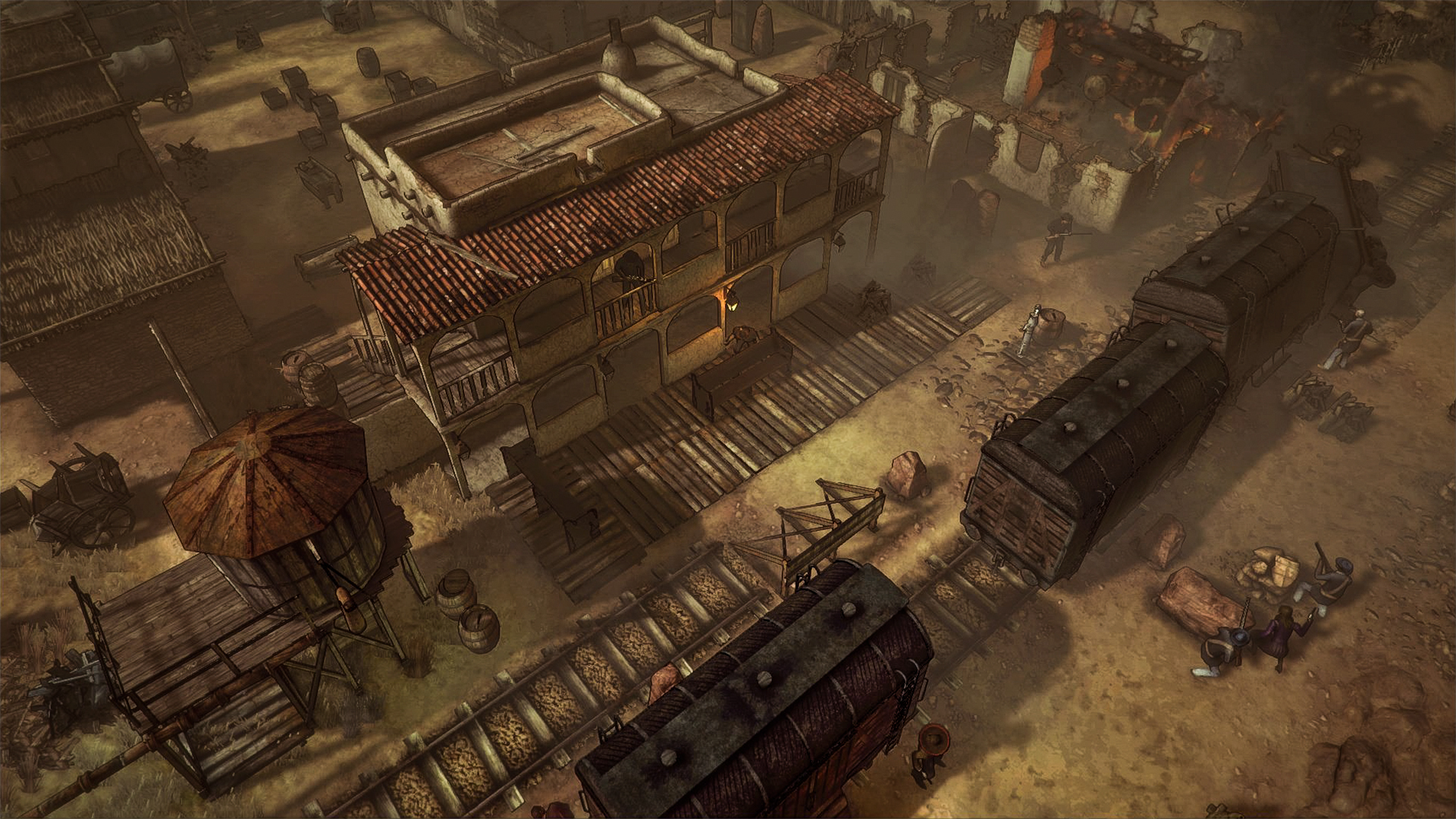
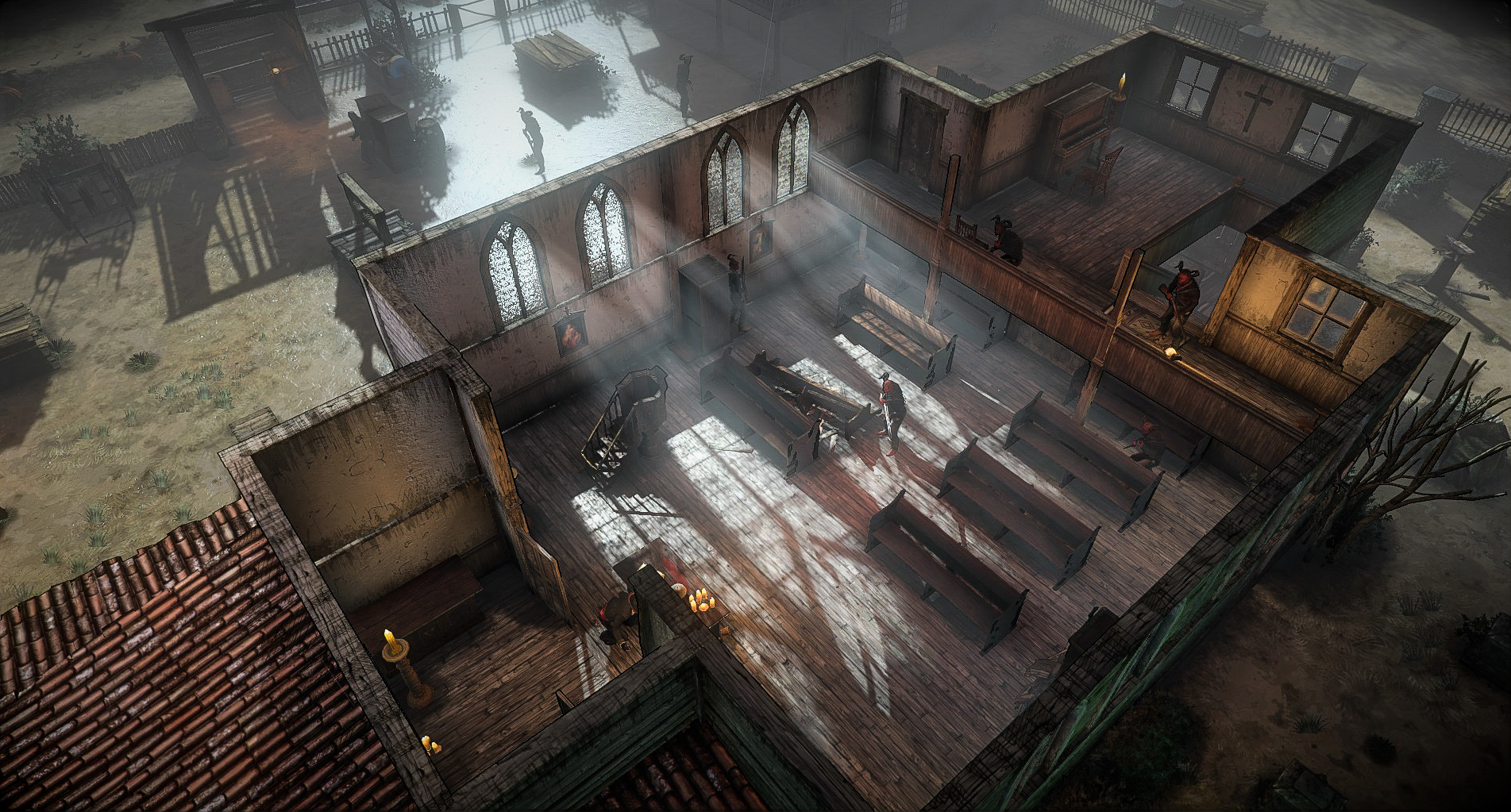
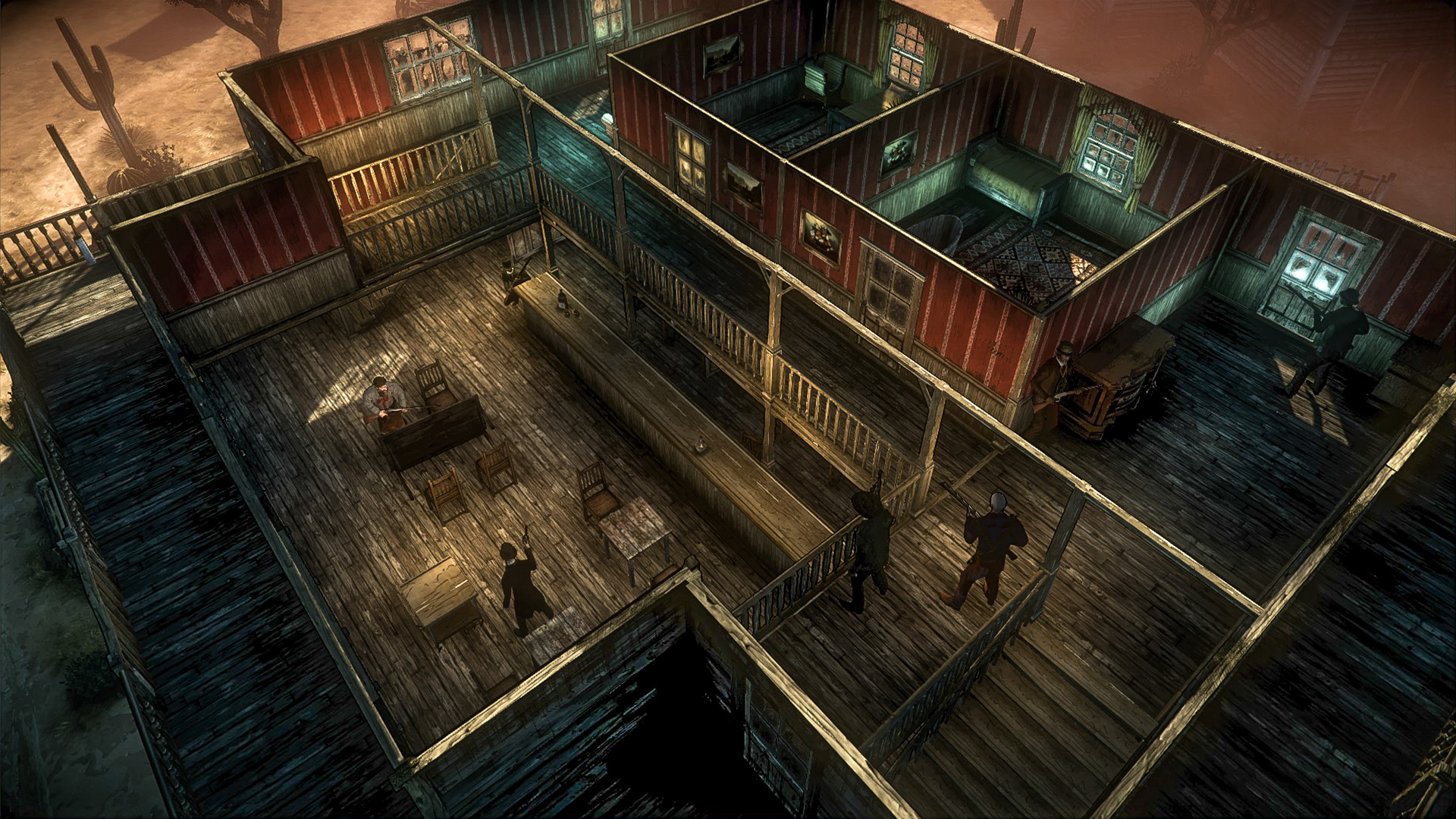
Get an in-depth look at Hard West through various videos and screenshots.
Load More
System requirements
These are the minimum specifications needed to play the game. For the best experience, we recommend that you verify them.
Windows
- OS *: Windows Vista/7/8/10
- Processor: AMD Athlon(tm) 64 X2 2.6 GHz / Intel Core 2 Quad 2.6 GHz
- Memory: 4 GB RAM
- Graphics: Radeon HD 4670 (512 MB) / GeForce GT 430 (1024 MB)
- DirectX: Version 10
- Storage: 6 GB available space
MacOS
- OS: OSX 10.9.6, 10.10, 10.11
- Processor: Intel Core i5-2520M (2.5 GHZ)
- Memory: 4 GB RAM
- Graphics: Radeon HD 6630M (256 MB)
- Storage: 6 GB available space
Steam Price & Best Deals
User reviews & Ratings
Explore reviews from Steam users sharing their experiences and what they love about the game.
It is a really fun game with good turn-based tactical combat. I mostly enjoy the narrative though, and some twists and turns that I did not expect. The ability to adjust the challenge to what you'd like is also appreciated. Some mechanics are not well explained, but the curious can google those.
artstyle is awesome, its a good strategy game with xcom syle topdown and gameplay. The combat is fun with the luck system, the cards, richoet. The ONLY problem i have with it is when enemies bug out randomly (sit on a tile and tweak out) and won't end their turn. It's really annoying and kind of ruins the whole game for me. Fights which shouldn't take that long take forever because I have to constantly reload the save and they STILL bug out. I might update my review if this changes But please fix the models tweaking out mid combat. I repeat NOT a bad game just a really awful bug that plagues the gameplay. (the true evil west) Edit: If you turn on V-sync it fixes the problem DO THIS IF NPCS/CHARACTERS STUTTER
TL;DR: An atmospheric adventure game with a sprinkle of tactical combat. What you expect: XCom in the Wild West What you get: A surprisingly atmospheric supernatural adventure story with added XCom lite combat encounters. Most of the game is narrative and choices of questionable impact, but the scenarios are short and there are no take-backs except when you start a scenario over, so choices still feel impactful. Most of this, I suspect, is illusion by the game. I'm on the more defensive and conservative side, so I often chose not to do a stupid thing that was high risc unknown reward, and thus I cannot say this with certainty, but I believe that the game will not outright kill any characters for your stupidity - you just accumulate injuries that you oftentimes can avert by paying some kind of doctor a bit of money. Almost everyone you play is at least morally grey, if not outright unhinged, but the tone is consistent and the game doesn't do anything to glorify whatever atrocity you are committing at the moment. Also most scenarios have a unique mechanic on the map that makes them work slightly differently (not so much that you are playing a different game, but enough to shake things up a bit) The combat is a nice break up of the narrativ part, but clearly it's not the main focus. It's not that challenging (on normal, I don't think I have it in me to see what hard mode is like), but encouncters are generally over quickly and even if you mess up they are so short that simply restarting them is not an issue, even without any saves. That being said, it is functional, there are enough tactical elements to give you options and I can't even say why it doesn't really feel like XCom when it is so clearly emulating it. Hard West is also not very long, but for the asking price I think it's fair. On the negativ side: The game started to drag somwhere in scenario 2 of the second campaign. Nothing really changed, but I think that is when the game loop stopped working for me. Since I have a habit of never finishing games that I put down for any significant length of time I powered through anyway, but in the end I didn't finish the "find the city of gold" scenario, because you can soft lock yourself in that one and I really don't want to start over. Chance based encounters where you can't do anything except hope that this time it'll work are not cool.
It is a dark, tactical strategy game that blends cowboy shootouts with supernatural horror in a really unique way. The core gameplay is turn-based and heavily inspired by games like XCOM. You control a small squad, take cover, and plan every move carefully, where positioning and smart decisions matter more than speed . What really makes it stand out is the setting. It takes the Wild West and twists it with demons, curses, and strange occult elements, creating a “weird west” atmosphere that feels gritty, eerie, and different from typical strategy games . The combat is satisfying and flexible. Maps allow multiple approaches, so you can experiment with different strategies instead of being forced into one exact solution, which keeps encounters interesting . The game is structured in short story scenarios, each with its own characters and situations. This keeps things varied, but it can also feel a bit disconnected since you are constantly switching perspectives . It can be quite challenging and does not hold your hand, which makes success rewarding but sometimes frustrating if things go wrong . Overall, it is a stylish and unique tactical experience that mixes strategy with a haunting western theme. Recommended for players who enjoy turn-based combat and something a bit darker and more experimental.
Similar games
View all
Blackguards 2
Blackguards 2 is a turn-based strategy-RPG and will deliver challenging hexfield battles and a gritty story filled with violence and crime. - Includes bonus content: Soundtrack, digital Art Book and Strategy Guide Book!
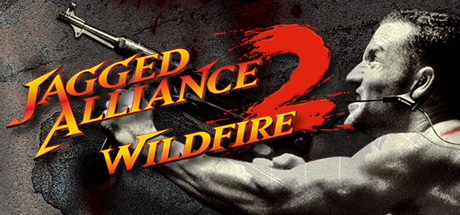
Jagged Alliance 2 - Wildfire
Even if the regime is totally inept and corrupt, don't suppose for a moment that you as the liberator will be greeted with open arms.JAGGED ALLIANCE 2: WILDFIRE brings you back to Arulco. The population is being terrorized by a reckless army; in the meantime the main export goods are drugs.
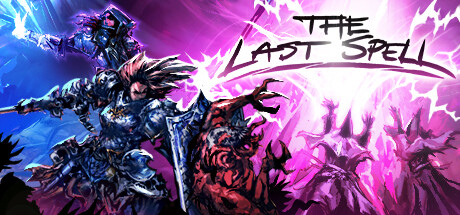
The Last Spell
Defend the last bastion of humanity with your squad of heroes! Exterminate fiendish monsters with magic and brute force by night and re-build your battered city defenses by day in this tactical RPG with rogue-lite mechanics.
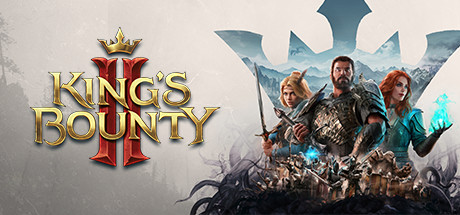
King's Bounty II
Legend returns! King’s Bounty II is the long-awaited sequel to the legendary King’s Bounty video games franchise, one of the most iconic representatives of the turn-based RPG genre.
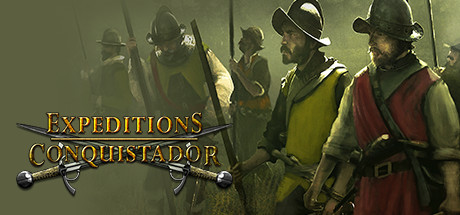
Expeditions: Conquistador
Conquer the New world: In the 16th Century, Spanish explorers and soldiers reached the shores of America. The search for gold, fame, and adventure drove these travelers into a treacherous wilderness where they faced hunger, disease, and dangerous predators. In their wake, the Aztec Empires lay in ruins.
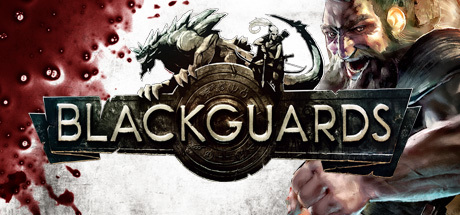
Blackguards
What happens when the only hope of a threatened world lies not with heroes in shining armor, but in the hands of a band of misfits and criminals? Blackguards, a new turn-based strategy RPG, explores this very question. You will discover over 180 unique hex-based battlegrounds within a dark and mature story of crime, drugs, and murder.

Every Day We Fight
Turn-based tactics meets real-time choices. Control each moment of combat: react to enemy fire, aim your shots, and interrupt enemies on-the-fly. Transform a trio of ragtag civilians into seasoned soldiers - and escape the alien timeloop.

King's Bounty: The Legend
King’s Bounty: The Legend is a fan-favorite classic fantasy adventure and an early entry into the modern King’s Bounty era, built around tough battles, smart decisions, and turn-based tactics.
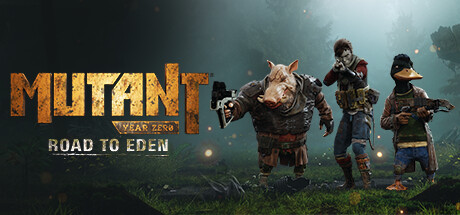
Mutant Year Zero: Road to Eden
A tactical game combining the turn-based combat of XCOM with story, exploration, stealth, and strategy. Take control of a team of Mutants navigating a post-human Earth. Created by a team including former HITMAN leads and the designer of PAYDAY.

King's Bounty: Dark Side
Time has come to begin a Dark Journey to the other side of Teana and explore a mysterious region never before seen by royal bounty hunters. King’s Bounty: Dark Side lets you play as the villains in a full standalone campaign with new heroes, dark factions, and a fresh tactical perspective.
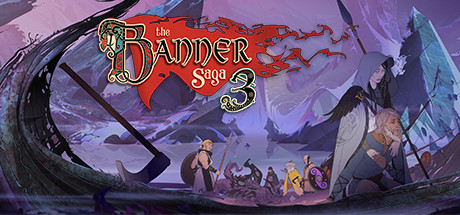
The Banner Saga 3
Banner Saga 3 is the epic conclusion to a sweeping viking saga six years in the making. This strategic RPG, acclaimed for its strong story and compelling characters has won over 20 awards and been nominated for 4 BAFTA awards.
Frequently Asked Questions
Hard West is currently priced at 19.99€ on Steam.
No, Hard West is currently not on sale. You can purchase it for 19.99€ on Steam.
Yes, Hard West received 3,585 positive votes out of a total of 4,763 achieving a rating of 7.33.
😊
Hard West was developed by CreativeForge Games and published by Good Shepherd Entertainment.
Yes, Hard West is playable and fully supported on Windows.
Yes, Hard West is playable and fully supported on MacOS.
Yes, Hard West is playable and fully supported on Linux.
This information about Hard West is not available yet.
This information about Hard West is not available yet.
No, Hard West does not support VR.
Hard West is a single-player game.
Yes, there are 3 DLCs available for Hard West. Explore additional content available for Hard West on Steam.
No, Hard West does not support mods via Steam Workshop.
No, Hard West does not support Steam Remote Play.
Yes, Hard West is enabled for Steam Family Sharing. This means you can share the game with authorized users from your Steam Library, allowing them to play it on their own accounts. For more details on how the feature works, you can read the original Steam Family Sharing announcement or visit the Steam Family Sharing user guide and FAQ page.
You can find solutions or submit a support ticket by visiting the Steam Support page for Hard West.
Data sources
The information presented on this page is sourced from reliable APIs to ensure accuracy and relevance. We utilize the Steam API to gather data on game details, including titles, descriptions, prices, and user reviews. This allows us to provide you with the most up-to-date information directly from the Steam platform.
Additionally, we incorporate data from the SteamSpy API, which offers insights into game sales and player statistics. This helps us present a comprehensive view of each game's popularity and performance within the gaming community.
Last Updates| Steam data | 03 September 2026 20:29 UTC |
|---|---|
| SteamSpy data | 04 September 2026 05:16 UTC |
| Steam price | 13 September 2026 10:42 UTC |
| Steam reviews | 10 September 2026 21:50 UTC |
If you'd like to dive deeper into the details about Hard West, we invite you to check out a few dedicated websites that offer extensive information and insights. These platforms provide valuable data, analysis, and user-generated reports to enhance your understanding of the game and its performance.
- SteamDB - A comprehensive database of everything on Steam about Hard West
- SteamCharts - Analysis of Hard West concurrent players on Steam
- ProtonDB - Crowdsourced reports on Linux and Steam Deck Hard West compatibility
 19.99€
Visit Store
19.99€
Visit Store
 🔥 Deal
-92%
19.99€
1.63€
Buy Now
🔥 Deal
-92%
19.99€
1.63€
Buy Now
 -92%
19.99€
1.68€
Visit Store
-92%
19.99€
1.68€
Visit Store
 -88%
19.99€
2.51€
Visit Store
-88%
19.99€
2.51€
Visit Store
Game modes
Features
Online players
7
Developer
CreativeForge Games
Publisher
Good Shepherd Entertainment
Release
18 Nov 2015
Platforms
Clicking and buying through these links helps us earn a commission to maintain our services.