


Infinite Tao
《Infinity Tao》is a Rogue Lite game set in the Ancient Chinese Immortal Cultivation setting. Raise your realm, build powerful Magic Treasures combinations and Synergies, kill thousands of monster and win the 30 minute game.
Sync your Steam wishlist to find the lowest game prices instantly. No login required, just paste your Steam profile URL!
⚡ Try Wishlist Radar!
Sync your Steam wishlist to find the lowest game prices instantly. No login required!
⚡ Try Wishlist Radar!
Close

Ikki Unite on Steam
Quick menu
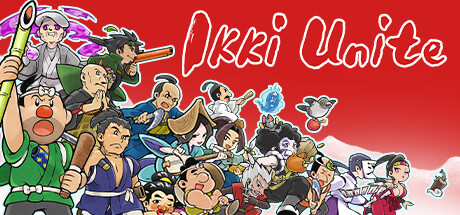
SUNSOFT relapses... The legendary Bad Game Hall of Famer "Ikki" is back, and this time it's a multiplayer experience! You can't start a riot with just one or two people! Enlist up to 16 friends in this Roguelite madness... Ikki but united!
Ikki Unite is a casual, action and action roguelike game
developed and published by SUNSOFT.
Released on February 14th 2023 is available only on Windows.
It has received 700 reviews of which 540 were positive and 160 were negative resulting in a rating of 7.3 out of 10. 😊
The game is currently priced at 11.99€ on Steam, but you can find it for 11.87€ on Eneba.
The Steam community has classified Ikki Unite into these genres:
Media & Screenshots
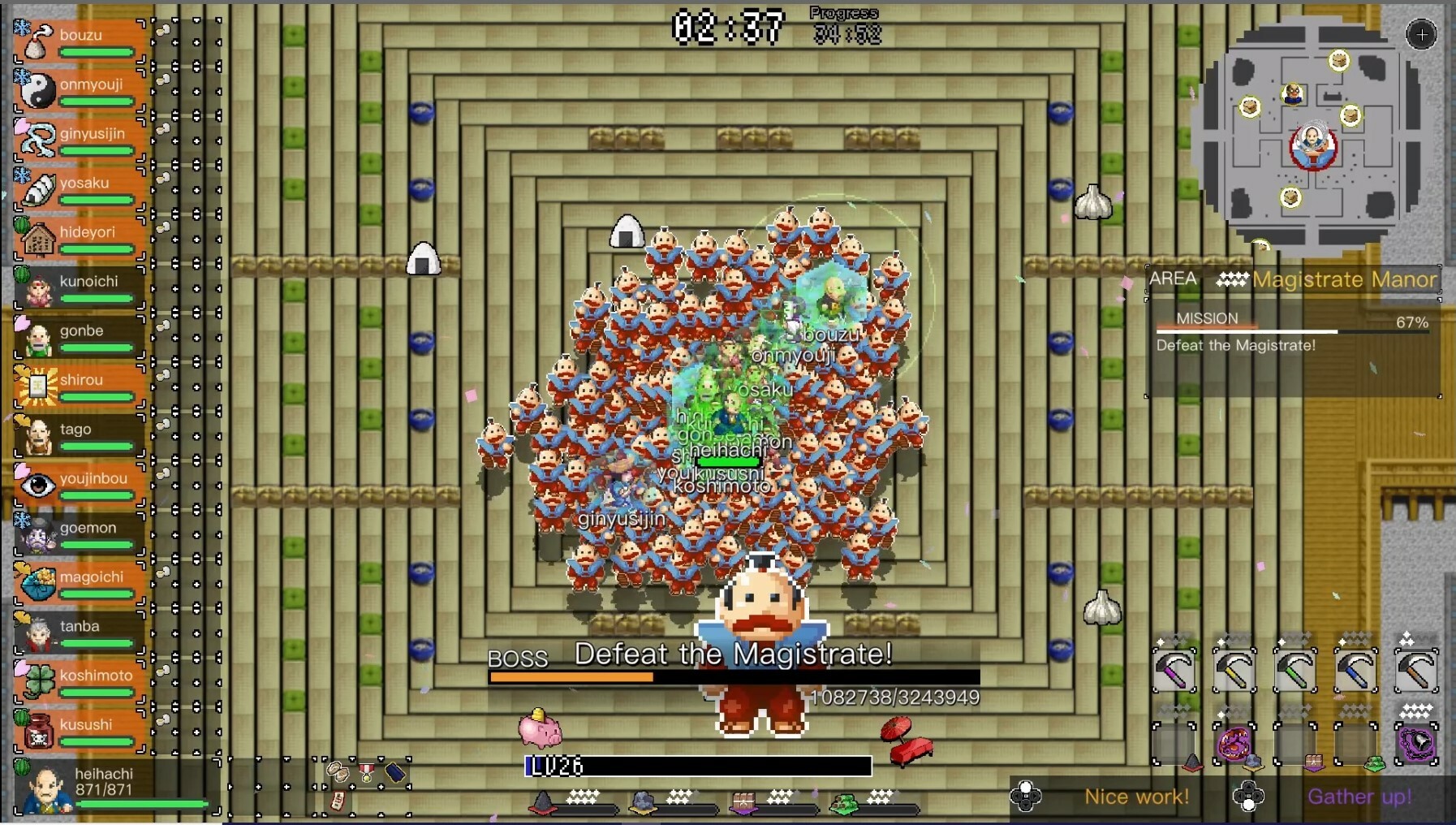
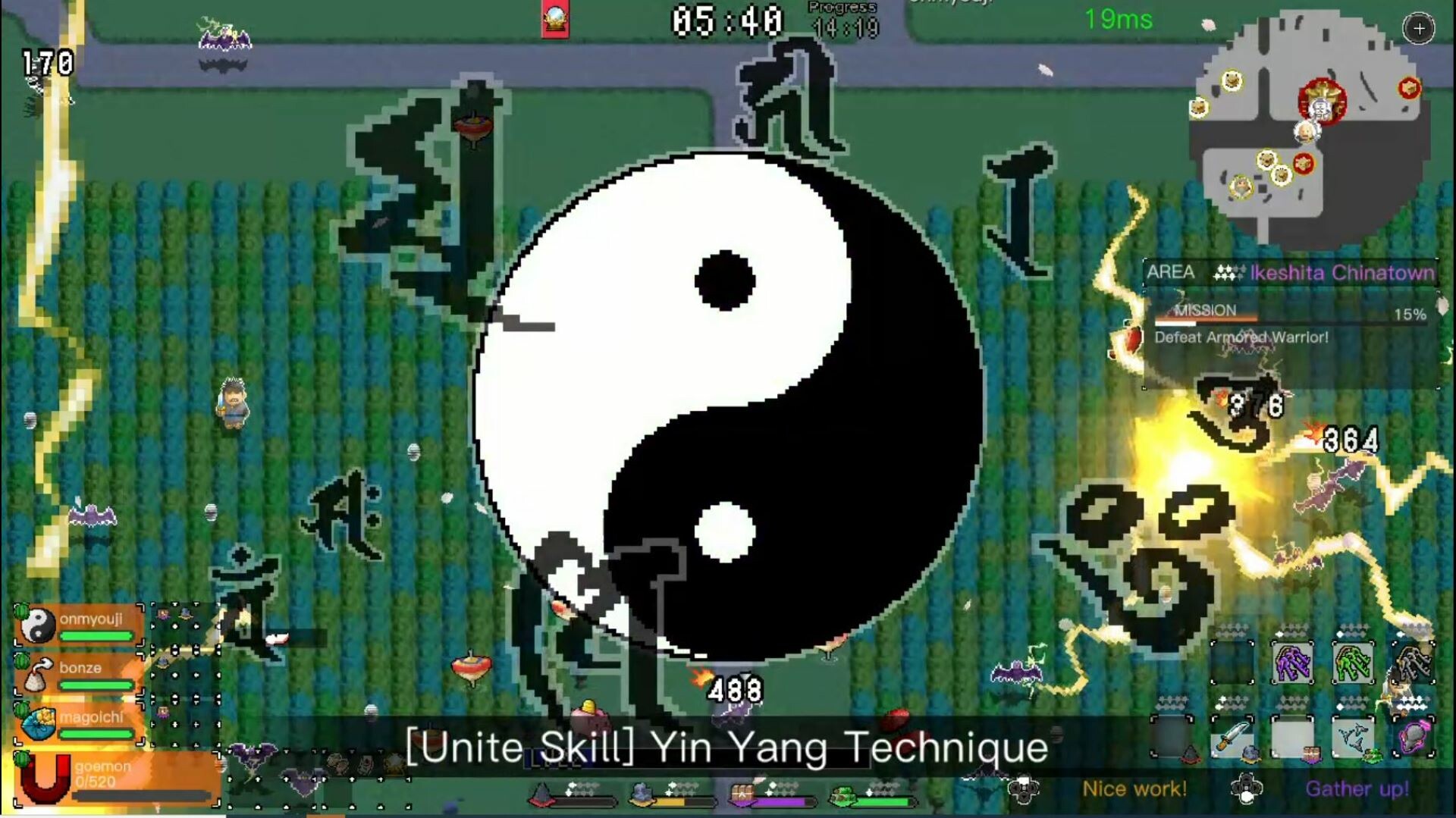
Get an in-depth look at Ikki Unite through various videos and screenshots.
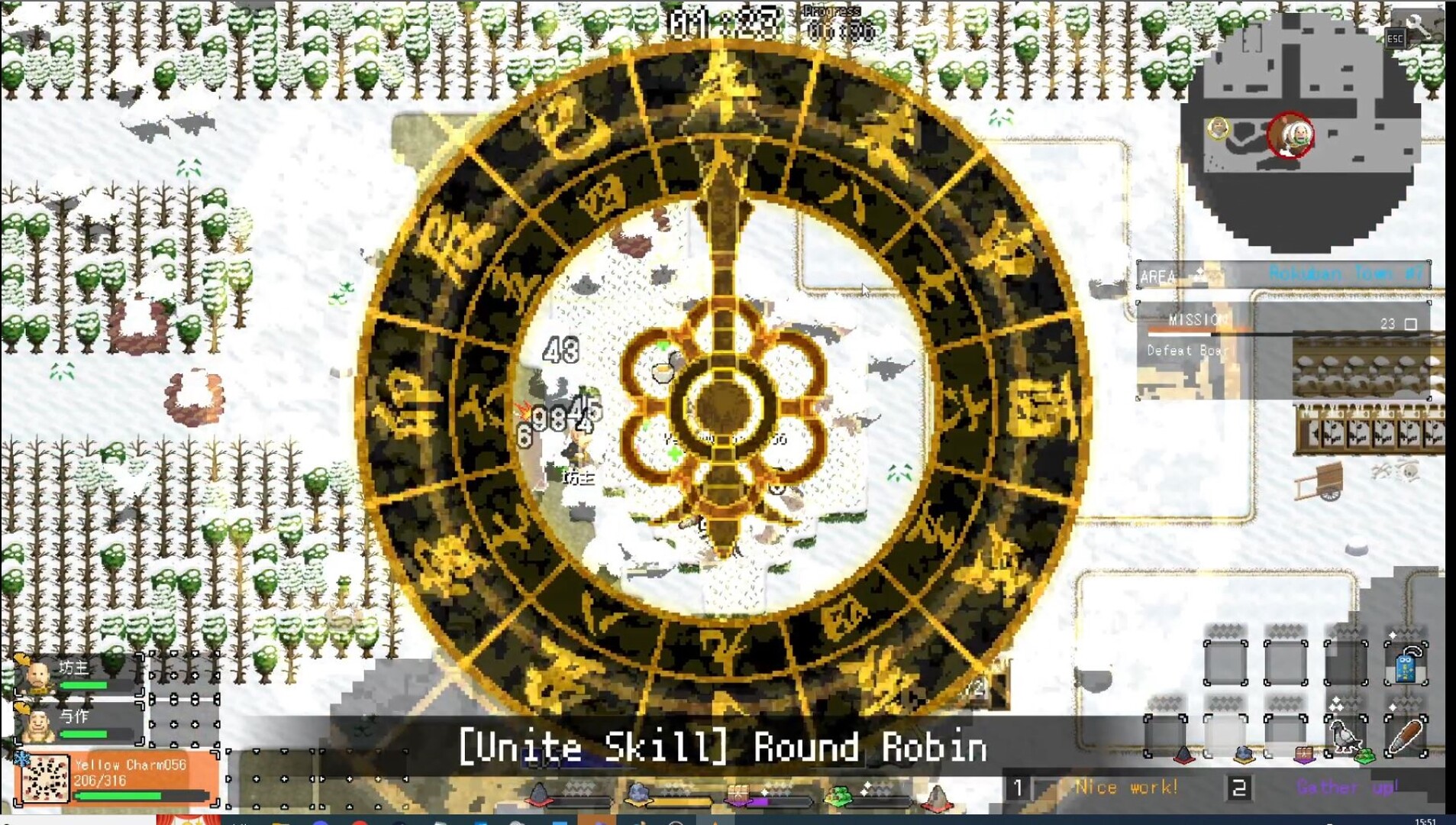
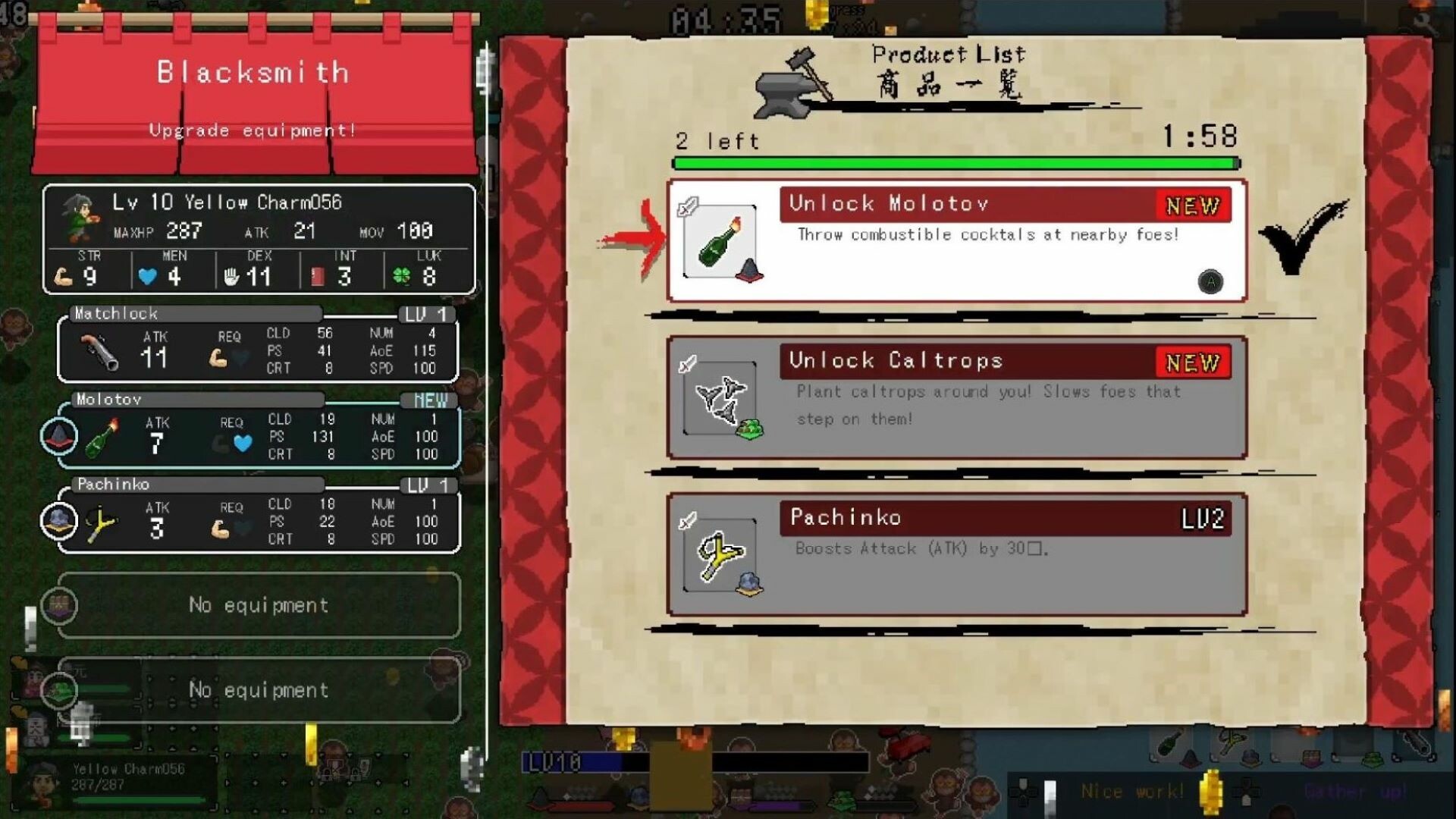
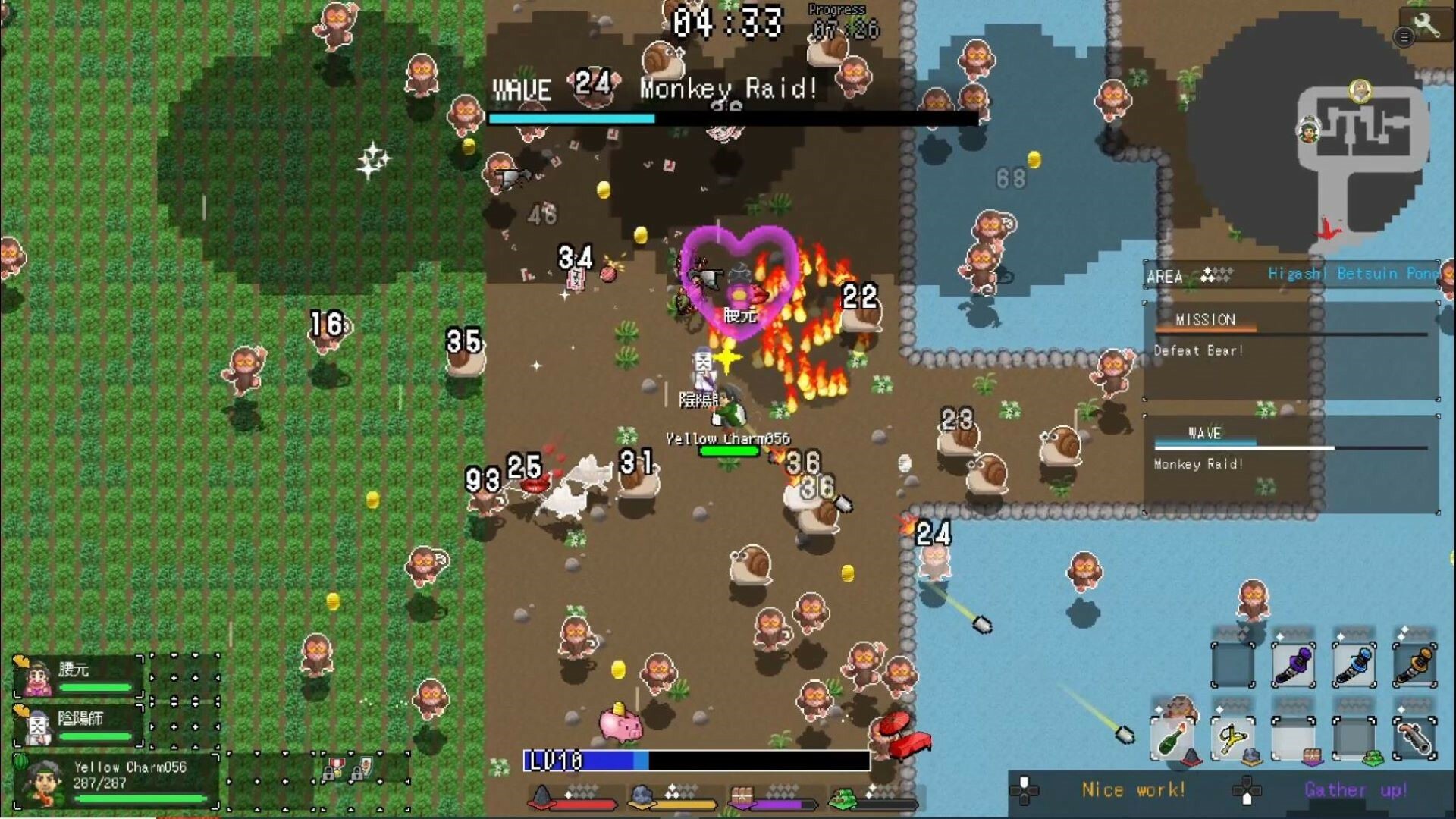
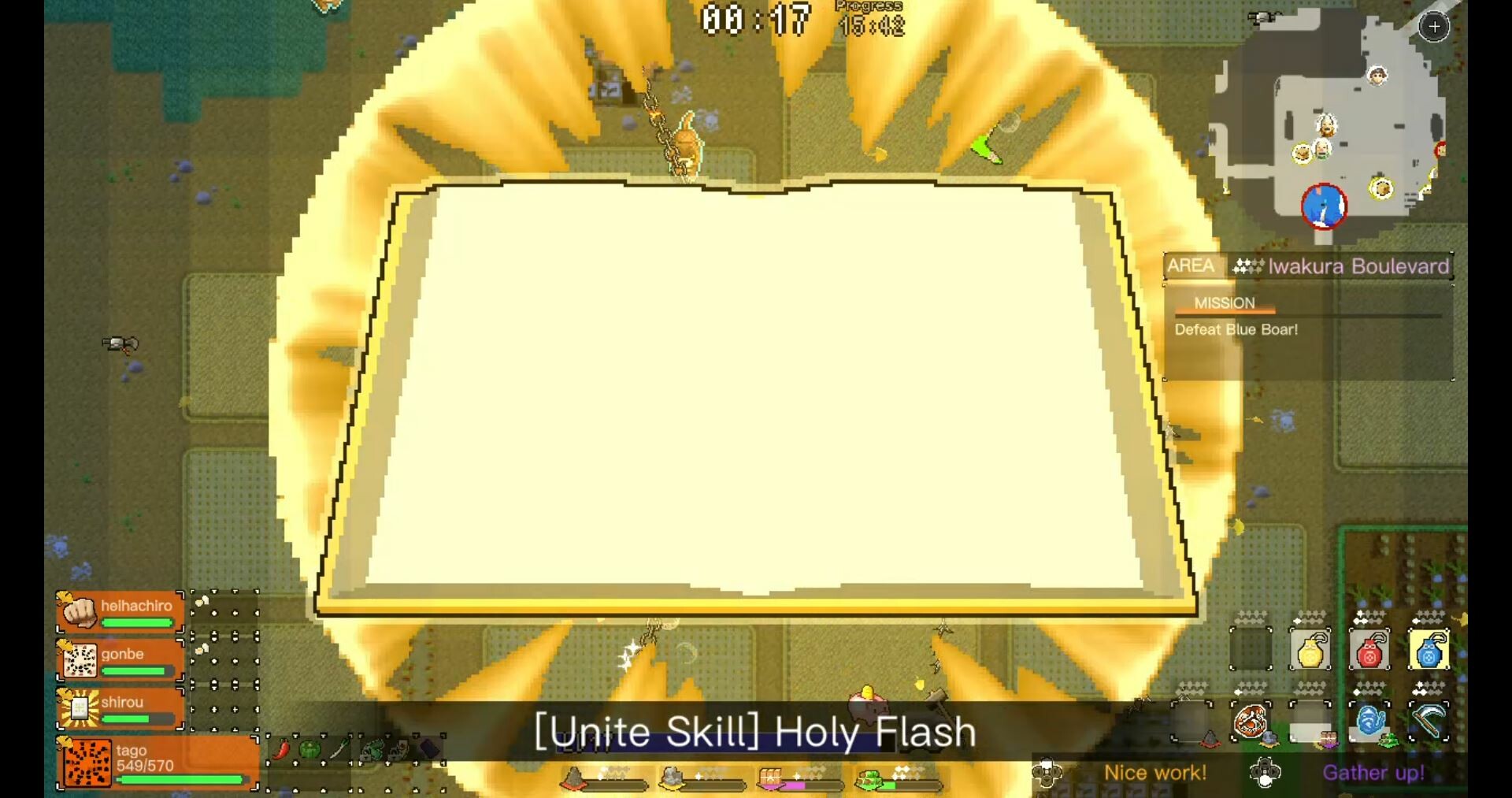
Load More
System requirements
These are the minimum specifications needed to play the game. For the best experience, we recommend that you verify them.
Windows
- Requires a 64-bit processor and operating system
- OS: windows10
- Processor: intel core i5 7500
- Memory: 8 GB RAM
- Graphics: Intel HD Graphics
- DirectX: Version 11
- Storage: 4 GB available space
Steam Price & Best Deals
User reviews & Ratings
Explore reviews from Steam users sharing their experiences and what they love about the game.
Ikki Unite is a chaotic cooperative action roguelite developed and published by SUNSOFT that reimagines one of the company’s most infamous retro titles. The original Ikki, released in arcades in 1985, was a top-down action game about peasants revolting against oppressive feudal lords and has long been remembered in Japan as a quirky and somewhat flawed classic. Instead of simply remaking the arcade game, Ikki Unite transforms the concept into a modern multiplayer survival experience inspired by contemporary “survivor-like” roguelites. The result is a game that blends retro humor with frantic cooperative gameplay, creating a chaotic but surprisingly entertaining revival of a once-ridiculed cult title. The premise maintains the same unusual concept that made the original game memorable. Players take on the roles of ordinary villagers rising up against corrupt officials and greedy landlords in feudal Japan. Rather than heroic warriors or legendary samurai, the protagonists are simple farmers and townspeople armed with everyday tools such as sickles and bamboo spears. This intentionally absurd setup creates a humorous contrast between the humble characters and the overwhelming armies they face. The narrative itself remains lighthearted and comedic, portraying the rebellion as an exaggerated struggle where determined peasants band together to challenge the oppressive system governing their land. Gameplay revolves around the increasingly popular roguelite survival formula, where players must endure waves of enemies while gradually improving their abilities. Characters automatically attack nearby enemies, allowing players to focus primarily on movement and positioning as the battlefield fills with hostile forces. Defeated enemies drop experience points that allow players to level up during a run, granting randomized upgrades such as new weapons, improved damage output, defensive boosts, or additional abilities. Because the upgrades are randomized, every playthrough unfolds differently, encouraging experimentation with various character builds and playstyles. What truly distinguishes Ikki Unite from other games in the genre is its large-scale multiplayer system. Instead of limiting cooperative play to a handful of participants, the game supports online matches with up to sixteen players simultaneously. This massive player count transforms the battlefield into a chaotic spectacle filled with projectiles, special abilities, and enormous swarms of enemies. The cooperative nature of these matches encourages players to work together to survive increasingly difficult waves, making teamwork essential as the chaos escalates. When a large group of players coordinates their abilities effectively, the screen becomes filled with explosions, projectiles, and frantic movement that captures the energy of a large-scale rebellion. The roster of playable characters also contributes to the game’s cooperative dynamics. Each character falls into a specific class role that influences how they support the team during a run. Some villagers specialize in direct offensive abilities that deal heavy damage to enemies, while others provide healing or defensive buffs that help the group survive longer battles. Certain characters offer support abilities that enhance the effectiveness of nearby teammates, encouraging players to stay close together during intense encounters. Because character assignments may vary between matches, players often need to adapt quickly to new roles, creating a constantly evolving team dynamic. Visually, Ikki Unite embraces a retro pixel-art style that pays tribute to the original arcade game. The characters and enemies are rendered with simple sprite designs that evoke the aesthetic of classic 8-bit titles. The environments depict stylized villages, farmland, and countryside settings inspired by historical Japan. While the graphics intentionally lean toward simplicity rather than realism, the nostalgic art style contributes to the game’s playful personality. However, the visual design can sometimes feel repetitive due to limited environmental variety and reused assets across different stages. The audio presentation follows a similar philosophy of retro inspiration. The soundtrack features upbeat and traditional Japanese-influenced melodies that accompany the frantic gameplay. Sound effects echo the style of classic arcade games, with exaggerated attack sounds and energetic music reinforcing the fast-paced nature of each match. Although the audio design is relatively simple, it complements the overall tone of the game and enhances the sense of chaotic fun during large multiplayer battles. Despite its entertaining concept, Ikki Unite is not without its shortcomings. The game’s balance can occasionally feel uneven, particularly when certain character abilities or upgrade combinations become significantly stronger than others. Because many elements of the gameplay rely on random upgrades, players sometimes find themselves at a disadvantage compared to teammates who receive more powerful abilities. Additionally, the limited variety in environments and enemy types may cause the gameplay to feel repetitive after extended play sessions. Even with these flaws, the game succeeds in delivering a unique cooperative experience that thrives on unpredictability and teamwork. The sheer spectacle of sixteen players fighting together against overwhelming enemy forces creates moments of excitement that are difficult to replicate in smaller cooperative games. The game’s willingness to embrace its own absurd premise adds to its charm, turning the rebellion of humble villagers into a humorous and chaotic battle for survival. Ultimately, Ikki Unite works best as a social experience rather than a deeply strategic roguelite. While it may not offer the refined balance or extensive content of some other titles in the genre, it compensates with large-scale cooperative gameplay and a quirky sense of humor. By transforming a cult arcade oddity into a modern multiplayer survival game, SUNSOFT has created an experience that celebrates both the strange legacy of the original Ikki and the chaotic fun of cooperative roguelite action. Rating: 7/10
Similar games
View all
Desktop Survivors 98
Desktop Survivors 98 is a chaotic roguelite dungeon crawler that unfolds right on your Desktop. Your cursor becomes the hero as you explore new rooms, battle relentless waves of enemies, and collect powerful new weapons.

Rocket Rats
Rocket Rats is a survivors-like game where you defeat cheese-based astral bodies in space – as a rat! Clear waves of enemies, collect cheese, upgrade your gear, and conquer the moon!
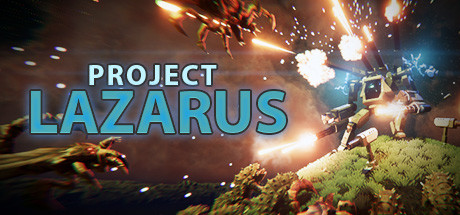
Project Lazarus
You are the first party mech pilot of alien planet colonizers! Project Lazarus is a survival game with rogue-lite elements. Deploy and upgrade your mech to the metal!
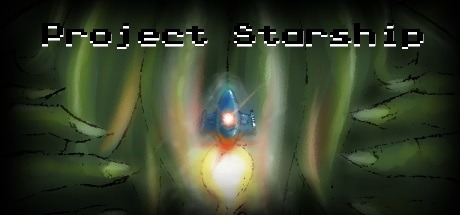
Project Starship
Project Starship is an arcade bullet-hell with random mechanics. No match will ever be the same. Who will you be? Garret or Gwen? Will you save the world from the mighty cthulhu?
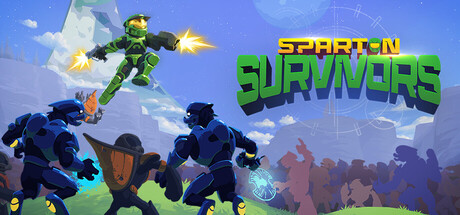
Spartan Survivors
Fight hordes of Covenant & Flood in this new game mixing Roguelite & Bullet Heaven for hours of mindless fun!
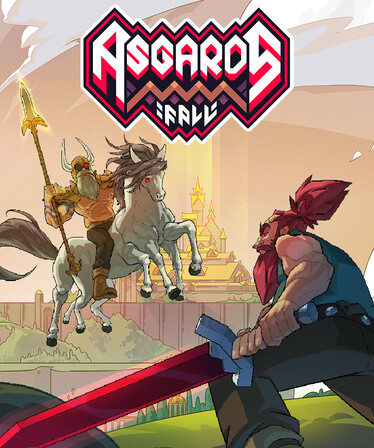
Asgard's Fall Viking Survivors
Embark on an epic saga in Asgard's Fall, a norse Survivors-like Roguelite. Fight your way through hordes of creatures and let the gods feel your relentless wrath. How will your saga unfold?
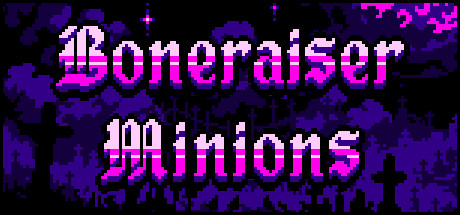
Boneraiser Minions
Amass an army of undead to fight endless waves of heroes intent to end your boneraising ways! In this gothic auto-battler rogue-lite Survivor-like, use the bones of slain heroes to raise your minions, collect relics and spells, and unlock meta upgrades, all to survive King Gigald's crusade!

Vampire Survivors
Mow down thousands of night creatures and survive until dawn! Vampire Survivors is a gothic horror casual game with rogue-lite elements, where your choices can allow you to quickly snowball against the hundreds of monsters that get thrown at you. Be the bullet hell!

Ruzh Delta Z
Ruzh Delta Z is a frenzied shoot-em-up which draws inspiration from classics such as Gradius, DoDonPachi, and R-Type. Shoot your way through perilous stages and wreck thousands of rogue vessels in your quest to become the ultimate pilot.

Overture
Overture is an action-adventure roguelike which draws heavy inspiration from hits such as Diablo, Realm of The Mad God, Zelda, and The Binding of Isaac. Explore vast randomly generated dungeons and slay hordes of cunning enemies!
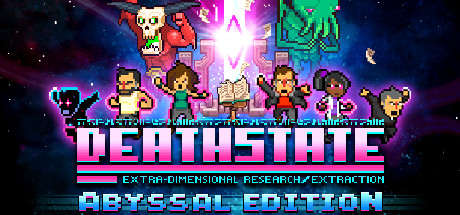
Deathstate: Abyssal Edition
Deathstate is a roguelike bullet hell adventure set in a bizarre world of dimensional exploration. Play as a number of unique characters trying to discover the fate of Professor Elinberg who opened a portal to the void. Are you ready to venture deep into the abyss?
Frequently Asked Questions
Ikki Unite is currently priced at 11.99€ on Steam.
No, Ikki Unite is currently not on sale. You can purchase it for 11.99€ on Steam.
Yes, Ikki Unite received 540 positive votes out of a total of 700 achieving a rating of 7.34.
😊
Ikki Unite was developed and published by SUNSOFT.
Yes, Ikki Unite is playable and fully supported on Windows.
No, Ikki Unite is not playable on MacOS.
No, Ikki Unite is not playable on Linux.
This information about Ikki Unite is not available yet.
This information about Ikki Unite is not available yet.
No, Ikki Unite does not support VR.
Ikki Unite offers both single-player and multi-player modes.
Ikki Unite includes Co-op mode where you can team up with friends.
Yes, there is a DLC available for Ikki Unite. Explore additional content available for Ikki Unite on Steam.
No, Ikki Unite does not support mods via Steam Workshop.
No, Ikki Unite does not support Steam Remote Play.
Yes, Ikki Unite is enabled for Steam Family Sharing. This means you can share the game with authorized users from your Steam Library, allowing them to play it on their own accounts. For more details on how the feature works, you can read the original Steam Family Sharing announcement or visit the Steam Family Sharing user guide and FAQ page.
You can find solutions or submit a support ticket by visiting the Steam Support page for Ikki Unite.
Data sources
The information presented on this page is sourced from reliable APIs to ensure accuracy and relevance. We utilize the Steam API to gather data on game details, including titles, descriptions, prices, and user reviews. This allows us to provide you with the most up-to-date information directly from the Steam platform.
Additionally, we incorporate data from the SteamSpy API, which offers insights into game sales and player statistics. This helps us present a comprehensive view of each game's popularity and performance within the gaming community.
Last Updates| Steam data | 23 September 2026 06:07 UTC |
|---|---|
| SteamSpy data | 19 October 2026 03:32 UTC |
| Steam price | 27 October 2026 04:09 UTC |
| Steam reviews | 18 October 2026 06:02 UTC |
If you'd like to dive deeper into the details about Ikki Unite, we invite you to check out a few dedicated websites that offer extensive information and insights. These platforms provide valuable data, analysis, and user-generated reports to enhance your understanding of the game and its performance.
- SteamDB - A comprehensive database of everything on Steam about Ikki Unite
- SteamCharts - Analysis of Ikki Unite concurrent players on Steam
- ProtonDB - Crowdsourced reports on Linux and Steam Deck Ikki Unite compatibility
Game modes
Multiplayer
Features
Online players
0
Developer
SUNSOFT
Publisher
SUNSOFT
Release
14 Feb 2023
Platforms
Clicking and buying through these links helps us earn a commission to maintain our services.