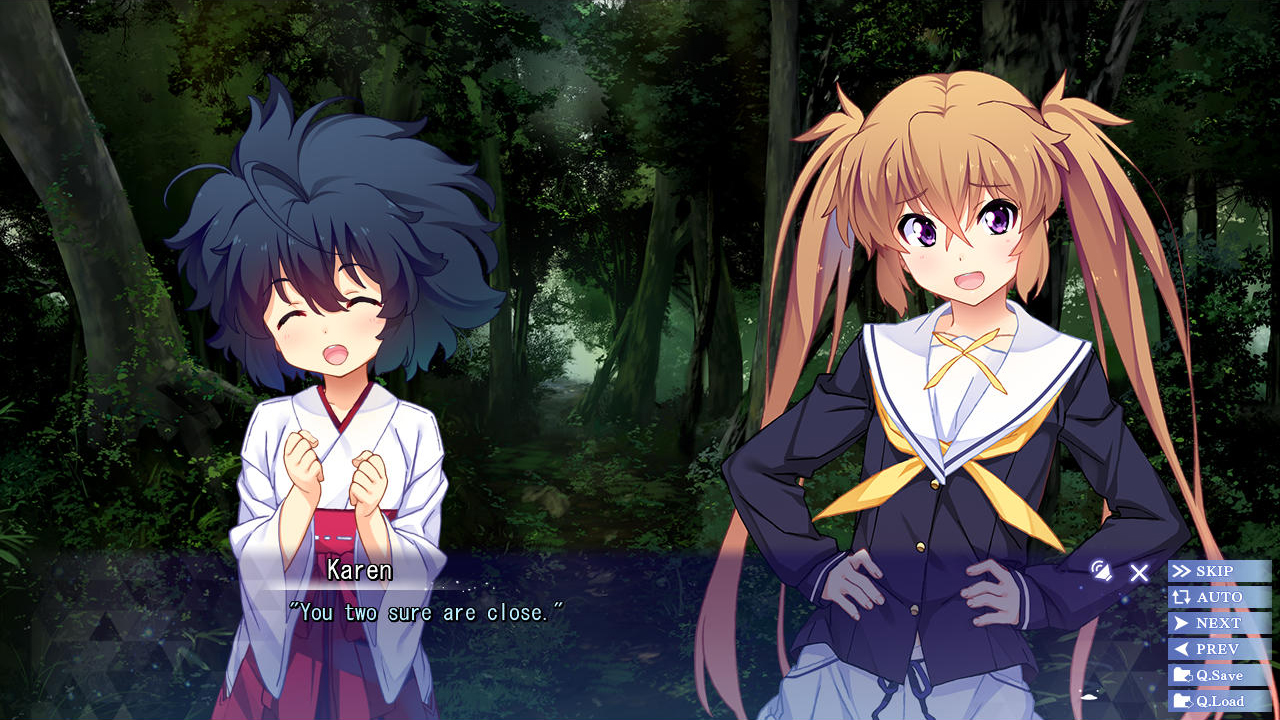
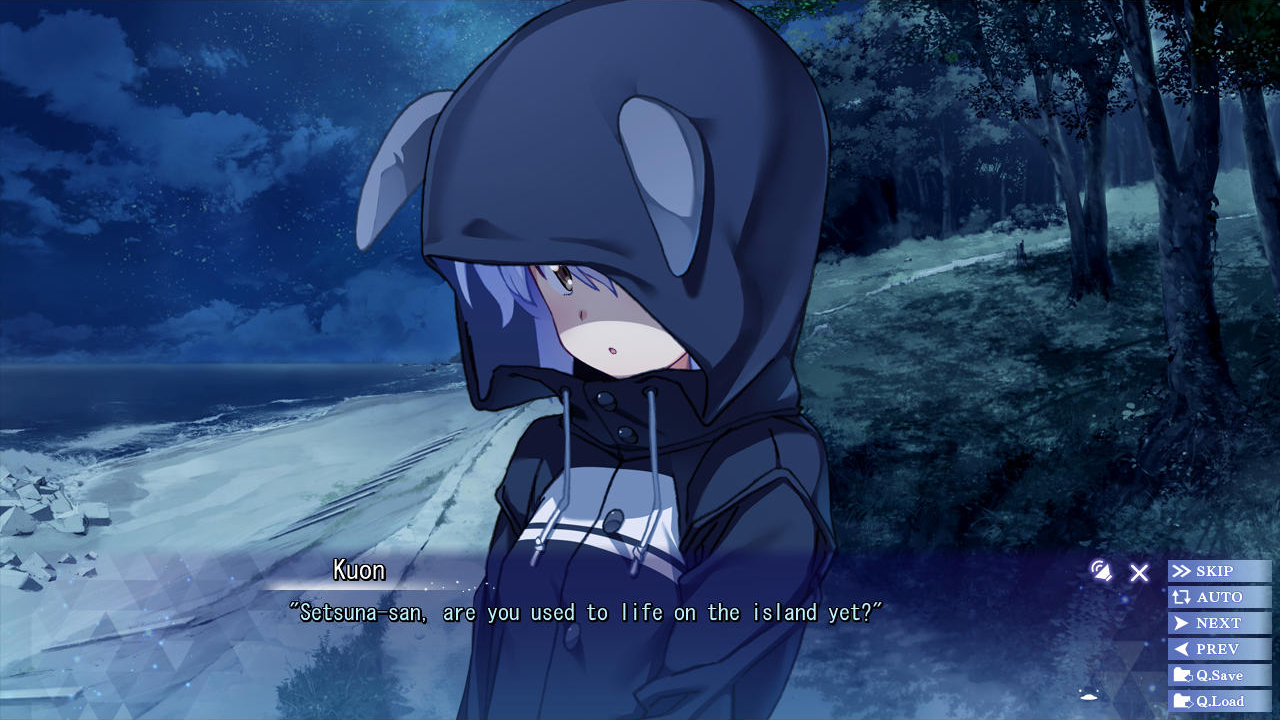
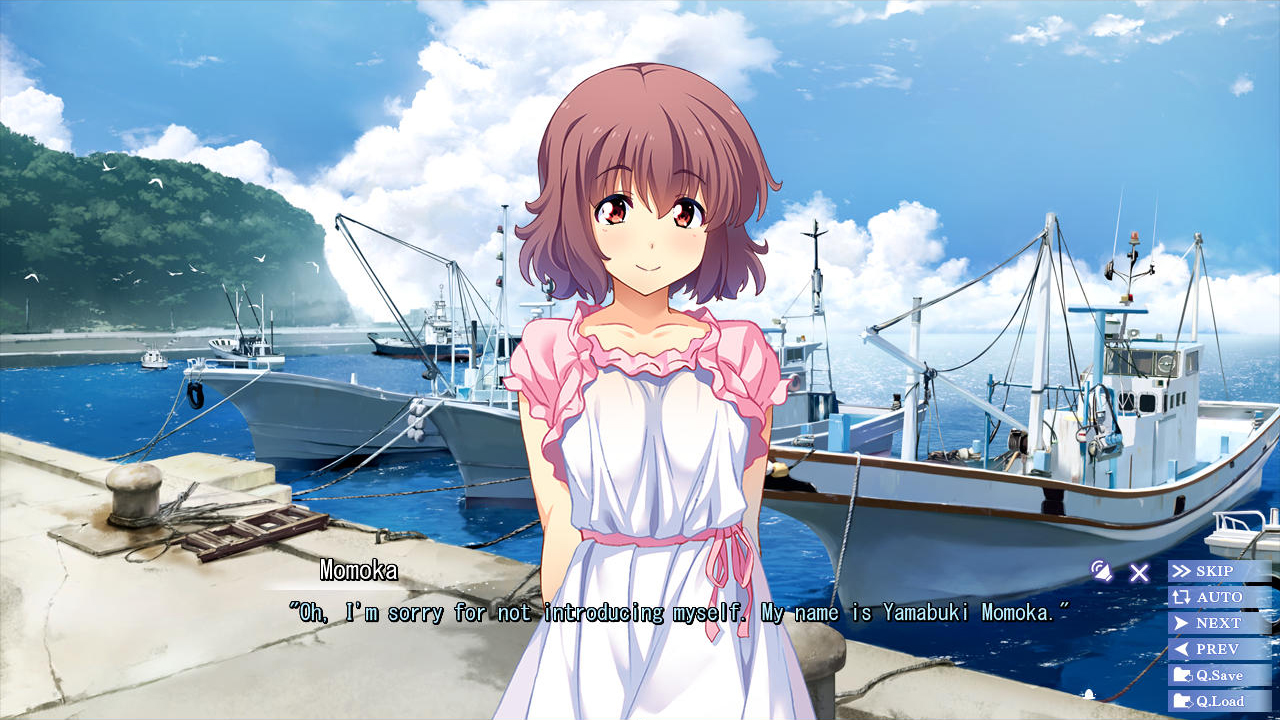
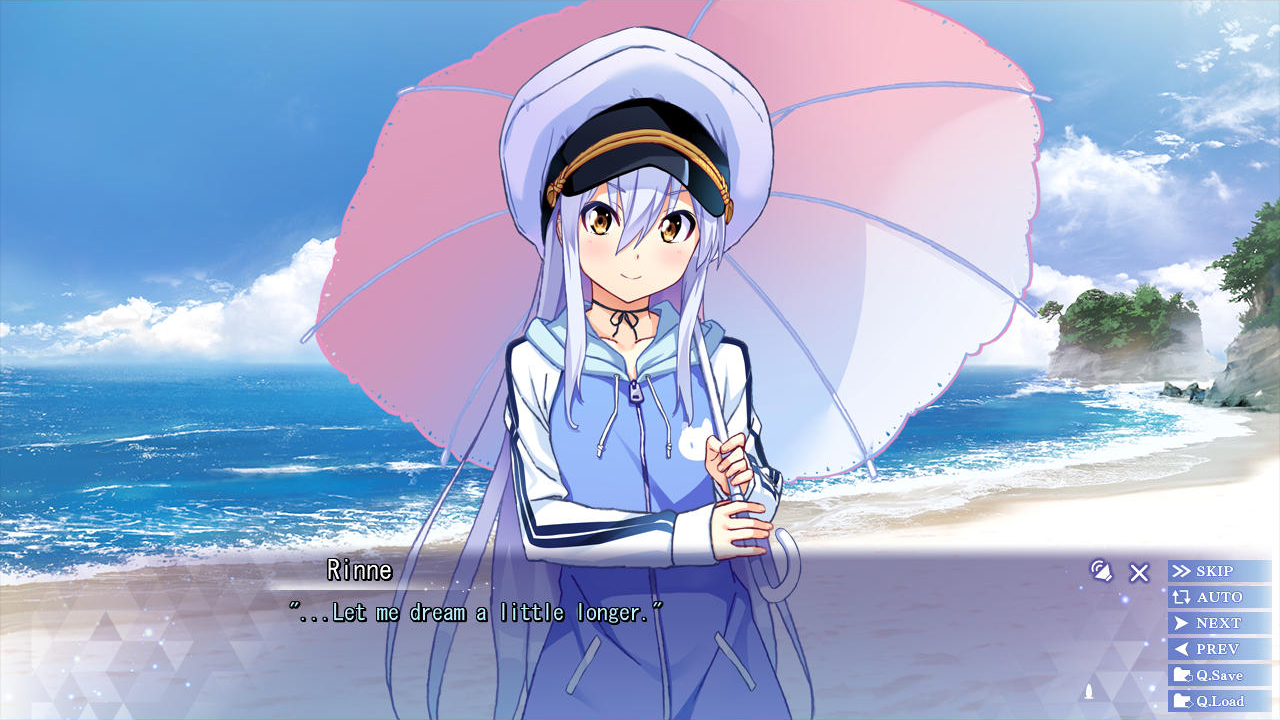
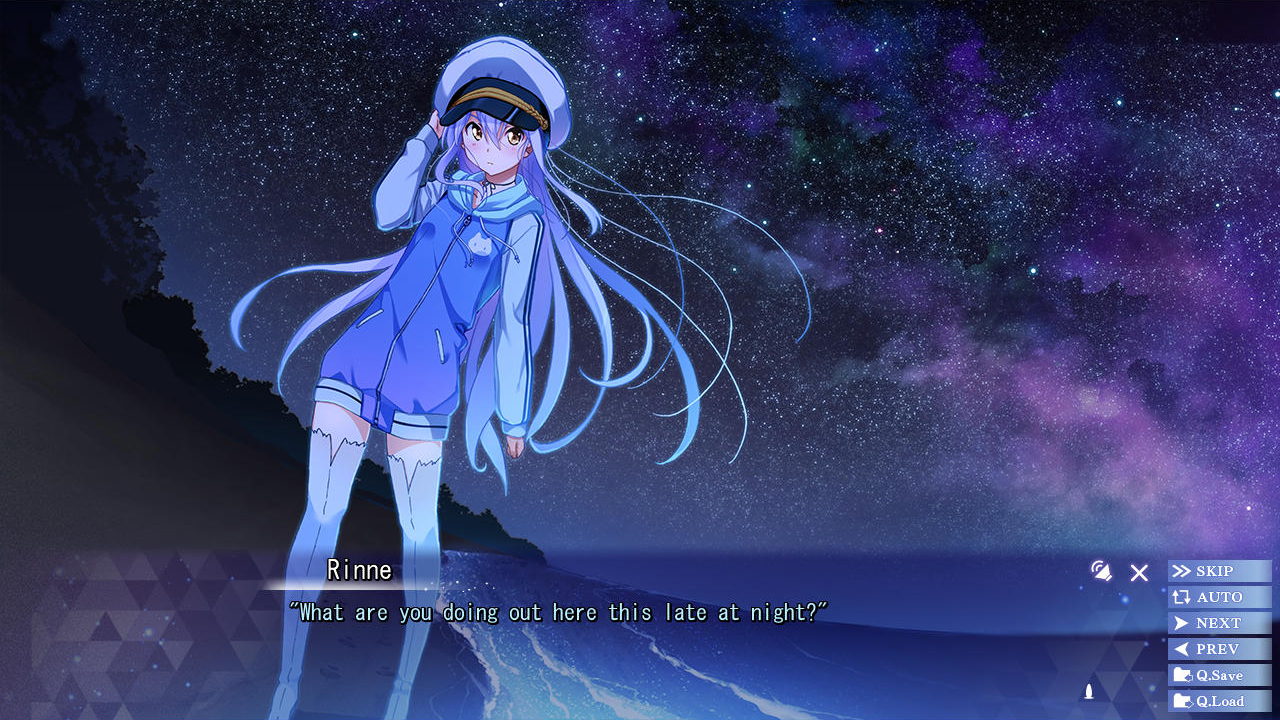
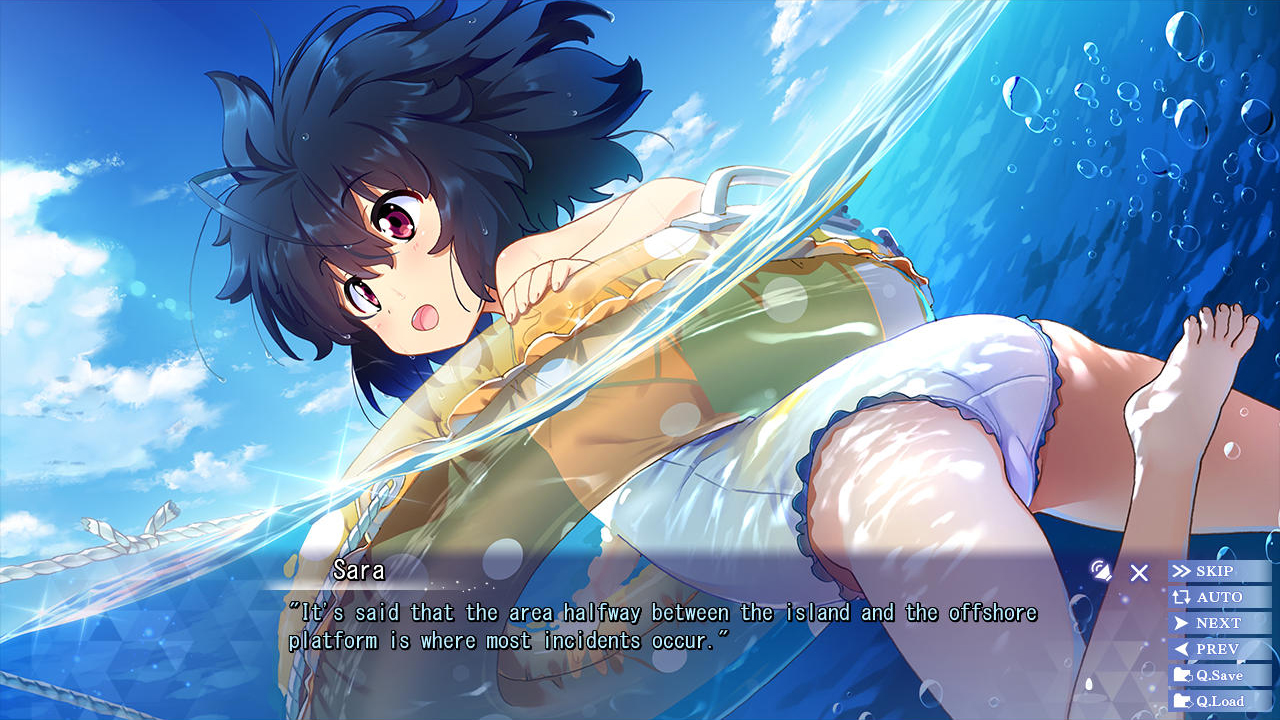
ISLAND, developed by Frontwing and published by Frontwing USA, is a sweeping visual novel that blends romance, mystery, and science fiction into an ambitious and emotional narrative. At first glance, it presents itself as a familiar story—a young man awakens on a remote island with no memory of who he is or how he got there—but as the plot unfolds, it evolves into something far more complex. The setting, Urashima Island, feels isolated and timeless, steeped in local legends and traditions that hint at something hidden beneath its peaceful exterior. As the protagonist, who eventually takes the name Setsuna Sanzenkai, becomes entangled with three young women—Rinne Ohara, Karen Kurutsu, and Sara Garandou—he slowly begins to uncover secrets that tie together the island’s myths, its people, and his own mysterious arrival. What begins as a character-driven drama steadily transforms into a meditation on time, destiny, and the cyclical nature of human emotion. The structure of ISLAND is methodical, unfolding in distinct routes that must be played in a specific order. Each heroine’s story reveals new layers of the central mystery and explores different emotional and thematic dimensions. Karen’s route focuses on rebellion and the desire to escape the island’s boundaries, reflecting a yearning for freedom and individuality. Sara’s route dives into the island’s spiritual history, blending ritual, faith, and the tension between science and superstition. Finally, Rinne’s route serves as the emotional and narrative climax, weaving together the threads of the previous stories into a single, resonant conclusion. The game’s true ending ties these arcs together in a way that feels both tragic and uplifting, offering answers to the lingering questions while leaving space for interpretation. The narrative design encourages players to think about the connections between each route, rewarding patience and curiosity with a deep, layered story that can only be understood in full through repetition and reflection. What distinguishes ISLAND from many other visual novels is its atmosphere. The game excels at creating a sense of place—Urashima feels both idyllic and suffocating, a world cut off from time itself. Its blend of coastal beauty and quiet melancholy gives the story a haunting tone that mirrors its themes of memory and inevitability. The pacing can feel slow at first, as the early hours focus on daily life, character interactions, and the small details that define island living. Yet that slow burn pays off as the story begins to shift into deeper mysteries. Each discovery feels earned, and when the plot’s science-fiction elements surface—time loops, paradoxes, and questions about identity—they feel like natural extensions of the emotional groundwork laid early on. The sense of progression from innocence to revelation is one of the game’s most satisfying elements, as it transitions seamlessly from grounded slice-of-life storytelling to something philosophical and profound. The presentation is another area where ISLAND shines. Frontwing’s signature art style gives each character and location warmth and expressiveness, while the use of color and lighting accentuates the mood of each scene. The game’s soundtrack is equally impressive, filled with soft piano melodies, sweeping orchestral pieces, and ambient tracks that enhance the emotional tone without overwhelming it. Each heroine’s route is punctuated by unique musical cues that help define their personalities and emotional journeys. Voice acting, particularly in the Japanese version, adds further depth, giving the cast distinct personalities and emotional nuance. While the English localization is solid, some of the subtleties of tone and wordplay inevitably get lost in translation, though the spirit of the story remains intact. Altogether, the audiovisual presentation works in harmony with the narrative to immerse players completely in Urashima’s world. That said, ISLAND is not without its flaws. The pacing, while deliberate, can test a player’s patience, especially in the early common route where the supernatural elements take a backseat to daily routines and comedic exchanges. Some of the writing can feel overly verbose or melodramatic, particularly in moments of exposition where the story leans heavily on pseudo-scientific or metaphysical explanations. The later revelations, which involve time manipulation and identity twists, require a suspension of disbelief that may not resonate with everyone. For some players, the shift from grounded human drama to high-concept science fiction can feel jarring, and not all the narrative threads tie together as neatly as intended. A few of the routes, particularly those leading to alternate endings, can also feel uneven in tone or pacing compared to the main story. However, these inconsistencies are balanced by the emotional sincerity at the game’s core. Even when the story takes bold leaps into surreal or improbable territory, it does so with conviction and heart. Ultimately, ISLAND stands as one of Frontwing’s most ambitious and emotionally driven visual novels. It dares to tackle grand ideas about love, loss, and the passage of time while grounding them in deeply human relationships. It’s a story that asks players to look beyond surface events and consider the nature of connection—how people can transcend their circumstances, how choices echo across generations, and how even in isolation, hope can endure. The experience is long, reflective, and at times demanding, but for those willing to invest in its slow unfolding, it offers a powerful emotional payoff. ISLAND is less about solving a mystery and more about understanding what it means to live, to remember, and to reach for something eternal. It’s a rare example of a visual novel that marries heartfelt romance with philosophical storytelling, leaving a lasting impression long after the final scene fades. Rating: 9/10
Expand the review