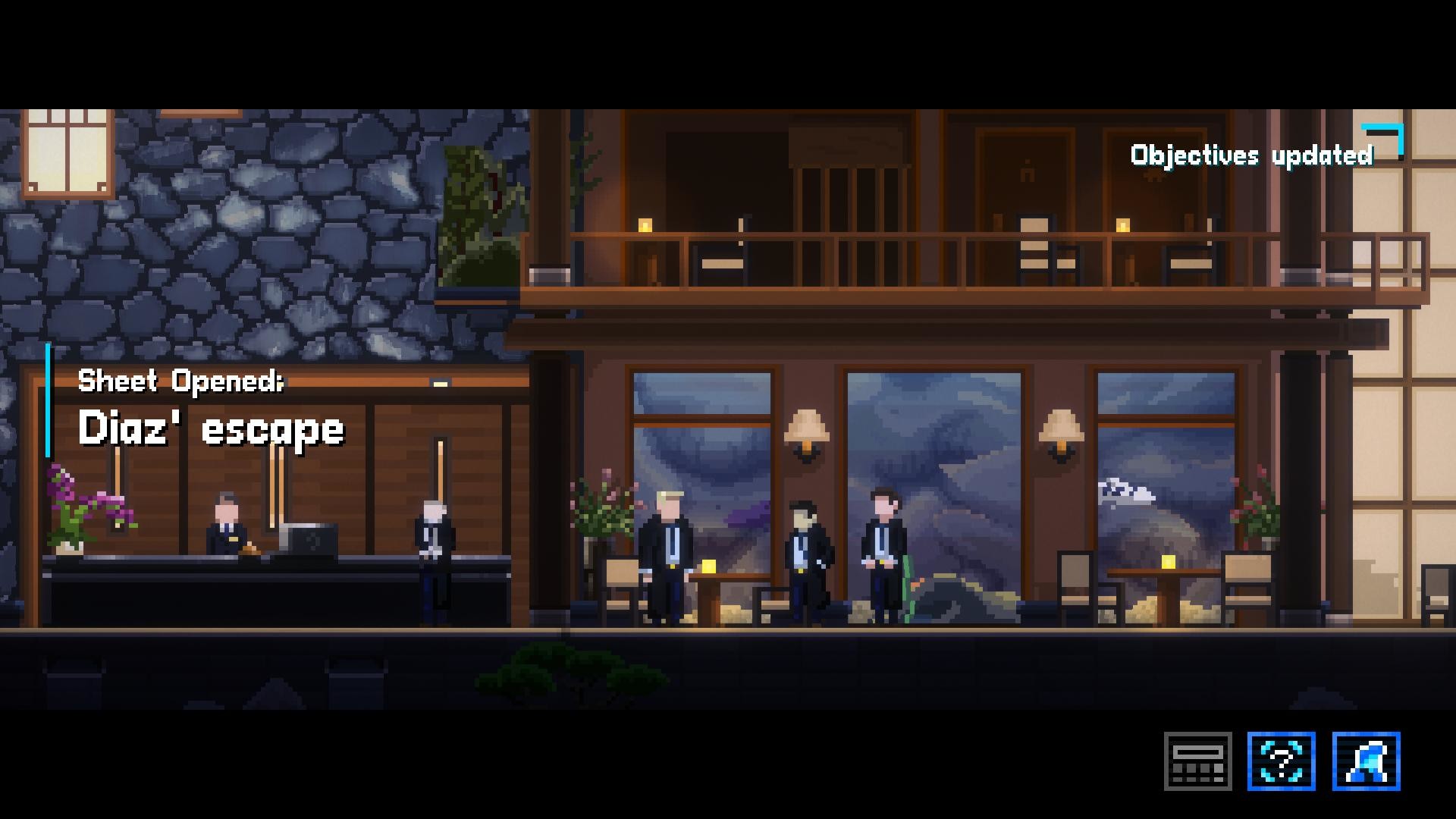
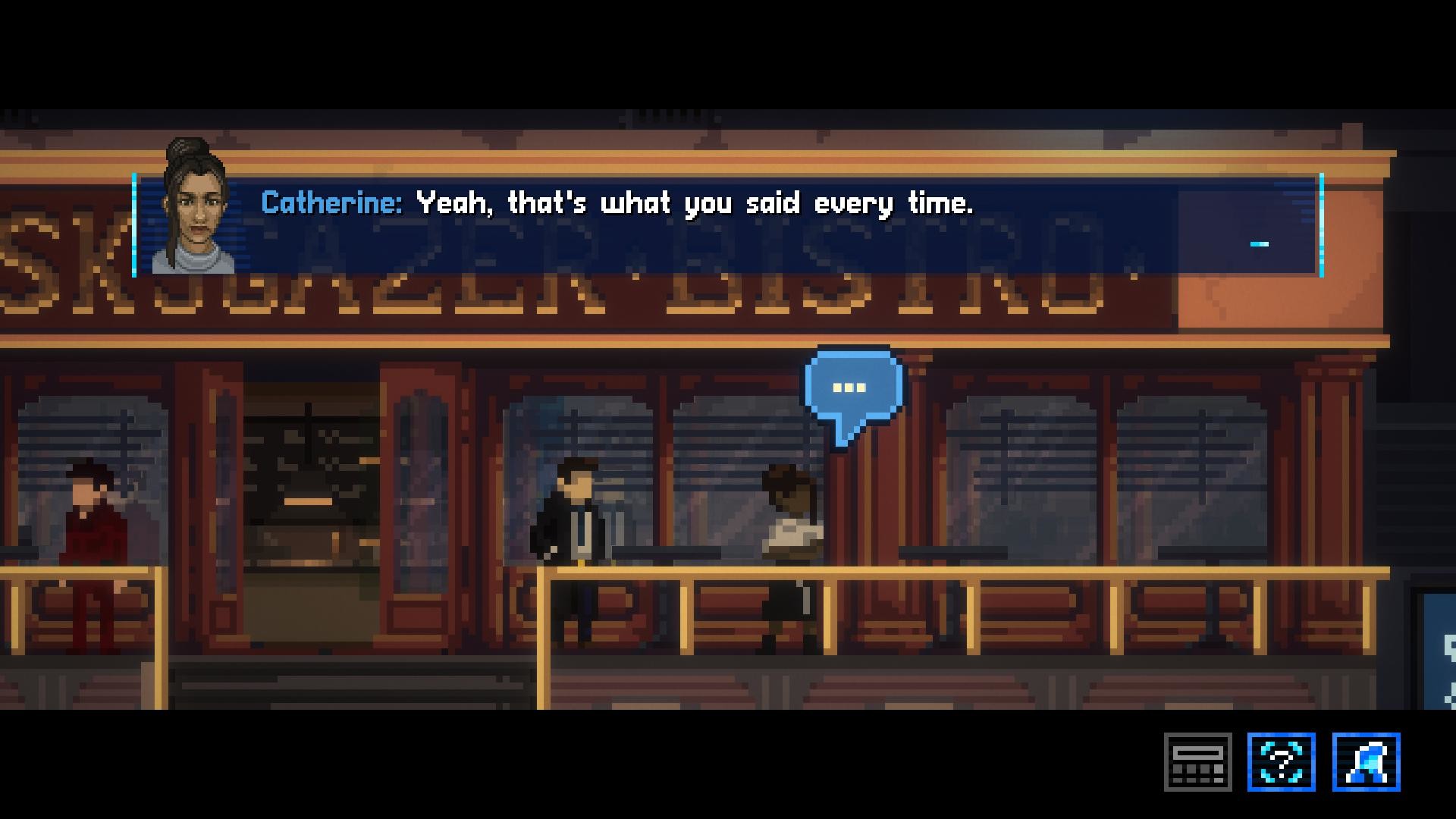
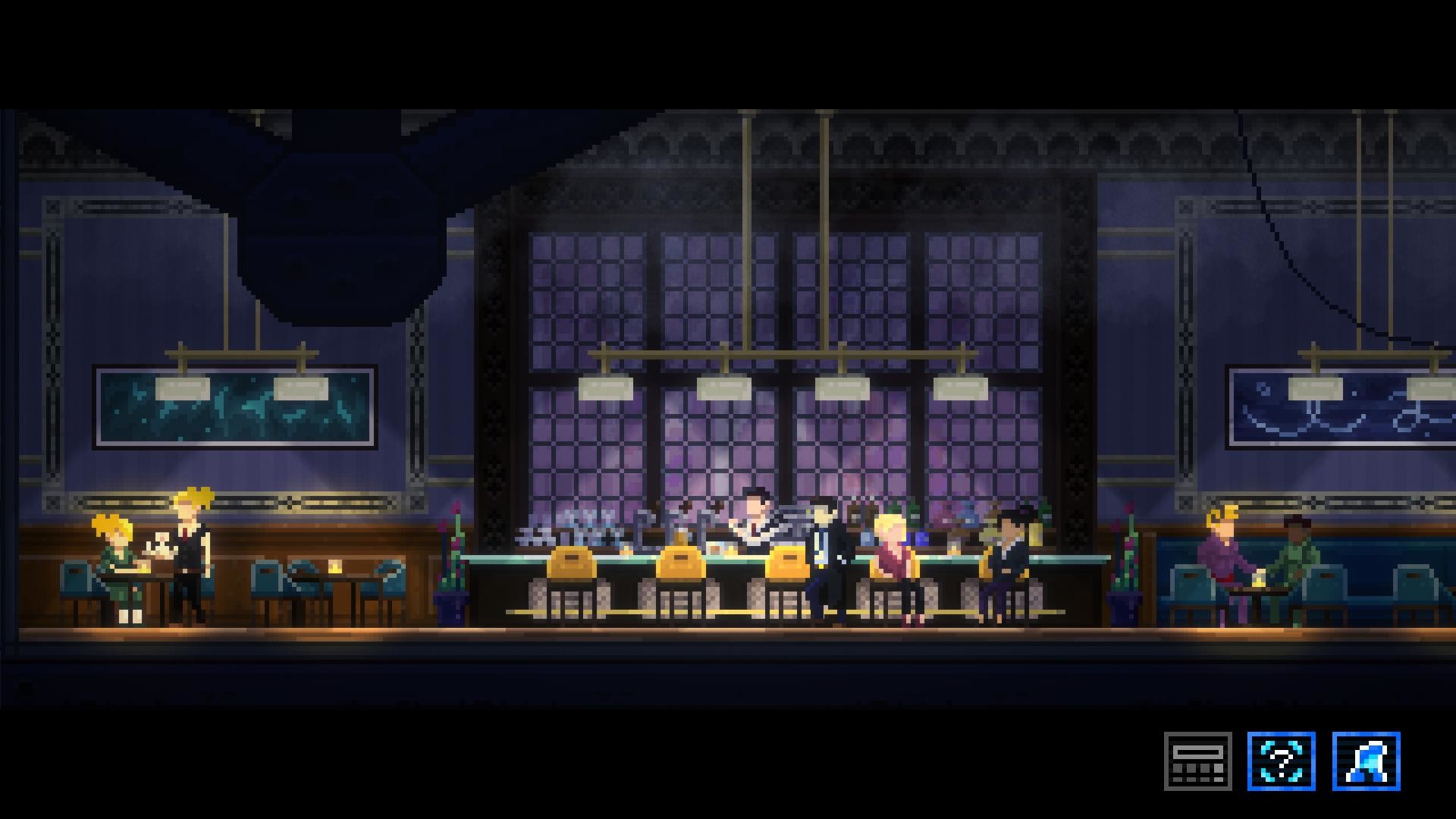
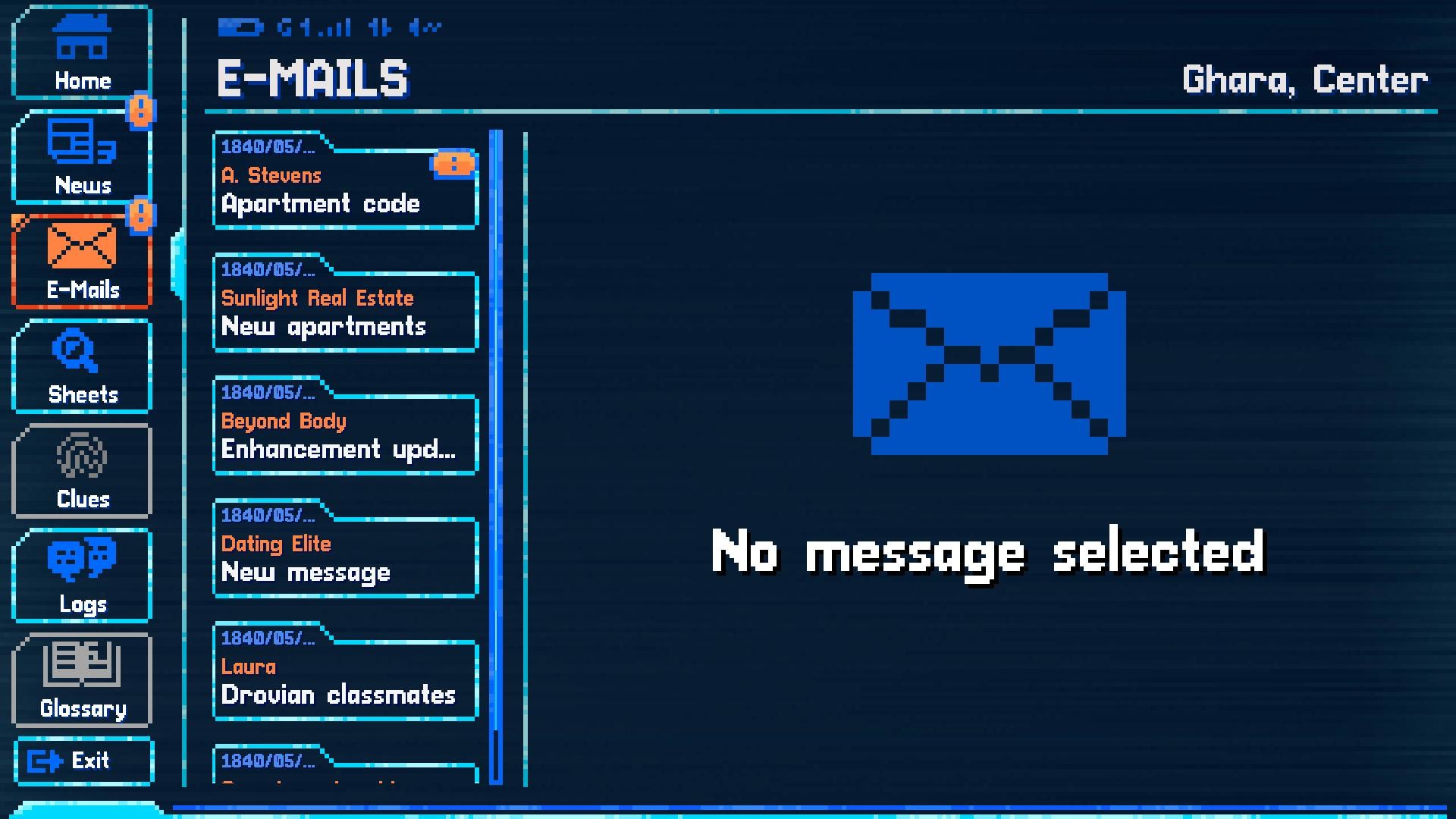
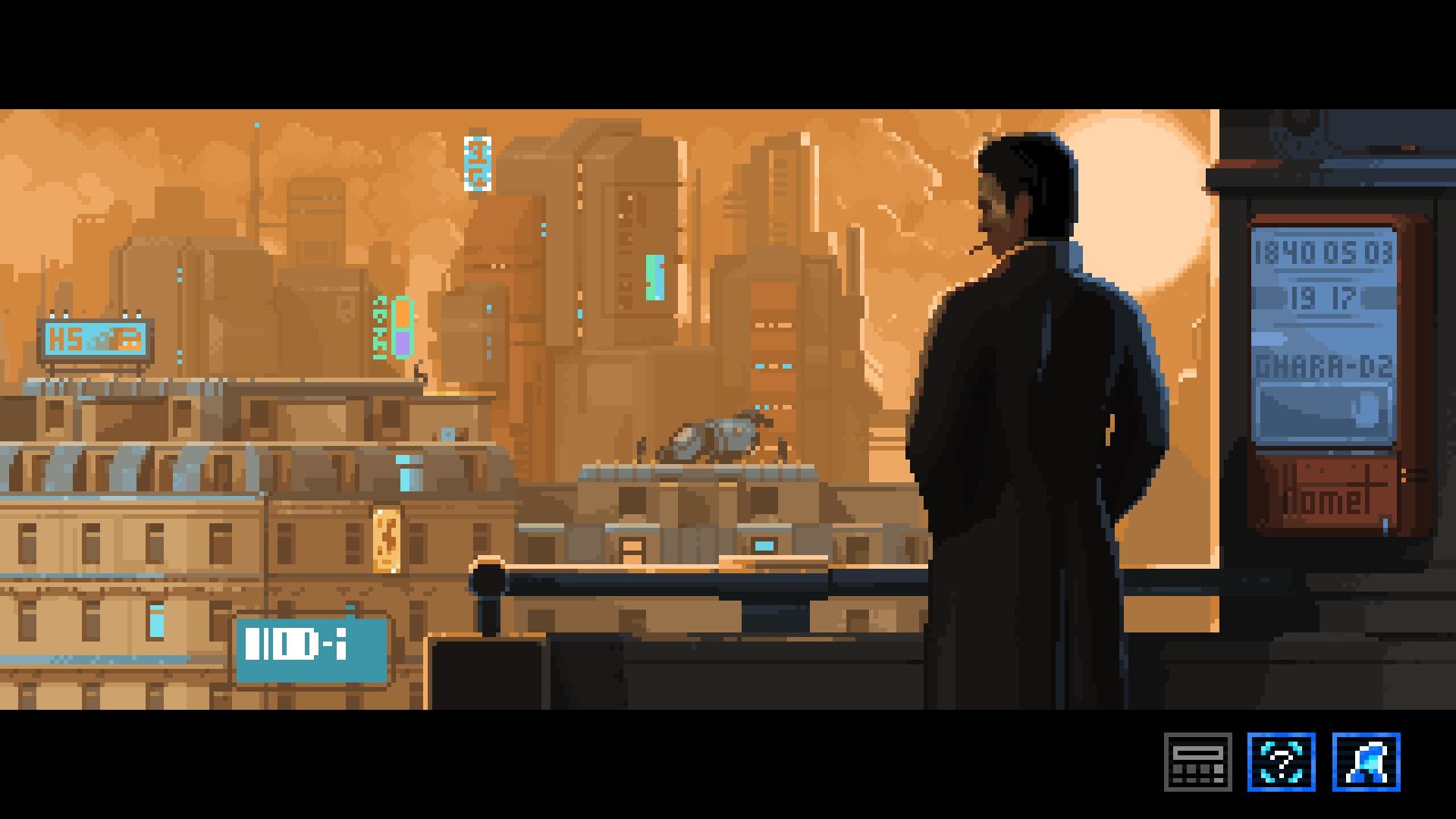
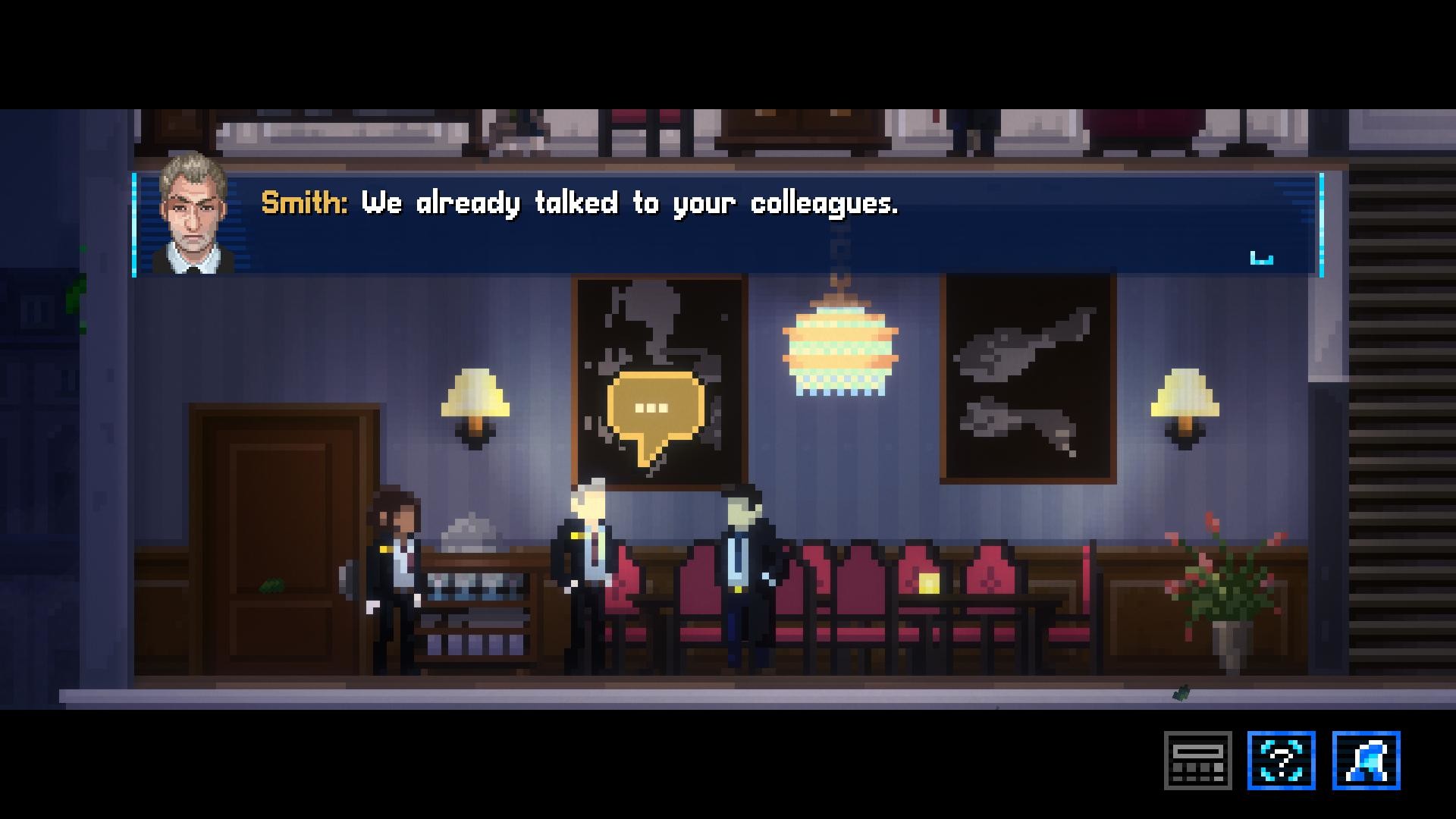
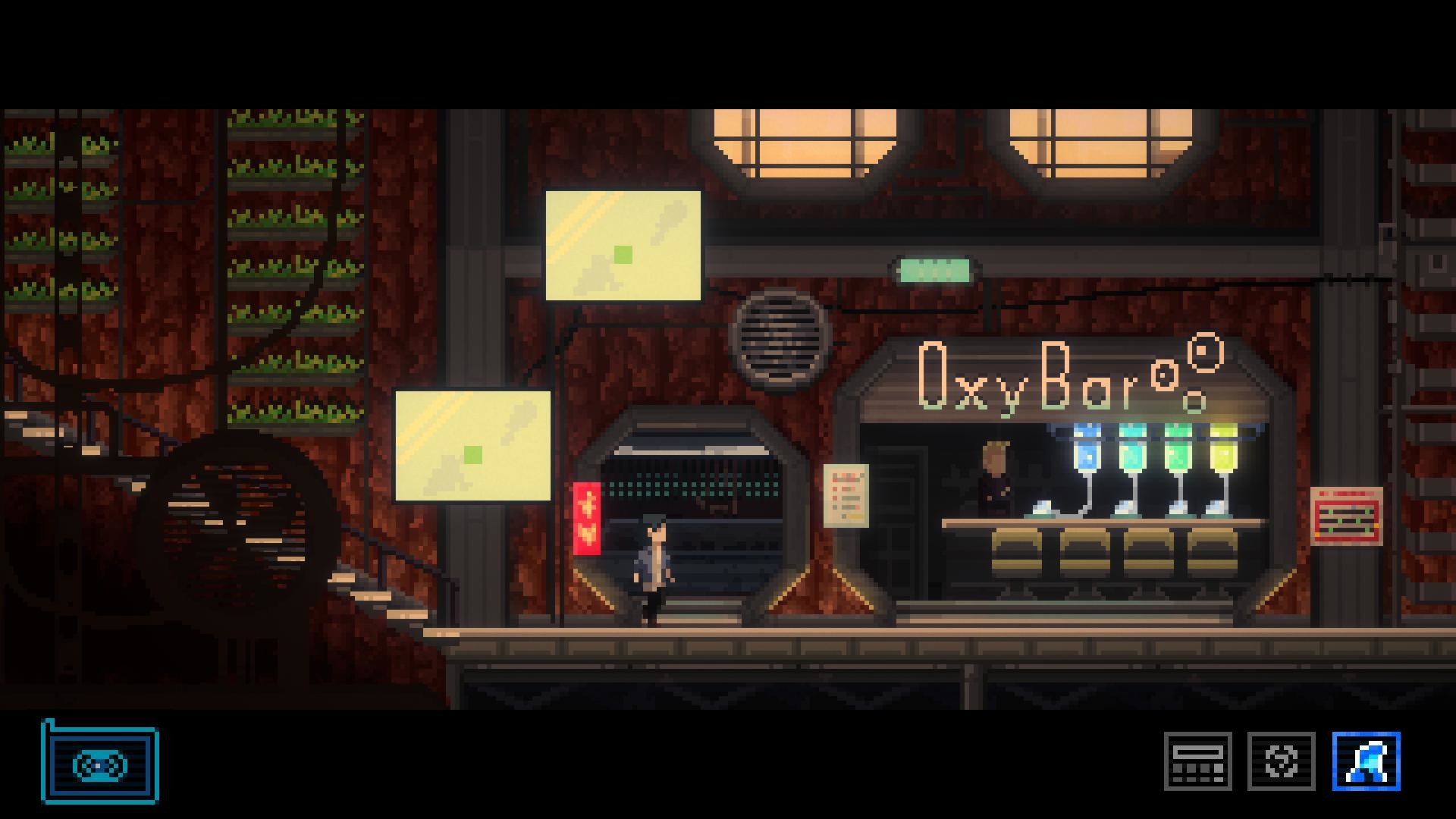
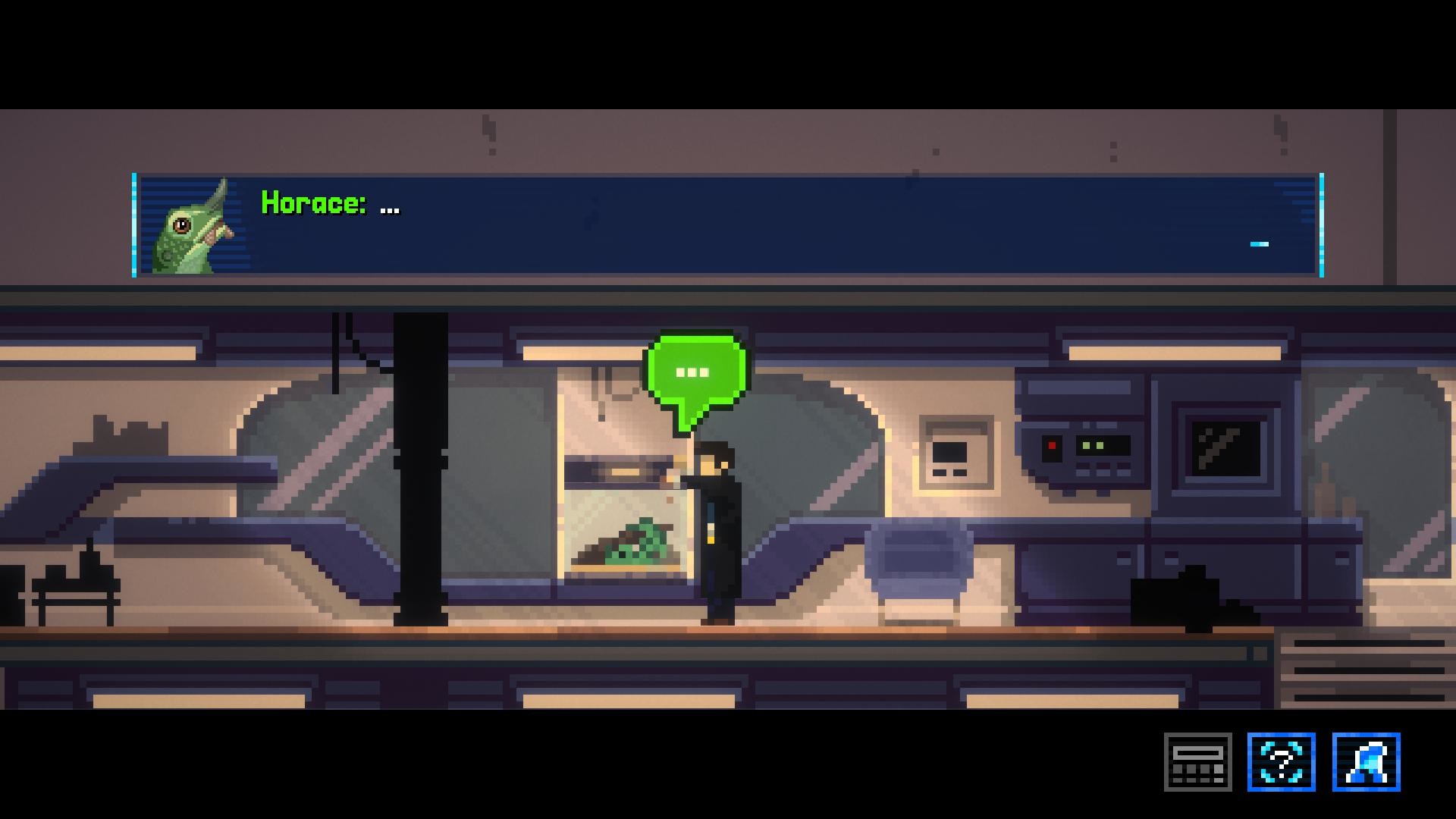
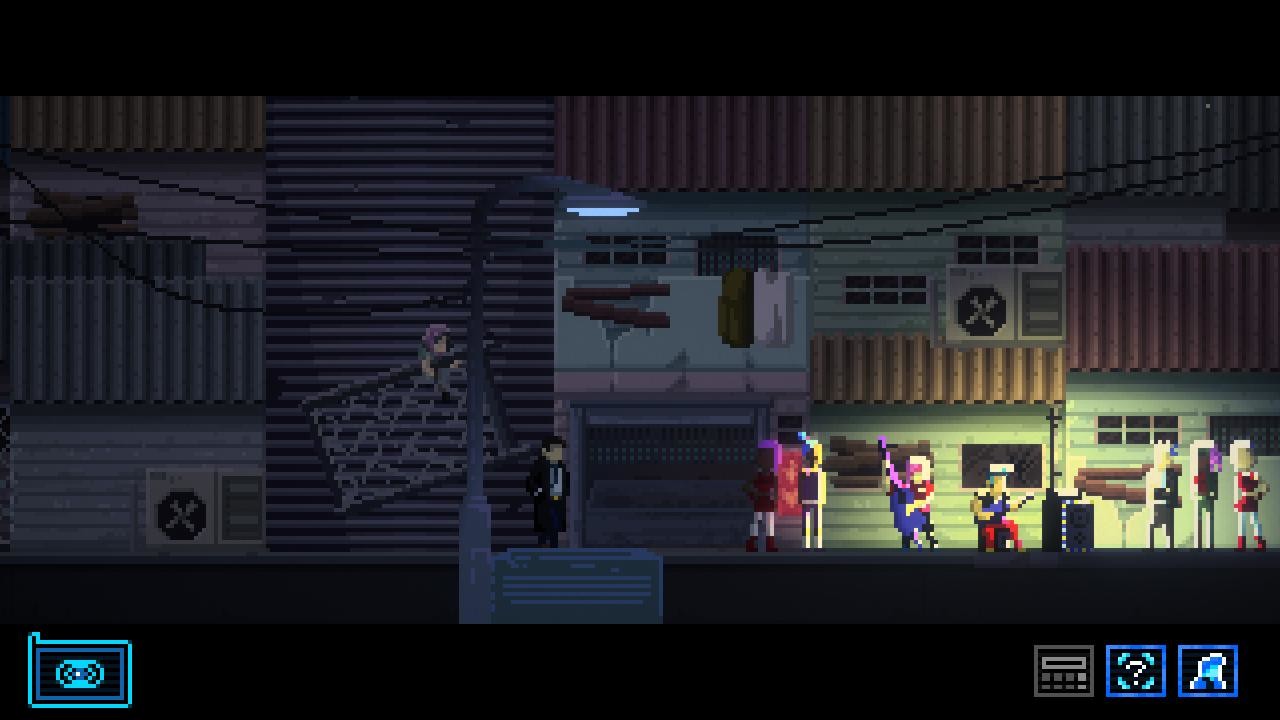
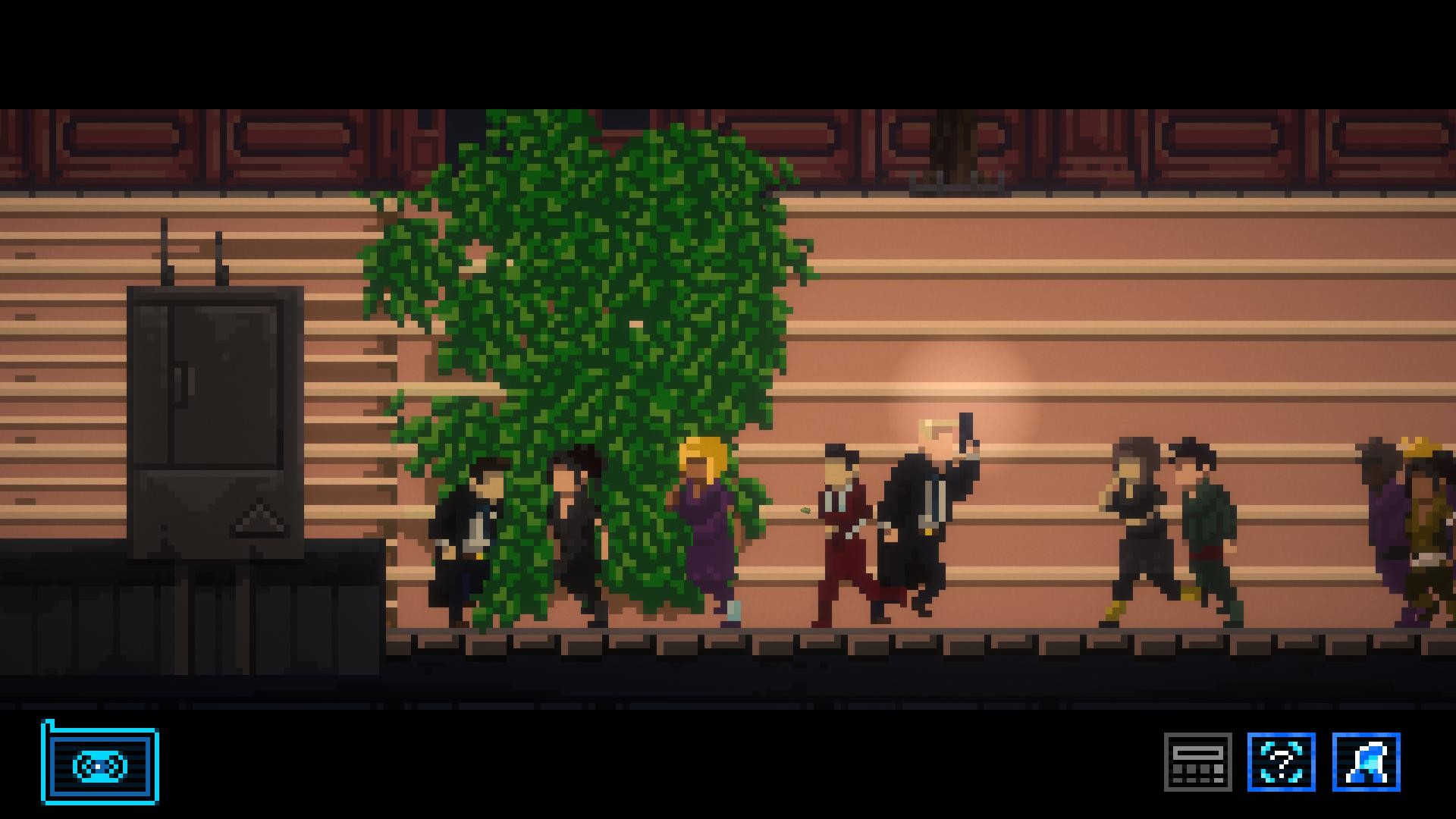
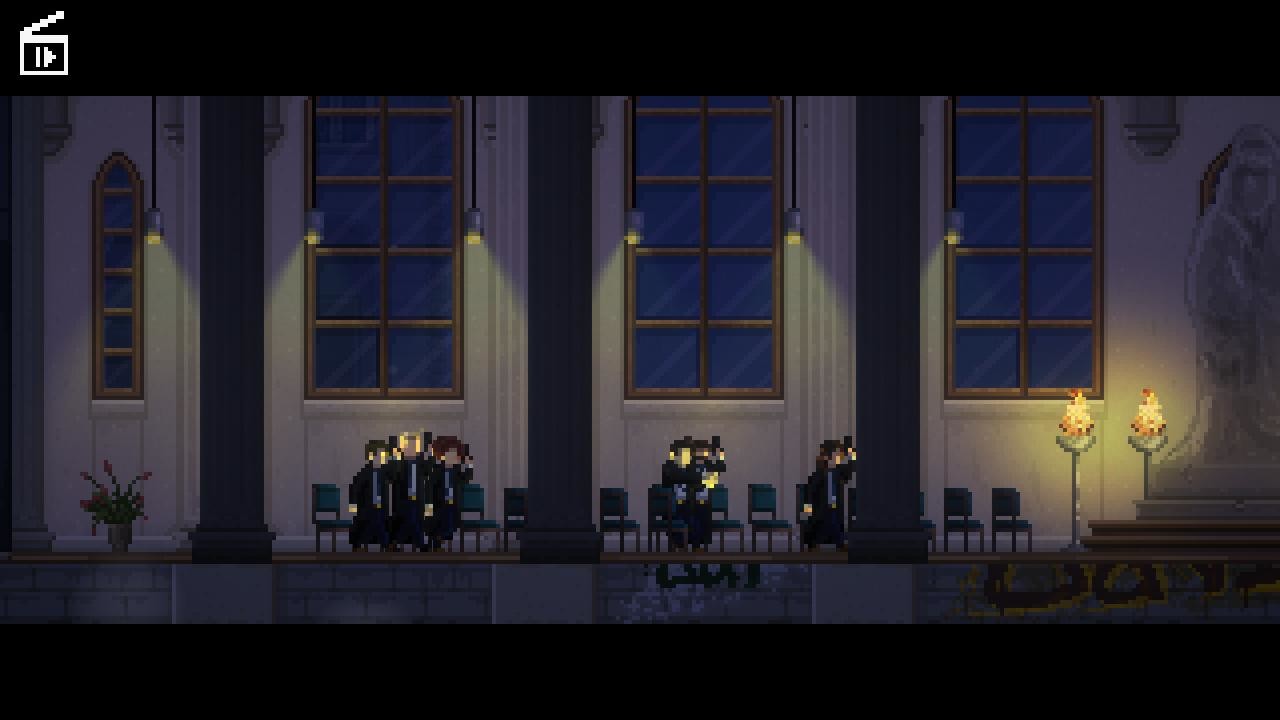
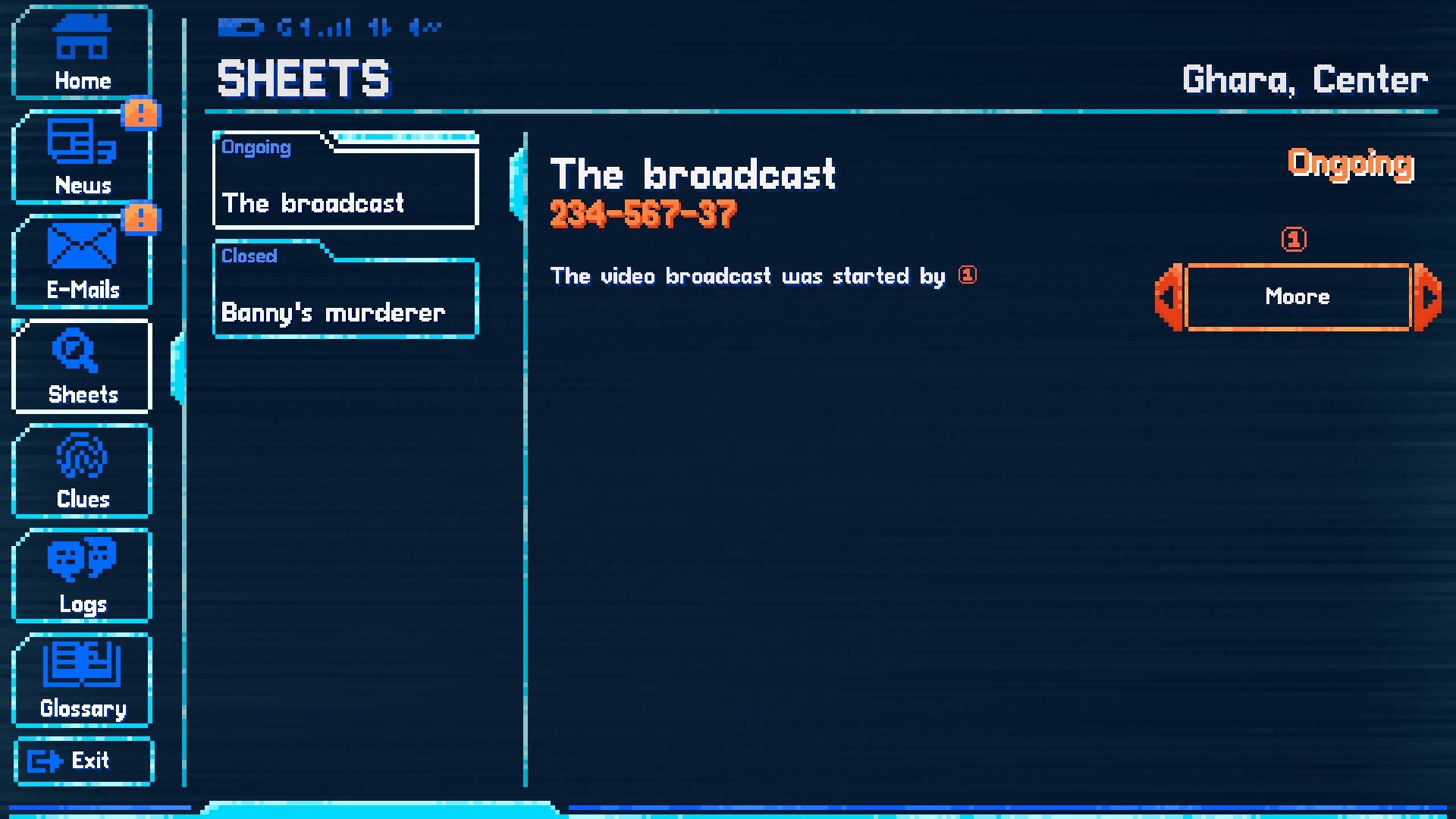
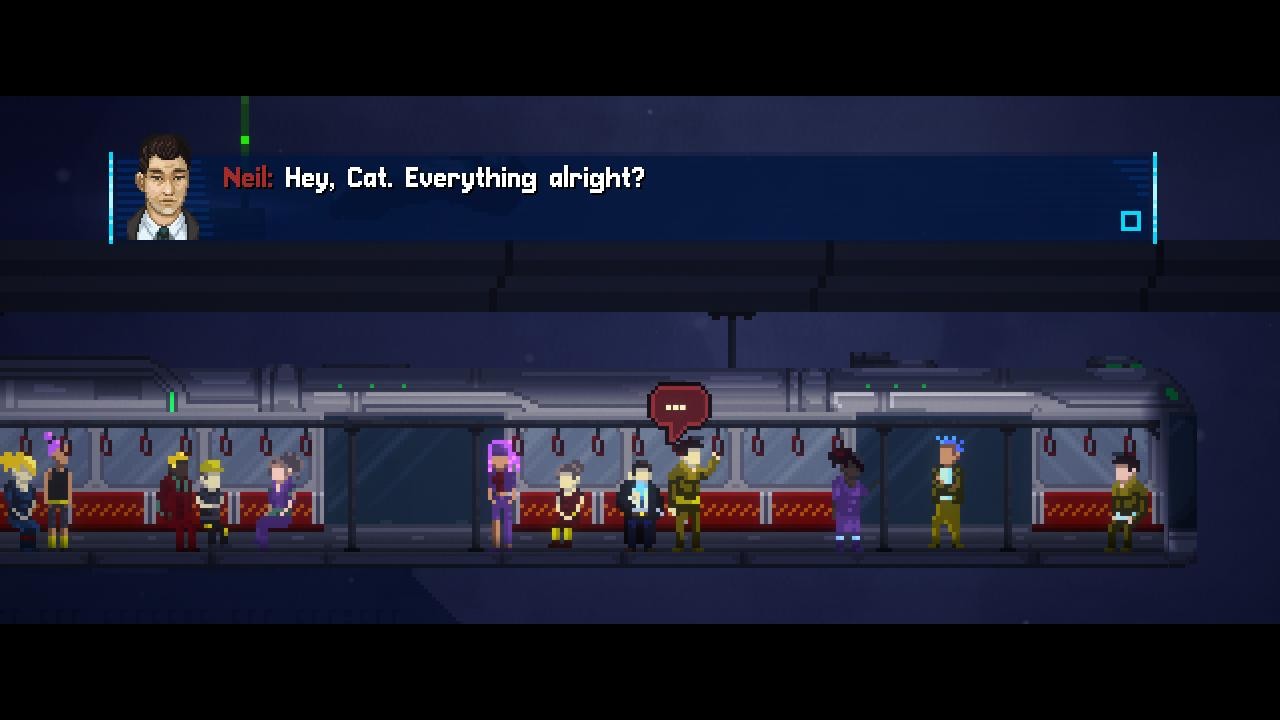
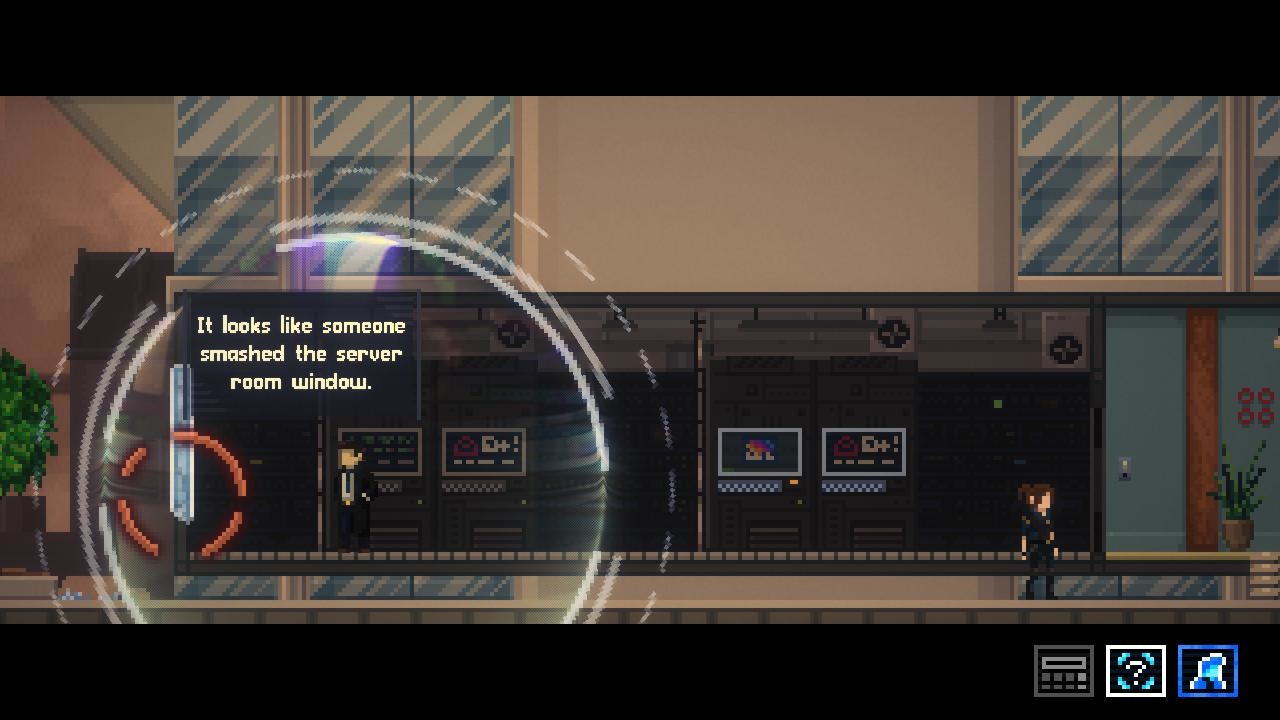
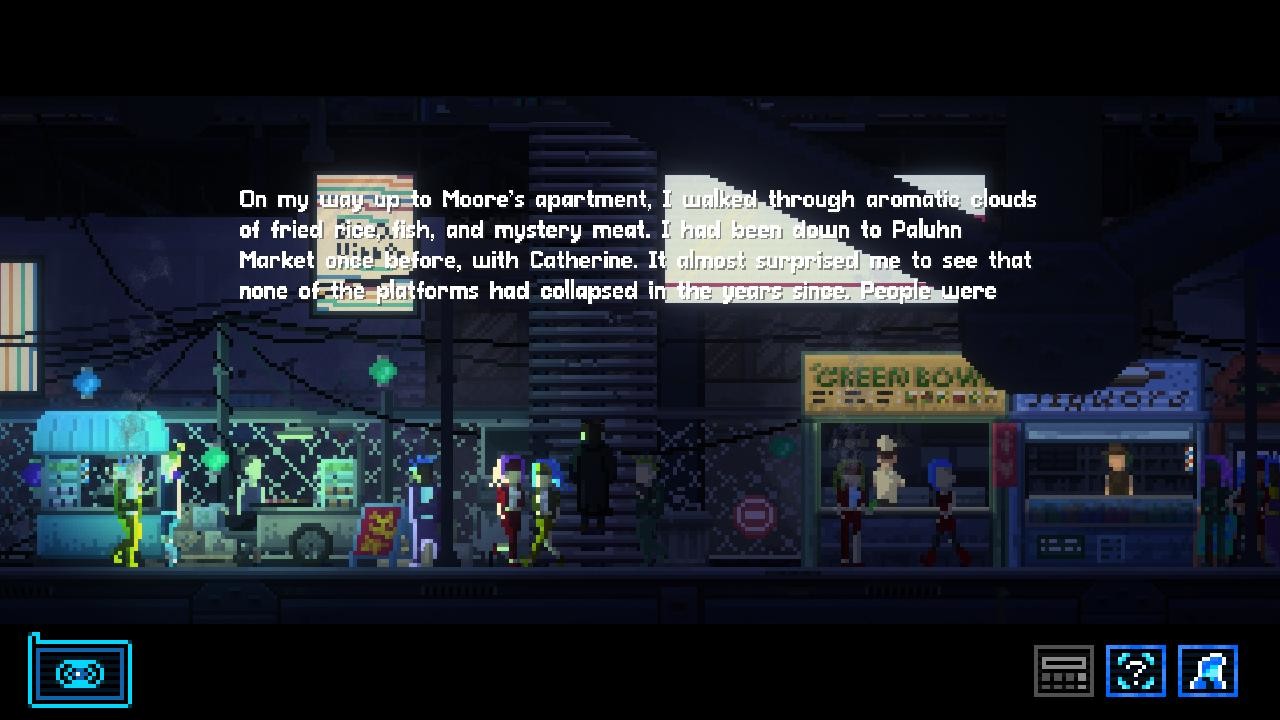
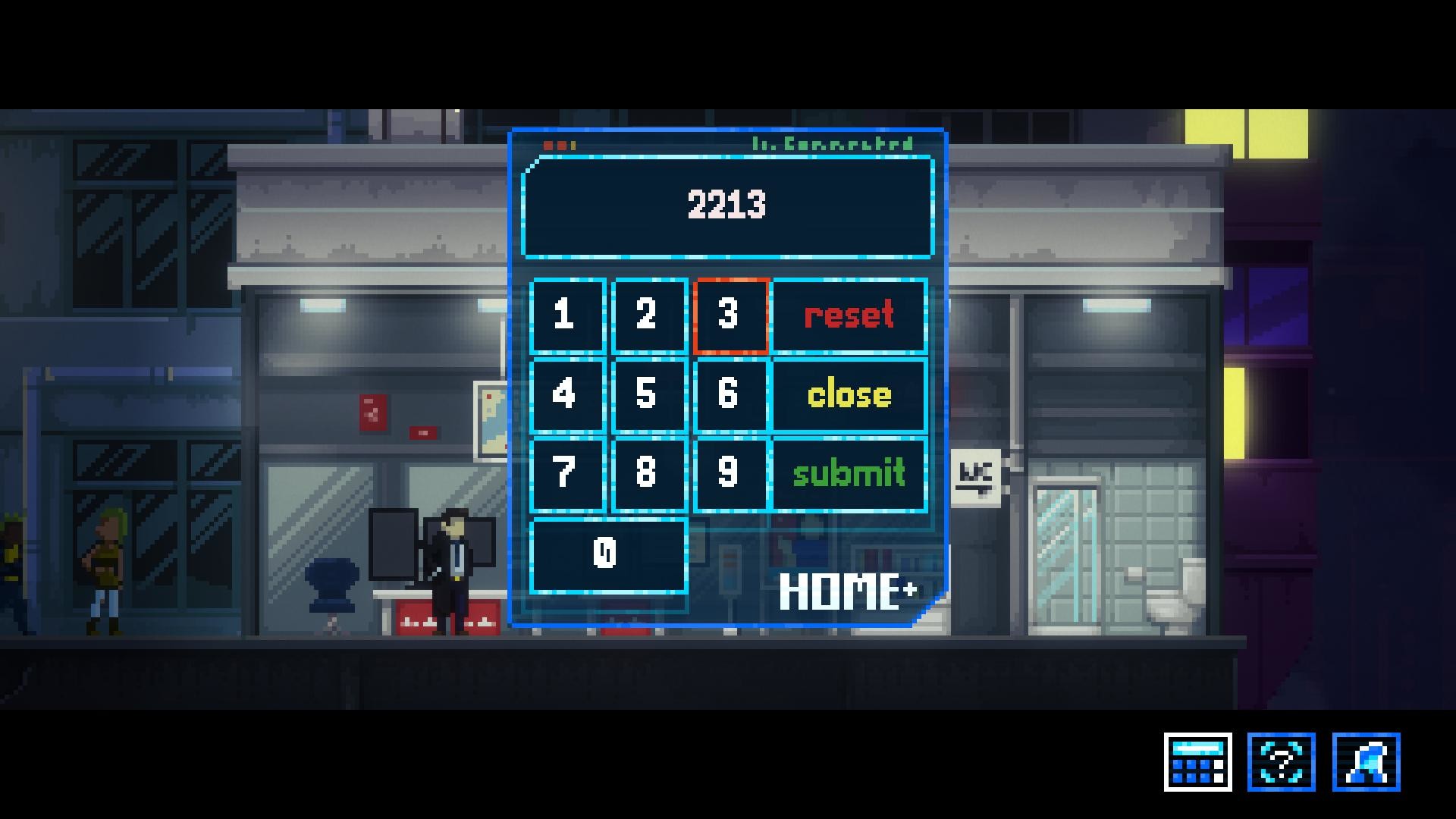
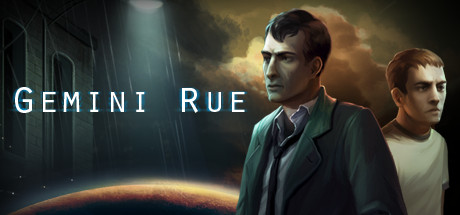
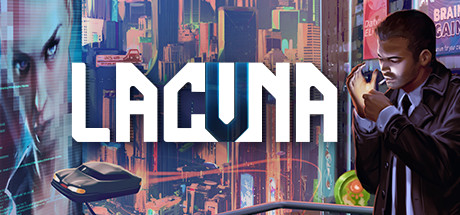
Recently, I wanted to make progress on my Steam backlog and was in the mood for a story-driven detective game I could finish in a few evenings without it dragging on for weeks. Whilst scrolling through my library, I came across Lacuna, developed by DigiTales Interactive, a small German indie studio, and remembered the high praise it had received when it was released in 2021. I probably bought it because of that praise, but it eventually took a backseat in my backlog due to other priorities. Lacuna is a sci-fi noir narrative adventure that received attention for its handling of branching dialogue, choice-driven outcomes, and a detective story set amidst interplanetary politics. At first, I was a bit sceptical about how much I would enjoy it, being quite indie, but then I thought back to Gemini Rue, one of my all-time favourite point-and-click adventure and noir games. Even though Lacuna looks brighter and more colourful compared to the greyer colour palette of Gemini Rue, I figured that if it could capture even a fraction of that game's brilliance, it would be worth trying. In the end, I'm glad I did, because it turned out to be a pretty engaging experience for this type of game, especially on my Steam Deck. As a side note, the visuals reminded me of The Darkside Detective and The Last Door series, which I enjoyed a lot. Before starting the game, I did try the free Prologue on Steam to get a taste of the mechanics and atmosphere. I assumed it would be a sort of standalone content that would complement the main game. To my disappointment, it turned out to be exactly the same opening section that the main game begins with, so when I started the latter, I had to replay that same intro all over again. It was not a huge deal, but I wish I had known ahead of time because I would have skipped the Prologue to avoid repeating the same scenes. Still, it was a nice “demo” that gave me confidence in the game before committing to it fully. In Lacuna, you step into the shoes of Neil Conrad, a Central Department agent whose investigation starts on a personal level but soon spirals into a complex web of conspiracies, assassinations, planetary tensions, and tough moral choices. The story opens with the prologue featuring Mira, a young girl witnessing a tragic bombing on Drovia’s Sector II colony, which sets the stage for political tensions and personal loss. Forty years later, Neil is tasked with investigating the assassination of President Banny, an event that threatens to ignite a war between Drovia and Ghara. As Neil delves deeper, he uncovers a web of conspiracies and betrayal that challenges his beliefs and moral compass. Alongside the investigation, his strained relationships with his ex-wife and daughter add emotional weight, and the choices he makes during interrogations, evidence handling, and dialogue all carry consequences that affect both the story and the people around him. Without giving away spoilers, the game builds tension steadily and includes some story twists near the end that genuinely impressed me, adding depth to the climax and making the final decisions feel meaningful. Consequently, it comes with multiple endings depending on how you handle your deductions and dialogue choices. There is also a clear inspiration from Blade Runner in the world-building. Gameplay-wise, Lacuna is mostly a narrative-driven adventure, but it has a few mechanics that set it apart from typical “visual novel” style games. There’s no inventory management or traditional point-and-click puzzles; instead, the focus is on dialogue trees, exploring environments, and most importantly, deduction sheets (puzzles) where you piece together clues to identify suspects, motives, and case solutions. The puzzles are fairly easy, usually matching names, motives, or facts you’ve learned, but they give a sense of actively participating in the investigation rather than passively watching. Overall, the gameplay depth is minimal but functional, though I sometimes wished for more optional exploration to deepen immersion. You walk through side-scrolling areas, talk to characters, gather information, and fill out deduction sheets with multiple-choice answers. There’s no manual save or redo, which adds tension because your decisions truly stick. Emails and news reports provide optional details, and missing something can affect a case or even people’s lives. I personally got one deduction wrong, resulting in deaths, and that choice stayed with me. I didn’t replay all branches, but the story clearly reacts to your decisions. My ending felt satisfying enough that I suspect it might even be close to the canon one. What I really liked about Lacuna is that the story is grounded and mature without being over the top. The noir atmosphere fits perfectly with the pixel art, which is detailed enough to set the mood whilst still leaving room for the imagination. The soundtrack is also strong, with moody tracks that complement the sci-fi noir feel. The lack of traditional puzzles keeps the pacing snappier than in many similar adventure games, which suited me since I wanted something I could finish in a few days, maybe even in one sitting if I put the effort. Also, the branching structure makes your choices feel meaningful, and the game doesn’t hold your hand or allow instant do-overs, which makes the detective work feel more authentic. A small bonus I enjoyed was the cigarette mechanic, which reinforces Neil’s stressed and weary personality whilst also feeding into the noir atmosphere. On downsides, there are a few things that bugged me. The replay of the prologue content was an annoyance (my fault). The movement in the side-scrolling environments can feel a bit clunky at times, especially when backtracking between locations vertically, and there’s a subtle camera sway effect that can make it feel slightly less precise. Whilst the story has multiple endings, I could tell that the major arcs are still fairly linear, so you are more influencing details and outcomes rather than completely changing the direction of the plot. That is not inherently bad, but if you are expecting wildly different branching storylines, it might disappoint. Lastly, whilst the art style is charming, some character sprites can feel limited in expression, which can clash with the serious tone of the story. Neutral points worth mentioning start with the game’s length. For me, it lasted around five hours, depending on how thorough you are with reading and exploring. That might feel too short for some, but I found it perfect for the type of experience I aimed for this time. The setting is solid, though not particularly original, borrowing elements from other works in the genre; whilst I enjoyed it, I wouldn’t call it groundbreaking. Another point is that the game lacks voice acting for all characters except Neil, which works really well for his character, whilst all other dialogue is text-based. This didn’t bother me, but it’s worth noting if you were expecting fully voiced characters. Finally, the retro pixel art style might seem simple for some, but in motion, it creates a strong sense of atmosphere, proving effective despite not being the flashiest presentation in my opinion. In conclusion, Lacuna was a pleasant surprise from my backlog. I went in a bit sceptical, but ended up enjoying the detective noir atmosphere, the branching narrative, and how the game respects the player by not allowing do-overs. It may not have the production values of bigger narrative adventures, but its writing, mood, and simple gameplay combine to create a solid experience that left me satisfied. I would be excited to see a sequel that expands on this universe and maybe explores the consequences of the choices made in this game. If you are in the mood for a short, but engaging detective story with meaningful decisions, a few memorable twists, a touch of Blade Runner inspiration, and a solid noir sci-fi setting, I recommend giving Lacuna a shot.
Expand the review