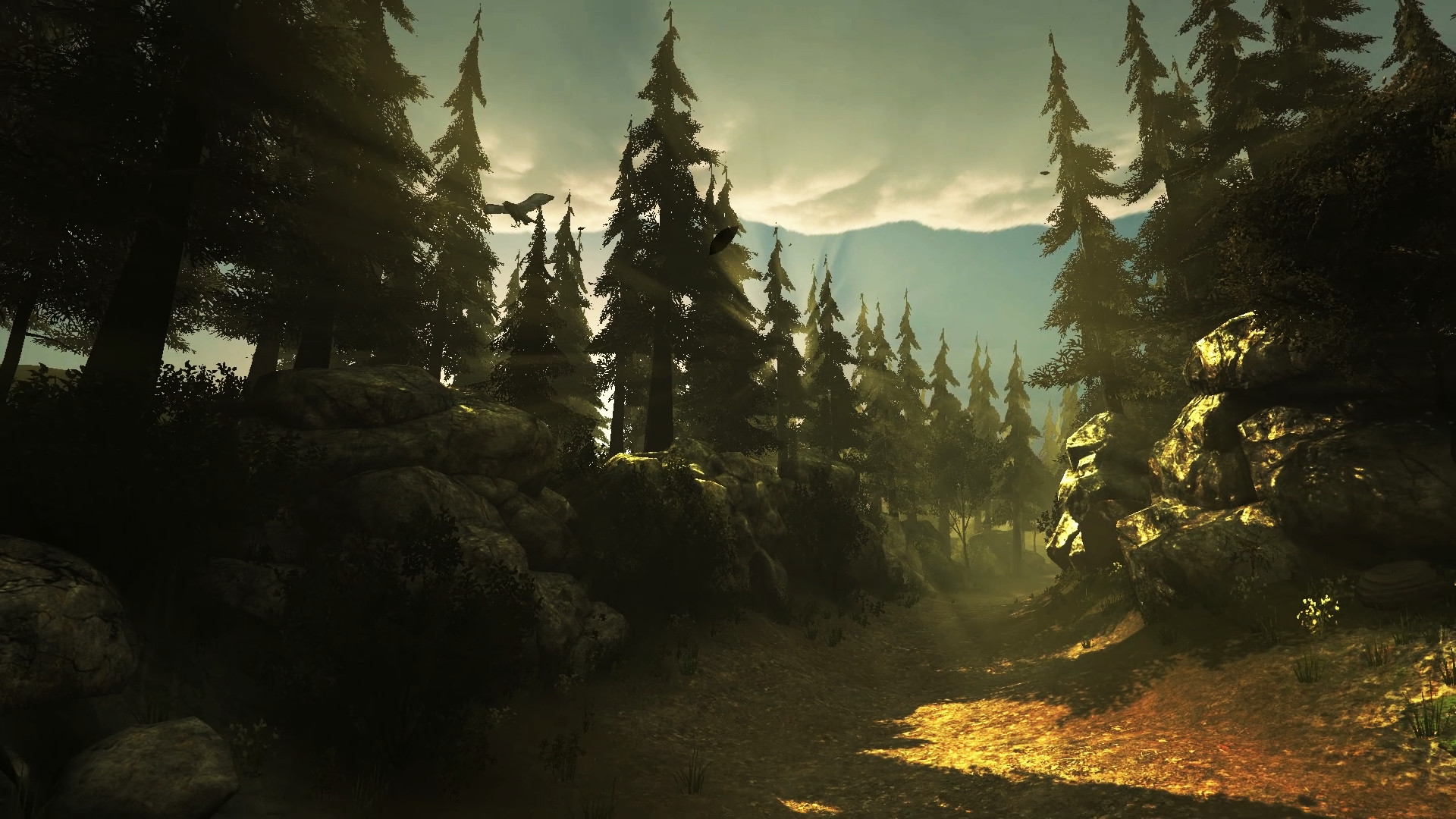
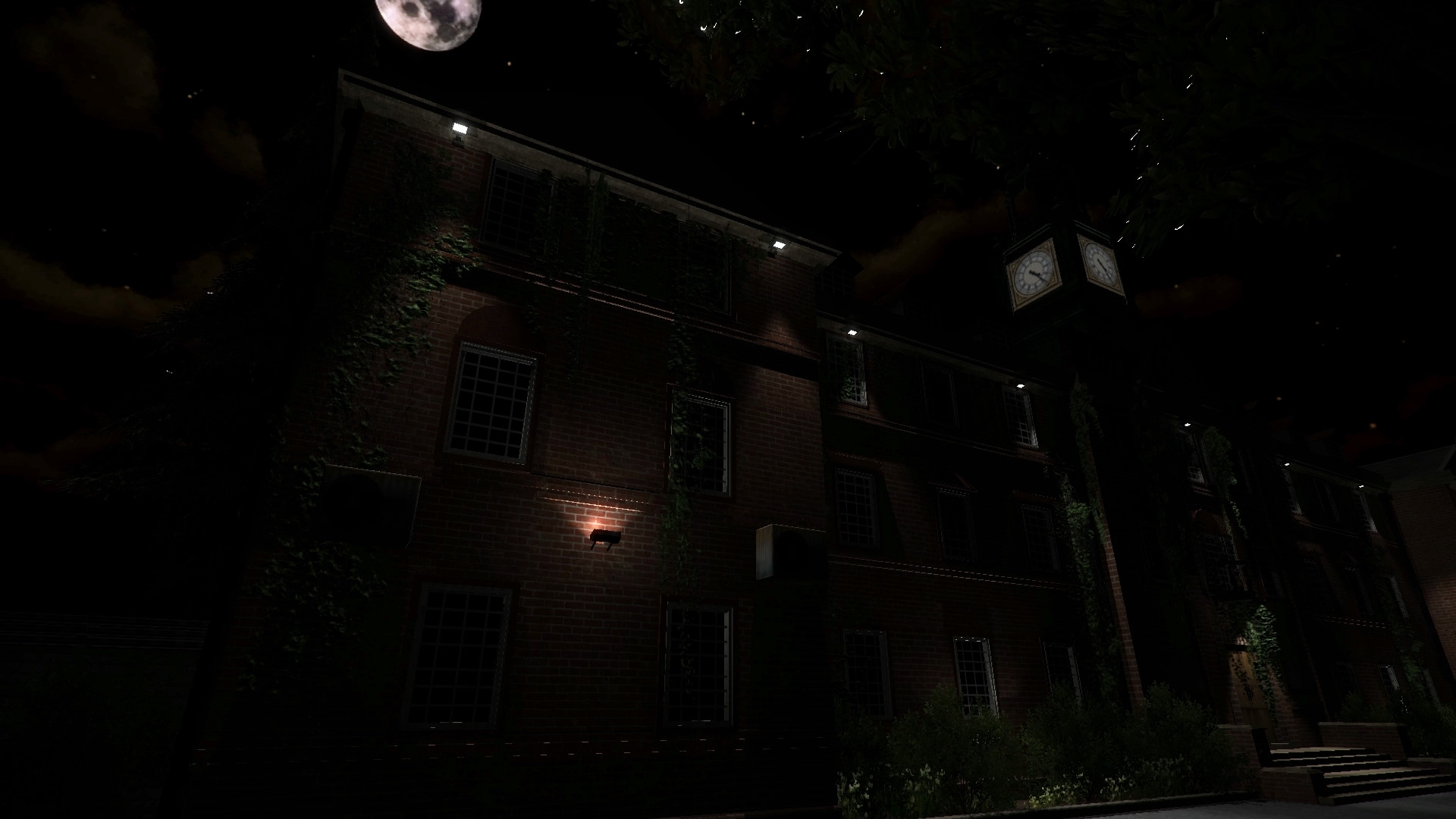
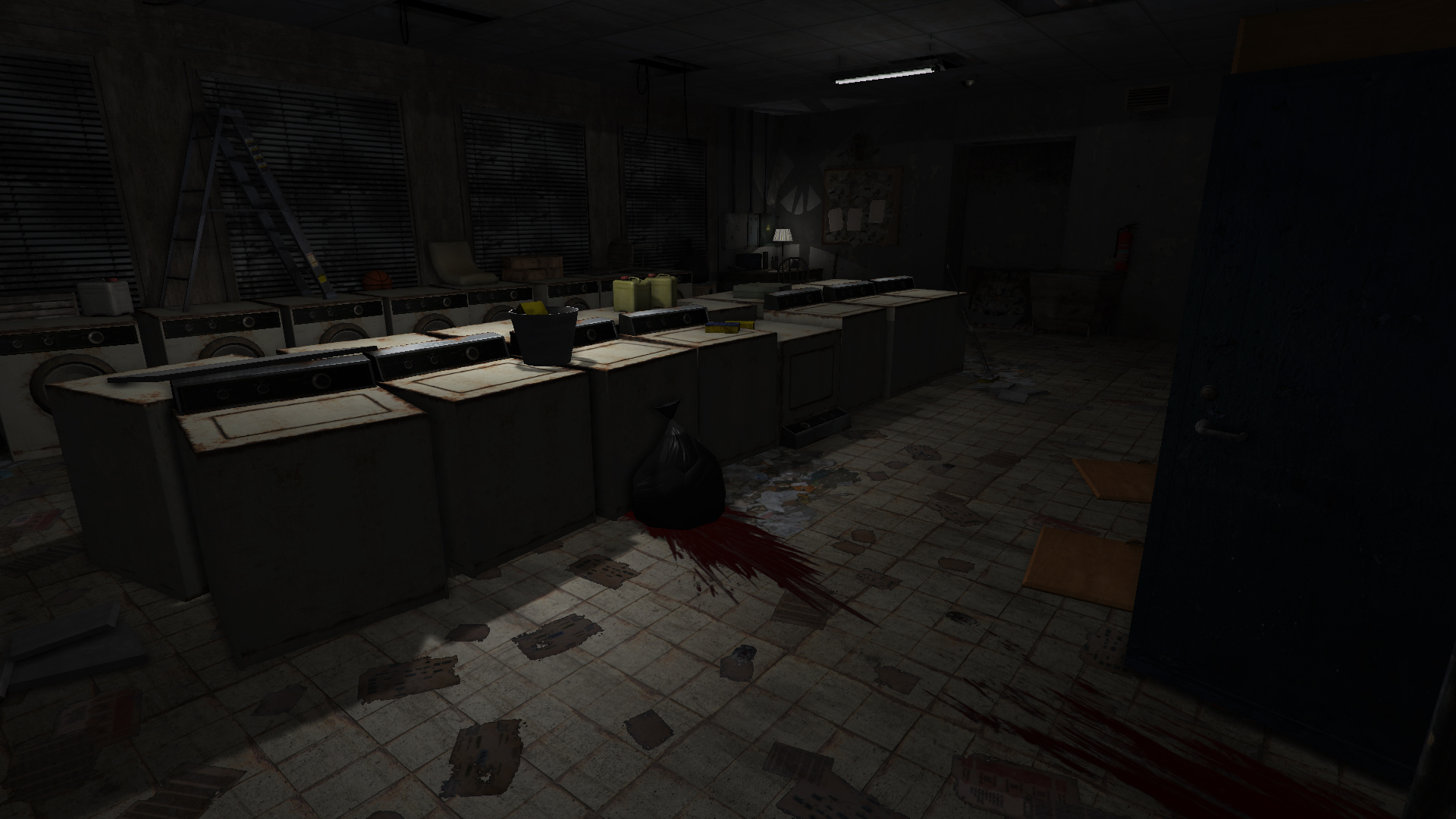
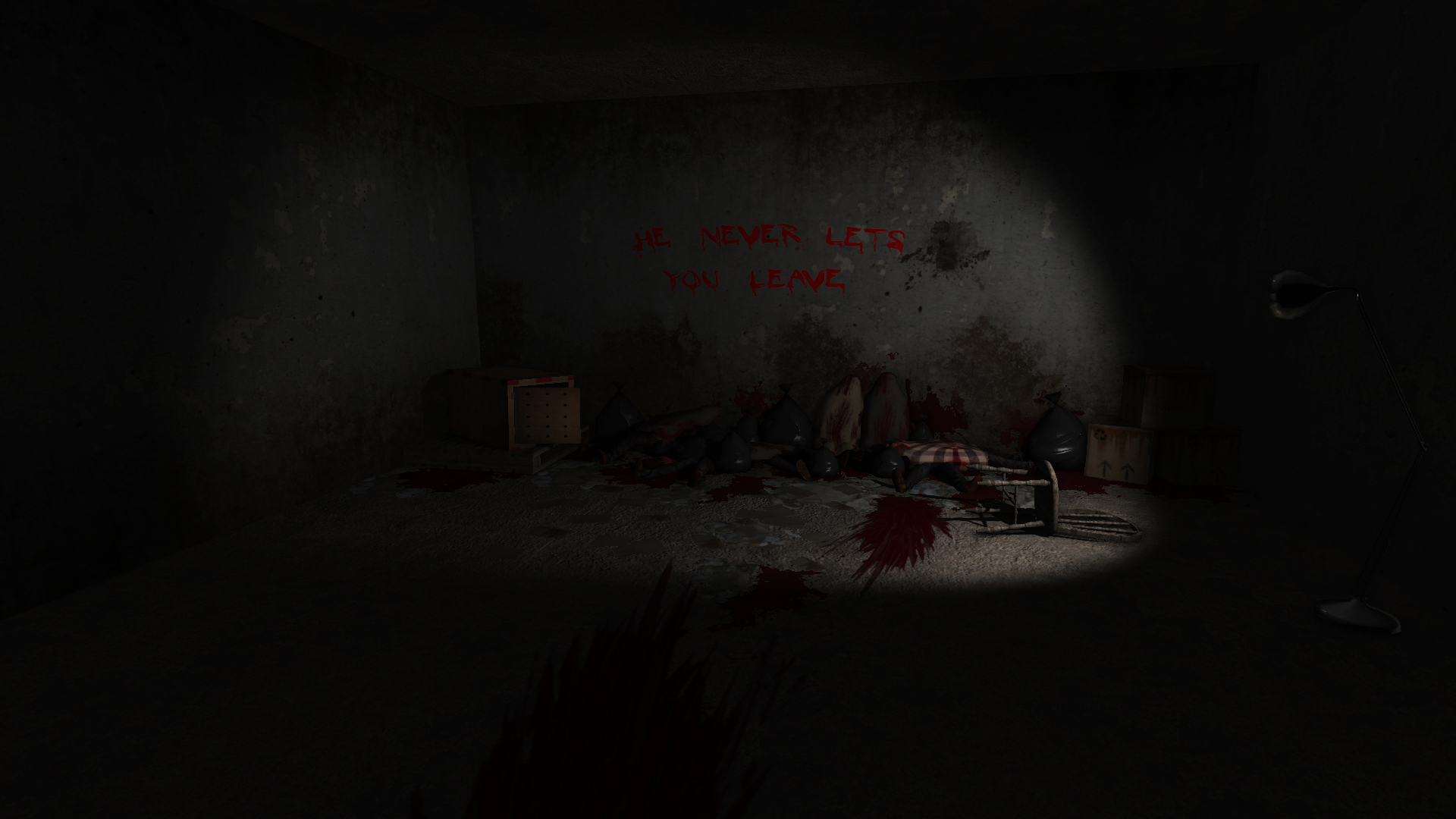
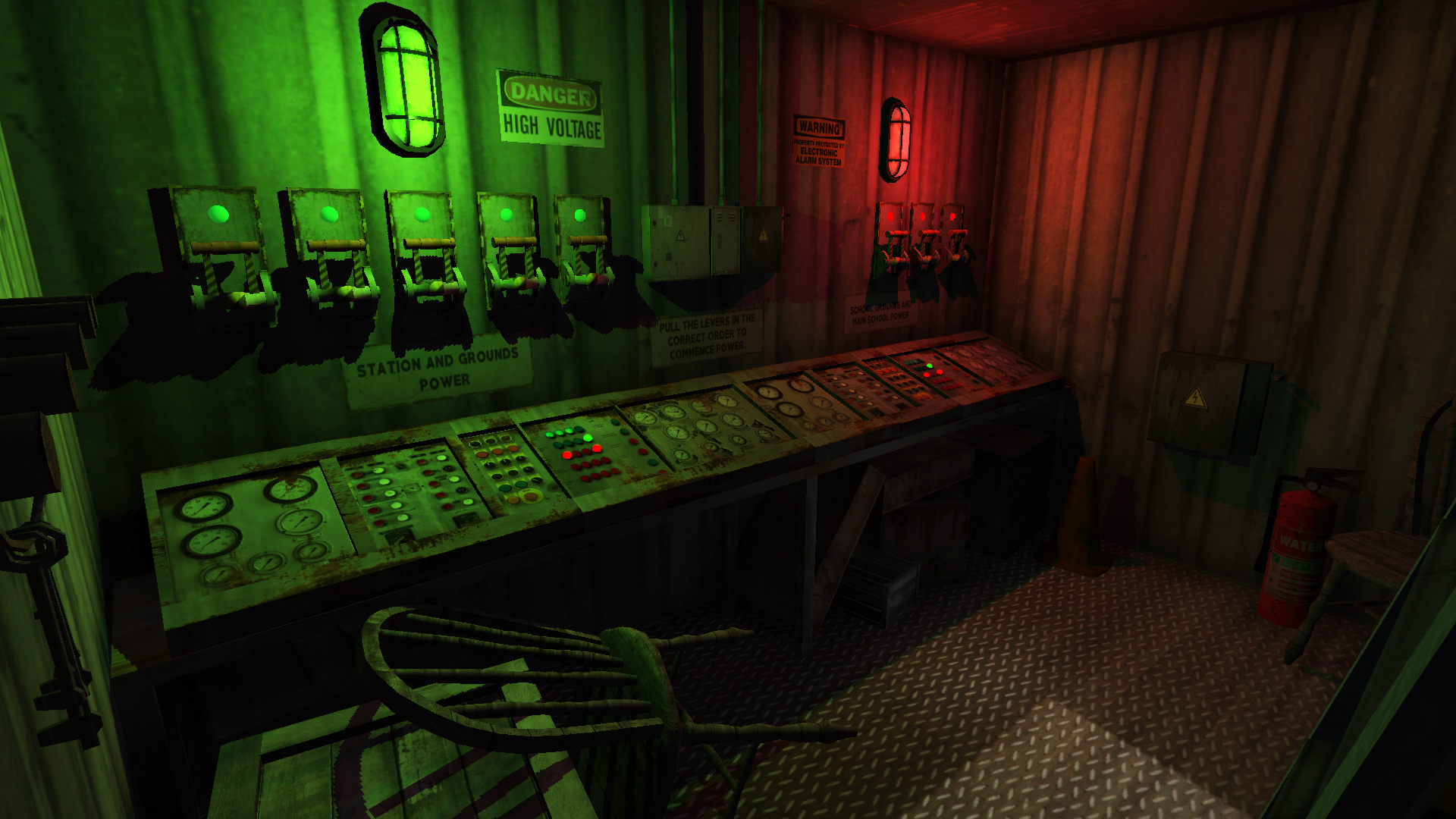
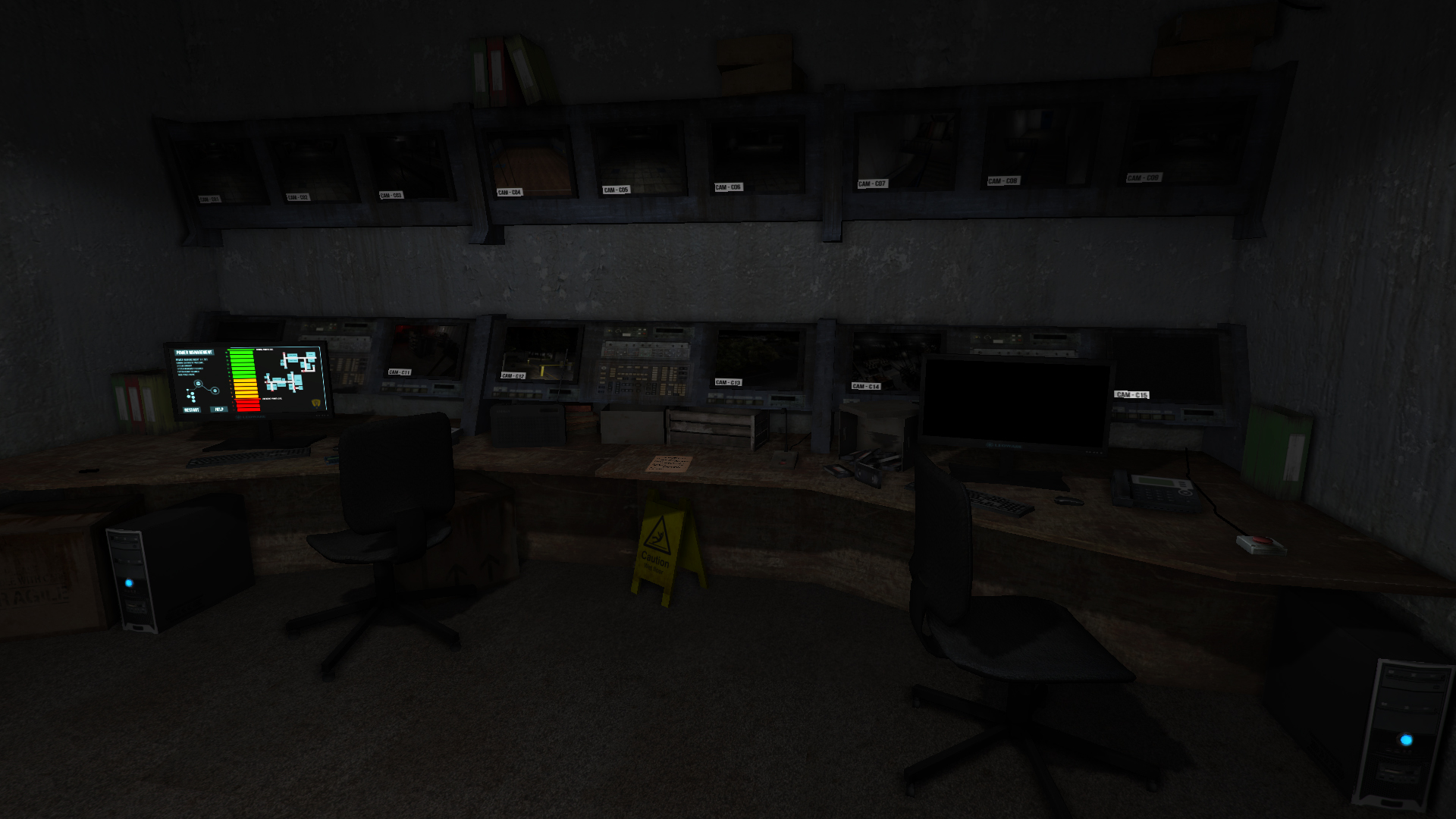
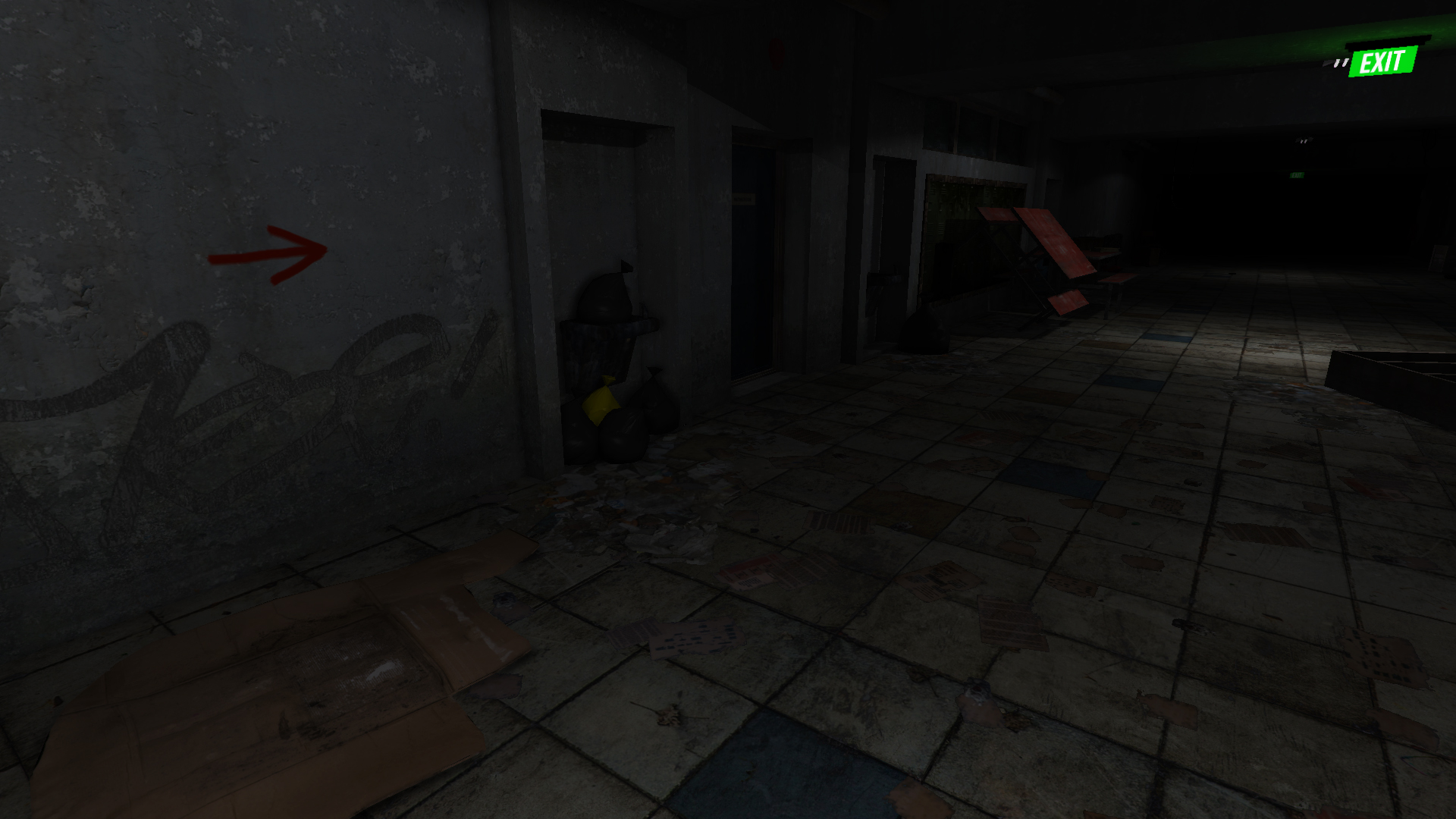
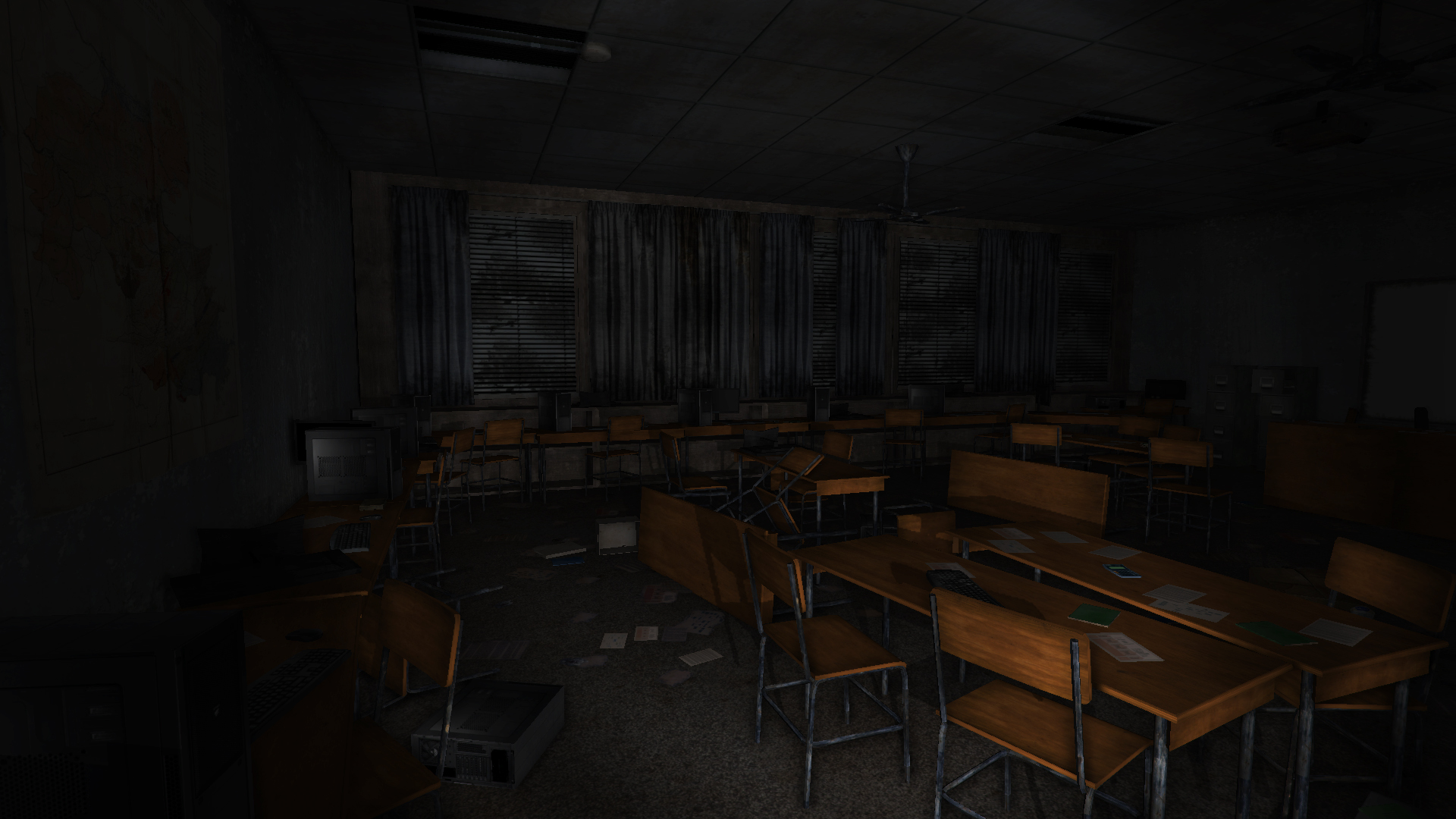
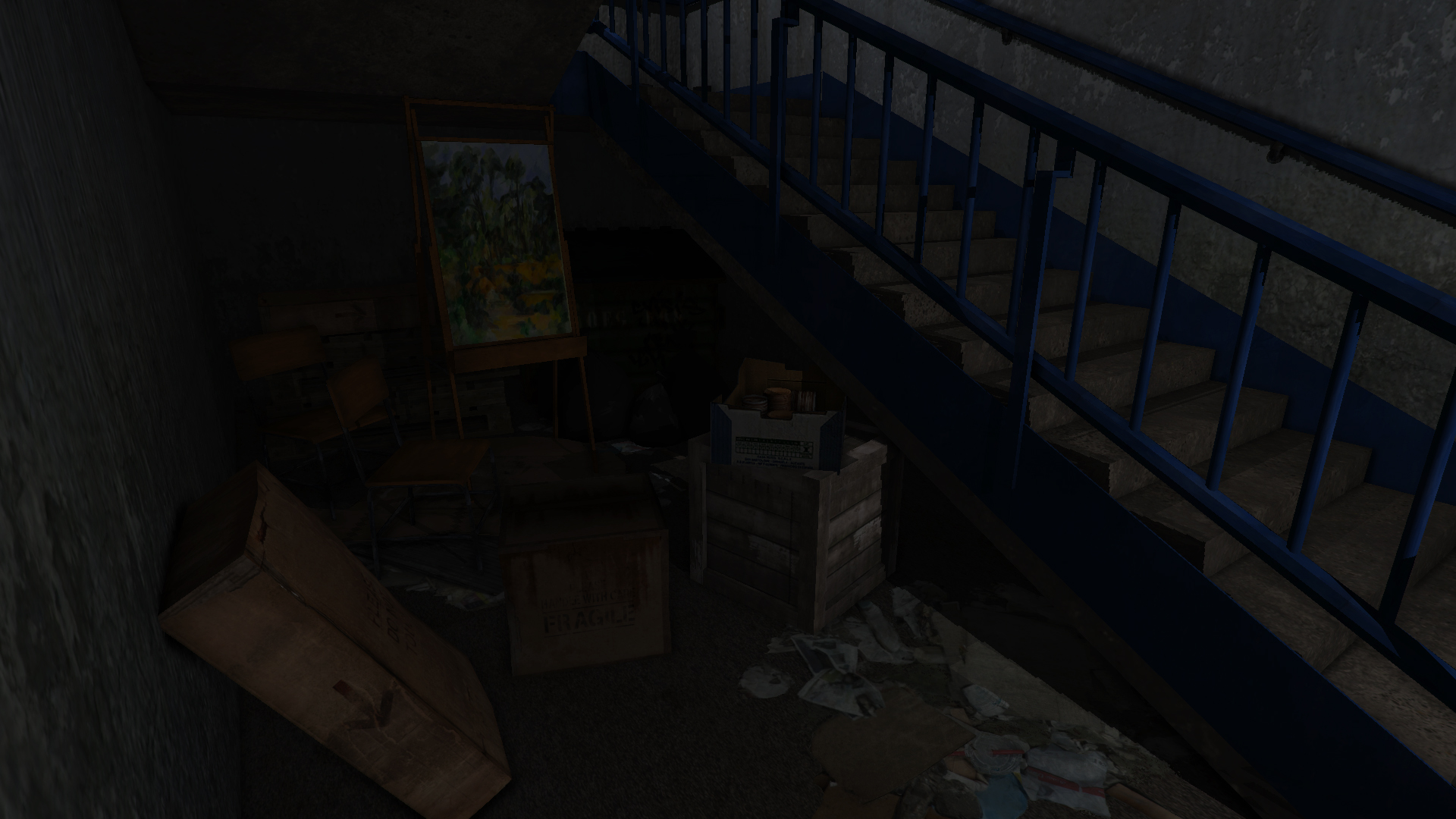
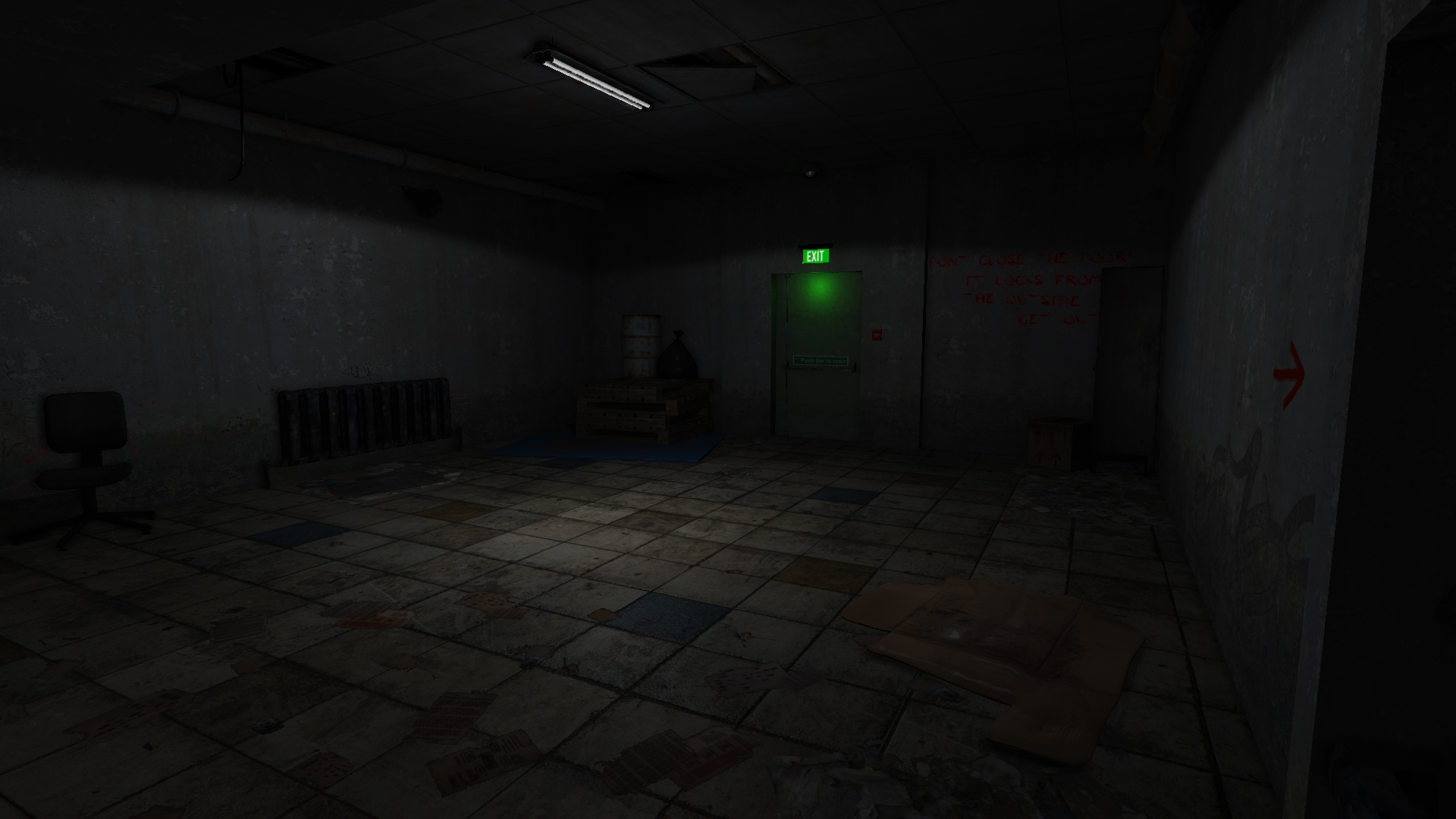
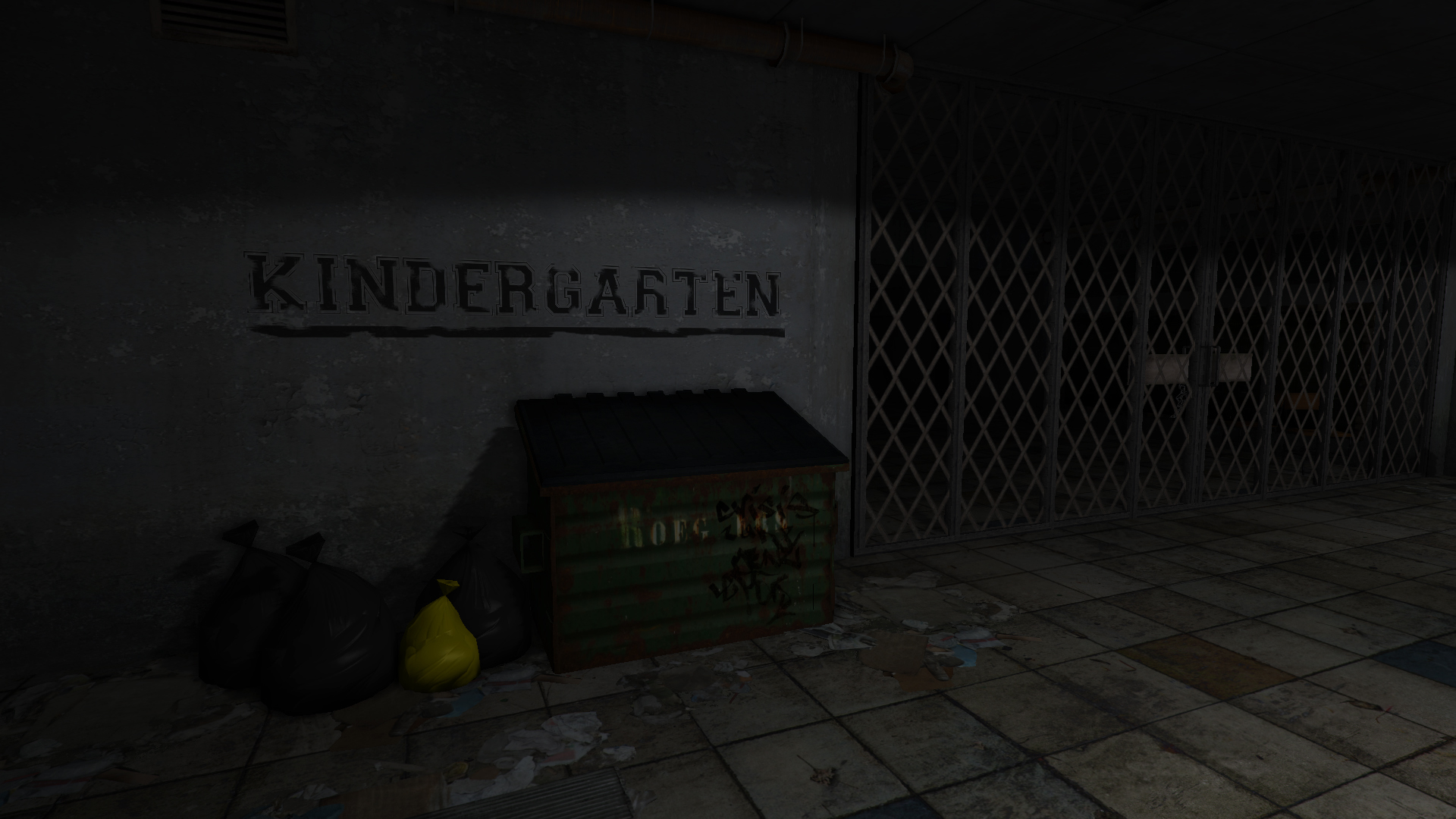
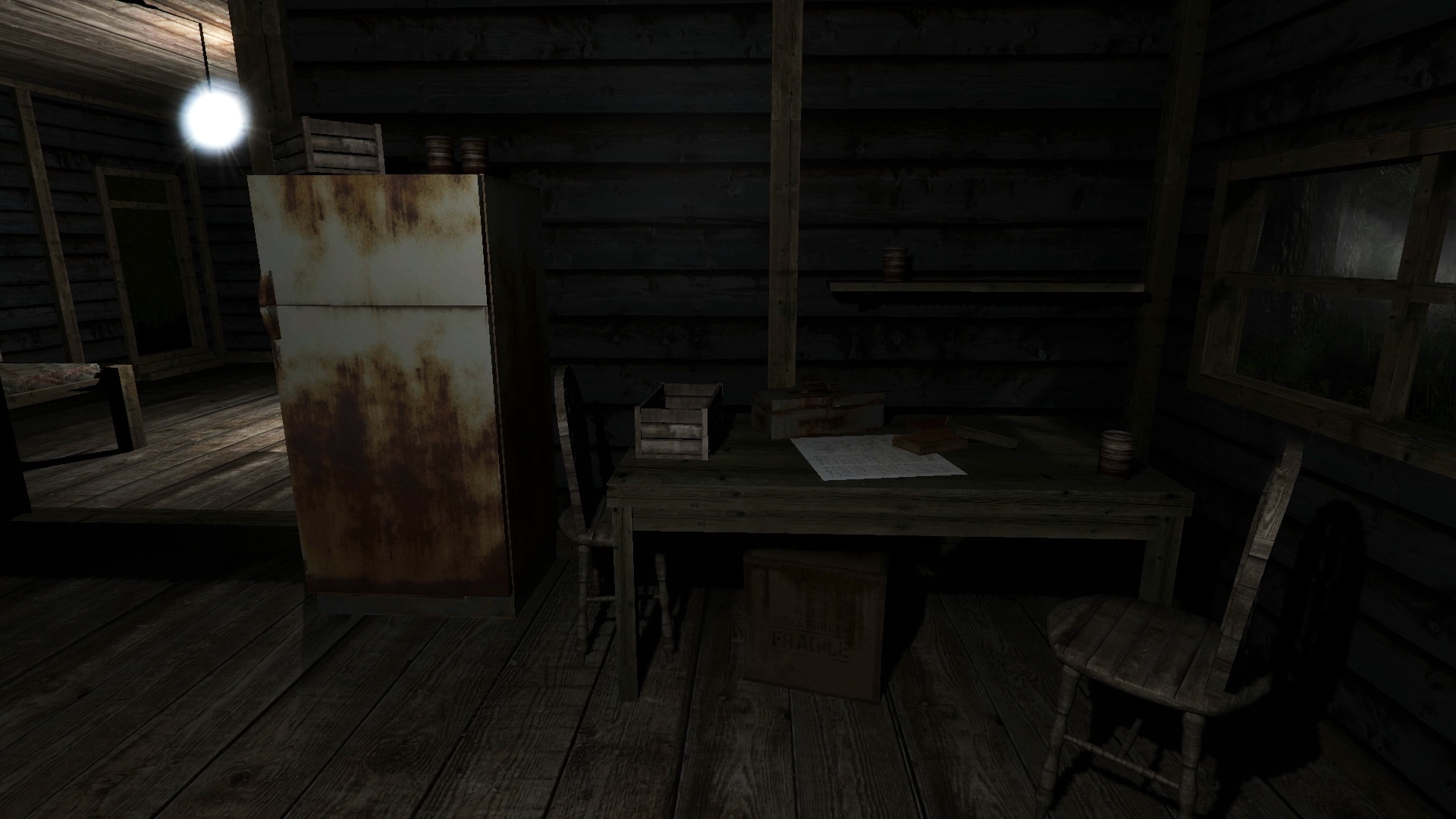
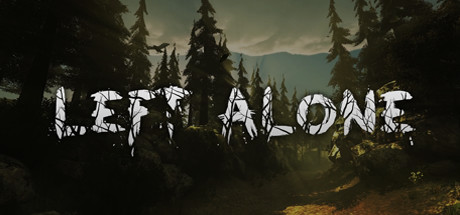
Left Alone, developed and published by SpeedTutor, is a first-person psychological horror game that draws players into a world of isolation, guilt, and buried trauma. Released in 2016, it offers a slow-burning experience that prioritizes atmosphere and psychological tension over direct confrontation or fast-paced horror. The game follows Joel Dent, a retired military officer struggling to rebuild his life after divorce and emotional turmoil. Seeking clarity and peace of mind, he ventures into the wilderness with friends, only to find himself completely alone after strange events separate them. What begins as a simple camping trip soon spirals into a nightmare of deserted schools, haunted memories, and unseen presences that blur the line between reality and delusion. From its opening moments, Left Alone immerses players in an overwhelming sense of isolation. The game’s environments—dense forests, abandoned buildings, and eerie underground tunnels—evoke a palpable dread rooted in silence and emptiness. There’s an authenticity to its design that captures the haunting quiet of forgotten places, amplified by subtle environmental storytelling. Flickering lights, graffiti on decaying walls, and discarded relics from the past hint at tragedy without spelling it out. The school that becomes the central setting feels less like a traditional horror backdrop and more like a metaphorical prison—a decaying reflection of the protagonist’s fractured psyche. The world is not saturated with supernatural monsters or grotesque imagery; instead, it relies on unease, suggesting that the real horror lies within the mind. Visually, the game achieves a moody aesthetic that complements its psychological tone. The environments are dark and claustrophobic, drenched in muted colors that enhance the feeling of hopelessness. Despite being an indie title with modest production values, it manages to create a convincing atmosphere through careful lighting and environmental design. The developers use shadow and space effectively, making every corridor and corner feel oppressive and uncertain. The sound design plays an equally vital role, using subtle audio cues—footsteps echoing in the distance, doors creaking open, and faint whispers—to build tension. At times, it’s the silence itself that unsettles most, leaving players waiting for something that may never come. The gameplay is structured around exploration, puzzle-solving, and piecing together fragments of the story through documents and environmental clues. There are no weapons or combat systems; survival depends on observation and patience. Players must explore methodically, collecting key items and unlocking new areas while interpreting cryptic notes that reveal more about the setting and Joel’s past. The puzzles, though not overly complex, fit naturally within the environment, providing a sense of progression while maintaining immersion. The pacing is deliberately slow, designed to encourage reflection and build suspense. This approach can feel meditative at times but also risks frustrating players who expect more immediate thrills or clearer guidance. Left Alone rewards those who embrace its stillness and allow the story to unfold at its own measured pace. One of the game’s more compelling aspects is its narrative ambiguity. Joel’s journey through the abandoned school mirrors his internal descent, and as the game progresses, it becomes increasingly unclear whether the horrors he encounters are real or manifestations of his guilt and trauma. The writing leans into this uncertainty, forcing players to question what they see and what they imagine. The blending of personal tragedy with supernatural suggestion gives the story emotional depth, even if certain plot points remain underdeveloped. While some may find the ending open-ended or unsatisfying, it reinforces the game’s psychological focus—closure is secondary to the experience of confronting fear and regret. Despite its strengths in atmosphere and tone, Left Alone is not without flaws. The pacing, while intentional, may test the patience of players accustomed to faster or more eventful horror games. The save system can be frustrating, as dying often means replaying large sections, breaking immersion and rhythm. The controls and interactions sometimes feel dated, with occasional clunky movement or awkward hit detection when engaging with objects. Visually, while effective in mood, the graphics show their age, with limited environmental detail and repetitive textures. These technical shortcomings, however, are mitigated by the game’s strong sense of purpose and emotional weight. It’s clear that the developers aimed to create something personal and atmospheric rather than purely terrifying. Left Alone ultimately succeeds in delivering a haunting experience built on psychological unease and emotional storytelling. It stands out for its commitment to quiet tension rather than spectacle, using isolation as its central mechanic and theme. The lack of constant jump scares or overt enemies might disappoint players looking for adrenaline-fueled horror, but those who appreciate introspective, atmosphere-driven games will find a compelling world to explore. It captures the essence of loneliness and the fragility of the human mind with sincerity, making it feel more like a psychological journey than a traditional fright fest. In the end, Left Alone is less about surviving monsters and more about confronting the ghosts that linger in memory. Its slow pacing, eerie environments, and psychological depth give it a distinct identity among indie horror titles. While imperfect in execution, it achieves something rare in the genre—a sense of genuine emotional discomfort rooted in atmosphere rather than shock. For players who value mood, subtlety, and the quiet terror of being truly alone, it’s an experience worth sinking into, one that lingers long after the final scene fades into darkness. Rating: 7/10
Expand the review