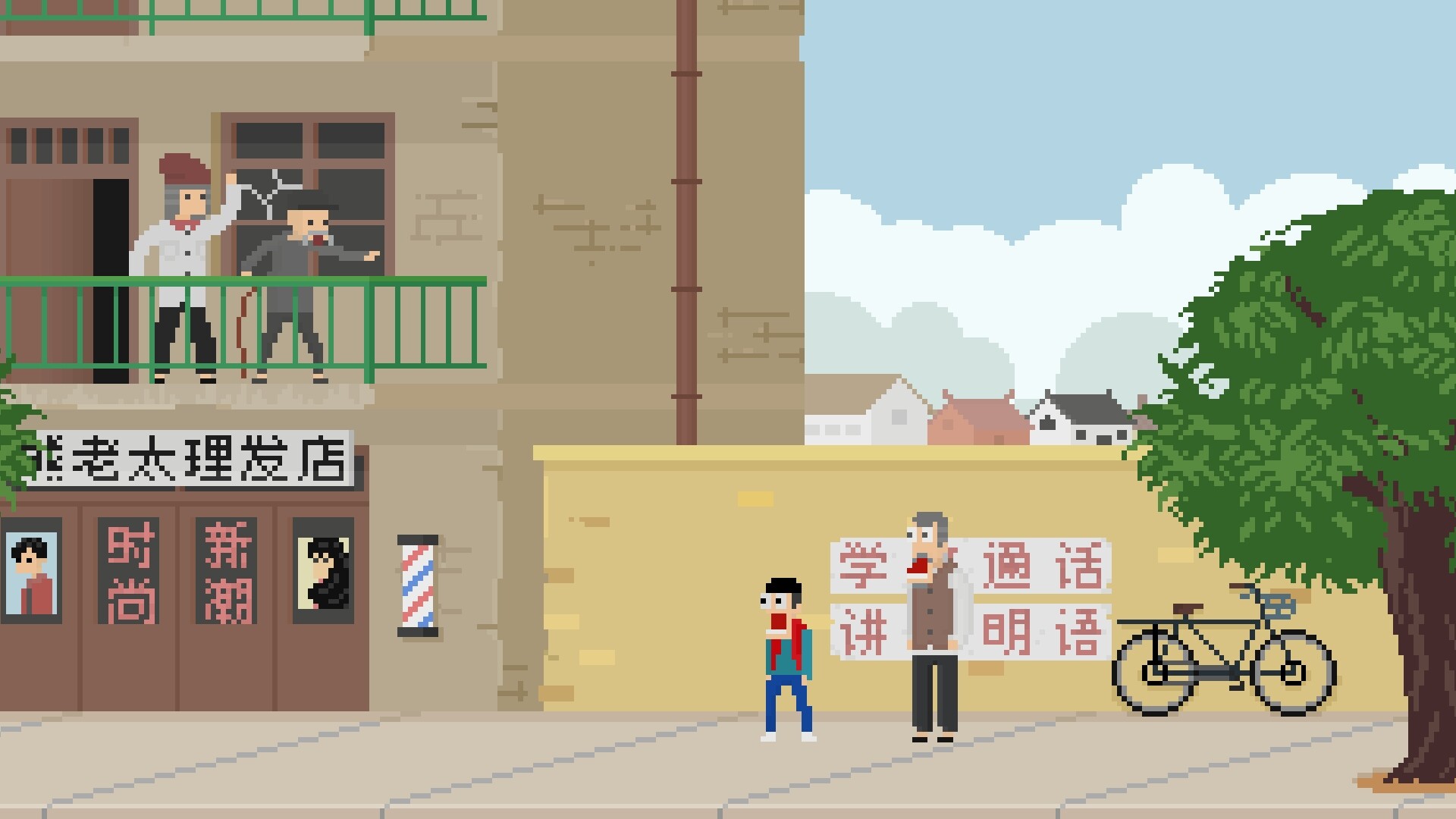
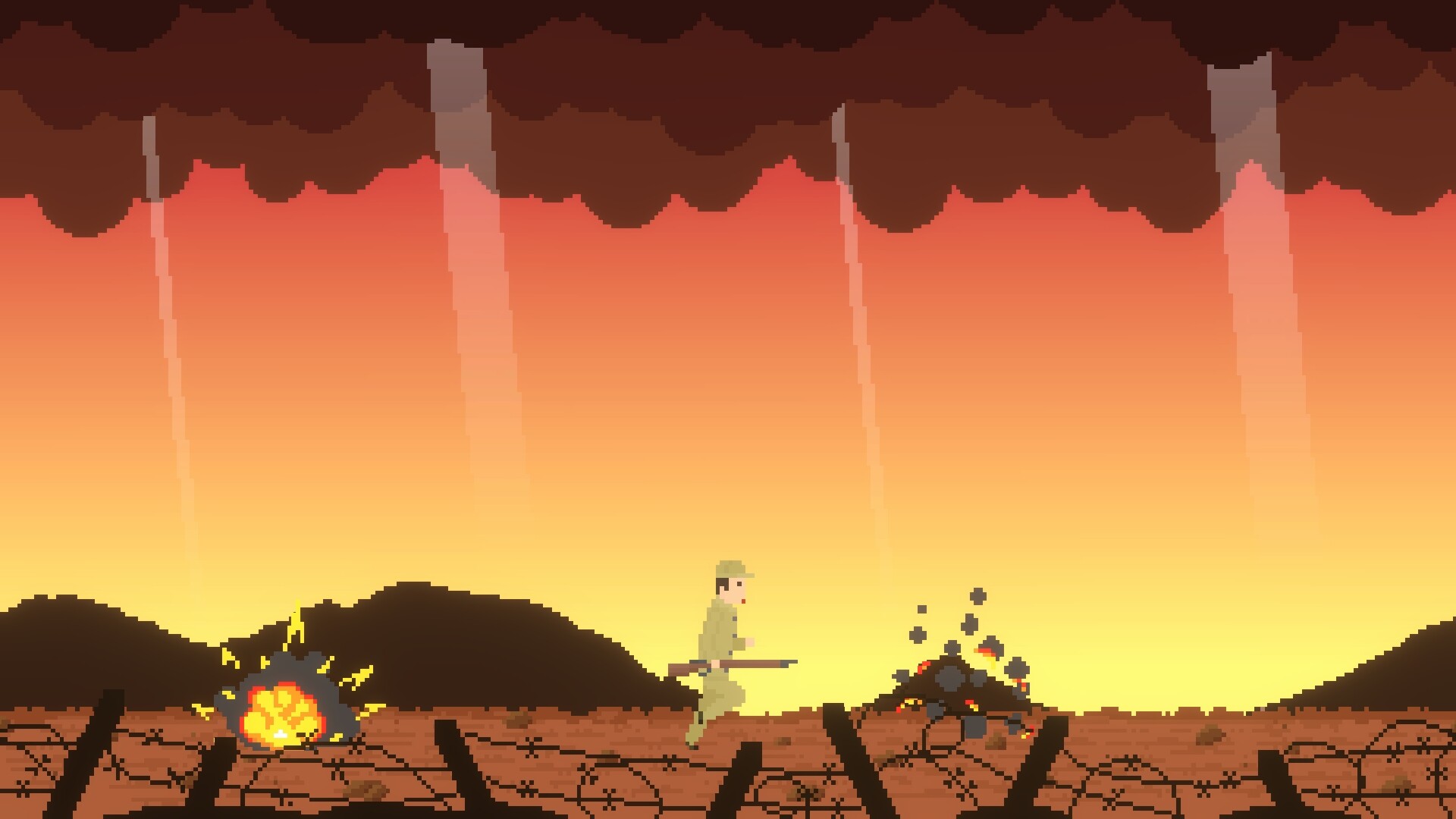
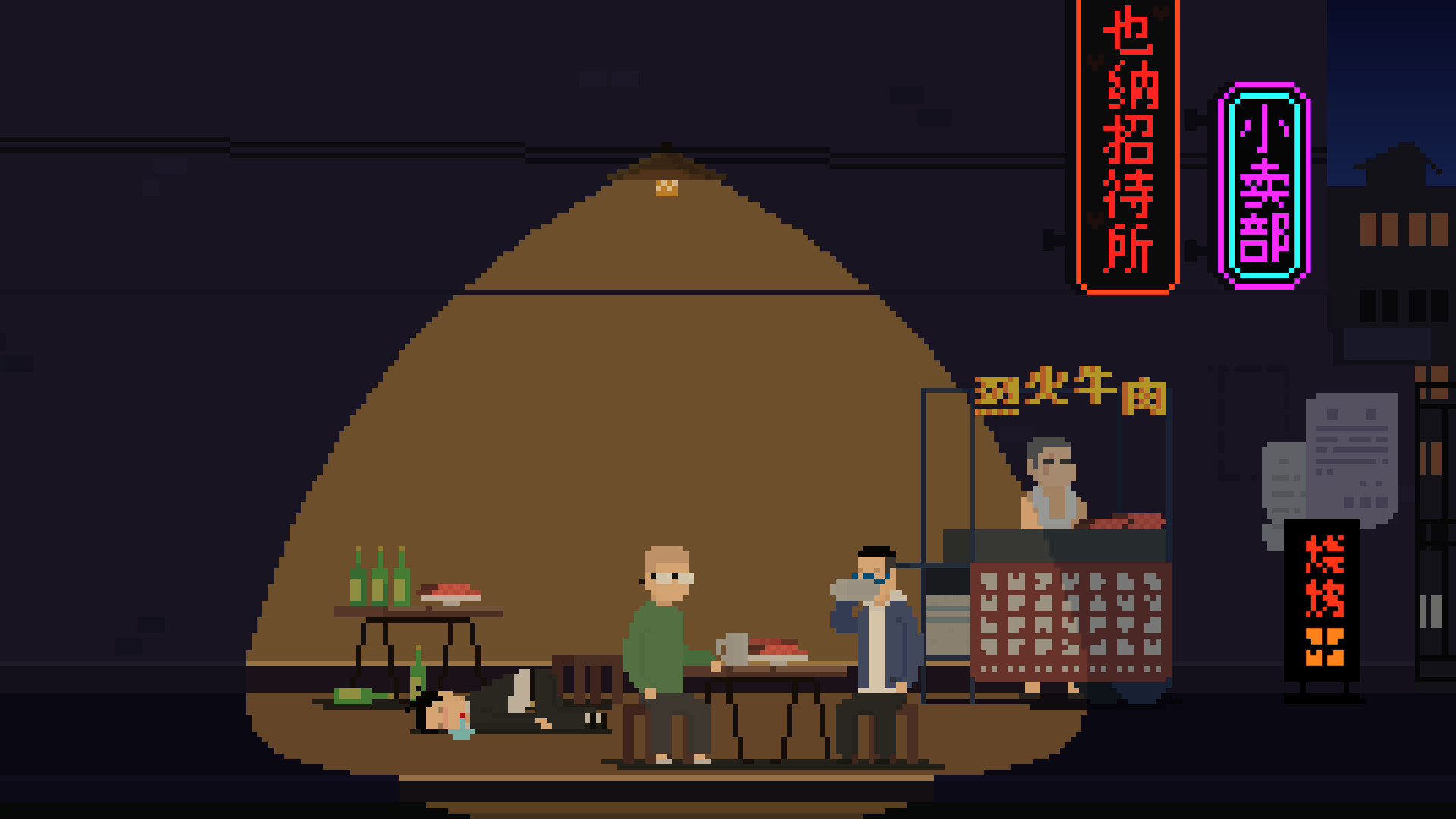
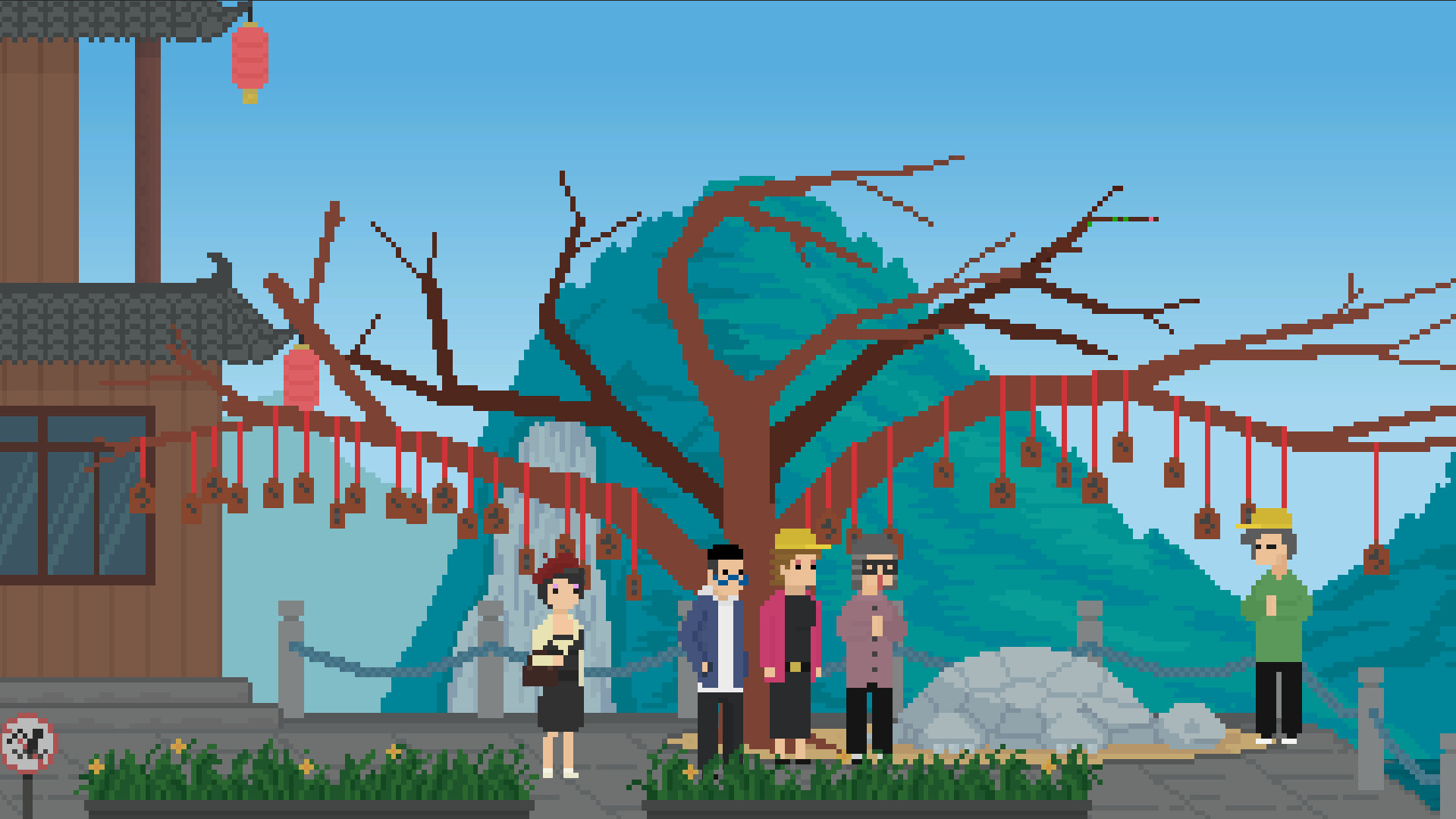
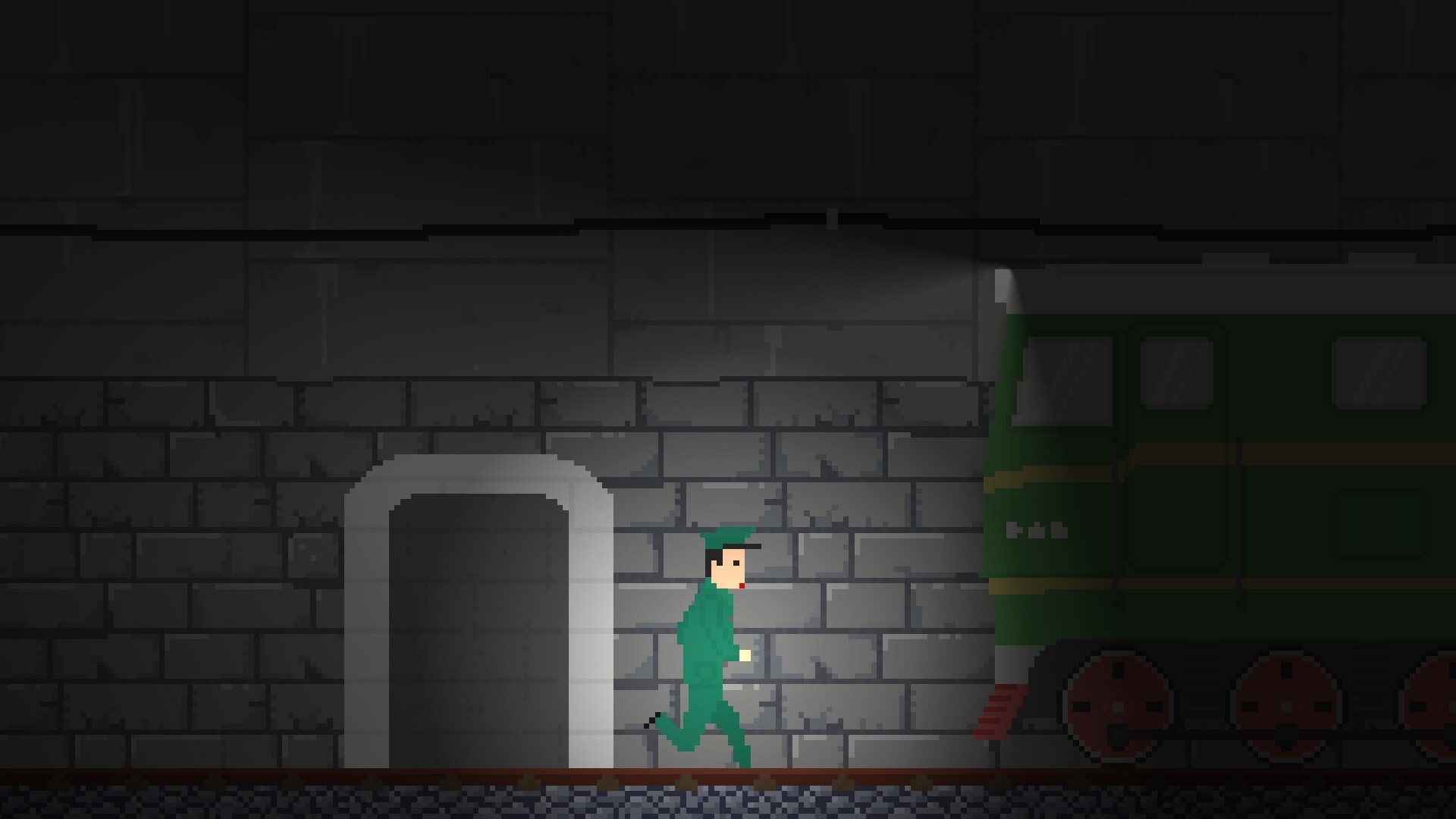
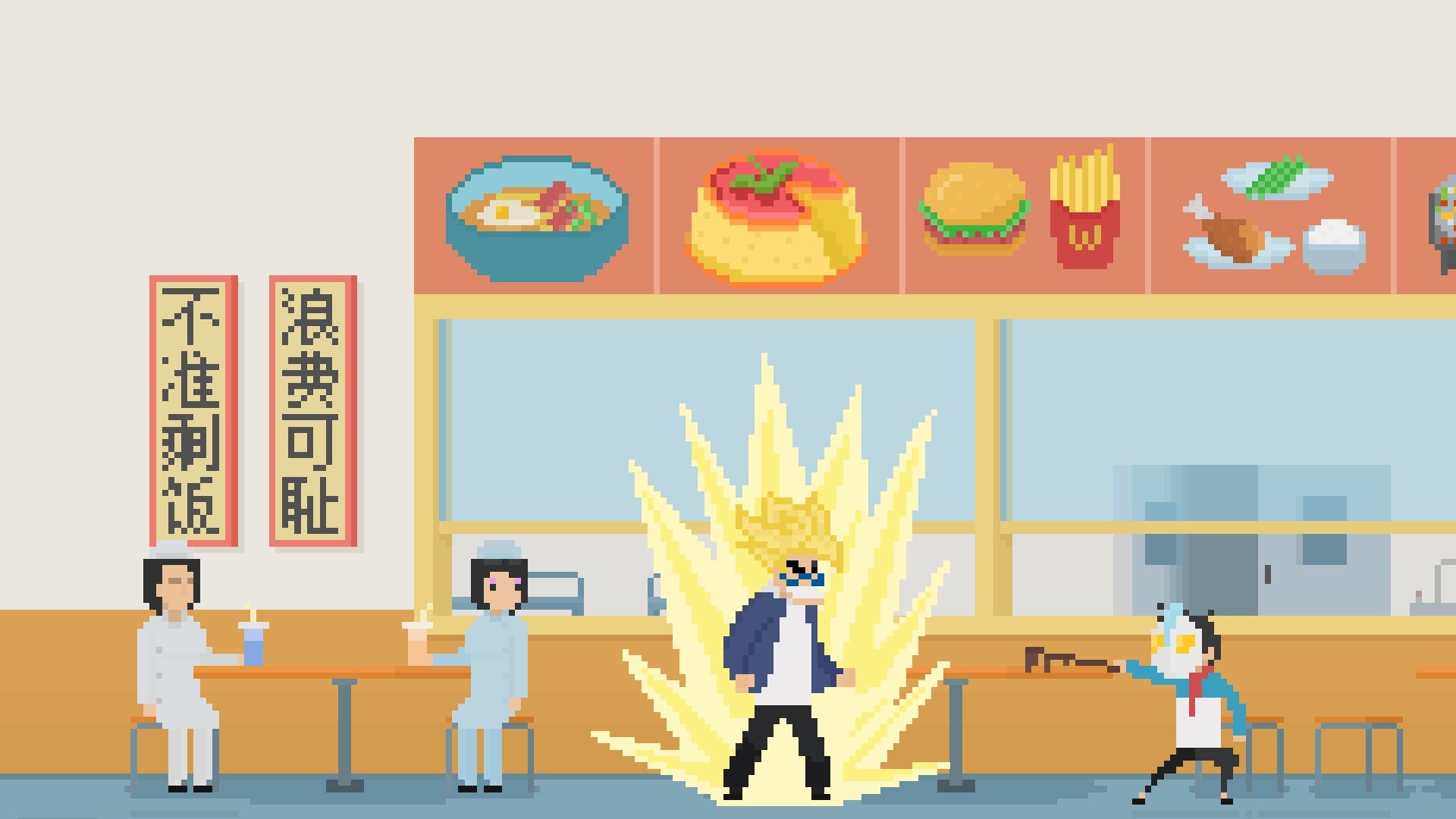
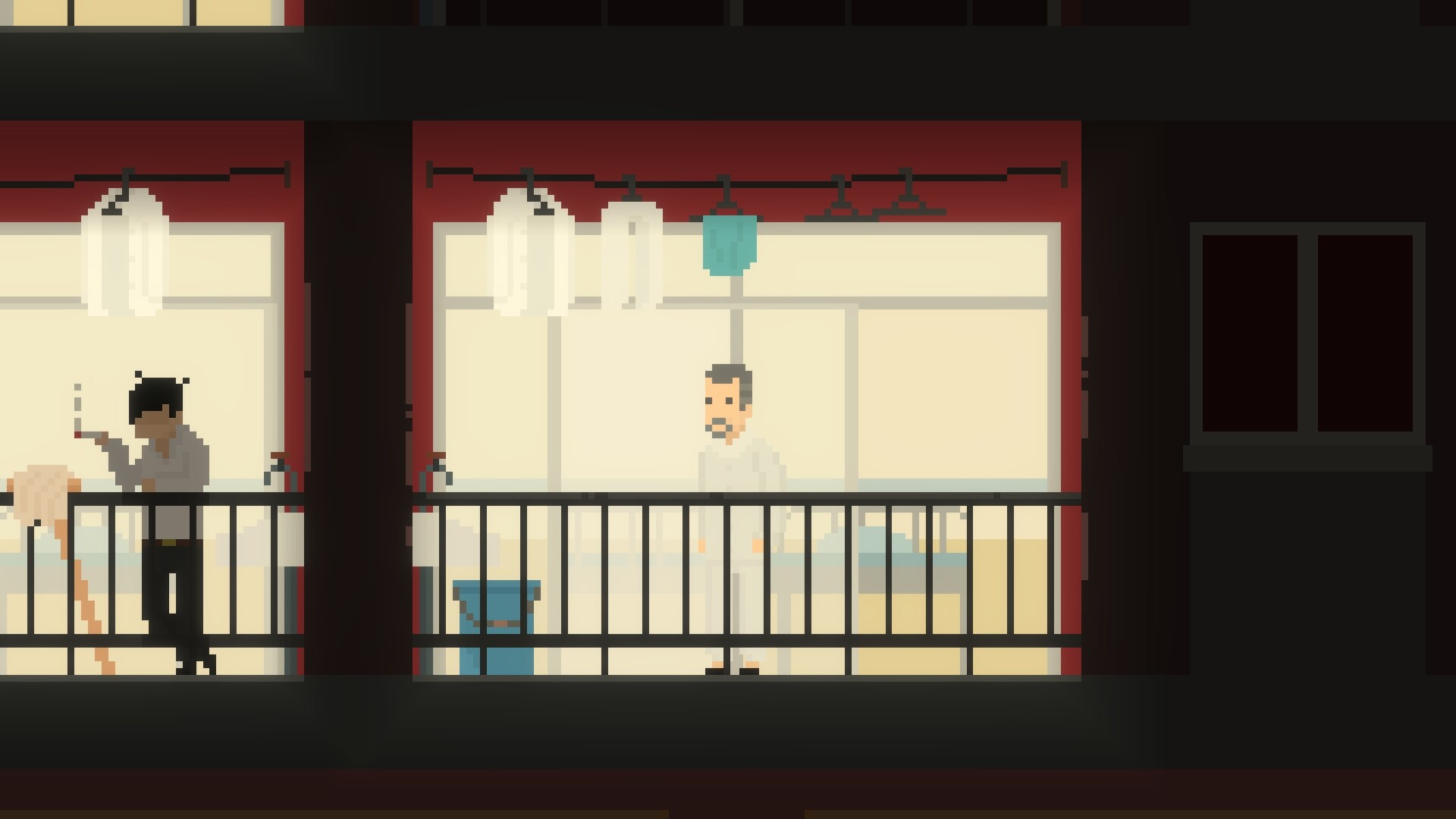
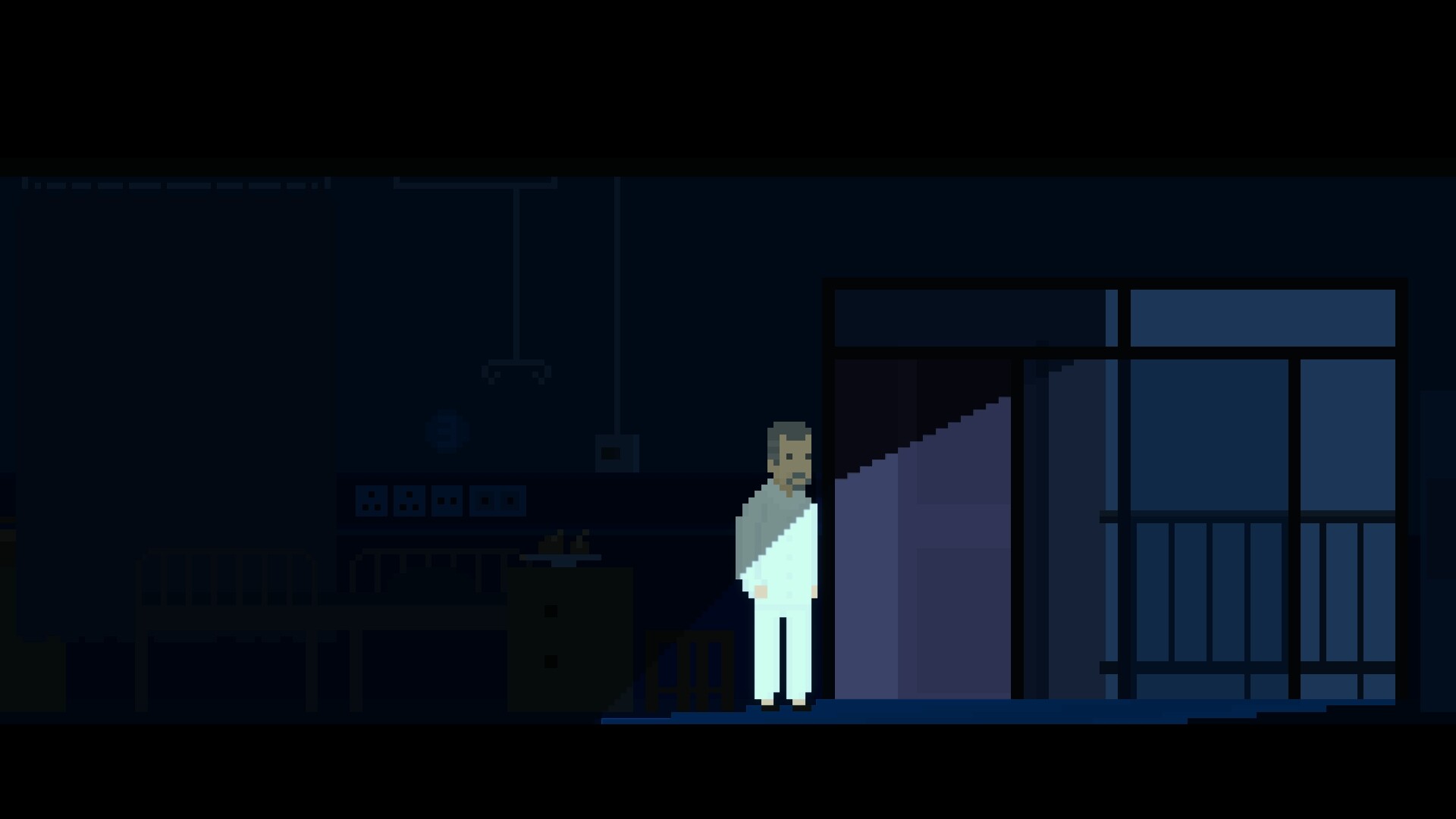
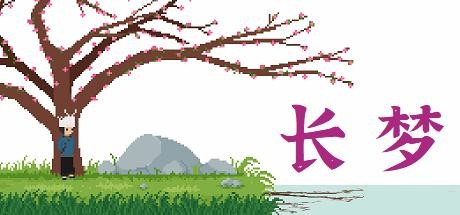
Long Dream, developed by WildMonkey and published by Gamirror Games, is a poignant and beautifully understated narrative adventure that explores memory, loss, and the fragile line between reality and illusion. It tells the story of Zhao Sheng, an elderly postman who has retired from his long service and now struggles with the slow deterioration of his mind. His days are haunted by a lingering promise and a vivid memory of his late wife, Qi Mei, whom he believes is waiting for him beneath a peach tree. What begins as a simple recollection of love gradually evolves into a deeply emotional exploration of identity, regret, and the human need for connection, even as memory itself begins to fade. Through its quiet storytelling and melancholic atmosphere, Long Dream captures the bittersweet essence of aging and the desperate beauty of holding on to a past that is slipping away. The game’s narrative is both intimate and universal. Zhao’s journey is driven by an unshakable desire to keep a promise to the woman he loved—a promise that may or may not have ever been real. His fragmented memories intertwine with the present, blurring the boundaries between dreams and reality. At times, Zhao wanders through places from his youth, reliving moments of tenderness, duty, and loss; at others, the world around him fractures, revealing the confusion of a mind struggling against dementia. The writing is subtle and restrained, allowing the player to piece together Zhao’s history through small details—letters, mementos, and fleeting conversations. This method of storytelling makes every discovery feel personal, as though the player is helping Zhao rediscover himself one fragile memory at a time. The result is a narrative that feels deeply human, one that doesn’t rely on spectacle or dramatic twists but on quiet emotional resonance. Long Dream’s greatest strength lies in its ability to immerse players in Zhao’s mental state through its design and presentation. The pixel art aesthetic, simple at first glance, reveals a meticulous attention to mood and symbolism. The environments shift from realistic to surreal, with familiar locations warping or fading as Zhao’s grip on reality weakens. An old postal route might transform into a dreamlike corridor of letters and trees, while a warm family home might feel suddenly alien in its emptiness. The game uses color and light in a powerful way—soft pastels during moments of peace, muted tones during melancholy, and distorted hues when confusion sets in. The peach tree, a recurring image, stands out as a symbol of love and remembrance, its blossoms a reminder of both beauty and impermanence. Every visual element is imbued with quiet meaning, reinforcing the emotional texture of Zhao’s journey. Sound design plays an equally vital role in shaping the game’s atmosphere. The ambient background music leans toward gentle piano melodies, faint strings, and distant environmental sounds that evoke nostalgia and stillness. There are long stretches of silence where the only sounds are Zhao’s footsteps and the rustle of the wind, and these moments of quiet speak louder than any dialogue. The minimalist audio approach mirrors the loneliness of old age and the disorientation of memory loss. The sparse use of music and the absence of overdramatized cues make every emotional beat feel earned rather than manufactured. This delicate balance between sound and silence enhances the game’s meditative tone, allowing players to reflect on what they see and feel rather than being told how to react. The gameplay itself is simple, designed to serve the narrative rather than overshadow it. Players guide Zhao through different environments, interact with objects that trigger memories, and engage in brief conversations or reflections that reveal parts of his past. There are no difficult puzzles or mechanical challenges; instead, progression is tied to exploration and introspection. Each interaction adds a layer to Zhao’s story—an unopened letter might reveal an unspoken regret, a photograph might trigger a bittersweet recollection, and a familiar street corner might evoke both comfort and confusion. The pacing is deliberate, giving players time to absorb each scene and emotion. It’s the kind of game that values atmosphere and storytelling above all else, offering an experience that feels more like walking through a memory than playing through a traditional narrative. What makes Long Dream stand out among other indie story-driven titles is its sensitive portrayal of dementia. Rather than using memory loss as a narrative gimmick or source of horror, it treats it with empathy and dignity. Zhao’s condition is not presented as a mystery to be solved but as a reality to be understood. The game captures both the pain and the poignancy of living with fading memories—the frustration of forgetting names and faces, the fear of losing oneself, and the fleeting joy of clarity when something familiar returns, even if only for a moment. The player’s role is not to fix Zhao but to accompany him, to witness his struggle and his hope. This approach makes Long Dream deeply emotional without being manipulative; it earns its sadness through authenticity rather than tragedy for its own sake. The brevity of the experience works in its favor. Lasting only a few hours, the game feels concise yet complete, leaving a lasting emotional impression without overstaying its welcome. Every scene has purpose, every interaction serves the story, and by the time the credits roll, players are left with a quiet ache—a feeling that mirrors Zhao’s longing for something forever out of reach. Some may find the short runtime limiting or wish for more interactive depth, but the simplicity of the design complements the story’s focus on reflection and emotion. In a way, the game’s short length mirrors the fleeting nature of memory itself: beautiful, temporary, and impossible to hold onto forever. Technically, Long Dream delivers a clean and polished experience. Its pixel art is consistent and expressive, its transitions between dream and reality smooth, and its interface unobtrusive. The developers’ restraint is commendable; they resist the temptation to overcomplicate or embellish. The storytelling remains clear despite the fragmented narrative structure, and the pacing never feels rushed. There are moments when the game could have benefited from greater environmental variety or deeper interaction, but these minor shortcomings are easily forgiven in light of the emotional power of the narrative. The localization is functional, though players may notice that the absence of full English voice acting slightly limits immersion. Still, the emotions conveyed through visuals and atmosphere transcend language, making the story universally relatable. In the end, Long Dream succeeds because it understands the quiet strength of simplicity. It is a game that doesn’t need grand twists or elaborate mechanics to move its audience. Instead, it relies on the universal fear of forgetting and the universal hope of remembering. Zhao Sheng’s journey through fading memories becomes a mirror for the player, a reminder that time erodes everything except the emotions we carry in our hearts. The peach tree that Zhao searches for isn’t just a symbol of lost love—it’s a metaphor for all the things we hold onto in life, the dreams and promises that define us even when our memories fade. Long Dream is haunting, heartfelt, and profoundly human, the kind of game that lingers long after it’s over, like a memory you can’t quite recall but never truly forget. Rating: 10/10
Expand the review