

Making*Lovers
Making*Lovers A story about the way love can bloom after dating begins. The focus in Making*Lovers is on the things that come after a relationship's beginning. With "start dating, then fall in love" as the concept, you will work towards the moment when love truly blooms.
Sync your Steam wishlist to find the lowest game prices instantly. No login required, just paste your Steam profile URL!
⚡ Try Wishlist Radar!
Sync your Steam wishlist to find the lowest game prices instantly. No login required!
⚡ Try Wishlist Radar!
Close

Love Delivery on Steam
Quick menu
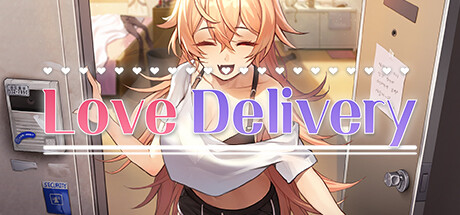
A coming-of-age romance simulation that follows the raw, relatable journey of a real loser.
Love Delivery is a dating sim, simulation and visual novel game
developed by Cometsoft Inc.
and published by Smilegate STOVE.
Released on May 30th 2022 is available on Windows, Steam Deck and Steam Machine.
It has received 2,443 reviews of which 2,352 were positive and 91 were negative resulting in an impressive rating of 9.2 out of 10. 😍
The game is currently priced at 6.86€ on Steam with a 45% discount.
The Steam community has classified Love Delivery into these genres:
Media & Screenshots
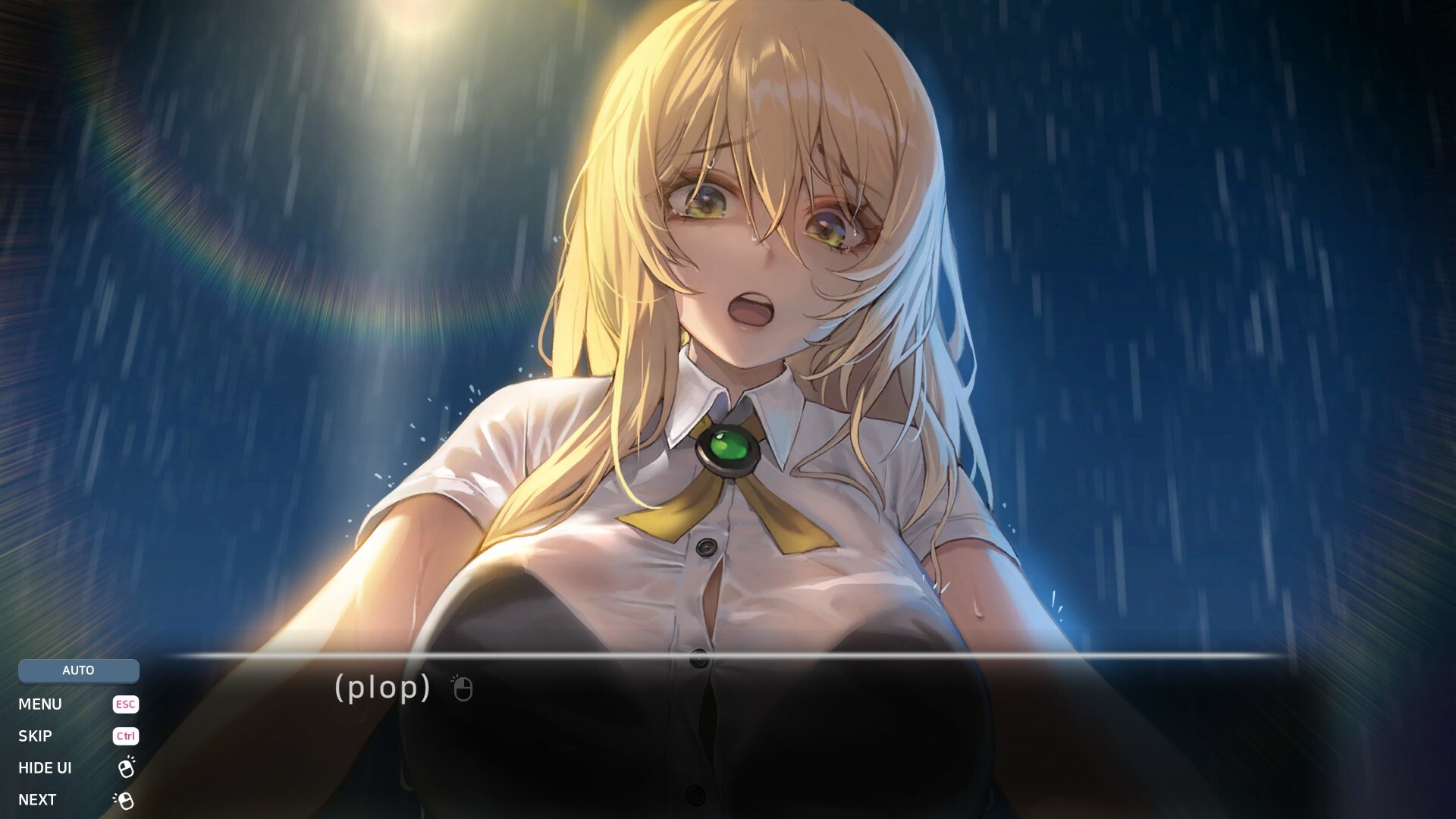
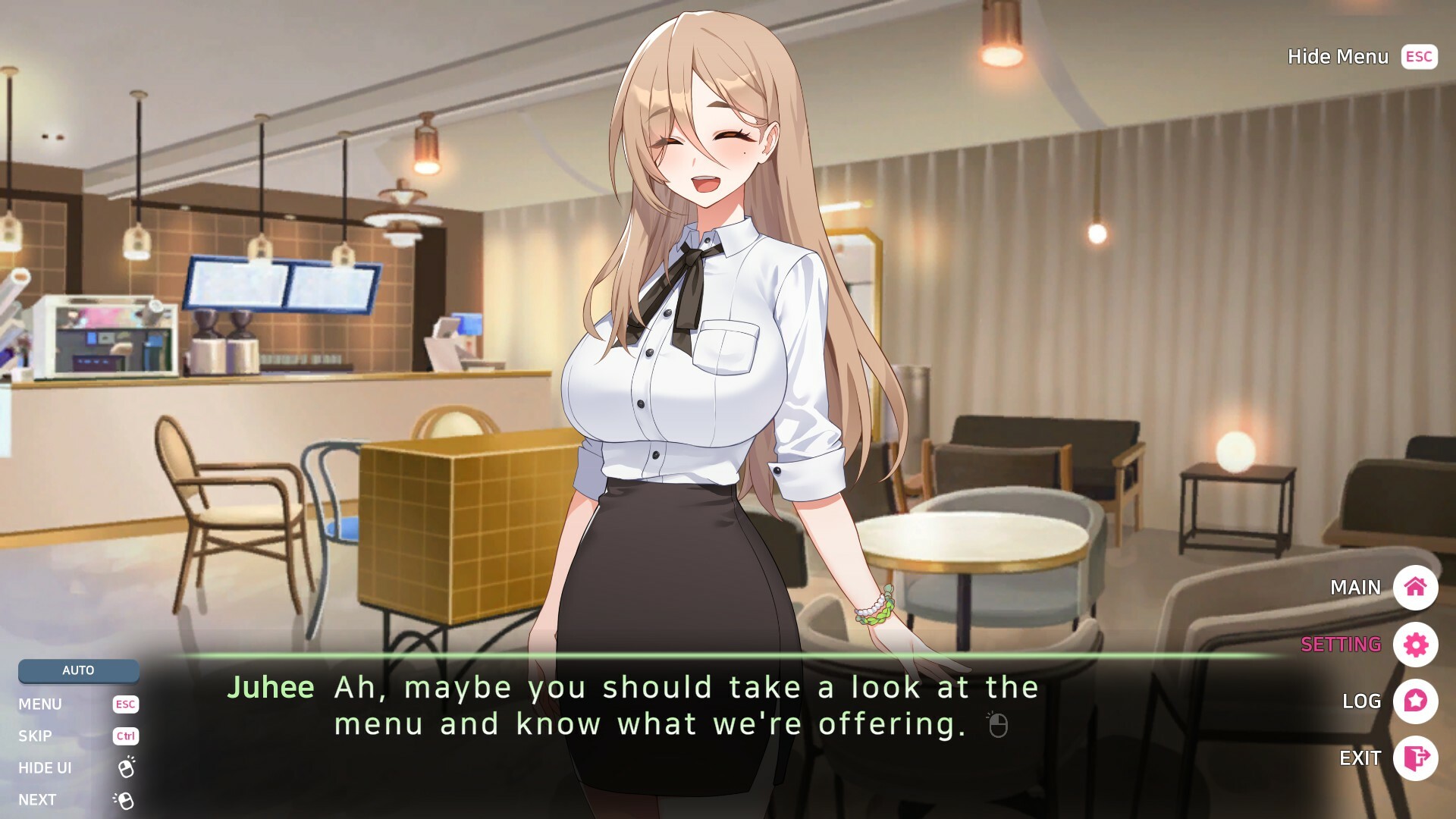
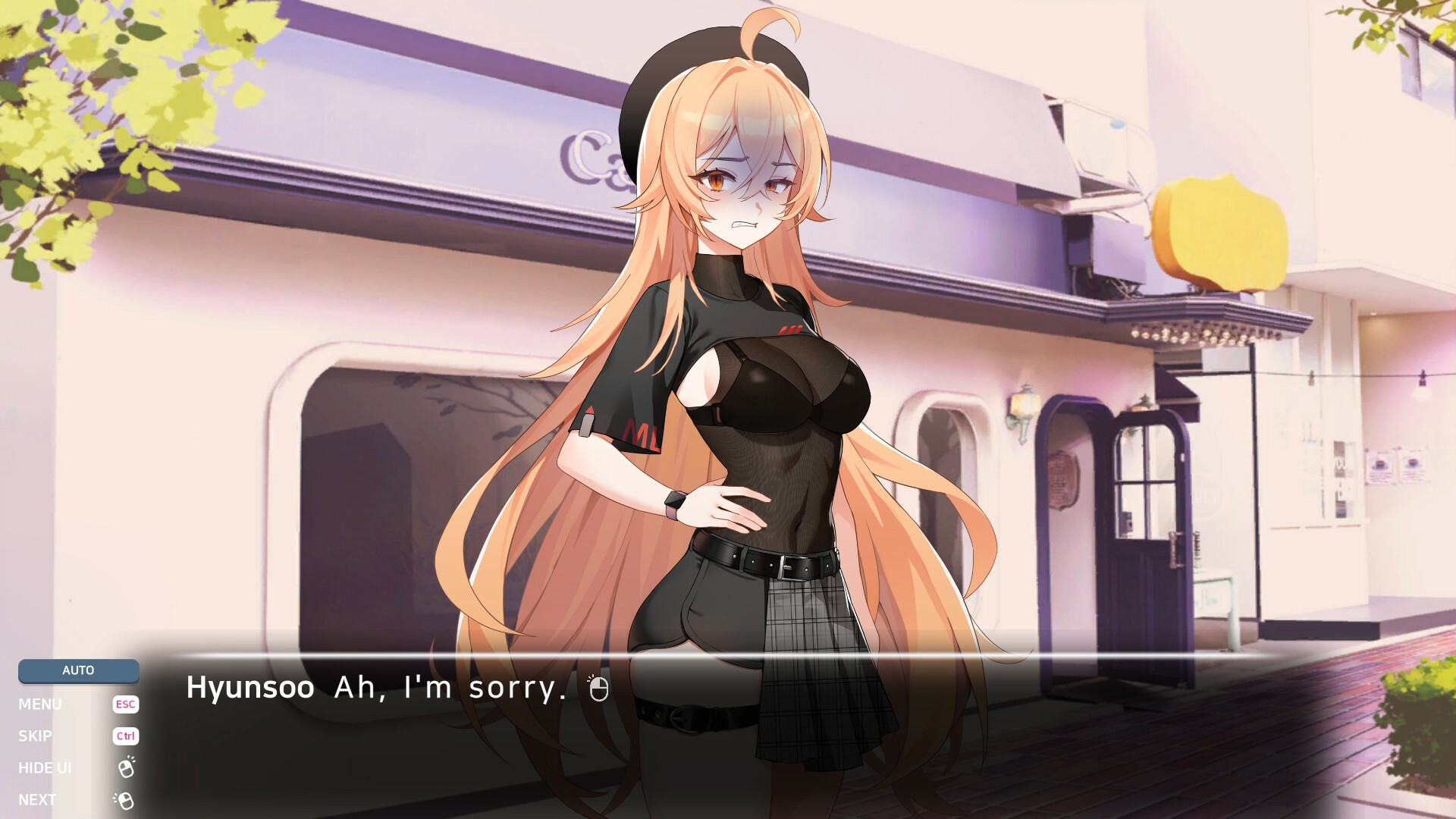
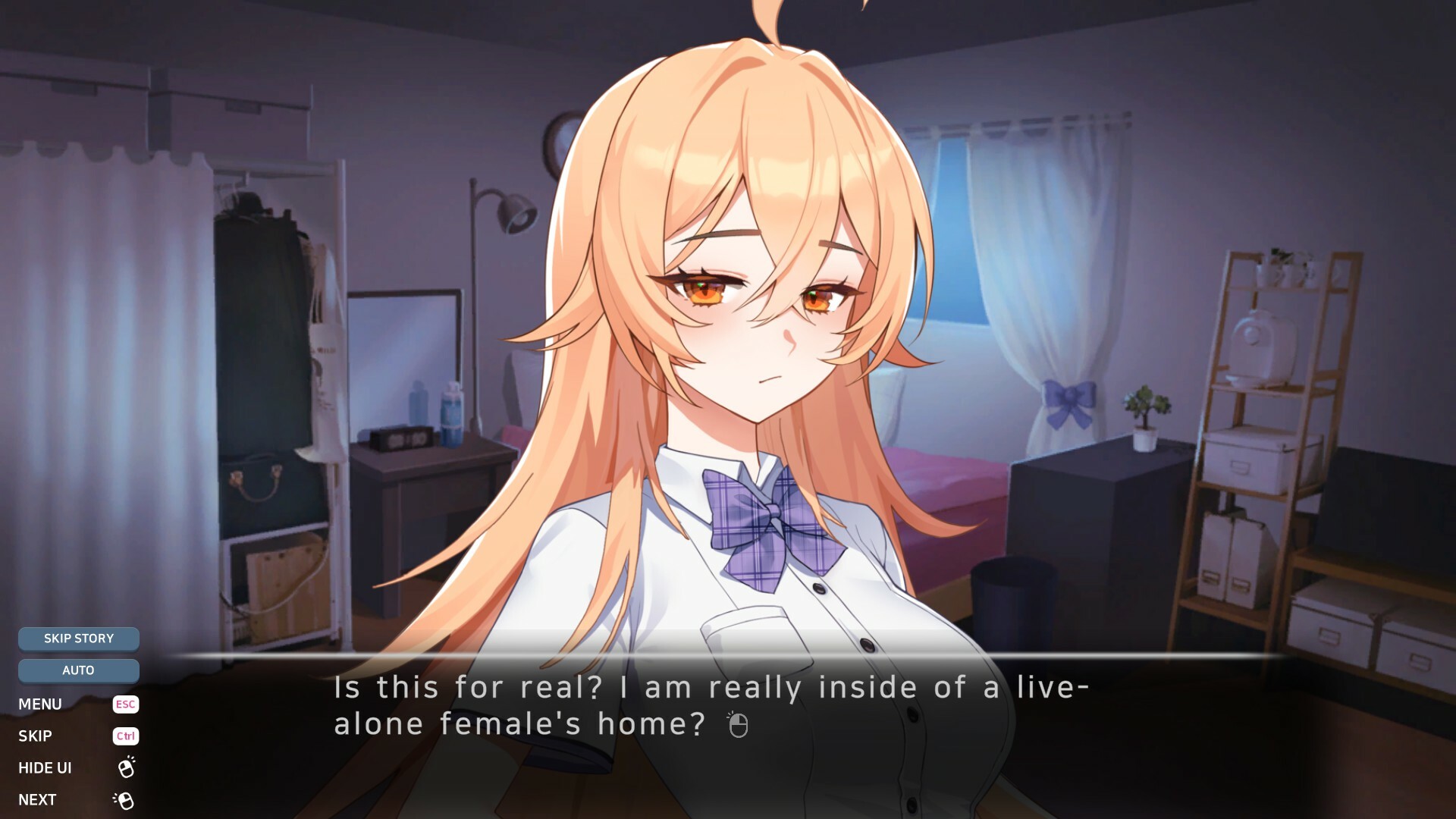
Get an in-depth look at Love Delivery through various videos and screenshots.
System requirements
These are the minimum specifications needed to play the game. For the best experience, we recommend that you verify them.
Windows
- OS *: Windows 7 / 8 / 8.1 / 10 (64-Bit)
- Processor: Dual core 2.6 ghz +
- Memory: 1 GB RAM
- Graphics: nVidia GTS 450 or better
- Storage: 512 MB available space
Steam Price & Best Deals
User reviews & Ratings
Explore reviews from Steam users sharing their experiences and what they love about the game.
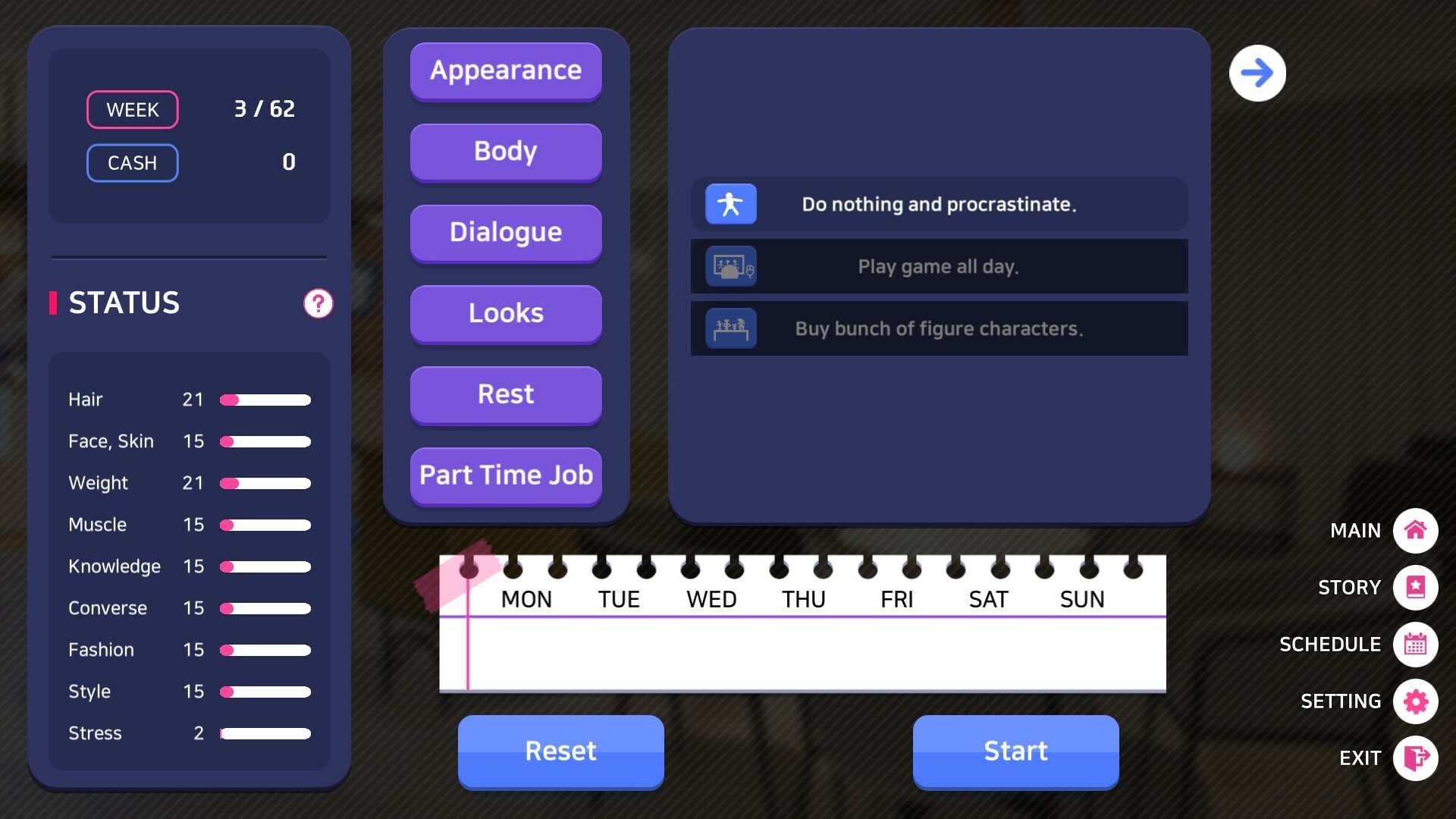
Love Delivery is a romance visual novel that distinguishes itself not by reinventing the genre’s structure, but by grounding its story in an unusually candid and sometimes uncomfortable portrayal of personal failure and emotional growth. Developed by Cometsoft Inc. and published by Smilegate, the game follows a directionless young man whose life has stagnated into a cycle of low-paying delivery work, social isolation, and quiet self-loathing. A chance incident leads him into a small café environment that becomes the central stage for the story, introducing two heroines whose contrasting personalities anchor the narrative. What begins as a seemingly familiar setup gradually evolves into something more introspective, focusing less on wish fulfillment and more on the messy, uneven process of becoming a better person. The protagonist is one of the game’s most defining elements, and also one of its most divisive. He is not designed to be an ideal self-insert or an aspirational figure; instead, he is portrayed as insecure, passive, and often frustratingly indecisive. The writing leans heavily into this characterization, forcing players to confront his flaws rather than ignore them. This approach creates a stronger sense of authenticity, as his growth feels earned rather than predetermined. Over time, his interactions with others begin to challenge his worldview, and the game carefully tracks his gradual shift from self-doubt toward a more stable sense of identity. This arc is not dramatic or exaggerated, but incremental and believable, which gives the story a quieter, more reflective tone compared to many romance visual novels. The two main heroines, Juhee and Latte, are written with enough nuance to avoid falling into simple archetypes, even if their initial impressions suggest otherwise. Juhee, the café owner, appears gentle and composed, but beneath that surface lies a history that has shaped her cautious and somewhat guarded approach to relationships. Her route emphasizes emotional healing and mutual understanding, unfolding at a measured pace that rewards patience. Latte, in contrast, is immediately confrontational—sharp-tongued, cynical, and openly critical of the protagonist. Her dynamic with him is more volatile, rooted in shared history and unresolved tension. What makes her route compelling is how it peels back layers of hostility to reveal vulnerability, transforming what initially feels like antagonism into something far more complex. Both characters are given substantial narrative space, allowing their personal struggles and motivations to unfold naturally rather than being reduced to romantic goals. One of the more distinctive aspects of Love Delivery is its integration of light simulation mechanics into the visual novel framework. Players are required to manage time between working shifts, improving personal stats, and spending time with the heroines. Certain story events and character routes are tied to these stats, which introduces a layer of strategy to progression. This system can be engaging when it reinforces the theme of self-improvement, as it ties the protagonist’s growth to tangible actions. However, it can also disrupt the narrative flow, particularly for players who prefer a more uninterrupted storytelling experience. While not overly demanding, the system requires enough attention to occasionally feel like a barrier between the player and the story rather than a seamless extension of it. The narrative structure offers multiple endings, including character-specific routes, bad endings, and extended epilogues that explore the long-term consequences of your choices. These branching paths add meaningful replay value, as different decisions can lead to significantly different emotional outcomes. The after-story content is particularly notable, as it goes beyond the initial romantic resolution to examine how relationships evolve over time. This additional depth helps reinforce the game’s central themes, showing that connection is not a final destination but an ongoing process that requires effort and understanding. Visually, the game delivers a polished presentation with clean, expressive character art and a strong selection of CG illustrations that highlight key emotional moments. The art style leans toward a vibrant anime aesthetic, but it avoids feeling overly exaggerated, maintaining a tone that complements the grounded narrative. Voice acting is another highlight, bringing the characters to life with performances that capture both subtle emotional shifts and more intense moments of conflict. The soundtrack, while not particularly complex, supports the atmosphere effectively, shifting between lighthearted, romantic, and introspective moods as the story demands. Despite its strengths, Love Delivery is not without flaws. The English localization can feel inconsistent at times, with occasional awkward phrasing that breaks immersion. Additionally, the game’s commitment to portraying flawed characters and realistic emotional struggles may not appeal to players seeking a more idealized or escapist experience. The pacing can also feel uneven, particularly when the simulation elements interrupt key narrative moments. However, for players willing to engage with its approach, these issues are often outweighed by the strength of its writing and character development. In the end, Love Delivery succeeds because it treats romance not as a fantasy to be fulfilled, but as a process shaped by personal growth, vulnerability, and mutual effort. It is a story about imperfect people trying to navigate their own shortcomings while forming meaningful connections, and it presents this journey with a sincerity that sets it apart from many of its peers. While it may not be universally appealing, it offers a thoughtful and emotionally grounded experience for those who appreciate character-driven storytelling and are willing to embrace its slower, more reflective pace. Rating: 9/10
This is one of the best visual novels that I have played! The plot's genres of romance, comedy, drama, along with the accompanying music that invokes strong emotions and dialogue that really sticks in the mind even after completing the game, really make for a wonderful experience! Quick, spoiler-free rundowns of the endings: Bad Ending (Both Routes) - Depression... Good Ending (Jo-hee) - the romance of customer and the cafe shop owner succeeds! NTR antagonist, begone madafaka!!! Good Ending (Latte) - I am painfully aware I cannot actually marry a fictional character but MARRY ME LATTE Overall, as a hopeless romantic that continues indulging in such media, 10/10 would recommend! p.s. Latte is the canon winner of self-insert MC's heart, play Love in Login for proof
A fun dating sim. Good art, excellent writing with some good comedy and poignant scenes, cute heroines. The main weakness of this game is that the main advancement gimmick is a bit disconnected from the story. Sometimes it has an impact but most of the time it doesn't and the time scales don't line up. For instance there are cases where the story is clearly progressing on the same day but the advancement gimmick says multiple weeks went by. The gimmick itself wasn't too bad, it just needed to tie better into the story line. Even better would have been to let the player pick what things to advance and have the plot go relative to that. Overall though its a good game with some endearing characters.
I really enjoyed the stories of this game. The gameplay is really basic with the scheduling and everything, but it is a visual novel, so the story is the real centerpiece here. The stories of following Juhee or Latte were really good stories that pulled at my heartstrings. I deeply sympathized with the main character being a loser (I am playing this game after all), so it made the story feel more authentic. To see the main character improve himself to be a better man for himself and his love interest was all too familiar with me. It was admirable. My only complaint is that Latte get’s a way longer story than Juhee, so many things of Juhee are left unexplained. I’d at least enjoy some sort of epilogue. The voice acting is really top notch for such a small game. The main VAs, Myungho Lee (Juhee) and Shin Onyu (Latte) were amazing in their roles. Especially when they had to modify their voices to sound younger or older! I only wished for there to be more art of the characters! A few characters felt more than just side characters, so it would’ve been great if they can be give their own visuals! However, the art of the current characters is also greatly appreciated. If you want to see stories of self-improvement, dream chasing, and love, then try out this game!
Similar games
View all

Fureraba ~Friend to Lover~
Springtime. The season of the cherry blossoms, and a time of new beginnings, new encounters, and new people. For Aoba Kyousuke, this new season marks the start of his second year in high school, and also the year he resolved himself to finally fulfill his long-cherished dream: finding a girlfriend.

9-nine-:Episode 3
9-nine-: Episode 3 is the latest chapter in this series of supernatural mystery visual novels with the focus now shifted towards a new heroine, Haruka Kosaka.

AIR
Summer stretches on endlessly. Beneath the vast blue sky. Beneath the air in which she awaits— AIR, the second game released by visual novel studio Key, is now available on Steam! Now featuring the side story novel, "First Sky Chapter" and full voice support!

Kinkoi: Golden Loveriche
Kinkoi: Golden Loveriche is a Japanese-style visual novel produced by Saga Planets, a Japanese developer of romance VNs. The game won numerous awards in the year of its release in Japan for its art, music, characters, and story.
9-nine-:Episode 4
Kakeru and his friends uncover the identity of the mastermind behind the incidents in Shiromitsugawa as the story shifts to focus on Noa Yuuki, a girl with a strong sense of justice. What secrets will they uncover about the Artifacts and the bonds that ties them all together?
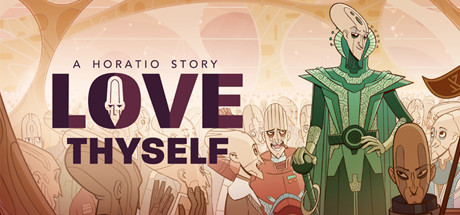
Love Thyself - A Horatio Story
In a society where everyone is a clone of the Emperor, can you survive long enough to find out who you truly are? Try out the brand new visual novel set in the Endless Universe!

Lucy -The Eternity She Wished For-
If there was a robot that could laugh, cry and smile. ...Does it have a soul?

XOXO Droplets
An otome dating sim about a humorously jerky young lady and her mission to woo one of multiple uniquely, but equally, obnoxious guys.

Sani Yang's Laboratory
You wake up in the world of anthropomorphic creatures. After finding you've been the subject of a certain lab's experiments, you must find the ulterior goals hidden from sight. Is this lab secretly a threat to the human world? Or is there more to it that you simply cannot understand?
Frequently Asked Questions
Love Delivery is currently priced at 6.86€ on Steam.
Yes, Love Delivery is currently available at a 45% discount. You can purchase it for 6.86€ on Steam.
Yes, Love Delivery received 2,352 positive votes out of a total of 2,443 achieving an impressive rating of 9.19.
😍
Love Delivery was developed by Cometsoft Inc. and published by Smilegate STOVE.
Yes, Love Delivery is playable and fully supported on Windows.
No, Love Delivery is not playable on MacOS.
No, Love Delivery is not playable on Linux.
Yes, Love Delivery is playable on Steam Deck, though it might require a few minor tweaks. Make sure to check the Steam store page and community feedback on ProtonDB for exact compatibility details.
Yes, Love Delivery is playable on Steam Machine, though it might require a few minor tweaks. Make sure to check the Steam store page and community feedback on ProtonDB for exact compatibility details.
No, Love Delivery does not support VR.
Love Delivery is a single-player game.
Yes, there are 5 DLCs available for Love Delivery. Explore additional content available for Love Delivery on Steam.
No, Love Delivery does not support mods via Steam Workshop.
No, Love Delivery does not support Steam Remote Play.
Yes, Love Delivery is enabled for Steam Family Sharing. This means you can share the game with authorized users from your Steam Library, allowing them to play it on their own accounts. For more details on how the feature works, you can read the original Steam Family Sharing announcement or visit the Steam Family Sharing user guide and FAQ page.
You can find solutions or submit a support ticket by visiting the Steam Support page for Love Delivery.
Data sources
The information presented on this page is sourced from reliable APIs to ensure accuracy and relevance. We utilize the Steam API to gather data on game details, including titles, descriptions, prices, and user reviews. This allows us to provide you with the most up-to-date information directly from the Steam platform.
Additionally, we incorporate data from the SteamSpy API, which offers insights into game sales and player statistics. This helps us present a comprehensive view of each game's popularity and performance within the gaming community.
Last Updates| Steam data | 10 October 2026 23:12 UTC |
|---|---|
| SteamSpy data | 18 October 2026 23:31 UTC |
| Steam price | 26 October 2026 19:27 UTC |
| Steam reviews | 19 October 2026 06:09 UTC |
If you'd like to dive deeper into the details about Love Delivery, we invite you to check out a few dedicated websites that offer extensive information and insights. These platforms provide valuable data, analysis, and user-generated reports to enhance your understanding of the game and its performance.
- SteamDB - A comprehensive database of everything on Steam about Love Delivery
- SteamCharts - Analysis of Love Delivery concurrent players on Steam
- ProtonDB - Crowdsourced reports on Linux and Steam Deck Love Delivery compatibility
Game modes
Features
Online players
4
Developer
Cometsoft Inc.
Publisher
Smilegate STOVE
Release
30 May 2022
Platforms
Clicking and buying through these links helps us earn a commission to maintain our services.