
Your Smile Beyond Twilight:黄昏下的月台上
A story about forced smiles, coming to terms with the past, and love—but most of all, redemption.
Sync your Steam wishlist to find the lowest game prices instantly. No login required, just paste your Steam profile URL!
⚡ Try Wishlist Radar!
Sync your Steam wishlist to find the lowest game prices instantly. No login required!
⚡ Try Wishlist Radar!
Close

Mayjasmine Episode01 - What is God? on Steam
Quick menu
Ho Yu-Chen received his friend Wan Zi-Jin's invitation, and set on to leave the familiar Taiwan to start a new life with Wan's daughter, Wan Yu-Qing, as an accountant, in Indonesia. Yet with the addition of the mysterious girl, Cocoa, what kinds of events shall turn out to be?
Mayjasmine Episode01 - What is God? is a visual novel, anime and indie game
developed and published by Erotes Studio.
Released on December 02nd 2015 is available only on Windows.
It has received 359 reviews of which 256 were positive and 103 were negative resulting in a rating of 6.8 out of 10. 😐
The game is currently priced at 9.75€ on Steam.
The Steam community has classified Mayjasmine Episode01 - What is God? into these genres:
Media & Screenshots
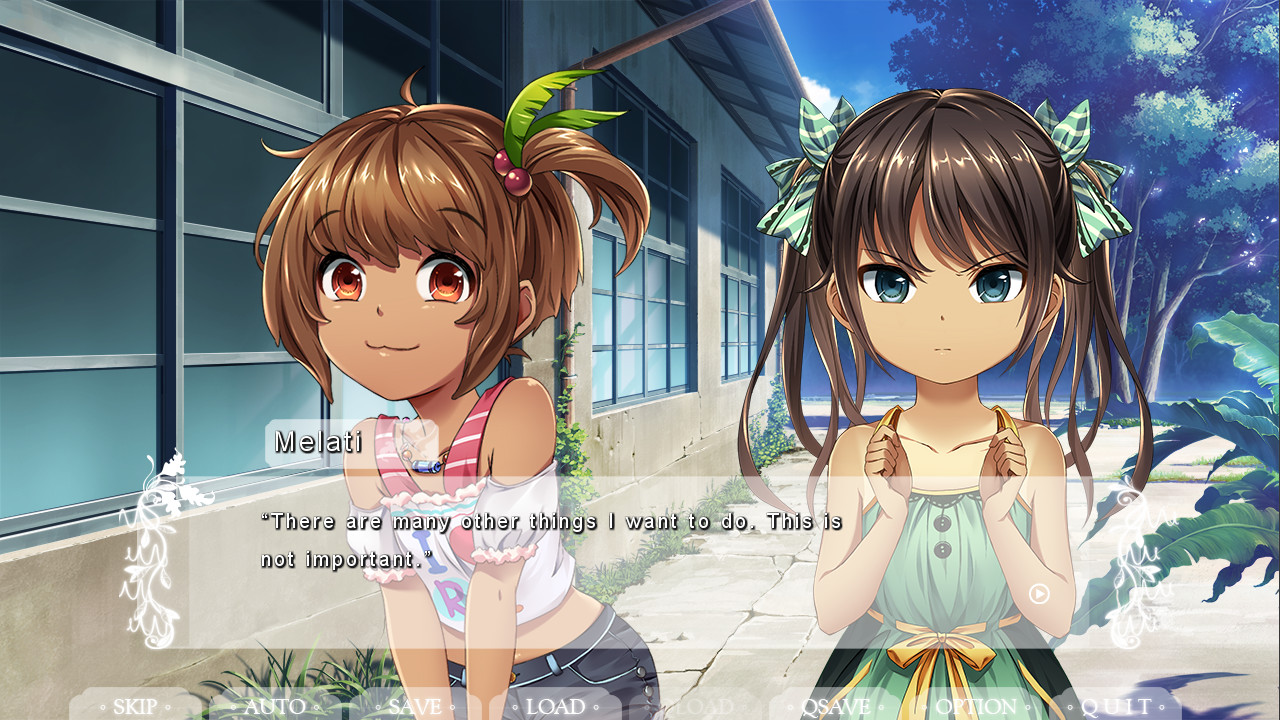
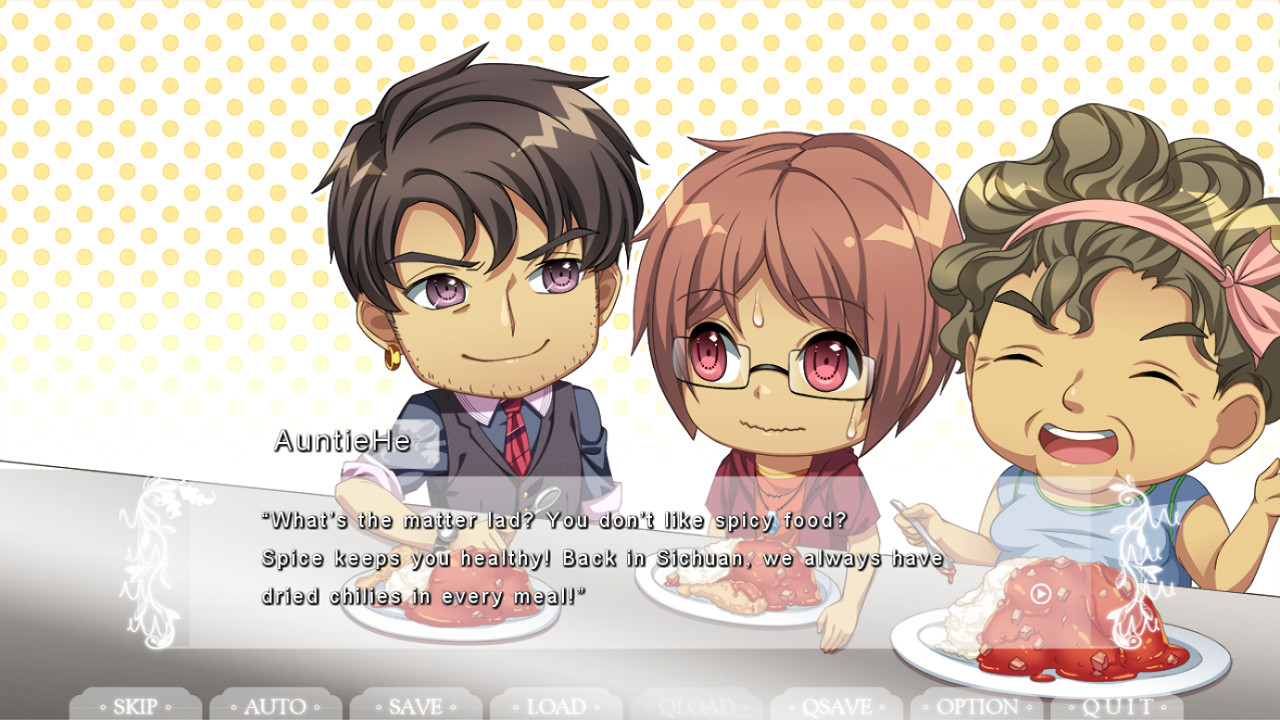
Get an in-depth look at Mayjasmine Episode01 - What is God? through various videos and screenshots.




Load More




System requirements
These are the minimum specifications needed to play the game. For the best experience, we recommend that you verify them.
Windows
- OS *: window VISTA(32/64bit)
- Processor: Pentium4 1.4GHz
- Memory: 1 GB RAM
- DirectX: Version 9.0c
- Storage: 5 GB available space
Steam Price & Best Deals
User reviews & Ratings
Explore reviews from Steam users sharing their experiences and what they love about the game.
Beautifully written. (Edit: when I say "last stretch", I mean the last stretch of the first round of the story you go through, being your first viewing of the ending. Before you can access the story through Yu Qing's perspective. <-- (spoiled since I don't know how big of a surprise that might be to new readers.)) When I see reviews talking about this game on here, I usually hear about how bad the English translation is, or how unrealistic the acts of violence are in the visual novel for the time and place. Which -- don't get me wrong -- both of those I understand very well. But this really is an amazing visual novel. The story is fairly short, making it easy to digest, yet it executes it extremely well. Though it was a big shock to me how graphic and how dark the story was, it only made me love it more. I know many other reviews have covered this, but like many other players, I of course wanted to play for the badges (and the lovely twintailed Yu Qing.) But this visual novel goes so far beyond just cute lolis. It shows the importance of equality and peace, it questions religion, it shows the impact of what might just be taken as simple feelings of unreasonable spite can have... I don't want to say too much in fear of spoiling anything for those reading this who haven't played. At first in the visual novel, it does have some dramatic aspects to it (that you could say hint to the end or give it a general feel of the setting of the time there), though not even half as much as the last stretch of it does. And that last stretch of it gets you real invested quick. At 3:30AM I was thinking "I'll read the rest of this until 4 and then go to sleep" and then was sitting on the edge of my seat clicking that spacebar until 5-O-something. Now, if I were to rate this visual novel I know I wouldn't give it a perfect 5/5 stars or a perfect 10/10. Though my glaze seems almost endless, there are definitely some aspects with the writing that I dislike. But I won't be talking about that in this review, because the reason I want to write such a big intricate one like this is because I want those who are big fans of literature or history to give this visual novel a try! As one of those people myself (though I'm not quite familiar with this section of history) and a visual novel reader who's trying to get to reading more of them, I think that those like me who want to start reading visual novels or are a bit of an otaku should definitely check this one out to get themselves started. This might not be a good beginner visual novel recommendation for your average wannabe reader, but for others like me it would be an amazing first or earlier one for them to read. And though my claim might seem like a little bit of a reach with just that, some other reasons of mine for it are that like I said before, it's only about 7h at most, being pretty easy to digest. Another thing being how there are no H-scenes (since I know that baby vn readers are real scared of those since TikTok is usually their homeland), there only being like 2 CGs with any panty shots or anything similar. And even if the English translation is absolutely horrible, by far the worst one I've ever seen, you can still understand what the characters are trying to say and whatnot. Another reason of mine is that the MC is not as insufferable as most of the other MCs I see in visual novels... I won't say names but with many of the bigger visual novels the personality of the character you play as pisses me off so much that I can't really help but drop it because I'm so tired of him. That might just be a personal gripe, though. I've heard that many usually find them relatable, so I'm not here to yuck anybody's yum. In short, though I know no English major will be going through the reviews of a loli visual novel on Steam wanting a good historical fiction to read, please, if you're a history fan or a big literature guy check this out! This is one of the most well-written ones I've read, and with other visual novels I usually give the writing I dislike an excuse for the main focus being the moe anime girls instead of the story. This visual novel focuses on both of those things!
Similar games
View all
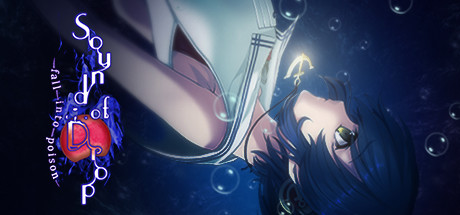
Sound of Drop - fall into poison -
Nestled in the heart of Tokyo, the quaint little aquarium, Manten Aquarium. Numerous urban legends have arisen from here. On the night of the full moon the waters turn to blood and man faced fish lurk within.

the 9th day:第九日
The story of The 9th Day, that started with the autumn fire incident, begins here…

The Rainy Port Keelung 雨港基隆
The story will develop into the year of 1947, where the players would face one of the most traumatic historical events in the history of Taiwan.Sorry,now there are only English interface, English subtitles are still being processed,we hope to complete as soon as possible.

Banter Schooldays!!三〇一室无一人
Banter Schooldays!! is a visual novel legal drama adventure game developed by the independent team Lingtan Studio.

Fluffy Store
A string of mysterious wind chimes brought three lovely and uninvited kemonomimi girls to this small convenience store. At such a summer night full of surprises and excitement, what lies ahead on their road of adventure?

Tiny Snow
On the snowy mountain, in the wooden hut, we are tied together by the world. She and "I" can only love each other, we cannot be separated. Is this free affection, or manipulated love? A short visual novel with multiple endings, "Tiny Snow", a story with two girls, and you who know what love is.

Fox Hime Zero
Yan, a student of natural history, encounters a cute and mysterious girl with fox ears while conducting routine scientific research at a remote observation cabin. This might be a "blessing" for the intrepid in the golden age of geographical discovery...

The Adventures of Fei Duanmu 端木斐异闻录
Play as college student who majors in criminal investigation and solve the weird cases happened right beside him! A visual novel involves puzzle solving, reasoning, humor and of course adventures! English version is available now.

神明的一天世界(God's One Day World)
an Visual Novel & Puzzle Game

Frequently Asked Questions
Mayjasmine Episode01 - What is God? is currently priced at 9.75€ on Steam.
No, Mayjasmine Episode01 - What is God? is currently not on sale. You can purchase it for 9.75€ on Steam.
Yes, Mayjasmine Episode01 - What is God? received 256 positive votes out of a total of 359 achieving a rating of 6.77.
😐
Mayjasmine Episode01 - What is God? was developed and published by Erotes Studio.
Yes, Mayjasmine Episode01 - What is God? is playable and fully supported on Windows.
No, Mayjasmine Episode01 - What is God? is not playable on MacOS.
No, Mayjasmine Episode01 - What is God? is not playable on Linux.
This information about Mayjasmine Episode01 - What is God? is not available yet.
This information about Mayjasmine Episode01 - What is God? is not available yet.
No, Mayjasmine Episode01 - What is God? does not support VR.
Mayjasmine Episode01 - What is God? is a single-player game.
No, Mayjasmine Episode01 - What is God? does not currently offer any DLC.
No, Mayjasmine Episode01 - What is God? does not support mods via Steam Workshop.
No, Mayjasmine Episode01 - What is God? does not support Steam Remote Play.
Yes, Mayjasmine Episode01 - What is God? is enabled for Steam Family Sharing. This means you can share the game with authorized users from your Steam Library, allowing them to play it on their own accounts. For more details on how the feature works, you can read the original Steam Family Sharing announcement or visit the Steam Family Sharing user guide and FAQ page.
You can find solutions or submit a support ticket by visiting the Steam Support page for Mayjasmine Episode01 - What is God?.
Data sources
The information presented on this page is sourced from reliable APIs to ensure accuracy and relevance. We utilize the Steam API to gather data on game details, including titles, descriptions, prices, and user reviews. This allows us to provide you with the most up-to-date information directly from the Steam platform.
Additionally, we incorporate data from the SteamSpy API, which offers insights into game sales and player statistics. This helps us present a comprehensive view of each game's popularity and performance within the gaming community.
Last Updates| Steam data | 19 September 2026 22:01 UTC |
|---|---|
| SteamSpy data | 14 October 2026 14:01 UTC |
| Steam price | 27 October 2026 04:05 UTC |
| Steam reviews | 22 October 2026 06:10 UTC |
If you'd like to dive deeper into the details about Mayjasmine Episode01 - What is God?, we invite you to check out a few dedicated websites that offer extensive information and insights. These platforms provide valuable data, analysis, and user-generated reports to enhance your understanding of the game and its performance.
- SteamDB - A comprehensive database of everything on Steam about Mayjasmine Episode01 - What is God?
- SteamCharts - Analysis of Mayjasmine Episode01 - What is God? concurrent players on Steam
- ProtonDB - Crowdsourced reports on Linux and Steam Deck Mayjasmine Episode01 - What is God? compatibility

Game modes
Features
Online players
0
Developer
Erotes Studio
Publisher
Erotes Studio
Release
02 Dec 2015
Platforms