
Surviving the Abyss
Earth, 1976. You have been tasked with managing a deep-sea science facility working to perfect cloning. Explore the darkness and keep your crew alive in this hardcore survival colony builder. And beware. The darkness hides untold horrors.
Sync your Steam wishlist to find the lowest game prices instantly. No login required, just paste your Steam profile URL!
⚡ Try Wishlist Radar!
Sync your Steam wishlist to find the lowest game prices instantly. No login required!
⚡ Try Wishlist Radar!
Close

MEMORIAPOLIS on Steam
Quick menu
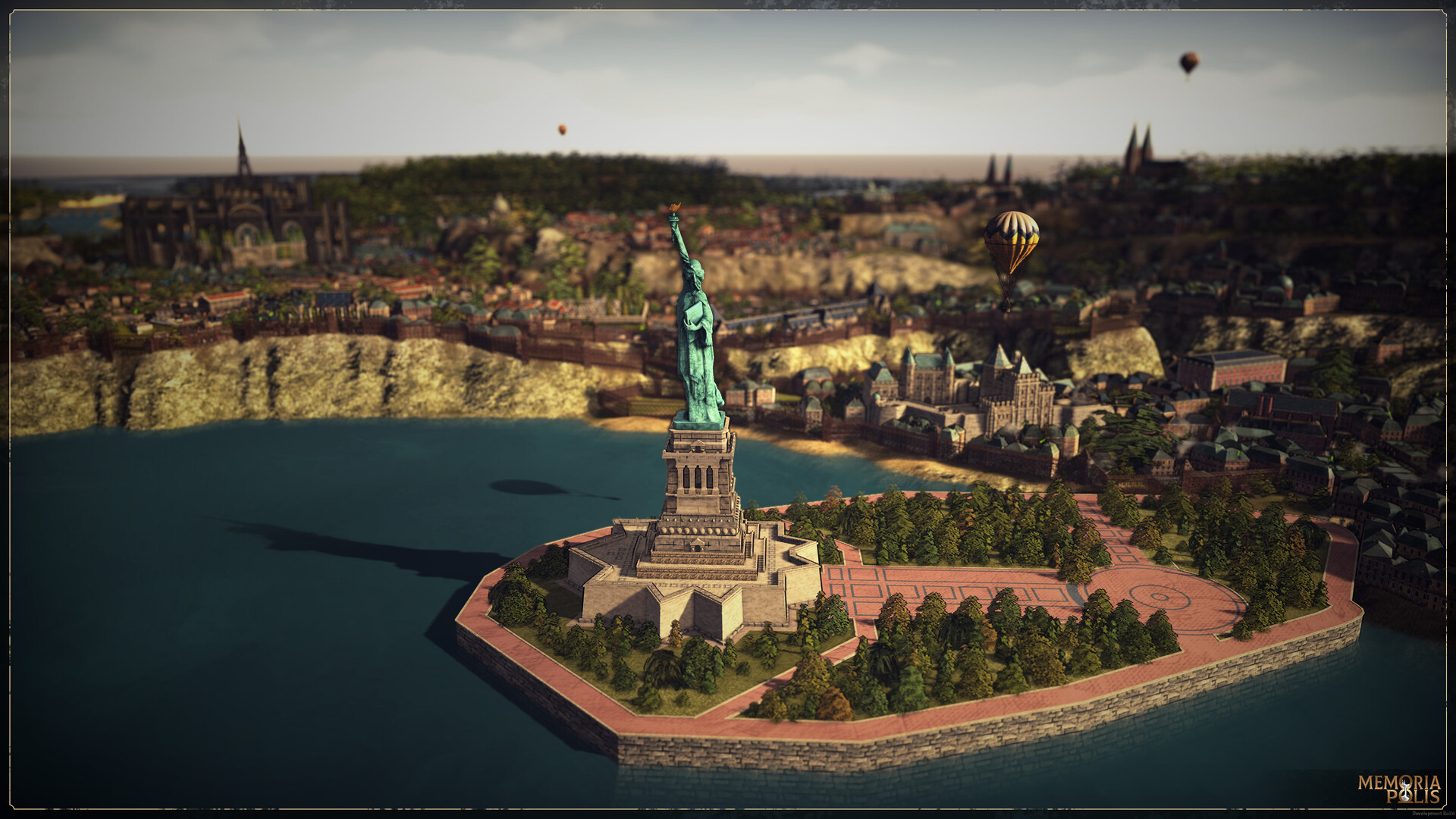
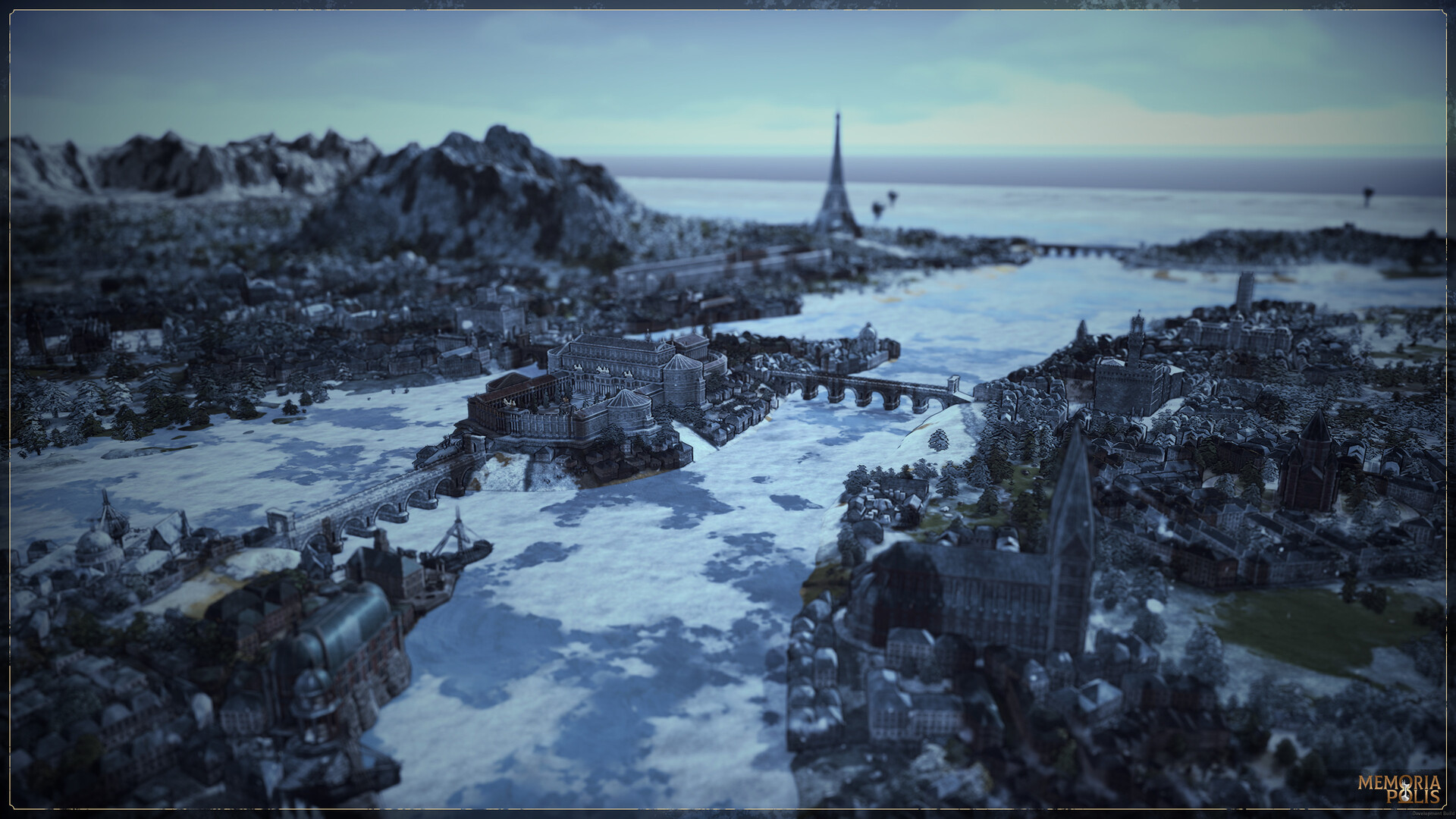
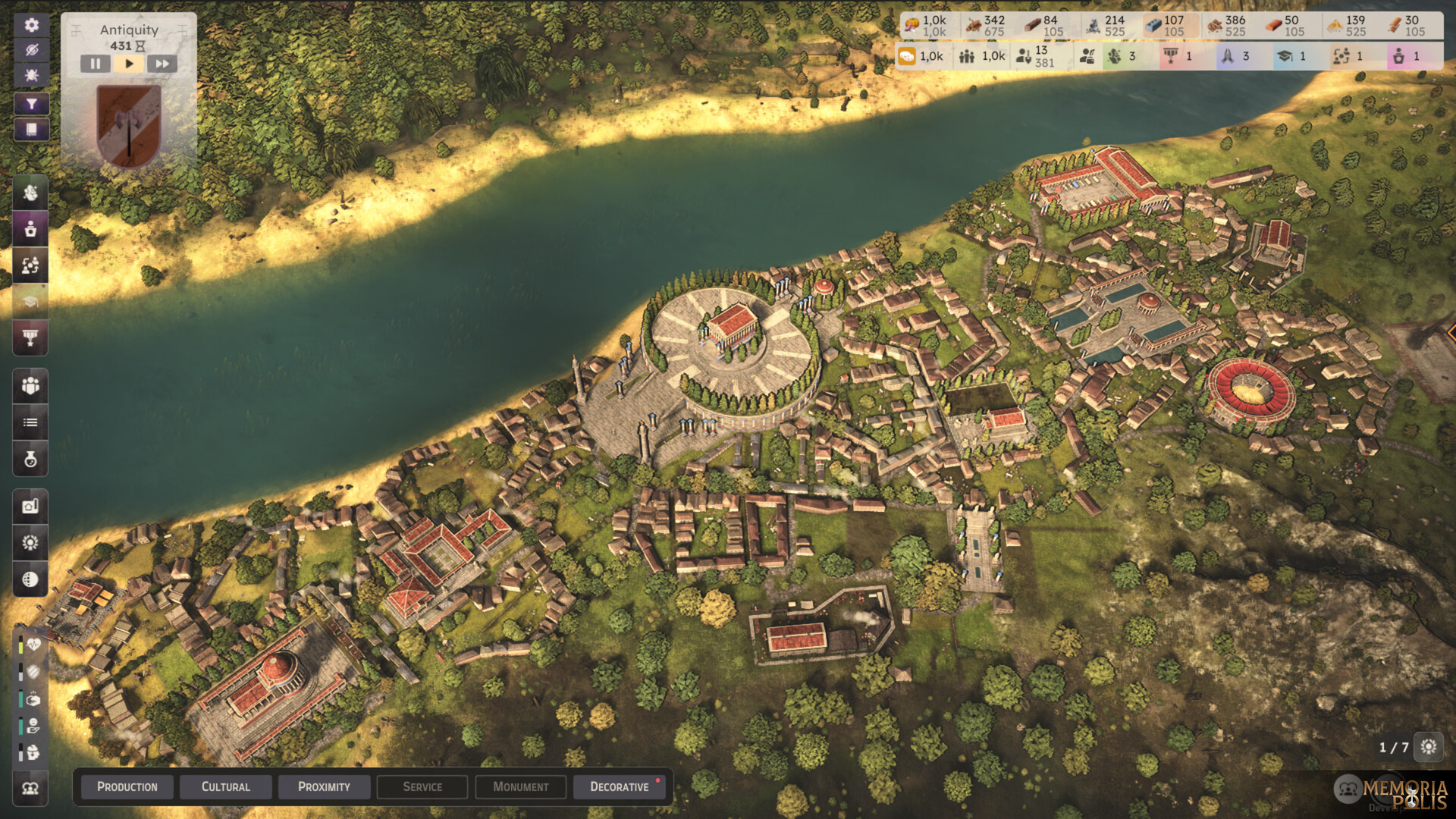
Memoriapolis is a historical city builder where your city grows organically across 5 ages, from Antiquity to the Industrial Revolution. Manage resources, interact with factions, and shape your dynasty toward building a final Wonder with easy, normal, or hard difficulty levels.
MEMORIAPOLIS is a city builder, exploration and colony sim game
developed and published by 5PM Studio.
Released on April 30th 2025 is available on Windows, Steam Deck and Steam Machine.
It has received 1,554 reviews of which 1,206 were positive and 348 were negative resulting in a rating of 7.5 out of 10. 😊
The game is currently priced at 32.46€ on Steam.
The Steam community has classified MEMORIAPOLIS into these genres:
Media & Screenshots
Get an in-depth look at MEMORIAPOLIS through various videos and screenshots.


Load More



System requirements
These are the minimum specifications needed to play the game. For the best experience, we recommend that you verify them.
Windows
- OS: Windows 10/11
- Processor: AMD RYZEN 5 3600 X or Intel equivalent
- Memory: 8 GB RAM
- Graphics: NVidia GTX 1060 6 Go or AMD equivalent
- DirectX: Version 12
- Storage: 6 GB available space
- Sound Card:
Steam Price & Best Deals
User reviews & Ratings
Explore reviews from Steam users sharing their experiences and what they love about the game.
Great game if you want something that sits between all those cozy diorama games and things like Anno or Cities Skylines. Flexible difficulty options and varying campaign approaches make this a great 'semi-idle' game where you can play casually whilst doing something else. Don't expect a challenge (unless you want one of course, there's options for that). This game is a chill one. I wish it had more up close detail to enjoy and also the ability to build bridges but otherwise a great game!
If you are looking for a chill city builder, this might fit you perfectly. But if you are looking for action, this game might not give you satisfaction. You can build at your own pace and advance as fast/slow as you want, or if you want to challenge yourself with harder game settings, that is possible too. Myself, I'm more of a slow player who want to build and upgrade every single building in the game, so this review is from that point of view. Quite a few different maps and with how you can select wide variety of perks through each era gives replayability, For example: do you want to trade a lot or do you want a self sustainable city. The developers are open to constructive critique and are very active on the steam forum. I played this game on arch linux using proton-ge without any special launch options and had zero issues.
This game deserves more positive reviews. It is visually stunning, and the idea of building a single city through several ages is great. Seeing the city grow is beautiful, and I personally love the cultural evolutions - that is, whenever a building from an earlier age "merges" with one from a later age. This is exactly what happened historically, and it is great to see it reflected here. It is true that some of the mechanics are still a bit janky. Faction negotiations are a bit of a hassle - they keep popping up but 99% of the time I just approve them, it does not seem to be particularly worth it to tweak them. However, the devs have really listened to feedback and have significantly reworked the game with the latest update (at the time of writing), Banners & Wonders. I played the first version - now it is quite different. There is more freedom, some unclear mechanics (looking at you, Collection) were scrapped, and factions are more streamlined (although not perfect - but most city-builder and strategy games have lacking internal politics simulations). All in all, this game deserves more love. It is beautiful, has an original vision, and its devs are still actively working to improve it and expand it. I would recommend it to city-builder fans looking for a more historical and relaxing experience
It's a difficult one: overall 'yes' but like anything there's caveats, good and bad. First: it's NOT an annon style city builder 'YAY' for me. The graphic style is an organic, odd thing that I personally really love, and it's the sort of game you can play while eating, if that makes any sense. Chill game wth chill music. You'll make decisions, sure, but you're nudging and selecting general areas. No picking up citizen X and dropping them on building Y or wondering why an individual worker won't do a specific assigned task. For me amazing positives. Second: And it's huge negative for me: no attempt to explain or put in a tutorial, zero. Pop ups that don't make sense: I'm low on food yet I have a warehouse full and can't make any more because there's nowhere to store it. So... at this stage I should have more in store? Higher waste for safety? More storage areas? What is going on in your head that you're trying to tell me person who made this? An interactive wiki in game really isn't what anyone needs... The whole game is a bit like this beyond 'a farm will produce food and you'll need faction characters to upgrade it' I think anyway, I'm not sure how you get extra ones.. By rights I should hit thumbs down becausehere's no point in making all these systems if you can't explain how to use them. BUT the end product - for me - is so charming and I WANT it to be good, but it's another project that fails to communicate with the player. So buy it on sale and see if you want to figure it out. I'm running this through Steam proton and it runs 'fine' Not the greatest PC by any means.
With the Banners & Wonders update the game has been entirely overhauled, moving from an oftentimes confusing and frustrating min-max game to a competent and satisfying city-builder. Progression now feels more natural and rewarding, choices less constrained by the need to meet an arbitrary points-goal within a time-limit - the game is altogether more freeform and interesting to play than before. I'd encourage anyone who bounced off this game originally to give it another go, given how completely this latest update changes how it plays.
Similar games
View all
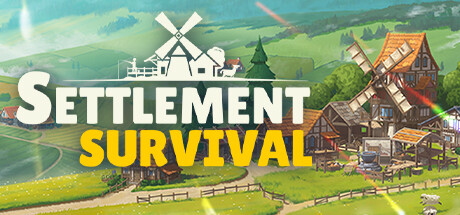
Settlement Survival
In this city-building game, you will lead a group of survivors in their search for a new home. Manipulate the landscape, manage limited supplies, plant crops, hunt wildlife, gather resources, and develop trade routes to build a bustling and unique town.

Anno 1404 - History Edition
Relive the captivating gameplay of a true city-building classic with Anno® 1404 History Edition.

Empires of the Undergrowth
Command swarms of warriors at an unprecedented scale of warfare in this blend of RTS and base-building. Lead ant colonies against the many fearsome threats of the insect world, while building intricate nests, developing pheromone-based tactics, and evolving to meet growing dangers.
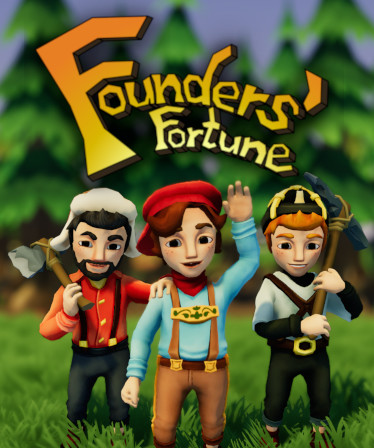
Founders' Fortune
A fantasy village builder focusing on creative building, colonist psychology and base defense. Handle resources, farming, production, tools, diplomacy, families, trading, defense, and research, as well as the wishes, expectations, thoughts, and equipment of every villager.

Against the Storm
A dark fantasy city builder where you must rebuild civilization in the face of apocalyptic rains. As the Queen’s Viceroy, lead humans, beavers, lizards, foxes, and harpies to reclaim the wilderness and secure a future for civilization's last survivors.
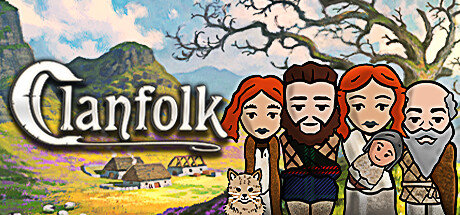
Clanfolk
Clanfolk is a colony sim set in the Scottish Highlands. Harness your environment to survive - fish, gather, hunt, and farm as you prepare for the winter. Build an inn, trade with other clans, have children and marry them off - live life and prosper across the generations.

Wild West Pioneers
Wild West Pioneers is a city-builder adventure about leading settlers into the untamed frontier. Build and manage growing settlements, establish production chains, and explore the world. Follow a story of gold rush dreams, dangerous encounters, and the search for your family.
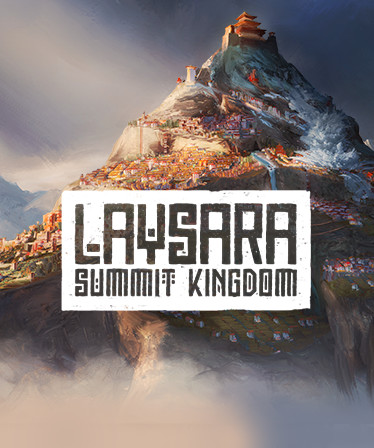
Laysara: Summit Kingdom
Build and expand your very own settlements in high mountains! Carefully plan production chains and satisfy various needs of your three-caste society while dealing with mountain hazards such as weather breakdowns and avalanches. Are you skilled enough to make your town thrive?

Whiskerwood
Establish a home for your industrious mice under the oppressive paw of your cat overlords in this city builder featuring complex simulations, intricate production chains, and the age-old rivalry between cat and mouse.
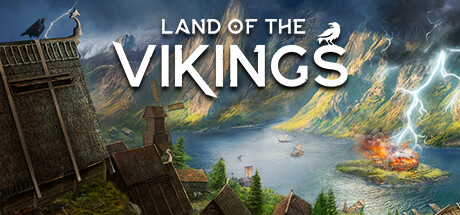
Land of the Vikings
Land of the Vikings is a survival colony sim game. Build and lead your village, and expand it into a thriving city. A wise Jarl must manage resources, survive harsh conditions, and guide their fellow Vikings to work together through social conflict. Skál!

Pharaoh : A New Era
The legendary city-builder returns! Lead the creation of one of the greatest civilizations the world has ever seen in this HD remake with modernized UI. Build monuments, manage your population and explore 4,000 years of history through over a hundred hours of gameplay.
Frequently Asked Questions
MEMORIAPOLIS is currently priced at 32.46€ on Steam.
No, MEMORIAPOLIS is currently not on sale. You can purchase it for 32.46€ on Steam.
Yes, MEMORIAPOLIS received 1,206 positive votes out of a total of 1,554 achieving a rating of 7.46.
😊
MEMORIAPOLIS was developed and published by 5PM Studio.
Yes, MEMORIAPOLIS is playable and fully supported on Windows.
No, MEMORIAPOLIS is not playable on MacOS.
No, MEMORIAPOLIS is not playable on Linux.
Yes, MEMORIAPOLIS is playable on Steam Deck, though it might require a few minor tweaks. Make sure to check the Steam store page and community feedback on ProtonDB for exact compatibility details.
Yes, MEMORIAPOLIS is playable on Steam Machine, though it might require a few minor tweaks. Make sure to check the Steam store page and community feedback on ProtonDB for exact compatibility details.
No, MEMORIAPOLIS does not support VR.
MEMORIAPOLIS is a single-player game.
Yes, there is a DLC available for MEMORIAPOLIS. Explore additional content available for MEMORIAPOLIS on Steam.
No, MEMORIAPOLIS does not support mods via Steam Workshop.
No, MEMORIAPOLIS does not support Steam Remote Play.
Yes, MEMORIAPOLIS is enabled for Steam Family Sharing. This means you can share the game with authorized users from your Steam Library, allowing them to play it on their own accounts. For more details on how the feature works, you can read the original Steam Family Sharing announcement or visit the Steam Family Sharing user guide and FAQ page.
You can find solutions or submit a support ticket by visiting the Steam Support page for MEMORIAPOLIS.
Data sources
The information presented on this page is sourced from reliable APIs to ensure accuracy and relevance. We utilize the Steam API to gather data on game details, including titles, descriptions, prices, and user reviews. This allows us to provide you with the most up-to-date information directly from the Steam platform.
Additionally, we incorporate data from the SteamSpy API, which offers insights into game sales and player statistics. This helps us present a comprehensive view of each game's popularity and performance within the gaming community.
Last Updates| Steam data | 09 October 2026 23:24 UTC |
|---|---|
| SteamSpy data | 20 October 2026 10:35 UTC |
| Steam price | 26 October 2026 20:10 UTC |
| Steam reviews | 18 October 2026 06:09 UTC |
If you'd like to dive deeper into the details about MEMORIAPOLIS, we invite you to check out a few dedicated websites that offer extensive information and insights. These platforms provide valuable data, analysis, and user-generated reports to enhance your understanding of the game and its performance.
- SteamDB - A comprehensive database of everything on Steam about MEMORIAPOLIS
- SteamCharts - Analysis of MEMORIAPOLIS concurrent players on Steam
- ProtonDB - Crowdsourced reports on Linux and Steam Deck MEMORIAPOLIS compatibility

Game modes
Features
Online players
15
Developer
5PM Studio
Publisher
5PM Studio
Release
30 Apr 2025
Platforms