
Moss: The Forgotten Relic
Moss: The Forgotten Relic is an emotional and atmospheric adventure set in the pages of a living storybook, brimming with myth and ancient magic. Guide a tiny but determined hero on a heartfelt journey of challenge, courage, and connection.
Sync your Steam wishlist to find the lowest game prices instantly. No login required, just paste your Steam profile URL!
⚡ Try Wishlist Radar!
Sync your Steam wishlist to find the lowest game prices instantly. No login required!
⚡ Try Wishlist Radar!
Close

Metro Gravity on Steam
Quick menu
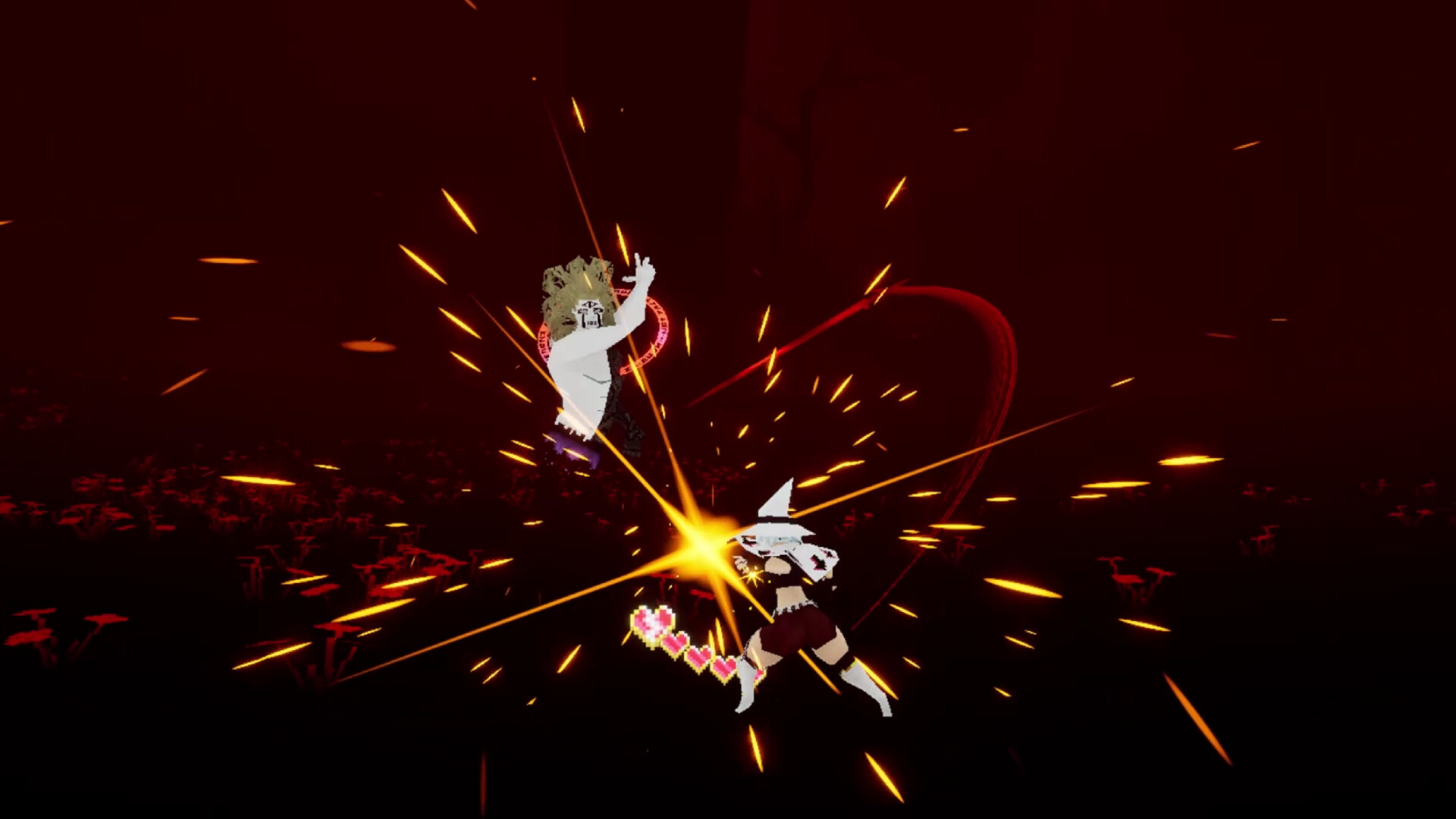
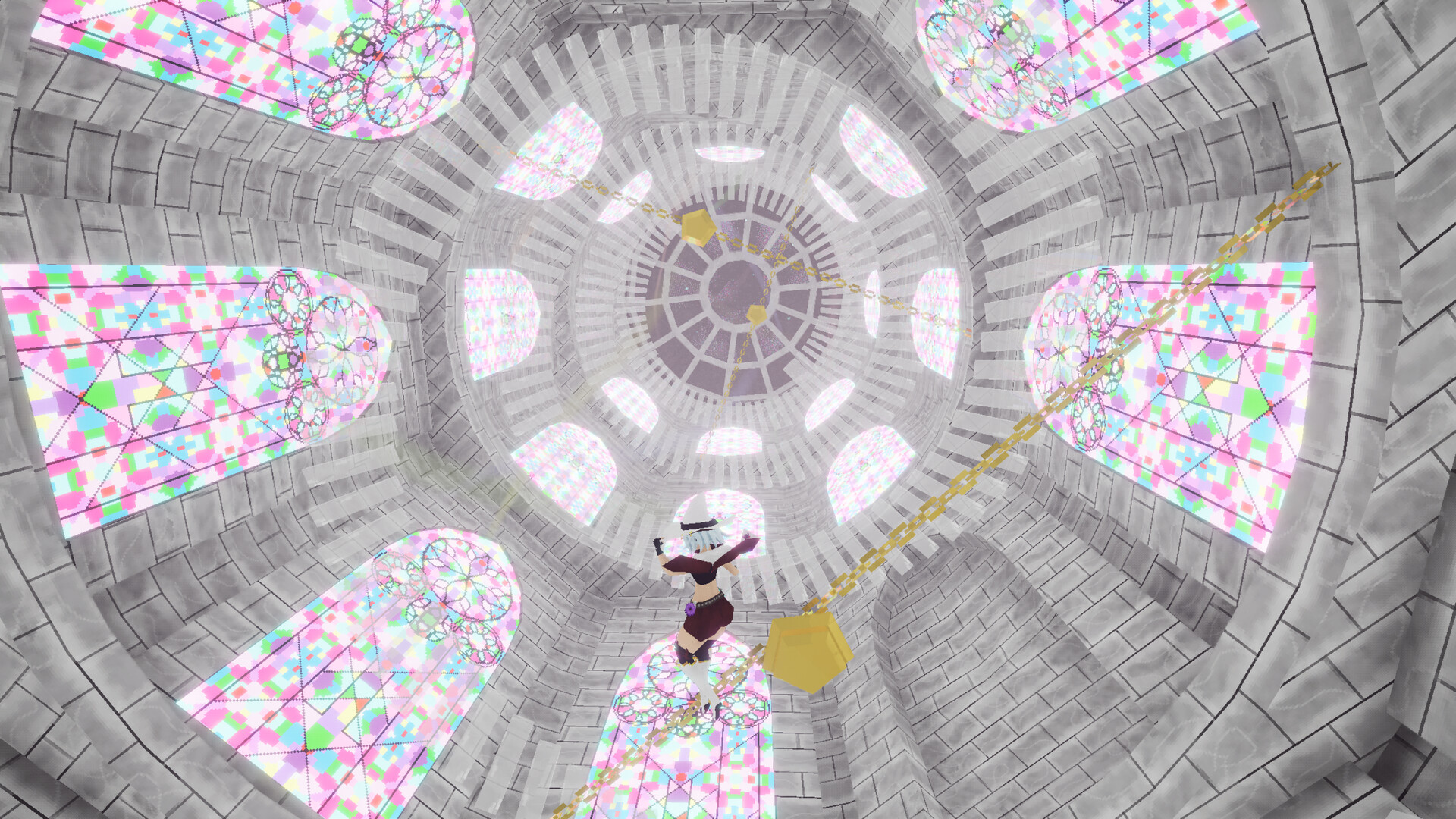
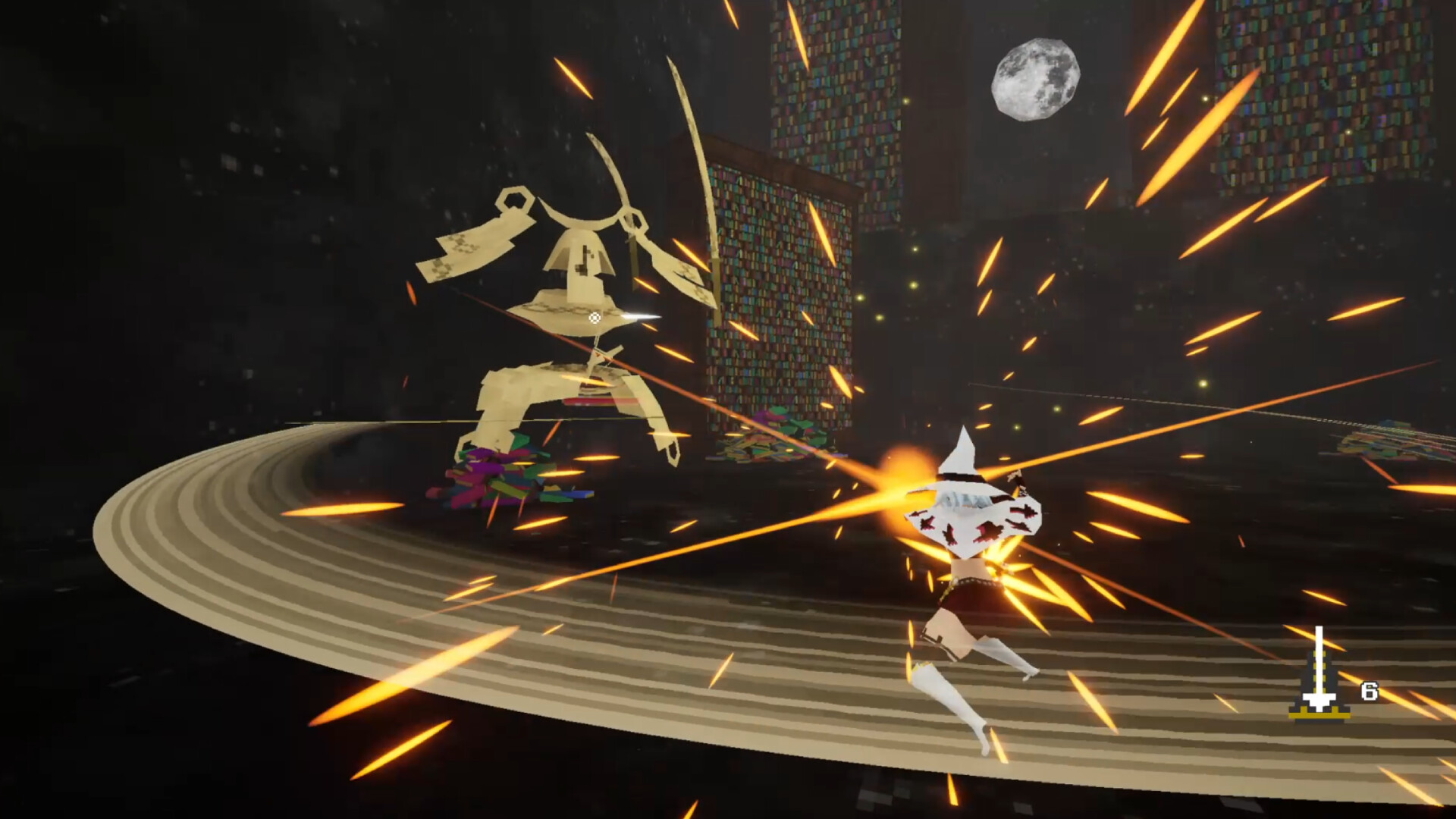
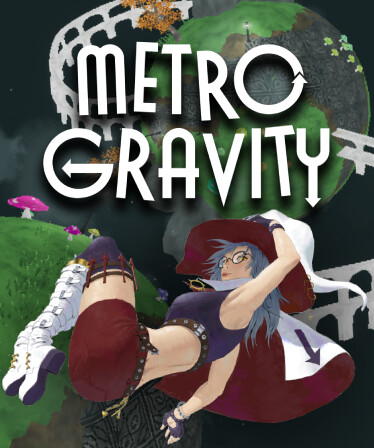
Explore, fight, solve puzzles and bend gravity to escape the dream-like world of the Halls! Metro Gravity is a mind-boggling musical adventure with rhythmic combat and compelling lore.
Metro Gravity is a exploration, 3d platformer and metroidvania game
developed and published by mrkogamedev.
Released on June 19th 2025 is available on Windows, Steam Deck and Steam Machine
in 7 languages: English, Portuguese - Brazil, French, Turkish, Russian, Japanese and Simplified Chinese.
It has received 854 reviews of which 786 were positive and 68 were negative resulting in a rating of 8.7 out of 10. 😎
The game is currently priced at 12.79€ on Steam.
The Steam community has classified Metro Gravity into these genres:
Exploration
3D Platformer
Metroidvania
Rhythm
Female Protagonist
Puzzle Platformer
Puzzle
Music
Action-Adventure
Atmospheric
Cute
Third Person
Surreal
Psychological Horror
Action
Story Rich
Pixel Graphics
Stylized
Adventure
Indie
Here is the detailed breakdown of supported languages for Metro Gravity:
| UI | Subtitle | Audio | |
|---|---|---|---|
| English | |||
| French | |||
| Simplified Chinese | |||
| Russian | |||
| Japanese | |||
| Turkish | |||
| Portuguese - Brazil |
Media & Screenshots
Get an in-depth look at Metro Gravity through various videos and screenshots.


Load More


System requirements
These are the minimum specifications needed to play the game. For the best experience, we recommend that you verify them.
Windows
- OS: Windows 10
- Processor: Quad Core Intel or AMD 2.5 GHz
- Memory: 8 GB RAM
- Graphics: GTX 1660
- Storage: 1 GB available space
Steam Price & Best Deals
User reviews & Ratings
Explore reviews from Steam users sharing their experiences and what they love about the game.
Going into this game I just saw it as a gravity rush platformer but then as I went along I found out the game bundles a lot into it, Puzzles okay makes sense Combat fair enough 3D metroidvania esque thats really cool Then I reached the first boss and I realized this game IS A RHYTHM GAME AND THAT IS SO COOOOOOLLLL The feeling of parrying the attacks on the beat of the music IS SO GOOOOOOD I NEED MORE GAMES LIKE THIS DIDNT REALIZE HOW MUCH I NEEDED THIS. My only gripe with the bosses is only 2 utilize the tools you get in interesting ways Outside of the boss fight I found maneuvering around the world REALLY fun especially after getting certain abilities and using them to maneuver around. If I had one complaint I wish the final battle was a little more climactic, more npcs had more to their dialogues, the story also was kinda confusing and didnt engage me too much but thats not too important. What matters is. HITTING THOSE PARRIES WITH THE BEAT IS SO GOOD!!!! "Men are simple creatures, They have lifelong friendships while not knowing anything about each other."
Fun game where the main mechanic is reminiscent of Gravity Rush, the art and music are phenomenal, cool character designs too. Its biggest flaw is definitely the puzzles though (which are at least half of the gameplay I'd say), some are fun to do but a good part are confusing or don't make a lot of sense given the rules and tools the game gives you, I feel like either making them easier/less confusing would've made this a more enjoyable experience, it's still a good game and definitely one that makes me wanna keep an eye on what the dev does next.
Alright so up front, this is a mostly solo dev. With everything considered, this is incredible. If I met a person that showed me this and they did all this I would be blown away. Comparing it to a AAA or small indie team game is just ridicules right? Because I know psychology and I want to be favorable, I’ll lead with the problems I have. The movement/camra might give someone virago. I don’t get that, generally, but even I found it a bit disorientating. I’d also say that some of what you are suppose to do can be a bit hard to parse, but this is coming from a guy that was on and off this game over a year. I would also probably say the “getting lost” stuff is on the higher end? It can be a bit hard to get moving, though I’ll admit my on-and-off approach probably biased this, it still feels enough true for me to say something. The story might move folks a bit if only for the visuals at the end, but I can’t say I was blown away. It works though, and the dialogue is hit or miss… I think by most metrics. That I’d say is the middle stuff. Game is huge with a lot of neat stuff to do, game has great, catchy movement. The visuals are fantastic. The boss fights are rhythm games with occasional puzzle elements, and that is totally cool. The puzzles are pretty neat and the tools are exotic. Its not green laser and blue laser. Its something that completely changes how you move and a platformy gravity warping game so, great stuff. The enemy encounters are pretty neat when they combined to make a more complex beat, would love to see more of that. The Bosses are all really fun set pieces and visuals, along with the score chasing element that, when you go for it, adds to the rhythem energy. That, that is something stand out and special for sure. So, made respect. If you like solo-dev stuff and find bit of Jank and wake interesting, you’ll just love this game cus you got the right attitude. If you are looking for a crystal clean game, that is the one thing you won’t get. If you like vibs and good art stuff and don’t mind checking out a speed run to know where to go and stuff, you’ll probably also like this one. I think if the dev had a team to support everything they want to do, they would absolutely make something A-rank. Like, what a insanely ambitious project all things considered. I wouldn’t choose a gravity warping 3D search action rhythm game for my first project, ever. And the fact the guy stuck so much of the landing on the first go of this stuff is something I would feel guilty understating. If you read this guy, fantastic work. I see the good stuff in here and that is good enough for me to recommended and say I like it a good bit.
A puzzle-oriented game with some rhytm combat splashed on top of it. In Metro Gravity you play as Stephanie, who suddenly wakes up in an odd, dream-like world, and as you're finding your bearings you start working out what this world really is and what connects people that are stuck there. The core of this gameis the fact that gravity isn't fixed, meaning any surface you can land your legs on you can walk on. This gives a lot of field for either platforming or block-moving puzzles, the main point of which is either leading a block to a pressure pad by swapping it's gravity repeatedly, or using gravity and other tools to interact with devices that open the path forward. There are times however where puzzles are either very obscure, or for that one specific puzzle there's additional mechanic that isn't immediately apparent, like standing on a movable cube suddenly turning off fire spouts for some reason, even though cubes don't act as switches when in contact with the main character in any other place in the game. The moving gravity adds a ton of jank in other aspects of the game, like combat. The game has a rhytm-based combat system, but it's pretty selective. The main character doesn't have to adhere to the beat, just mashing the attack button during a window of opportunity is enough to take out most enemies. The enemies are the ones that fight to the beat of the currently played melody, expecting you to time parry or dash to the rhytm to avoid taking a hit. Problem about this though is the music in this game is on a rather peaceful side with not prominent beat line, so sometimes it gets difficult to catch the rhytm, and being on a different plane of gravity than your enemies, causing the camera to bend under weird angles to show what's going on doesn't help. And then there's boss fights, which have entirely scripted attack patterns and so fighting them is more about memorizing the order than actually reacting to what's going on. The game has some cool ideas and nice set pieces (though nothing comes close to the aesthethic of the first location), story is pretty interesting, but if you're willing to give it a shot keep in mind you'll have to deal with some jank on a couple of occasions.
Similar games
View all
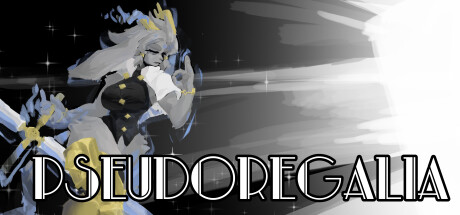
Pseudoregalia
Deep within the realm of sleep, Sybil finds herself pulled to a distorted castle. Grow strong, and unlock new abilities to build up a deep movement system, fight enemies, find secrets, and free the weary soul of Castle Sansa, in this retro-inspired 3D Platformer Metroidvania.
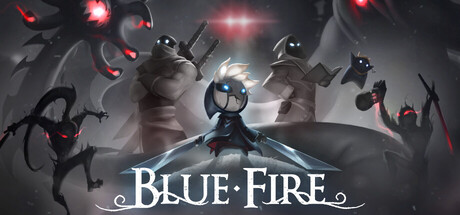
Blue Fire
Explore the fallen world of Penumbra in this precision 3D metroidvania platformer. Slash fierce enemies, conquer deadly traps, uncover ancient temples, and master fast, fluid movement across challenging platforming gauntlets in your quest to restore a fallen kingdom.
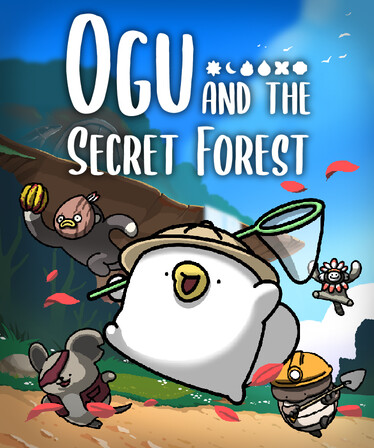
Ogu and the Secret Forest
Explore the wonderful world with baby Ogu! 'Ogu and the Secret Forest' is a 2D adventure game with hand-drawn characters and various types of puzzles. Befriend bouncy characters and defeat strange creatures to unravel the mystery of the charming world.

Songbird Symphony
Musical Metroidvania, with pixel art to die for. Guide orphaned chick 'Birb', on a platform adventure, as he faces off against the denizens of the forest in rhythm-action boss battles. Acclaimed for its gorgeous animation, and heart-warming storytelling, as Birb strives to discover his true origins.
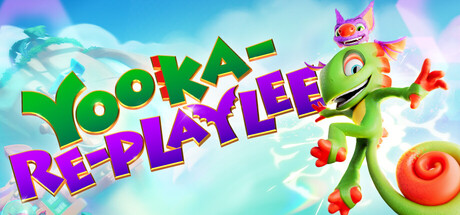
Yooka-Replaylee
Embark on an epic 3D platforming collectathon adventure with Yooka and Laylee! Yooka-Replaylee is packed with new moves, more story, exciting challenges, hidden secrets, and more than double the collectibles to uncover. Can you help them rescue the world’s biggest treasure?
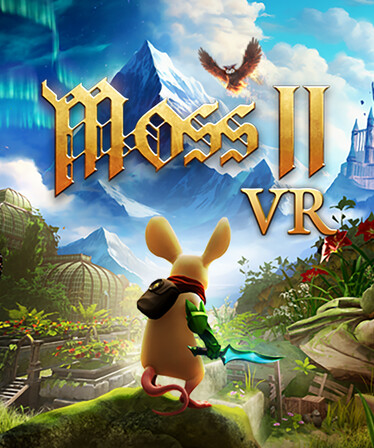
Moss II VR
Quill is back—and she’s being hunted. To stand a chance, Quill will need a true partner by her side—and we hope that partner is you. Moss: Book II is an action-adventure puzzle game and award-winning sequel (The Game Awards "Best VR/AR Game") to Moss.
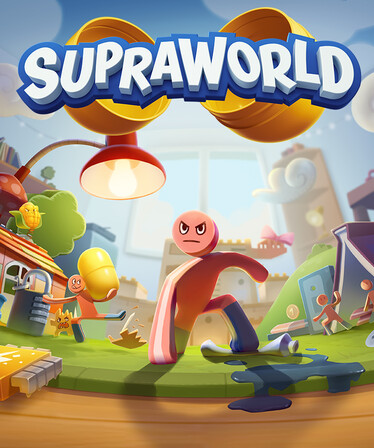
Supraworld
Embark on a puzzle- and secret-filled adventure in a handcrafted toy-world. Crack mysteries, exploit game mechanics, ignore the main quest, get out of bounds. Hunt for powerful new abilities to unravel this vast, interconnected world… And don't forget to save the princess.
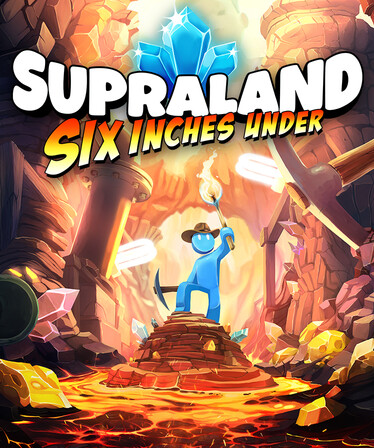
Supraland Six Inches Under
A mix between Portal, Zelda and Metroid. Exploration, puzzles, combat! A first-person-metroidvania taking place six inches under Supraland.

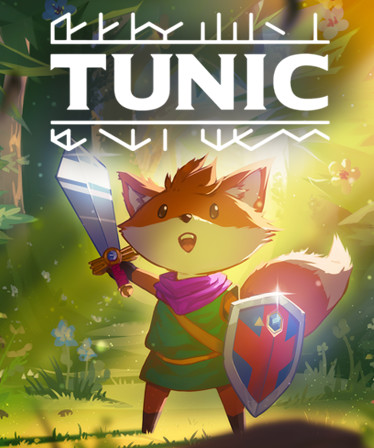

La-Mulana 2
The long-awaited sequel to La-Mulana, La-Mulana 2 follows Lumisa Kosugi as she explores the ancient ruins of La-Mulana. Desperate to find the cause of the recent slew of monsters appearing from the ruins, Lumisa discovers the "other" La-Mulana: the ruins known as Eg-Lana.
Frequently Asked Questions
Metro Gravity is currently priced at 12.79€ on Steam.
No, Metro Gravity is currently not on sale. You can purchase it for 12.79€ on Steam.
Yes, Metro Gravity received 786 positive votes out of a total of 854 achieving a rating of 8.65.
😎
Metro Gravity was developed and published by mrkogamedev.
Yes, Metro Gravity is playable and fully supported on Windows.
No, Metro Gravity is not playable on MacOS.
No, Metro Gravity is not playable on Linux.
Yes, Metro Gravity is playable on Steam Deck, though it might require a few minor tweaks. Make sure to check the Steam store page and community feedback on ProtonDB for exact compatibility details.
Yes, Metro Gravity is playable on Steam Machine, though it might require a few minor tweaks. Make sure to check the Steam store page and community feedback on ProtonDB for exact compatibility details.
No, Metro Gravity does not support VR.
Metro Gravity is a single-player game.
Yes, there is a DLC available for Metro Gravity. Explore additional content available for Metro Gravity on Steam.
No, Metro Gravity does not support mods via Steam Workshop.
No, Metro Gravity does not support Steam Remote Play.
Yes, Metro Gravity is enabled for Steam Family Sharing. This means you can share the game with authorized users from your Steam Library, allowing them to play it on their own accounts. For more details on how the feature works, you can read the original Steam Family Sharing announcement or visit the Steam Family Sharing user guide and FAQ page.
You can find solutions or submit a support ticket by visiting the Steam Support page for Metro Gravity.
Data sources
The information presented on this page is sourced from reliable APIs to ensure accuracy and relevance. We utilize the Steam API to gather data on game details, including titles, descriptions, prices, and user reviews. This allows us to provide you with the most up-to-date information directly from the Steam platform.
Additionally, we incorporate data from the SteamSpy API, which offers insights into game sales and player statistics. This helps us present a comprehensive view of each game's popularity and performance within the gaming community.
Last Updates| Steam data | 27 September 2026 04:07 UTC |
|---|---|
| SteamSpy data | 20 October 2026 12:32 UTC |
| Steam price | 26 October 2026 20:14 UTC |
| Steam reviews | 18 October 2026 16:10 UTC |
If you'd like to dive deeper into the details about Metro Gravity, we invite you to check out a few dedicated websites that offer extensive information and insights. These platforms provide valuable data, analysis, and user-generated reports to enhance your understanding of the game and its performance.
- SteamDB - A comprehensive database of everything on Steam about Metro Gravity
- SteamCharts - Analysis of Metro Gravity concurrent players on Steam
- ProtonDB - Crowdsourced reports on Linux and Steam Deck Metro Gravity compatibility
Game modes
Features
Online players
5
Developer
mrkogamedev
Publisher
mrkogamedev
Release
19 Jun 2025
Platforms