

AudioSurf
Ride your music. Audiosurf is a music-adapting puzzle racer where you use your own music to create your own experience. The shape, the speed, and the mood of each ride is determined by the song you choose.
Sync your Steam wishlist to find the lowest game prices instantly. No login required, just paste your Steam profile URL!
⚡ Try Wishlist Radar!
Sync your Steam wishlist to find the lowest game prices instantly. No login required!
⚡ Try Wishlist Radar!
Close

Music Racer on Steam
Quick menu
Music Racer is a musical arcade game, where you get to race at full speed while dodging obstacles to the rhythm of the music.
Music Racer is a music, rhythm and indie game
developed and published by AbstractArt.
Released on July 20th 2018 is available only on Windows.
It has received 3,643 reviews of which 3,213 were positive and 430 were negative resulting in a rating of 8.5 out of 10. 😎
The game is currently priced at 0.95€ on Steam with a 40% discount.
The Steam community has classified Music Racer into these genres:
Media & Screenshots
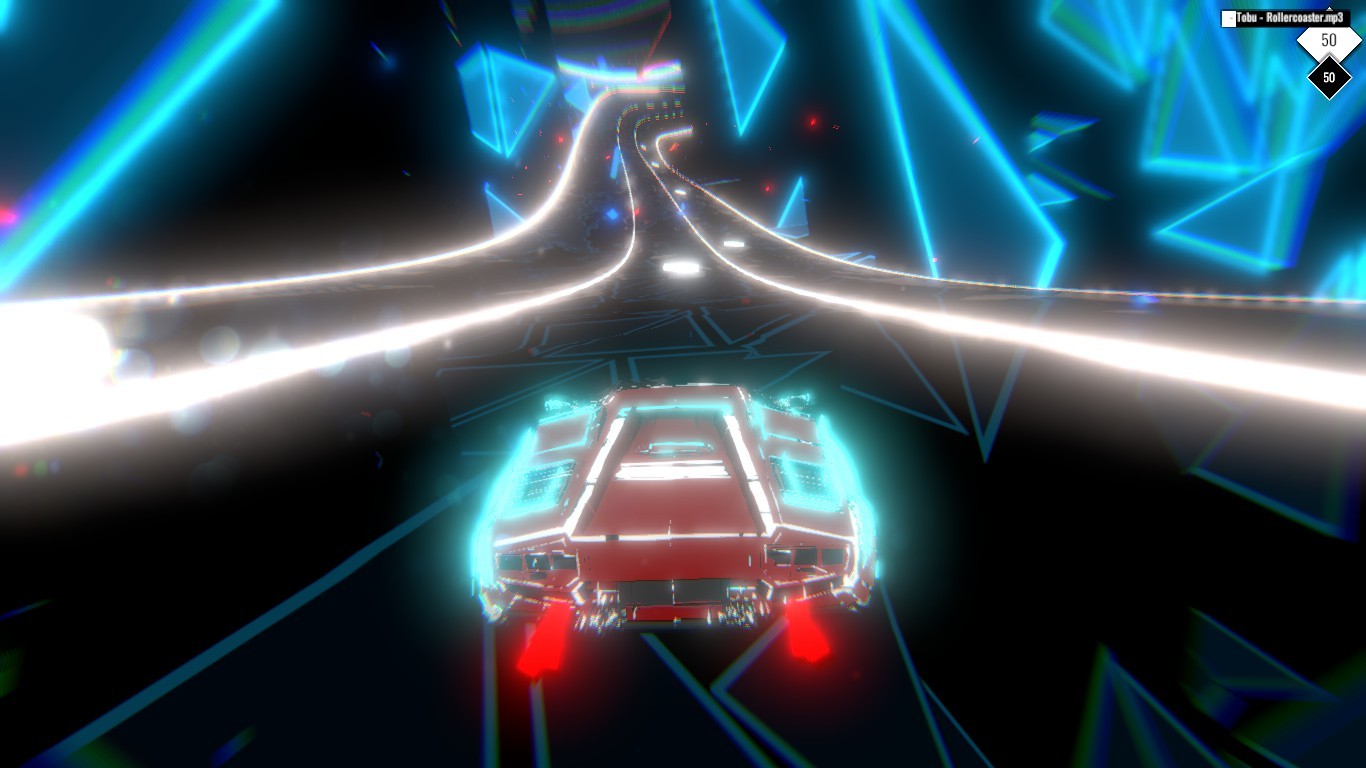
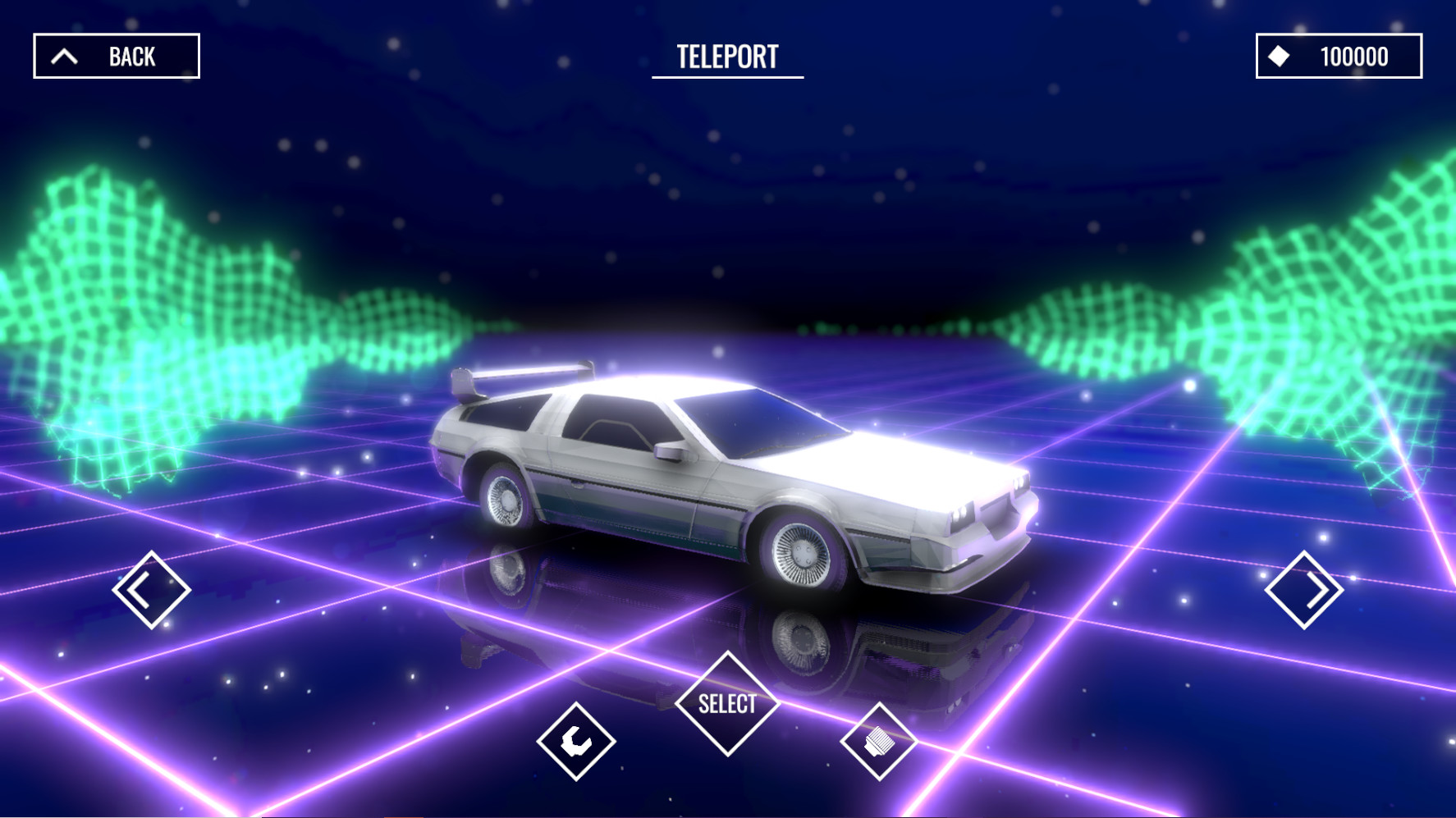
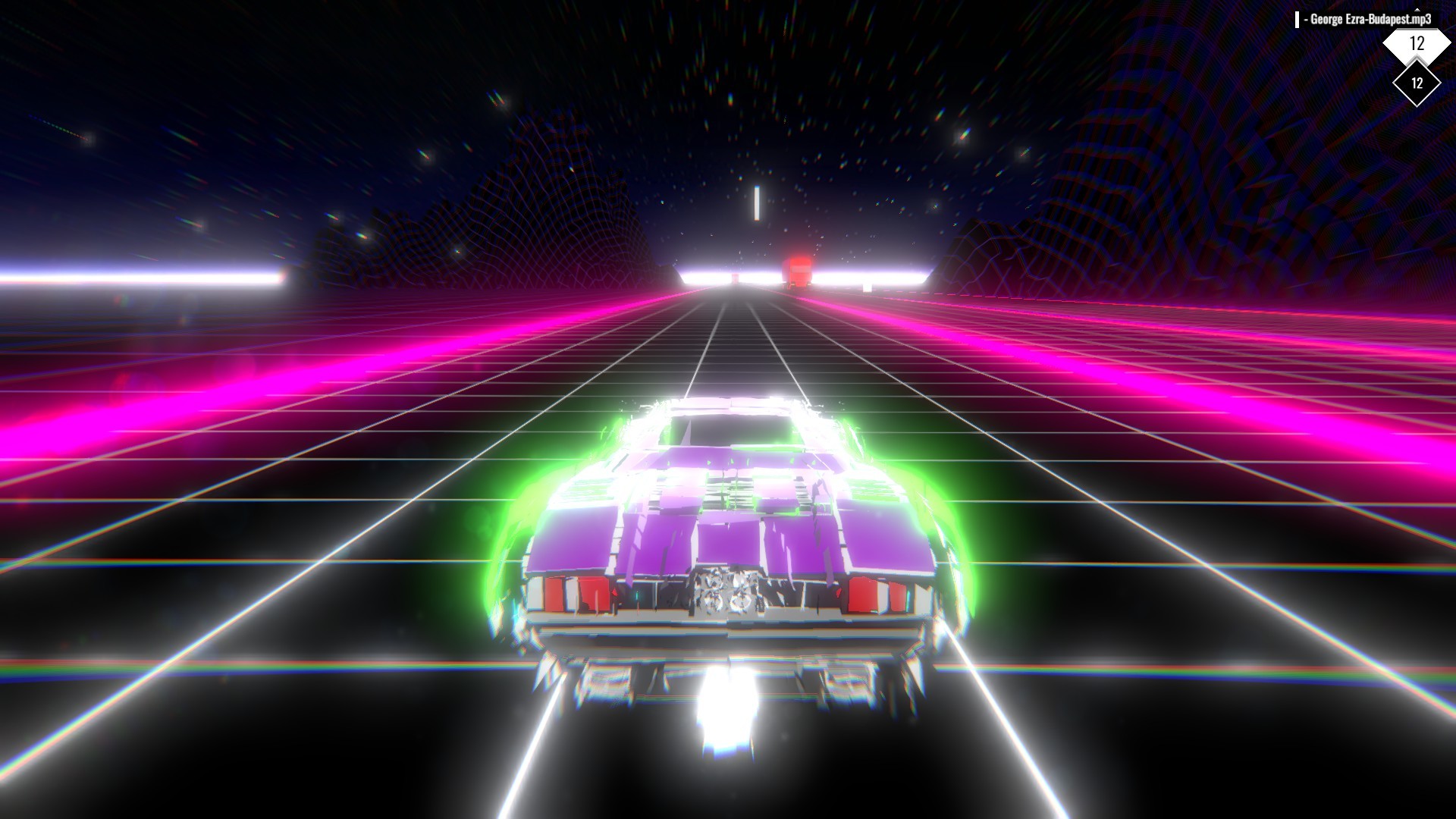
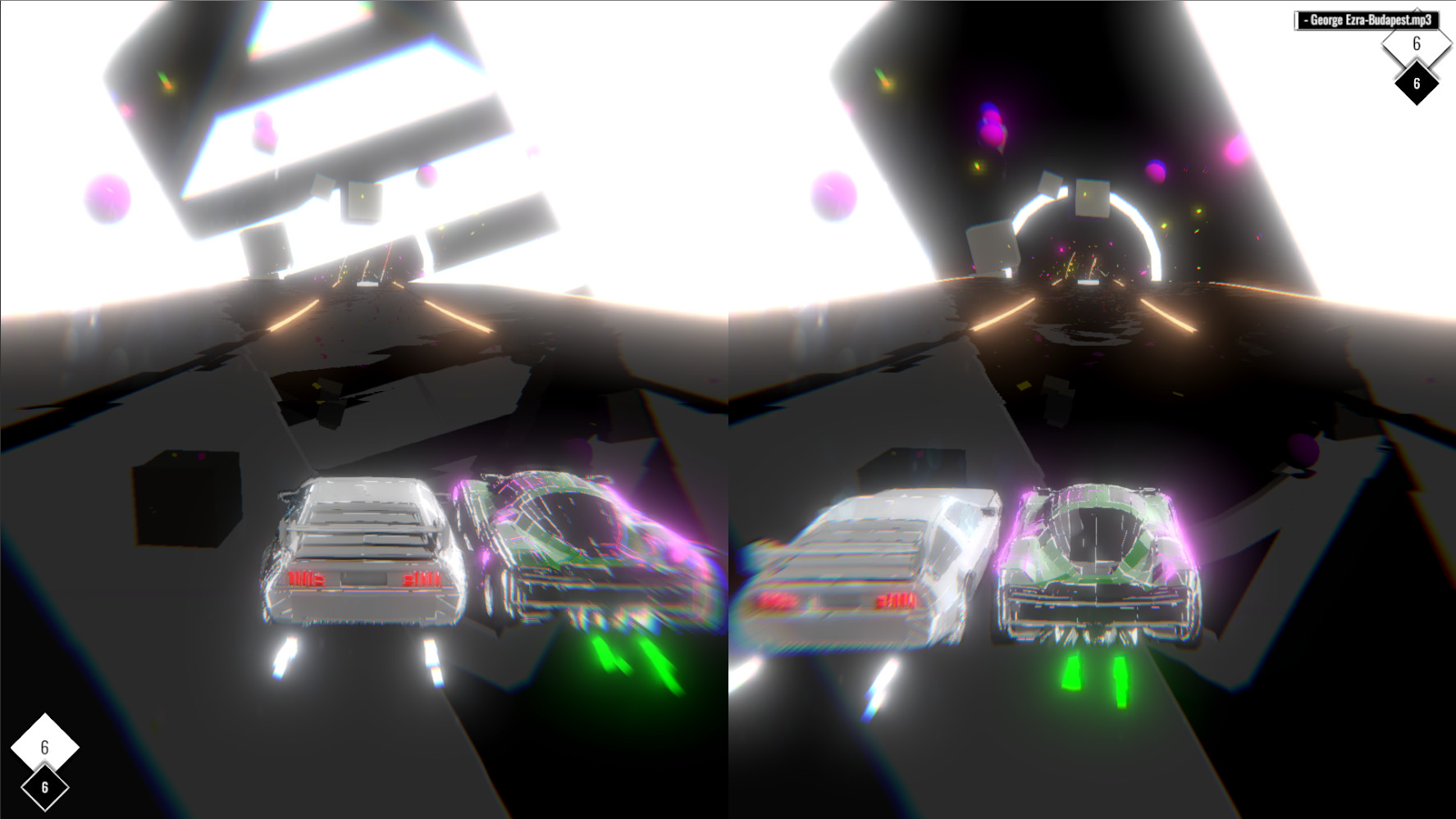
Get an in-depth look at Music Racer through various videos and screenshots.

Load More

System requirements
These are the minimum specifications needed to play the game. For the best experience, we recommend that you verify them.
Windows
- OS *: Windows 7
- Processor: 1.2 GHz
- Memory: 1 GB RAM
- Graphics: 256
- Storage: 200 MB available space
- Sound Card: Any soundcard
Steam Price & Best Deals
User reviews & Ratings
Explore reviews from Steam users sharing their experiences and what they love about the game.
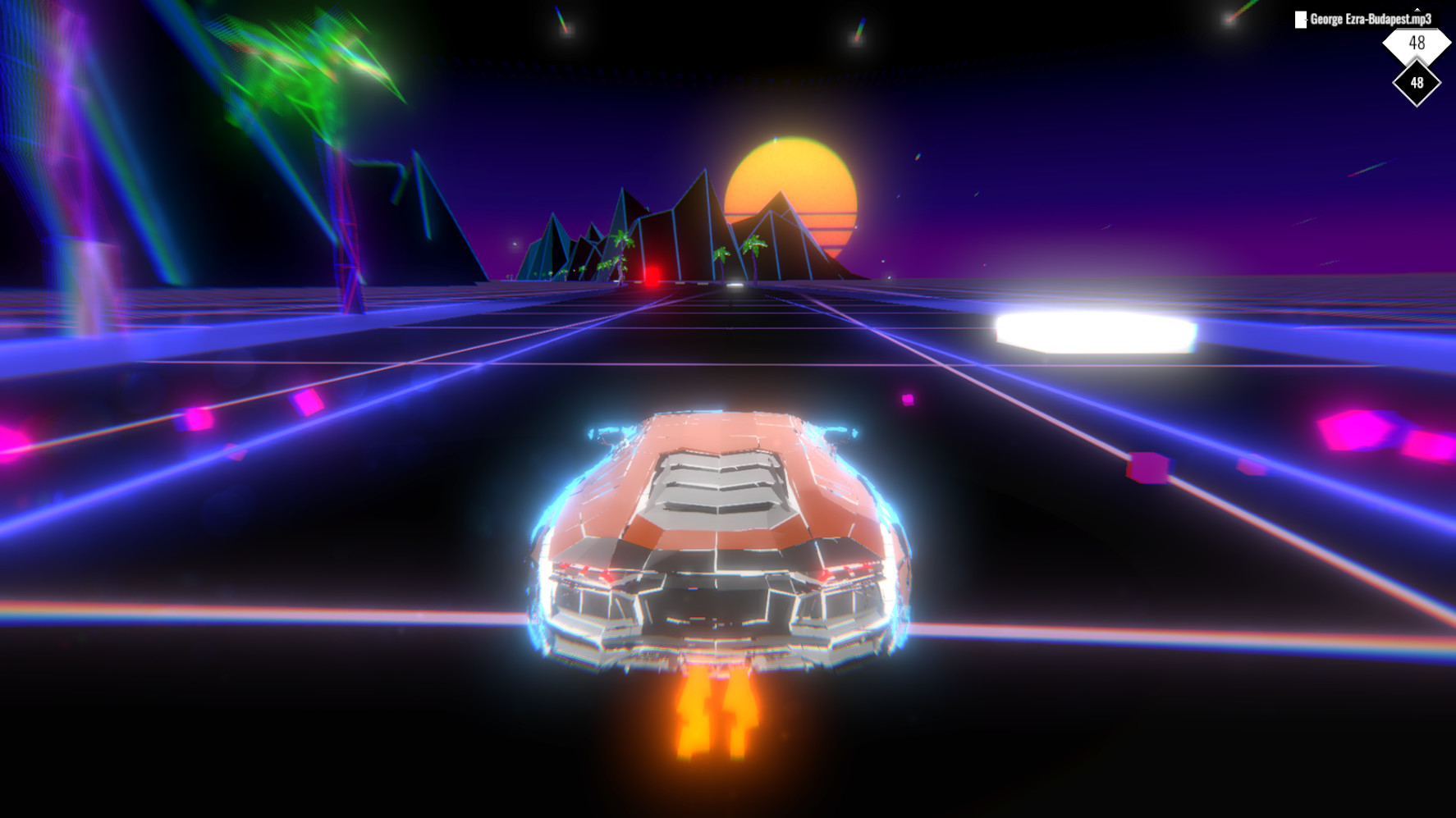
Music Racer takes a straightforward rhythm-game concept and wraps it in the appearance of a futuristic arcade racer. Released in 2018, it was developed and published by AbstractArt. Instead of treating music as simple background accompaniment, the game makes the player's chosen songs an important part of each run. The result is closer to an interactive music visualizer combined with a lane-based racing game than a conventional racer, making it particularly appealing to players who enjoy rhythm mechanics, neon visuals, and experimenting with their personal music collections. The central idea revolves around selecting music and racing through environments generated to complement it. Players can use MP3, Ogg, FLAC, and WAV files stored on their computer, while AUDIUS integration provides an additional source of music. The selected track affects important characteristics of the session, including its duration, course length, and movement speed. This gives individual songs their own personality within the game. A slower track can produce a relatively relaxed journey, while energetic electronic, rock, or similarly intense music can turn the same basic mechanics into a much faster test of reactions. Gameplay is deliberately uncomplicated. The player travels forward automatically and concentrates on maneuvering between lanes, collecting beats, following the rhythm, and avoiding obstacles. There is no elaborate simulation of acceleration, braking, tire grip, or realistic vehicle physics. The car essentially serves as the player's avatar within a rhythm challenge. This accessibility works in the game's favor because very little preparation is necessary before enjoying a session. Pick some music, choose a track, and the game quickly gets to its main attraction. Presentation is arguably its greatest strength. Bright neon roads, glowing objects, futuristic tunnels, abstract scenery, and colorful lighting create an energetic retro-futuristic atmosphere. Racing along a fantasy road or moving through a space tunnel while a favorite song plays can become surprisingly hypnotic. The experience works particularly well when the rhythm, movement, and visual effects seem naturally synchronized. It can sometimes feel more like controlling an elaborate music visualization than playing a traditional racing game, and that distinction gives it much of its identity. There is enough additional content to prevent the concept from being completely one-dimensional. Different tracks provide visual and mechanical variety, and players can experiment with different combinations of environments and music. Single-player is the primary attraction, but shared and split-screen multiplayer options provide an opportunity for local competition. Remote Play Together is also supported. Steam achievements, trading cards, cloud functionality, and Family Sharing add several familiar platform features, although none fundamentally change the relatively simple gameplay loop. The biggest weakness is repetition. Once the initial excitement of seeing personal music transformed into an interactive racing experience fades, it becomes clear that the underlying mechanics are fairly limited. There is not enough depth here for players seeking the extensive progression, vehicle customization, sophisticated driving mechanics, competitive structure, or large career modes associated with dedicated racing games. Much of its longevity depends on how often the player is willing to introduce different songs and enjoy variations of the same fundamental rhythm challenge. The requirement for personal music files is another consideration. Players with large offline collections of compatible songs are naturally in the best position to enjoy what the game offers. Those who primarily depend on music services outside the supported options may find the setup less convenient. At the same time, allowing players to supply their own soundtrack creates a degree of personalization that fixed-track rhythm games rarely achieve. A familiar song can make an otherwise basic course substantially more enjoyable because the player already has an emotional or rhythmic connection to the music. Technically, this is a lightweight game with modest PC requirements and only a small amount of storage needed. Partial controller support also suits its arcade-style mechanics. However, Steam Deck users should be cautious. The game is currently categorized as Unsupported for Steam Deck rather than Verified or Playable. Valve's compatibility information indicates that Steam Deck and SteamOS support has not been successfully established, so it should not be purchased specifically for Deck play with the expectation of a trouble-free experience. The Windows version remains the intended platform. Ultimately, Music Racer succeeds more as an audiovisual rhythm experience than as a serious racing game. Its greatest achievement is turning a player's music library into something interactive, combining familiar songs with speed, glowing scenery, obstacles, collectible beats, and constantly moving environments. Mechanical simplicity prevents it from having exceptional long-term depth, but that same simplicity makes it easy to pick up whenever the player wants a short and visually stimulating session. For anyone with plenty of compatible music files and an appreciation for neon arcade aesthetics, it remains an entertaining little experiment with a distinctive identity. Rating: 8/10
Similar games
View all
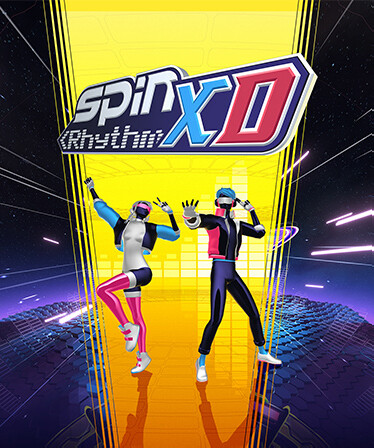
Spin Rhythm XD
Enter the Rhythm Dimension. A homage to classic arcade rhythm games (Guitar Hero, DDR), with a modern aesthetic and soundtrack. Match colours and beats, spin, tap, flick and flow through the juiciest beats in the universe. Supports multiple control styles including MIDI DJ gear on Steam!

Audiosurf 2
Ride your music in more ways than ever before. Audiosurf 2 is the music game for your entire music collection. Hundreds of mods/skins on Workshop. Free demo available.

BIT.TRIP BEAT
From gameplay to visuals to music and imagination, BIT.TRIP BEAT is inspired by classic games in every way. Get sucked into a whole new world of sight and sound as you juggle beats and ride the vibe in this modern look at the beginning of it all. BIT.
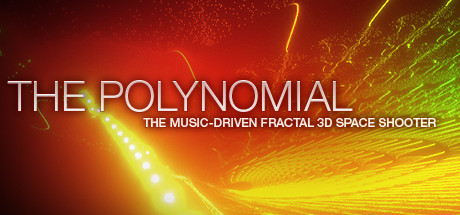
The Polynomial - Space of the music
Experience the music in a new way. Feel it pulse around you. The Polynomial is a 3D space shooter with unique, fractal based scenery that animates to the music.
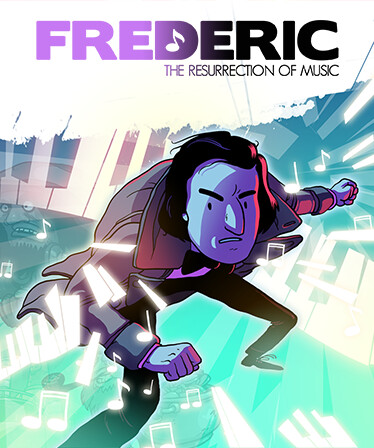
Frederic: Resurrection of Music
Frederic Chopin – a long time deceased classical compositor – returns back from beyond the grave to fight intense musical duels. In his way stand some of the worlds greatest pop stars charmed with enormous profits that wild commercialization provides

Inside My Radio
Can you beat the beat? Journey as a green LED mysteriously trapped inside a dying boombox and play the ultimate musical experience. In this rhythmic platform adventure where your every action needs to be right on the beat, bring electro, dub and disco music back to life!

Soundodger+
Dodge the music and dance through a mesmerizing ballet of choreographed bullets, each synced to music from over a dozen international artists. Push your creativity and skills with the fully-featured Level Editor and never run out of things to dodge.


AUDICA: Rhythm Shooter
AUDICA™ is a VR “rhythm shooter” that combines Harmonix’s award-winning music gameplay with precision shooting mechanics and a 33-song soundtrack, all set in a mesmerizing cosmic arena.
Frequently Asked Questions
Music Racer is currently priced at 0.95€ on Steam.
Yes, Music Racer is currently available at a 40% discount. You can purchase it for 0.95€ on Steam.
Yes, Music Racer received 3,213 positive votes out of a total of 3,643 achieving a rating of 8.50.
😎
Music Racer was developed and published by AbstractArt.
Yes, Music Racer is playable and fully supported on Windows.
No, Music Racer is not playable on MacOS.
No, Music Racer is not playable on Linux.
No, Music Racer is not playable on Steam Deck.
No, Music Racer is not playable on Steam Machine.
No, Music Racer does not support VR.
Music Racer offers both single-player and multi-player modes.
Music Racer offers both Co-op and PvP modes.
No, Music Racer does not currently offer any DLC.
No, Music Racer does not support mods via Steam Workshop.
Yes, Music Racer supports Remote Play Together. Discover more about Steam Remote Play.
Yes, Music Racer is enabled for Steam Family Sharing. This means you can share the game with authorized users from your Steam Library, allowing them to play it on their own accounts. For more details on how the feature works, you can read the original Steam Family Sharing announcement or visit the Steam Family Sharing user guide and FAQ page.
You can find solutions or submit a support ticket by visiting the Steam Support page for Music Racer.
Data sources
The information presented on this page is sourced from reliable APIs to ensure accuracy and relevance. We utilize the Steam API to gather data on game details, including titles, descriptions, prices, and user reviews. This allows us to provide you with the most up-to-date information directly from the Steam platform.
Additionally, we incorporate data from the SteamSpy API, which offers insights into game sales and player statistics. This helps us present a comprehensive view of each game's popularity and performance within the gaming community.
Last Updates| Steam data | 22 September 2026 23:06 UTC |
|---|---|
| SteamSpy data | 15 October 2026 15:37 UTC |
| Steam price | 27 October 2026 15:08 UTC |
| Steam reviews | 22 October 2026 16:09 UTC |
If you'd like to dive deeper into the details about Music Racer, we invite you to check out a few dedicated websites that offer extensive information and insights. These platforms provide valuable data, analysis, and user-generated reports to enhance your understanding of the game and its performance.
- SteamDB - A comprehensive database of everything on Steam about Music Racer
- SteamCharts - Analysis of Music Racer concurrent players on Steam
- ProtonDB - Crowdsourced reports on Linux and Steam Deck Music Racer compatibility

Game modes
Multiplayer
Features
Online players
0
Developer
AbstractArt
Publisher
AbstractArt
Release
20 Jul 2018
Platforms
Remote Play
Clicking and buying through these links helps us earn a commission to maintain our services.