
NOBUNAGA'S AMBITION: Kakushin with Power Up Kit
An extension of the 12th release in the Nobunaga’s Ambition series, Nobunaga’s Ambition: Iron Triangle, has appeared at the Steam Store as Nobunaga’s Ambition: Iron Triangle w/Power-up Kit!
Sync your Steam wishlist to track the lowest game prices instantly. No login required, just paste your Steam profile URL!
⚡ Try Wishlist Radar!
Sync your Steam wishlist to track the lowest game prices instantly. No login required!
⚡ Try Wishlist Radar!
Close

NOBUNAGA'S AMBITION: Souzou on Steam - User reviews, Price & Information
Quick menu
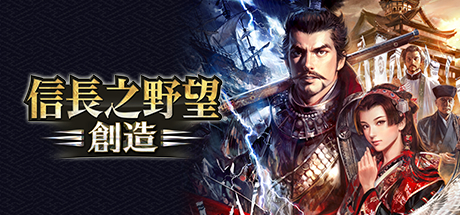
The 14th entry of the the historical simulation series "Nobunaga's Ambition." Become a daimyō of the Warring States era, and unite the land! With "the creation of a new age" as the key concept, this title features beautifully recreated castle towns, dynamic battlefield action and dramatic event scenes.
NOBUNAGA'S AMBITION: Souzou is a wargame, immersive sim and real time tactics game
developed and published by KOEI TECMO GAMES CO. and LTD..
Released on August 27th 2014 is available in Traditional Chinese only on Windows.
It has received 1,178 reviews of which 1,015 were positive and 163 were negative resulting in a rating of 8.2 out of 10. 😎
The game is currently priced at 21.99€ on Steam.
The Steam community has classified NOBUNAGA'S AMBITION: Souzou into these genres:
Media & Screenshots
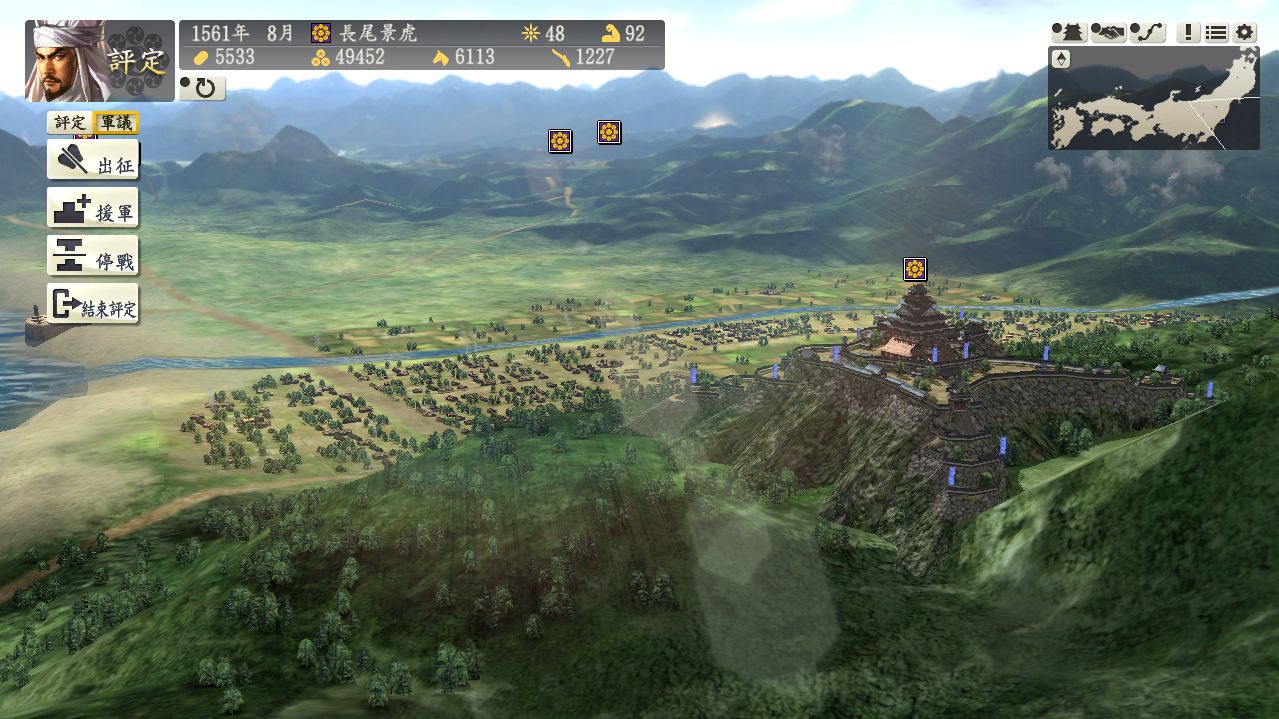
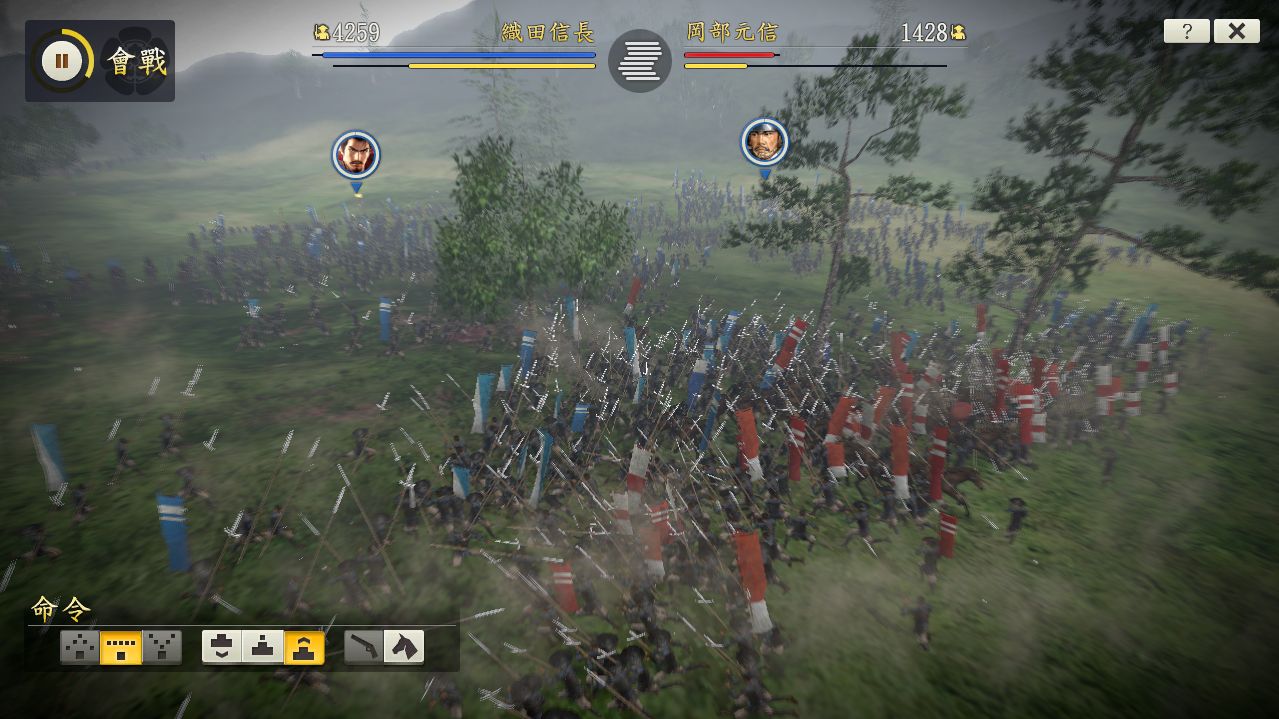
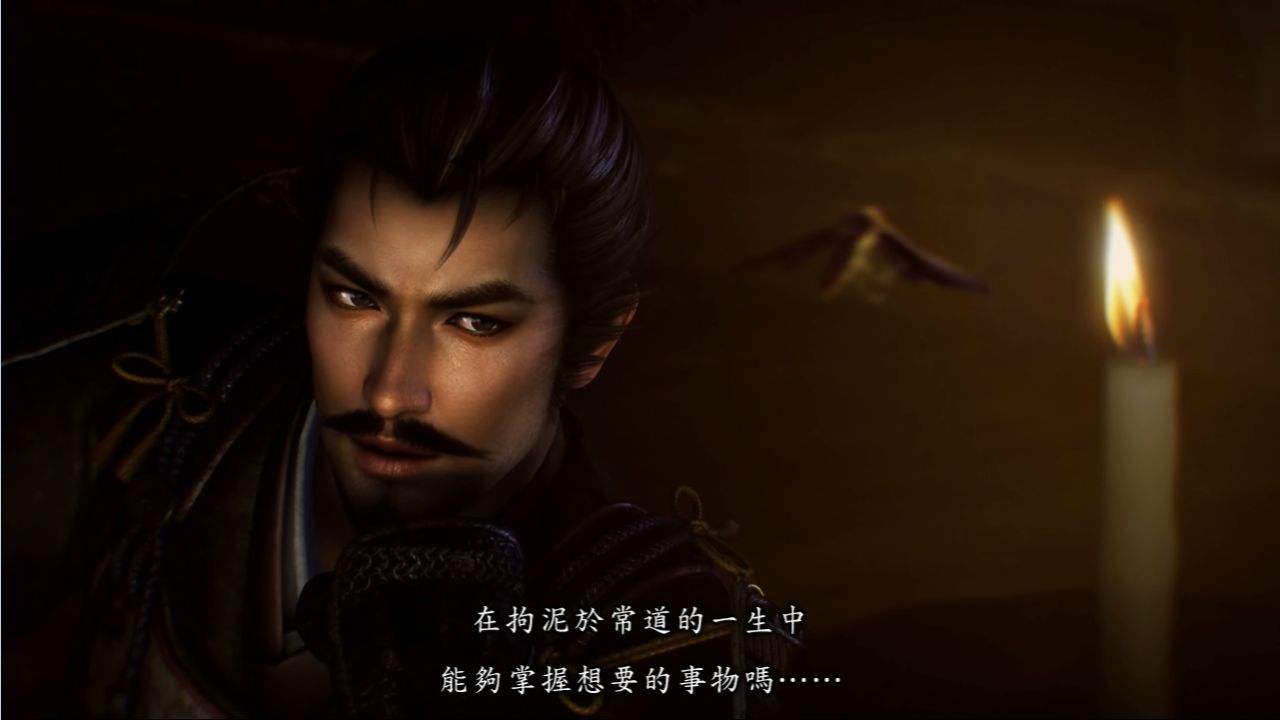
Get an in-depth look at NOBUNAGA'S AMBITION: Souzou through various videos and screenshots.

System requirements
These are the minimum specifications needed to play the game. For the best experience, we recommend that you verify them.
Windows
- OS: Traditional Chinese Windows®
- Processor: Pentium®4 1.6GHz
- Memory: 256 MB RAM
- Graphics: VRAM 128MB or better
- DirectX: Version 9.0c
- Storage: 5 GB available space
- Additional Notes: This game is only supported for Traditional Chinese versions of Windows®.
Steam Price & Best Deals
User reviews & Ratings
Explore reviews from Steam users sharing their experiences and what they love about the game.
Developed and published by KOEI TECMO GAMES CO., LTD., NOBUNAGA'S AMBITION: Souzou is a grand strategy title that transports players to Japan's Sengoku era, a time defined by political instability, constant warfare, and the ambitions of powerful warlords seeking to unite the country. As part of a long-running franchise renowned for its historical depth, the game embraces a philosophy that leadership extends far beyond military conquest. Every aspect of governance, from economic development and infrastructure planning to diplomacy and battlefield tactics, contributes to a larger vision of national unification. The game's central theme revolves around creation and expansion. Rather than merely commanding armies, players are tasked with building a prosperous and stable domain capable of supporting future ambitions. Provinces begin as modest territories that require careful management and investment. Roads must be established, agricultural production improved, commercial activity encouraged, and settlements expanded. These systems create a satisfying sense of ownership because progress is visible across the map. Watching a small clan grow into a dominant regional power becomes one of the most rewarding aspects of the experience. Economic management serves as the foundation upon which every successful campaign is built. Resources, income, and regional development directly influence military capabilities and political influence. Players who focus solely on warfare often discover that sustained expansion is impossible without a healthy economy supporting it. This interconnected design encourages thoughtful long-term planning and prevents victories from feeling dependent on military strength alone. Every castle, road, and development project contributes to the broader success of a clan. Diplomacy is equally important and often determines whether a campaign flourishes or collapses. Alliances, treaties, marriages, and political agreements allow players to secure borders, create opportunities for expansion, or buy valuable time during difficult situations. Rival clans are constantly pursuing their own objectives, making the political landscape dynamic and unpredictable. A trusted ally can become a dangerous enemy, while a former rival may become an essential partner. These evolving relationships create memorable stories that emerge naturally from gameplay rather than scripted events. Military campaigns provide some of the game's most exciting moments. Armies maneuver across detailed maps, engaging in large-scale operations that require planning and coordination. Terrain, logistics, troop composition, and timing all influence outcomes. Success rarely comes from simply gathering the largest force available. Players must understand geography, anticipate enemy movements, and carefully manage resources throughout prolonged conflicts. Battles feel like meaningful extensions of broader strategic decisions rather than isolated encounters detached from the rest of the game. A major strength of Souzou is its dedication to historical authenticity. The game features an enormous cast of officers and warlords drawn from real Japanese history. Legendary figures such as Oda Nobunaga and his contemporaries are represented with distinct characteristics and abilities that influence how campaigns unfold. Historical events add context to the political struggles of the era, helping players understand the significance of major conflicts and alliances. This attention to detail gives the game an educational value while preserving its entertainment appeal. The presentation successfully balances functionality and atmosphere. Detailed maps, attractive character artwork, and well-designed interfaces ensure that players can access vast amounts of information without becoming completely overwhelmed. The visual representation of castle towns and territories helps bring the Sengoku period to life, while event scenes add dramatic flair to important historical developments. Although the graphics prioritize clarity over spectacle, they effectively support the game's strategic focus. One of the most impressive aspects of the game is the freedom it provides. Players can choose from numerous clans, each beginning with unique circumstances, strengths, and challenges. Starting as a major power offers opportunities for immediate expansion, while leading a smaller clan presents a more demanding but potentially more rewarding path. This variety significantly enhances replayability, as every campaign unfolds differently depending on the chosen faction and the decisions made along the way. The complexity that makes Souzou so engaging can also present a challenge for newcomers. The game contains numerous interconnected systems, and understanding how they function together requires patience. New players may initially feel overwhelmed by the volume of information and management responsibilities. However, those willing to invest time into learning the mechanics are rewarded with a remarkably deep strategic experience that offers countless hours of meaningful gameplay. What truly distinguishes NOBUNAGA'S AMBITION: Souzou from many other strategy games is its emphasis on nation-building as much as conquest. Victory is not simply measured by defeated enemies but by the successful creation of a thriving and influential state. Economic growth, political relationships, military achievements, and administrative competence all contribute to the larger goal of shaping Japan's future. This holistic approach to leadership creates a richer and more immersive simulation of feudal rule. For strategy enthusiasts seeking a detailed historical experience, Souzou remains one of the strongest entries in the Nobunaga's Ambition franchise. Its combination of deep management systems, large-scale warfare, political intrigue, and historical authenticity creates an engaging and rewarding journey through one of history's most fascinating periods. While its steep learning curve may discourage some players, those who embrace its complexity will discover a masterfully crafted grand strategy game with exceptional depth and replay value. Rating: 8/10
People mistake the series for a 'historical simulation,' but it isn't—even the developers got that wrong. The true essence of the series is a 'collectathon' of Sengoku historical characters; it's basically a Pokemon game where your ultimate goal is to get Uesugi Kenshin and Takeda Shingen into your faction and steamroll everyone else. That’s where the fun is. Yes, the games are too easy and Koei overcharges for them years—if not decades—after their initial release (which is why I only buy them on sale). But I’d still prefer looking at highly stylized, unrealistic looking historical characters while listening to a spectacular OST over playing some overpriced Nintendo crap any day of the week
Similar games
View all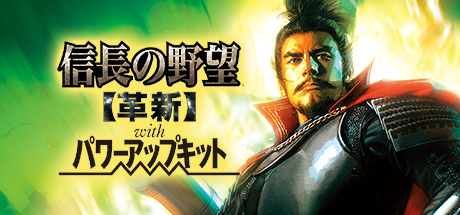
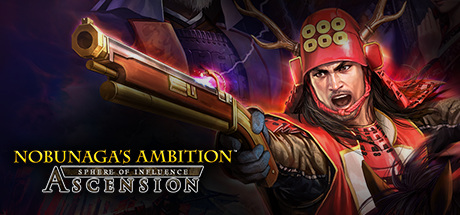
NOBUNAGA'S AMBITION: Sphere of Influence - Ascension
In the simulation game series "Nobunaga's Ambition", players aim to unify Japan in the troubled times of the Warring States era. In this release we include "Officer Play" for the first time in the series, allowing players to advance from retainer to Castle Lord and then on to Daimyo.
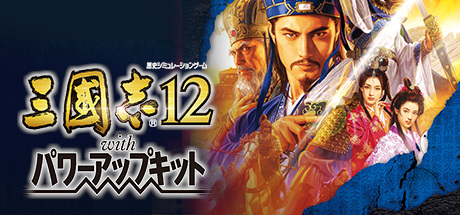
Romance of the Three Kingdoms XII with Power Up Kit
"Romance of the Three Kingdoms 12 with Power Up Kit" is an expanded version of "Romance of the Three Kingdoms 12," which was released in 2012 as the 12th game in the series. The stage is set. Create the story.
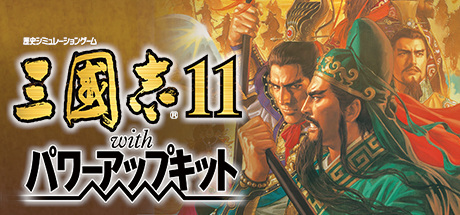
Romance of the Three Kingdoms XI with Power Up Kit
"Romance of the Three Kingdoms 11 with Power Up Kit" is an expanded version of "Romance of the Three Kingdoms 11," which was released in 2006 as the 11th game in the series. The grand battles that shaped the course of Chinese history are shown in 3D space! In Administration, players freely develop cities.
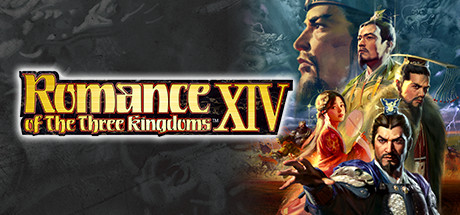
ROMANCE OF THE THREE KINGDOMS XIV
Triumph over the land, take charge of the fate of China! Conquer territories and fly your colors!
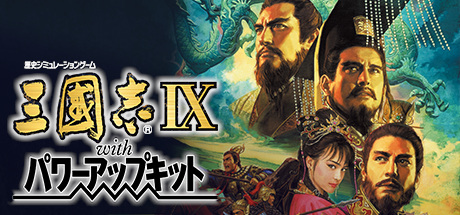
Romance of the Three Kingdoms IX with Power Up Kit
"Romance of the Three Kingdoms Ⅸ with Power Up Kit" is an expanded version of "Romance of the Three Kingdoms Ⅸ," which was released in 2003 as the 9th game in the series. RTK Ⅸ is a strategy based simulation game based in China's chaotic Three Kingdoms period.
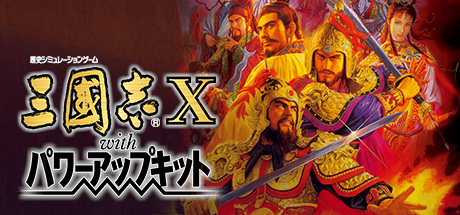
Romance of the Three Kingdoms X with Power Up Kit
"Romance of the Three Kingdoms Ⅹ with Power Up Kit" is an expanded version of "Romance of the Three Kingdoms Ⅹ," which was released in 2004 as the 10th game in the series. In this release, the all-officer playable advances.
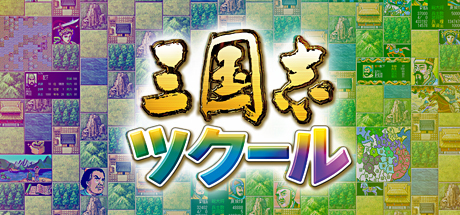
Romance of the Three Kingdoms Maker
"Romance of the Three Kingdoms Maker" celebrates the 30th anniversary of the "Romance of the Three Kingdoms" series. It has been realized through a collaboration between the creators of the "Romance of the Three Kingdoms" series, Koei Tecmo Games, and the creators of the "TSUKURU" series, KADOKAWA.
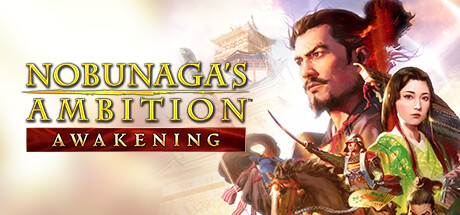
NOBUNAGA'S AMBITION: Awakening
Conquer Warring States Japan under one banner

WARNO
Realistic, immersive, breathtaking. WARNO is the ultimate World War III battle simulator from the masters of strategy, Eugen Systems. A Cold War turns decisively hot as you command hundreds of units on a beautiful and brutal battlefield. Outsmart, outfight, and lead your forces to total victory.
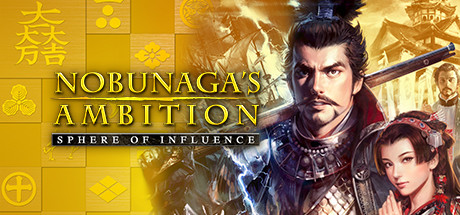
NOBUNAGA'S AMBITION: Sphere of Influence
Become a Daimyo of the Warring States period of Japanese history in NOBUNAGA'S AMBITION, a historical simulation game of conquest and domination. It is the 30th anniversary of this series and this current release, NOBUNAGA'S AMBITION: Sphere of Influence, is the crown of the series.

Ultimate General: Civil War
Ultimate General: Civil War is a tactical real time strategy war-game. Experience the bloodiest period of U.S. history - the American Civil War of 1861-1865.
Frequently Asked Questions
NOBUNAGA'S AMBITION: Souzou is currently priced at 21.99€ on Steam.
No, NOBUNAGA'S AMBITION: Souzou is currently not on sale. You can purchase it for 21.99€ on Steam.
Yes, NOBUNAGA'S AMBITION: Souzou received 1,015 positive votes out of a total of 1,178 achieving a rating of 8.19.
😎
NOBUNAGA'S AMBITION: Souzou was developed and published by KOEI TECMO GAMES CO. and LTD..
Yes, NOBUNAGA'S AMBITION: Souzou is playable and fully supported on Windows.
No, NOBUNAGA'S AMBITION: Souzou is not playable on MacOS.
No, NOBUNAGA'S AMBITION: Souzou is not playable on Linux.
No, NOBUNAGA'S AMBITION: Souzou is not playable on Steam Deck.
No, NOBUNAGA'S AMBITION: Souzou is not playable on Steam Machine.
No, NOBUNAGA'S AMBITION: Souzou does not support VR.
NOBUNAGA'S AMBITION: Souzou is a single-player game.
Yes, there are 17 DLCs available for NOBUNAGA'S AMBITION: Souzou. Explore additional content available for NOBUNAGA'S AMBITION: Souzou on Steam.
No, NOBUNAGA'S AMBITION: Souzou does not support mods via Steam Workshop.
No, NOBUNAGA'S AMBITION: Souzou does not support Steam Remote Play.
Yes, NOBUNAGA'S AMBITION: Souzou is enabled for Steam Family Sharing. This means you can share the game with authorized users from your Steam Library, allowing them to play it on their own accounts. For more details on how the feature works, you can read the original Steam Family Sharing announcement or visit the Steam Family Sharing user guide and FAQ page.
You can find solutions or submit a support ticket by visiting the Steam Support page for NOBUNAGA'S AMBITION: Souzou.
Data sources
The information presented on this page is sourced from reliable APIs to ensure accuracy and relevance. We utilize the Steam API to gather data on game details, including titles, descriptions, prices, and user reviews. This allows us to provide you with the most up-to-date information directly from the Steam platform.
Additionally, we incorporate data from the SteamSpy API, which offers insights into game sales and player statistics. This helps us present a comprehensive view of each game's popularity and performance within the gaming community.
Last Updates| Steam data | 10 September 2026 04:06 UTC |
|---|---|
| SteamSpy data | 03 September 2026 04:38 UTC |
| Steam price | 14 September 2026 02:41 UTC |
| Steam reviews | 10 September 2026 21:49 UTC |
If you'd like to dive deeper into the details about NOBUNAGA'S AMBITION: Souzou, we invite you to check out a few dedicated websites that offer extensive information and insights. These platforms provide valuable data, analysis, and user-generated reports to enhance your understanding of the game and its performance.
- SteamDB - A comprehensive database of everything on Steam about NOBUNAGA'S AMBITION: Souzou
- SteamCharts - Analysis of NOBUNAGA'S AMBITION: Souzou concurrent players on Steam
- ProtonDB - Crowdsourced reports on Linux and Steam Deck NOBUNAGA'S AMBITION: Souzou compatibility
Game modes
Features
Online players
38
Developer
KOEI TECMO GAMES CO., LTD.
Publisher
KOEI TECMO GAMES CO., LTD.
Release
27 Aug 2014
Platforms