
Ghost Exile
Ghost Exile - is a cooperative horror from 1 to 4 players: when hunting for ghosts, you need to determine the type of ghost, carry out a ritual of exorcism and then the ghost can no longer harm anyone. Be careful! Hasty conclusions can lead you to a sad outcome.
Sync your Steam wishlist to find the lowest game prices instantly. No login required, just paste your Steam profile URL!
⚡ Try Wishlist Radar!
Sync your Steam wishlist to find the lowest game prices instantly. No login required!
⚡ Try Wishlist Radar!
Close

Occult on Steam
Quick menu
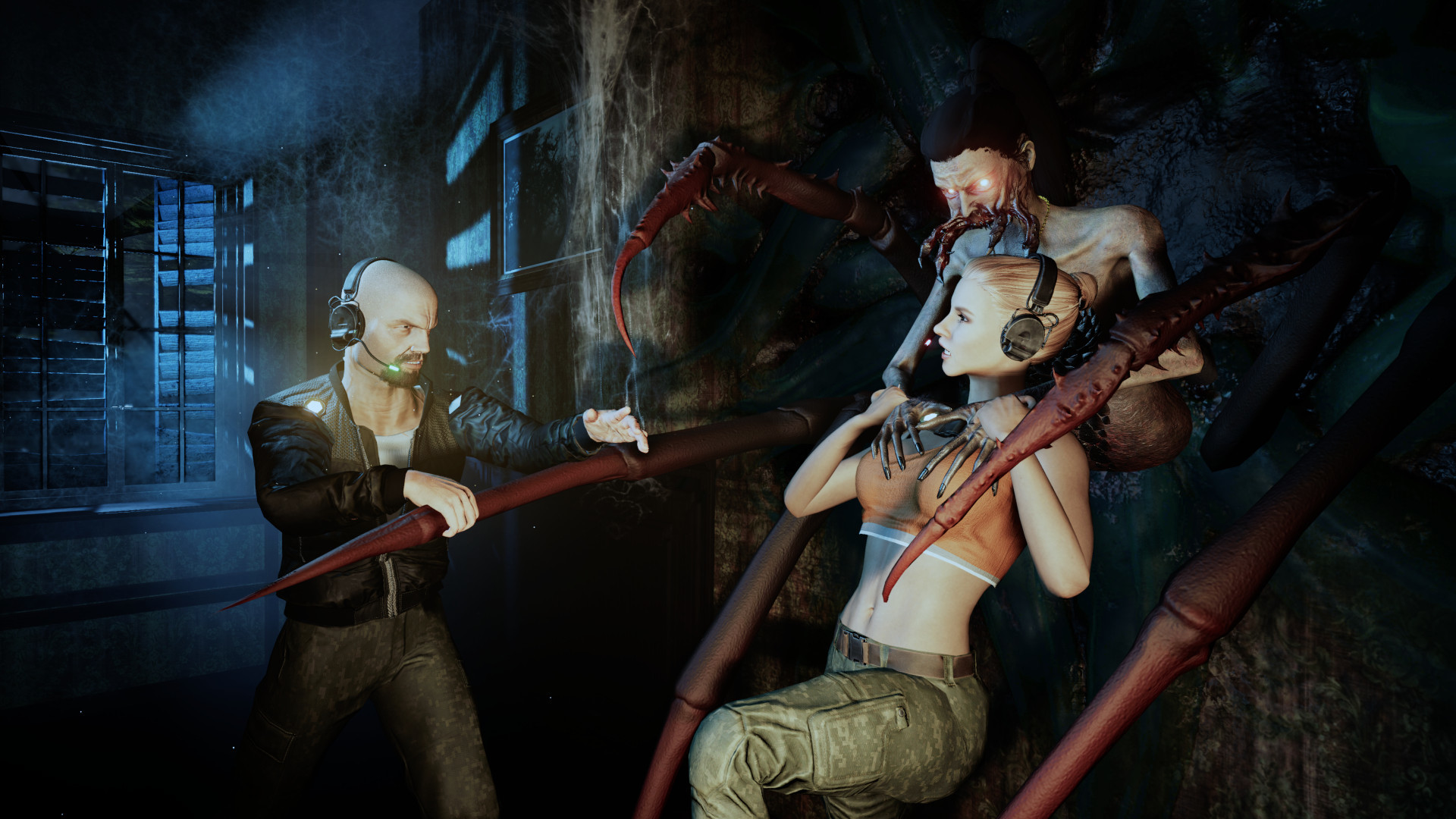
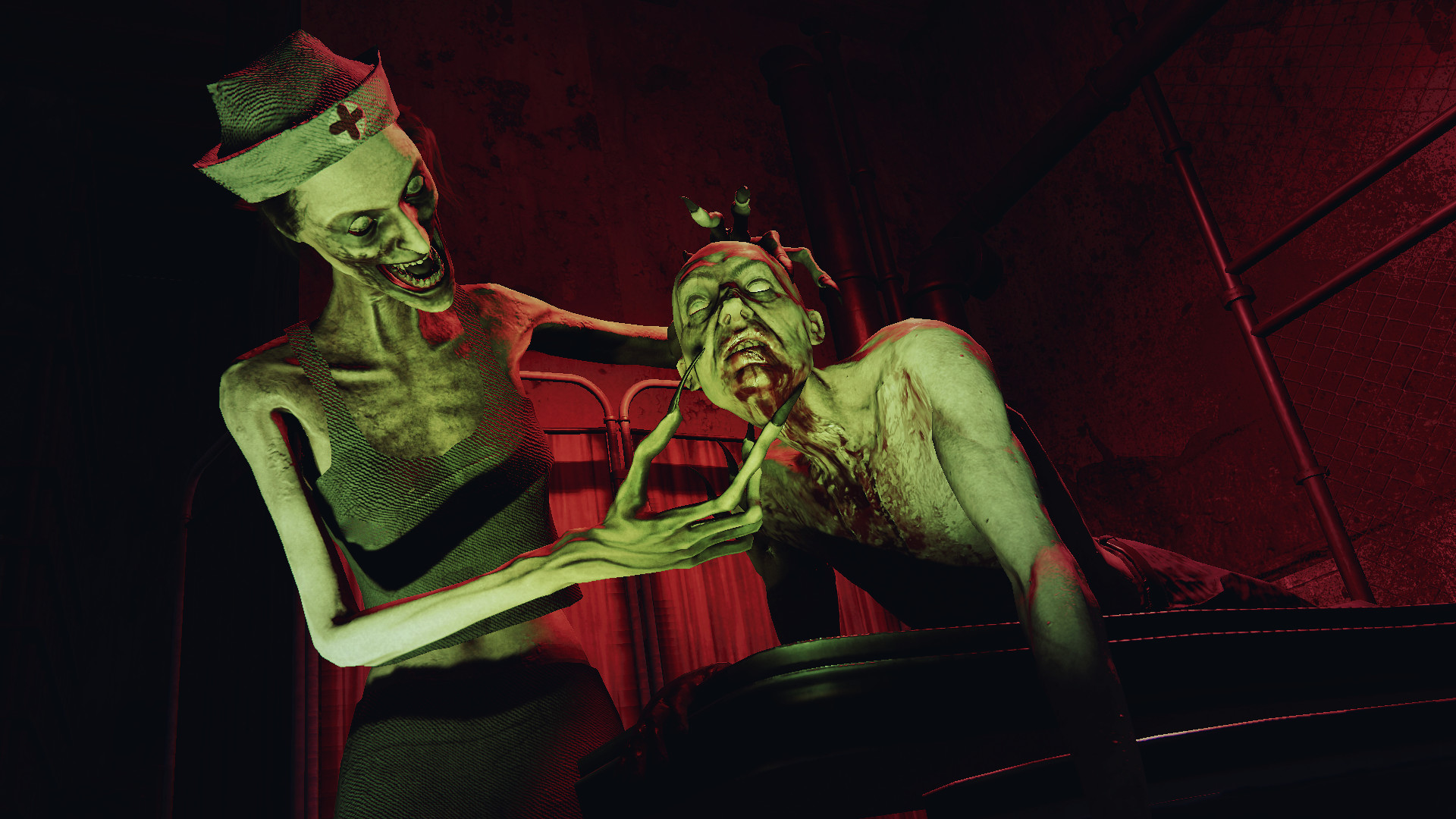
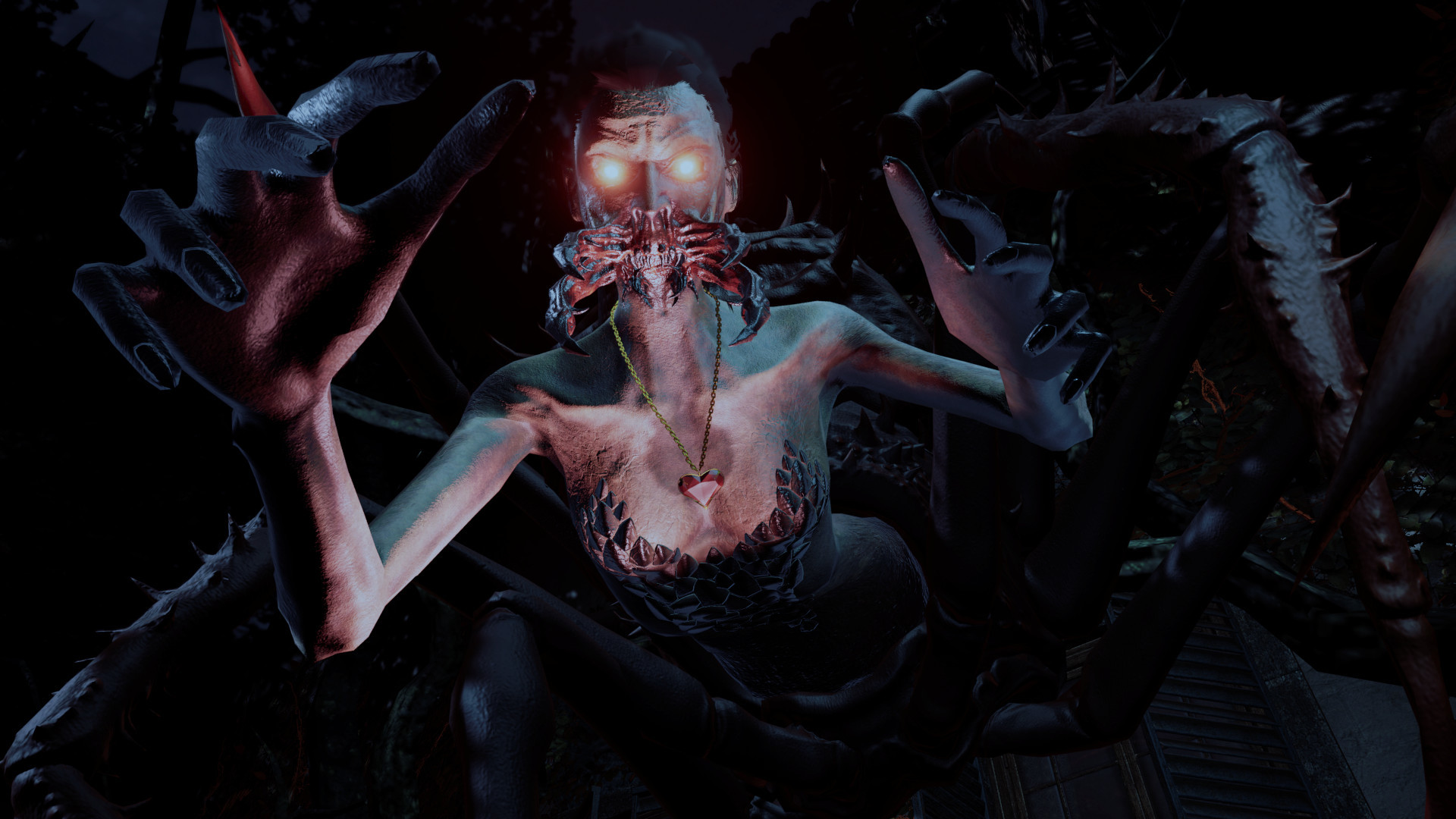
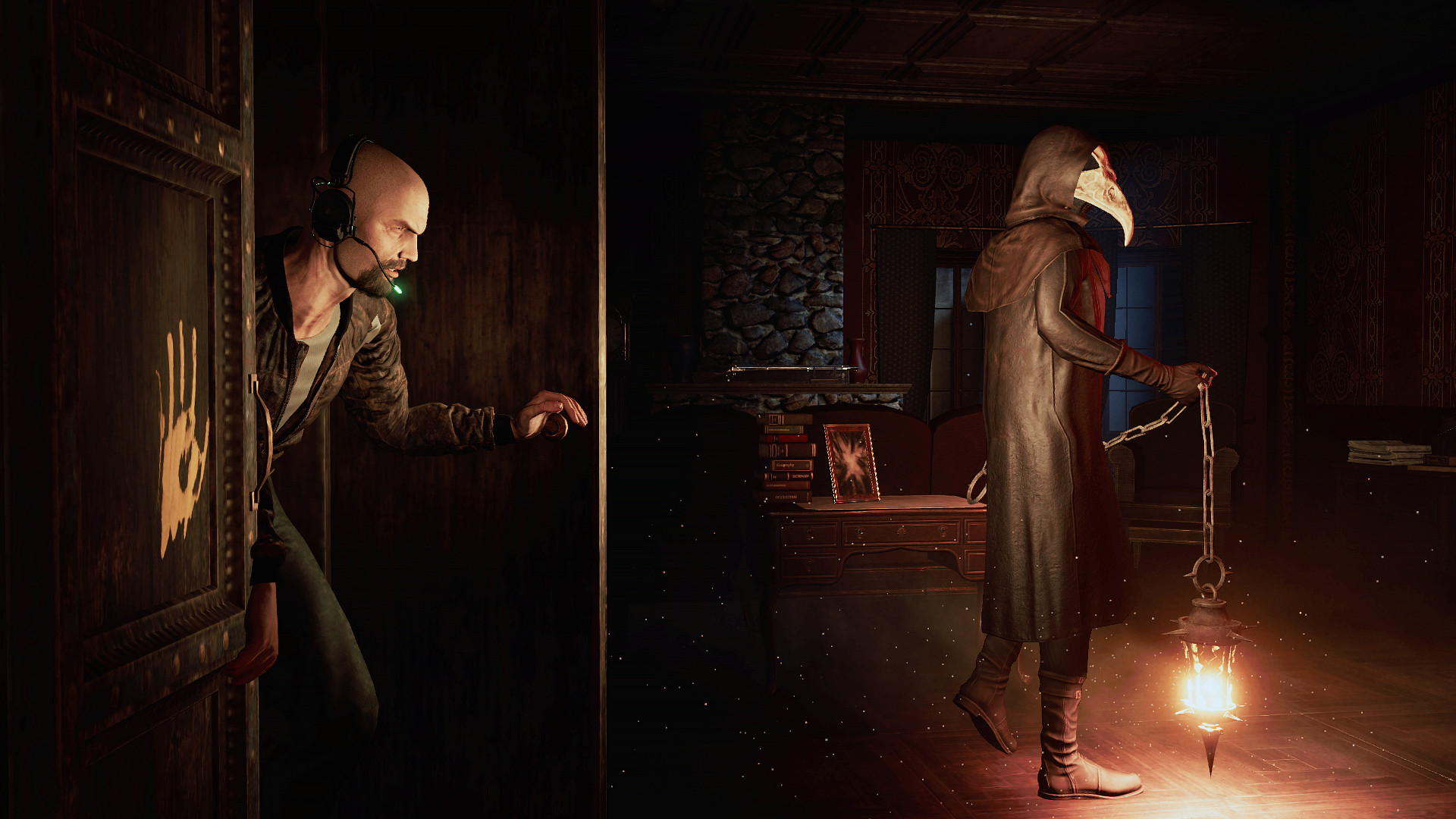
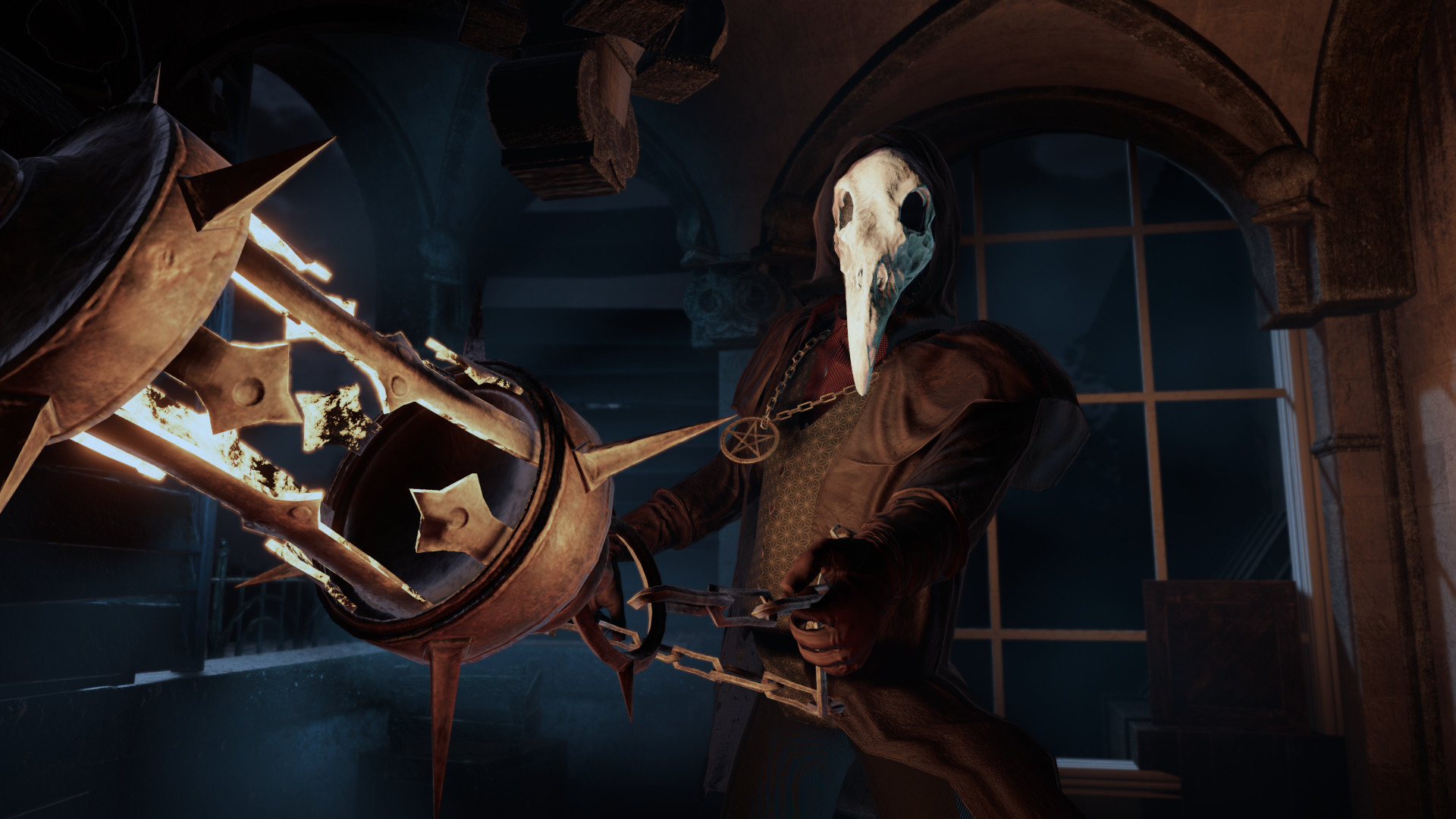
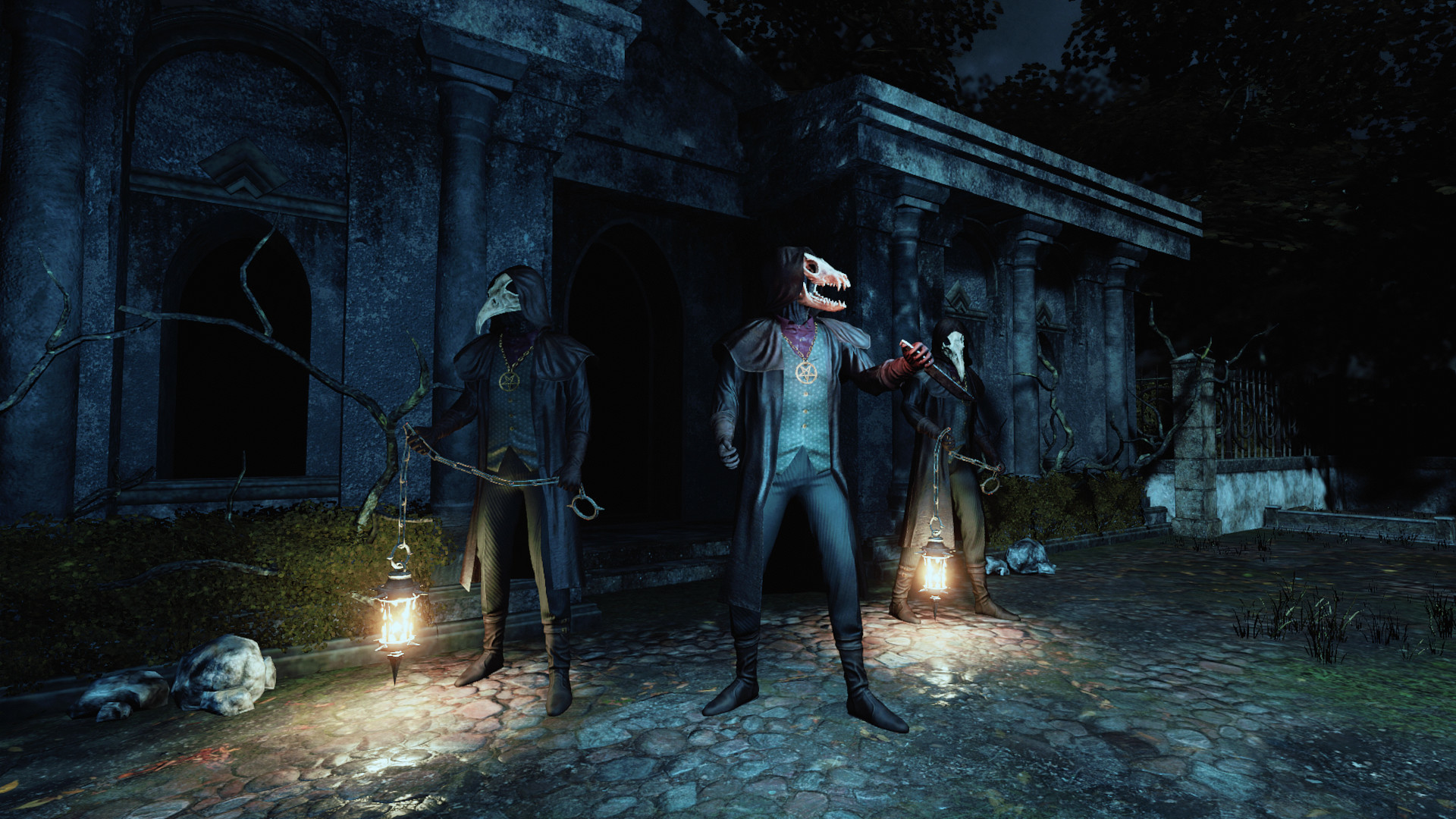
Occult is a dynamic cooperative game with elements of horror and quest. You are waiting for a variety of opponents, puzzles and endings!
Occult is a horror, multiplayer and co-op game
developed and published by Renderise.
Released on May 19th 2022 is available on Windows, Steam Deck and Steam Machine.
It has received 1,896 reviews of which 1,369 were positive and 527 were negative resulting in a rating of 7.0 out of 10. 😐
The game is currently priced at 1.99€ on Steam with a 50% discount.
The Steam community has classified Occult into these genres:
Media & Screenshots
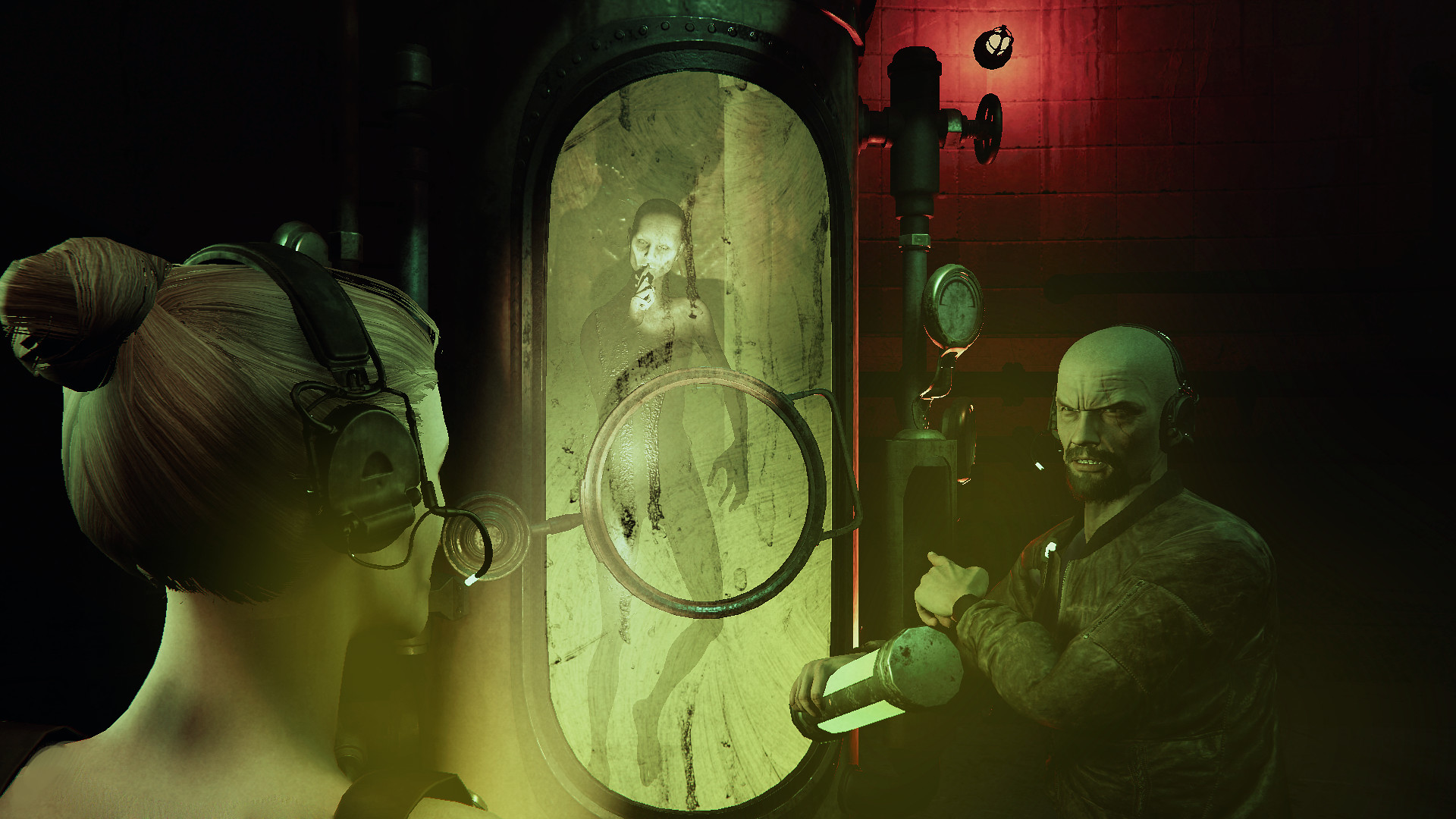
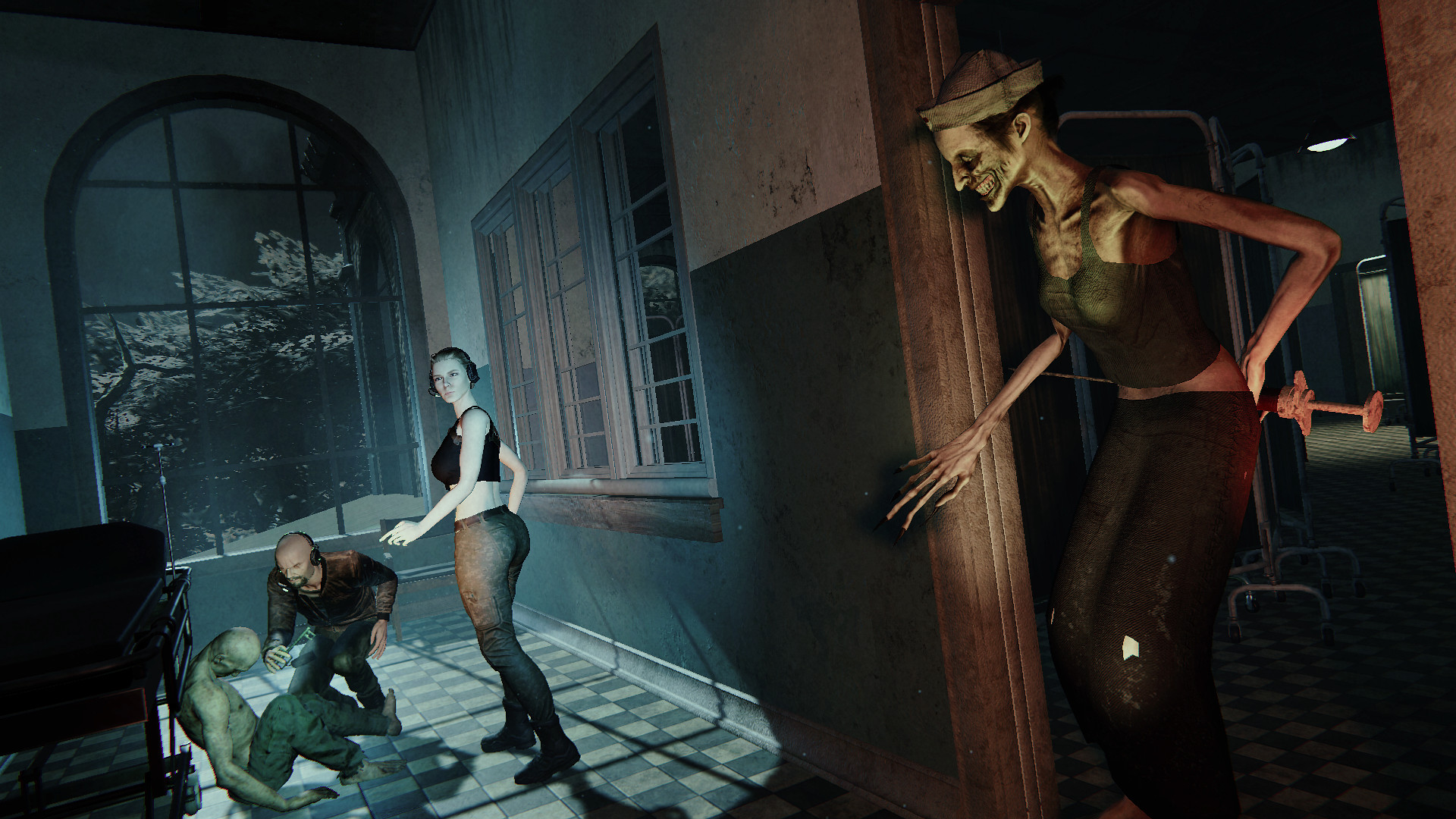
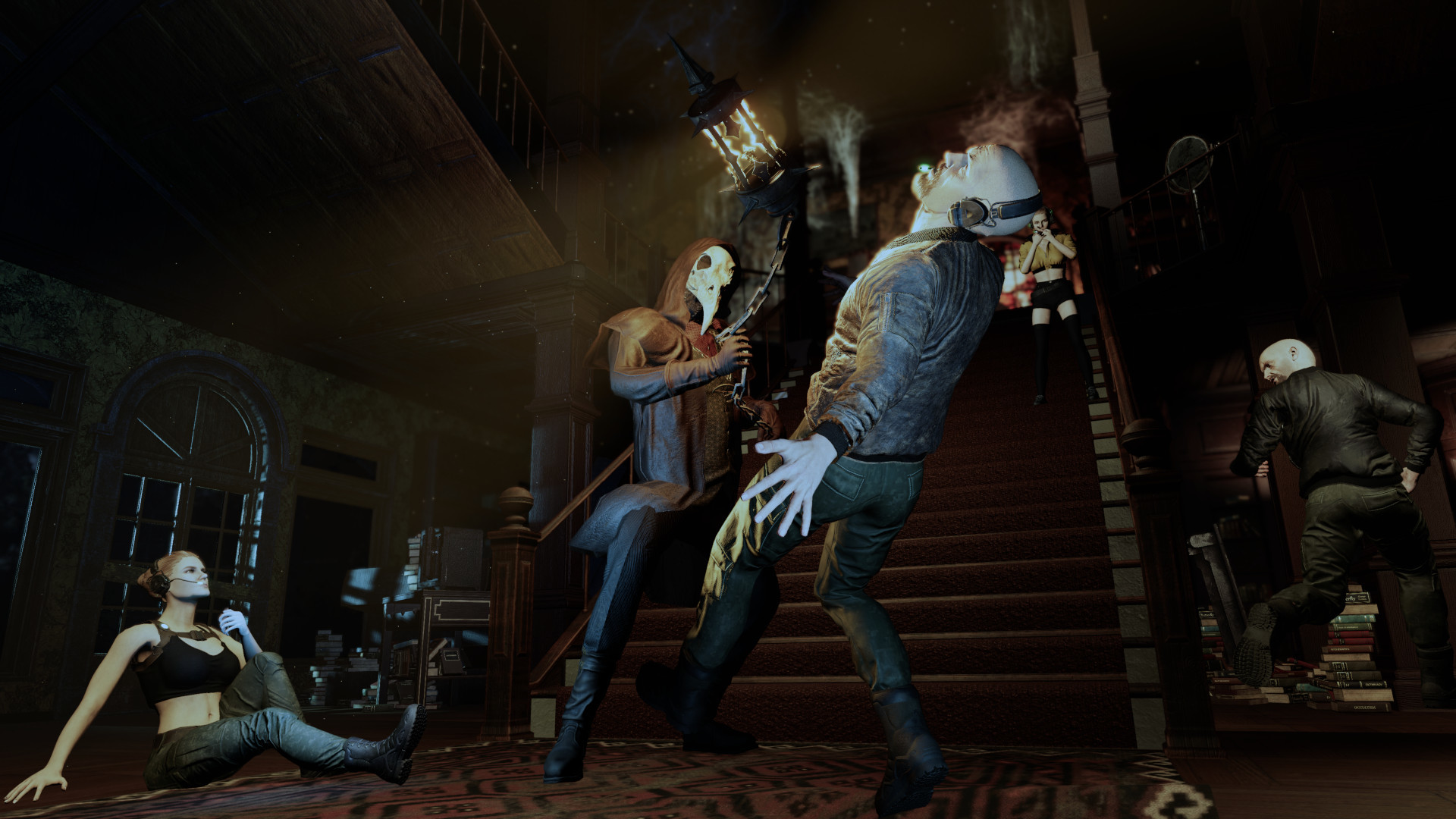
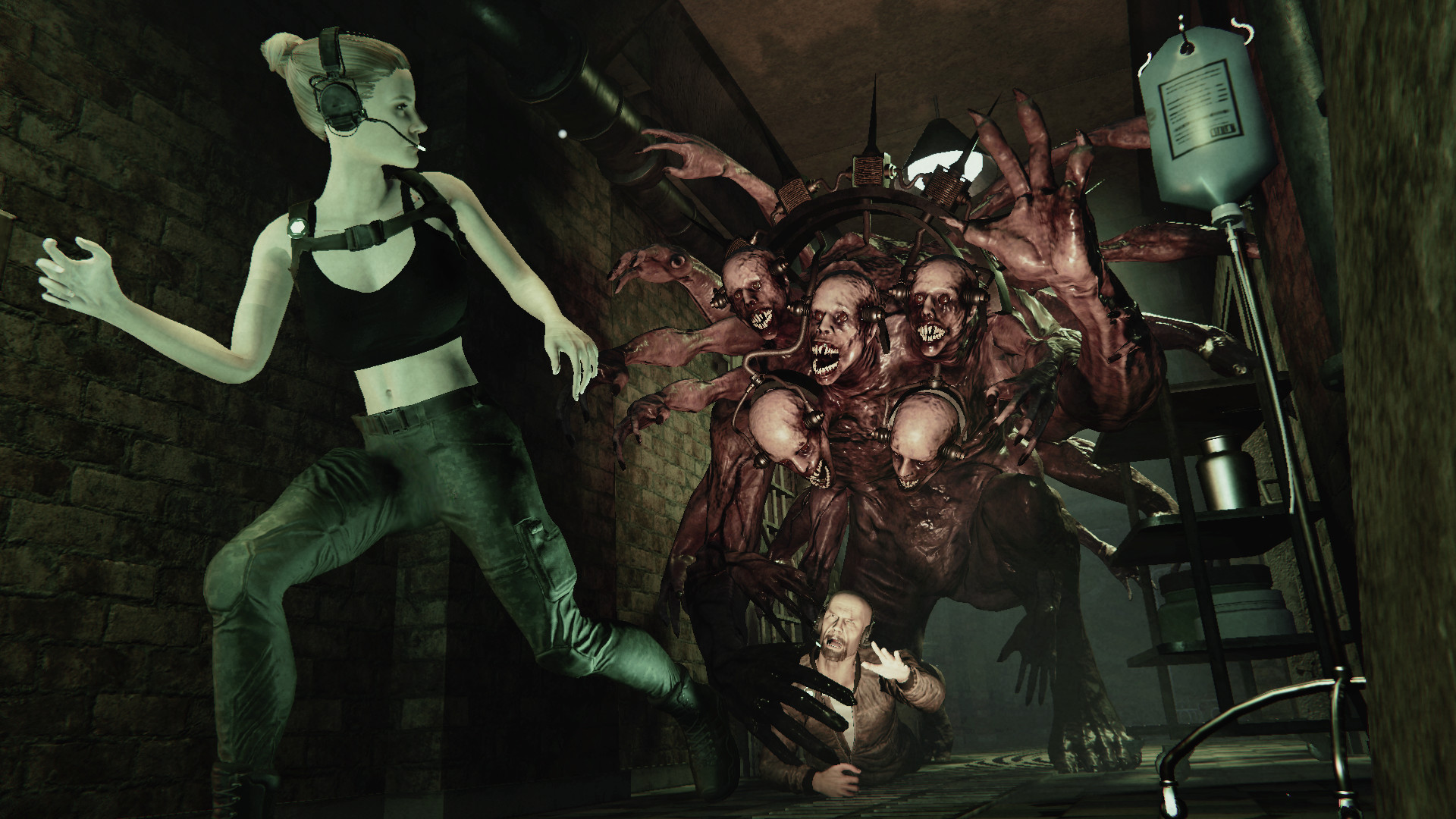
Get an in-depth look at Occult through various videos and screenshots.
Load More
System requirements
These are the minimum specifications needed to play the game. For the best experience, we recommend that you verify them.
Windows
- OS: Windows 10
- Processor: Intel i5 or AMD equivalent (AMD FX 8500+ Series)
- Memory: 4 GB RAM
- Graphics: 1 GB Video RAM
- DirectX: Version 11
- Storage: 8 GB available space
Steam Price & Best Deals
User reviews & Ratings
Explore reviews from Steam users sharing their experiences and what they love about the game.
Occult is an indie psychological horror experience developed by Rendersine, focusing on atmospheric storytelling, exploration, and ritual-based progression rather than direct combat or traditional survival mechanics. The core gameplay revolves around uncovering occult mysteries through environmental interaction, puzzle solving, and fragmented narrative discovery. Players are encouraged to observe their surroundings carefully, interpret symbolic clues, and perform ritual-like actions to progress. The structure is intentionally slow-paced, prioritizing tension and unease over action. Atmosphere is the game’s strongest element. Lighting, sound design, and minimalist environments work together to create a persistent sense of discomfort. Rather than relying on frequent jump scares, the game builds dread through implication and psychological pressure, making even quiet moments feel uncertain. Narratively, Occult leans heavily into ambiguity, presenting its story through scattered notes, visual symbolism, and environmental hints. This approach rewards attentive players but may feel opaque or underexplained for those expecting a more direct plot. Gameplay depth is relatively limited compared to larger horror titles, with a focus on short, focused experiences rather than long-term progression or replayable systems. However, this restraint helps reinforce its tone and immersive qualities. Score: 7.5/10 – A moody and atmospheric indie horror experience that excels in tone and psychological tension, but remains deliberately minimal in gameplay complexity and narrative clarity.
Occult is a cooperative horror experience that mixes supernatural investigation, stealth, puzzle-solving, and survival mechanics into a tense multiplayer adventure designed heavily around teamwork and atmosphere. While the game clearly takes inspiration from other modern co-op horror titles, it manages to establish its own identity through larger exploration-focused maps, objective-driven gameplay, and an emphasis on uncovering hidden secrets rather than simply surviving random scares. The result is a horror game that feels chaotic, suspenseful, and surprisingly immersive when played with friends, especially during moments where communication and quick decision-making become essential for survival. The game places players in the role of individuals connected to an organization tasked with investigating cursed locations and confronting dark occult activity. Each mission sends players into disturbing environments filled with hidden clues, supernatural entities, dangerous cult-related mysteries, and multiple possible outcomes depending on player choices. Instead of focusing purely on repetitive ghost hunting mechanics, Occult structures its missions more like horror expeditions where exploration and progression play a major role. This gives the game a stronger sense of purpose than many multiplayer horror games that rely entirely on repeating the same objective loop endlessly. Atmosphere is easily one of the game’s greatest strengths. The environments feel oppressive and genuinely unsettling, with abandoned structures, underground tunnels, cursed ritual sites, and dimly lit interiors creating a constant feeling of danger. Darkness plays a major role throughout the experience, often limiting visibility and forcing players to move carefully through unfamiliar areas while listening for enemy movement or environmental clues. The game does an excellent job of maintaining tension even during slower moments because players rarely feel completely safe while exploring. The cooperative gameplay is where Occult becomes most enjoyable. Communication between players is constantly important because teams frequently split up to search for items, solve puzzles, avoid monsters, or investigate separate sections of large maps. This naturally creates panic-filled situations where players desperately relay information while trying to survive encounters with supernatural threats. The unpredictability of multiplayer sessions makes even simple exploration feel tense because mistakes can quickly spiral into chaotic chase sequences or failed objectives. Map design also deserves praise because the environments are significantly larger and more complex than those found in many similar indie horror games. Exploration feels rewarding because players are encouraged to search carefully for hidden clues, interactable objects, and alternate paths that may lead toward different endings. The maps are not simple linear hallways designed only for jump scares. Instead, they feel like actual locations filled with secrets and dangers waiting to be uncovered. Multiple endings add extra replay value since players can revisit areas while making different decisions or uncovering hidden outcomes. Stealth mechanics play an important role throughout the experience. Players are generally vulnerable and unable to overpower many threats directly, forcing them to rely on hiding, careful movement, and teamwork rather than straightforward combat. This creates a constant feeling of helplessness that strengthens the horror atmosphere considerably. Hiding from pursuing enemies while hearing teammates panic over voice chat often becomes one of the game’s most memorable aspects because the fear feels driven by vulnerability rather than simple scripted scares. The sound design contributes heavily to the overall tension. Environmental noises, distant footsteps, whispers, sudden screams, and unsettling ambient effects constantly keep players nervous while exploring dark areas. Silence is often used effectively as well, making players increasingly paranoid while waiting for the next threat to appear. The game understands that strong horror audio does not always require loud music or nonstop sound effects. Instead, subtle environmental sounds often become more disturbing because they create uncertainty. Visually, Occult performs fairly well for an indie horror title. The lighting system and environmental detail are particularly effective at creating mood, especially during exploration sequences where darkness and shadows dominate the environment. Monster designs are creepy enough to make encounters memorable, and certain locations genuinely feel disturbing due to the combination of visual design and atmospheric tension. The graphics themselves are not highly advanced, but the game succeeds because it prioritizes atmosphere over technical spectacle. The pacing generally works well because the game alternates between slower investigative exploration and sudden moments of panic. Quiet puzzle-solving sections gradually build tension before chaotic encounters disrupt the calm unexpectedly. This rhythm helps maintain suspense throughout missions because players never know exactly when danger will appear. However, the game is not without flaws. Technical issues occasionally interfere with the experience, including multiplayer instability, bugs, and awkward interactions that reveal the limitations of the project’s budget and polish. While many sessions run smoothly, certain glitches can disrupt immersion or create frustrating moments during important sections. The objective structure can also become confusing at times. Some puzzles and progression requirements are intentionally vague, which increases immersion for some players but may frustrate others who prefer clearer direction. Groups unfamiliar with exploration-heavy horror games may occasionally spend long periods wandering through environments without fully understanding the next objective. Solo play is another weak point. Although technically playable alone, the game is clearly designed around cooperative interaction. Much of the tension and enjoyment comes from communication, teamwork, and shared panic during dangerous situations. Without other players, the experience loses much of its personality and can feel slower or more repetitive. Enemy encounters may also become somewhat predictable over longer play sessions. While the atmosphere remains effective, some horror sequences rely heavily on chase mechanics and sudden appearances that eventually become familiar to experienced players. The game is at its best during early exploration and moments of uncertainty rather than repeated encounters with known enemy behavior. What ultimately makes Occult enjoyable is how effectively it combines exploration, teamwork, and supernatural horror into a consistently tense multiplayer experience. The larger maps, puzzle-focused objectives, and strong atmosphere help it stand out within the crowded co-op horror genre. Even though it lacks the polish and production quality of bigger horror titles, it still delivers genuinely entertaining sessions filled with panic, suspense, and memorable cooperative moments. Occult succeeds because it understands the appeal of multiplayer horror built around communication and vulnerability rather than pure action. For players looking for a spooky cooperative experience filled with exploration, supernatural mysteries, and chaotic survival moments, it offers a surprisingly engaging horror adventure despite its technical rough edges. Rating: 7/10
Similar games
View all
Demonologist
Demonologist is a Co-Op horror game that can be played with at least 1 and up to 4 players. Your goal is to identify the type of evil spirit in cursed places and exorcise it using your equipment, either alone or with your team.

Escape the Backrooms
Escape the Backrooms is a 1-4 player co-op horror exploration game. Traverse 30+ eerie backrooms levels while avoiding entities and other dangers. Try to escape but be warned: survival isn't guaranteed.
Remnant Records
Remnant Records is a horror investigation game for 1 to 4 players. Explore places haunted by the dead, survive elaborate and unique ghosts and find out what happened to them through thousands of generated stories.

SKIBIDI GYATROOMS
Skibidi Gyatrooms is a 1-4 player co-op horror game. You and the homies just fell into the Backrooms, you must out-GYAT the Skibidi Toilet with max rizz or get flushed. Expect cursed levels, and brainrot that’ll keep you on edge.
Project Unknown
An online co-op horror game featuring unique playable characters and RPG mechanics. Exorcise ghosts using your special abilities and tools while surviving the supernatural onslaught
Lost Lullabies: The Orphanage Chronicles
"Lost Lullabies - The Orphanage Chronicles" is a Co-Op horror game set in 1980, inspired by the real stories of an orphanage ruined by a fire in 1960 Lowell. Playable with 1-4 players, the goal is to identify and expel malevolent spirits alone or with your team.
Backrooms: Escape Together
A visually lifelike co-op horror game for 1-6 people. Journey through 11 procedurally generated levels, using what's available to survive and progress deeper into the Backrooms.

Emissary Zero
Co-op horror (1-4 players). You are sent to explore a mysterious building at night. Find the Moon and try to return alive.
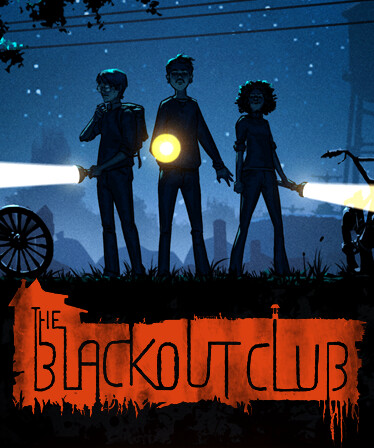
The Blackout Club
The Blackout Club is a first-person co-op horror game centered around a group of teenage friends investigating a monstrous secret beneath the skin of their small town. 1-4 players explore procedurally-generated missions against a fearsome enemy you can only see with your eyes closed.
Phasmophobia
Phasmophobia is a 4 player online co-op psychological horror. Paranormal activity is on the rise and it’s up to you and your team to use all the ghost-hunting equipment at your disposal in order to gather as much evidence as you can.

Pacify
An online co-op horror game where you pacify, weaken and capture supernatural creatures for PAH Inc. Each level has a different story, unique monsters, and multiple endings. Play single player or together with up to 6 friends. Includes proximity voice chat with fun effects.
Frequently Asked Questions
Occult is currently priced at 1.99€ on Steam.
Yes, Occult is currently available at a 50% discount. You can purchase it for 1.99€ on Steam.
Yes, Occult received 1,369 positive votes out of a total of 1,896 achieving a rating of 6.99.
😐
Occult was developed and published by Renderise.
Yes, Occult is playable and fully supported on Windows.
No, Occult is not playable on MacOS.
No, Occult is not playable on Linux.
Yes, Occult is playable on Steam Deck, though it might require a few minor tweaks. Make sure to check the Steam store page and community feedback on ProtonDB for exact compatibility details.
Yes, Occult is playable on Steam Machine, though it might require a few minor tweaks. Make sure to check the Steam store page and community feedback on ProtonDB for exact compatibility details.
No, Occult does not support VR.
Occult offers both single-player and multi-player modes.
Occult includes Co-op mode where you can team up with friends.
No, Occult does not currently offer any DLC.
No, Occult does not support mods via Steam Workshop.
No, Occult does not support Steam Remote Play.
Yes, Occult is enabled for Steam Family Sharing. This means you can share the game with authorized users from your Steam Library, allowing them to play it on their own accounts. For more details on how the feature works, you can read the original Steam Family Sharing announcement or visit the Steam Family Sharing user guide and FAQ page.
You can find solutions or submit a support ticket by visiting the Steam Support page for Occult.
Data sources
The information presented on this page is sourced from reliable APIs to ensure accuracy and relevance. We utilize the Steam API to gather data on game details, including titles, descriptions, prices, and user reviews. This allows us to provide you with the most up-to-date information directly from the Steam platform.
Additionally, we incorporate data from the SteamSpy API, which offers insights into game sales and player statistics. This helps us present a comprehensive view of each game's popularity and performance within the gaming community.
Last Updates| Steam data | 06 October 2026 06:12 UTC |
|---|---|
| SteamSpy data | 16 October 2026 02:06 UTC |
| Steam price | 27 October 2026 20:10 UTC |
| Steam reviews | 18 October 2026 10:10 UTC |
If you'd like to dive deeper into the details about Occult, we invite you to check out a few dedicated websites that offer extensive information and insights. These platforms provide valuable data, analysis, and user-generated reports to enhance your understanding of the game and its performance.
- SteamDB - A comprehensive database of everything on Steam about Occult
- SteamCharts - Analysis of Occult concurrent players on Steam
- ProtonDB - Crowdsourced reports on Linux and Steam Deck Occult compatibility

Game modes
Multiplayer
Features
Online players
0
Developer
Renderise
Publisher
Renderise
Release
19 May 2022
Platforms