


SubwaySim Hamburg
Explore the picturesque U3 line of Hamburg's elevated railroad in the new SubwaySim Hamburg!
Sync your Steam wishlist to find the lowest game prices instantly. No login required, just paste your Steam profile URL!
⚡ Try Wishlist Radar!
Sync your Steam wishlist to find the lowest game prices instantly. No login required!
⚡ Try Wishlist Radar!
Close

Parking Tycoon: Business Simulator on Steam
Quick menu
Are you ready to immerse yourself in the exhilarating world of car parking management? Step into the shoes of a visionary entrepreneur and become the ultimate Parking Lot Tycoon! Take Charge and embark on a thrilling journey of strategy, expansion, and success.
Parking Tycoon: Business Simulator is a simulation, casual and first-person game
developed by Geekon
and published by Midnight Games.
Released on November 03rd 2023 is available on Windows, Steam Deck and Steam Machine.
It has received 862 reviews of which 595 were positive and 267 were negative resulting in a rating of 6.7 out of 10. 😐
The game is currently priced at 12.79€ on Steam.
The Steam community has classified Parking Tycoon: Business Simulator into these genres:
Media & Screenshots
Get an in-depth look at Parking Tycoon: Business Simulator through various videos and screenshots.


Load More


System requirements
These are the minimum specifications needed to play the game. For the best experience, we recommend that you verify them.
Windows
- Requires a 64-bit processor and operating system
- OS: Win 10
- Processor: i3
- Memory: 4 GB RAM
- Graphics: Intel HD Graphics
- DirectX: Version 9.0
- Storage: 20 GB available space
Steam Price & Best Deals
User reviews & Ratings
Explore reviews from Steam users sharing their experiences and what they love about the game.
Parking Tycoon: Business Simulator is a relaxing and enjoyable management game where you build and expand your own parking business. The gameplay is simple but addictive, with plenty of upgrades, challenges, and strategic decisions to make. Managing your resources, improving your parking areas, and growing your company gives a satisfying sense of progression. It’s a great choice for players who enjoy simulation and tycoon games. A fun experience for those who like building and managing their own empire!
Cheap and cheerful little sim. Nice way to whittle away a few hours. It's often on special for a few bucks so worth a look if its your thing. As per request below, game is really only worth the few bucks considering it's "DLC" also has the same issues carried over from the base game. Request for the devs though: Fix the cleaner and security roles. It's been a few years now, people have asked for it, it shouldnt take much effort to get them to do a proper job and empty the bins as well. Security also needs to be proactive (read: not so dumb), or allow more to be hired to let them get around to the threats in time.
Parking Tycoon: Business Simulator is a management simulation that takes one of the most ordinary business concepts imaginable and somehow turns it into a surprisingly satisfying progression-focused experience. Instead of building cities, amusement parks, or massive corporations, the game places players in charge of developing a parking lot business from the ground up. What initially sounds repetitive and overly simple quickly becomes an addictive cycle of expansion, optimization, and gradual financial growth. The game succeeds because it understands how rewarding it can feel to slowly transform a small and nearly empty property into a highly profitable commercial operation through careful planning and steady upgrades. The gameplay centers around purchasing land, organizing parking spaces, managing customer flow, and improving the overall efficiency of the business. Players start with a very limited operation and slowly unlock new tools, upgrades, and services as profits begin increasing. Every improvement feels visible and meaningful because the parking lot physically evolves over time. Expanding capacity, adding automated systems, improving infrastructure, and increasing customer satisfaction all contribute to a satisfying sense of progression that keeps the management loop engaging longer than expected. One of the game’s strongest qualities is its accessibility. The management systems are straightforward enough that even players unfamiliar with business simulators can understand the basics quickly. At the same time, there is enough strategic decision-making involved to keep the gameplay interesting. Players constantly balance expansion costs, maintenance, staffing, and customer demand while deciding how best to reinvest their profits. The systems avoid becoming overly complicated, which makes the game feel relaxing rather than stressful while still maintaining enough depth to support long-term progression. The first-person perspective helps distinguish the experience from many traditional tycoon games. Instead of managing everything entirely through menus and overhead maps, players physically walk around their property, interact with equipment, and directly observe the impact of their decisions. This perspective gives the business a stronger sense of ownership because expansion feels tangible rather than abstract. Watching customers arrive, seeing newly constructed sections fill with vehicles, and personally navigating the growing property makes progression feel more immersive. Another enjoyable aspect is how steadily the game introduces new mechanics and upgrades. As the business grows, players unlock additional services, advanced parking systems, new management tools, and expanded facilities that improve profitability and efficiency. This gradual pacing prevents the experience from becoming stale too quickly because new goals continue appearing regularly. The game maintains a consistent sense of advancement where each upgrade opens the door to further expansion opportunities. The atmosphere is also more relaxing than many management simulators focused on constant pressure and punishment. Parking Tycoon generally avoids harsh economic penalties or overwhelming time restrictions. Instead, the gameplay encourages players to experiment with layouts and business decisions at a comfortable pace. This slower structure creates a casual experience where optimization feels rewarding rather than exhausting. Players who enjoy methodical progression and low-stress management gameplay will likely appreciate the calm pacing. Visually, the game is fairly modest but functional. Parking lots, surrounding environments, vehicles, and business equipment are detailed enough to create a believable setting without trying to compete visually with major simulation franchises. The graphics are clearly limited by the project’s smaller scale, but they support the gameplay effectively. The focus remains entirely on management and progression systems, and the visual presentation succeeds well enough in reinforcing the business simulation atmosphere. The audio design is simple but appropriate for the experience. Ambient city sounds, vehicle engines, and environmental noise help make the parking lots feel active and alive. The soundtrack remains subtle throughout most of the game, allowing players to focus comfortably on planning and expansion without unnecessary distractions. The calm audio design fits the slower and more methodical tone of the gameplay very well. The game also attempts to introduce a small amount of narrative flavor through mystery-themed elements tied to the business and surrounding locations. While these story components never become the main focus, they add some personality and help the progression feel slightly more interesting than a completely mechanical business simulator. Additional downloadable content further expands the formula by introducing new locations and management opportunities, helping increase replay value for players invested in the core systems. Despite these strengths, Parking Tycoon: Business Simulator does suffer from several limitations. Repetition eventually becomes unavoidable because the gameplay loop revolves heavily around repeating similar management tasks and optimization routines. Although the early stages of expansion feel highly rewarding, some players may eventually notice that the systems lack enough variety to sustain very long play sessions. Technical roughness is another issue. Certain animations, interface interactions, and performance elements occasionally feel unpolished, revealing the game’s smaller development scope. Some systems could also benefit from additional refinement and smoother usability improvements. While these problems rarely ruin the experience entirely, they do prevent the game from feeling as polished as larger simulation titles. The management mechanics themselves, while enjoyable, remain relatively lightweight compared to more advanced tycoon games. Players searching for highly detailed economic systems or deep business simulation complexity may eventually find the mechanics too simplified. Parking Tycoon focuses more on accessibility and satisfying progression than hardcore management realism. What ultimately makes Parking Tycoon: Business Simulator enjoyable is its ability to make gradual business growth consistently rewarding. The game understands the satisfaction that comes from starting with almost nothing and slowly building a thriving operation through smart decisions and constant improvement. Even though parking management sounds mundane on paper, the steady expansion systems and visible progression make the experience surprisingly addictive. Parking Tycoon: Business Simulator may not redefine the management genre, but it succeeds as a relaxing and entertaining tycoon game built around accessible mechanics and rewarding business progression. Players who enjoy steady expansion, optimization, and low-pressure simulation gameplay will likely find far more enjoyment here than the unusual premise initially suggests. Rating: 6/10
Similar games
View all

Bus Bound
Step into the driver’s seat in Bus Bound, the latest title from the creators of Bus Simulator 21. Explore a vibrant city behind the wheel of officially licensed buses, and help transform it into a pedestrian-friendly paradise—one stop at a time.
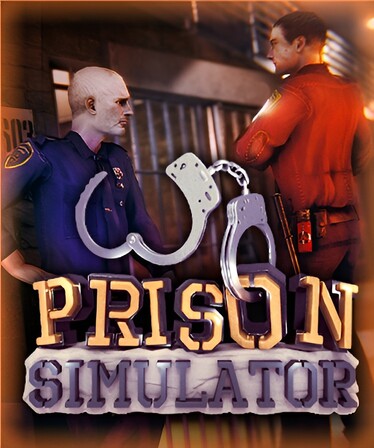
Prison Simulator
Get a taste of prison life! Become a prison guard and deal with dangerous convicts. Prison management, lots of daily activities. Will you become the best guard in history? Or maybe you'll turn into the worst scumbag this Prison has ever seen?

Car Dealership Simulator 2
Take charge of the car trade with Car Dealership Simulator 2! Buy, modify, and grow your dealership with strategic sales. Every opportunity will take you closer to the top of the automotive market!

Car Mechanic Simulator 2014
Now you can own and operate your own auto repair service with PlayWay’s Car Mechanic Simulator 2014. Car Mechanic Simulator 2014 gives you the behind the scenes view of the daily dealings at local garages and dealership repair shops.
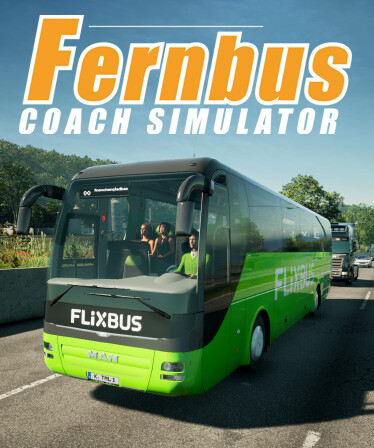
Fernbus Simulator
The world of coach drivers awaits you! Drive along motorways and country roads to the bus stations in over 40 cities in Germany. Thanks to the cooperation with FlixBus and true-to-the-original MAN buses, you will experience the game world in a realistic way.

TramSim Munich - The Tram Simulator
Discover with TramSim Munich a new city with numerous landmarks as well as the low-floor tram model R2.2.b! Transport your passengers on three detailed tram lines in full length through the centre of the Bavarian capital.

DrainSim
Dive into DrainSim and seize control of the floods! Clear the city's submerged streets, with a huge range of different tools from rakes to submersible pumps. Embrace the satisfaction of restoring the water flow. Become the city's hero, one drain at a time.
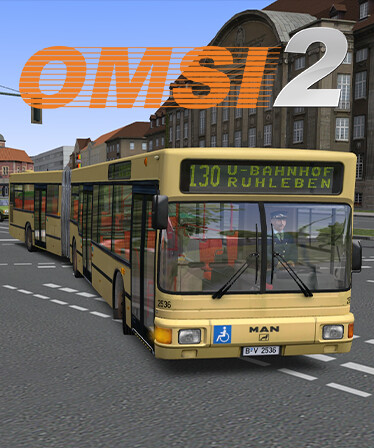
OMSI 2: Steam Edition
Off to the next round! Experience a new omnibus simulator with OMSI 2 and start discovering Spandau while driving the omnibus. OMSI 2 is the successor of the well-known and awarded omnibus simulator "OMSI - The Bus Simulator".

TramSim Vienna - The Tram Simulator
Experience with TramSim the most modern tram simulator, which impresses with photo-realistic graphics and as first location the Austrian capital Vienna in a virtual reality that has never been seen before.

Car Mechanic Simulator 2015
New cars, new tools, new options, more parts and much more fun in the next version of Car Mechanic Simulator! Take your wrench! Create and expand your auto repairs service empire. Car Mechanic Simulator 2015 will take you behind the scenes of daily routine in car workshop.
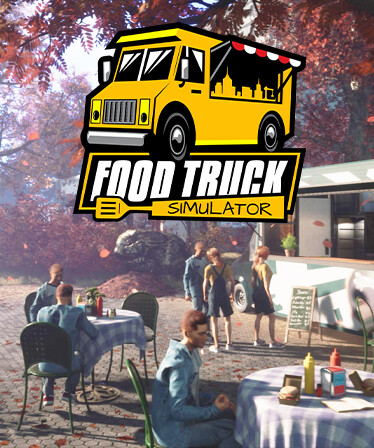
Food Truck Simulator
Renovate, equip and restore the shine of the food truck that belonged to your father. Create recipes, cook the food and serve customers across an entire city. Customize and upgrade your food truck to reach more customers and expand your menu.
Frequently Asked Questions
Parking Tycoon: Business Simulator is currently priced at 12.79€ on Steam.
No, Parking Tycoon: Business Simulator is currently not on sale. You can purchase it for 12.79€ on Steam.
Yes, Parking Tycoon: Business Simulator received 595 positive votes out of a total of 862 achieving a rating of 6.65.
😐
Parking Tycoon: Business Simulator was developed by Geekon and published by Midnight Games.
Yes, Parking Tycoon: Business Simulator is playable and fully supported on Windows.
No, Parking Tycoon: Business Simulator is not playable on MacOS.
No, Parking Tycoon: Business Simulator is not playable on Linux.
Yes, Parking Tycoon: Business Simulator is playable on Steam Deck, though it might require a few minor tweaks. Make sure to check the Steam store page and community feedback on ProtonDB for exact compatibility details.
Yes, Parking Tycoon: Business Simulator is playable on Steam Machine, though it might require a few minor tweaks. Make sure to check the Steam store page and community feedback on ProtonDB for exact compatibility details.
No, Parking Tycoon: Business Simulator does not support VR.
Parking Tycoon: Business Simulator is a single-player game.
Yes, there is a DLC available for Parking Tycoon: Business Simulator. Explore additional content available for Parking Tycoon: Business Simulator on Steam.
No, Parking Tycoon: Business Simulator does not support mods via Steam Workshop.
No, Parking Tycoon: Business Simulator does not support Steam Remote Play.
Yes, Parking Tycoon: Business Simulator is enabled for Steam Family Sharing. This means you can share the game with authorized users from your Steam Library, allowing them to play it on their own accounts. For more details on how the feature works, you can read the original Steam Family Sharing announcement or visit the Steam Family Sharing user guide and FAQ page.
You can find solutions or submit a support ticket by visiting the Steam Support page for Parking Tycoon: Business Simulator.
Data sources
The information presented on this page is sourced from reliable APIs to ensure accuracy and relevance. We utilize the Steam API to gather data on game details, including titles, descriptions, prices, and user reviews. This allows us to provide you with the most up-to-date information directly from the Steam platform.
Additionally, we incorporate data from the SteamSpy API, which offers insights into game sales and player statistics. This helps us present a comprehensive view of each game's popularity and performance within the gaming community.
Last Updates| Steam data | 18 September 2026 05:25 UTC |
|---|---|
| SteamSpy data | 17 October 2026 07:39 UTC |
| Steam price | 26 October 2026 19:20 UTC |
| Steam reviews | 18 October 2026 16:12 UTC |
If you'd like to dive deeper into the details about Parking Tycoon: Business Simulator, we invite you to check out a few dedicated websites that offer extensive information and insights. These platforms provide valuable data, analysis, and user-generated reports to enhance your understanding of the game and its performance.
- SteamDB - A comprehensive database of everything on Steam about Parking Tycoon: Business Simulator
- SteamCharts - Analysis of Parking Tycoon: Business Simulator concurrent players on Steam
- ProtonDB - Crowdsourced reports on Linux and Steam Deck Parking Tycoon: Business Simulator compatibility

Game modes
Features
Online players
6
Developer
Geekon
Publisher
Midnight Games
Release
03 Nov 2023
Platforms
Clicking and buying through these links helps us earn a commission to maintain our services.