
Just Hit The Button
Hit the button to win. The simplest game ever.
Sync your Steam wishlist to find the lowest game prices instantly. No login required, just paste your Steam profile URL!
⚡ Try Wishlist Radar!
Sync your Steam wishlist to find the lowest game prices instantly. No login required!
⚡ Try Wishlist Radar!
Close

Peace, Death! 2 on Steam
Quick menu
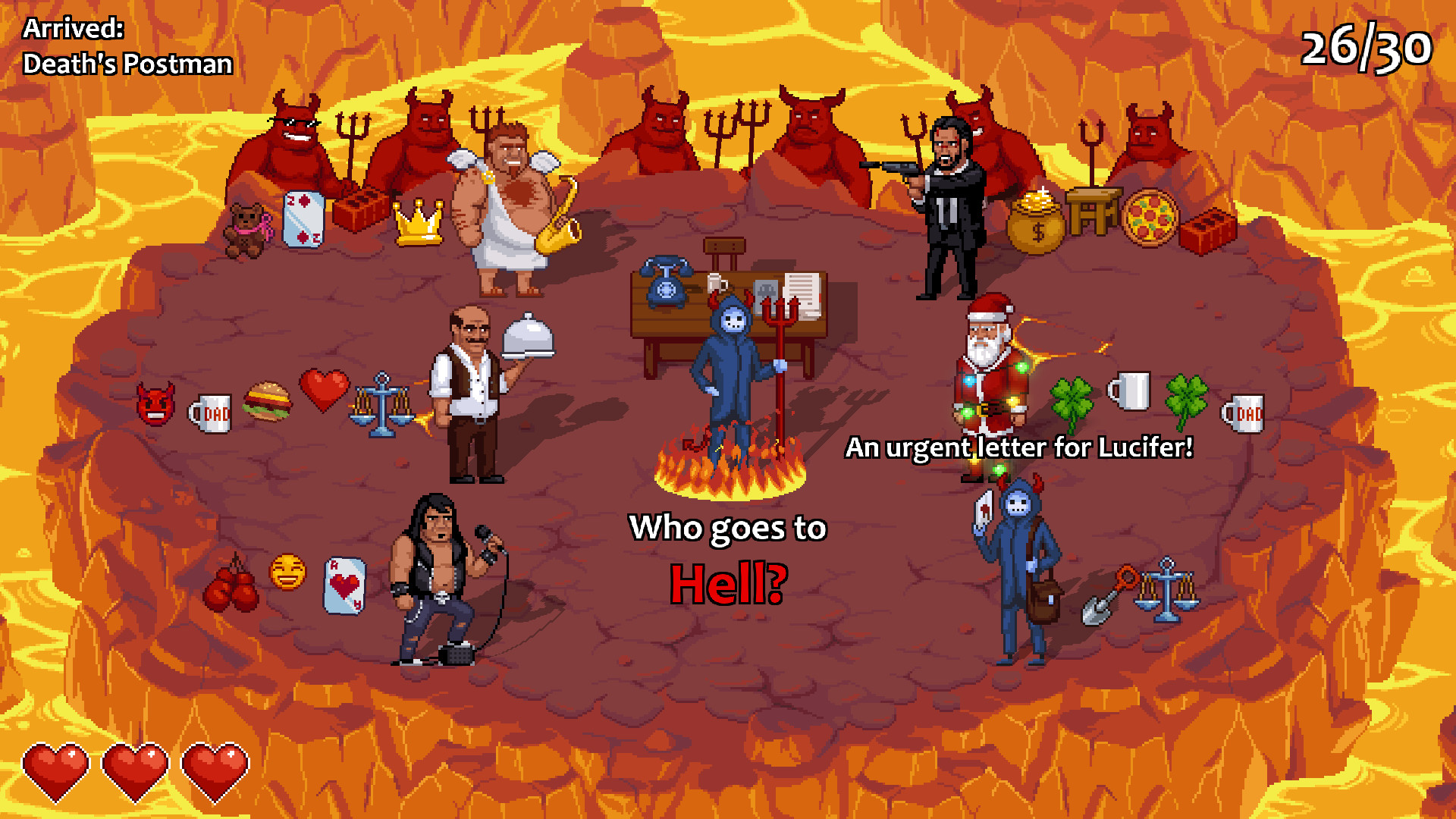
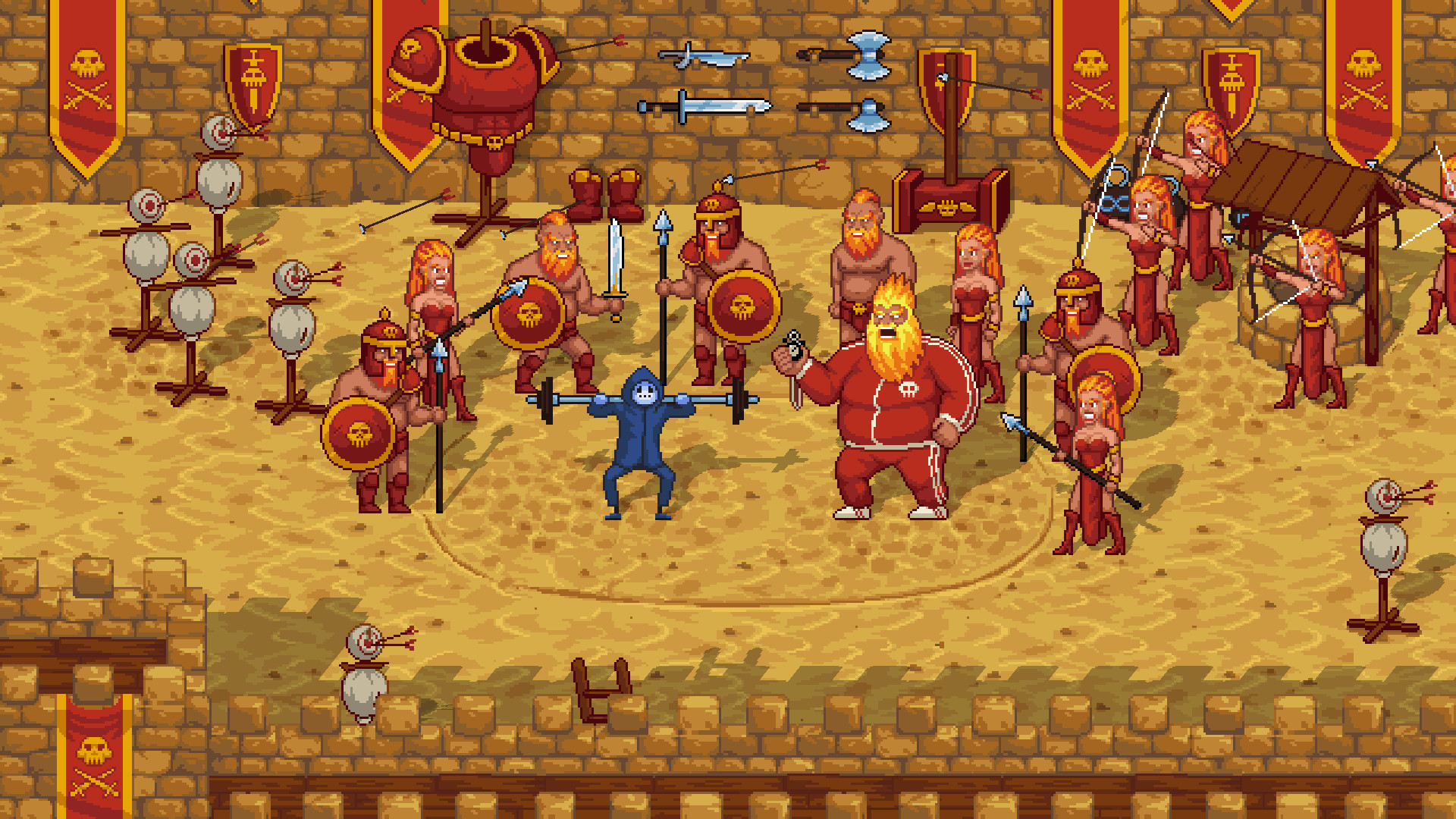
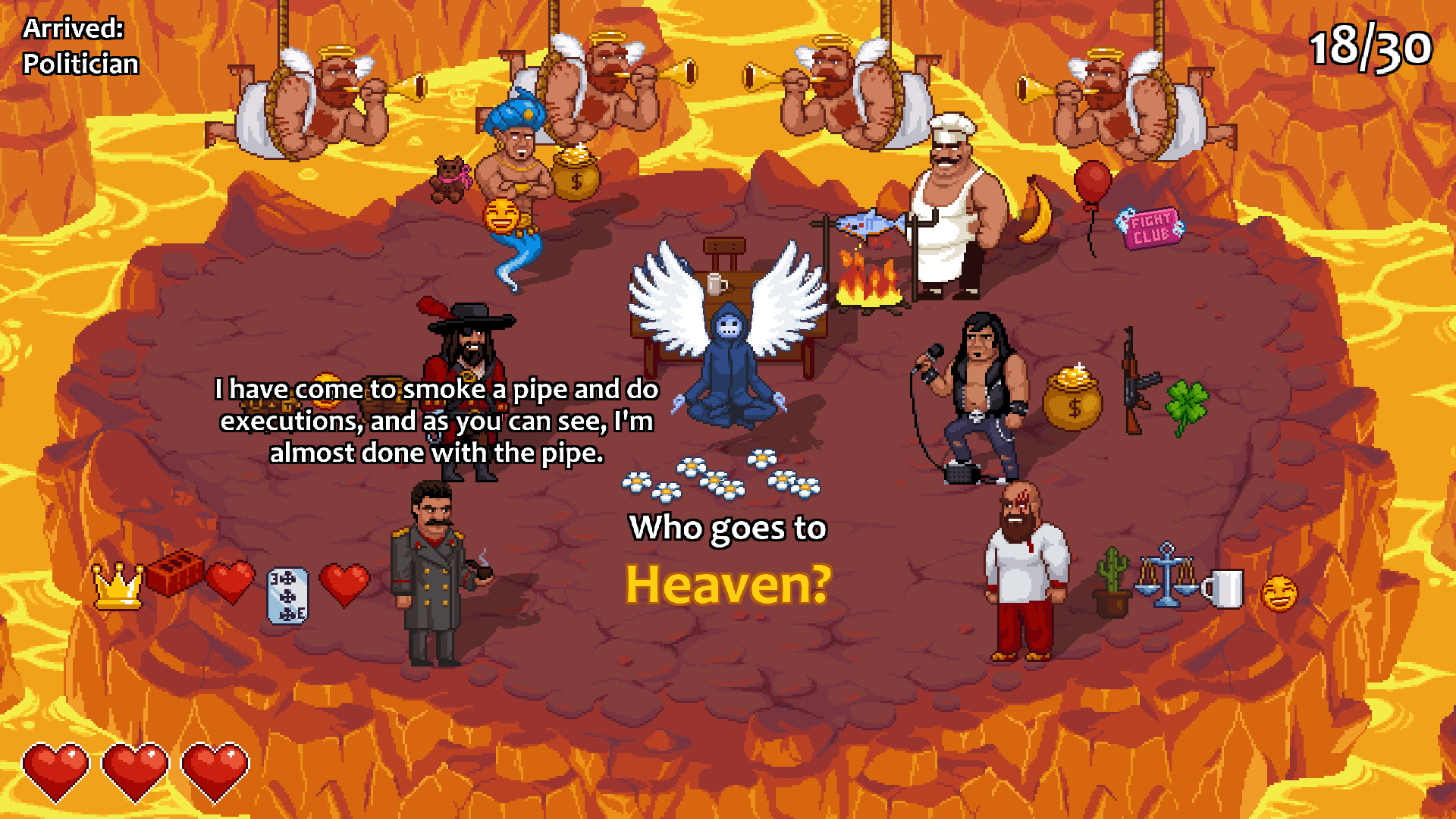
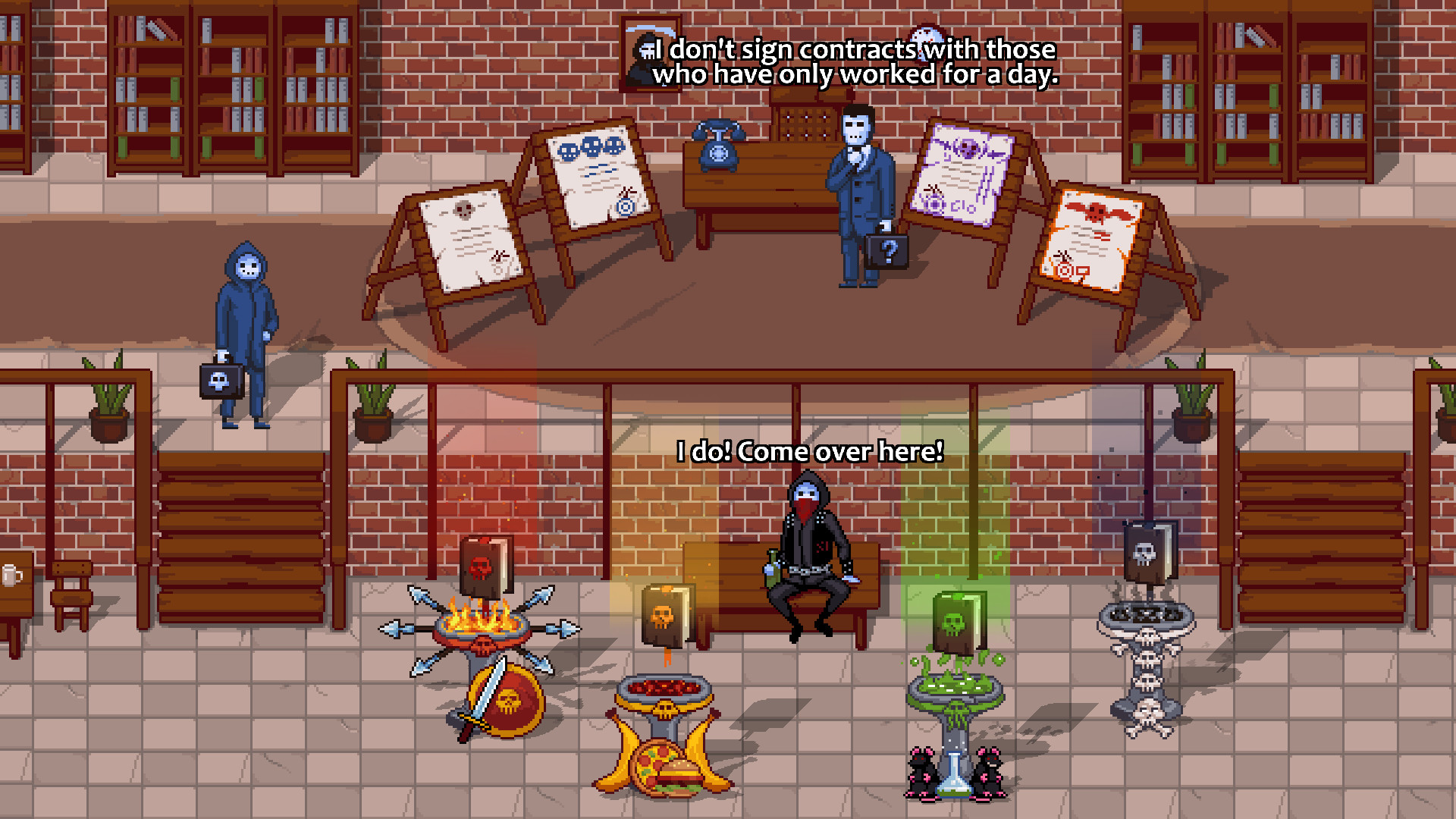
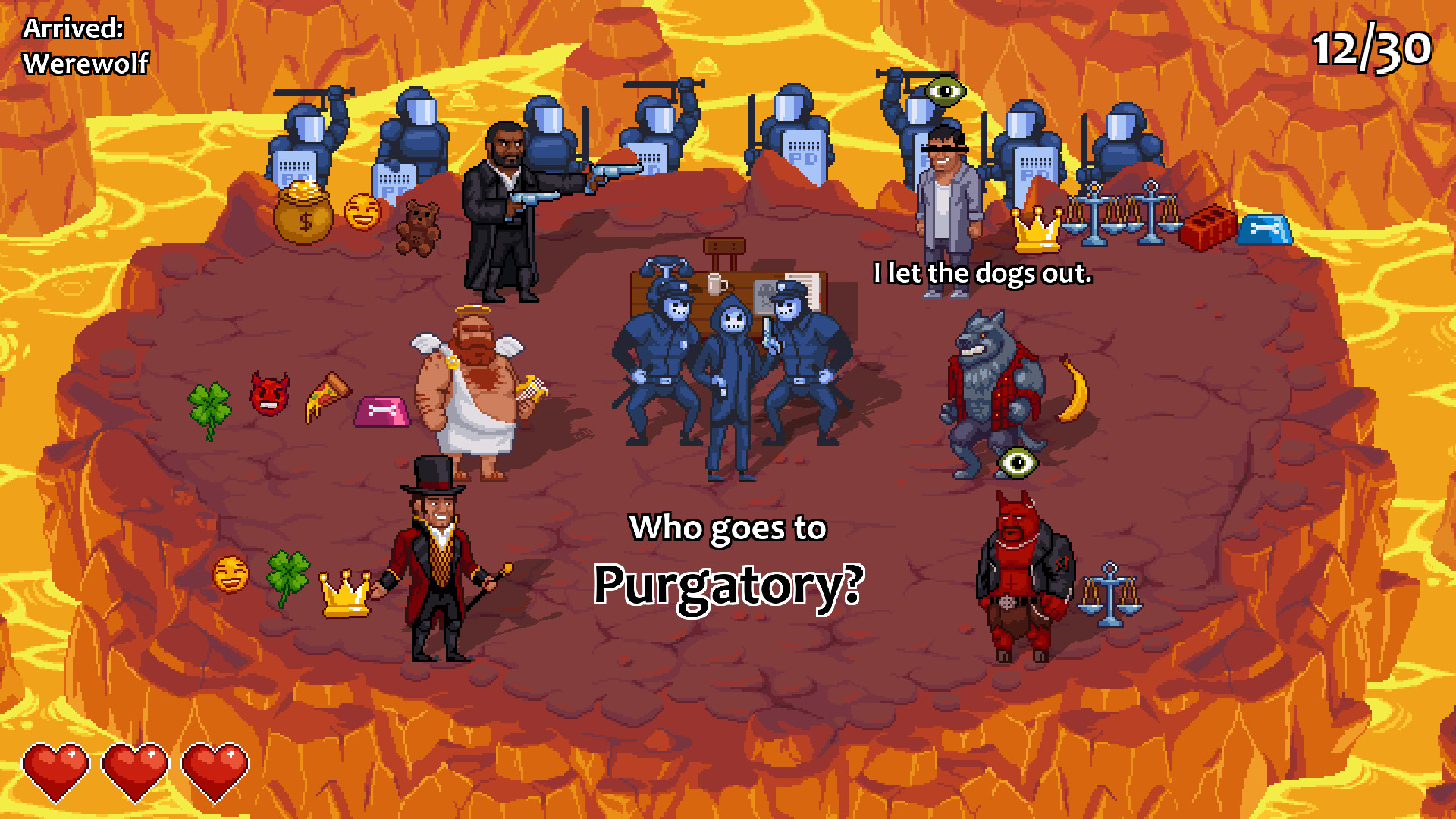
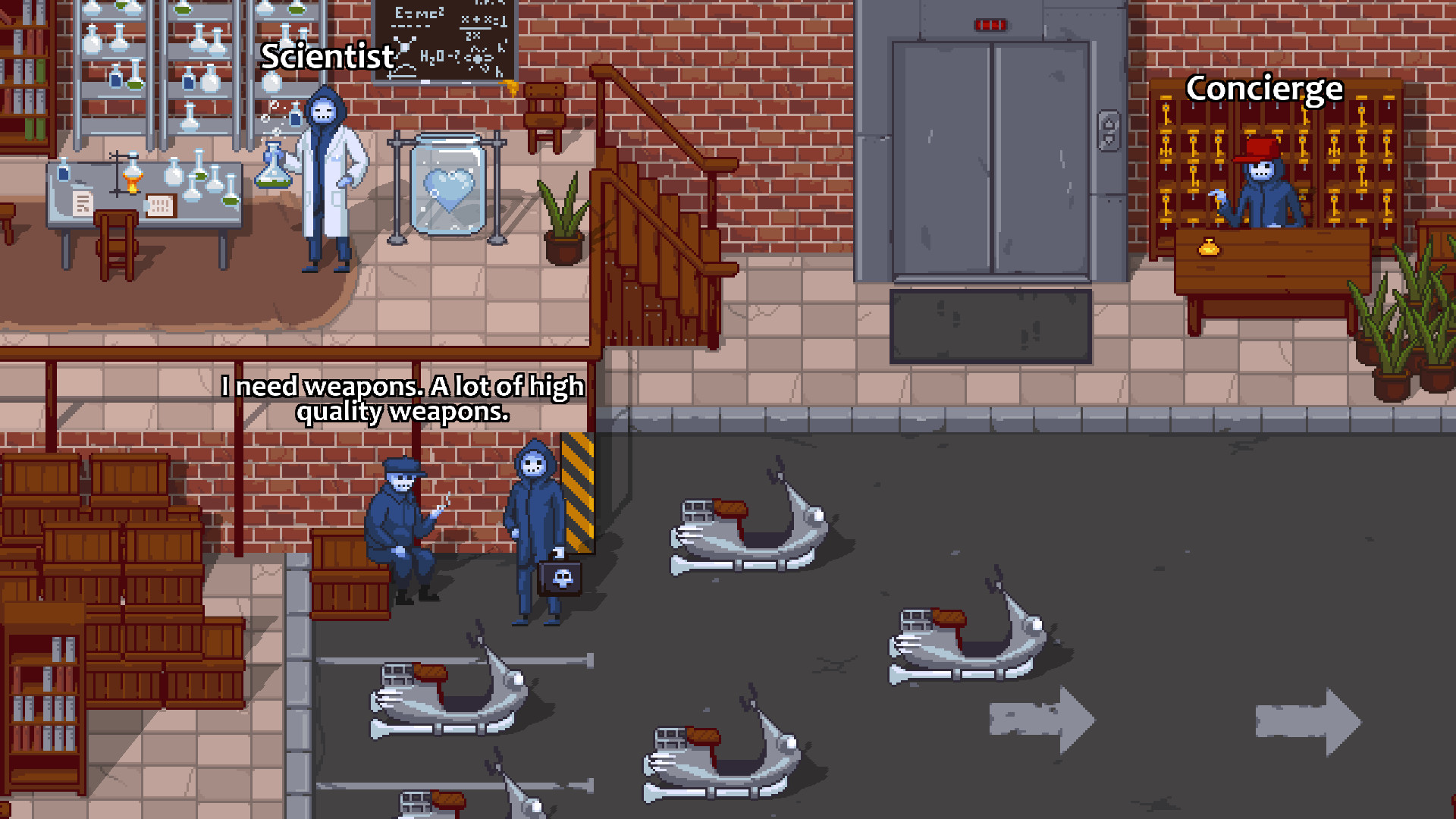
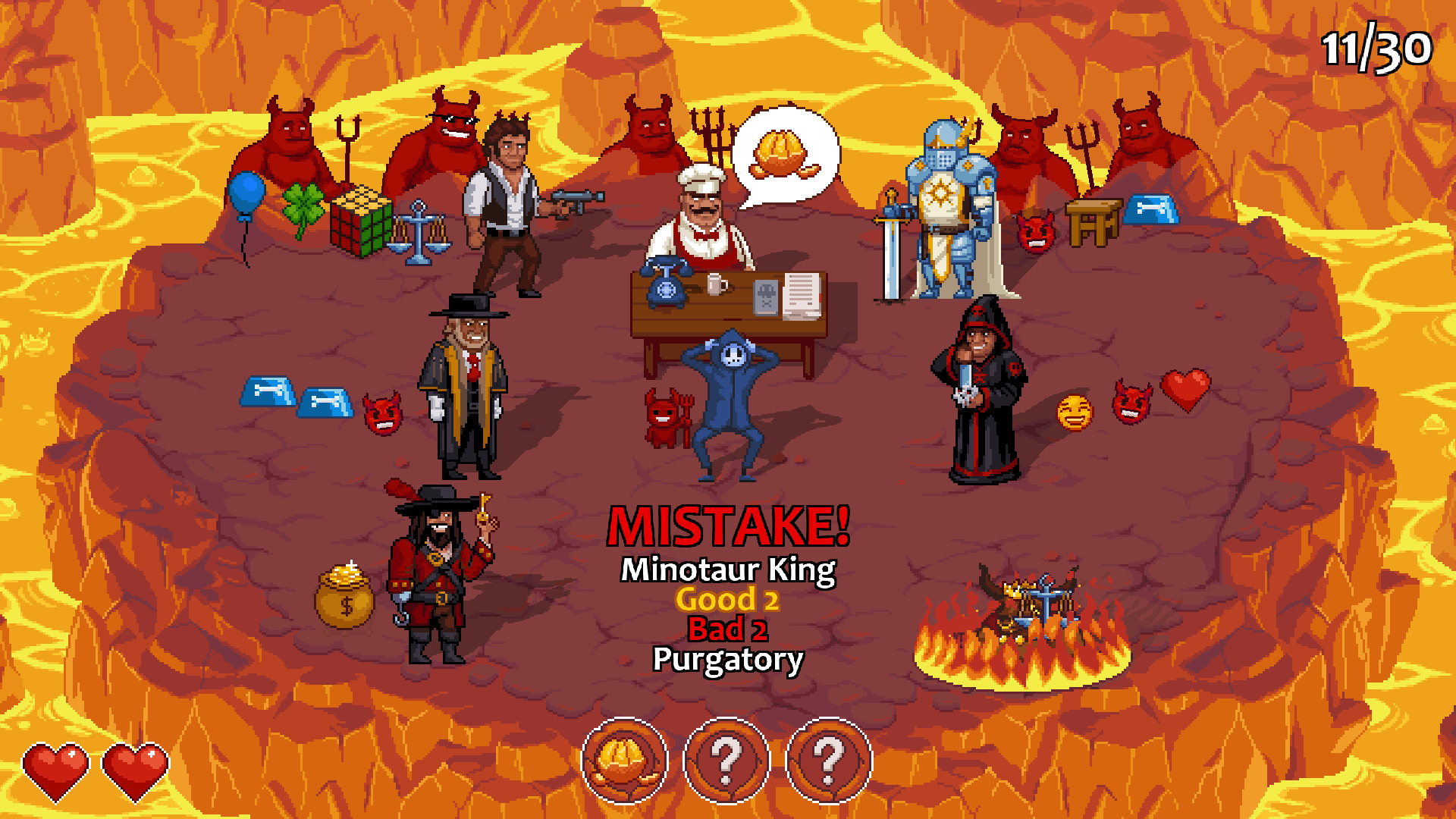
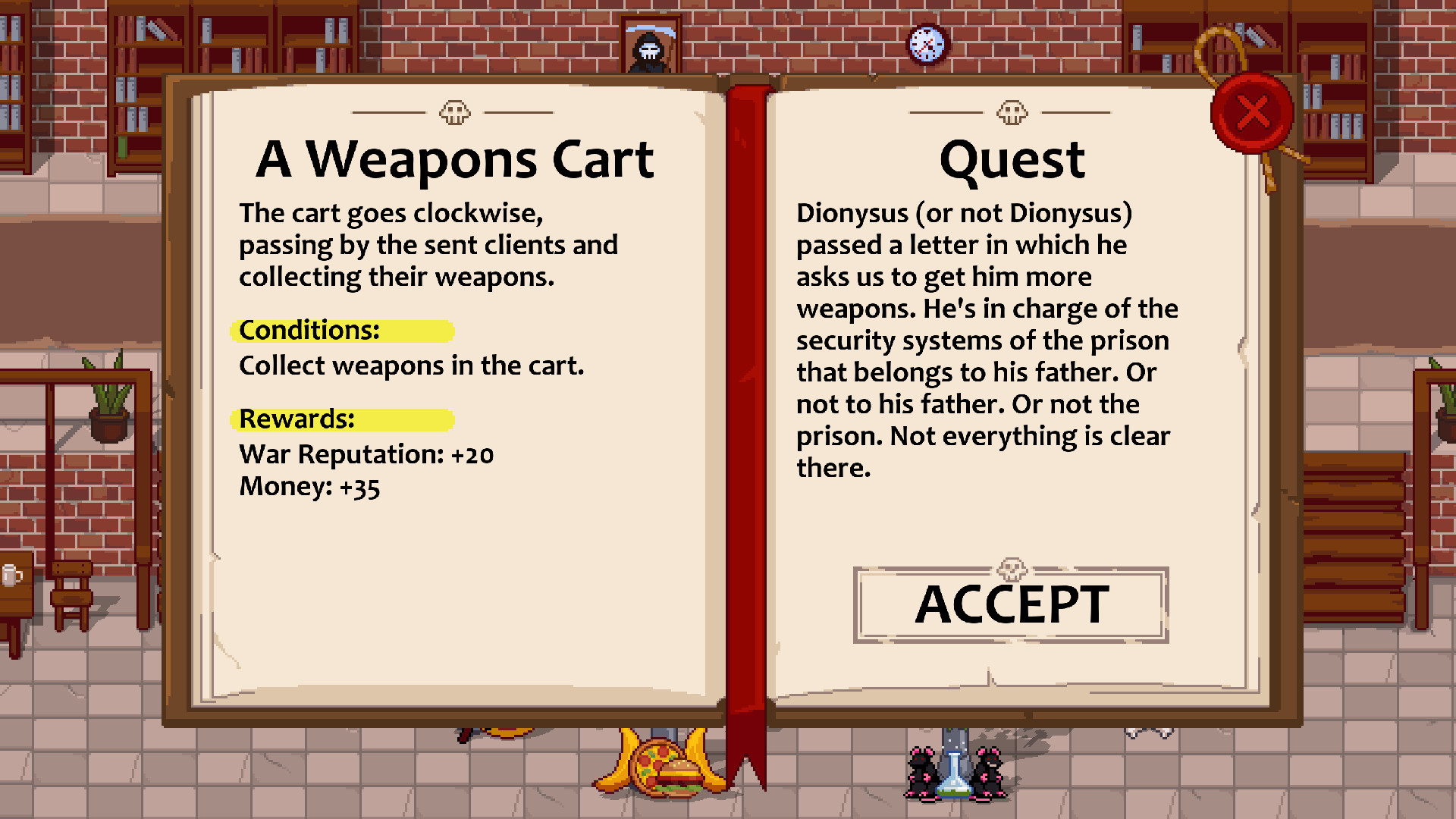
Peace, Death! 2 is a midcore turn-based logic game where you send clients to Hell, Heaven, or Purgatory and help members of the Reapers Union as they work towards their great cause!
Peace, Death! 2 is a casual, 2d and simulation game
developed and published by AZAMATIKA.
Released on October 07th 2021 is available on Windows, Steam Deck and Steam Machine.
It has received 840 reviews of which 799 were positive and 41 were negative resulting in a rating of 8.9 out of 10. 😎
The game is currently priced at 3.99€ on Steam.
The Steam community has classified Peace, Death! 2 into these genres:
Media & Screenshots
Get an in-depth look at Peace, Death! 2 through various videos and screenshots.
Load More
System requirements
These are the minimum specifications needed to play the game. For the best experience, we recommend that you verify them.
Windows
- OS *: Windows 7, 8.1, 10
- Processor: Intel Core2 Duo E4500 (2 * 2200) or equivalent, AMD Athlon 64 X2 Dual Core 3600+ (2 * 1910) or equivalent
- Memory: 2 GB RAM
- Graphics: GeForce 7300 GT (512 MB), Radeon X1300 Pro (256 MB)
- Storage: 100 MB available space
Steam Price & Best Deals
User reviews & Ratings
Explore reviews from Steam users sharing their experiences and what they love about the game.
A nice blend of challenging but not brainmelting decision making. First I feared making it turn based (most of the time) would deflate the concept too much, but the interaction between the ppl in the later stages would not be possible to work with otherwise and improved the experience quite a bit. There is a slither of luck that can hinder you from time to time, but most of the bad development in a day is due to unoptimized decision making!!! I see myself revisiting this gem every few months, after this.
Similar games
View all

Unfair Flips
A non-idle clicker game about flipping a coin that hates you. Starting with just a 20% chance of getting heads, can you get ten heads in a row?

SimuLadron
A satirical simulator where you wield the powers of the State to print money, spread empty promises, and create the most legendary inflation in Argentine history.

Peace, Death!
Peace, Death! is an arcade simulator with difficulties. In this game you play as the Reaper working for your boss, Death, and send clients to Heaven, Hell, or Purgatory.


Poop Clicker
Have you always wanted to be a king, but all the kingdoms are already taken? Try to be the Poop King in the Poop Clicker game! A magical unicorn, sweet corn and others will help you with this! Unlock special upgrades, but take your time, because haste makes waste!
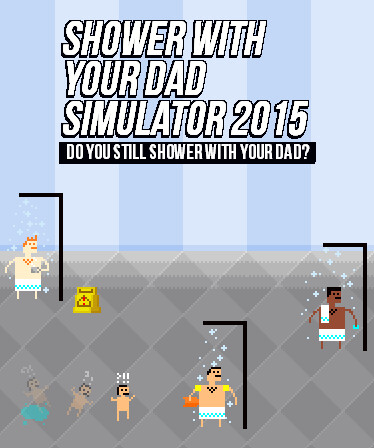
Shower With Your Dad Simulator 2015: Do You Still Shower With Your Dad
"Shower With Your Dad Simulator 2015: Do You Still Shower With Your Dad?" is a fast paced shower-simulation where you shower with your 8-bit dad.It's good, clean fun!

KUUKIYOMI: Consider It
The world, THIS IS JAPAN.

Legend of Merchant
Legend of Merchant is a mini-game about trading goods. You will play an ancient eastern merchant, make descisions and make money in limited time. Game has some randomness and you can always start all over again and try to achieve a higher score.


Fire: Ungh’s Quest
FIRE is an exploration-adventure with intuitive puzzle design. Without losing many words it tells a savagely hilarious story. Journey into the Stone Age and face the most challenging task of this era: The search for fire!

Frequently Asked Questions
Peace, Death! 2 is currently priced at 3.99€ on Steam.
No, Peace, Death! 2 is currently not on sale. You can purchase it for 3.99€ on Steam.
Yes, Peace, Death! 2 received 799 positive votes out of a total of 840 achieving a rating of 8.92.
😎
Peace, Death! 2 was developed and published by AZAMATIKA.
Yes, Peace, Death! 2 is playable and fully supported on Windows.
No, Peace, Death! 2 is not playable on MacOS.
No, Peace, Death! 2 is not playable on Linux.
Yes, Peace, Death! 2 is playable and fully supported on Steam Deck.
Yes, Peace, Death! 2 is playable and fully supported on Steam Machine.
No, Peace, Death! 2 does not support VR.
Peace, Death! 2 is a single-player game.
Yes, there is a DLC available for Peace, Death! 2. Explore additional content available for Peace, Death! 2 on Steam.
No, Peace, Death! 2 does not support mods via Steam Workshop.
No, Peace, Death! 2 does not support Steam Remote Play.
Yes, Peace, Death! 2 is enabled for Steam Family Sharing. This means you can share the game with authorized users from your Steam Library, allowing them to play it on their own accounts. For more details on how the feature works, you can read the original Steam Family Sharing announcement or visit the Steam Family Sharing user guide and FAQ page.
You can find solutions or submit a support ticket by visiting the Steam Support page for Peace, Death! 2.
Data sources
The information presented on this page is sourced from reliable APIs to ensure accuracy and relevance. We utilize the Steam API to gather data on game details, including titles, descriptions, prices, and user reviews. This allows us to provide you with the most up-to-date information directly from the Steam platform.
Additionally, we incorporate data from the SteamSpy API, which offers insights into game sales and player statistics. This helps us present a comprehensive view of each game's popularity and performance within the gaming community.
Last Updates| Steam data | 20 September 2026 04:32 UTC |
|---|---|
| SteamSpy data | 19 October 2026 03:17 UTC |
| Steam price | 27 October 2026 19:45 UTC |
| Steam reviews | 19 October 2026 21:45 UTC |
If you'd like to dive deeper into the details about Peace, Death! 2, we invite you to check out a few dedicated websites that offer extensive information and insights. These platforms provide valuable data, analysis, and user-generated reports to enhance your understanding of the game and its performance.
- SteamDB - A comprehensive database of everything on Steam about Peace, Death! 2
- SteamCharts - Analysis of Peace, Death! 2 concurrent players on Steam
- ProtonDB - Crowdsourced reports on Linux and Steam Deck Peace, Death! 2 compatibility

Game modes
Features
Online players
0
Developer
AZAMATIKA
Publisher
AZAMATIKA
Release
07 Oct 2021
Platforms