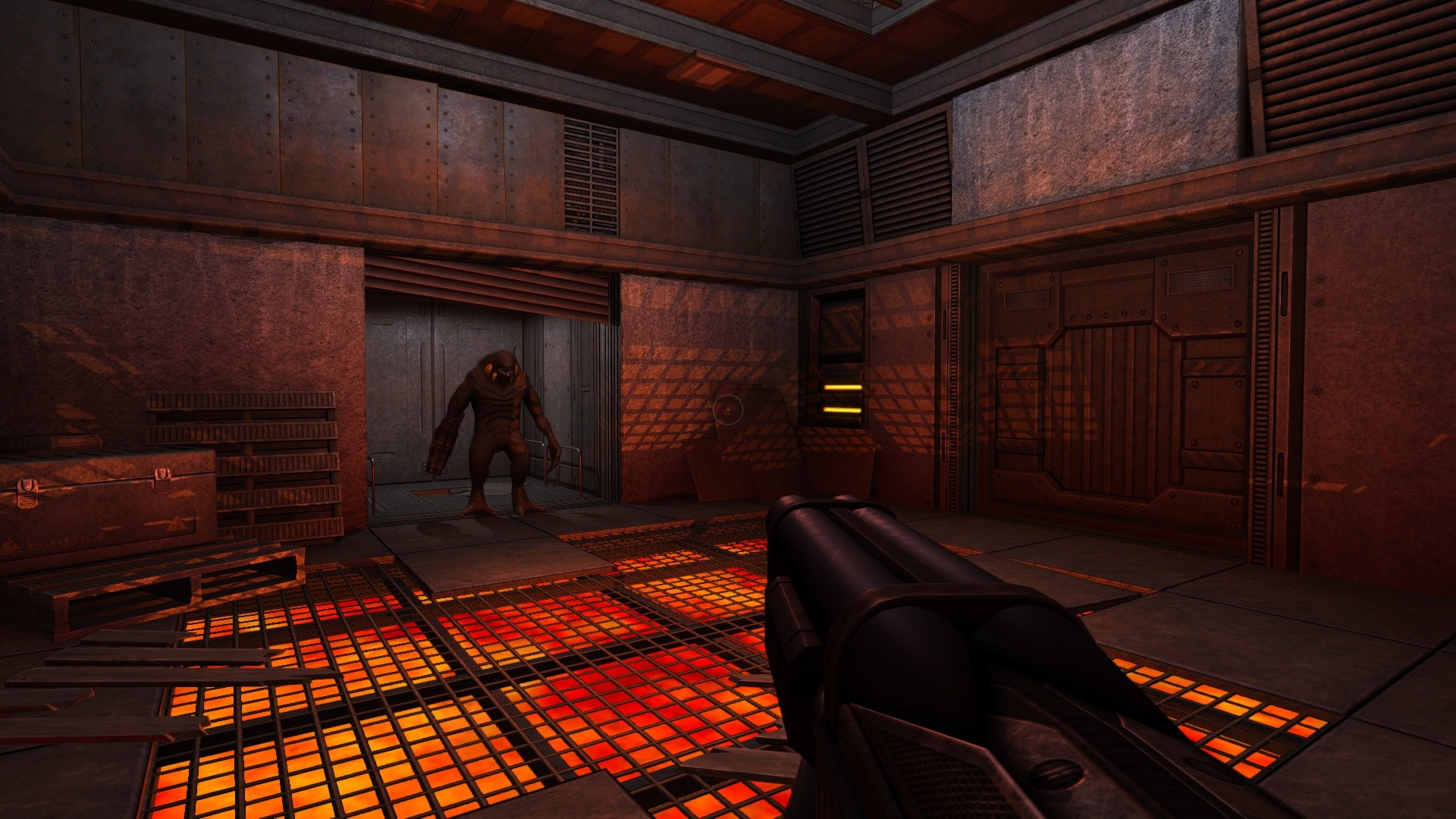
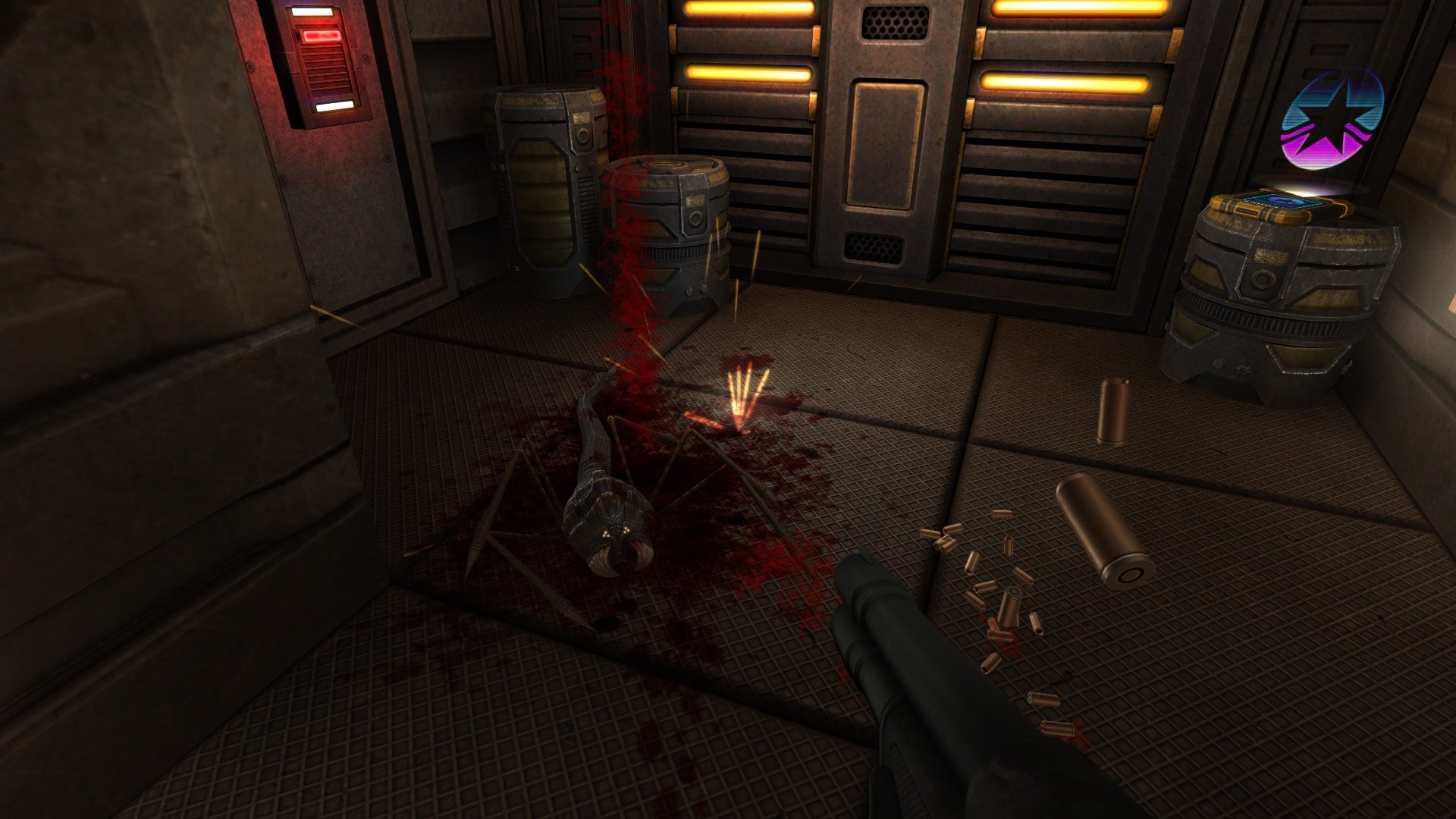
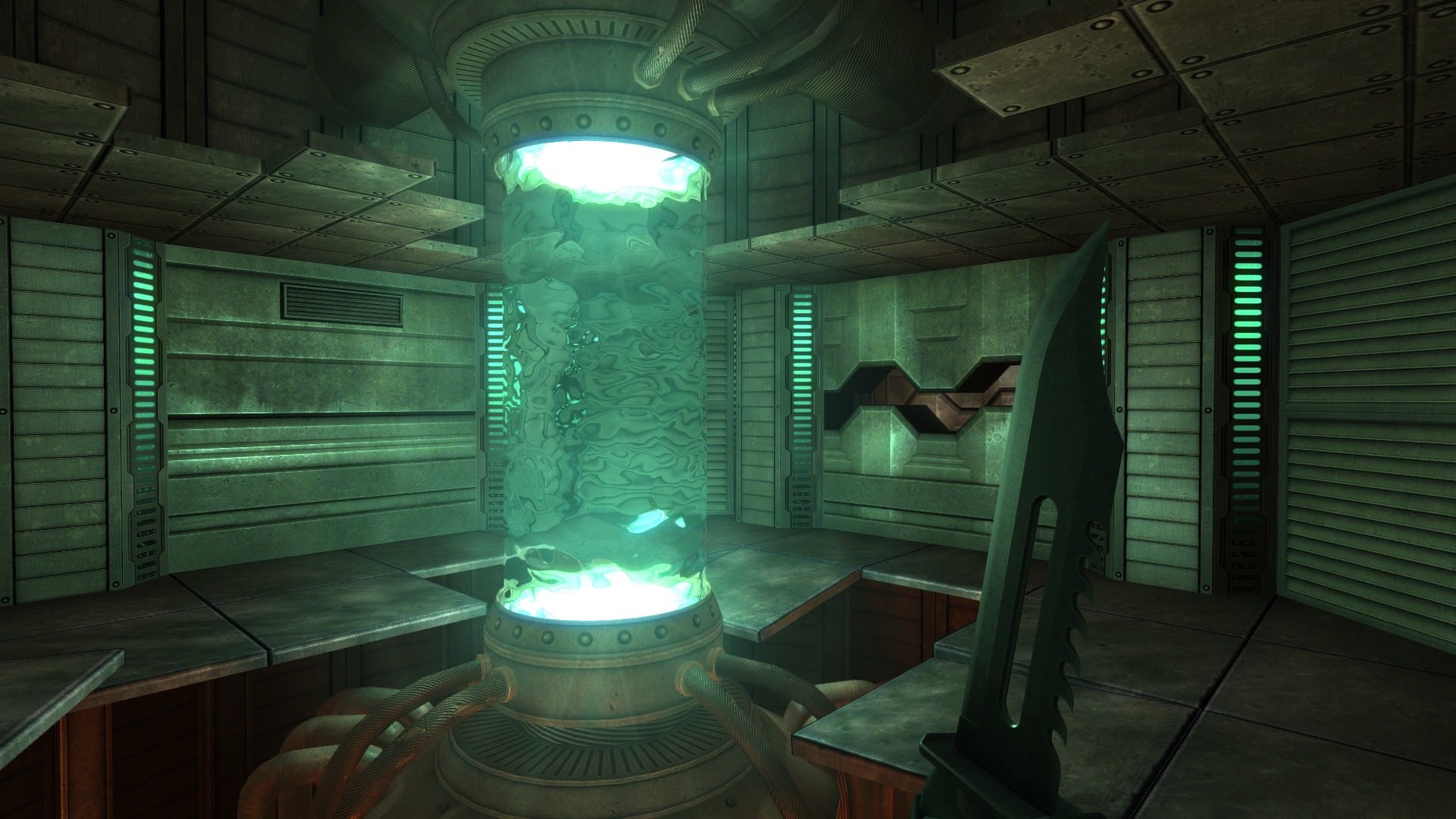
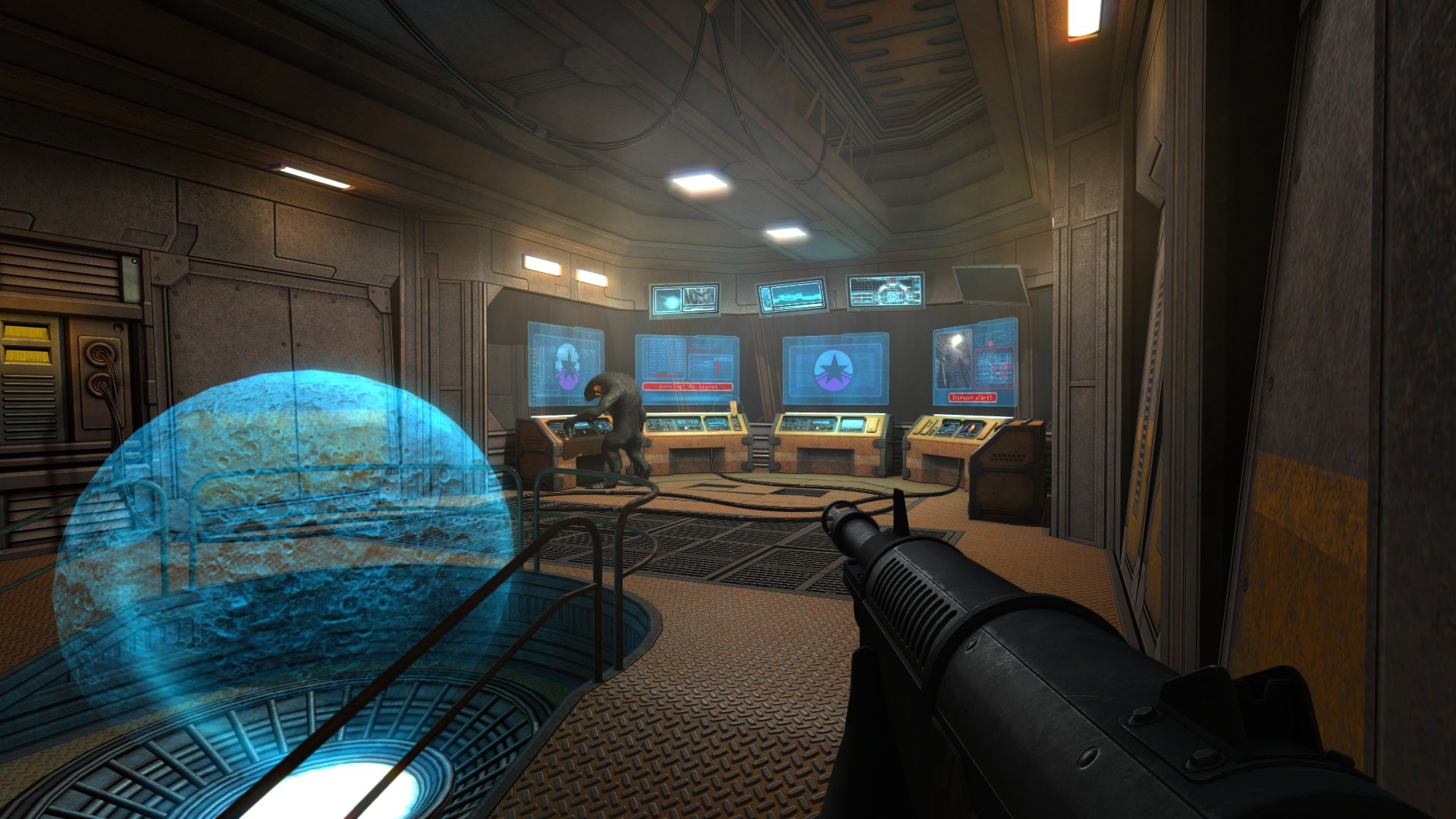
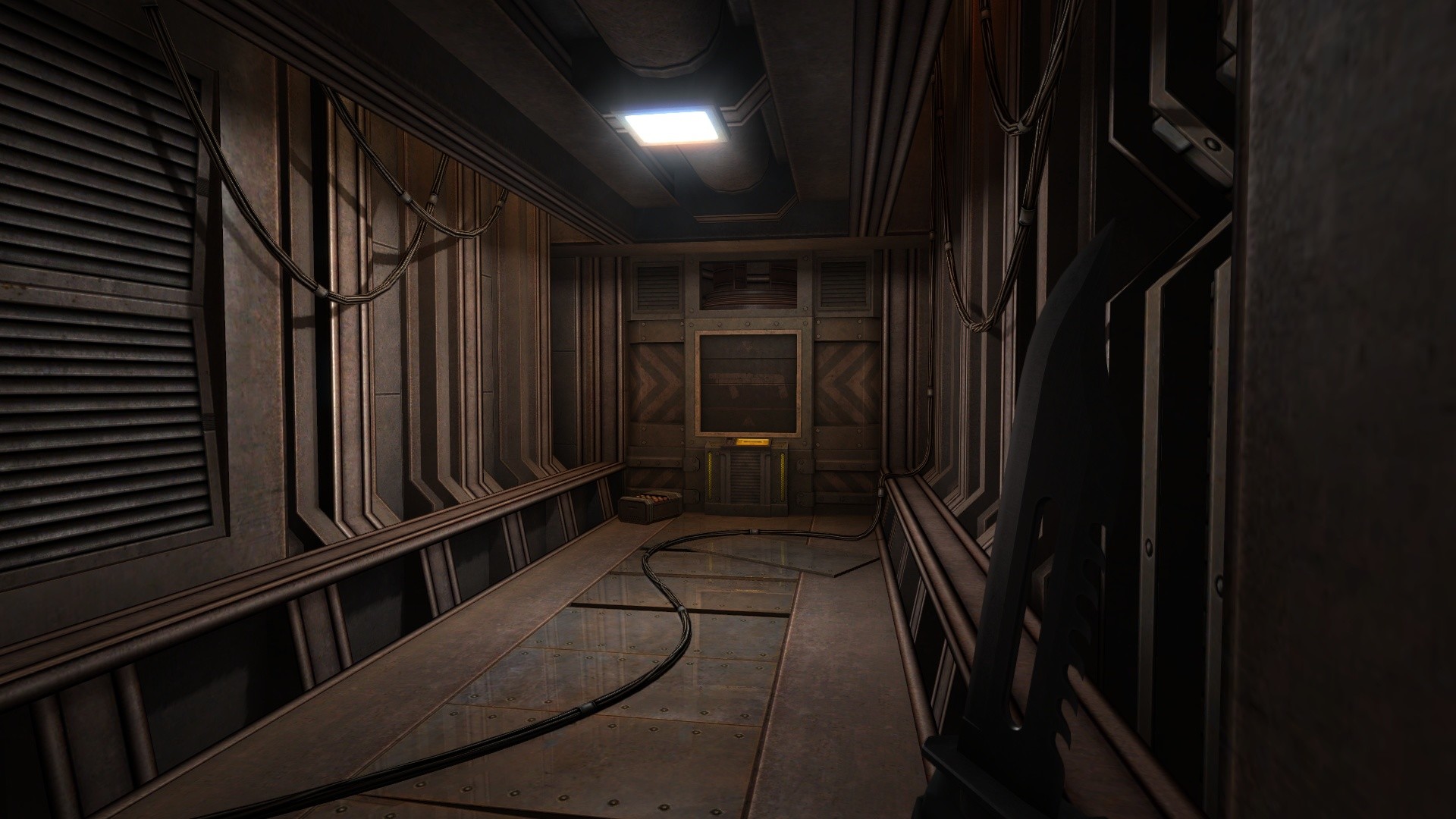
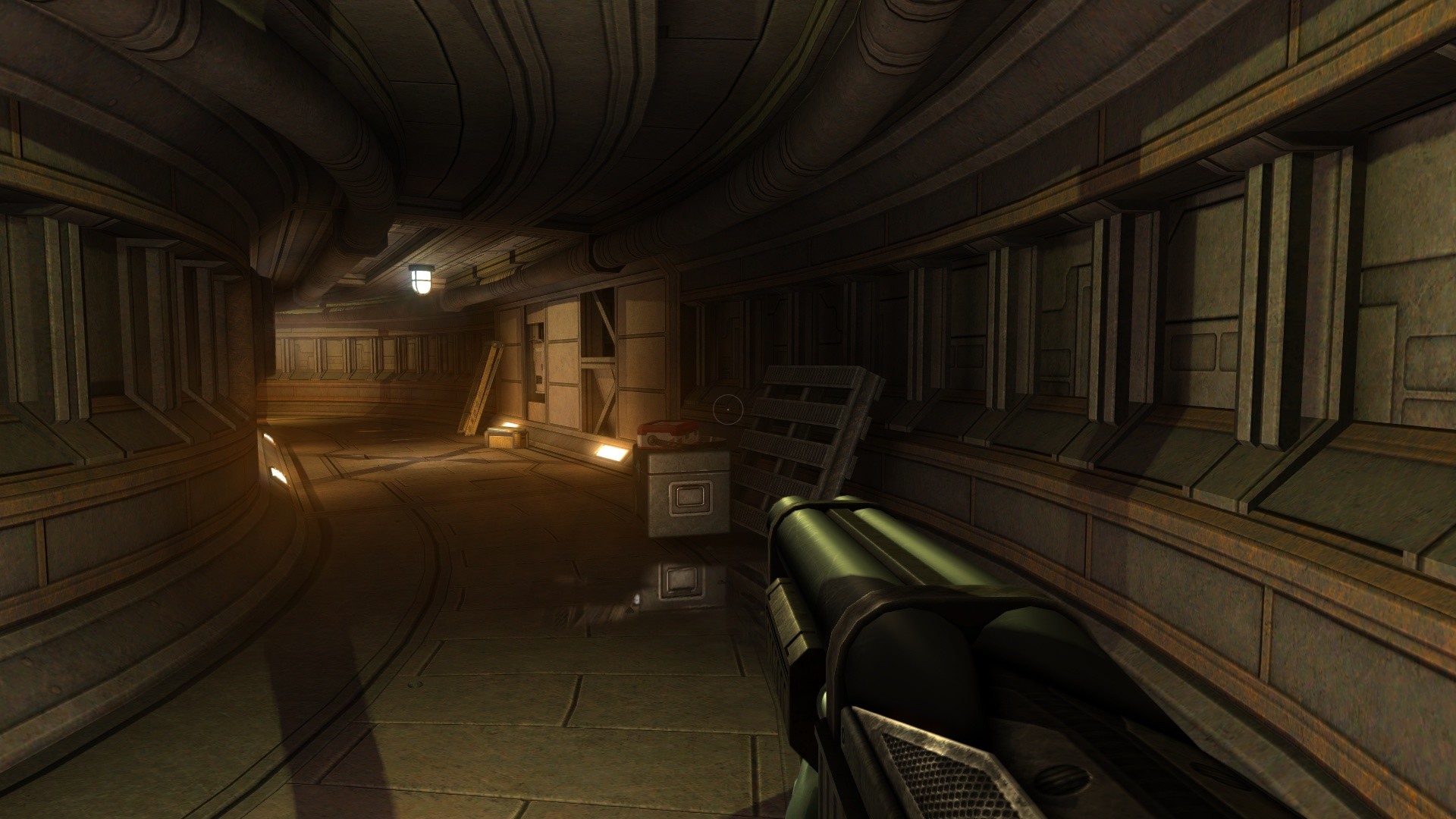
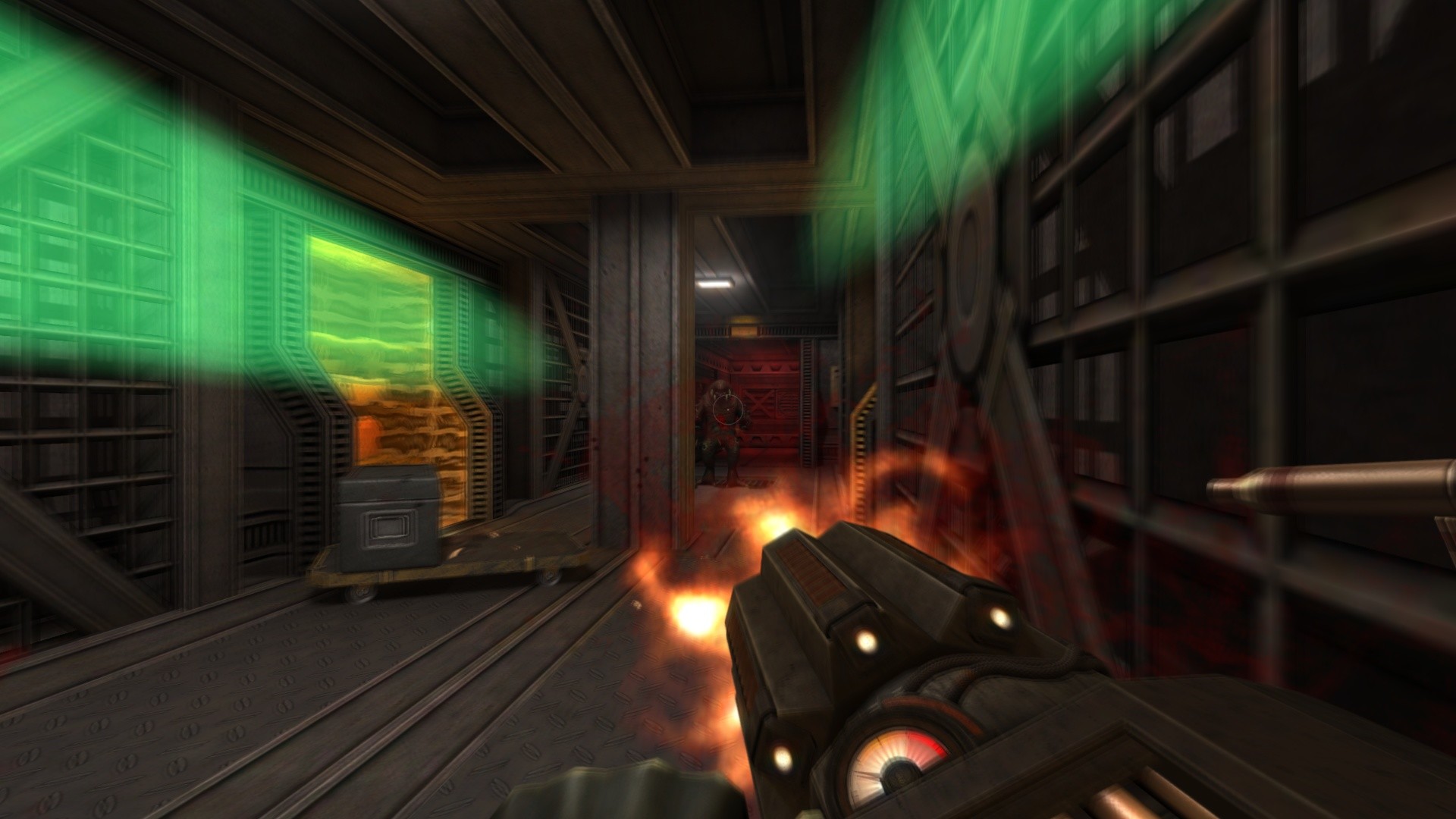
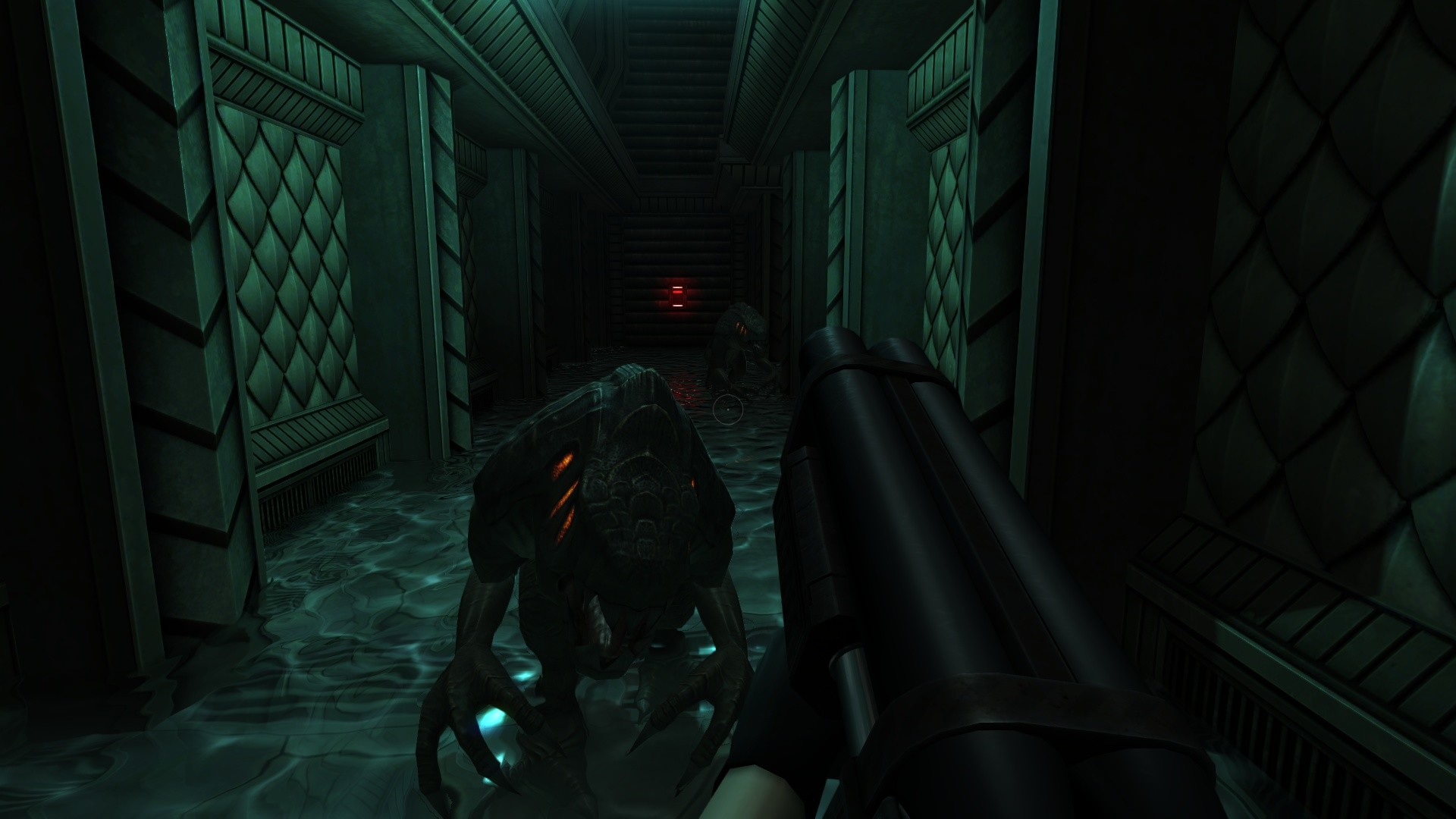
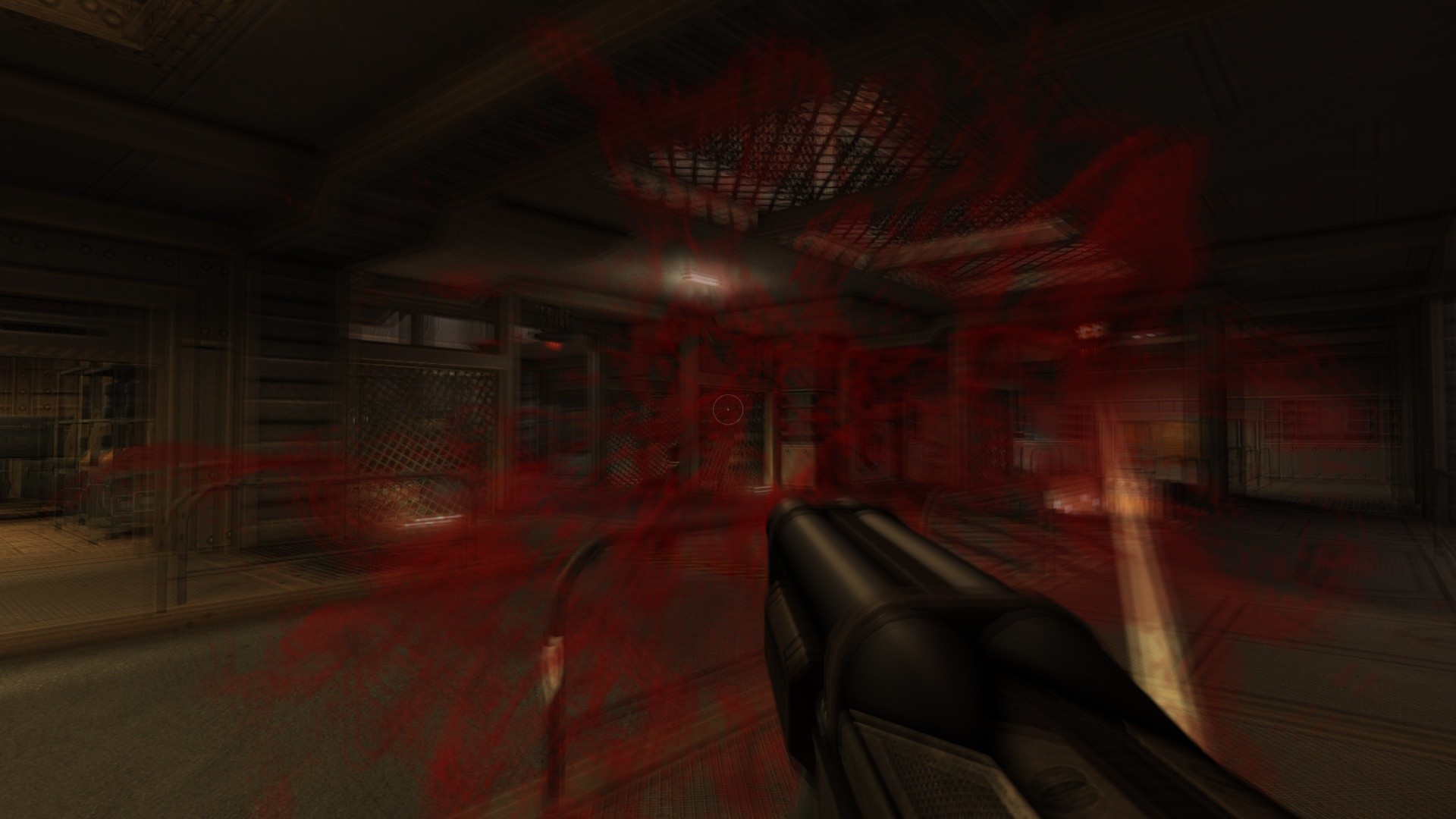
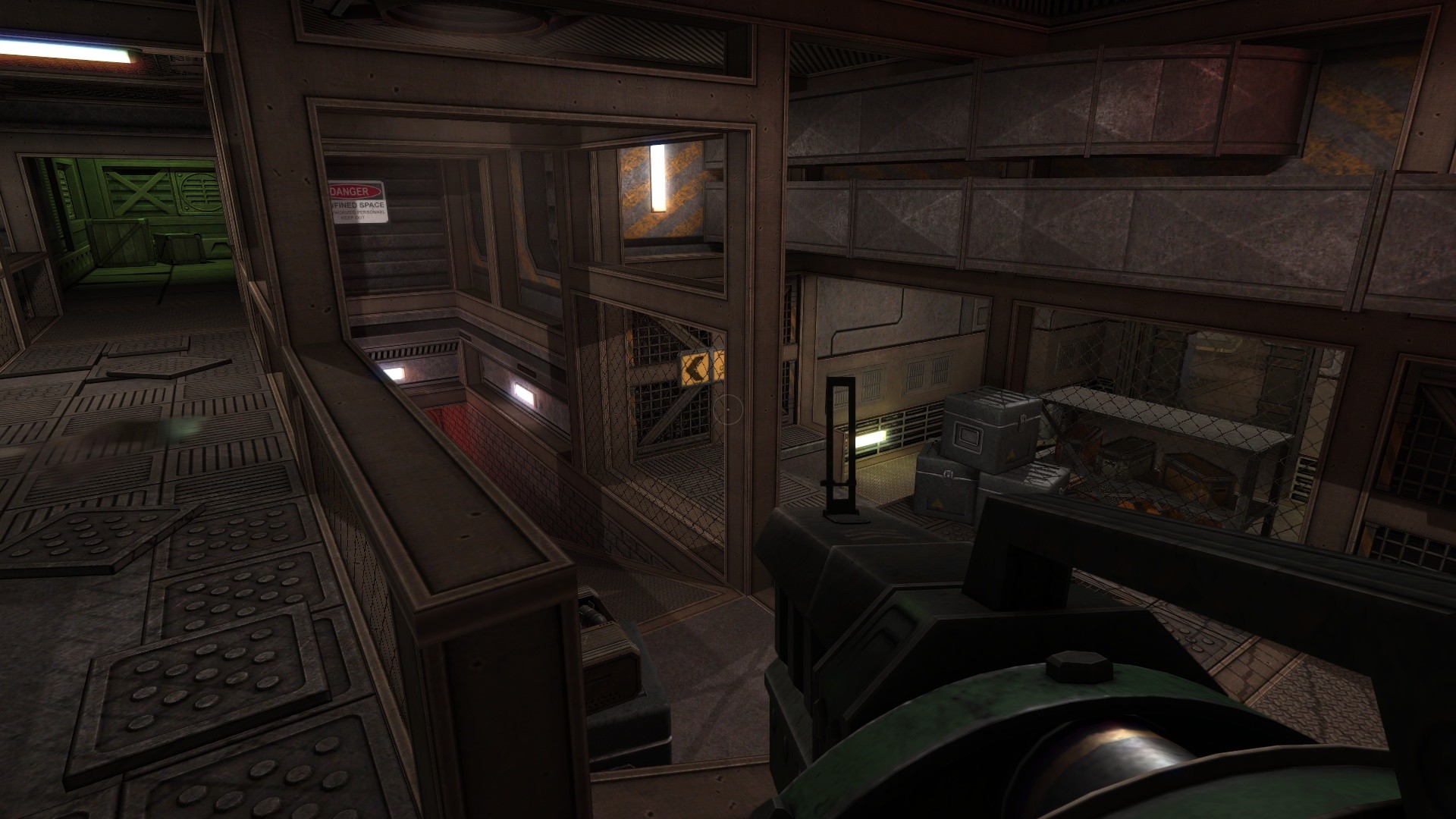
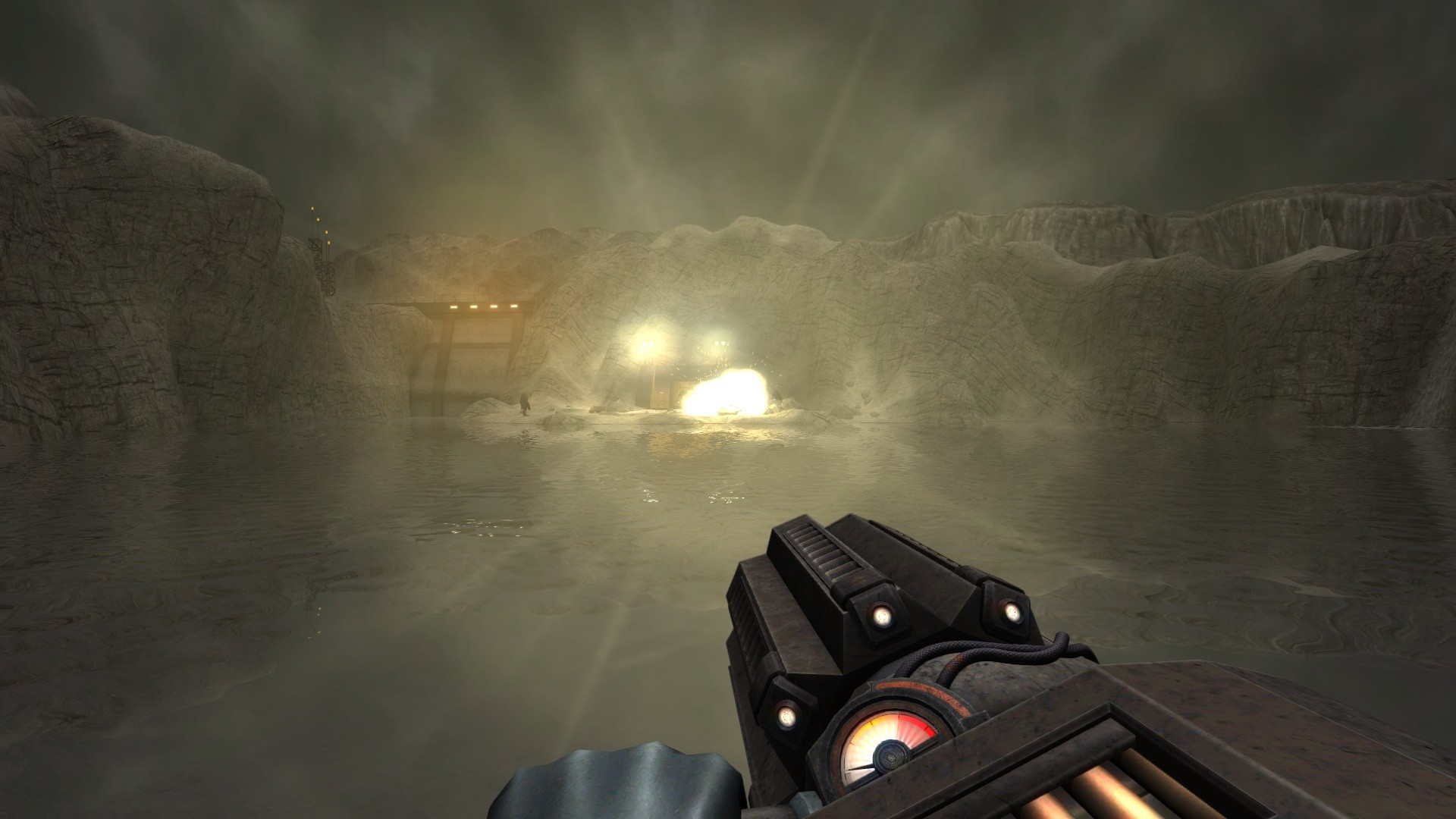
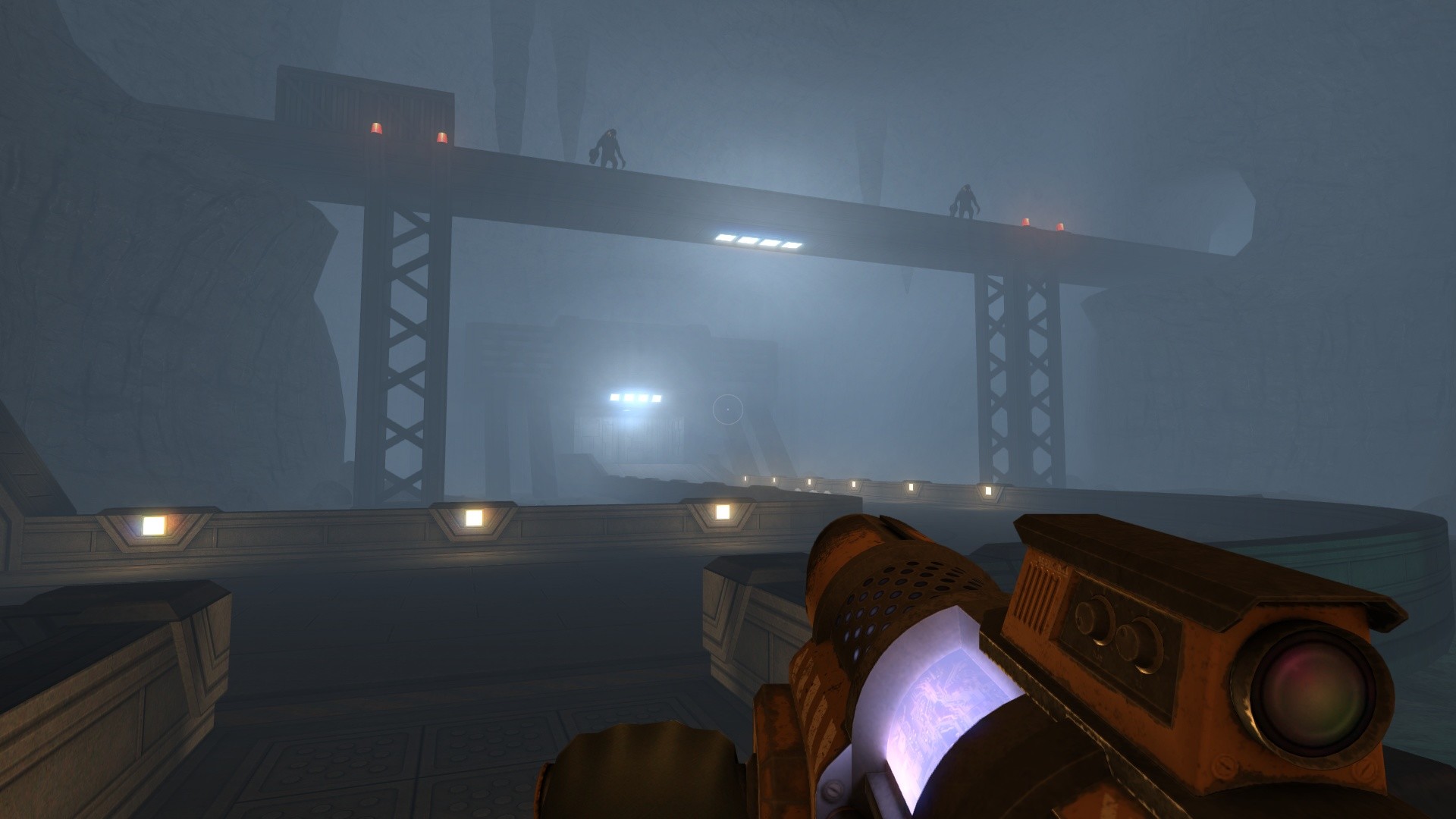
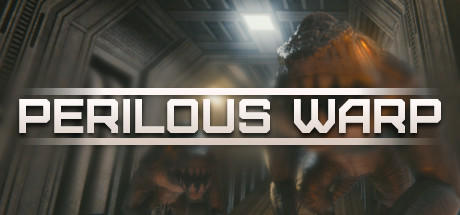
Perilous Warp, developed and published by Crystice Softworks, is a love letter to the classic era of 1990s first-person shooters—a time defined by labyrinthine levels, keycards, and relentless alien adversaries. From the moment the game begins, it’s clear that its DNA draws heavily from titles like Quake II, Unreal, and Half-Life, but it manages to craft its own identity rather than simply imitating them. The premise is appropriately straightforward: in the distant future, humanity has discovered a rare mineral called cryserite that enables teleportation technology. When communication with a remote colony goes dark, you’re sent through an emergency teleporter to investigate. This setup immediately recalls the old-school approach to storytelling—simple, functional, and meant to serve as a justification for shooting your way through an array of sci-fi environments teeming with hostiles. It’s not about deep lore or moral complexity; it’s about atmosphere and immersion through level design and pacing. The gameplay in Perilous Warp is built around exploration and deliberate combat rather than pure speed. Unlike the ultra-fast reflex shooters that have defined much of the retro revival trend, this game favors a slower, more tactical rhythm reminiscent of the late 1990s PC shooters that prioritized tension and awareness. Movement feels weighty, and positioning matters. The level design encourages you to approach every room with caution—monsters lurk in shadows, traps await in corridors, and resources must be managed carefully. Combat is satisfying in its simplicity; weapons have strong feedback, with each one serving a specific purpose rather than overlapping roles. The arsenal includes familiar staples like shotguns, assault rifles, and energy weapons, all of which feature secondary fire modes that add tactical nuance. You’ll need to think about when to use each weapon since ammunition is finite and enemies can punish reckless aggression. The pacing strikes a balance between exploration and action, evoking the sensation of venturing into dangerous alien ruins where silence can be as nerve-wracking as the firefights themselves. Each level in Perilous Warp feels handcrafted, full of secrets, locked doors, and environmental puzzles that encourage exploration. These puzzles are simple—usually involving switches, access cards, or hidden pathways—but they create a rhythm that breaks up the gunplay and rewards players who pay attention to their surroundings. The design also evokes a genuine sense of spatial continuity; areas loop back on themselves in ways that feel natural and purposeful, creating a sense of place rather than a series of disconnected arenas. This attention to structure is one of the game’s most commendable qualities. It harkens back to a time when level design was about guiding players through mystery and discovery rather than funneling them down a linear corridor. The inclusion of collectible data cubes and hidden secrets adds further incentive to comb every corner, offering tangible rewards and an old-school sense of accomplishment when a secret door slides open to reveal extra ammo or a powerful weapon. Visually, the game captures the essence of late-’90s sci-fi shooters but enhances it with modern rendering and effects. It retains the angular geometry and metallic corridors characteristic of the genre’s origins but enriches them with dynamic lighting, particle effects, and detailed textures. The lighting system deserves particular praise—flashing alarms, flickering lights, and illuminated corridors give the environments a moody industrial feel. It may not be visually extravagant, but the atmosphere it creates is dense and immersive. The game’s aesthetic leans heavily on greys and metallic hues, which can occasionally feel monotonous, yet the overall cohesion of its design makes sense within the sci-fi setting. The sound design complements this visual tone perfectly. Weapons have satisfying punch, enemies emit guttural growls, and ambient hums and mechanical echoes keep the tension alive even in quieter moments. The soundtrack channels electronic and industrial influences, further grounding the experience in its retro roots. One of Perilous Warp’s strongest traits is its commitment to authenticity. The developers clearly understand what made early shooters compelling: the thrill of discovery, the joy of mastering spaces, and the sense of vulnerability that comes from being outnumbered but resourceful. The game doesn’t rely on modern conveniences like regenerating health or extensive tutorials; instead, it expects you to learn by doing, to find health packs when you’re on your last breath, and to rely on memory when navigating. This makes every victory feel earned. Even so, it’s not a punishing experience—it’s fair, consistent, and grounded in logic. Every time you die, it feels like a lesson rather than a setback, echoing the trial-and-error satisfaction of classic level-based shooters. Despite its accomplishments, Perilous Warp is not without flaws. Its length is relatively short, with most players finishing the campaign within a few hours, and the variety of enemies could be broader. Some of the later stages recycle visual motifs, and while the combat remains solid, the repetition of certain ambush patterns can dull the sense of surprise. The movement can also feel slightly floaty at times, which may not appeal to players who prefer the snappy responsiveness of more modern shooters. Furthermore, while the story provides just enough context to justify your mission, it rarely develops beyond its initial premise, leaving the narrative thread thin and easily forgotten. Still, these issues are less about failure and more about scope—the game aims to recreate the feel of classic shooters rather than expand upon them, and within that limitation, it performs admirably. Ultimately, Perilous Warp succeeds because it understands exactly what it wants to be. It’s a compact, atmospheric shooter that channels the aesthetics and pacing of an earlier era while smoothing some of the rougher edges with modern sensibilities. It delivers the essence of exploration-driven combat in a concise, focused package, offering a nostalgic yet polished experience for fans of the genre. It doesn’t need sprawling campaigns or cinematic storytelling to be engaging; its charm lies in its restraint, in its confidence to let atmosphere, design, and gameplay carry the weight. For players yearning for the deliberate pacing and handcrafted design of the late ’90s shooter era, Perilous Warp is a hidden gem—short but memorable, modest yet authentic, and crafted with clear reverence for the golden age of the FPS. Rating: 7/10
Expand the review