Cossacks: European Wars
This game is devoted to the key events of the XVII–XVIII centuries.
Sync your Steam wishlist to find the lowest game prices instantly. No login required, just paste your Steam profile URL!
⚡ Try Wishlist Radar!
Sync your Steam wishlist to find the lowest game prices instantly. No login required!
⚡ Try Wishlist Radar!
Close

Praetorians on Steam
Quick menu
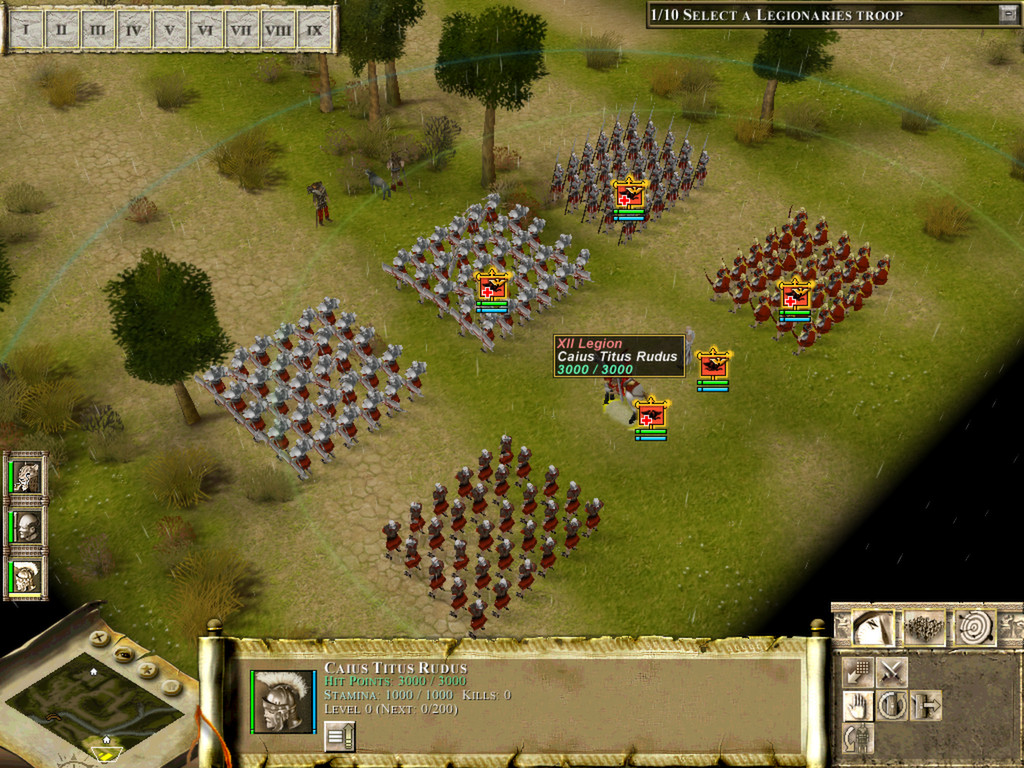
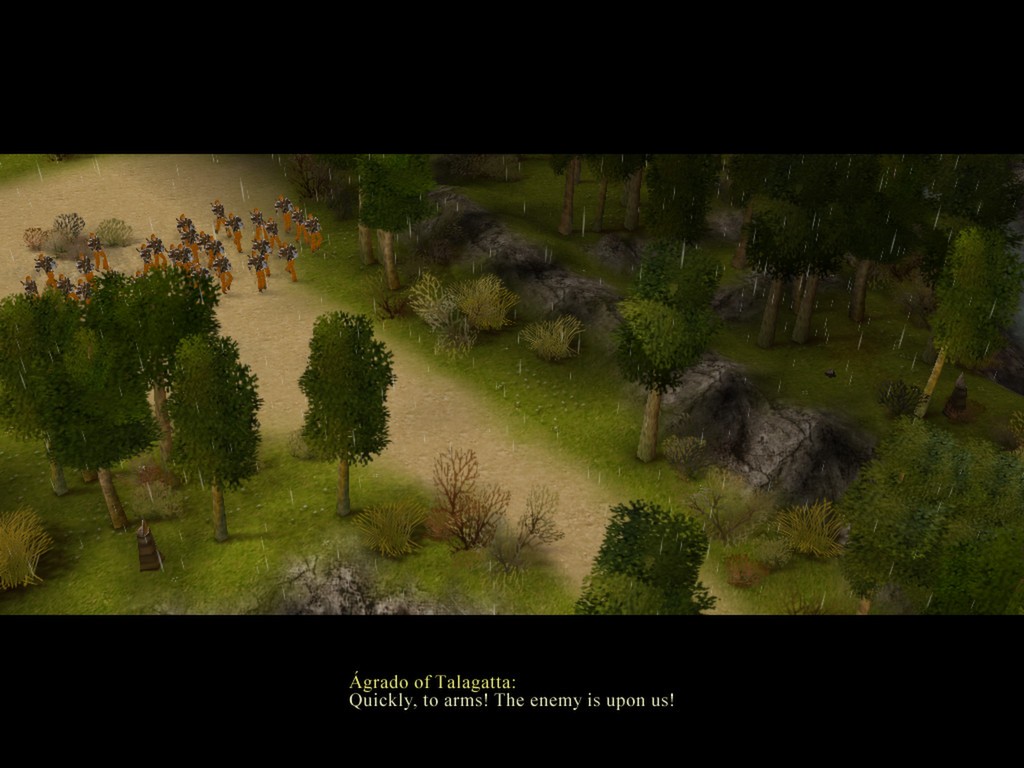
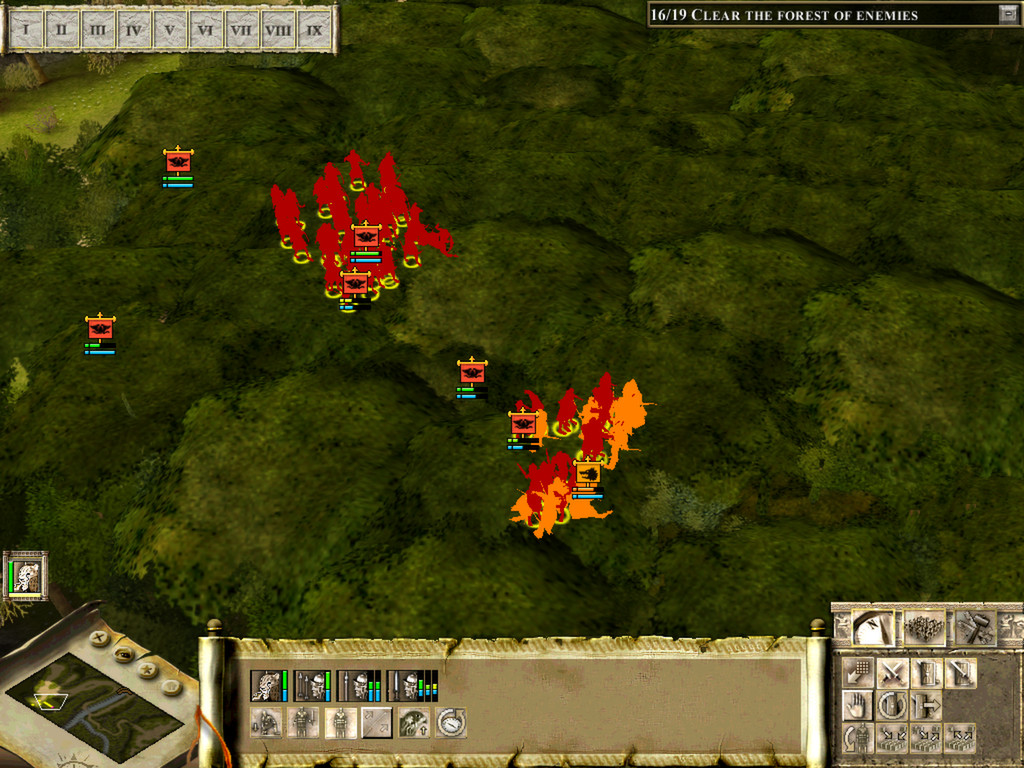
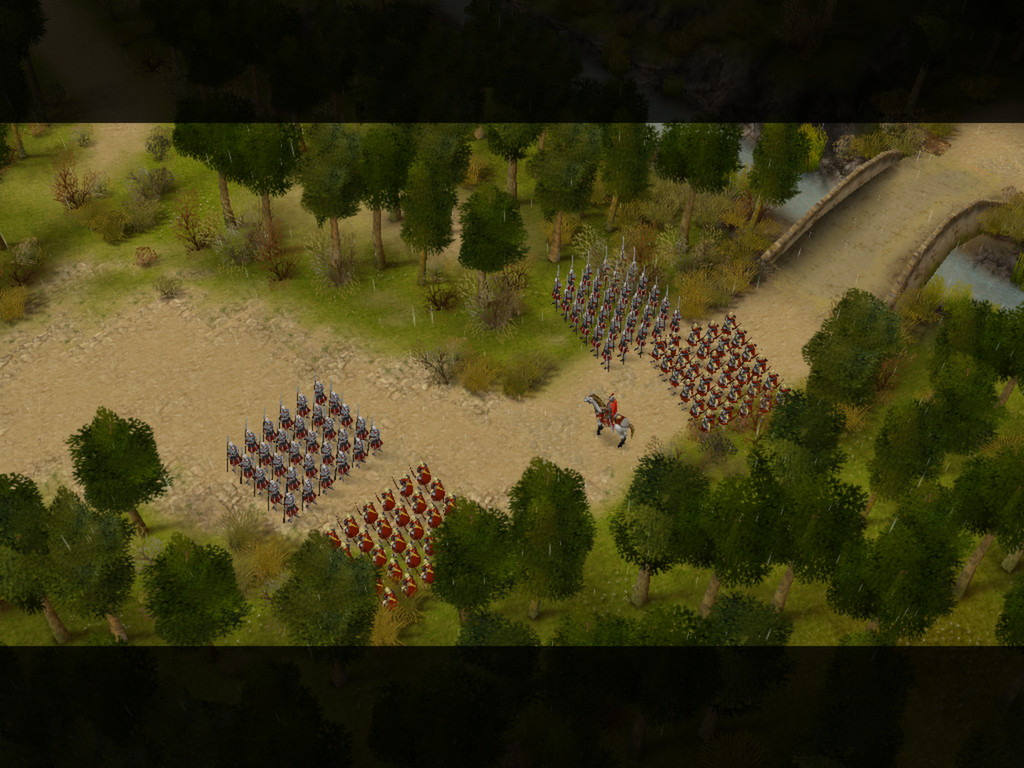
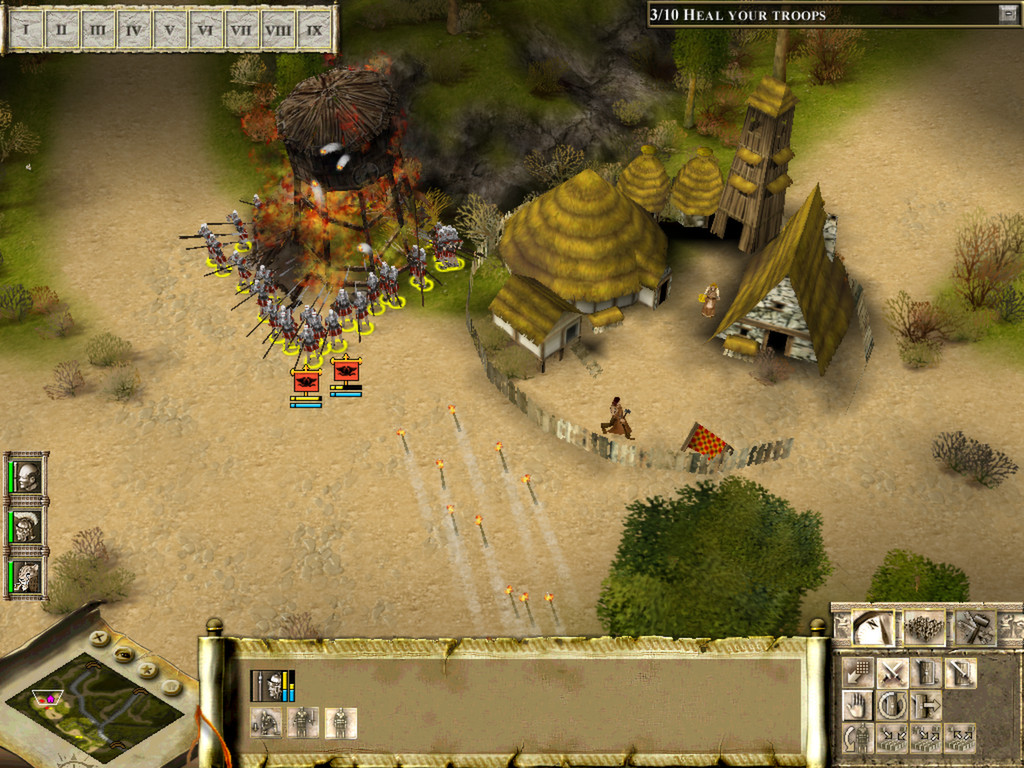
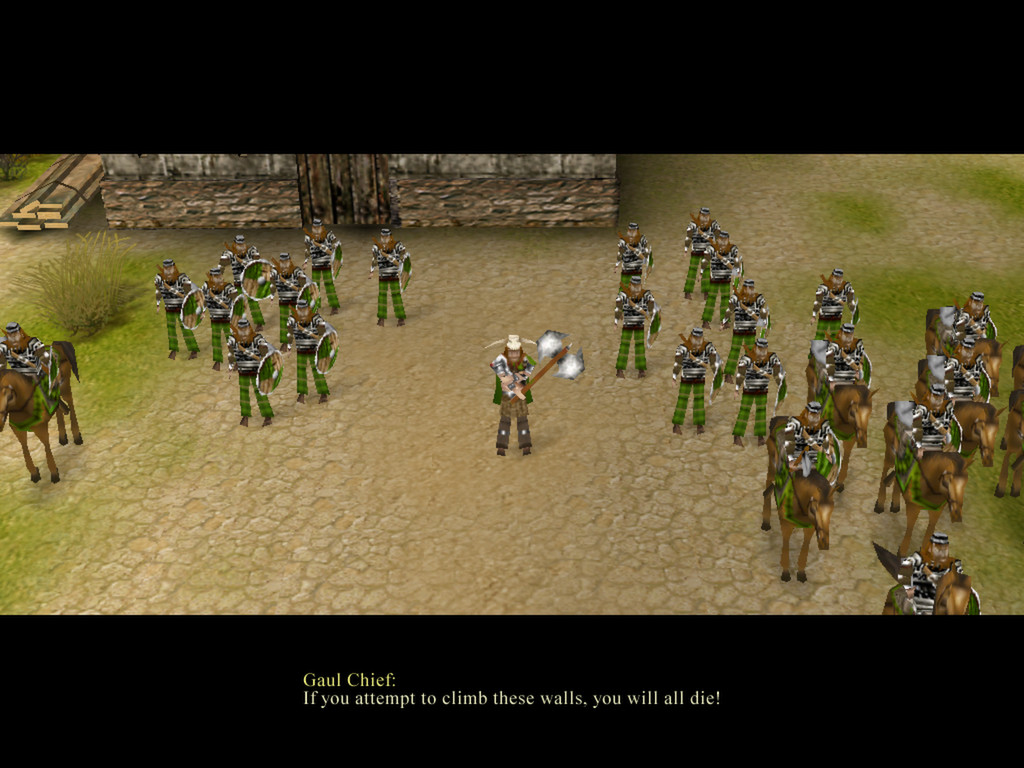
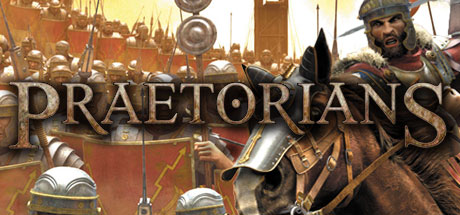
Praetorians is set amidst the political machinations of an emerging Roman Empire. You will be transported back to the dusty battlefields of Egypt, the combat theaters of Gaul and finally to the heart of the Empire itself, Italy in the crusade to become Emperor.
Praetorians is a strategy, rome and rts game
developed by Pyro Studios
and published by Kalypso Media Digital.
Released on April 11th 2014 is available only on Windows.
It has received 676 reviews of which 549 were positive and 127 were negative resulting in a rating of 7.7 out of 10. 😊
The game is currently priced at 4.99€ on Steam, but you can find it for 0.78€ on Eneba.
The Steam community has classified Praetorians into these genres:
Media & Screenshots
Get an in-depth look at Praetorians through various videos and screenshots.
System requirements
These are the minimum specifications needed to play the game. For the best experience, we recommend that you verify them.
Windows
- OS *: Windows XP
- Processor: 1 GHz Processor
- Memory: 256 MB RAM
- Graphics: 3D graphics card compatible with DirectX 7
- DirectX: Version 7.0
- Storage: 500 MB available space
- Sound Card: DirectX 9 compatible sound
Steam Price & Best Deals
Similar games
View all
Cossacks: Back to War
Cossacks: Back to War contains all of the gameplay features of Cossacks: European Wars and Cossacks: The Art of War, this is a complete care package for all current and future Cossacks fans. This add-on contains two new nations: Switzerland and Hungary.
Sudden Strike Gold
Set in World War 2, Sudden Strike offers revolutionary real-time-strategy gameplay. Command Russian, German, French, American and British armies in large scale battles including urban warfare, beach landings and aerial invasions. Whichever tactics you choose, you will find it in Sudden Strike!

Tzar: The Burden of the Crown
Tzar: The Burden of the Crown is an RTS classic by Haemimont Games, originally released in 2000
Metal Fatigue
Metal Fatigue is a real-time strategy game taking the genre to new heights - literally. Build and customize your massive Combots to dominate the three battlefield levels simultaneously - from orbit, to the surface, and even underground!

War, the Game
'War, the Game' is a RTS for pc in realistic present day setting.The controls are intuitive, the game rules are simple and transparent.The game focuses on strategy and the use of ones brain to complete the scenarios.The map is a spherical version of earth. That's new.

Cossacks II: Battle for Europe
Cossacks II: Battle for Europe is a standalone add-on for "Cossacks II: Napoleonic Wars" presenting new nations with the possibility to wage multiplayer battles.

American Conquest
In American Conquest, Players set sail from Europe to discover new world and conquer its innumerable riches.

American Conquest: Fight Back
American Conquest: Fight Back is the sequel to American Conquest. The most significant events of that glorious time have found their way into this title.
Rise of Nations: Extended Edition
Rise of Nations is back! Play the updated classic with full Steamworks integration and enhanced features!

Imperial Glory
It is a time of war in Europe. Driven by new ideas of Enlightenment, the hearts of men and women across the continent are inflamed with dreams of freedom and glory. This is the moment for a military genius to forge himself a name to be remembered throughout all eternity. This is your moment.

Interloper
Interloper is an online multiplayer real-time strategy game with matches that take only 5 minutes. Instead of destroying your opponent, you win by claiming domain. By predicting your opponent's movements, you corner them to claim the entire map.
Frequently Asked Questions
Praetorians is currently priced at 4.99€ on Steam.
No, Praetorians is currently not on sale. You can purchase it for 4.99€ on Steam.
Yes, Praetorians received 549 positive votes out of a total of 676 achieving a rating of 7.68.
😊
Praetorians was developed by Pyro Studios and published by Kalypso Media Digital.
Yes, Praetorians is playable and fully supported on Windows.
No, Praetorians is not playable on MacOS.
No, Praetorians is not playable on Linux.
This information about Praetorians is not available yet.
This information about Praetorians is not available yet.
No, Praetorians does not support VR.
Praetorians offers both single-player and multi-player modes.
Praetorians offers both Co-op and PvP modes.
No, Praetorians does not currently offer any DLC.
No, Praetorians does not support mods via Steam Workshop.
No, Praetorians does not support Steam Remote Play.
Yes, Praetorians is enabled for Steam Family Sharing. This means you can share the game with authorized users from your Steam Library, allowing them to play it on their own accounts. For more details on how the feature works, you can read the original Steam Family Sharing announcement or visit the Steam Family Sharing user guide and FAQ page.
You can find solutions or submit a support ticket by visiting the Steam Support page for Praetorians.
Data sources
The information presented on this page is sourced from reliable APIs to ensure accuracy and relevance. We utilize the Steam API to gather data on game details, including titles, descriptions, prices, and user reviews. This allows us to provide you with the most up-to-date information directly from the Steam platform.
Additionally, we incorporate data from the SteamSpy API, which offers insights into game sales and player statistics. This helps us present a comprehensive view of each game's popularity and performance within the gaming community.
Last Updates| Steam data | 19 September 2026 06:28 UTC |
|---|---|
| SteamSpy data | 27 October 2026 04:00 UTC |
| Steam price | 27 October 2026 15:02 UTC |
| Steam reviews | 20 October 2026 22:04 UTC |
If you'd like to dive deeper into the details about Praetorians, we invite you to check out a few dedicated websites that offer extensive information and insights. These platforms provide valuable data, analysis, and user-generated reports to enhance your understanding of the game and its performance.
- SteamDB - A comprehensive database of everything on Steam about Praetorians
- SteamCharts - Analysis of Praetorians concurrent players on Steam
- ProtonDB - Crowdsourced reports on Linux and Steam Deck Praetorians compatibility
 4.99€
Visit Store
4.99€
Visit Store
 🔥 Deal
-85%
4.99€
0.78€
Buy Now
🔥 Deal
-85%
4.99€
0.78€
Buy Now
 -80%
4.99€
1.00€
Visit Store
-80%
4.99€
1.00€
Visit Store
 -79%
4.99€
1.06€
Visit Store
-79%
4.99€
1.06€
Visit Store
Game modes
Features
Online players
7
Developer
Pyro Studios
Publisher
Kalypso Media Digital
Release
11 Apr 2014
Platforms
Clicking and buying through these links helps us earn a commission to maintain our services.